Some data may have been extracted from scientific literature using a pipeline that uses large language models (LLMs). Source articles are cited where applicable to help verify the extracted relationships.
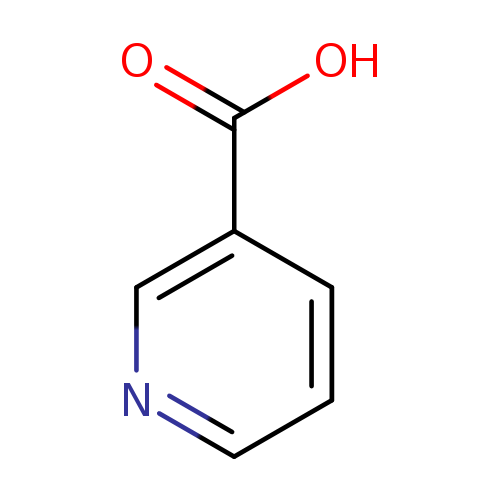
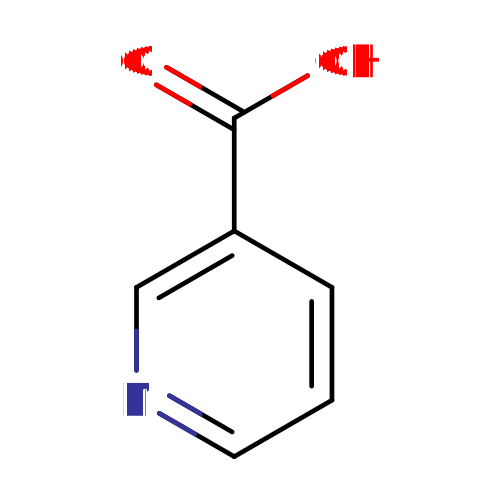
Nicotinic acid belongs to the pyridinecarboxylic acids and derivatives, a subclass of pyridines and derivatives within the organic compounds. This endogenous compound has the formula C6H5NO2 and an average molecular weight of 123.11 g/mol. At room temperature, it exists as a solid. It is detected in most tissues, including the liver, kidney, intestine, skin, stratum corneum, skeletal muscle, adipose tissue, and fibroblasts.
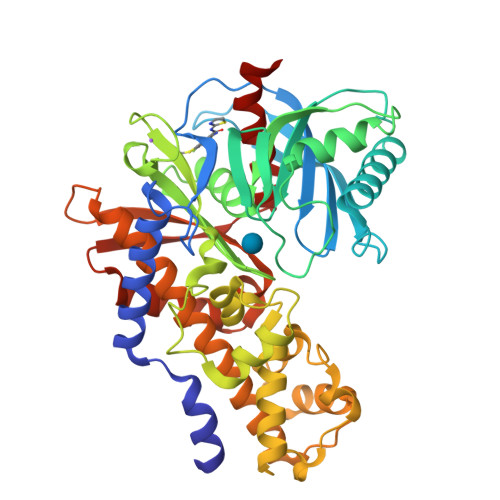
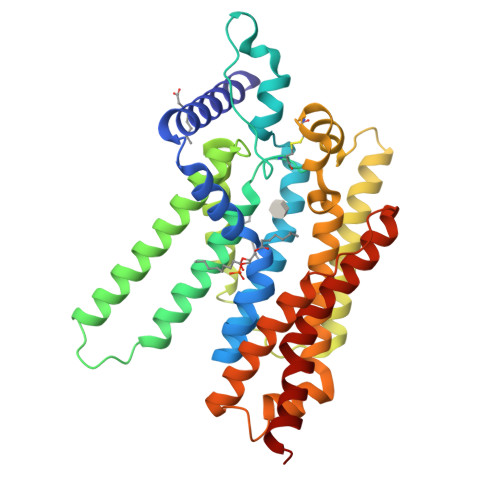
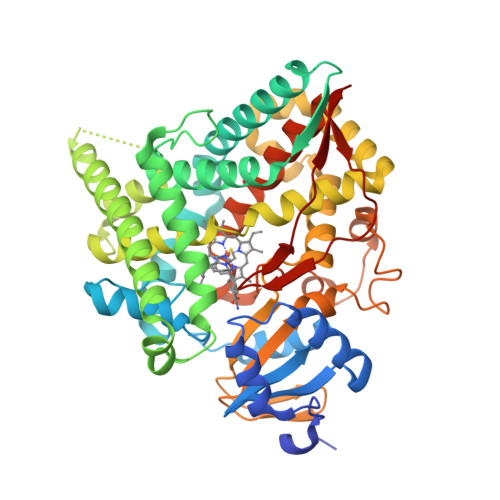
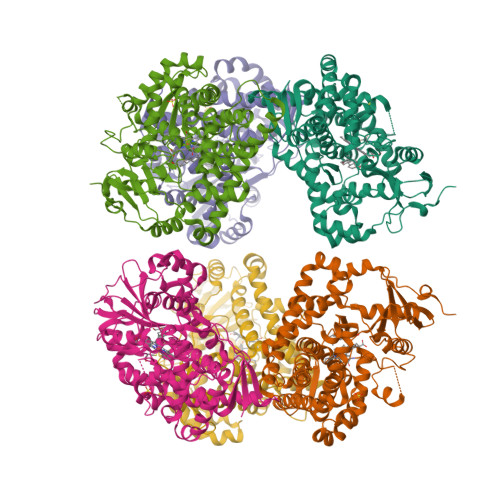
Nicotinic acid functions as a B vitamin, metabolite, and antioxidant (PMC7690615 ). It is a precursor to nicotinamide adenine dinucleotide (NAD) and nicotinamide adenine dinucleotide phosphate (NADP), which serve as vital cofactors for dozens of enzymes. Its recorded protein targets include nicotinamide N-methyltransferase (NNMT), hydroxycarboxylic acid receptor 2 (HCAR2), hydroxycarboxylic acid receptor 3 (HCAR3), and nicotinate-nucleotide pyrophosphorylase [carboxylating] (QPRT), and it acts as an inhibitor of diacylglycerol O-acyltransferase 2 (DGAT2). It binds to the niacin receptor, nicotinic acid phosphoribosyltransferase, and nicotinate D-ribonucleotide phyrophsopate phosphoribosyltransferase.
The compound is utilized as an antilipemic drug, vasodilator agent, antidote, and antimicrobial agent (PMC13208484 ), as well as a general drug (PMC8839250 ). Industrially, it is used as a humectant, anti-static agent, and as a nutrient and flavouring. It is used in the treatment of cancer (PMC2887708 ) and schizophrenia (PMC8839250 ), and has a therapeutic effect on schizophrenia (PMC9826852 ). Nicotinic acid is found in 45 recorded sources, including drinking water, medical devices, synthetic textiles, and food processing. Exposure routes include oral, intravenous, intramuscular, topical, inhalation, and touch.
Belongs to the class of organic compounds known as pyridinecarboxylic acids. Pyridinecarboxylic acids are compounds containing a pyridine ring bearing a carboxylic acid group.
Niacin binds to Nicotinate D-ribonucleotide phyrophsopate phosphoribosyltransferase, Nicotinic acid phosphoribosyltransferase, Nicotinate N-methyltransferase and the Niacin receptor. Niacin is the precursor to nicotinamide adenine dinucleotide (NAD) and nicotinamide adenine dinucleotide phosphate (NADP), which are vital cofactors for dozens of enzymes. The mechanism by which niacin exerts its lipid lowering effects is not entirely understood, but may involve several actions, including a decrease in esterification of hepatic triglycerides. Niacin treatment also decreases the serum levels of apolipoprotein B-100 (apo B), the major protein component of the VLDL (very low-density lipoprotein) and LDL fractions.
No indication of carcinogenicity to humans (not listed by IARC).
Minimum Risk Level
Not Available
Symptoms
Nicotinic acid can cause vasodilation of cutaneous blood vessels resulting in increased blood flow, principally in the face, neck and chest. This produces the niacin- or nicotinic acid-flush. The niacin-flush is thought to be mediated via the prostaglandin prostacyclin. Histamine may also play a role in the niacin-flush. Flushing is the adverse reaction first observed after intake of a large dose of nicotinic acid, and the most bothersome one.
Treatment
Supportive measures should be undertaken in the event of an overdose. (33)
Cancer is a group of diseases involving abnormal cell growth with the potential to invade or spread to other parts of the body. Possible signs and symptoms include a lump, abnormal bleeding, prolonged cough, unexplained weight loss, and a change in bowel movements. There are over 100 types of cancers affect humans. The risk of developing certain cancers can be reduced by not smoking, maintaining a healthy weight, not drinking too much alcohol, eating plenty of vegetables, fruits and whole grains, vaccination against certain infectious diseases, not eating too much processed and red meat and avoiding too much sunlight exposure. Cancer is often treated with some combination of radiation therapy, surgery, chemotherapy and targeted therapy. The majority of cancers, some 90–95% of cases, are due to genetic mutations from environmental and lifestyle factors. The remaining 5–10% are due to inherited genetics.
A disorder characterized by a state of generalized weakness with a pronounced inability to summon sufficient energy to accomplish daily activities. (NCI CTCAE)
A glucose metabolism disease characterized by chronic hyperglycaemia with disturbances of carbohydrate, fat and protein metabolism resulting from defects in insulin secretion, insulin action, or both. (DO)
A disorder characterized by a sensation of marked discomfort in various parts of the head, not confined to the area of distribution of any nerve. (NCI CTCAE)
A disorder involving build-up of fatty material and calcium deposition in the arterial wall. It results in partial or complete occlusion of the arterial lumen.
A disorder characterized by the inability of the heart to pump blood at an adequate volume to meet tissue metabolic requirements, or, the ability to do so only at an elevation in the filling pressure. (NCI CTCAE)
An artery disease that is characterized by plaque building up along the inner walls of the arteries of the heart resulting in a narrowing of the arteries and a reduced blood supply to the cardiac muscles. (DO)
An acquired metabolic disease that has material basis in low pH in body tissues and blood accompanied by the buildup of lactate especially D-lactate. (DO)
A brain disease that is characterized by moderate to severe headaches, nausea, extreme sensitivity to light and sound and intense unilaterial throbbing or pulsing. (DO)
A congestive heart failure characterized by a sudden stop in effective blood circulation due to the failure of the heart to contract effectively or at all.
A disorder characterised by diarrhea, dermatitis and dementia. If left untreated, death is the usual outcome. It occurs as a result of niacin (vitamin B-3) deficiency.
A disorder characterised by diarrhea, dermatitis and dementia. If left untreated, death is the usual outcome. It occurs as a result of niacin (vitamin B-3) deficiency.
A disorder characterised by diarrhea, dermatitis and dementia. If left untreated, death is the usual outcome. It occurs as a result of niacin (vitamin B-3) deficiency.
Irrigation water?Irrigation water can serve as a vector for synthetic chemical contamination due to its potential exposure to agricultural inputs such as fertilizers, pesticides, and herbicides.
Soil?Soil serves as a critical medium for plant growth and sustains various ecological functions; however, it can become a reservoir for synthetic chemical contamination.
Groundwater?Groundwater serves as a vital resource for drinking water and agricultural irrigation but is increasingly susceptible to contamination from synthetic chemicals.
Road dust?Road dust is a complex mixture of particulate matter that accumulates on roadways and can become a significant source of synthetic chemical contamination.
Drinking water?Drinking water can be a medium for synthetic chemical contamination, often originating from various industrial processes and agricultural practices.
Printed circuit boards?Printed circuit boards (PCBs) are essential components in the manufacturing of electronic devices, serving as the backbone for electrical connections and circuit pathways.
Semiconductors?Semiconductors are materials that possess electrical conductivity between that of conductors and insulators, making them essential for various electronic applications, including transistors, diodes, and integrated circuits.
Lubricants?Lubricants are synthetic or petroleum-derived substances used to reduce friction between surfaces in machinery and equipment, enhancing operational efficiency and longevity.
Food packaging?Food packaging often utilizes synthetic chemicals, such as plastics and coatings, to enhance durability, moisture resistance, and shelf life.
Brushes?Brushes used in personal care and cosmetics can be a source of synthetic chemical contamination due to the materials and coatings used in their manufacturing.
Medical devices?Medical devices often incorporate synthetic chemicals in their manufacturing processes, which can contribute to contamination in healthcare settings.
Peripheral vasodilators?Peripheral vasodilators are synthetic chemicals that promote the widening of blood vessels, enhancing blood flow to extremities.
Lipid modifying agents?Lipid modifying agents are synthetic chemicals used to alter the lipid profiles of living organisms, often employed in the treatment of hyperlipidemia and related cardiovascular conditions.
Carpets and Rugs?Carpets and rugs are commonly manufactured using synthetic fibers such as nylon, polyester, and polypropylene, which can be derived from petrochemical sources.
Synthetic textiles?Synthetic textiles are materials derived from man-made fibers, such as polyester, nylon, and acrylic, which are produced through chemical processes involving petrochemicals.
Landfill leachate?Landfill leachate is a liquid that forms when rainwater or moisture percolates through waste materials in a landfill, dissolving various soluble substances and contaminants.
Industrial wastewater?Industrial wastewater is a byproduct generated during various manufacturing and processing activities, which often contains a complex mixture of organic and inorganic synthetic chemicals.
Effluent?Effluent refers to liquid waste or sewage that is discharged into the environment, typically resulting from industrial processes, municipal wastewater treatment, or agricultural runoff.
Cell phones?Cell phones contain a variety of synthetic chemicals and materials, including plastics, metals, and glass, which can contribute to environmental contamination.
Capacitors?Capacitors are electronic components that store and release electrical energy, often using dielectric materials that can include synthetic chemicals.
Ceilings?Ceilings in built environments can be a source of synthetic chemical contamination due to the materials used in their construction and finishes.
Antennas?Antennas, commonly used in communication technologies, can be a source of synthetic chemical contamination through the materials and coatings used in their construction.
Communication Cables Or Conductors?Communication cables or conductors are essential components in the transmission of data and signals in various applications, including telecommunications and networking.
Conductors Or Conductive Bodies Characterised By The Conductive Materials?Conductors, or conductive bodies, are materials that allow the flow of electrical current, typically made from metals such as copper, aluminum, or silver.
Electrically Stimulated Smoking Devices?Electrically stimulated smoking devices, commonly known as e-cigarettes or vape pens, utilize electrical components to heat a liquid solution, often containing nicotine, flavorings, and other additives, to produce an aerosol for inhalation.
Electrodes?Electrodes, used in various electrical and electronic applications, can be a source of synthetic chemical contamination due to the materials from which they are constructed and the processes involved in their manufacturing.
Hybrid Capacitors?Hybrid capacitors are energy storage devices that combine the properties of electrolytic and supercapacitors, utilizing a combination of electrochemical principles to achieve higher energy density and power density.
Television Systems?Television systems can be a source of synthetic chemical contamination due to the various materials and components used in their manufacture and operation.
Food Preservation?Food preservation often involves the use of synthetic chemicals, such as preservatives, flavor enhancers, and color additives, to extend shelf life and enhance the sensory qualities of food products.
Molasses And Treatment Of Molasses?Molasses is a thick, viscous byproduct of sugar production, derived from the extraction of sugar cane or sugar beet juice.
Preparation Of Malt?Malt preparation involves the germination and drying of cereal grains, primarily barley, to produce malt for brewing and food products.
Preparation Of Vinegar?Vinegar is produced through the fermentation of ethanol by acetic acid bacteria, resulting in a solution that typically contains 4-8% acetic acid.
Preparation Of Wine Or Sparkling Wine?The preparation of wine or sparkling wine involves various stages, including fermentation, aging, and bottling, which can introduce potential sources of synthetic chemical contamination.
Treatment Of Hops?Hops, a key ingredient in brewing and food flavoring, can be a source of synthetic chemical contamination due to various agricultural practices.
Bleaching Agents?Bleaching agents are chemical substances used to whiten or lighten materials, often employed in various cleaning products for their stain removal and disinfecting properties.
Non Electric Simulated Smoking Devices?Non-electric simulated smoking devices, often designed to mimic the experience of smoking without combustion, can be sources of synthetic chemical contamination due to the materials and chemicals used in their construction and operation.
Perfumes Within Detergents And Soaps?Perfumes within detergents and soaps are synthetic fragrance compounds added to enhance the sensory experience of cleaning products.
Pipe Accessories?Pipe accessories, such as fittings, connectors, and seals, are components used in plumbing systems to facilitate the flow of liquids and gases.
Soap Detergents?Soap detergents are synthetic surfactants designed to enhance the cleaning efficacy of water by reducing surface tension, allowing for better interaction with dirt and grease.
Tobacco Pipes?Tobacco pipes, often made from materials such as plastic, wood, or metal, can serve as sources of synthetic chemical contamination due to the residues left by tobacco products.
Tobacco Product Cases?Tobacco product cases can serve as a source of synthetic chemical contamination due to the presence of various additives and chemicals used in tobacco processing and product manufacturing.
Tobacco Smoke Filters?Tobacco smoke filters are designed to reduce the inhalation of harmful substances in cigarette smoke, including tar and other particulate matter.
Making Cigars?The process of making cigars involves several steps, including the cultivation of tobacco, fermentation, and the application of various additives to enhance flavor and preservation.
Manufacture Preparation Of Tobacco Products?The manufacture and preparation of tobacco products involve various processes that can result in the introduction of synthetic chemicals into the environment.
Chemosterilants?Chemosterilants are synthetic chemicals designed to induce sterility in target pest populations, thereby controlling their reproduction and mitigating damage to crops.
Molluscicides?Molluscicides are synthetic chemicals specifically designed to control and eliminate mollusks, such as snails and slugs, which can be detrimental to crops and agricultural productivity.
Nematocides?Nematocides are synthetic chemicals specifically designed to control nematodes, which are microscopic roundworms that can cause significant damage to crops and plants.
Rodenticides(1)?Rodenticides are synthetic chemicals specifically formulated to control rodent populations, serving as a crucial tool in managing pests that can damage crops and spread diseases.
Rodenticides?Rodenticides are chemical substances specifically designed to control rodent populations by causing death through various mechanisms, including anticoagulation or neurotoxicity.
Aftersun Products?Aftersun products are designed to soothe and hydrate the skin after sun exposure, often containing various synthetic chemicals such as emollients, preservatives, and fragrances.
Anti Perspirants Or Body Deoderants?Antiperspirants and body deodorants commonly contain synthetic chemicals such as aluminum compounds, parabens, and synthetic fragrances.
Depilatories?Depilatories are products designed to remove unwanted hair through the application of synthetic chemicals that break down the protein structure of hair, facilitating its removal.
Essential Oils Or Perfumes?Essential oils and perfumes are complex mixtures of volatile compounds derived from natural or synthetic sources, commonly used for their aromatic properties.
Eye Makeup Products?Eye makeup products, including mascaras, eyeliners, and eyeshadows, often contain a variety of synthetic chemicals such as pigments, preservatives, and film-forming agents.
Face Mask Cosmetics?Face mask cosmetics often contain a variety of synthetic chemicals, including preservatives, emulsifiers, and fragrances, which can contribute to chemical contamination.
Lip Care Products?Lip care products, including lipsticks, balms, and glosses, often contain a variety of synthetic chemicals such as parabens, phthalates, and synthetic fragrances.
Lip Makeup Products?Lip makeup products, such as lipsticks, lip glosses, and lip liners, often contain a variety of synthetic chemicals, including pigments, preservatives, and emollients.
Manicure Pedicure?Manicure and pedicure procedures often involve the use of various synthetic chemicals, including solvents, nail polishes, and nail adhesives.
Footwear?Footwear production often involves the use of various synthetic chemicals, such as adhesives, dyes, and treatments, which can contribute to environmental contamination.
Headwear?Headwear made from synthetic materials often incorporates chemicals used in the manufacturing and finishing processes, such as dyes, flame retardants, and water repellents.
Surface Finishing Of Leather?Surface finishing of leather often involves the use of various synthetic chemicals, including dyes, resins, and finishing agents.
Transfer Printing?Transfer printing is a process used to apply designs and patterns onto various substrates, commonly utilizing synthetic dyes and inks that can contain hazardous chemicals.
Yarns Or Threads?Yarns or threads used in textiles can be a source of synthetic chemical contamination due to the production processes and treatments they undergo.
Solid Fire Fighting Substances?Solid fire fighting substances, such as certain types of dry chemical powders, are used in fire suppression applications to extinguish flames and prevent fire spread.
Airplanes And Helicopters?Airplanes and helicopters are significant sources of synthetic chemical contamination primarily through the use of aviation fuels, lubricants, and de-icing agents.
Nitrogenous Fertilisers?Nitrogenous fertilizers are synthetic chemical compounds primarily used to enhance plant growth by supplying essential nitrogen, a crucial nutrient for photosynthesis and protein synthesis.
Cements?Cements are a composite material primarily used as a binding agent in construction applications, formed by the calcination of limestone and clay minerals at high temperatures.
Glass Coatings?Glass coatings are synthetic chemical formulations applied to glass surfaces to enhance properties such as durability, UV resistance, and aesthetic appeal.
Non Oxide Glass?Non-oxide glass refers to a category of glasses primarily composed of materials other than silicon dioxide, such as boron oxide or phosphorous oxide.
Silica Free Oxide Glass?Silica Free Oxide Glass is a type of glass that is produced using alternative materials to traditional silica-based formulations.
Silica Glass?Silica glass, primarily composed of silicon dioxide (SiO2), is widely used in various applications, including windows, glass facades, and insulation materials.
Nanotechnology?Nanotechnology involves the manipulation of materials at the molecular or atomic level, typically within the range of 1 to 100 nanometers.
Ink Receptacles?Ink receptacles, commonly utilized in printing processes, can be a source of synthetic chemical contamination due to the solvents, pigments, and additives contained within the inks.
Coating Compositions?Coating compositions, which include paints, sealants, and varnishes, are formulated with a variety of synthetic chemicals such as solvents, resins, pigments, and additives.
Leather Tanning?Leather tanning is a process that transforms raw animal hides into durable leather through the application of various chemicals, including chromium salts, aldehydes, and vegetable tannins.
Sludge Treatment?Sludge treatment involves the processing of waste materials generated from wastewater treatment plants, which often contain a variety of organic and inorganic substances.
Water, Wastewater, & Sewage Treatment?Water, wastewater, and sewage treatment processes are critical for managing and mitigating pollutants in water systems.
Niacin binds to nicotinate D-ribonucleotide phyrophsopate phosphoribosyltransferase, nicotinic acid phosphoribosyltransferase, nicotinate N-methyltransferase and the niacin receptor. Niacin is the precursor to nicotinamide adenine dinucleotide (NAD) and nicotinamide adenine dinucleotide phosphate (NADP), which are vital cofactors for dozens of enzymes. The mechanism by which niacin exerts its lipid lowering effects is not entirely understood, but may involve several actions, including a decrease in esterification of hepatic triglycerides. Niacin treatment also decreases the serum levels of apolipoprotein B-100 (apo B), the major protein component of the VLDL (very low-density lipoprotein) and LDL fractions. (A1386, A1387, A1388, A1380, A1381)
Niacin binds to nicotinate D-ribonucleotide phyrophsopate phosphoribosyltransferase, nicotinic acid phosphoribosyltransferase, nicotinate N-methyltransferase and the niacin receptor. Niacin is the precursor to nicotinamide adenine dinucleotide (NAD) and nicotinamide adenine dinucleotide phosphate (NADP), which are vital cofactors for dozens of enzymes. The mechanism by which niacin exerts its lipid lowering effects is not entirely understood, but may involve several actions, including a decrease in esterification of hepatic triglycerides. Niacin treatment also decreases the serum levels of apolipoprotein B-100 (apo B), the major protein component of the VLDL (very low-density lipoprotein) and LDL fractions. (A1378, A1379, A1380, A1381, A1382)
Niacin binds to nicotinate D-ribonucleotide phyrophsopate phosphoribosyltransferase, nicotinic acid phosphoribosyltransferase, nicotinate N-methyltransferase and the niacin receptor. Niacin is the precursor to nicotinamide adenine dinucleotide (NAD) and nicotinamide adenine dinucleotide phosphate (NADP), which are vital cofactors for dozens of enzymes. The mechanism by which niacin exerts its lipid lowering effects is not entirely understood, but may involve several actions, including a decrease in esterification of hepatic triglycerides. Niacin treatment also decreases the serum levels of apolipoprotein B-100 (apo B), the major protein component of the VLDL (very low-density lipoprotein) and LDL fractions. (A1383, A1384, A1385)
Niacin binds to nicotinate D-ribonucleotide phyrophsopate phosphoribosyltransferase, nicotinic acid phosphoribosyltransferase, nicotinate N-methyltransferase and the niacin receptor. Niacin is the precursor to nicotinamide adenine dinucleotide (NAD) and nicotinamide adenine dinucleotide phosphate (NADP), which are vital cofactors for dozens of enzymes. The mechanism by which niacin exerts its lipid lowering effects is not entirely understood, but may involve several actions, including a decrease in esterification of hepatic triglycerides. Niacin treatment also decreases the serum levels of apolipoprotein B-100 (apo B), the major protein component of the VLDL (very low-density lipoprotein) and LDL fractions. (A358, A359)
Overington JP, Al-Lazikani B, Hopkins AL: How many drug targets are there? Nat Rev Drug Discov. 2006 Dec;5(12):993-6. [PubMed: 17139284]
Imming P, Sinning C, Meyer A: Drugs, their targets and the nature and number of drug targets. Nat Rev Drug Discov. 2006 Oct;5(10):821-34. [PubMed: 17016423]
Nathanson JA: Caffeine and related methylxanthines: possible naturally occurring pesticides. Science. 1984 Oct 12;226(4671):184-7. [PubMed: 6207592]
Tunaru S, Kero J, Schaub A, Wufka C, Blaukat A, Pfeffer K, Offermanns S: PUMA-G and HM74 are receptors for nicotinic acid and mediate its anti-lipolytic effect. Nat Med. 2003 Mar;9(3):352-5. Epub 2003 Feb 3. [PubMed: 12563315]
Taggart AK, Kero J, Gan X, Cai TQ, Cheng K, Ippolito M, Ren N, Kaplan R, Wu K, Wu TJ, Jin L, Liaw C, Chen R, Richman J, Connolly D, Offermanns S, Wright SD, Waters MG: (D)-beta-Hydroxybutyrate inhibits adipocyte lipolysis via the nicotinic acid receptor PUMA-G. J Biol Chem. 2005 Jul 22;280(29):26649-52. Epub 2005 Jun 1. [PubMed: 15929991]
Zhang Y, Schmidt RJ, Foxworthy P, Emkey R, Oler JK, Large TH, Wang H, Su EW, Mosior MK, Eacho PI, Cao G: Niacin mediates lipolysis in adipose tissue through its G-protein coupled receptor HM74A. Biochem Biophys Res Commun. 2005 Aug 26;334(2):729-32. [PubMed: 16018973]
Tunaru S, Lattig J, Kero J, Krause G, Offermanns S: Characterization of determinants of ligand binding to the nicotinic acid receptor GPR109A (HM74A/PUMA-G). Mol Pharmacol. 2005 Nov;68(5):1271-80. Epub 2005 Aug 11. [PubMed: 16099840]
Fukuwatari T, Morikawa Y, Hayakawa F, Sugimoto E, Shibata K: Influence of adenine-induced renal failure on tryptophan-niacin metabolism in rats. Biosci Biotechnol Biochem. 2001 Oct;65(10):2154-61. [PubMed: 11758903]
Shin DH, Oganesyan N, Jancarik J, Yokota H, Kim R, Kim SH: Crystal structure of a nicotinate phosphoribosyltransferase from Thermoplasma acidophilum. J Biol Chem. 2005 May 6;280(18):18326-35. Epub 2005 Mar 6. [PubMed: 15753098]
Zheng XQ, Hayashibe E, Ashihara H: Changes in trigonelline (N-methylnicotinic acid) content and nicotinic acid metabolism during germination of mungbean (Phaseolus aureus) seeds. J Exp Bot. 2005 Jun;56(416):1615-23. Epub 2005 Apr 18. [PubMed: 15837705]
Wise A, Foord SM, Fraser NJ, Barnes AA, Elshourbagy N, Eilert M, Ignar DM, Murdock PR, Steplewski K, Green A, Brown AJ, Dowell SJ, Szekeres PG, Hassall DG, Marshall FH, Wilson S, Pike NB: Molecular identification of high and low affinity receptors for nicotinic acid. J Biol Chem. 2003 Mar 14;278(11):9869-74. Epub 2003 Jan 9. [PubMed: 12522134]
Soga T, Kamohara M, Takasaki J, Matsumoto S, Saito T, Ohishi T, Hiyama H, Matsuo A, Matsushime H, Furuichi K: Molecular identification of nicotinic acid receptor. Biochem Biophys Res Commun. 2003 Mar 28;303(1):364-9. [PubMed: 12646212]
Zellner C, Pullinger CR, Aouizerat BE, Frost PH, Kwok PY, Malloy MJ, Kane JP: Variations in human HM74 (GPR109B) and HM74A (GPR109A) niacin receptors. Hum Mutat. 2005 Jan;25(1):18-21. [PubMed: 15580557]
Dastur DK, Santhadevi N, Quadros EV, Avari FC, Wadia NH, Desai MN, Bharucha EP: The B-vitamins in malnutrition with alcoholism. A model of intervitamin relationships. Br J Nutr. 1976 Sep;36(2):143-59. [PubMed: 182198]
Gopal E, Fei YJ, Miyauchi S, Zhuang L, Prasad PD, Ganapathy V: Sodium-coupled and electrogenic transport of B-complex vitamin nicotinic acid by slc5a8, a member of the Na/glucose co-transporter gene family. Biochem J. 2005 May 15;388(Pt 1):309-16. [PubMed: 15651982]
Salvi A, Carrupt PA, Mayer JM, Testa B: Esterase-like activity of human serum albumin toward prodrug esters of nicotinic acid. Drug Metab Dispos. 1997 Apr;25(4):395-8. [PubMed: 9107536]
Hertle H, Kiese M, Renner G: Absorption in rats, dogs, pigs, and humans of nicotinic acid after oral administration of phosphatidyl inositol pentanicotinate hydrochloride (PIN). Arzneimittelforschung. 1979;29(1):114-6. [PubMed: 582105]
Zarzycki PK, Kowalski P, Nowakowska J, Lamparczyk H: High-performance liquid chromatographic and capillary electrophoretic determination of free nicotinic acid in human plasma and separation of its metabolites by capillary electrophoresis. J Chromatogr A. 1995 Aug 11;709(1):203-8. [PubMed: 7581845]
Hengen N, Seiberth V, Hengen M: High-performance liquid-chromatographic determination of free nicotinic acid and its metabolite, nicotinuric acid, in plasma and urine. Clin Chem. 1978 Oct;24(10):1740-3. [PubMed: 699281]
Santos RD: [Pharmacology of niacin or nicotinic acid]. Arq Bras Cardiol. 2005 Oct;85 Suppl 5:17-9. Epub 2006 Jan 2. [PubMed: 16400392]
Mrochek JE, Jolley RL, Young DS, Turner WJ: Metabolic response of humans to ingestion of nicotinic acid and nicotinamide. Clin Chem. 1976 Nov;22(11):1821-7. [PubMed: 135660]
Pike NB: Flushing out the role of GPR109A (HM74A) in the clinical efficacy of nicotinic acid. J Clin Invest. 2005 Dec;115(12):3400-3. [PubMed: 16322787]
Kobayashi M, Shimizu S: [Nicotinic acid and nicotinamide]. Nihon Rinsho. 1999 Oct;57(10):2211-7. [PubMed: 10540864]
Sutherland WH, Larking PW, Nye ER: Modification of nicotinic acid and prostaglandin E1 antilipolytic action in vitro. Atherosclerosis. 1976 Oct;25(1):45-53. [PubMed: 186078]
Stratford MR, Dennis MF, Hoskin P, Phillips H, Hodgkiss RJ, Rojas A: Nicotinamide pharmacokinetics in humans: effect of gastric acid inhibition, comparison of rectal vs oral administration and the use of saliva for drug monitoring. Br J Cancer. 1996 Jul;74(1):16-21. [PubMed: 8679452]
Angelin B, Einarsson K, Leijd B: Biliary lipid composition during treatment with different hypolipidaemic drugs. Eur J Clin Invest. 1979 Jun;9(3):185-90. [PubMed: 113218]
Patterson MC, Di Bisceglie AM, Higgins JJ, Abel RB, Schiffmann R, Parker CC, Argoff CE, Grewal RP, Yu K, Pentchev PG, et al.: The effect of cholesterol-lowering agents on hepatic and plasma cholesterol in Niemann-Pick disease type C. Neurology. 1993 Jan;43(1):61-4. [PubMed: 8423912]
Muller B, Kasper M, Surber C, Imanidis G: Permeation, metabolism and site of action concentration of nicotinic acid derivatives in human skin. Correlation with topical pharmacological effect. Eur J Pharm Sci. 2003 Oct;20(2):181-95. [PubMed: 14550884]
Chekalina SI, Guseva LI, Bardyechev MS: [Use of nicotinic acid and midocalm for correcting blood coagulation in patients with radiation edema of the extremities]. Med Radiol (Mosk). 1985 Aug;30(8):28-30. [PubMed: 4033386]

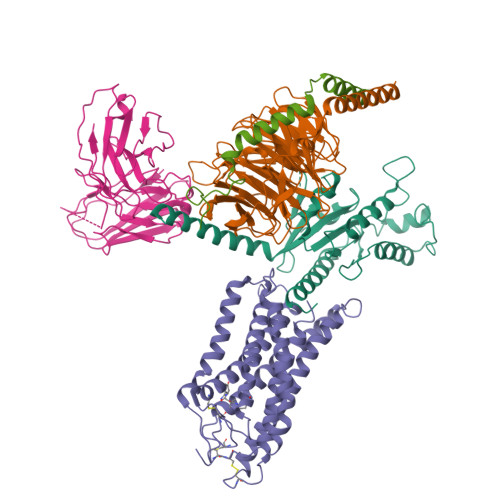
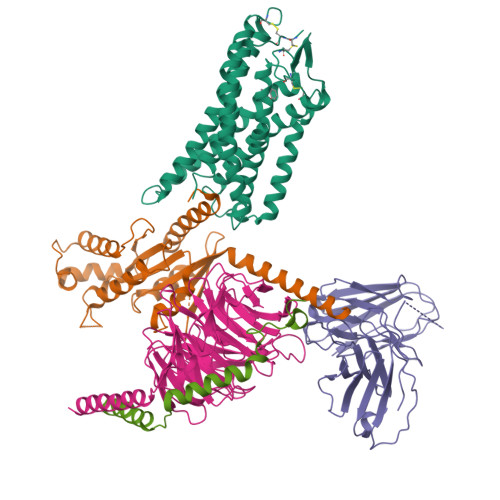
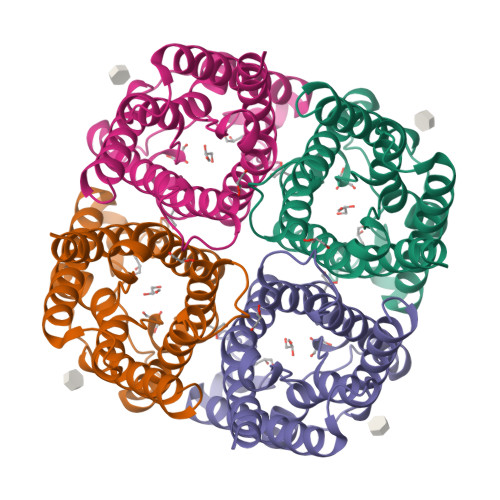


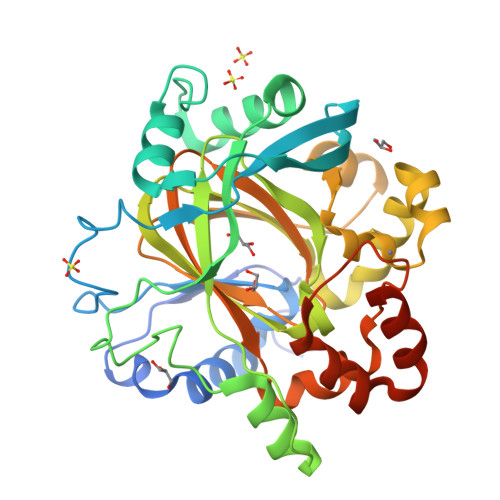


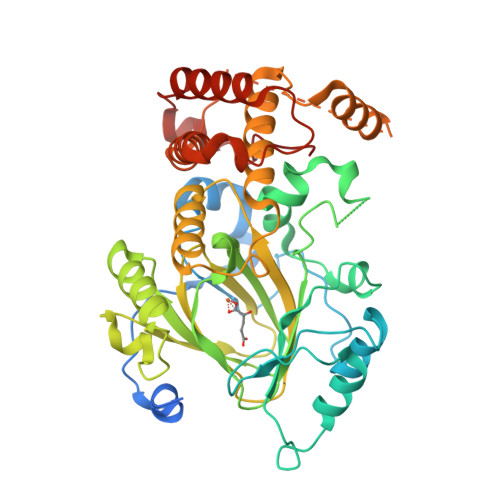
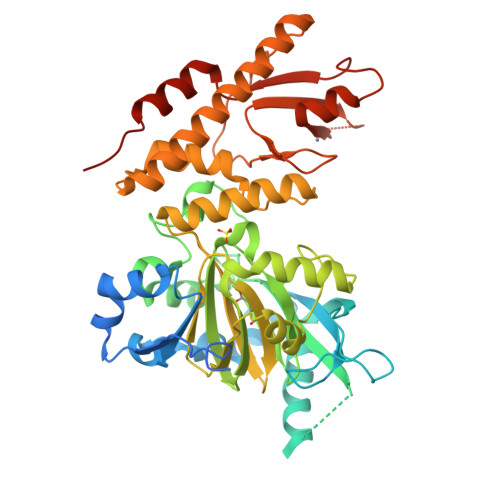
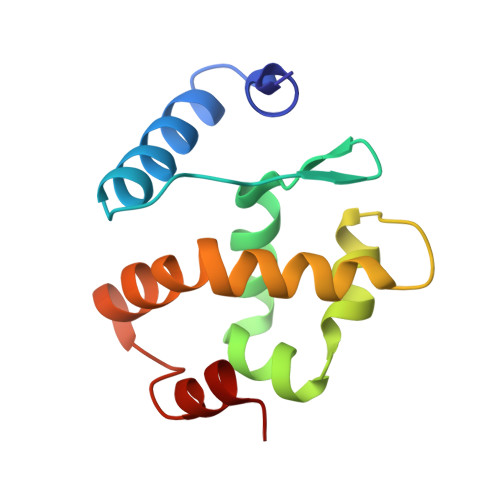
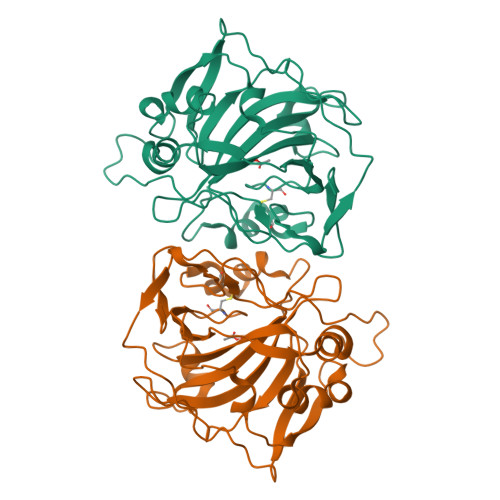



![Nicotinate-nucleotide pyrophosphorylase [carboxylating] structure](https://cdn.rcsb.org/images/structures/2jbm_assembly-1.jpeg)