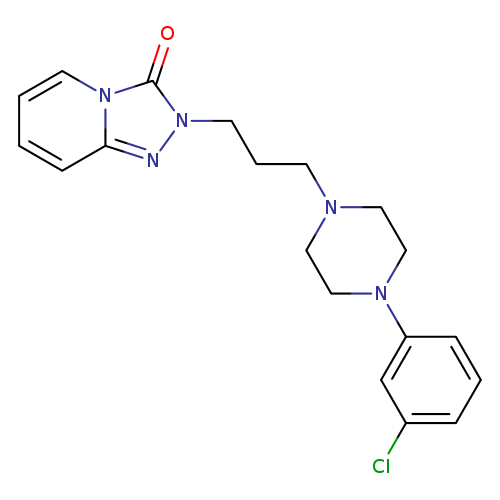
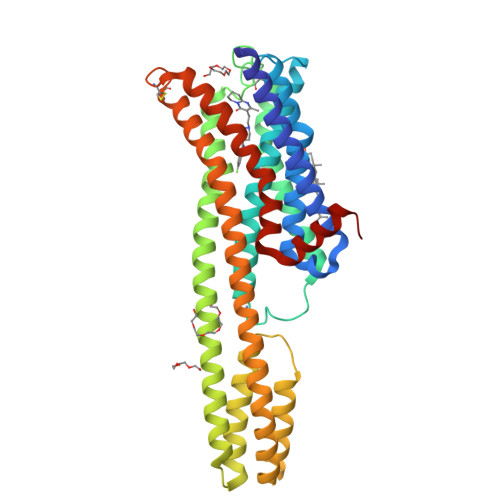
 Click to view 3D structure Click to view 3D structure | 5-hydroxytryptamine receptor 2A | P28223 | Humans | Predicted (SEA) | 6.69503 |
 Click to view 3D structure Click to view 3D structure | Sodium-dependent serotonin transporter | P31645 | Humans | Predicted (SEA) | 4.51525 |
 Click to view 3D structure Click to view 3D structure | 5-hydroxytryptamine receptor 2A | P14842 | Rattus norvegicus | Predicted (SEA) | 3.19182 |
 Click to view 3D structure Click to view 3D structure | 5-hydroxytryptamine receptor 1A | P08908 | Humans | Predicted (SEA) | 14.1686 |
| Click to view 3D structure | 5-hydroxytryptamine receptor 1A | P19327 | Rattus norvegicus | Predicted (SEA) | 11.0546 |
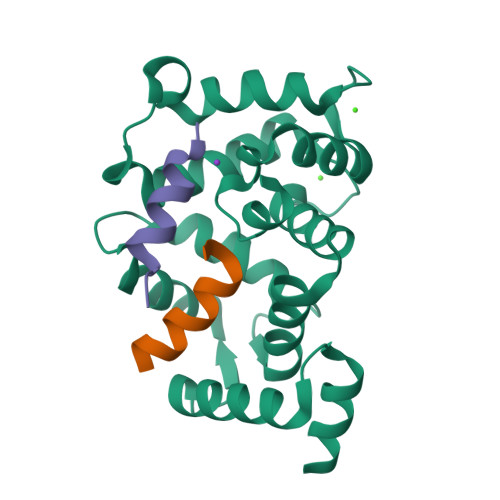 Click to view 3D structure Click to view 3D structure | D(2) dopamine receptor | P14416 | Humans | Predicted (SEA) | 22.4206 |
 Click to view 3D structure Click to view 3D structure | Histamine H1 receptor | P35367 | Humans | Predicted (SEA) | 5.68299 |
 Click to view 3D structure Click to view 3D structure | 5-hydroxytryptamine receptor 2C | P28335 | Humans | Predicted (SEA) | 9.809 |
 Click to view 3D structure Click to view 3D structure | Sigma non-opioid intracellular receptor 1 | Q99720 | Humans | Predicted (SEA) | 9.10836 |
 Click to view 3D structure Click to view 3D structure | D(3) dopamine receptor | P35462 | Humans | Predicted (SEA) | 24.1333 |
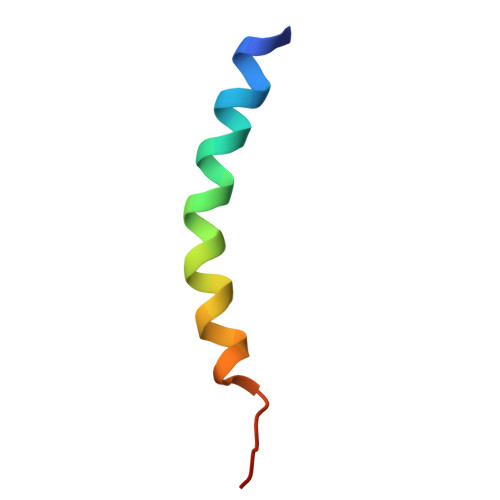 Click to view 3D structure Click to view 3D structure | Alpha-2A adrenergic receptor | P08913 | Humans | Predicted (SEA) | 7.78492 |
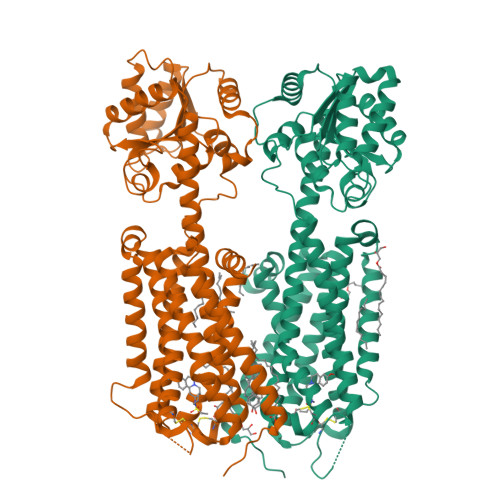 Click to view 3D structure Click to view 3D structure | Alpha-2C adrenergic receptor | P18825 | Humans | Predicted (SEA) | 5.0602 |
| Click to view 3D structure | Alpha-1D adrenergic receptor | P25100 | Humans | Predicted (SEA) | 5.91654 |
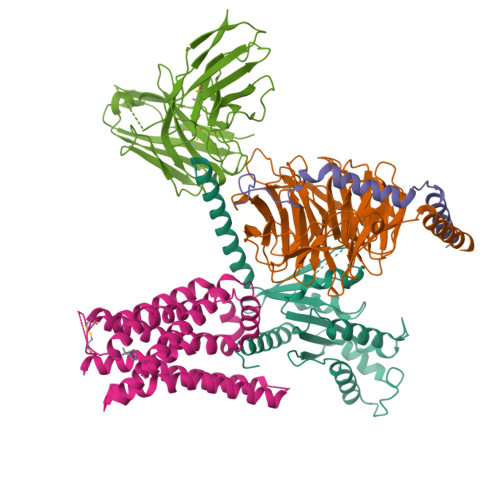 Click to view 3D structure Click to view 3D structure | Alpha-2B adrenergic receptor | P18089 | Humans | Predicted (SEA) | 5.13805 |
 Click to view 3D structure Click to view 3D structure | 5-hydroxytryptamine receptor 2B | P41595 | Humans | Predicted (SEA) | 18.5281 |
| Click to view 3D structure | Alpha-1A adrenergic receptor | P43140 | Rattus norvegicus | Predicted (SEA) | 12.5337 |
| Click to view 3D structure | D(2) dopamine receptor | P61169 | Rat | Predicted (SEA) | 56.9078 |
| Click to view 3D structure | 5-hydroxytryptamine receptor 1B | P28564 | Rattus norvegicus | Predicted (SEA) | 7.31783 |
 Click to view 3D structure Click to view 3D structure | 5-hydroxytryptamine receptor 7 | P34969 | Humans | Predicted (SEA) | 37.7569 |
| Click to view 3D structure | Alpha-1B adrenergic receptor | P15823 | Rattus norvegicus | Predicted (SEA) | 3.73676 |
| Click to view 3D structure | Sodium-dependent serotonin transporter | P31652 | Rattus norvegicus | Predicted (SEA) | 27.3251 |
 Click to view 3D structure Click to view 3D structure | 5-hydroxytryptamine receptor 6 | P50406 | Humans | Predicted (SEA) | 32.2296 |
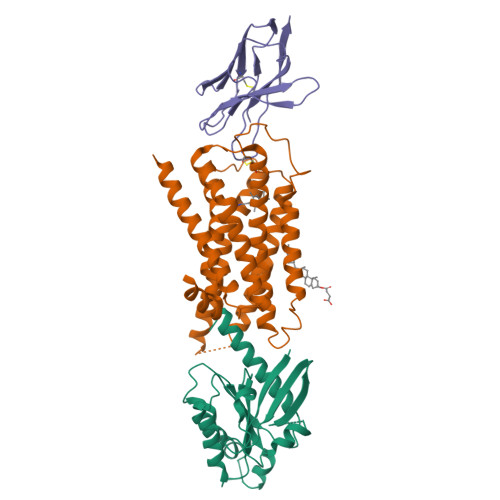 Click to view 3D structure Click to view 3D structure | Alpha-1A adrenergic receptor | P35348 | Humans | Predicted (SEA) | 33.2416 |
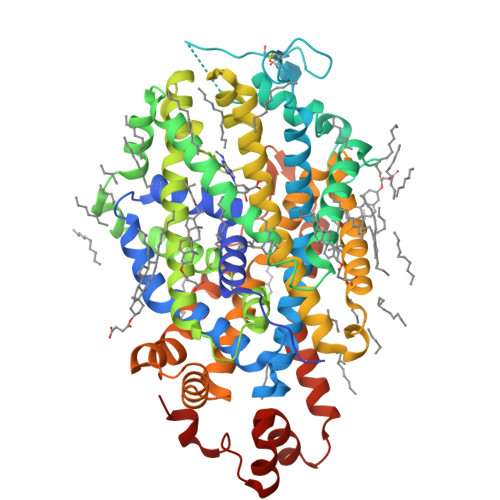 Click to view 3D structure Click to view 3D structure | Sodium-dependent dopamine transporter | Q01959 | Humans | Predicted (SEA) | 25.0674 |
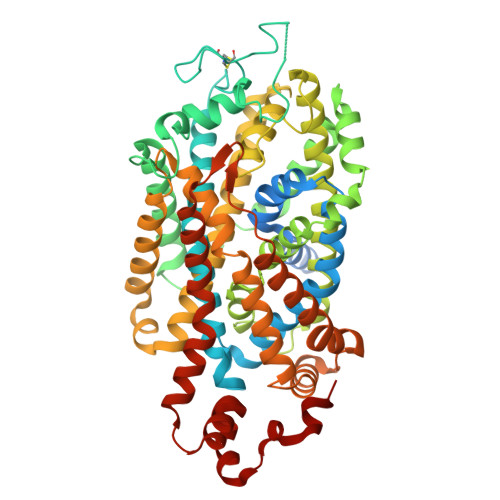 Click to view 3D structure Click to view 3D structure | Sodium-dependent noradrenaline transporter | P23975 | Humans | Predicted (SEA) | 21.0971 |
| Click to view 3D structure | 5-hydroxytryptamine receptor 2A | P28223 | Humans | Known | Trazodone binds at 5-HT2 receptor, it acts as a serotonin agonist at high doses and a serotonin antagonist at low doses. Like fluoxetine, trazodone's antidepressant activity likely results from blockage of serotonin reuptake by inhibiting serotonin reuptake pump at the presynaptic neuronal membrane. If used for long time periods, postsynaptic neuronal receptor binding sites may also be affected. The sedative effect of trazodone is likely the result of alpha-adrenergic blocking action and modest histamine blockade at H1 receptor. It weakly blocks presynaptic alpha2-adrenergic receptors and strongly inhibits postsynaptic alpha1 receptors. Trazodone does not affect the reuptake of norepinephrine or dopamine within the CNS. |
| Click to view 3D structure | 5-hydroxytryptamine receptor 2C | P28335 | Humans | Known | Not Available |
| Click to view 3D structure | 5-hydroxytryptamine receptor 1A | P08908 | Humans | Known | Trazodone binds at 5-HT2 receptor, it acts as a serotonin agonist at high doses and a serotonin antagonist at low doses. Like fluoxetine, trazodone's antidepressant activity likely results from blockage of serotonin reuptake by inhibiting serotonin reuptake pump at the presynaptic neuronal membrane. If used for long time periods, postsynaptic neuronal receptor binding sites may also be affected. The sedative effect of trazodone is likely the result of alpha-adrenergic blocking action and modest histamine blockade at H1 receptor. It weakly blocks presynaptic alpha2-adrenergic receptors and strongly inhibits postsynaptic alpha1 receptors. Trazodone does not affect the reuptake of norepinephrine or dopamine within the CNS. |
| Click to view 3D structure | Alpha-2A adrenergic receptor | P08913 | Humans | Known | Trazodone binds at 5-HT2 receptor, it acts as a serotonin agonist at high doses and a serotonin antagonist at low doses. Like fluoxetine, trazodone's antidepressant activity likely results from blockage of serotonin reuptake by inhibiting serotonin reuptake pump at the presynaptic neuronal membrane. If used for long time periods, postsynaptic neuronal receptor binding sites may also be affected. The sedative effect of trazodone is likely the result of alpha-adrenergic blocking action and modest histamine blockade at H1 receptor. It weakly blocks presynaptic alpha2-adrenergic receptors and strongly inhibits postsynaptic alpha1 receptors. Trazodone does not affect the reuptake of norepinephrine or dopamine within the CNS. |
| Click to view 3D structure | Histamine H1 receptor | P35367 | Humans | Known | Trazodone binds at 5-HT2 receptor, it acts as a serotonin agonist at high doses and a serotonin antagonist at low doses. Like fluoxetine, trazodone's antidepressant activity likely results from blockage of serotonin reuptake by inhibiting serotonin reuptake pump at the presynaptic neuronal membrane. If used for long time periods, postsynaptic neuronal receptor binding sites may also be affected. The sedative effect of trazodone is likely the result of alpha-adrenergic blocking action and modest histamine blockade at H1 receptor. It weakly blocks presynaptic alpha2-adrenergic receptors and strongly inhibits postsynaptic alpha1 receptors. Trazodone does not affect the reuptake of norepinephrine or dopamine within the CNS. |
| Click to view 3D structure | Sodium-dependent serotonin transporter | P31645 | Humans | Known | Trazodone binds at 5-HT2 receptor, it acts as a serotonin agonist at high doses and a serotonin antagonist at low doses. Like fluoxetine, trazodone's antidepressant activity likely results from blockage of serotonin reuptake by inhibiting serotonin reuptake pump at the presynaptic neuronal membrane. If used for long time periods, postsynaptic neuronal receptor binding sites may also be affected. The sedative effect of trazodone is likely the result of alpha-adrenergic blocking action and modest histamine blockade at H1 receptor. It weakly blocks presynaptic alpha2-adrenergic receptors and strongly inhibits postsynaptic alpha1 receptors. Trazodone does not affect the reuptake of norepinephrine or dopamine within the CNS. |
| Click to view 3D structure | Sodium-dependent noradrenaline transporter | P23975 | Humans | Known | Trazodone binds at 5-HT2 receptor, it acts as a serotonin agonist at high doses and a serotonin antagonist at low doses. Like fluoxetine, trazodone's antidepressant activity likely results from blockage of serotonin reuptake by inhibiting serotonin reuptake pump at the presynaptic neuronal membrane. If used for long time periods, postsynaptic neuronal receptor binding sites may also be affected. The sedative effect of trazodone is likely the result of alpha-adrenergic blocking action and modest histamine blockade at H1 receptor. It weakly blocks presynaptic alpha2-adrenergic receptors and strongly inhibits postsynaptic alpha1 receptors. Trazodone does not affect the reuptake of norepinephrine or dopamine within the CNS. |
| Click to view 3D structure | 5-hydroxytryptamine receptor 2B | P41595 | Humans | Known | Not Available |
| Click to view 3D structure | Alpha-1A adrenergic receptor | P35348 | Humans | Known | Trazodone binds at 5-HT2 receptor, it acts as a serotonin agonist at high doses and a serotonin antagonist at low doses. Like fluoxetine, trazodone's antidepressant activity likely results from blockage of serotonin reuptake by inhibiting serotonin reuptake pump at the presynaptic neuronal membrane. If used for long time periods, postsynaptic neuronal receptor binding sites may also be affected. The sedative effect of trazodone is likely the result of alpha-adrenergic blocking action and modest histamine blockade at H1 receptor. It weakly blocks presynaptic alpha2-adrenergic receptors and strongly inhibits postsynaptic alpha1 receptors. Trazodone does not affect the reuptake of norepinephrine or dopamine within the CNS. |
 Click to view 3D structure Click to view 3D structure | Muscarinic acetylcholine receptor M2 | P08172 | Humans | Known | Not Available |
| Click to view 3D structure | Alpha-1B adrenergic receptor | P35368 | Humans | Known | Trazodone binds at 5-HT2 receptor, it acts as a serotonin agonist at high doses and a serotonin antagonist at low doses. Like fluoxetine, trazodone's antidepressant activity likely results from blockage of serotonin reuptake by inhibiting serotonin reuptake pump at the presynaptic neuronal membrane. If used for long time periods, postsynaptic neuronal receptor binding sites may also be affected. The sedative effect of trazodone is likely the result of alpha-adrenergic blocking action and modest histamine blockade at H1 receptor. It weakly blocks presynaptic alpha2-adrenergic receptors and strongly inhibits postsynaptic alpha1 receptors. Trazodone does not affect the reuptake of norepinephrine or dopamine within the CNS. |
 Click to view 3D structure Click to view 3D structure | Muscarinic acetylcholine receptor M1 | P11229 | Humans | Known | Not Available |
 Click to view 3D structure Click to view 3D structure | Muscarinic acetylcholine receptor M3 | P20309 | Humans | Known | Not Available |
 Click to view 3D structure Click to view 3D structure | Muscarinic acetylcholine receptor M4 | P08173 | Humans | Known | Not Available |
| Click to view 3D structure | Sodium-dependent dopamine transporter | Q01959 | Humans | Known | Not Available |