| CEDs000010 | Insecticides?Insecticides are synthetic chemicals designed to control or eliminate insect pests that threaten crops and other agricultural products. | Agriculture & land management | PubChem |
| CEDs000326 | Urologicals?Urologicals refer to a class of synthetic chemicals that are primarily used in the treatment of urinary tract disorders and related medical conditions. | Healthcare, pharmaceuticals & veterinary products | Not Available |
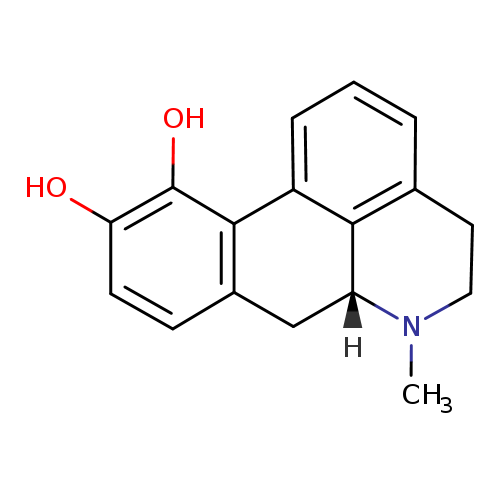
| CEDs000373 | Dopaminergic agents?Dopaminergic agents are compounds that influence the dopamine system, primarily through agonistic or antagonistic actions at dopamine receptors. | Healthcare, pharmaceuticals & veterinary products | Not Available |
| CEDs000506 | Antennas?Antennas, commonly used in communication technologies, can be a source of synthetic chemical contamination through the materials and coatings used in their construction. | Electrical & Electronic Equipment | PubChem |
| CEDs000516 | Electric Hearing Aids?Electric hearing aids are small electronic devices designed to amplify sound for individuals with hearing loss. | Electrical & Electronic Equipment | PubChem |
| CEDs000518 | Electrically Stimulated Smoking Devices?Electrically stimulated smoking devices, commonly known as e-cigarettes or vape pens, utilize electrical components to heat a liquid solution, often containing nicotine, flavorings, and other additives, to produce an aerosol for inhalation. | Electrical & Electronic Equipment | PubChem |
| CEDs000519 | Electrodes?Electrodes, used in various electrical and electronic applications, can be a source of synthetic chemical contamination due to the materials from which they are constructed and the processes involved in their manufacturing. | Electrical & Electronic Equipment | PubChem |
| CEDs000537 | Television Systems?Television systems can be a source of synthetic chemical contamination due to the various materials and components used in their manufacture and operation. | Electrical & Electronic Equipment | PubChem |
| CEDs000545 | Food Preservation?Food preservation often involves the use of synthetic chemicals, such as preservatives, flavor enhancers, and color additives, to extend shelf life and enhance the sensory qualities of food products. | Food, food processing & cookware | PubChem |
| CEDs000556 | Cigar Cigarettes?Cigar cigarettes are a source of synthetic chemical contamination due to the combustion of various tobacco blends and additives. | Household cleaning & consumer products | PubChem |
| CEDs000559 | Non Electric Simulated Smoking Devices?Non-electric simulated smoking devices, often designed to mimic the experience of smoking without combustion, can be sources of synthetic chemical contamination due to the materials and chemicals used in their construction and operation. | Household cleaning & consumer products | PubChem |
| CEDs000561 | Perfumes Within Detergents And Soaps?Perfumes within detergents and soaps are synthetic fragrance compounds added to enhance the sensory experience of cleaning products. | Household cleaning & consumer products | PubChem |
| CEDs000580 | Manufacture Preparation Of Tobacco Products?The manufacture and preparation of tobacco products involve various processes that can result in the introduction of synthetic chemicals into the environment. | Industrial manufacturing & chemical processing | PubChem |
| CEDs000596 | Acaricides?Acaricides are synthetic chemicals specifically designed to target and control mite populations that can damage crops and plants. | Agriculture & land management | PubChem |
| CEDs000605 | Pest Repellants?Pest repellents, often formulated from synthetic chemicals, are widely used to protect crops from insect infestations and other pests. | Agriculture & land management | PubChem |
| CEDs000609 | Aftershave?Aftershave is a grooming product typically used to soothe and protect the skin following shaving. | Personal care & cosmetics | PubChem |
| CEDs000610 | Aftersun Products?Aftersun products are designed to soothe and hydrate the skin after sun exposure, often containing various synthetic chemicals such as emollients, preservatives, and fragrances. | Personal care & cosmetics | PubChem |
| CEDs000611 | Anti Perspirants Or Body Deoderants?Antiperspirants and body deodorants commonly contain synthetic chemicals such as aluminum compounds, parabens, and synthetic fragrances. | Personal care & cosmetics | PubChem |
| CEDs000613 | Depilatories?Depilatories are products designed to remove unwanted hair through the application of synthetic chemicals that break down the protein structure of hair, facilitating its removal. | Personal care & cosmetics | PubChem |
| CEDs000614 | Essential Oils Or Perfumes?Essential oils and perfumes are complex mixtures of volatile compounds derived from natural or synthetic sources, commonly used for their aromatic properties. | Personal care & cosmetics | PubChem |
| CEDs000615 | Eye Makeup Products?Eye makeup products, including mascaras, eyeliners, and eyeshadows, often contain a variety of synthetic chemicals such as pigments, preservatives, and film-forming agents. | Personal care & cosmetics | PubChem |
| CEDs000617 | Lip Care Products?Lip care products, including lipsticks, balms, and glosses, often contain a variety of synthetic chemicals such as parabens, phthalates, and synthetic fragrances. | Personal care & cosmetics | PubChem |
| CEDs000618 | Lip Makeup Products?Lip makeup products, such as lipsticks, lip glosses, and lip liners, often contain a variety of synthetic chemicals, including pigments, preservatives, and emollients. | Personal care & cosmetics | PubChem |
| CEDs000632 | Apparel?Apparel production often involves the use of various synthetic chemicals, including dyes, finishing agents, and preservatives. | Textiles, leather & furnishings | PubChem |
| CEDs000642 | Footwear?Footwear production often involves the use of various synthetic chemicals, such as adhesives, dyes, and treatments, which can contribute to environmental contamination. | Textiles, leather & furnishings | PubChem |
| CEDs000650 | Purses Luggage Hand Bags?Purses, luggage, and handbags are often manufactured using synthetic materials such as polyvinyl chloride (PVC), polyurethane, and various types of nylon. | Textiles, leather & furnishings | PubChem |
| CEDs000651 | Purses Money Bags Wallets?Purses, money bags, and wallets are often manufactured using synthetic materials, including plastics, polyurethanes, and various treated fabrics. | Textiles, leather & furnishings | PubChem |
| CEDs000661 | Umbrellas?Umbrellas are commonly manufactured using synthetic materials such as polyester, nylon, and polyvinyl chloride (PVC), which can contribute to synthetic chemical contamination. | Textiles, leather & furnishings | PubChem |
| CEDs000662 | Yarns Or Threads?Yarns or threads used in textiles can be a source of synthetic chemical contamination due to the production processes and treatments they undergo. | Textiles, leather & furnishings | PubChem |
| CEDs000671 | Airplanes And Helicopters?Airplanes and helicopters are significant sources of synthetic chemical contamination primarily through the use of aviation fuels, lubricants, and de-icing agents. | Aviation & Aerospace | PubChem |
| CEDs000685 | Ceramics?Ceramics can be a source of synthetic chemical contamination through various additives and processing agents used in their production. | Building & Construction | PubChem |
| CEDs000696 | Nanotechnology?Nanotechnology involves the manipulation of materials at the molecular or atomic level, typically within the range of 1 to 100 nanometers. | Industrial manufacturing & chemical processing | PubChem |
| CEDs000698 | Jewellery?Jewellery production often involves the use of various synthetic chemicals during the extraction and processing of metals. | Mining & metal processing | PubChem |
| CEDs000735 | Explosives?Explosives are chemical compounds or mixtures designed to undergo rapid decomposition, releasing energy in the form of gas and heat. | Defense & military infrastructure | PubChem |
| CEDs000739 | Inks?Inks are complex mixtures composed of pigments or dyes, solvents, resins, and additives used primarily for printing and writing applications. | Paper, pulp & fiber products | PubChem |
| CEDs000740 | Paper?Paper production involves the processing of wood fibers and the use of various chemicals, which can lead to synthetic chemical contamination. | Paper, pulp & fiber products | PubChem |
| CEDs000743 | Sludge Treatment?Sludge treatment involves the processing of waste materials generated from wastewater treatment plants, which often contain a variety of organic and inorganic substances. | Wastewater, sanitation & biosolids | PubChem |
| CEDs000744 | Water, Wastewater, & Sewage Treatment?Water, wastewater, and sewage treatment processes are critical for managing and mitigating pollutants in water systems. | Wastewater, sanitation & biosolids | PubChem |