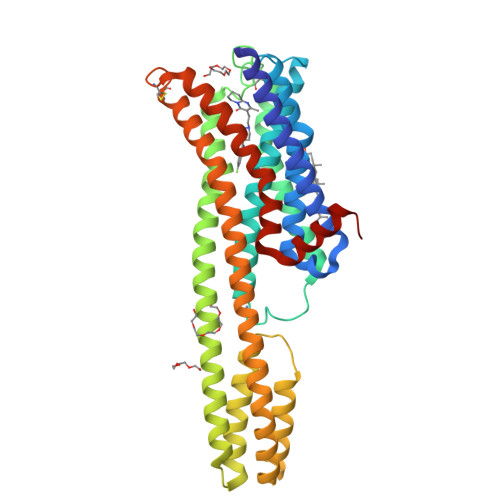
Paroxetine (CED0001984)

Record Information
Version1.0
Creation Date2009-07-21 20:27:29 UTC
Update Date2026-05-14 16:46:54 UTC
SynCED IDCED0001984
Secondary Accession Numbers
  • CHEM002256
  • T3D2868
Identification
Common NameParoxetine
ClassSmall Molecule
Description
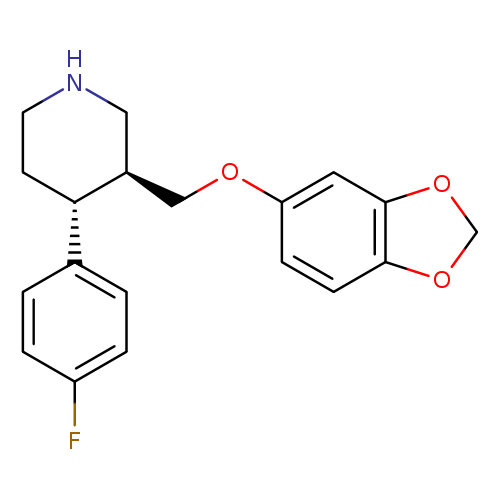
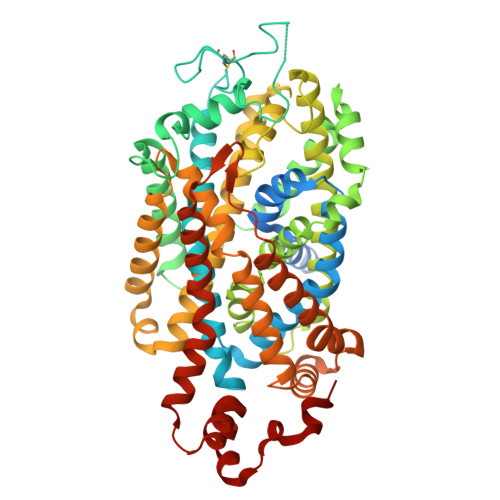
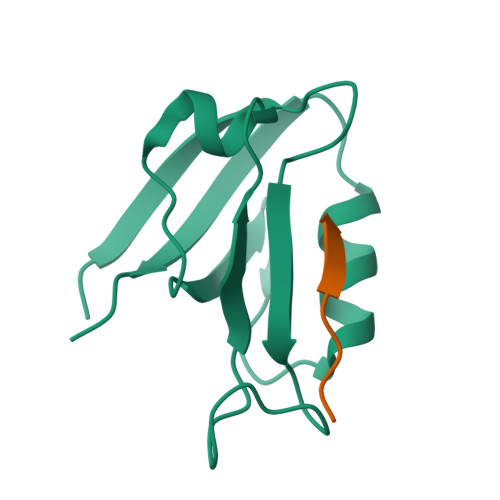
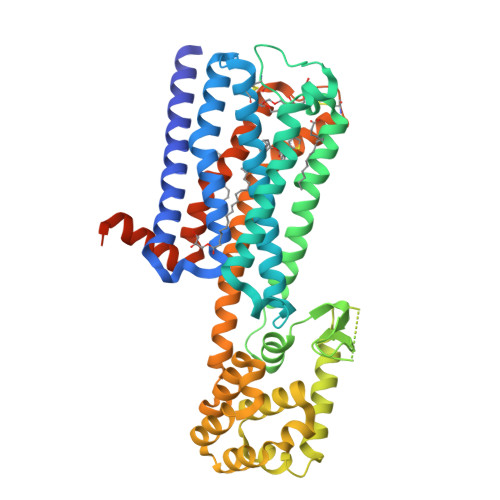
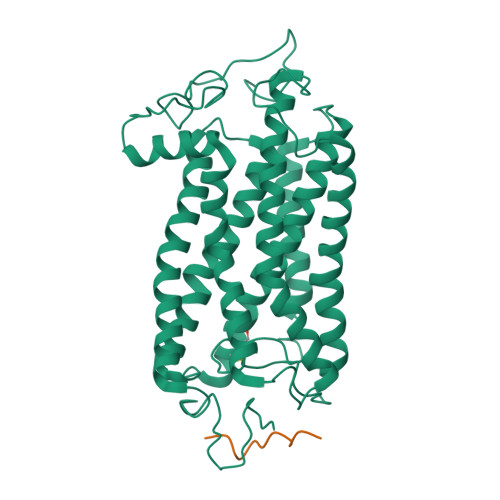
Paroxetine belongs to the phenylpiperidines, a subclass of piperidines within the organic compounds. This exogenous compound has the formula C19H20FNO3 and an average molecular weight of 329.37 g/mol. At room temperature, it exists as a solid. It is classified within the superclass of organoheterocyclic compounds. Paroxetine is used as an antidepressant and anxiolytic drug. Biologically, it functions as a serotonin uptake inhibitor and a P450 inhibitor, and it is identified as a hepatotoxic agent. Its protein targets include the sodium-dependent serotonin transporter (SLC6A4), the sodium-dependent noradrenaline transporter (SLC6A2), and the 5-hydroxytryptamine receptor 2A (HTR2A). As a potent and highly selective inhibitor of neuronal serotonin reuptake, paroxetine likely inhibits serotonin reuptake at the neuronal membrane, which enhances serotonergic neurotransmission by reducing neurotransmitter turnover. This process prolongs serotonin activity at synaptic receptor sites and potentiates 5-HT in the CNS; paroxetine is more potent than fluoxetine and sertraline in its ability to inhibit 5-HT reuptake. Additionally, it is a binder, inhibitor, or other unknown modulator of Muscarinic acetylcholine receptors M1 (CHRM1), M2 (CHRM2), M3 (CHRM3), and M4 (CHRM4), among 21 other proteins. The compound is recorded in 12 sources, including antidepressants in healthcare, pharmaceuticals, and veterinary products; drinking water; food processing for fish and hops; household cleaning and consumer products such as non-electric simulated smoking devices and other smoking requisites; and electrical and electronic equipment, including discharge lamps, electric hearing aids, electric switches, electrically stimulated smoking devices, and radio transmission systems. The recorded exposure route for paroxetine is oral.
Contaminant Type
  • Amine
  • Antidepressant
  • Antidepressant, Second-Generation
  • Antidepressive Agent
  • Drug
  • Ether
  • Food Toxin
  • Metabolite
  • Organic Compound
  • Organofluoride
  • Selective Serotonin Reuptake Inhibitor
  • Serotonin Uptake Inhibitor
  • Synthetic Compound
Chemical Structure
Synonyms
ValueSource
(-)-(3S,4R)-4-(p-Fluorophenyl)-3-((3,4-(methylenedioxy)phenoxy)methyl)piperidineChEBI
(3S-trans)-3-((1,3-Benzodioxol-5-yloxy)methyl)-4-(4-fluorophenyl)piperidineChEBI
ParoxetinaChEBI
ParoxetinumChEBI
Hydrochloride hemihydrate, paroxetineHMDB
Hydrochloride, hemihydrate paroxetineHMDB
Acetate, paroxetineHMDB
Maleate, paroxetineHMDB
Paroxetine acetateHMDB
Paroxetine hydrochloride hemihydrateHMDB
Paroxetine, trans-(+)-isomerHMDB
SeroxatHMDB
AropaxHMDB
Hemihydrate paroxetine hydrochlorideHMDB
Paroxetine hydrochloride anhydrousHMDB
Paroxetine, cis-(+)-isomerHMDB
PaxilHMDB
Anhydrous, paroxetine hydrochlorideHMDB
Hemihydrate, paroxetine hydrochlorideHMDB
Hydrochloride anhydrous, paroxetineHMDB
Hydrochloride, paroxetineHMDB
Paroxetine hydrochlorideHMDB
Paroxetine hydrochloride, hemihydrateHMDB
Paroxetine maleateHMDB
Paroxetine, cis-(-)-isomerHMDB
Chemical FormulaC19H20FNO3
Average Molecular Mass329.365 g/mol
Monoisotopic Mass329.143 g/mol
CAS Registry Number61869-08-7
IUPAC Name(3S,4R)-3-[(2H-1,3-benzodioxol-5-yloxy)methyl]-4-(4-fluorophenyl)piperidine
Traditional Nameparoxetine
SMILESFC1=CC=C(C=C1)[C@@H]1CCNC[C@H]1COC1=CC2=C(OCO2)C=C1
InChI IdentifierInChI=1S/C19H20FNO3/c20-15-3-1-13(2-4-15)17-7-8-21-10-14(17)11-22-16-5-6-18-19(9-16)24-12-23-18/h1-6,9,14,17,21H,7-8,10-12H2/t14-,17-/m0/s1
InChI KeyAHOUBRCZNHFOSL-YOEHRIQHSA-N
Chemical Taxonomy
Description Belongs to the class of organic compounds known as phenylpiperidines. Phenylpiperidines are compounds containing a phenylpiperidine skeleton, which consists of a piperidine bound to a phenyl group.
KingdomOrganic compounds
Super ClassOrganoheterocyclic compounds
ClassPiperidines
Sub ClassPhenylpiperidines
Direct ParentPhenylpiperidines
Alternative Parents
Substituents
  • Phenylpiperidine
  • Benzodioxole
  • Alkyl aryl ether
  • Fluorobenzene
  • Halobenzene
  • Aralkylamine
  • Aryl fluoride
  • Aryl halide
  • Monocyclic benzene moiety
  • Benzenoid
  • Ether
  • Secondary aliphatic amine
  • Acetal
  • Oxacycle
  • Secondary amine
  • Azacycle
  • Organooxygen compound
  • Organonitrogen compound
  • Organofluoride
  • Organohalogen compound
  • Hydrocarbon derivative
  • Organopnictogen compound
  • Organic oxygen compound
  • Amine
  • Organic nitrogen compound
  • Aromatic heteropolycyclic compound
Molecular FrameworkAromatic heteropolycyclic compounds
External Descriptors
Biological Properties
StatusDetected and Not Quantified
OriginExogenous
Cellular Locations
  • Membrane
Biofluid LocationsNot Available
Tissue LocationsNot Available
Applications
Biological Roles
Chemical Roles
Organoleptic Effects
  • bitter taste ?
Physical Properties
StateSolid
AppearanceWhite powder.
Experimental Properties
PropertyValue
Melting Point147-150°C (mesylate salt)
Boiling PointNot Available
Solubility>1 g/mL (mesylate salt)
Predicted Properties
PropertyValueSource
Water Solubility0.0085 g/LALOGPS
logP3.1ALOGPS
logP3.15ChemAxon
logS-4.6ALOGPS
pKa (Strongest Basic)9.77ChemAxon
Physiological Charge1ChemAxon
Hydrogen Acceptor Count4ChemAxon
Hydrogen Donor Count1ChemAxon
Polar Surface Area39.72 ŲChemAxon
Rotatable Bond Count4ChemAxon
Refractivity88.02 m³·mol⁻¹ChemAxon
Polarizability34.48 ųChemAxon
Number of Rings4ChemAxon
BioavailabilityYesChemAxon
Rule of FiveYesChemAxon
Ghose FilterYesChemAxon
Veber's RuleYesChemAxon
MDDR-like RuleNoChemAxon
Spectra
Spectra
Spectrum TypeDescriptionSplash KeyDeposition DateView
Predicted GC-MSPredicted GC-MS Spectrumsplash10-0f9i-1911000000-12c3e68d4fb152fcf19aNot AvailableView Spectrum
Predicted GC-MSPredicted GC-MS SpectrumNot AvailableNot AvailableView Spectrum
LC-MS/MSLC-MS/MS Spectrumsplash10-001i-3709000000-7d029049c2e6d638ecbeNot AvailableView Spectrum
LC-MS/MSLC-MS/MS Spectrumsplash10-001i-2409000000-077fb077fbf0e4210f51Not AvailableView Spectrum
LC-MS/MSLC-MS/MS Spectrumsplash10-001i-0009000000-56cd88a7bae65159b40eNot AvailableView Spectrum
LC-MS/MSLC-MS/MS Spectrumsplash10-00di-9300000000-95d57654f38599951250Not AvailableView Spectrum
LC-MS/MSLC-MS/MS Spectrumsplash10-001i-3609000000-814e80528f9dde6c33a5Not AvailableView Spectrum
LC-MS/MSLC-MS/MS Spectrumsplash10-001l-6809000000-6461647e2077c359be2eNot AvailableView Spectrum
LC-MS/MSLC-MS/MS Spectrumsplash10-001l-2906000000-a8c78adc02d4f098ec53Not AvailableView Spectrum
LC-MS/MSLC-MS/MS Spectrumsplash10-001i-2309000000-dae2fa8b8f5f0d2d9c83Not AvailableView Spectrum
Predicted LC-MS/MSPredicted LC-MS/MS Spectrumsplash10-001i-0409000000-034c664e49ac69cc6701Not AvailableView Spectrum
Predicted LC-MS/MSPredicted LC-MS/MS Spectrumsplash10-0uel-1915000000-1cceed9b83dba502dc39Not AvailableView Spectrum
Predicted LC-MS/MSPredicted LC-MS/MS Spectrumsplash10-0006-6900000000-a45d96d1002ba6a0049eNot AvailableView Spectrum
Predicted LC-MS/MSPredicted LC-MS/MS Spectrumsplash10-004i-0409000000-7b0c408204b05629f155Not AvailableView Spectrum
Predicted LC-MS/MSPredicted LC-MS/MS Spectrumsplash10-002r-1829000000-c76de0eff9bcad218ff4Not AvailableView Spectrum
Predicted LC-MS/MSPredicted LC-MS/MS Spectrumsplash10-000i-4900000000-77810e81d9b6e4cb0cf7Not AvailableView Spectrum
Predicted LC-MS/MSPredicted LC-MS/MS Spectrumsplash10-001i-0409000000-52ccb63e39824262697aNot AvailableView Spectrum
Predicted LC-MS/MSPredicted LC-MS/MS Spectrumsplash10-001r-0915000000-6663900bf83beabe3f50Not AvailableView Spectrum
Predicted LC-MS/MSPredicted LC-MS/MS Spectrumsplash10-004r-0901000000-7e65658f2aa91b98e293Not AvailableView Spectrum
Predicted LC-MS/MSPredicted LC-MS/MS Spectrumsplash10-000i-0903000000-8712cfe4d48fe9ccd484Not AvailableView Spectrum
Predicted LC-MS/MSPredicted LC-MS/MS Spectrumsplash10-004r-0927000000-031f43eecdb967cf56aeNot AvailableView Spectrum
Predicted LC-MS/MSPredicted LC-MS/MS Spectrumsplash10-0a4i-1900000000-6adcbe9a9b2a0603a1ceNot AvailableView Spectrum
MSMS Spectrumsplash10-0006-8900000000-0a273deac3c7836cdc76Not AvailableView Spectrum
Toxicity Profile
Toxicity Values
Toxicity ValueOrganismDose DescriptorRoute of ExposurePredicted or ExperimentalToxicity RatingReference
500.0 mg/kg MouseLD50OralexperimentalNot Available1
262.0 Log mg/kg [150:470]RatLD50oralpredictedNot AvailableNot Available
Toxicity / Toxin ClassNot Available
Mechanism of ToxicityParoxetine is a potent and highly selective inhibitor of neuronal serotonin reuptake. Paroxetine likely inhibits the reuptake of serotonin at the neuronal membrane, enhances serotonergic neurotransmission by reducing turnover of the neurotransmitter, therefore it prolongs its activity at synaptic receptor sites and potentiates 5-HT in the CNS; paroxetine is more potent than both sertraline and fluoxetine in its ability to inhibit 5-HT reuptake. Compared to the tricyclic antidepressants, SSRIs have dramatically decreased binding to histamine, acetylcholine, and norepinephrine receptors. The mechanism of action for the treatment of vasomotor symptoms is unknown.
Carcinogenicity (IARC Classification)No indication of carcinogenicity to humans (not listed by IARC).
Minimum Risk LevelNot Available
SymptomsComa, dizziness, drowsiness, facial flushing, nausea, sweating, tremor, vomiting
TreatmentTreatment should consist of those general measures employed in the management of overdosage with any drugs effective in the treatment of major depressive disorder. Ensure an adequate airway, oxygenation, and ventilation. Monitor cardiac rhythm and vital signs. General supportive and symptomatic measures are also recommended. Induction of emesis is not recommended. Gastric lavage with a large-bore orogastric tube with appropriate airway protection, if needed, may be indicated if performed soon after ingestion, or in symptomatic patients. Activated charcoal should be administered. Due to the large volume of distribution of this drug, forced diuresis, dialysis, hemoperfusion, and exchange transfusion are unlikely to be of benefit. No specific antidotes for paroxetine are known. (8)
Health Effects
Health EffectRelationshipDirectionDescriptionReference
anxiety disorderNot AvailableNot AvailableNot AvailablePMC8620498
sexual dysfunctionAssociated With?Not AvailableNot AvailablePMC11831715
Oxidative StressAssociated With?Not AvailableNot AvailablePMC11831715
depressive disorderNot AvailableNot AvailableNot AvailablePMC1492602 , PMC3595243
depressive disorderHas Therapeutic Effect OnNot AvailableNot AvailablePMC13282955
ErythemaHas Therapeutic Effect OnNot AvailableNot AvailablePMC13282955
tricuspid valve insufficiencyAssociated With?Not AvailableNot AvailablePMC12903827
Pulmonary Valve InsufficiencyAssociated With?Not AvailableNot AvailablePMC12903827
Exposure Sources
Source IDSourceSectorReference
CEDs000010Insecticides?Insecticides are synthetic chemicals designed to control or eliminate insect pests that threaten crops and other agricultural products.Agriculture & land managementPubChem
CEDs000115Drinking water?Drinking water can be a medium for synthetic chemical contamination, often originating from various industrial processes and agricultural practices.Drinking water & water supplyNot Available
CEDs000377Antidepressants?Antidepressants, a class of synthetic chemicals designed to alleviate symptoms of depression and anxiety, can enter the environment through various pathways, leading to contamination of water systems.Healthcare, pharmaceuticals & veterinary productsNot Available
CEDs000483WWTP effluent?Wastewater treatment plant (WWTP) effluent can serve as a significant source of synthetic chemical contamination in the environment.Wastewater, sanitation & biosolidsPMC12707372
CEDs000514Discharge Lamps?Discharge lamps, including fluorescent and high-intensity discharge (HID) lamps, are commonly used for lighting applications due to their energy efficiency and brightness.Electrical & Electronic EquipmentPubChem
CEDs000516Electric Hearing Aids?Electric hearing aids are small electronic devices designed to amplify sound for individuals with hearing loss.Electrical & Electronic EquipmentPubChem
CEDs000517Electric Switches?Electric switches, integral components in numerous devices, can be a source of synthetic chemical contamination due to the materials and manufacturing processes involved in their production.Electrical & Electronic EquipmentPubChem
CEDs000518Electrically Stimulated Smoking Devices?Electrically stimulated smoking devices, commonly known as e-cigarettes or vape pens, utilize electrical components to heat a liquid solution, often containing nicotine, flavorings, and other additives, to produce an aerosol for inhalation.Electrical & Electronic EquipmentPubChem
CEDs000519Electrodes?Electrodes, used in various electrical and electronic applications, can be a source of synthetic chemical contamination due to the materials from which they are constructed and the processes involved in their manufacturing.Electrical & Electronic EquipmentPubChem
CEDs000530Radio Transmission Systems?Radio transmission systems utilize a variety of synthetic chemicals in their manufacturing and maintenance processes.Electrical & Electronic EquipmentPubChem
CEDs000537Television Systems?Television systems can be a source of synthetic chemical contamination due to the various materials and components used in their manufacture and operation.Electrical & Electronic EquipmentPubChem
CEDs000545Food Preservation?Food preservation often involves the use of synthetic chemicals, such as preservatives, flavor enhancers, and color additives, to extend shelf life and enhance the sensory qualities of food products.Food, food processing & cookwarePubChem
CEDs000551Processing Fish?Processing fish can lead to synthetic chemical contamination through various stages of production and preservation.Food, food processing & cookwarePubChem
CEDs000553Treatment Of Hops?Hops, a key ingredient in brewing and food flavoring, can be a source of synthetic chemical contamination due to various agricultural practices.Food, food processing & cookwarePubChem
CEDs000559Non Electric Simulated Smoking Devices?Non-electric simulated smoking devices, often designed to mimic the experience of smoking without combustion, can be sources of synthetic chemical contamination due to the materials and chemicals used in their construction and operation.Household cleaning & consumer productsPubChem
CEDs000560Other Smoking Requisites?Other smoking requisites, including items such as lighters, matches, and rolling papers, can introduce synthetic chemical contamination through various components and additives.Household cleaning & consumer productsPubChem
CEDs000561Perfumes Within Detergents And Soaps?Perfumes within detergents and soaps are synthetic fragrance compounds added to enhance the sensory experience of cleaning products.Household cleaning & consumer productsPubChem
CEDs000569Tobacco Smoke Filters?Tobacco smoke filters are designed to reduce the inhalation of harmful substances in cigarette smoke, including tar and other particulate matter.Household cleaning & consumer productsPubChem
CEDs000580Manufacture Preparation Of Tobacco Products?The manufacture and preparation of tobacco products involve various processes that can result in the introduction of synthetic chemicals into the environment.Industrial manufacturing & chemical processingPubChem
CEDs000596Acaricides?Acaricides are synthetic chemicals specifically designed to target and control mite populations that can damage crops and plants.Agriculture & land managementPubChem
CEDs000600Herbicides And Algicides?Herbicides and algicides are synthetic chemicals primarily used to control unwanted plants and algae in various environments.Agriculture & land managementPubChem
CEDs000605Pest Repellants?Pest repellents, often formulated from synthetic chemicals, are widely used to protect crops from insect infestations and other pests.Agriculture & land managementPubChem
CEDs000610Aftersun Products?Aftersun products are designed to soothe and hydrate the skin after sun exposure, often containing various synthetic chemicals such as emollients, preservatives, and fragrances.Personal care & cosmeticsPubChem
CEDs000611Anti Perspirants Or Body Deoderants?Antiperspirants and body deodorants commonly contain synthetic chemicals such as aluminum compounds, parabens, and synthetic fragrances.Personal care & cosmeticsPubChem
CEDs000614Essential Oils Or Perfumes?Essential oils and perfumes are complex mixtures of volatile compounds derived from natural or synthetic sources, commonly used for their aromatic properties.Personal care & cosmeticsPubChem
CEDs000615Eye Makeup Products?Eye makeup products, including mascaras, eyeliners, and eyeshadows, often contain a variety of synthetic chemicals such as pigments, preservatives, and film-forming agents.Personal care & cosmeticsPubChem
CEDs000618Lip Makeup Products?Lip makeup products, such as lipsticks, lip glosses, and lip liners, often contain a variety of synthetic chemicals, including pigments, preservatives, and emollients.Personal care & cosmeticsPubChem
CEDs000632Apparel?Apparel production often involves the use of various synthetic chemicals, including dyes, finishing agents, and preservatives.Textiles, leather & furnishingsPubChem
CEDs000642Footwear?Footwear production often involves the use of various synthetic chemicals, such as adhesives, dyes, and treatments, which can contribute to environmental contamination.Textiles, leather & furnishingsPubChem
CEDs000671Airplanes And Helicopters?Airplanes and helicopters are significant sources of synthetic chemical contamination primarily through the use of aviation fuels, lubricants, and de-icing agents.Aviation & AerospacePubChem
CEDs000685Ceramics?Ceramics can be a source of synthetic chemical contamination through various additives and processing agents used in their production.Building & ConstructionPubChem
CEDs000688Glass Coatings?Glass coatings are synthetic chemical formulations applied to glass surfaces to enhance properties such as durability, UV resistance, and aesthetic appeal.Building & ConstructionPubChem
CEDs000695Treatment Of Milk Or Cream?The treatment of milk or cream involves various processes such as pasteurization, homogenization, and the addition of preservatives to enhance shelf life and safety.Food, food processing & cookwarePubChem
CEDs000696Nanotechnology?Nanotechnology involves the manipulation of materials at the molecular or atomic level, typically within the range of 1 to 100 nanometers.Industrial manufacturing & chemical processingPubChem
CEDs000735Explosives?Explosives are chemical compounds or mixtures designed to undergo rapid decomposition, releasing energy in the form of gas and heat.Defense & military infrastructurePubChem
CEDs000739Inks?Inks are complex mixtures composed of pigments or dyes, solvents, resins, and additives used primarily for printing and writing applications.Paper, pulp & fiber productsPubChem
CEDs000740Paper?Paper production involves the processing of wood fibers and the use of various chemicals, which can lead to synthetic chemical contamination.Paper, pulp & fiber productsPubChem
CEDs000741Pigment Pastes?Pigment pastes are concentrated dispersions of pigments used to impart color and properties to materials.Paper, pulp & fiber productsPubChem
CEDs000743Sludge Treatment?Sludge treatment involves the processing of waste materials generated from wastewater treatment plants, which often contain a variety of organic and inorganic substances.Wastewater, sanitation & biosolidsPubChem
CEDs000744Water, Wastewater, & Sewage Treatment?Water, wastewater, and sewage treatment processes are critical for managing and mitigating pollutants in water systems.Wastewater, sanitation & biosolidsPubChem
CEDs02255WaterAquatic systems & sedimentsPMC5306312
CEDs02265River WaterAquatic systems & sedimentsPMC5306312
CEDs02268Water SamplesAquatic systems & sedimentsPMC12303642
CEDs02319Lake WaterAquatic systems & sedimentsPMC5306312
CEDs02330River SedimentsAquatic systems & sedimentsPMC10675236
CEDs02376PondsAquatic systems & sedimentsPMC12303642
CEDs02431Estuarine SedimentAquatic systems & sedimentsPMC8537644
CEDs03017SludgeWastewater, sanitation & biosolidsPMC8537644
Pathways
3 pathwaysPathway Source: PathBank
Targets
StructureProteinUniProt IDOrganismRelationshipDetails
Cytochrome P450 2D6 structureClick to view 3D structureCytochrome P450 2D6P10635HumansKnownNot Available
Beta-adrenergic receptor kinase 1 structureClick to view 3D structureBeta-adrenergic receptor kinase 1P21146Bos taurusPredicted (SEA)
Prediction Confidence Score
0.742
Applicability Domain
1.0
Statistical Significance
1.00e-05
Supporting Reference Compounds
16
E-value
0.0778492
Beta-adrenergic receptor kinase 1 structureClick to view 3D structureBeta-adrenergic receptor kinase 1P25098HumansPredicted (SEA)
Prediction Confidence Score
0.577
Applicability Domain
1.0
Statistical Significance
1.50e-04
Supporting Reference Compounds
76
E-value
1.16774
Cytochrome P450 2D6 structureClick to view 3D structureCytochrome P450 2D6P10635HumansPredicted (SEA)
Prediction Confidence Score
0.554
Applicability Domain
1.0
Statistical Significance
0.0014
Supporting Reference Compounds
1130
E-value
11.2103
Click to view 3D structureSodium-dependent dopamine transporterP23977Rattus norvegicusPredicted (SEA)
Prediction Confidence Score
0.547
Applicability Domain
1.0
Statistical Significance
9.00e-04
Supporting Reference Compounds
203
E-value
7.00643
Click to view 3D structureSodium-dependent serotonin transporterP31652Rattus norvegicusPredicted (SEA)
Prediction Confidence Score
0.547
Applicability Domain
1.0
Statistical Significance
0.0014
Supporting Reference Compounds
297
E-value
10.8989
Sodium-dependent dopamine transporter structureClick to view 3D structureSodium-dependent dopamine transporterQ01959HumansPredicted (SEA)
Prediction Confidence Score
0.415
Applicability Domain
1.0
Statistical Significance
0.0045
Supporting Reference Compounds
506
E-value
35.2657
Sodium-dependent noradrenaline transporter structureClick to view 3D structureSodium-dependent noradrenaline transporterP23975HumansPredicted (SEA)
Prediction Confidence Score
0.415
Applicability Domain
1.0
Statistical Significance
0.0039
Supporting Reference Compounds
451
E-value
30.2833
Sodium-dependent serotonin transporter structureClick to view 3D structureSodium-dependent serotonin transporterP31645HumansPredicted (SEA)
Prediction Confidence Score
0.414
Applicability Domain
1.0
Statistical Significance
0.0086
Supporting Reference Compounds
593
E-value
66.7168
Voltage-gated inwardly rectifying potassium channel KCNH2 structureClick to view 3D structureVoltage-gated inwardly rectifying potassium channel KCNH2Q12809HumansPredicted (SEA)
Prediction Confidence Score
0.407
Applicability Domain
1.0
Statistical Significance
0.0258
Supporting Reference Compounds
1498
E-value
200.929
5-hydroxytryptamine receptor 6 structureClick to view 3D structure5-hydroxytryptamine receptor 6P50406HumansPredicted (SEA)
Prediction Confidence Score
0.402
Applicability Domain
1.0
Statistical Significance
0.0085
Supporting Reference Compounds
536
E-value
66.3275
Click to view 3D structureNorepinephrine transporterQ9WTR4Rattus norvegicusPredicted (SEA)
Prediction Confidence Score
0.402
Applicability Domain
1.0
Statistical Significance
0.0021
Supporting Reference Compounds
112
E-value
16.6597
5-hydroxytryptamine receptor 2A structureClick to view 3D structure5-hydroxytryptamine receptor 2AP14842Rattus norvegicusPredicted (SEA)
Prediction Confidence Score
0.396
Applicability Domain
1.0
Statistical Significance
0.009
Supporting Reference Compounds
380
E-value
69.7529
Sigma non-opioid intracellular receptor 1 structureClick to view 3D structureSigma non-opioid intracellular receptor 1Q99720HumansPredicted (SEA)
Prediction Confidence Score
0.392
Applicability Domain
1.0
Statistical Significance
0.0133
Supporting Reference Compounds
562
E-value
103.773
Click to view 3D structure5-hydroxytryptamine receptor 1AP19327Rattus norvegicusPredicted (SEA)
Prediction Confidence Score
0.39
Applicability Domain
1.0
Statistical Significance
0.0141
Supporting Reference Compounds
541
E-value
109.534
Muscarinic acetylcholine receptor M2 structureClick to view 3D structureMuscarinic acetylcholine receptor M2P08172HumansPredicted (SEA)
Prediction Confidence Score
0.382
Applicability Domain
1.0
Statistical Significance
0.0035
Supporting Reference Compounds
373
E-value
26.9358
Muscarinic acetylcholine receptor M4 structureClick to view 3D structureMuscarinic acetylcholine receptor M4P08173HumansPredicted (SEA)
Prediction Confidence Score
0.382
Applicability Domain
1.0
Statistical Significance
0.0027
Supporting Reference Compounds
297
E-value
21.4085
Muscarinic acetylcholine receptor M1 structureClick to view 3D structureMuscarinic acetylcholine receptor M1P11229HumansPredicted (SEA)
Prediction Confidence Score
0.381
Applicability Domain
1.0
Statistical Significance
0.0047
Supporting Reference Compounds
385
E-value
36.9784
Muscarinic acetylcholine receptor M5 structureClick to view 3D structureMuscarinic acetylcholine receptor M5P08912HumansPredicted (SEA)
Prediction Confidence Score
0.374
Applicability Domain
1.0
Statistical Significance
0.0028
Supporting Reference Compounds
266
E-value
21.9535
Substance-P receptor structureClick to view 3D structureSubstance-P receptorP25103HumansPredicted (SEA)
Prediction Confidence Score
0.374
Applicability Domain
1.0
Statistical Significance
0.0129
Supporting Reference Compounds
122
E-value
100.348
Muscarinic acetylcholine receptor M3 structureClick to view 3D structureMuscarinic acetylcholine receptor M3P20309HumansPredicted (SEA)
Prediction Confidence Score
0.371
Applicability Domain
1.0
Statistical Significance
0.0039
Supporting Reference Compounds
310
E-value
30.0498
Click to view 3D structureTransporterQ63380Rattus norvegicusPredicted (SEA)
Prediction Confidence Score
0.368
Applicability Domain
0.958
Statistical Significance
0.0012
Supporting Reference Compounds
54
E-value
9.41976
Cytochrome P450 1A2 structureClick to view 3D structureCytochrome P450 1A2P05177HumansPredicted (SEA)
Prediction Confidence Score
0.368
Applicability Domain
0.958
Statistical Significance
0.0163
Supporting Reference Compounds
793
E-value
126.739
Click to view 3D structureSodium-dependent serotonin transporterQ60857Mus musculusPredicted (SEA)
Prediction Confidence Score
0.325
Applicability Domain
1.0
Statistical Significance
8.50e-04
Supporting Reference Compounds
20
E-value
6.61718
Myeloperoxidase structureClick to view 3D structureMyeloperoxidaseP05164HumansPredicted (SEA)
Prediction Confidence Score
0.321
Applicability Domain
1.0
Statistical Significance
0.0022
Supporting Reference Compounds
43
E-value
17.4382
P2X purinoceptor 4 structureClick to view 3D structureP2X purinoceptor 4Q99571HumansPredicted (SEA)
Prediction Confidence Score
0.319
Applicability Domain
1.0
Statistical Significance
0.0035
Supporting Reference Compounds
32
E-value
27.3251
Sodium-dependent serotonin transporter structureClick to view 3D structureSodium-dependent serotonin transporterP31645HumansKnownParoxetine is a potent and highly selective inhibitor of neuronal serotonin reuptake. Paroxetine likely inhibits the reuptake of serotonin at the neuronal membrane, enhances serotonergic neurotransmission by reducing turnover of the neurotransmitter, therefore it prolongs its activity at synaptic receptor sites and potentiates 5-HT in the CNS; paroxetine is more potent than both sertraline and fluoxetine in its ability to inhibit 5-HT reuptake. Compared to the tricyclic antidepressants, SSRIs have dramatically decreased binding to histamine, acetylcholine, and norepinephrine receptors.
Sodium-dependent noradrenaline transporter structureClick to view 3D structureSodium-dependent noradrenaline transporterP23975HumansKnownParoxetine is a potent and highly selective inhibitor of neuronal serotonin reuptake. Paroxetine likely inhibits the reuptake of serotonin at the neuronal membrane, enhances serotonergic neurotransmission by reducing turnover of the neurotransmitter, therefore it prolongs its activity at synaptic receptor sites and potentiates 5-HT in the CNS; paroxetine is more potent than both sertraline and fluoxetine in its ability to inhibit 5-HT reuptake. Compared to the tricyclic antidepressants, SSRIs have dramatically decreased binding to histamine, acetylcholine, and norepinephrine receptors.
5-hydroxytryptamine receptor 2A structureClick to view 3D structure5-hydroxytryptamine receptor 2AP28223HumansKnownParoxetine is a potent and highly selective inhibitor of neuronal serotonin reuptake. Paroxetine likely inhibits the reuptake of serotonin at the neuronal membrane, enhances serotonergic neurotransmission by reducing turnover of the neurotransmitter, therefore it prolongs its activity at synaptic receptor sites and potentiates 5-HT in the CNS; paroxetine is more potent than both sertraline and fluoxetine in its ability to inhibit 5-HT reuptake. Compared to the tricyclic antidepressants, SSRIs have dramatically decreased binding to histamine, acetylcholine, and norepinephrine receptors.
Sodium-dependent dopamine transporter structureClick to view 3D structureSodium-dependent dopamine transporterQ01959HumansKnownNot Available
Muscarinic acetylcholine receptor M1 structureClick to view 3D structureMuscarinic acetylcholine receptor M1P11229HumansKnownNot Available
5-hydroxytryptamine receptor 1A structureClick to view 3D structure5-hydroxytryptamine receptor 1AP08908HumansKnownNot Available
5-hydroxytryptamine receptor 2C structureClick to view 3D structure5-hydroxytryptamine receptor 2CP28335HumansKnownNot Available
Alpha-2A adrenergic receptor structureClick to view 3D structureAlpha-2A adrenergic receptorP08913HumansKnownNot Available
Muscarinic acetylcholine receptor M2 structureClick to view 3D structureMuscarinic acetylcholine receptor M2P08172HumansKnownNot Available
Muscarinic acetylcholine receptor M3 structureClick to view 3D structureMuscarinic acetylcholine receptor M3P20309HumansKnownNot Available
Muscarinic acetylcholine receptor M4 structureClick to view 3D structureMuscarinic acetylcholine receptor M4P08173HumansKnownNot Available
5-hydroxytryptamine receptor 2B structureClick to view 3D structure5-hydroxytryptamine receptor 2BP41595HumansKnownNot Available
Cytochrome P450 2D6 structureClick to view 3D structureCytochrome P450 2D6P10635HumansKnownNot Available
Histamine H1 receptor structureClick to view 3D structureHistamine H1 receptorP35367HumansKnownNot Available
Muscarinic acetylcholine receptor M5 structureClick to view 3D structureMuscarinic acetylcholine receptor M5P08912HumansKnownNot Available
P2X purinoceptor 4 structureClick to view 3D structureP2X purinoceptor 4Q99571HumansKnownNot Available
Substance-P receptor structureClick to view 3D structureSubstance-P receptorP25103HumansKnownNot Available
Concentrations
Not Available
External Links
DrugBank IDDB00715
HMDB IDHMDB0014853
FooDB IDNot Available
Phenol Explorer IDNot Available
KNApSAcK IDNot Available
BiGG IDNot Available
BioCyc IDNot Available
METLIN IDNot Available
PDB IDNot Available
Wikipedia LinkParoxetine
Chemspider ID39888
ChEBI ID7936
PubChem Compound ID43815
Kegg Compound IDC07415
YMDB IDNot Available
ECMDB IDNot Available
References
Synthesis Reference

Charles M. Zepp, Yun Gao, Donald L. Heefner, “Method of preparing optically pure precursors of paroxetine.” U.S. Patent US5258517, issued January, 1976.

MSDSLink
General References
  1. Wishart DS, Knox C, Guo AC, Cheng D, Shrivastava S, Tzur D, Gautam B, Hassanali M: DrugBank: a knowledgebase for drugs, drug actions and drug targets. Nucleic Acids Res. 2008 Jan;36(Database issue):D901-6. Epub 2007 Nov 29. [PubMed: 18048412]
  2. Baldwin DS, Anderson IM, Nutt DJ, Bandelow B, Bond A, Davidson JR, den Boer JA, Fineberg NA, Knapp M, Scott J, Wittchen HU: Evidence-based guidelines for the pharmacological treatment of anxiety disorders: recommendations from the British Association for Psychopharmacology. J Psychopharmacol. 2005 Nov;19(6):567-96. [PubMed: 16272179]
  3. Baldwin D, Bobes J, Stein DJ, Scharwachter I, Faure M: Paroxetine in social phobia/social anxiety disorder. Randomised, double-blind, placebo-controlled study. Paroxetine Study Group. Br J Psychiatry. 1999 Aug;175:120-6. [PubMed: 10627793]
  4. Yonkers KA, Gullion C, Williams A, Novak K, Rush AJ: Paroxetine as a treatment for premenstrual dysphoric disorder. J Clin Psychopharmacol. 1996 Feb;16(1):3-8. [PubMed: 8834412]
  5. Waldinger MD, Hengeveld MW, Zwinderman AH, Olivier B: Effect of SSRI antidepressants on ejaculation: a double-blind, randomized, placebo-controlled study with fluoxetine, fluvoxamine, paroxetine, and sertraline. J Clin Psychopharmacol. 1998 Aug;18(4):274-81. [PubMed: 9690692]
  6. Waldinger MD, Zwinderman AH, Olivier B: SSRIs and ejaculation: a double-blind, randomized, fixed-dose study with paroxetine and citalopram. J Clin Psychopharmacol. 2001 Dec;21(6):556-60. [PubMed: 11763001]
  7. Drugs.com - http://www.drugs.com/cons/Paroxetine.html
  8. RxList: The Internet Drug Index (2009). - http://www.rxlist.com/