Some data may have been extracted from scientific literature using a pipeline that uses large language models (LLMs). Source articles are cited where applicable to help verify the extracted relationships.
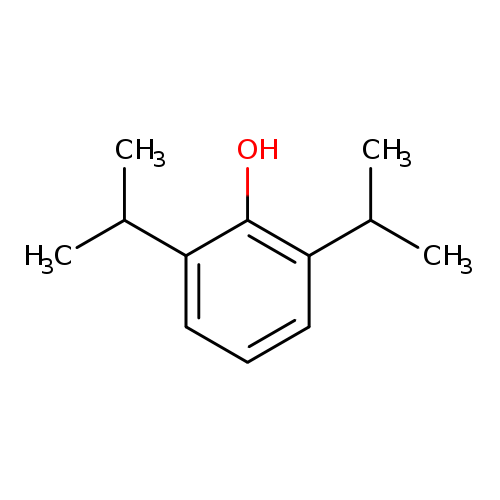
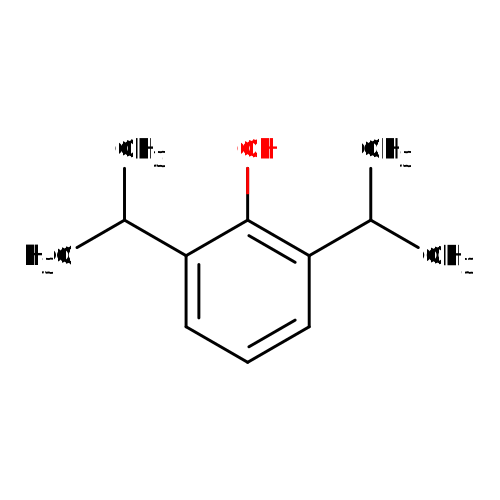
Propofol (C12H18O) is an exogenous liquid with an average molecular weight of 178.27 g/mol. Propofol belongs to the cumenes, a subclass of benzene and substituted derivatives within the organic compounds. It functions as an intravenous anaesthetic, sedative, antiemetic, and anticonvulsant, as well as a chemical radical scavenger. Its action involves a positive modulation of the inhibitory function of the neurotransmitter gama-aminobutyric acid (GABA) through GABA-A receptors. Recorded protein targets include albumin (ALB), fatty-acid amide hydrolase 1 (FAAH), gamma-aminobutyric acid receptor subunit alpha-1 (GABRA1), sodium channel protein type 2 subunit alpha (SCN2A), sodium channel protein type 4 subunit alpha (SCN4A), and is a positive allosteric modulator of gamma-aminobutyric acid receptor subunit beta-2 (GABRB2) and beta-3 (GABRB3), among 16 other proteins.
The compound has been detected in the liver and kidney. It is found in 20 recorded sources, including anesthetics within healthcare, pharmaceuticals and veterinary products; food contact materials and food preservation within food, food processing and cookware; drinking water; and various household cleaning and consumer products, such as soap detergents, perfumes within detergents and soaps, and smoking requisites. It is also found in electrical and electronic equipment, including electrodes, fixed capacitors, and electrically stimulated smoking devices. Recorded exposure routes include oral, topical, intravenous, touch, and inhalation. Health effects associated with propofol include hypotension (decrease) (PMC12917986 ) and delirium (PMC12917986 ).
osmolyte (PMC7355475 )?A chemical that affects osmosis. Osmolytes are soluble in the cell or in the fluid between cells, and are utilized by cells during water stress to maintain the cell volume
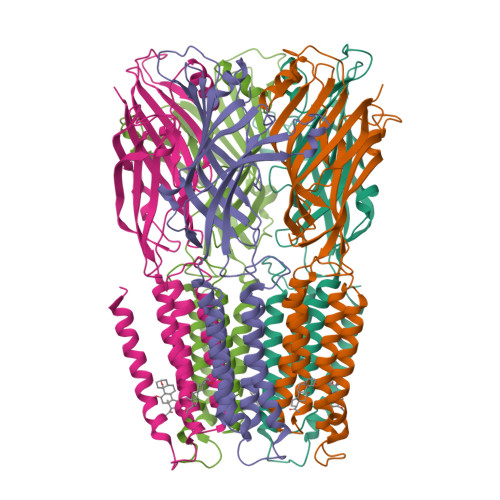
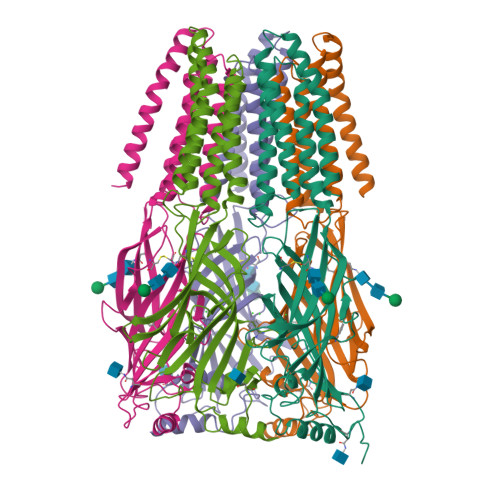
The action of propofol involves a positive modulation of the inhibitory function of the neurotransmitter gama-aminobutyric acid (GABA) through GABA-A receptors.
IV LD50=53 mg/kg (mice), 42 mg/kg (rats). Oral LD50 (as a solution in soybean oil)=1230 mg/kg (mice), 600 mg/kg (rats)
No indication of carcinogenicity to humans (not listed by IARC).
Minimum Risk Level
Not Available
Symptoms
Aside from the hypotension (mainly through vasodilatation) and transient apnea following induction doses, one of propofol's most frequent side effects is pain on injection, especially in smaller veins. A more serious but rare side effect is dystonia.
Treatment
If overdosage occurs, Propofol administration should be discontinued immediately. Overdosage is likely to cause cardiorespiratory depression. Respiratory depression should be treated by artificial ventilation with oxygen. Cardiovascular depression may require repositioning of the patient by raising the patient's legs, increasing the flow rate of intravenous fluids, and administering pressor agents and/or anticholinergic agents. (13)
A disorder characterized by the acute and sudden development of confusion, illusions, movement changes, inattentiveness, agitation, and hallucinations. Usually, it is a reversible condition. (NCI CTCAE)
A disorder characterized by the acute and sudden development of confusion, illusions, movement changes, inattentiveness, agitation, and hallucinations. Usually, it is a reversible condition. (NCI CTCAE)
Soil?Soil serves as a critical medium for plant growth and sustains various ecological functions; however, it can become a reservoir for synthetic chemical contamination.
Drinking water?Drinking water can be a medium for synthetic chemical contamination, often originating from various industrial processes and agricultural practices.
Food contact materials?Food contact materials refer to substances and products that are intended to come into contact with food during processing, packaging, or preparation.
Conductors Or Conductive Bodies Characterised By The Conductive Materials?Conductors, or conductive bodies, are materials that allow the flow of electrical current, typically made from metals such as copper, aluminum, or silver.
Electrically Stimulated Smoking Devices?Electrically stimulated smoking devices, commonly known as e-cigarettes or vape pens, utilize electrical components to heat a liquid solution, often containing nicotine, flavorings, and other additives, to produce an aerosol for inhalation.
Electrodes?Electrodes, used in various electrical and electronic applications, can be a source of synthetic chemical contamination due to the materials from which they are constructed and the processes involved in their manufacturing.
Fixed Capacitors And Their Manufacture?Fixed capacitors are passive electronic components used to store and release electrical energy, playing a critical role in various circuits.
Gas Filled Discharge Tubes With Solid Cathode?Gas Filled Discharge Tubes with Solid Cathodes are electrical components that facilitate the flow of current by ionizing gas within a sealed tube.
Hybrid Capacitors?Hybrid capacitors are energy storage devices that combine the properties of electrolytic and supercapacitors, utilizing a combination of electrochemical principles to achieve higher energy density and power density.
Power Cables?Power cables are used to transmit electrical energy and are typically composed of conductive materials, insulation, and protective coatings.
Television Systems?Television systems can be a source of synthetic chemical contamination due to the various materials and components used in their manufacture and operation.
Food Preservation?Food preservation often involves the use of synthetic chemicals, such as preservatives, flavor enhancers, and color additives, to extend shelf life and enhance the sensory qualities of food products.
Non Electric Simulated Smoking Devices?Non-electric simulated smoking devices, often designed to mimic the experience of smoking without combustion, can be sources of synthetic chemical contamination due to the materials and chemicals used in their construction and operation.
Other Smoking Requisites?Other smoking requisites, including items such as lighters, matches, and rolling papers, can introduce synthetic chemical contamination through various components and additives.
Perfumes Within Detergents And Soaps?Perfumes within detergents and soaps are synthetic fragrance compounds added to enhance the sensory experience of cleaning products.
Soap Detergents?Soap detergents are synthetic surfactants designed to enhance the cleaning efficacy of water by reducing surface tension, allowing for better interaction with dirt and grease.
Tobacco Smoke Filters?Tobacco smoke filters are designed to reduce the inhalation of harmful substances in cigarette smoke, including tar and other particulate matter.
Making Cigars?The process of making cigars involves several steps, including the cultivation of tobacco, fermentation, and the application of various additives to enhance flavor and preservation.
Manufacture Preparation Of Tobacco Products?The manufacture and preparation of tobacco products involve various processes that can result in the introduction of synthetic chemicals into the environment.
Fertiliser Distributors?Fertiliser distributors play a critical role in the supply of synthetic fertilizers, which are widely used to enhance soil fertility and crop yield.
Molluscicides?Molluscicides are synthetic chemicals specifically designed to control and eliminate mollusks, such as snails and slugs, which can be detrimental to crops and agricultural productivity.
Nematocides?Nematocides are synthetic chemicals specifically designed to control nematodes, which are microscopic roundworms that can cause significant damage to crops and plants.
Aftersun Products?Aftersun products are designed to soothe and hydrate the skin after sun exposure, often containing various synthetic chemicals such as emollients, preservatives, and fragrances.
Anti Perspirants Or Body Deoderants?Antiperspirants and body deodorants commonly contain synthetic chemicals such as aluminum compounds, parabens, and synthetic fragrances.
Essential Oils Or Perfumes?Essential oils and perfumes are complex mixtures of volatile compounds derived from natural or synthetic sources, commonly used for their aromatic properties.
Eye Makeup Products?Eye makeup products, including mascaras, eyeliners, and eyeshadows, often contain a variety of synthetic chemicals such as pigments, preservatives, and film-forming agents.
Face Mask Cosmetics?Face mask cosmetics often contain a variety of synthetic chemicals, including preservatives, emulsifiers, and fragrances, which can contribute to chemical contamination.
Lip Care Products?Lip care products, including lipsticks, balms, and glosses, often contain a variety of synthetic chemicals such as parabens, phthalates, and synthetic fragrances.
Lip Makeup Products?Lip makeup products, such as lipsticks, lip glosses, and lip liners, often contain a variety of synthetic chemicals, including pigments, preservatives, and emollients.
Toys?Toys, particularly those made from synthetic materials such as plastics, can be a source of chemical contamination due to the presence of various additives and compounds used in their production.
Footwear?Footwear production often involves the use of various synthetic chemicals, such as adhesives, dyes, and treatments, which can contribute to environmental contamination.
Headwear?Headwear made from synthetic materials often incorporates chemicals used in the manufacturing and finishing processes, such as dyes, flame retardants, and water repellents.
Purses Luggage Hand Bags?Purses, luggage, and handbags are often manufactured using synthetic materials such as polyvinyl chloride (PVC), polyurethane, and various types of nylon.
Purses Money Bags Wallets?Purses, money bags, and wallets are often manufactured using synthetic materials, including plastics, polyurethanes, and various treated fabrics.
Airplanes And Helicopters?Airplanes and helicopters are significant sources of synthetic chemical contamination primarily through the use of aviation fuels, lubricants, and de-icing agents.
Unmanned Aerial Vehicles?Unmanned Aerial Vehicles (UAVs), commonly known as drones, utilize various synthetic chemicals in their manufacturing, operation, and maintenance processes.
Nitrogenous Fertilisers?Nitrogenous fertilizers are synthetic chemical compounds primarily used to enhance plant growth by supplying essential nitrogen, a crucial nutrient for photosynthesis and protein synthesis.
Glass Coatings?Glass coatings are synthetic chemical formulations applied to glass surfaces to enhance properties such as durability, UV resistance, and aesthetic appeal.
Nanotechnology?Nanotechnology involves the manipulation of materials at the molecular or atomic level, typically within the range of 1 to 100 nanometers.
Sludge Treatment?Sludge treatment involves the processing of waste materials generated from wastewater treatment plants, which often contain a variety of organic and inorganic substances.
Water, Wastewater, & Sewage Treatment?Water, wastewater, and sewage treatment processes are critical for managing and mitigating pollutants in water systems.
The action of propofol involves a positive modulation of the inhibitory function of the neurotransmitter gama-aminobutyric acid(GABA) through GABA-A receptors.
The action of propofol involves a positive modulation of the inhibitory function of the neurotransmitter gama-aminobutyric acid(GABA) through GABA-A receptors.
The action of propofol involves a positive modulation of the inhibitory function of the neurotransmitter gama-aminobutyric acid(GABA) through GABA-A receptors.
Restrepo JG, Garcia-Martin E, Martinez C, Agundez JA: Polymorphic drug metabolism in anaesthesia. Curr Drug Metab. 2009 Mar;10(3):236-46. [PubMed: 19442086]
Barann M, Urban B, Stamer U, Dorner Z, Bonisch H, Bruss M: Effects of tramadol and O-demethyl-tramadol on human 5-HT reuptake carriers and human 5-HT3A receptors: a possible mechanism for tramadol-induced early emesis. Eur J Pharmacol. 2006 Feb 15;531(1-3):54-8. Epub 2006 Jan 19. [PubMed: 16427041]
Vasile B, Rasulo F, Candiani A, Latronico N: The pathophysiology of propofol infusion syndrome: a simple name for a complex syndrome. Intensive Care Med. 2003 Sep;29(9):1417-25. Epub 2003 Aug 6. [PubMed: 12904852]
Ke JJ, Zhan J, Feng XB, Wu Y, Rao Y, Wang YL: A comparison of the effect of total intravenous anaesthesia with propofol and remifentanil and inhalational anaesthesia with isoflurane on the release of pro- and anti-inflammatory cytokines in patients undergoing open cholecystectomy. Anaesth Intensive Care. 2008 Jan;36(1):74-8. [PubMed: 18326136]
Hong JY, Kang YS, Kil HK: Anaesthesia for day case excisional breast biopsy: propofol-remifentanil compared with sevoflurane-nitrous oxide. Eur J Anaesthesiol. 2008 Jun;25(6):460-7. doi: 10.1017/S026502150800375X. Epub 2008 Feb 26. [PubMed: 18298873]
Takahashi O, Hiraga K: 4-tert-butyl-2,6-diisopropylphenol: Another phenol inducing hemorrhage in rats. Toxicol Lett. 1980 Feb;5(2):147-50. [PubMed: 7466839]
Rumack BH (2009). POISINDEX(R) Information System. Englewood, CO: Micromedex, Inc. CCIS Volume 141, edition expires Aug, 2009.
MICROMEDEX Thomson Health Care (2002). USPDI - Drug Information for the Health Care Professional. 22nd ed. Volume 1. Englewood, CO: MICROMEDEX Thomson Health Care. Content Reviewed and Approved by the U.S. Pharmacopeial Convention, Inc.
Smith and Reynard, Textbook of Pharmacology, 1992, 1st ed, p206