Some data may have been extracted from scientific literature using a pipeline that uses large language models (LLMs). Source articles are cited where applicable to help verify the extracted relationships.
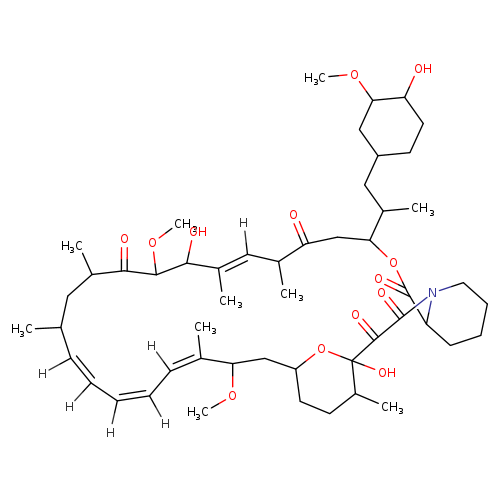
Sirolimus belongs to the macrolide lactams, a class of phenylpropanoids and polyketides within the organic compounds. With an average molecular weight of 914.19 g/mol, Sirolimus is a heavy molecule. This exogenous solid, with the formula C51H79NO13, is a bacterial metabolite. It functions as an mTOR inhibitor and is utilized as an immunosuppressive agent, antifungal agent, antineoplastic agent, antibiotic, and antibacterial drug. It is found in pharmaceutical, veterinary, and healthcare products, specifically within categories for antibiotics, ophthalmologicals, immunosuppressants, and antineoplastic agents. Recorded exposure routes include oral, intravenous, topical, and inhalation, and the compound has been detected in the liver and kidney.
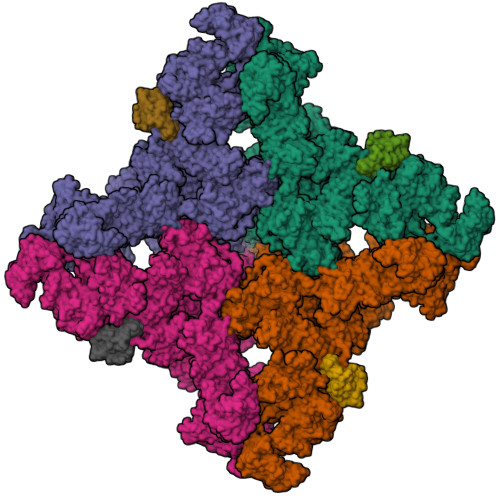
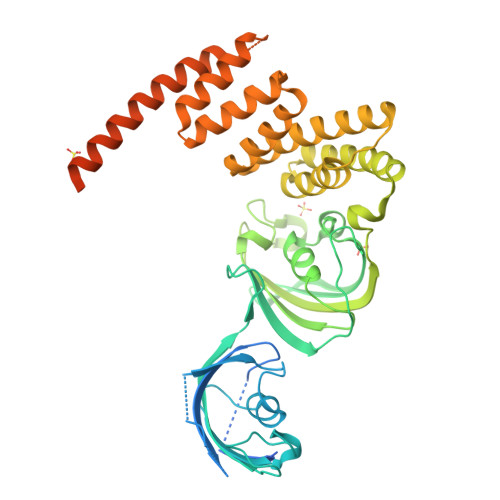
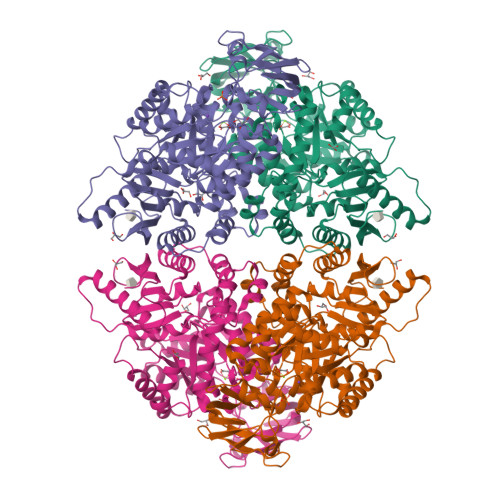
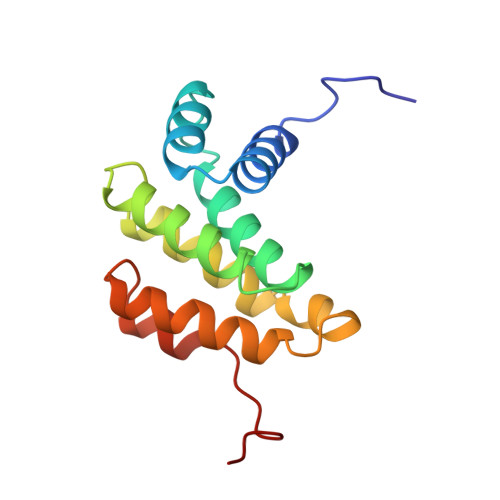
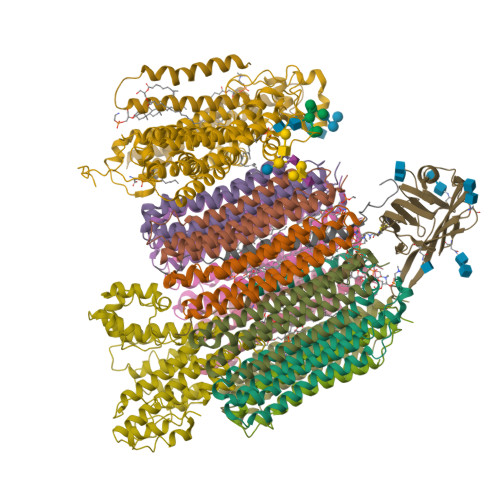
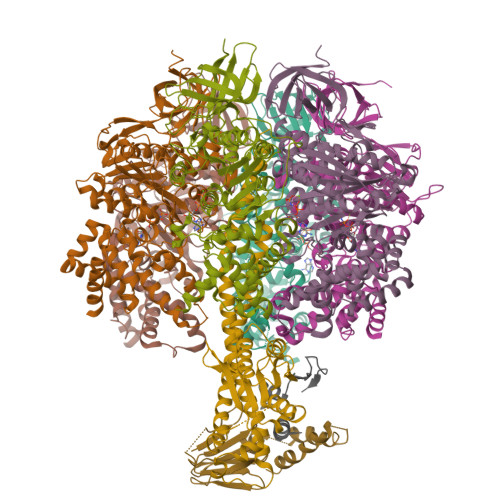
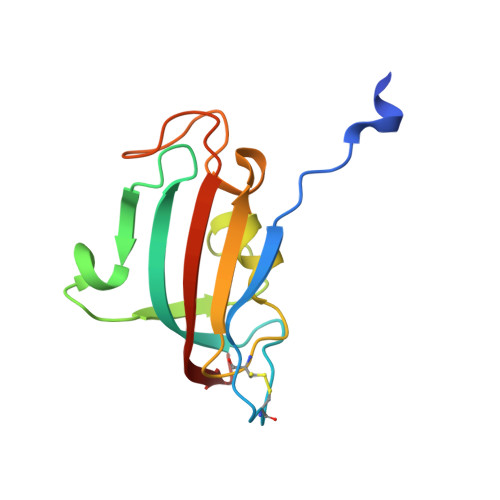
Sirolimus targets four proteins: Eukaryotic translation initiation factor 4E (EIF4E), Fibroblast growth factor 2 (FGF2), Serine/threonine-protein kinase mTOR (MTOR), and Peptidyl-prolyl cis-trans isomerase FKBP1A. By binding to the immunophilin FK Binding Protein-12 (FKBP-12) in cells, sirolimus generates an immunosuppressive complex that inhibits antibody production and the activation and proliferation of T lymphocytes. This process occurs in response to cytokine stimulation (Interleukin IL-2, IL-4, and IL-15) and antigenic stimulation through a mechanism distinct from other immunosuppressants. The resulting sirolimus:FKBP-12 complex has no effect on calcineurin activity.
Belongs to the class of organic compounds known as macrolide lactams. These are cyclic polyketides containing both a cyclic amide and a cyclic ester group.
Sirolimus inhibits T lymphocyte activation and proliferation that occurs in response to antigenic and cytokine (Interleukin IL-2, IL-4, and IL-15) stimulation by a mechanism that is distinct from that of other immunosuppressants. Sirolimus also inhibits antibody production. In cells, sirolimus binds to the immunophilin, FK Binding Protein-12 (FKBP-12), to generate an immunosuppressive complex. The sirolimus:FKBP-12 complex has no effect on calcineurin activity. This complex binds to and inhibits the activation of the mammalian Target Of Rapamycin (mTOR), a key regulatory kinase. This inhibition suppresses cytokine-driven T-cell proliferation, inhibiting the progression from the G1 to the S phase of the cell cycle.
No indication of carcinogenicity to humans (not listed by IARC).
Minimum Risk Level
Not Available
Symptoms
The most common ( ≥ 30%) adverse reactions observed with Rapamune in clinical studies are: peripheral edema, hypertriglyceridemia, hypertension, hypercholesterolemia, creatinine increased, constipation, abdominal pain, diarrhea, headache, fever, urinary tract infection, anemia, nausea, arthralgia, pain, and thrombocytopenia. (8)
Treatment
General supportive measures should be followed in all cases of overdose. Based on the low aqueous solubility and high erythrocyte and plasma protein binding of sirolimus, it is anticipated that sirolimus is not dialyzable to any significant extent. (7)
Cancer is a group of diseases involving abnormal cell growth with the potential to invade or spread to other parts of the body. Possible signs and symptoms include a lump, abnormal bleeding, prolonged cough, unexplained weight loss, and a change in bowel movements. There are over 100 types of cancers affect humans. The risk of developing certain cancers can be reduced by not smoking, maintaining a healthy weight, not drinking too much alcohol, eating plenty of vegetables, fruits and whole grains, vaccination against certain infectious diseases, not eating too much processed and red meat and avoiding too much sunlight exposure. Cancer is often treated with some combination of radiation therapy, surgery, chemotherapy and targeted therapy. The majority of cancers, some 90–95% of cases, are due to genetic mutations from environmental and lifestyle factors. The remaining 5–10% are due to inherited genetics.
Cancer is a group of diseases involving abnormal cell growth with the potential to invade or spread to other parts of the body. Possible signs and symptoms include a lump, abnormal bleeding, prolonged cough, unexplained weight loss, and a change in bowel movements. There are over 100 types of cancers affect humans. The risk of developing certain cancers can be reduced by not smoking, maintaining a healthy weight, not drinking too much alcohol, eating plenty of vegetables, fruits and whole grains, vaccination against certain infectious diseases, not eating too much processed and red meat and avoiding too much sunlight exposure. Cancer is often treated with some combination of radiation therapy, surgery, chemotherapy and targeted therapy. The majority of cancers, some 90–95% of cases, are due to genetic mutations from environmental and lifestyle factors. The remaining 5–10% are due to inherited genetics.
Cancer is a group of diseases involving abnormal cell growth with the potential to invade or spread to other parts of the body. Possible signs and symptoms include a lump, abnormal bleeding, prolonged cough, unexplained weight loss, and a change in bowel movements. There are over 100 types of cancers affect humans. The risk of developing certain cancers can be reduced by not smoking, maintaining a healthy weight, not drinking too much alcohol, eating plenty of vegetables, fruits and whole grains, vaccination against certain infectious diseases, not eating too much processed and red meat and avoiding too much sunlight exposure. Cancer is often treated with some combination of radiation therapy, surgery, chemotherapy and targeted therapy. The majority of cancers, some 90–95% of cases, are due to genetic mutations from environmental and lifestyle factors. The remaining 5–10% are due to inherited genetics.
A glucose metabolism disease characterized by chronic hyperglycaemia with disturbances of carbohydrate, fat and protein metabolism resulting from defects in insulin secretion, insulin action, or both. (DO)
A disorder involving build-up of fatty material and calcium deposition in the arterial wall. It results in partial or complete occlusion of the arterial lumen.
A disorder characterized by the inability of the heart to pump blood at an adequate volume to meet tissue metabolic requirements, or, the ability to do so only at an elevation in the filling pressure. (NCI CTCAE)
A disorder characterized by the inability of the heart to pump blood at an adequate volume to meet tissue metabolic requirements, or, the ability to do so only at an elevation in the filling pressure. (NCI CTCAE)
An artery disease that is characterized by plaque building up along the inner walls of the arteries of the heart resulting in a narrowing of the arteries and a reduced blood supply to the cardiac muscles. (DO)
An artery disease that is characterized by plaque building up along the inner walls of the arteries of the heart resulting in a narrowing of the arteries and a reduced blood supply to the cardiac muscles. (DO)
A disorder characterized by laboratory test results that indicate an elevation in the concentration of blood sugar. It is usually an indication of diabetes mellitus or glucose intolerance. (NCI CTCAE)
A brain disease that is characterized by the occurrance of at least two unprovoked seizures resulting from a persistent epileptogenic abnormality of the brain that is able to spontaneously generate paroxysmal activity and typically manifested by sudden brief episodes of altered or diminished consciousness, involuntary movements, or convulsions. (DO)
A brain disease that is characterized by the occurrance of at least two unprovoked seizures resulting from a persistent epileptogenic abnormality of the brain that is able to spontaneously generate paroxysmal activity and typically manifested by sudden brief episodes of altered or diminished consciousness, involuntary movements, or convulsions. (DO)
Endometriosis is a condition that affects women in which cells similar to those in the endometrium, the layer of tissue that normally covers the inside of the uterus, grow outside the uterus (mainly in the ovaries and fallopian tubes). The main symptoms are pelvic pain and infertility, although 20-25% of women are asymptomatic. Pain during sexual intercourse is also common. Other symptoms include diarrhea or constipation, chronic fatigue, nausea and vomiting, headaches, low-grade fevers, heavy and/or irregular periods, and hypoglycemia. Endometriosis is a common condition. About 6–10% of women are affected. Endometriosis is most common in those in their thirties and forties; however, it can begin in girls as early as eight years old.
An autoimmune disease is a condition arising from an abnormal immune response to a functioning body part. There are at least 80 types of autoimmune diseases. Nearly any body part can be involved. Common symptoms include low grade fever and feeling tired. Some autoimmune diseases such as lupus run in families, and certain cases may be triggered by infections or other environmental factors. Some common diseases that are generally considered autoimmune include celiac disease, diabetes mellitus type 1, Graves' disease, inflammatory bowel disease, multiple sclerosis, psoriasis, rheumatoid arthritis, and systemic lupus erythematosus. About 24 million (7%) people in the United States are affected by an autoimmune disease. Women are more commonly affected than men.
A disorder characterized by necrotic changes in the bone tissue due to interruption of blood supply. Most often affecting the epiphysis of the long bones, the necrotic changes result in the collapse and the destruction of the bone structure. (NCI CTCAE)
Mantle cell lymphoma is a B-cell non-Hodgkin lymphoma (NHL). Lymphoma is a cancer of the lymphatic system, which is part of the body's germ-fighting network. The lymphatic system includes the lymph nodes (lymph glands), spleen, thymus gland, stomach and bone marrow. Mantle cell lymphoma typically develops in the outer edge of a lymph node called the mantle zone. Mantle cell lymphoma occurs more often in men than in women. It is usually diagnosed in people in their early 60s.
Soil?Soil serves as a critical medium for plant growth and sustains various ecological functions; however, it can become a reservoir for synthetic chemical contamination.
Immunosuppressants?Immunosuppressants are synthetic chemicals used to inhibit the immune response, primarily in patients undergoing organ transplants or those with autoimmune disorders.
Ophthalmologicals?Ophthalmologicals are a category of synthetic chemicals used primarily for the treatment of eye disorders, including medications such as anti-inflammatories, antibiotics, and lubricants.
Television Systems?Television systems can be a source of synthetic chemical contamination due to the various materials and components used in their manufacture and operation.
Food Preservation?Food preservation often involves the use of synthetic chemicals, such as preservatives, flavor enhancers, and color additives, to extend shelf life and enhance the sensory qualities of food products.
Ships?Ships, as vehicles for international trade and transportation, can be significant sources of synthetic chemical contamination in marine environments.
Anti Perspirants Or Body Deoderants?Antiperspirants and body deodorants commonly contain synthetic chemicals such as aluminum compounds, parabens, and synthetic fragrances.
Yarns Or Threads?Yarns or threads used in textiles can be a source of synthetic chemical contamination due to the production processes and treatments they undergo.
Airplanes And Helicopters?Airplanes and helicopters are significant sources of synthetic chemical contamination primarily through the use of aviation fuels, lubricants, and de-icing agents.
Glass Coatings?Glass coatings are synthetic chemical formulations applied to glass surfaces to enhance properties such as durability, UV resistance, and aesthetic appeal.
Nanotechnology?Nanotechnology involves the manipulation of materials at the molecular or atomic level, typically within the range of 1 to 100 nanometers.
Sirolimus inhibits T lymphocyte activation and proliferation that occurs in response to antigenic and cytokine (Interleukin IL-2, IL-4, and IL-15) stimulation by a mechanism that is distinct from that of other immunosuppressants. Sirolimus also inhibits antibody production. In cells, sirolimus binds to the immunophilin, FK Binding Protein-12 (FKBP-12), to generate an immunosuppressive complex. The sirolimus:FKBP-12 complex has no effect on calcineurin activity. This complex binds to and inhibits the activation of the mammalian Target Of Rapamycin (mTOR), a key regulatory kinase. This inhibition suppresses cytokine-driven T-cell proliferation, inhibiting the progression from the G1 to the S phase of the cell cycle.
Madhup K. Dhaon, Chi-nung Hsiao, Subhash R. Patel, Peter J. Bonk, Sanjay R. Chemburkar, Yong Y. Chen, “One pot synthesis of tetrazole derivatives of sirolimus.” U.S. Patent US20080167335, issued July 10, 2008.
MSDS
Not Available
General References
Pritchard DI: Sourcing a chemical succession for cyclosporin from parasites and human pathogens. Drug Discov Today. 2005 May 15;10(10):688-91. [PubMed: 15896681]
Shuchman M: Trading restenosis for thrombosis? New questions about drug-eluting stents. N Engl J Med. 2006 Nov 9;355(19):1949-52. [PubMed: 17093244]
Sun SY, Rosenberg LM, Wang X, Zhou Z, Yue P, Fu H, Khuri FR: Activation of Akt and eIF4E survival pathways by rapamycin-mediated mammalian target of rapamycin inhibition. Cancer Res. 2005 Aug 15;65(16):7052-8. [PubMed: 16103051]
Chan S: Targeting the mammalian target of rapamycin (mTOR): a new approach to treating cancer. Br J Cancer. 2004 Oct 18;91(8):1420-4. [PubMed: 15365568]
Graziani EI: Recent advances in the chemistry, biosynthesis and pharmacology of rapamycin analogs. Nat Prod Rep. 2009 May;26(5):602-9. doi: 10.1039/b804602f. Epub 2009 Mar 5. [PubMed: 19387497]