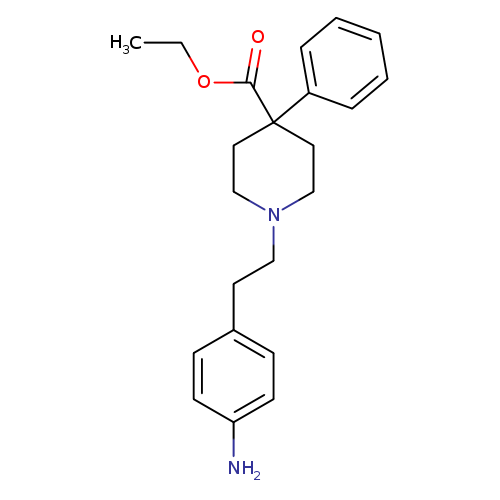
| CEDs000369 | Anesthetics?Anesthetics are synthetic chemicals used to induce loss of sensation or consciousness in patients undergoing medical procedures. | Healthcare, pharmaceuticals & veterinary products | Not Available |
| CEDs000517 | Electric Switches?Electric switches, integral components in numerous devices, can be a source of synthetic chemical contamination due to the materials and manufacturing processes involved in their production. | Electrical & Electronic Equipment | PubChem |
| CEDs000518 | Electrically Stimulated Smoking Devices?Electrically stimulated smoking devices, commonly known as e-cigarettes or vape pens, utilize electrical components to heat a liquid solution, often containing nicotine, flavorings, and other additives, to produce an aerosol for inhalation. | Electrical & Electronic Equipment | PubChem |
| CEDs000519 | Electrodes?Electrodes, used in various electrical and electronic applications, can be a source of synthetic chemical contamination due to the materials from which they are constructed and the processes involved in their manufacturing. | Electrical & Electronic Equipment | PubChem |
| CEDs000524 | Hybrid Capacitors?Hybrid capacitors are energy storage devices that combine the properties of electrolytic and supercapacitors, utilizing a combination of electrochemical principles to achieve higher energy density and power density. | Electrical & Electronic Equipment | PubChem |
| CEDs000545 | Food Preservation?Food preservation often involves the use of synthetic chemicals, such as preservatives, flavor enhancers, and color additives, to extend shelf life and enhance the sensory qualities of food products. | Food, food processing & cookware | PubChem |
| CEDs000559 | Non Electric Simulated Smoking Devices?Non-electric simulated smoking devices, often designed to mimic the experience of smoking without combustion, can be sources of synthetic chemical contamination due to the materials and chemicals used in their construction and operation. | Household cleaning & consumer products | PubChem |
| CEDs000561 | Perfumes Within Detergents And Soaps?Perfumes within detergents and soaps are synthetic fragrance compounds added to enhance the sensory experience of cleaning products. | Household cleaning & consumer products | PubChem |
| CEDs000569 | Tobacco Smoke Filters?Tobacco smoke filters are designed to reduce the inhalation of harmful substances in cigarette smoke, including tar and other particulate matter. | Household cleaning & consumer products | PubChem |
| CEDs000580 | Manufacture Preparation Of Tobacco Products?The manufacture and preparation of tobacco products involve various processes that can result in the introduction of synthetic chemicals into the environment. | Industrial manufacturing & chemical processing | PubChem |
| CEDs000583 | Anchoring Equipment?Anchoring equipment, commonly used in marine applications, can be a source of synthetic chemical contamination due to the materials and coatings utilized in their manufacturing. | Marine, shipping & aquaculture | PubChem |
| CEDs000610 | Aftersun Products?Aftersun products are designed to soothe and hydrate the skin after sun exposure, often containing various synthetic chemicals such as emollients, preservatives, and fragrances. | Personal care & cosmetics | PubChem |
| CEDs000631 | Anthraquinone Dyes?Anthraquinone dyes are a class of synthetic organic compounds characterized by their vibrant colors and stability, making them widely used in various applications, particularly in coloring textiles and leather. | Textiles, leather & furnishings | PubChem |
| CEDs000632 | Apparel?Apparel production often involves the use of various synthetic chemicals, including dyes, finishing agents, and preservatives. | Textiles, leather & furnishings | PubChem |
| CEDs000642 | Footwear?Footwear production often involves the use of various synthetic chemicals, such as adhesives, dyes, and treatments, which can contribute to environmental contamination. | Textiles, leather & furnishings | PubChem |
| CEDs000659 | Transfer Printing?Transfer printing is a process used to apply designs and patterns onto various substrates, commonly utilizing synthetic dyes and inks that can contain hazardous chemicals. | Textiles, leather & furnishings | PubChem |
| CEDs000671 | Airplanes And Helicopters?Airplanes and helicopters are significant sources of synthetic chemical contamination primarily through the use of aviation fuels, lubricants, and de-icing agents. | Aviation & Aerospace | PubChem |
| CEDs000685 | Ceramics?Ceramics can be a source of synthetic chemical contamination through various additives and processing agents used in their production. | Building & Construction | PubChem |
| CEDs000696 | Nanotechnology?Nanotechnology involves the manipulation of materials at the molecular or atomic level, typically within the range of 1 to 100 nanometers. | Industrial manufacturing & chemical processing | PubChem |
| CEDs000698 | Jewellery?Jewellery production often involves the use of various synthetic chemicals during the extraction and processing of metals. | Mining & metal processing | PubChem |
| CEDs000735 | Explosives?Explosives are chemical compounds or mixtures designed to undergo rapid decomposition, releasing energy in the form of gas and heat. | Defense & military infrastructure | PubChem |
| CEDs000739 | Inks?Inks are complex mixtures composed of pigments or dyes, solvents, resins, and additives used primarily for printing and writing applications. | Paper, pulp & fiber products | PubChem |
| CEDs000744 | Water, Wastewater, & Sewage Treatment?Water, wastewater, and sewage treatment processes are critical for managing and mitigating pollutants in water systems. | Wastewater, sanitation & biosolids | PubChem |