Hydrocodone (CED0003335)

Record Information
Version1.0
Creation Date2009-07-21 20:28:02 UTC
Update Date2026-05-14 16:54:04 UTC
SynCED IDCED0003335
Secondary Accession Numbers
  • CHEM002312
  • T3D2941
Identification
Common NameHydrocodone
ClassSmall Molecule
Description
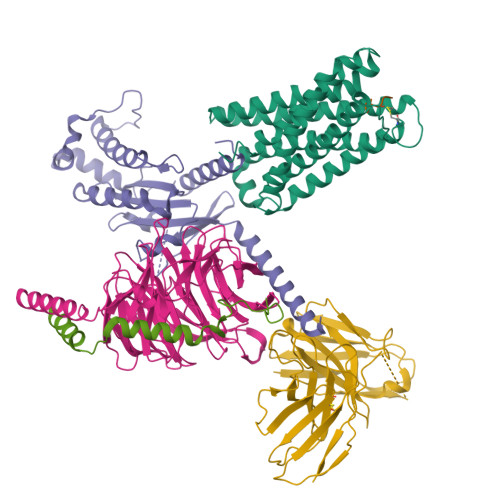
Hydrocodone belongs to the morphinans, a class of alkaloids and derivatives within the organic compounds. It has the formula C18H21NO3, an average molecular weight of 299.36 g/mol, and exists as a solid at room temperature. This exogenous compound is used as an antitussive and an opioid analgesic, and it serves as a mu-opioid receptor agonist. It is used as a treatment for pain (PMC7012325 ). Hydrocodone is recorded as being found in drinking water, brew kettles, analgesics, cough and cold preparations, and various household cleaning and consumer products, including pipe accessories, tobacco pipes, other smoking requisites, and non electric simulated smoking devices. It is also found in electrical and electronic equipment, such as antennas, auxiliary devices, magnets, still video cameras, and superconducting magnets and superconducting coils. Recorded exposure routes include oral and topical. The compound is a ligand of Sigma non-opioid intracellular receptor 1 (SIGMAR1) and targets the mu-type (OPRM1), delta-type (OPRD1), and kappa-type (OPRK1) opioid receptors. Hydrocodone acts as a weak agonist at OP1, OP2, and OP3 opiate receptors within the central nervous system (CNS). It primarily affects OP3 receptors, which are coupled with G-protein receptors and function as modulators of synaptic transmission via G-proteins that activate effector proteins. Binding of the opiate stimulates the exchange of GTP for GDP on the G-protein complex. As the effector system is adenylate cyclase and cAMP located at the inner surface of the plasma membrane, opioids decrease intracellular cAMP by inhibiting adenylate cyclase.
Contaminant Type
  • Amine
  • Analgesic
  • Analgesic, Opioid
  • Antitussive Agent
  • Drug
  • Ether
  • Metabolite
  • Narcotic
  • Organic Compound
  • Synthetic Compound
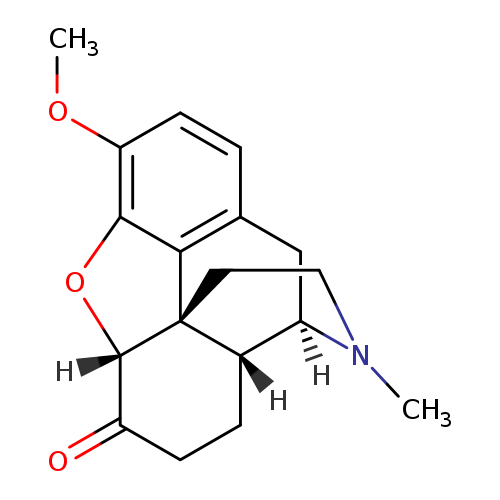
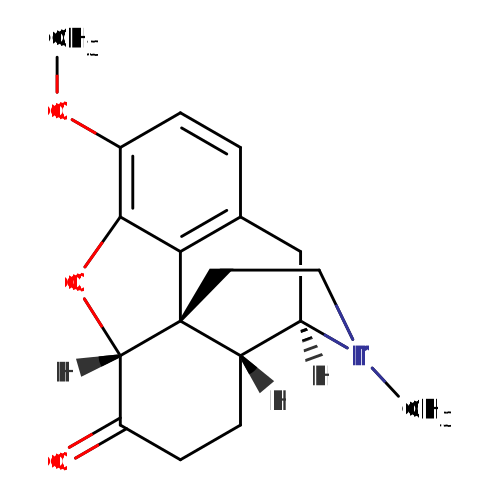
Chemical Structure
Synonyms
ValueSource
(-)-DihydrocodeinoneChEBI
4,5-alpha-Epoxy-3-methoxy-17-methylmorphinan-6-oneChEBI
DihydrocodeinoneChEBI
HidrocodonaChEBI
HydrocodonChEBI
HydrocodonumChEBI
HydroconeChEBI
HydroconumChEBI
IdrocodoneChEBI
4,5-a-Epoxy-3-methoxy-17-methylmorphinan-6-oneGenerator
4,5-Α-epoxy-3-methoxy-17-methylmorphinan-6-oneGenerator
HyconHMDB
CodinovoHMDB
HycodanHMDB
Hydrocodone tartrate (1:1), hydrate (2:5)HMDB
Knoll brand OF hydrocodone tartrateHMDB
Nourypharma brand OF hydrocodone tartrateHMDB
Robins brand OF hydrocodone tartrateHMDB
Wyeth brand OF hydrocodone tartrateHMDB
DicodidHMDB
Du pont brand OF hydrocodone tartrateHMDB
HydrocodeinonebitartrateHMDB
Hydrocodone bitartrateHMDB
HydroconHMDB
RobidoneHMDB
Chemical FormulaC18H21NO3
Average Molecular Mass299.364 g/mol
Monoisotopic Mass299.152 g/mol
CAS Registry Number125-29-1
IUPAC Name(1S,5R,13R,17R)-10-methoxy-4-methyl-12-oxa-4-azapentacyclo[9.6.1.0¹,¹³.0⁵,¹⁷.0⁷,¹⁸]octadeca-7(18),8,10-trien-14-one
Traditional Namehydrocodone
SMILES[H][C@@]12OC3=C(OC)C=CC4=C3[C@@]11CCN(C)[C@]([H])(C4)[C@]1([H])CCC2=O
InChI IdentifierInChI=1S/C18H21NO3/c1-19-8-7-18-11-4-5-13(20)17(18)22-16-14(21-2)6-3-10(15(16)18)9-12(11)19/h3,6,11-12,17H,4-5,7-9H2,1-2H3/t11-,12+,17-,18-/m0/s1
InChI KeyLLPOLZWFYMWNKH-CMKMFDCUSA-N
Chemical Taxonomy
Description Belongs to the class of organic compounds known as morphinans. These are polycyclic compounds with a four-ring skeleton with three condensed six-member rings forming a partially hydrogenated phenanthrene moiety, one of which is aromatic while the two others are alicyclic.
KingdomOrganic compounds
Super ClassAlkaloids and derivatives
ClassMorphinans
Sub ClassNot Available
Direct ParentMorphinans
Alternative Parents
Substituents
  • Morphinan
  • Phenanthrene
  • Isoquinolone
  • Tetralin
  • Coumaran
  • Anisole
  • Alkyl aryl ether
  • Aralkylamine
  • Piperidine
  • Benzenoid
  • Ketone
  • Tertiary amine
  • Tertiary aliphatic amine
  • Oxacycle
  • Ether
  • Azacycle
  • Organoheterocyclic compound
  • Amine
  • Hydrocarbon derivative
  • Organooxygen compound
  • Organonitrogen compound
  • Organic oxide
  • Organic nitrogen compound
  • Organopnictogen compound
  • Carbonyl group
  • Organic oxygen compound
  • Aromatic heteropolycyclic compound
Molecular FrameworkAromatic heteropolycyclic compounds
External Descriptors
Biological Properties
StatusDetected and Not Quantified
OriginExogenous
Cellular Locations
  • Cytoplasm
  • Extracellular
  • Membrane
Biofluid LocationsNot Available
Tissue LocationsNot Available
Applications
Biological Roles
Chemical RolesNot Available
Organoleptic EffectsNot Available
Physical Properties
StateSolid
AppearanceWhite powder.
Experimental Properties
PropertyValue
Melting Point198°C
Boiling PointNot Available
SolubilityInsoluble
Predicted Properties
PropertyValueSource
Water Solubility0.8 g/LALOGPS
logP2.13ALOGPS
logP1.96ChemAxon
logS-2.6ALOGPS
pKa (Strongest Acidic)18ChemAxon
pKa (Strongest Basic)8.61ChemAxon
Physiological Charge1ChemAxon
Hydrogen Acceptor Count4ChemAxon
Hydrogen Donor Count0ChemAxon
Polar Surface Area38.77 ŲChemAxon
Rotatable Bond Count1ChemAxon
Refractivity82.74 m³·mol⁻¹ChemAxon
Polarizability32.05 ųChemAxon
Number of Rings5ChemAxon
BioavailabilityYesChemAxon
Rule of FiveYesChemAxon
Ghose FilterYesChemAxon
Veber's RuleYesChemAxon
MDDR-like RuleNoChemAxon
Spectra
Spectra
Spectrum TypeDescriptionSplash KeyDeposition DateView
Predicted GC-MSPredicted GC-MS Spectrumsplash10-0a4i-2090000000-117774746c444c4e0488Not AvailableView Spectrum
Predicted GC-MSPredicted GC-MS SpectrumNot AvailableNot AvailableView Spectrum
LC-MS/MSLC-MS/MS Spectrumsplash10-0udi-0009000000-f21858df54194757e2d9Not AvailableView Spectrum
LC-MS/MSLC-MS/MS Spectrumsplash10-0udi-0009000000-9b129b5d29df52345272Not AvailableView Spectrum
LC-MS/MSLC-MS/MS Spectrumsplash10-0udi-0649000000-82623b23b75f0a0b232dNot AvailableView Spectrum
LC-MS/MSLC-MS/MS Spectrumsplash10-0002-0920000000-b67ff5a32d0ddd40c4c7Not AvailableView Spectrum
LC-MS/MSLC-MS/MS Spectrumsplash10-006t-0900000000-0277ba7435a4081ab333Not AvailableView Spectrum
LC-MS/MSLC-MS/MS Spectrumsplash10-0g6v-0900000000-b335c52fad1274cd28cbNot AvailableView Spectrum
LC-MS/MSLC-MS/MS Spectrumsplash10-0udi-0539000000-60e3ee4cd365c32565d2Not AvailableView Spectrum
LC-MS/MSLC-MS/MS Spectrumsplash10-0g6v-0900000000-a3ca9b5bf55ce8c114d5Not AvailableView Spectrum
LC-MS/MSLC-MS/MS Spectrumsplash10-0udi-0539000000-a9095e27f0dee030ee9aNot AvailableView Spectrum
LC-MS/MSLC-MS/MS Spectrumsplash10-0udi-0009000000-dfe701f042e4ae48fa1dNot AvailableView Spectrum
LC-MS/MSLC-MS/MS Spectrumsplash10-0002-0921000000-93f2238f422f7dbee100Not AvailableView Spectrum
LC-MS/MSLC-MS/MS Spectrumsplash10-006t-0900000000-85ee173792972a321cc1Not AvailableView Spectrum
LC-MS/MSLC-MS/MS Spectrumsplash10-0udi-0009000000-c527bc2c918e346dafb8Not AvailableView Spectrum
Predicted LC-MS/MSPredicted LC-MS/MS Spectrumsplash10-0udi-0029000000-1c3fa3b4b1357be62616Not AvailableView Spectrum
Predicted LC-MS/MSPredicted LC-MS/MS Spectrumsplash10-0udi-1098000000-f000ea847c9e68994f23Not AvailableView Spectrum
Predicted LC-MS/MSPredicted LC-MS/MS Spectrumsplash10-0a4i-8090000000-dd4e0e79adfda3b828ccNot AvailableView Spectrum
Predicted LC-MS/MSPredicted LC-MS/MS Spectrumsplash10-0002-0090000000-d9ab1faf7327dd439b2cNot AvailableView Spectrum
Predicted LC-MS/MSPredicted LC-MS/MS Spectrumsplash10-0002-0090000000-2b3b1b2934a4489426fcNot AvailableView Spectrum
Predicted LC-MS/MSPredicted LC-MS/MS Spectrumsplash10-003r-1190000000-666f47c119770568eaf1Not AvailableView Spectrum
Predicted LC-MS/MSPredicted LC-MS/MS Spectrumsplash10-0udi-0009000000-1d8c7ea64ca3af7aef5eNot AvailableView Spectrum
Predicted LC-MS/MSPredicted LC-MS/MS Spectrumsplash10-0udi-0009000000-8b328c7a2ca4dc1b0c72Not AvailableView Spectrum
Predicted LC-MS/MSPredicted LC-MS/MS Spectrumsplash10-0f6x-2091000000-71570a929a535e2fa4d2Not AvailableView Spectrum
Predicted LC-MS/MSPredicted LC-MS/MS Spectrumsplash10-0002-0090000000-cf6f68fb1a2e8ad8e416Not AvailableView Spectrum
Predicted LC-MS/MSPredicted LC-MS/MS Spectrumsplash10-000t-0090000000-0f770b43a2251fd7dba1Not AvailableView Spectrum
MSMS Spectrumsplash10-0005-6970000000-3ba3e105098639cd6091Not AvailableView Spectrum
Toxicity Profile
Toxicity Values
Toxicity ValueOrganismDose DescriptorRoute of ExposurePredicted or ExperimentalToxicity RatingReference
85.7 mg/kg MouseLD50Parenteral-subcutaneousexperimentalNot Available1
225.0 Log mg/kg [130:400]RatLD50oralpredictedNot AvailableNot Available
Toxicity / Toxin ClassNot Available
Mechanism of ToxicityHydrocodone acts as a weak agonist at OP1, OP2, and OP3 opiate receptors within the central nervous system (CNS). Hydrocodone primarily affects OP3 receptors, which are coupled with G-protein receptors and function as modulators, both positive and negative, of synaptic transmission via G-proteins that activate effector proteins. Binding of the opiate stimulates the exchange of GTP for GDP on the G-protein complex. As the effector system is adenylate cyclase and cAMP located at the inner surface of the plasma membrane, opioids decrease intracellular cAMP by inhibiting adenylate cyclase. Subsequently, the release of nociceptive neurotransmitters such as substance P, GABA, dopamine, acetylcholine, and noradrenaline is inhibited. Opioids such as hydrocodone also inhibit the release of vasopressin, somatostatin, insulin, and glucagon. Opioids close N-type voltage-operated calcium channels (OP2-receptor agonist) and open calcium-dependent inwardly rectifying potassium channels (OP3 and OP1 receptor agonist). This results in hyperpolarization and reduced neuronal excitability.
Carcinogenicity (IARC Classification)No indication of carcinogenicity to humans (not listed by IARC).
Minimum Risk LevelNot Available
SymptomsSymptoms of overdose include respiratory depression (a decrease in respiratory rate and/or tidal volume, Cheyne-Stokes respiration, cyanosis), extreme somnolence progressing to stupor or coma, skeletal muscle flaccidity, dizziness, ringing in the ears, confusion, blurred vision, eye problems, cold and clammy skin, and sometimes bradycardia and hypotension. In severe overdose, apnea, circulatory collapse, cardiac arrest and death may occur.
TreatmentImmediate treatment includes support of cardiorespiratory function and measures to reduce drug absorption. Vomiting should be induced mechanically, or with syrup of ipecac, if the patient is alert (adequate pharyngeal and laryngeal reflexes). Oral activated charcoal (1 g/kg) should follow gastric emptying. The first dose should be accompanied by an appropriate cathartic. If repeated doses are used, the cathartic might be included with alternate doses as required. Hypotension is usually hypovolemic and should respond to fluids. Vasopressors and other supportive measures should be employed as indicated. A cuffed endo-tracheal tube should be inserted before gastric lavage of the unconscious patient and, when necessary, to provide assisted respiration. Meticulous attention should be given to maintaining adequate pulmonary ventilation. In severe cases of intoxication, peritoneal dialysis, or preferably hemodialysis may be considered. Naloxone, a narcotic antagonist, can reverse respiratory depression and coma associated with opioid overdose. Naloxone hydrochloride 0.4 mg to 2 mg is given parenterally. Since the duration of action of hydrocodone may exceed that of the naloxone, the patient should be kept under continuous surveillance and repeated doses of the antagonist should be administered as needed to maintain adequate respiration. (3)
Health Effects
Health EffectRelationshipDirectionDescriptionReference
painNot AvailableNot AvailableA disorder characterized by the sensation of marked discomfort, distress or agony. (NCI CTCAE)PMC7012325
Opiate OverdoseAssociated With?Not AvailableNot AvailablePMC7027962
Exposure Sources
Source IDSourceSectorReference
CEDs000010Insecticides?Insecticides are synthetic chemicals designed to control or eliminate insect pests that threaten crops and other agricultural products.Agriculture & land managementPubChem
CEDs000070Stormwater runoff?Stormwater runoff refers to the flow of rainwater or melted snow that does not soak into the ground and instead collects pollutants as it travels over impervious surfaces such as roads and parking lots.Automotive & urban infrastructurePubChem
CEDs000115Drinking water?Drinking water can be a medium for synthetic chemical contamination, often originating from various industrial processes and agricultural practices.Drinking water & water supplyNot Available
CEDs000233Brushes?Brushes used in personal care and cosmetics can be a source of synthetic chemical contamination due to the materials and coatings used in their manufacturing.Personal care & cosmeticsPubChem
CEDs000370Analgesics?Analgesics are a class of synthetic chemicals designed to alleviate pain.Healthcare, pharmaceuticals & veterinary productsNot Available
CEDs000392Cough and cold preparations?Cough and cold preparations often contain a variety of synthetic chemicals, including antihistamines, decongestants, and expectorants.Healthcare, pharmaceuticals & veterinary productsNot Available
CEDs000506Antennas?Antennas, commonly used in communication technologies, can be a source of synthetic chemical contamination through the materials and coatings used in their construction.Electrical & Electronic EquipmentPubChem
CEDs000507Auxiliary Devices?Auxiliary devices, such as capacitors, transformers, and circuit breakers, are integral components in various electronic systems.Electrical & Electronic EquipmentPubChem
CEDs000511Conductors Or Conductive Bodies Characterised By The Conductive Materials?Conductors, or conductive bodies, are materials that allow the flow of electrical current, typically made from metals such as copper, aluminum, or silver.Electrical & Electronic EquipmentPubChem
CEDs000517Electric Switches?Electric switches, integral components in numerous devices, can be a source of synthetic chemical contamination due to the materials and manufacturing processes involved in their production.Electrical & Electronic EquipmentPubChem
CEDs000518Electrically Stimulated Smoking Devices?Electrically stimulated smoking devices, commonly known as e-cigarettes or vape pens, utilize electrical components to heat a liquid solution, often containing nicotine, flavorings, and other additives, to produce an aerosol for inhalation.Electrical & Electronic EquipmentPubChem
CEDs000519Electrodes?Electrodes, used in various electrical and electronic applications, can be a source of synthetic chemical contamination due to the materials from which they are constructed and the processes involved in their manufacturing.Electrical & Electronic EquipmentPubChem
CEDs000527Magnets?Magnets, commonly used in various electrical and electronic applications, can be a source of synthetic chemical contamination due to the materials used in their production.Electrical & Electronic EquipmentPubChem
CEDs000530Radio Transmission Systems?Radio transmission systems utilize a variety of synthetic chemicals in their manufacturing and maintenance processes.Electrical & Electronic EquipmentPubChem
CEDs000534Still Video Cameras?Still video cameras, which capture images in digital format, can be a source of synthetic chemical contamination due to the materials and components used in their production and operation.Electrical & Electronic EquipmentPubChem
CEDs000535Superconducting Magnets And Superconducting Coils?Superconducting magnets and coils are utilized in various applications that require strong magnetic fields, such as magnetic resonance imaging (MRI) and particle accelerators.Electrical & Electronic EquipmentPubChem
CEDs000537Television Systems?Television systems can be a source of synthetic chemical contamination due to the various materials and components used in their manufacture and operation.Electrical & Electronic EquipmentPubChem
CEDs000542Brew Kettles?Brew kettles are large vessels used in the brewing process for boiling ingredients such as malt, hops, and water.Food, food processing & cookwarePubChem
CEDs000545Food Preservation?Food preservation often involves the use of synthetic chemicals, such as preservatives, flavor enhancers, and color additives, to extend shelf life and enhance the sensory qualities of food products.Food, food processing & cookwarePubChem
CEDs000555Bleaching Agents?Bleaching agents are chemical substances used to whiten or lighten materials, often employed in various cleaning products for their stain removal and disinfecting properties.Household cleaning & consumer productsPubChem
CEDs000556Cigar Cigarettes?Cigar cigarettes are a source of synthetic chemical contamination due to the combustion of various tobacco blends and additives.Household cleaning & consumer productsPubChem
CEDs000559Non Electric Simulated Smoking Devices?Non-electric simulated smoking devices, often designed to mimic the experience of smoking without combustion, can be sources of synthetic chemical contamination due to the materials and chemicals used in their construction and operation.Household cleaning & consumer productsPubChem
CEDs000560Other Smoking Requisites?Other smoking requisites, including items such as lighters, matches, and rolling papers, can introduce synthetic chemical contamination through various components and additives.Household cleaning & consumer productsPubChem
CEDs000561Perfumes Within Detergents And Soaps?Perfumes within detergents and soaps are synthetic fragrance compounds added to enhance the sensory experience of cleaning products.Household cleaning & consumer productsPubChem
CEDs000562Pipe Accessories?Pipe accessories, such as fittings, connectors, and seals, are components used in plumbing systems to facilitate the flow of liquids and gases.Household cleaning & consumer productsPubChem
CEDs000566Tobacco Pipes?Tobacco pipes, often made from materials such as plastic, wood, or metal, can serve as sources of synthetic chemical contamination due to the residues left by tobacco products.Household cleaning & consumer productsPubChem
CEDs000569Tobacco Smoke Filters?Tobacco smoke filters are designed to reduce the inhalation of harmful substances in cigarette smoke, including tar and other particulate matter.Household cleaning & consumer productsPubChem
CEDs000579Manufacture Of Iron Or Steel?The manufacture of iron or steel involves various processes, including smelting, refining, and alloying, which can result in the release of synthetic chemicals and contaminants.Industrial manufacturing & chemical processingPubChem
CEDs000580Manufacture Preparation Of Tobacco Products?The manufacture and preparation of tobacco products involve various processes that can result in the introduction of synthetic chemicals into the environment.Industrial manufacturing & chemical processingPubChem
CEDs000581Paper Making Machines?Paper making machines utilize various synthetic chemicals throughout the production process, including additives, coatings, and bleaching agents.Industrial manufacturing & chemical processingPubChem
CEDs000592Marine Propulsion Or Steering?Marine propulsion and steering systems often rely on various synthetic chemicals, including lubricants, fuels, and hydraulic fluids.Marine, shipping & aquaculturePubChem
CEDs000596Acaricides?Acaricides are synthetic chemicals specifically designed to target and control mite populations that can damage crops and plants.Agriculture & land managementPubChem
CEDs000600Herbicides And Algicides?Herbicides and algicides are synthetic chemicals primarily used to control unwanted plants and algae in various environments.Agriculture & land managementPubChem
CEDs000609Aftershave?Aftershave is a grooming product typically used to soothe and protect the skin following shaving.Personal care & cosmeticsPubChem
CEDs000610Aftersun Products?Aftersun products are designed to soothe and hydrate the skin after sun exposure, often containing various synthetic chemicals such as emollients, preservatives, and fragrances.Personal care & cosmeticsPubChem
CEDs000611Anti Perspirants Or Body Deoderants?Antiperspirants and body deodorants commonly contain synthetic chemicals such as aluminum compounds, parabens, and synthetic fragrances.Personal care & cosmeticsPubChem
CEDs000612Body Washing Or Cleaning Implements?Body washing or cleaning implements, such as synthetic sponges, loofahs, and washcloths, can be sources of synthetic chemical contamination due to the materials used in their production.Personal care & cosmeticsPubChem
CEDs000615Eye Makeup Products?Eye makeup products, including mascaras, eyeliners, and eyeshadows, often contain a variety of synthetic chemicals such as pigments, preservatives, and film-forming agents.Personal care & cosmeticsPubChem
CEDs000617Lip Care Products?Lip care products, including lipsticks, balms, and glosses, often contain a variety of synthetic chemicals such as parabens, phthalates, and synthetic fragrances.Personal care & cosmeticsPubChem
CEDs000618Lip Makeup Products?Lip makeup products, such as lipsticks, lip glosses, and lip liners, often contain a variety of synthetic chemicals, including pigments, preservatives, and emollients.Personal care & cosmeticsPubChem
CEDs000630Toys?Toys, particularly those made from synthetic materials such as plastics, can be a source of chemical contamination due to the presence of various additives and compounds used in their production.Recreation & sports surfacesPubChem
CEDs000632Apparel?Apparel production often involves the use of various synthetic chemicals, including dyes, finishing agents, and preservatives.Textiles, leather & furnishingsPubChem
CEDs000642Footwear?Footwear production often involves the use of various synthetic chemicals, such as adhesives, dyes, and treatments, which can contribute to environmental contamination.Textiles, leather & furnishingsPubChem
CEDs000643Headwear?Headwear made from synthetic materials often incorporates chemicals used in the manufacturing and finishing processes, such as dyes, flame retardants, and water repellents.Textiles, leather & furnishingsPubChem
CEDs000650Purses Luggage Hand Bags?Purses, luggage, and handbags are often manufactured using synthetic materials such as polyvinyl chloride (PVC), polyurethane, and various types of nylon.Textiles, leather & furnishingsPubChem
CEDs000651Purses Money Bags Wallets?Purses, money bags, and wallets are often manufactured using synthetic materials, including plastics, polyurethanes, and various treated fabrics.Textiles, leather & furnishingsPubChem
CEDs000661Umbrellas?Umbrellas are commonly manufactured using synthetic materials such as polyester, nylon, and polyvinyl chloride (PVC), which can contribute to synthetic chemical contamination.Textiles, leather & furnishingsPubChem
CEDs000662Yarns Or Threads?Yarns or threads used in textiles can be a source of synthetic chemical contamination due to the production processes and treatments they undergo.Textiles, leather & furnishingsPubChem
CEDs000663Sanitary Equipment?Sanitary equipment, including toilets, sinks, and drainage systems, can serve as conduits for synthetic chemical contamination.Wastewater, sanitation & biosolidsPubChem
CEDs000671Airplanes And Helicopters?Airplanes and helicopters are significant sources of synthetic chemical contamination primarily through the use of aviation fuels, lubricants, and de-icing agents.Aviation & AerospacePubChem
CEDs000679Phosphatic Fertilisers?Phosphatic fertilizers are synthetic chemical products primarily composed of phosphorus, which is essential for plant growth.Agriculture & land managementPubChem
CEDs000685Ceramics?Ceramics can be a source of synthetic chemical contamination through various additives and processing agents used in their production.Building & ConstructionPubChem
CEDs000686Clay Wares?Clay wares are ceramic products made from natural clay, often utilized in various construction applications such as tiles, bricks, and sanitary ware.Building & ConstructionPubChem
CEDs000688Glass Coatings?Glass coatings are synthetic chemical formulations applied to glass surfaces to enhance properties such as durability, UV resistance, and aesthetic appeal.Building & ConstructionPubChem
CEDs000693Silica Glass?Silica glass, primarily composed of silicon dioxide (SiO2), is widely used in various applications, including windows, glass facades, and insulation materials.Building & ConstructionPubChem
CEDs000696Nanotechnology?Nanotechnology involves the manipulation of materials at the molecular or atomic level, typically within the range of 1 to 100 nanometers.Industrial manufacturing & chemical processingPubChem
CEDs000697Submarines?Submarines, while essential for military and research purposes, can be a source of synthetic chemical contamination due to their use of various industrial chemicals.Marine, shipping & aquaculturePubChem
CEDs000698Jewellery?Jewellery production often involves the use of various synthetic chemicals during the extraction and processing of metals.Mining & metal processingPubChem
CEDs000707Books?Books can be a source of synthetic chemical contamination due to the use of various chemicals in their production and preservation processes.Paper, pulp & fiber productsPubChem
CEDs000717Fountain Pens?Fountain pens utilize a liquid ink that often contains synthetic chemicals, including dyes, pigments, and solvents, which can contribute to environmental contamination.Paper, pulp & fiber productsPubChem
CEDs000720Ink Reservoir Pens2?Ink reservoir pens are writing instruments that utilize a reservoir to store ink, which is often composed of synthetic dyes, solvents, and additives.Paper, pulp & fiber productsPubChem
CEDs000727Printing Machines Or Presses?Printing machines or presses commonly utilize synthetic chemicals such as inks, solvents, and cleaning agents.Paper, pulp & fiber productsPubChem
CEDs000734Coating Compositions?Coating compositions, which include paints, sealants, and varnishes, are formulated with a variety of synthetic chemicals such as solvents, resins, pigments, and additives.Building & ConstructionPubChem
CEDs000739Inks?Inks are complex mixtures composed of pigments or dyes, solvents, resins, and additives used primarily for printing and writing applications.Paper, pulp & fiber productsPubChem
CEDs000740Paper?Paper production involves the processing of wood fibers and the use of various chemicals, which can lead to synthetic chemical contamination.Paper, pulp & fiber productsPubChem
CEDs000741Pigment Pastes?Pigment pastes are concentrated dispersions of pigments used to impart color and properties to materials.Paper, pulp & fiber productsPubChem
CEDs000743Sludge Treatment?Sludge treatment involves the processing of waste materials generated from wastewater treatment plants, which often contain a variety of organic and inorganic substances.Wastewater, sanitation & biosolidsPubChem
CEDs000744Water, Wastewater, & Sewage Treatment?Water, wastewater, and sewage treatment processes are critical for managing and mitigating pollutants in water systems.Wastewater, sanitation & biosolidsPubChem
CEDs02255WaterAquatic systems & sedimentsPMC10702890 , PMC10237466
CEDs03028Wastewater EffluentWastewater, sanitation & biosolidsPMC12609106 , PMC10487102
Pathways
4 pathwaysPathway Source: PathBank
Targets
StructureProteinUniProt IDOrganismRelationshipDetails
Cytochrome P450 2D6 structureClick to view 3D structureCytochrome P450 2D6P10635HumansKnownNot Available
Cytochrome P450 3A4 structureClick to view 3D structureCytochrome P450 3A4P08684HumansKnownNot Available
Delta-type opioid receptor structureClick to view 3D structureDelta-type opioid receptorP41143HumansPredicted (SEA)
Prediction Confidence Score
0.484
Applicability Domain
0.587
Statistical Significance
0.012
Supporting Reference Compounds
427
E-value
93.1855
Mu-type opioid receptor structureClick to view 3D structureMu-type opioid receptorP35372HumansPredicted (SEA)
Prediction Confidence Score
0.475
Applicability Domain
0.587
Statistical Significance
0.0121
Supporting Reference Compounds
527
E-value
94.1197
Mu-type opioid receptor structureClick to view 3D structureMu-type opioid receptorP42866Mus musculusPredicted (SEA)
Prediction Confidence Score
0.475
Applicability Domain
0.587
Statistical Significance
0.0035
Supporting Reference Compounds
107
E-value
27.4808
Click to view 3D structureKappa-type opioid receptorP41144Cavia porcellusPredicted (SEA)
Prediction Confidence Score
0.445
Applicability Domain
0.554
Statistical Significance
0.0125
Supporting Reference Compounds
199
E-value
97.2337
Click to view 3D structureMu-type opioid receptorP33535Rattus norvegicusPredicted (SEA)
Prediction Confidence Score
0.441
Applicability Domain
0.554
Statistical Significance
0.0153
Supporting Reference Compounds
229
E-value
119.343
Click to view 3D structureDelta-type opioid receptorP33533Rattus norvegicusPredicted (SEA)
Prediction Confidence Score
0.441
Applicability Domain
0.554
Statistical Significance
0.0111
Supporting Reference Compounds
164
E-value
86.6462
Click to view 3D structureKappa-type opioid receptorP34975Rattus norvegicusPredicted (SEA)
Prediction Confidence Score
0.403
Applicability Domain
0.554
Statistical Significance
0.011
Supporting Reference Compounds
66
E-value
85.8677
Click to view 3D structureMu-type opioid receptorP97266Cavia porcellusPredicted (SEA)
Prediction Confidence Score
0.399
Applicability Domain
0.421
Statistical Significance
0.0195
Supporting Reference Compounds
186
E-value
151.65
Sigma non-opioid intracellular receptor 1 structureClick to view 3D structureSigma non-opioid intracellular receptor 1Q99720HumansPredicted (SEA)
Prediction Confidence Score
0.396
Applicability Domain
0.554
Statistical Significance
0.0125
Supporting Reference Compounds
562
E-value
97.7008
Kappa-type opioid receptor structureClick to view 3D structureKappa-type opioid receptorP41145HumansPredicted (SEA)
Prediction Confidence Score
0.391
Applicability Domain
0.441
Statistical Significance
0.022
Supporting Reference Compounds
532
E-value
171.035
Delta-type opioid receptor structureClick to view 3D structureDelta-type opioid receptorP32300Mus musculusPredicted (SEA)
Prediction Confidence Score
0.388
Applicability Domain
0.421
Statistical Significance
0.02
Supporting Reference Compounds
166
E-value
155.854
Click to view 3D structureKappa-type opioid receptorP33534Mus musculusPredicted (SEA)
Prediction Confidence Score
0.373
Applicability Domain
0.441
Statistical Significance
0.0099
Supporting Reference Compounds
61
E-value
76.9929
Click to view 3D structureAcetylcholinesteraseO42275Electrophorus electricusPredicted (SEA)
Prediction Confidence Score
0.339
Applicability Domain
0.437
Statistical Significance
0.0121
Supporting Reference Compounds
206
E-value
94.0419
Mas-related G-protein coupled receptor member X2 structureClick to view 3D structureMas-related G-protein coupled receptor member X2Q96LB1HumansPredicted (SEA)
Prediction Confidence Score
0.334
Applicability Domain
0.391
Statistical Significance
0.0124
Supporting Reference Compounds
16
E-value
96.6109
Click to view 3D structureMu-type opioid receptorP79350Bos taurusPredicted (SEA)
Prediction Confidence Score
0.313
Applicability Domain
0.391
Statistical Significance
0.002
Supporting Reference Compounds
17
E-value
15.4141
Acetylcholinesterase structureClick to view 3D structureAcetylcholinesteraseP22303HumansPredicted (SEA)
Prediction Confidence Score
0.306
Applicability Domain
0.361
Statistical Significance
0.0357
Supporting Reference Compounds
406
E-value
277.766
Cytochrome P450 2D6 structureClick to view 3D structureCytochrome P450 2D6P10635HumansPredicted (SEA)
Prediction Confidence Score
0.302
Applicability Domain
0.373
Statistical Significance
0.101
Supporting Reference Compounds
1130
E-value
786.044
Click to view 3D structureSigma non-opioid intracellular receptor 1Q9R0C9Rattus norvegicusPredicted (SEA)
Prediction Confidence Score
0.301
Applicability Domain
0.373
Statistical Significance
0.0217
Supporting Reference Compounds
207
E-value
169.322
Voltage-gated inwardly rectifying potassium channel KCNH2 structureClick to view 3D structureVoltage-gated inwardly rectifying potassium channel KCNH2Q12809HumansPredicted (SEA)
Prediction Confidence Score
0.298
Applicability Domain
0.554
Statistical Significance
0.1719
Supporting Reference Compounds
1498
E-value
1338.23
Nociceptin receptor structureClick to view 3D structureNociceptin receptorP41146HumansPredicted (SEA)
Prediction Confidence Score
0.298
Applicability Domain
0.391
Statistical Significance
0.0235
Supporting Reference Compounds
73
E-value
183.335
Acetylcholinesterase structureClick to view 3D structureAcetylcholinesteraseP04058Torpedo californicaPredicted (SEA)
Prediction Confidence Score
0.298
Applicability Domain
0.361
Statistical Significance
0.004
Supporting Reference Compounds
30
E-value
31.2954
Sodium-dependent serotonin transporter structureClick to view 3D structureSodium-dependent serotonin transporterP31645HumansPredicted (SEA)
Prediction Confidence Score
0.292
Applicability Domain
0.373
Statistical Significance
0.0604
Supporting Reference Compounds
593
E-value
470.443
Click to view 3D structureCholinesteraseP81908Equus caballusPredicted (SEA)
Prediction Confidence Score
0.288
Applicability Domain
0.361
Statistical Significance
0.0337
Supporting Reference Compounds
201
E-value
262.352
Click to view 3D structureSulfotransferase 1E1P19217Bos taurusPredicted (SEA)
Prediction Confidence Score
0.276
Applicability Domain
0.276 Low confidence
Statistical Significance
7.70e-04
Supporting Reference Compounds
1
E-value
5.99439
5-hydroxytryptamine receptor 1A structureClick to view 3D structure5-hydroxytryptamine receptor 1AP08908HumansPredicted (SEA)
Prediction Confidence Score
0.274
Applicability Domain
0.309
Statistical Significance
0.1367
Supporting Reference Compounds
953
E-value
1064.51
Delta-type opioid receptor structureClick to view 3D structureDelta-type opioid receptorP41143HumansKnownHydrocodone acts as a weak agonist at OP1, OP2, and OP3 opiate receptors within the central nervous system (CNS). Hydrocodone primarily affects OP3 receptors, which are coupled with G-protein receptors and function as modulators, both positive and negative, of synaptic transmission via G-proteins that activate effector proteins. Binding of the opiate stimulates the exchange of GTP for GDP on the G-protein complex. As the effector system is adenylate cyclase and cAMP located at the inner surface of the plasma membrane, opioids decrease intracellular cAMP by inhibiting adenylate cyclase. Subsequently, the release of nociceptive neurotransmitters such as substance P, GABA, dopamine, acetylcholine, and noradrenaline is inhibited. Opioids such as hydrocodone also inhibit the release of vasopressin, somatostatin, insulin, and glucagon. Opioids close N-type voltage-operated calcium channels (OP2-receptor agonist) and open calcium-dependent inwardly rectifying potassium channels (OP3 and OP1 receptor agonist). This results in hyperpolarization and reduced neuronal excitability.
Mu-type opioid receptor structureClick to view 3D structureMu-type opioid receptorP35372HumansKnownHydrocodone acts as a weak agonist at OP1, OP2, and OP3 opiate receptors within the central nervous system (CNS). Hydrocodone primarily affects OP3 receptors, which are coupled with G-protein receptors and function as modulators, both positive and negative, of synaptic transmission via G-proteins that activate effector proteins. Binding of the opiate stimulates the exchange of GTP for GDP on the G-protein complex. As the effector system is adenylate cyclase and cAMP located at the inner surface of the plasma membrane, opioids decrease intracellular cAMP by inhibiting adenylate cyclase. Subsequently, the release of nociceptive neurotransmitters such as substance P, GABA, dopamine, acetylcholine, and noradrenaline is inhibited. Opioids such as hydrocodone also inhibit the release of vasopressin, somatostatin, insulin, and glucagon. Opioids close N-type voltage-operated calcium channels (OP2-receptor agonist) and open calcium-dependent inwardly rectifying potassium channels (OP3 and OP1 receptor agonist). This results in hyperpolarization and reduced neuronal excitability.
Kappa-type opioid receptor structureClick to view 3D structureKappa-type opioid receptorP41145HumansKnownHydrocodone acts as a weak agonist at OP1, OP2, and OP3 opiate receptors within the central nervous system (CNS). Hydrocodone primarily affects OP3 receptors, which are coupled with G-protein receptors and function as modulators, both positive and negative, of synaptic transmission via G-proteins that activate effector proteins. Binding of the opiate stimulates the exchange of GTP for GDP on the G-protein complex. As the effector system is adenylate cyclase and cAMP located at the inner surface of the plasma membrane, opioids decrease intracellular cAMP by inhibiting adenylate cyclase. Subsequently, the release of nociceptive neurotransmitters such as substance P, GABA, dopamine, acetylcholine, and noradrenaline is inhibited. Opioids such as hydrocodone also inhibit the release of vasopressin, somatostatin, insulin, and glucagon. Opioids close N-type voltage-operated calcium channels (OP2-receptor agonist) and open calcium-dependent inwardly rectifying potassium channels (OP3 and OP1 receptor agonist). This results in hyperpolarization and reduced neuronal excitability.
Concentrations
Not Available
External Links
DrugBank IDDB00956
HMDB IDHMDB0015091
FooDB IDNot Available
Phenol Explorer IDNot Available
KNApSAcK IDNot Available
BiGG IDNot Available
BioCyc IDNot Available
METLIN IDNot Available
PDB IDNot Available
Wikipedia LinkHydrocodone
Chemspider ID4447623
ChEBI ID5779
PubChem Compound ID5284569
Kegg Compound IDC08024
YMDB IDNot Available
ECMDB IDNot Available
References
Synthesis Reference

Anne M. Hailes, Christopher E. French, Neil C. Bruce, “Morphinone reductase for the preparation of hydromorphone and hydrocodone.” U.S. Patent US5571685, issued November, 1990.

MSDSLink
General References
  1. Wishart DS, Knox C, Guo AC, Cheng D, Shrivastava S, Tzur D, Gautam B, Hassanali M: DrugBank: a knowledgebase for drugs, drug actions and drug targets. Nucleic Acids Res. 2008 Jan;36(Database issue):D901-6. Epub 2007 Nov 29. [PubMed: 18048412]
  2. Drugs.com - http://www.drugs.com/cons/Hydrocodone.html
  3. RxList: The Internet Drug Index (2009). - http://www.rxlist.com/