Mycophenolic acid (CED0002632)

Record Information
Version1.0
Creation Date2009-07-21 20:28:11 UTC
Update Date2026-05-14 16:56:08 UTC
SynCED IDCED0002632
Secondary Accession Numbers
  • CHEM002323
  • T3D2960
Identification
Common NameMycophenolic acid
ClassSmall Molecule
Description
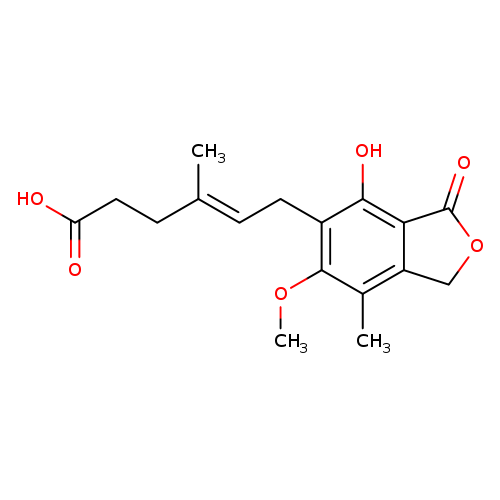
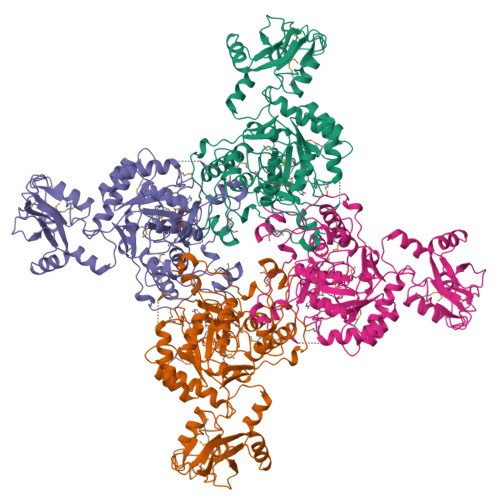
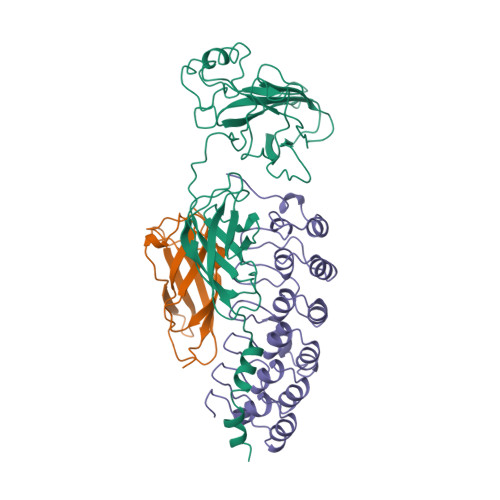
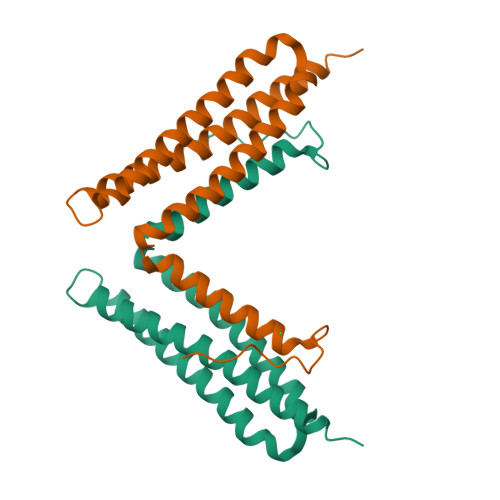
Mycophenolic acid (C17H20O6) is a solid organic compound with an average molecular weight of 320.34 g/mol. It is an exogenous Penicillium metabolite and mycotoxin. Mycophenolic acid belongs to the isobenzofuranones, a subclass of isocoumarans within the organic compounds. The compound serves as an immunosuppressive agent, antineoplastic agent, and antibiotic. It acts as an inhibitor of IMP dehydrogenase (EC 1.1.1.205). Its recorded protein targets include Peroxisome proliferator-activated receptor gamma (PPARG) and inosine-5'-monophosphate dehydrogenase 1 (IMPDH1) and 2 (IMPDH2). As a potent, selective, uncompetitive, and reversible inhibitor of inosine monophosphate dehydrogenase (IMPDH), it inhibits the de novo pathway of guanosine nucleotide synthesis without incorporation into DNA. Because T- and B-lymphocytes are critically dependent on de novo synthesis of purines for their proliferation, while other cell types can utilize salvage pathways, mycophenolic acid exerts potent cytostatic effects on lymphocytes. Mycophenolic acid has been detected in the liver and kidney tissues. It is found in 23 recorded sources, including healthcare, pharmaceuticals & veterinary products (antibiotics, immunosuppressants, medical devices), food and food processing (processing meats, food packaging), energy, oil & gas (lubricants), drinking water & water supply, textiles, leather & furnishings (carpets, rugs, synthetic textiles), and electrical & electronic equipment (batteries, capacitors, cell phones, printed circuit boards, wires and cables, and six others), as well as three additional sectors. Recorded exposure routes include oral, inhalation, and touch.
Contaminant Type
  • Antibiotic, Antineoplastic
  • Drug
  • Enzyme Inhibitor
  • Ester
  • Ether
  • Human Neurotoxin
  • Metabolite
  • Mycotoxin
  • Organic Compound
  • PFAS
  • Synthetic Compound
Chemical Structure
Synonyms
ValueSource
(e)-6-(4-Hydroxy-6-methoxy-7-methyl-3-oxo-5-phthalanyl)-4-methyl-4-hexenoic acidChEBI
Acide mycophenoliqueChEBI
Acido micofenolicoChEBI
Acidum mycophenolicumChEBI
Micofenolico acidoChEBI
MycophenolateChEBI
MycophenolsaeureChEBI
(e)-6-(4-Hydroxy-6-methoxy-7-methyl-3-oxo-5-phthalanyl)-4-methyl-4-hexenoateGenerator
Mycophenoic acidHMDB
Acid, mycophenolicHMDB
CellceptHMDB
Mofetil hydrochloride, mycophenolateHMDB
Mofetil, mycophenolateHMDB
Mycophenolate sodiumHMDB
Mycophenolate, sodiumHMDB
Sodium mycophenolateHMDB
Mycophenolate mofetilHMDB
Mycophenolate mofetil hydrochlorideHMDB
Mycophenolic acid morpholinoethyl esterHMDB
MyforticHMDB
Chemical FormulaC17H20O6
Average Molecular Mass320.337 g/mol
Monoisotopic Mass320.126 g/mol
CAS Registry Number24280-93-1
IUPAC Name(4E)-6-(4-hydroxy-6-methoxy-7-methyl-3-oxo-1,3-dihydro-2-benzofuran-5-yl)-4-methylhex-4-enoic acid
Traditional Namemycophenolic acid
SMILESCOC1=C(C\C=C(/C)CCC(O)=O)C(O)=C2C(=O)OCC2=C1C
InChI IdentifierInChI=1S/C17H20O6/c1-9(5-7-13(18)19)4-6-11-15(20)14-12(8-23-17(14)21)10(2)16(11)22-3/h4,20H,5-8H2,1-3H3,(H,18,19)/b9-4+
InChI KeyHPNSFSBZBAHARI-RUDMXATFSA-N
Chemical Taxonomy
Description Belongs to the class of organic compounds known as phthalides. Phthalides are compounds containing a 3-hydrocarbylidene-2-benzofuran-1(3H)-one moiety,.
KingdomOrganic compounds
Super ClassOrganoheterocyclic compounds
ClassIsocoumarans
Sub ClassIsobenzofuranones
Direct ParentPhthalides
Alternative Parents
Substituents
  • Phthalide
  • Anisole
  • Medium-chain fatty acid
  • Alkyl aryl ether
  • Branched fatty acid
  • Methyl-branched fatty acid
  • Heterocyclic fatty acid
  • Hydroxy fatty acid
  • Dicarboxylic acid or derivatives
  • Fatty acyl
  • Fatty acid
  • Benzenoid
  • Unsaturated fatty acid
  • Vinylogous acid
  • Carboxylic acid ester
  • Lactone
  • Ether
  • Oxacycle
  • Carboxylic acid
  • Carboxylic acid derivative
  • Organic oxygen compound
  • Carbonyl group
  • Hydrocarbon derivative
  • Organooxygen compound
  • Organic oxide
  • Aromatic heteropolycyclic compound
Molecular FrameworkAromatic heteropolycyclic compounds
External Descriptors
Biological Properties
StatusDetected and Not Quantified
OriginExogenous
Cellular Locations
  • Membrane
Biofluid LocationsNot Available
Tissue Locations
  • Kidney
  • Liver
Applications
Biological Roles
Chemical Roles
Organoleptic EffectsNot Available
Physical Properties
StateSolid
AppearanceWhite powder.
Experimental Properties
PropertyValue
Melting Point141°C
Boiling PointNot Available
SolubilityInsoluble
Predicted Properties
PropertyValueSource
Water Solubility0.036 g/LALOGPS
logP2.36ALOGPS
logP3.53ChemAxon
logS-4ALOGPS
pKa (Strongest Acidic)3.57ChemAxon
pKa (Strongest Basic)-4.1ChemAxon
Physiological Charge-1ChemAxon
Hydrogen Acceptor Count5ChemAxon
Hydrogen Donor Count2ChemAxon
Polar Surface Area93.06 ŲChemAxon
Rotatable Bond Count6ChemAxon
Refractivity85.23 m³·mol⁻¹ChemAxon
Polarizability32.95 ųChemAxon
Number of Rings2ChemAxon
BioavailabilityYesChemAxon
Rule of FiveYesChemAxon
Ghose FilterYesChemAxon
Veber's RuleNoChemAxon
MDDR-like RuleNoChemAxon
Spectra
Spectra
Spectrum TypeDescriptionSplash KeyDeposition DateView
Predicted GC-MSPredicted GC-MS Spectrumsplash10-0bvm-0091000000-bb41ce2ccd5996f6c67cNot AvailableView Spectrum
Predicted GC-MSPredicted GC-MS Spectrumsplash10-002b-3128900000-5379558b00ac276e7fc2Not AvailableView Spectrum
Predicted GC-MSPredicted GC-MS SpectrumNot AvailableNot AvailableView Spectrum
LC-MS/MSLC-MS/MS Spectrumsplash10-0udi-0019000000-01d925bb1f9079308d85Not AvailableView Spectrum
LC-MS/MSLC-MS/MS Spectrumsplash10-0a4i-0091000000-22fc916594dbab851293Not AvailableView Spectrum
LC-MS/MSLC-MS/MS Spectrumsplash10-0a4i-0940000000-84f4c65c2cd8b7358b78Not AvailableView Spectrum
LC-MS/MSLC-MS/MS Spectrumsplash10-0a4i-0593000000-1fed07ad435ca0bd7249Not AvailableView Spectrum
LC-MS/MSLC-MS/MS Spectrumsplash10-0udi-0249000000-bd1d2df9c9ae8a17841fNot AvailableView Spectrum
LC-MS/MSLC-MS/MS Spectrumsplash10-002r-0490000000-99420edc8894323b59c3Not AvailableView Spectrum
LC-MS/MSLC-MS/MS Spectrumsplash10-014i-0009000000-b99d88ff2ddeb6977c4aNot AvailableView Spectrum
LC-MS/MSLC-MS/MS Spectrumsplash10-014i-0149000000-ed6b854b4f9af495c8d8Not AvailableView Spectrum
LC-MS/MSLC-MS/MS Spectrumsplash10-0006-0972000000-12d0e80f109d1fa6eb11Not AvailableView Spectrum
LC-MS/MSLC-MS/MS Spectrumsplash10-0006-0950000000-2e6c3543fe3f9f4e0790Not AvailableView Spectrum
LC-MS/MSLC-MS/MS Spectrumsplash10-0006-0930000000-e7a74fbe76e7141ec5f3Not AvailableView Spectrum
LC-MS/MSLC-MS/MS Spectrumsplash10-022c-0910000000-27f7c0023a8b7e5b4d66Not AvailableView Spectrum
LC-MS/MSLC-MS/MS Spectrumsplash10-014i-0009000000-4aba5ee4ba77899b36fbNot AvailableView Spectrum
LC-MS/MSLC-MS/MS Spectrumsplash10-014i-0149000000-497b49ab395f3319c943Not AvailableView Spectrum
LC-MS/MSLC-MS/MS Spectrumsplash10-0006-0971000000-68634f04b665bb0e68a3Not AvailableView Spectrum
LC-MS/MSLC-MS/MS Spectrumsplash10-0006-0950000000-37f2ee0320d2ec560b93Not AvailableView Spectrum
LC-MS/MSLC-MS/MS Spectrumsplash10-0f6x-0930000000-500359a3fd82c686ff99Not AvailableView Spectrum
LC-MS/MSLC-MS/MS Spectrumsplash10-006x-0900000000-6d04c3395aae26f88529Not AvailableView Spectrum
LC-MS/MSLC-MS/MS Spectrumsplash10-002r-0590000000-fe2f27357ba775714c5aNot AvailableView Spectrum
LC-MS/MSLC-MS/MS Spectrumsplash10-014i-0009000000-8f75c9bc48b5eb019974Not AvailableView Spectrum
LC-MS/MSLC-MS/MS Spectrumsplash10-014i-0009000000-57a06531623d00c32d13Not AvailableView Spectrum
LC-MS/MSLC-MS/MS Spectrumsplash10-002r-0490000000-700501110e03f998e99bNot AvailableView Spectrum
LC-MS/MSLC-MS/MS Spectrumsplash10-002r-0490000000-d857a6e047fc52e09e65Not AvailableView Spectrum
LC-MS/MSLC-MS/MS Spectrumsplash10-014i-0659000000-ba96d820001d9e786c8dNot AvailableView Spectrum
LC-MS/MSLC-MS/MS Spectrumsplash10-0udi-0009000000-8855932a0a5c9af1f1f6Not AvailableView Spectrum
LC-MS/MSLC-MS/MS Spectrumsplash10-0udi-0009000000-5eab5855829b8f8b0eeaNot AvailableView Spectrum
LC-MS/MSLC-MS/MS Spectrumsplash10-0pb9-0093000000-19fd59af4878ea5f1a97Not AvailableView Spectrum
LC-MS/MSLC-MS/MS Spectrumsplash10-0a4i-0190000000-6f584505d9b70bbffa5eNot AvailableView Spectrum
LC-MS/MSLC-MS/MS Spectrumsplash10-0a4i-0890000000-fb7dec2fc3d23163125fNot AvailableView Spectrum
LC-MS/MSLC-MS/MS Spectrumsplash10-0a4i-1910000000-107f1e78387f32f7de88Not AvailableView Spectrum
LC-MS/MSLC-MS/MS Spectrumsplash10-0pbc-3900000000-b1724166cac37a86cf14Not AvailableView Spectrum
LC-MS/MSLC-MS/MS Spectrumsplash10-0udi-0009000000-8de82df3dfe7724905ccNot AvailableView Spectrum
LC-MS/MSLC-MS/MS Spectrumsplash10-0pb9-0093000000-921ff4437b7ebfa1c724Not AvailableView Spectrum
LC-MS/MSLC-MS/MS Spectrumsplash10-0a4i-0190000000-51bdcbf497148c8b5520Not AvailableView Spectrum
LC-MS/MSLC-MS/MS Spectrumsplash10-0a4i-0890000000-c295a83b84c00d94f85fNot AvailableView Spectrum
LC-MS/MSLC-MS/MS Spectrumsplash10-0a4i-1910000000-92e91c6ef0f2c538121fNot AvailableView Spectrum
LC-MS/MSLC-MS/MS Spectrumsplash10-0pbc-3900000000-410eebeb0513756f40b0Not AvailableView Spectrum
LC-MS/MSLC-MS/MS Spectrumsplash10-0udi-0009000000-77bcd201c9d0349c0389Not AvailableView Spectrum
LC-MS/MSLC-MS/MS Spectrumsplash10-0002-0900000000-da3123e3ecb85f0d28ffNot AvailableView Spectrum
LC-MS/MSLC-MS/MS Spectrumsplash10-0002-0900000000-90103d288430929083b5Not AvailableView Spectrum
LC-MS/MSLC-MS/MS Spectrumsplash10-0uxr-0090000000-3f6f29caf26c0469c12cNot AvailableView Spectrum
LC-MS/MSLC-MS/MS Spectrumsplash10-0uxr-0090000000-7fc1bdce2eebcc00617cNot AvailableView Spectrum
LC-MS/MSLC-MS/MS Spectrumsplash10-0udi-0019000000-01d925bb1f9079308d85Not AvailableView Spectrum
LC-MS/MSLC-MS/MS Spectrumsplash10-0a4i-0091000000-22fc916594dbab851293Not AvailableView Spectrum
LC-MS/MSLC-MS/MS Spectrumsplash10-0a4i-0940000000-84f4c65c2cd8b7358b78Not AvailableView Spectrum
LC-MS/MSLC-MS/MS Spectrumsplash10-0a4i-0593000000-1fed07ad435ca0bd7249Not AvailableView Spectrum
LC-MS/MSLC-MS/MS Spectrumsplash10-0a4i-0950000000-87024d6b180d1fc1c64fNot AvailableView Spectrum
LC-MS/MSLC-MS/MS Spectrumsplash10-0a4i-0493000000-9b99fb030e87f52cce17Not AvailableView Spectrum
LC-MS/MSLC-MS/MS Spectrumsplash10-0a4i-0294000000-31d6abb5cfcd65770f2cNot AvailableView Spectrum
LC-MS/MSLC-MS/MS Spectrumsplash10-0002-0900000000-90103d288430929083b5Not AvailableView Spectrum
LC-MS/MSLC-MS/MS Spectrumsplash10-0006-0971000000-68634f04b665bb0e68a3Not AvailableView Spectrum
LC-MS/MSLC-MS/MS Spectrumsplash10-014i-0559000000-5d1229819b582c483b43Not AvailableView Spectrum
LC-MS/MSLC-MS/MS Spectrumsplash10-0002-0900000000-da3123e3ecb85f0d28ffNot AvailableView Spectrum
LC-MS/MSLC-MS/MS Spectrumsplash10-0006-0950000000-37f2ee0320d2ec560b93Not AvailableView Spectrum
LC-MS/MSLC-MS/MS Spectrumsplash10-0uxr-0090000000-3f6f29caf26c0469c12cNot AvailableView Spectrum
LC-MS/MSLC-MS/MS Spectrumsplash10-0uxr-0090000000-7fc1bdce2eebcc00617cNot AvailableView Spectrum
LC-MS/MSLC-MS/MS Spectrumsplash10-0f6x-0930000000-500359a3fd82c686ff99Not AvailableView Spectrum
LC-MS/MSLC-MS/MS Spectrumsplash10-014i-0149000000-2cca0f75c30a5b601440Not AvailableView Spectrum
LC-MS/MSLC-MS/MS Spectrumsplash10-014i-0149000000-ed6b854b4f9af495c8d8Not AvailableView Spectrum
LC-MS/MSLC-MS/MS Spectrumsplash10-014i-0009000000-b99d88ff2ddeb6977c4aNot AvailableView Spectrum
LC-MS/MSLC-MS/MS Spectrumsplash10-014i-0009000000-4aba5ee4ba77899b36fbNot AvailableView Spectrum
LC-MS/MSLC-MS/MS Spectrumsplash10-0a4i-0294000000-c793a875c986a91bb991Not AvailableView Spectrum
LC-MS/MSLC-MS/MS Spectrumsplash10-0006-0930000000-e7a74fbe76e7141ec5f3Not AvailableView Spectrum
LC-MS/MSLC-MS/MS Spectrumsplash10-0a4i-0900000000-44a56d6d1c210767a0d1Not AvailableView Spectrum
LC-MS/MSLC-MS/MS Spectrumsplash10-0a6r-0940000000-42c47841897e281fedc0Not AvailableView Spectrum
LC-MS/MSLC-MS/MS Spectrumsplash10-022c-0910000000-27f7c0023a8b7e5b4d66Not AvailableView Spectrum
LC-MS/MSLC-MS/MS Spectrumsplash10-002r-0590000000-c60702d7beb3d5dad6daNot AvailableView Spectrum
LC-MS/MSLC-MS/MS Spectrumsplash10-0a6r-0900000000-930546f868a23b86cfcdNot AvailableView Spectrum
LC-MS/MSLC-MS/MS Spectrumsplash10-0a4i-0890000000-0db894aea10f62d11665Not AvailableView Spectrum
LC-MS/MSLC-MS/MS Spectrumsplash10-0a4i-1910000000-ef745a258abda67a6ed9Not AvailableView Spectrum
LC-MS/MSLC-MS/MS Spectrumsplash10-0a4i-0090000000-d6186501c340c79ddba0Not AvailableView Spectrum
LC-MS/MSLC-MS/MS Spectrumsplash10-0a4i-0900000000-51055aa6b3b0586fbd2cNot AvailableView Spectrum
LC-MS/MSLC-MS/MS Spectrumsplash10-0pb9-0093000000-51be2946bfd5485cc6aaNot AvailableView Spectrum
LC-MS/MSLC-MS/MS Spectrumsplash10-0a6r-0940000000-6131cb737af8812d9baeNot AvailableView Spectrum
LC-MS/MSLC-MS/MS Spectrumsplash10-0a4i-0890000000-b6dbb4a467a5b1d30dd2Not AvailableView Spectrum
LC-MS/MSLC-MS/MS Spectrumsplash10-00di-0019000000-ff8f3f031ac58830ed53Not AvailableView Spectrum
LC-MS/MSLC-MS/MS Spectrumsplash10-0a4i-1910000000-1e1f93805fafe9f6e39dNot AvailableView Spectrum
LC-MS/MSLC-MS/MS Spectrumsplash10-0udi-0009000000-6c7558faa1696d362fb6Not AvailableView Spectrum
LC-MS/MSLC-MS/MS Spectrumsplash10-0udi-0009000000-f3c45a60961931221e4eNot AvailableView Spectrum
LC-MS/MSLC-MS/MS Spectrumsplash10-0pbc-3900000000-61c77329c3580de0c696Not AvailableView Spectrum
LC-MS/MSLC-MS/MS Spectrumsplash10-0udi-0009000000-8855932a0a5c9af1f1f6Not AvailableView Spectrum
LC-MS/MSLC-MS/MS Spectrumsplash10-00mo-0794000000-9f42e595eb1c6aee4092Not AvailableView Spectrum
LC-MS/MSLC-MS/MS Spectrumsplash10-0pb9-0093000000-96a51978de6c5b1f7ec5Not AvailableView Spectrum
LC-MS/MSLC-MS/MS Spectrumsplash10-0a4i-0090000000-8dc74671fa0a0f0cdf43Not AvailableView Spectrum
LC-MS/MSLC-MS/MS Spectrumsplash10-052f-0940000000-a4e3efb8fb5418394820Not AvailableView Spectrum
LC-MS/MSLC-MS/MS Spectrumsplash10-0udi-0009000000-1b0c410df33437f2fd1fNot AvailableView Spectrum
LC-MS/MSLC-MS/MS Spectrumsplash10-0a4i-0190000000-bf035fa8947793aac8faNot AvailableView Spectrum
LC-MS/MSLC-MS/MS Spectrumsplash10-0zfr-0089000000-9b6b84ae8fb9b596beb5Not AvailableView Spectrum
LC-MS/MSLC-MS/MS Spectrumsplash10-0pbc-3900000000-5fb37f65dd586f1cfeecNot AvailableView Spectrum
LC-MS/MSLC-MS/MS Spectrumsplash10-0a4i-0910000000-3b74c75b3d15d95a7c2cNot AvailableView Spectrum
LC-MS/MSLC-MS/MS Spectrumsplash10-014i-0029000000-327033fb3559ff5c5382Not AvailableView Spectrum
LC-MS/MSLC-MS/MS Spectrumsplash10-014i-0009000000-8f75c9bc48b5eb019974Not AvailableView Spectrum
LC-MS/MSLC-MS/MS Spectrumsplash10-0006-0972000000-12d0e80f109d1fa6eb11Not AvailableView Spectrum
LC-MS/MSLC-MS/MS Spectrumsplash10-00di-0029000000-84baa1ef17e354eca714Not AvailableView Spectrum
LC-MS/MSLC-MS/MS Spectrumsplash10-0a6r-0900000000-a08356437b9469430396Not AvailableView Spectrum
LC-MS/MSLC-MS/MS Spectrumsplash10-0006-0950000000-2e6c3543fe3f9f4e0790Not AvailableView Spectrum
LC-MS/MSLC-MS/MS Spectrumsplash10-014i-0009000000-57a06531623d00c32d13Not AvailableView Spectrum
LC-MS/MSLC-MS/MS Spectrumsplash10-002r-0490000000-d857a6e047fc52e09e65Not AvailableView Spectrum
LC-MS/MSLC-MS/MS Spectrumsplash10-0a4i-0091000000-7f832277a2a9765ec122Not AvailableView Spectrum
LC-MS/MSLC-MS/MS Spectrumsplash10-0a4i-0390000000-33cff4974d7f13bbc3a8Not AvailableView Spectrum
LC-MS/MSLC-MS/MS Spectrumsplash10-002r-0490000000-700501110e03f998e99bNot AvailableView Spectrum
LC-MS/MSLC-MS/MS Spectrumsplash10-0a4i-0940000000-7a37557f8ebd5f1d2247Not AvailableView Spectrum
LC-MS/MSLC-MS/MS Spectrumsplash10-0a4i-0190000000-7b9f7e4507df62382526Not AvailableView Spectrum
LC-MS/MSLC-MS/MS Spectrumsplash10-002r-0590000000-1b984a3bafc7e20ed5fdNot AvailableView Spectrum
LC-MS/MSLC-MS/MS Spectrumsplash10-00di-0019000000-bfc597e474a28cf1229bNot AvailableView Spectrum
LC-MS/MSLC-MS/MS Spectrumsplash10-0a4i-0091000000-bfbf03cbe0abf77ca170Not AvailableView Spectrum
LC-MS/MSLC-MS/MS Spectrumsplash10-006x-0900000000-6d04c3395aae26f88529Not AvailableView Spectrum
Predicted LC-MS/MSPredicted LC-MS/MS Spectrumsplash10-0fk9-0169000000-8ac1fec528501fa1c885Not AvailableView Spectrum
Predicted LC-MS/MSPredicted LC-MS/MS Spectrumsplash10-0rmi-4192000000-ec1fc3aacbfa34ce9caaNot AvailableView Spectrum
Predicted LC-MS/MSPredicted LC-MS/MS Spectrumsplash10-014i-9250000000-93b72d09ba1c362a0809Not AvailableView Spectrum
Predicted LC-MS/MSPredicted LC-MS/MS Spectrumsplash10-014i-0039000000-c3557e0d3c1a6aeeb587Not AvailableView Spectrum
Predicted LC-MS/MSPredicted LC-MS/MS Spectrumsplash10-0690-2197000000-4c49dc321b035b072f67Not AvailableView Spectrum
Predicted LC-MS/MSPredicted LC-MS/MS Spectrumsplash10-0a4i-9381000000-0998ac034d01d840f5deNot AvailableView Spectrum
Predicted LC-MS/MSPredicted LC-MS/MS Spectrumsplash10-00di-0049000000-10b27c68435f5248b29aNot AvailableView Spectrum
Predicted LC-MS/MSPredicted LC-MS/MS Spectrumsplash10-0ab9-0190000000-149c36a9576481c61e4aNot AvailableView Spectrum
Predicted LC-MS/MSPredicted LC-MS/MS Spectrumsplash10-014i-2690000000-b824189401ee5d56b5cbNot AvailableView Spectrum
Predicted LC-MS/MSPredicted LC-MS/MS Spectrumsplash10-014i-0009000000-da3d2290f3f78135540aNot AvailableView Spectrum
Predicted LC-MS/MSPredicted LC-MS/MS Spectrumsplash10-004l-0930000000-5884279e471b2909a2c1Not AvailableView Spectrum
Predicted LC-MS/MSPredicted LC-MS/MS Spectrumsplash10-054t-2950000000-7452e58118ff3e7c53b6Not AvailableView Spectrum
Toxicity Profile
Toxicity Values
Toxicity ValueOrganismDose DescriptorRoute of ExposurePredicted or ExperimentalToxicity RatingReference
352.0 mg/kg RatLD50OralexperimentalNot Available1
1000.0 mg/kg MouseLD50OralexperimentalNot Available1
6000.0 mg/kg >6000RabbitLD50OralexperimentalNot Available1
620.0 Log mg/kg [350:1100]RatLD50oralpredictedNot AvailableNot Available
Toxicity / Toxin ClassNot Available
Mechanism of ToxicityMycophenolic acid is a potent, selective, uncompetitive, and reversible inhibitor of inosine monophosphate dehydrogenase (IMPDH), and therefore inhibits the de novo pathway of guanosine nucleotide synthesis without incorporation into DNA. Because T- and B-lymphocytes are critically dependent for their proliferation on de novo synthesis of purines, whereas other cell types can utilize salvage pathways, mycophenolic acid has potent cytostatic effects on lymphocytes. Mycophenolic acid inhibits proliferative responses of T- and B-lymphocytes to both mitogenic and allospecific stimulation. Addition of guanosine or deoxyguanosine reverses the cytostatic effects of mycophenolic acid on lymphocytes. Mycophenolic acid also suppresses antibody formation by B-lymphocytes. Mycophenolic acid prevents the glycosylation of lymphocyte and monocyte glycoproteins that are involved in intercellular adhesion to endothelial cells and may inhibit recruitment of leukocytes into sites of inflammation and graft rejection.
Carcinogenicity (IARC Classification)No indication of carcinogenicity to humans (not listed by IARC).
Minimum Risk LevelNot Available
SymptomsPossible signs and symptoms of acute overdose could include the following: hematological abnormalities such as leukopenia and neutropenia, and gastrointestinal symptoms such as abdominal pain, diarrhea, nausea and vomiting, and dyspepsia.
TreatmentNot Available
Health Effects
Health EffectRelationshipDirectionDescriptionReference
breast cancerAssociated With?increaseA breast cancer that has material basis in abnormally proliferating cells derives from epithelial cells. (DO)PMC5955567
autoimmune diseaseNot AvailableNot AvailableAn autoimmune disease is a condition arising from an abnormal immune response to a functioning body part. There are at least 80 types of autoimmune diseases. Nearly any body part can be involved. Common symptoms include low grade fever and feeling tired. Some autoimmune diseases such as lupus run in families, and certain cases may be triggered by infections or other environmental factors. Some common diseases that are generally considered autoimmune include celiac disease, diabetes mellitus type 1, Graves' disease, inflammatory bowel disease, multiple sclerosis, psoriasis, rheumatoid arthritis, and systemic lupus erythematosus. About 24 million (7%) people in the United States are affected by an autoimmune disease. Women are more commonly affected than men.PMC11900248 , PMC9476466
ApoptosisAssociated With?Not AvailableNot AvailablePMC4766360
Ventricular arrhythmiaNot AvailableNot AvailableNot AvailablePMC13227388
Exposure Sources
Source IDSourceSectorReference
CEDs000007Pesticides?Pesticides are synthetic chemicals designed to prevent, destroy, or control pests that threaten crops and agricultural productivity.Agriculture & land managementNot Available
CEDs000115Drinking water?Drinking water can be a medium for synthetic chemical contamination, often originating from various industrial processes and agricultural practices.Drinking water & water supplyNot Available
CEDs000120Wires and cables?Wires and cables are integral components in the transmission of electrical power and signals.Electrical & Electronic EquipmentNot Available
CEDs000121Printed circuit boards?Printed circuit boards (PCBs) are essential components in the manufacturing of electronic devices, serving as the backbone for electrical connections and circuit pathways.Electrical & Electronic EquipmentNot Available
CEDs000125Batteries?Batteries are devices that store and release electrical energy through electrochemical reactions.Electrical & Electronic EquipmentNot Available
CEDs000130Semiconductors?Semiconductors are materials that possess electrical conductivity between that of conductors and insulators, making them essential for various electronic applications, including transistors, diodes, and integrated circuits.Electrical & Electronic EquipmentNot Available
CEDs000138Lubricants?Lubricants are synthetic or petroleum-derived substances used to reduce friction between surfaces in machinery and equipment, enhancing operational efficiency and longevity.Energy, oil & gasNot Available
CEDs000147Food packaging?Food packaging often utilizes synthetic chemicals, such as plastics and coatings, to enhance durability, moisture resistance, and shelf life.Food, food processing & cookwareNot Available
CEDs000174Lubricants?Lubricants are synthetic or petroleum-based substances used to reduce friction and wear between moving parts in machinery and equipment.Industrial manufacturing & chemical processingNot Available
CEDs000233Brushes?Brushes used in personal care and cosmetics can be a source of synthetic chemical contamination due to the materials and coatings used in their manufacturing.Personal care & cosmeticsPubChem
CEDs000234Medical devices?Medical devices often incorporate synthetic chemicals in their manufacturing processes, which can contribute to contamination in healthcare settings.Healthcare, pharmaceuticals & veterinary productsNot Available
CEDs000306Antibiotics?Antibiotics are synthetic or semi-synthetic compounds used to treat bacterial infections in humans and animals.Healthcare, pharmaceuticals & veterinary productsNot Available
CEDs000362Immunosuppressants?Immunosuppressants are synthetic chemicals used to inhibit the immune response, primarily in patients undergoing organ transplants or those with autoimmune disorders.Healthcare, pharmaceuticals & veterinary productsNot Available
CEDs000451Carpets and Rugs?Carpets and rugs are commonly manufactured using synthetic fibers such as nylon, polyester, and polypropylene, which can be derived from petrochemical sources.Textiles, leather & furnishingsNot Available
CEDs000454Synthetic textiles?Synthetic textiles are materials derived from man-made fibers, such as polyester, nylon, and acrylic, which are produced through chemical processes involving petrochemicals.Textiles, leather & furnishingsNot Available
CEDs000490Personal care & cosmeticsNot Available
CEDs000492Cell phones?Cell phones contain a variety of synthetic chemicals and materials, including plastics, metals, and glass, which can contribute to environmental contamination.Electrical & Electronic EquipmentNot Available
CEDs000493Capacitors?Capacitors are electronic components that store and release electrical energy, often using dielectric materials that can include synthetic chemicals.Electrical & Electronic EquipmentNot Available
CEDs000506Antennas?Antennas, commonly used in communication technologies, can be a source of synthetic chemical contamination through the materials and coatings used in their construction.Electrical & Electronic EquipmentPubChem
CEDs000511Conductors Or Conductive Bodies Characterised By The Conductive Materials?Conductors, or conductive bodies, are materials that allow the flow of electrical current, typically made from metals such as copper, aluminum, or silver.Electrical & Electronic EquipmentPubChem
CEDs000516Electric Hearing Aids?Electric hearing aids are small electronic devices designed to amplify sound for individuals with hearing loss.Electrical & Electronic EquipmentPubChem
CEDs000518Electrically Stimulated Smoking Devices?Electrically stimulated smoking devices, commonly known as e-cigarettes or vape pens, utilize electrical components to heat a liquid solution, often containing nicotine, flavorings, and other additives, to produce an aerosol for inhalation.Electrical & Electronic EquipmentPubChem
CEDs000519Electrodes?Electrodes, used in various electrical and electronic applications, can be a source of synthetic chemical contamination due to the materials from which they are constructed and the processes involved in their manufacturing.Electrical & Electronic EquipmentPubChem
CEDs000521Fixed Capacitors And Their Manufacture?Fixed capacitors are passive electronic components used to store and release electrical energy, playing a critical role in various circuits.Electrical & Electronic EquipmentPubChem
CEDs000527Magnets?Magnets, commonly used in various electrical and electronic applications, can be a source of synthetic chemical contamination due to the materials used in their production.Electrical & Electronic EquipmentPubChem
CEDs000531Relays?Relays are electromechanical switches used to control circuits and manage electrical loads.Electrical & Electronic EquipmentPubChem
CEDs000537Television Systems?Television systems can be a source of synthetic chemical contamination due to the various materials and components used in their manufacture and operation.Electrical & Electronic EquipmentPubChem
CEDs000545Food Preservation?Food preservation often involves the use of synthetic chemicals, such as preservatives, flavor enhancers, and color additives, to extend shelf life and enhance the sensory qualities of food products.Food, food processing & cookwarePubChem
CEDs000552Processing Meats?Processing meats can lead to synthetic chemical contamination primarily through the use of additives and preservatives.Food, food processing & cookwarePubChem
CEDs000555Bleaching Agents?Bleaching agents are chemical substances used to whiten or lighten materials, often employed in various cleaning products for their stain removal and disinfecting properties.Household cleaning & consumer productsPubChem
CEDs000559Non Electric Simulated Smoking Devices?Non-electric simulated smoking devices, often designed to mimic the experience of smoking without combustion, can be sources of synthetic chemical contamination due to the materials and chemicals used in their construction and operation.Household cleaning & consumer productsPubChem
CEDs000561Perfumes Within Detergents And Soaps?Perfumes within detergents and soaps are synthetic fragrance compounds added to enhance the sensory experience of cleaning products.Household cleaning & consumer productsPubChem
CEDs000569Tobacco Smoke Filters?Tobacco smoke filters are designed to reduce the inhalation of harmful substances in cigarette smoke, including tar and other particulate matter.Household cleaning & consumer productsPubChem
CEDs000580Manufacture Preparation Of Tobacco Products?The manufacture and preparation of tobacco products involve various processes that can result in the introduction of synthetic chemicals into the environment.Industrial manufacturing & chemical processingPubChem
CEDs000600Herbicides And Algicides?Herbicides and algicides are synthetic chemicals primarily used to control unwanted plants and algae in various environments.Agriculture & land managementPubChem
CEDs000602Molluscicides?Molluscicides are synthetic chemicals specifically designed to control and eliminate mollusks, such as snails and slugs, which can be detrimental to crops and agricultural productivity.Agriculture & land managementPubChem
CEDs000606Plant Growth Regulators?Plant Growth Regulators (PGRs) are synthetic chemicals designed to influence the growth and development of plants.Agriculture & land managementPubChem
CEDs000609Aftershave?Aftershave is a grooming product typically used to soothe and protect the skin following shaving.Personal care & cosmeticsPubChem
CEDs000611Anti Perspirants Or Body Deoderants?Antiperspirants and body deodorants commonly contain synthetic chemicals such as aluminum compounds, parabens, and synthetic fragrances.Personal care & cosmeticsPubChem
CEDs000615Eye Makeup Products?Eye makeup products, including mascaras, eyeliners, and eyeshadows, often contain a variety of synthetic chemicals such as pigments, preservatives, and film-forming agents.Personal care & cosmeticsPubChem
CEDs000618Lip Makeup Products?Lip makeup products, such as lipsticks, lip glosses, and lip liners, often contain a variety of synthetic chemicals, including pigments, preservatives, and emollients.Personal care & cosmeticsPubChem
CEDs000632Apparel?Apparel production often involves the use of various synthetic chemicals, including dyes, finishing agents, and preservatives.Textiles, leather & furnishingsPubChem
CEDs000642Footwear?Footwear production often involves the use of various synthetic chemicals, such as adhesives, dyes, and treatments, which can contribute to environmental contamination.Textiles, leather & furnishingsPubChem
CEDs000643Headwear?Headwear made from synthetic materials often incorporates chemicals used in the manufacturing and finishing processes, such as dyes, flame retardants, and water repellents.Textiles, leather & furnishingsPubChem
CEDs000662Yarns Or Threads?Yarns or threads used in textiles can be a source of synthetic chemical contamination due to the production processes and treatments they undergo.Textiles, leather & furnishingsPubChem
CEDs000679Phosphatic Fertilisers?Phosphatic fertilizers are synthetic chemical products primarily composed of phosphorus, which is essential for plant growth.Agriculture & land managementPubChem
CEDs000685Ceramics?Ceramics can be a source of synthetic chemical contamination through various additives and processing agents used in their production.Building & ConstructionPubChem
CEDs000688Glass Coatings?Glass coatings are synthetic chemical formulations applied to glass surfaces to enhance properties such as durability, UV resistance, and aesthetic appeal.Building & ConstructionPubChem
CEDs000693Silica Glass?Silica glass, primarily composed of silicon dioxide (SiO2), is widely used in various applications, including windows, glass facades, and insulation materials.Building & ConstructionPubChem
CEDs000696Nanotechnology?Nanotechnology involves the manipulation of materials at the molecular or atomic level, typically within the range of 1 to 100 nanometers.Industrial manufacturing & chemical processingPubChem
CEDs000698Jewellery?Jewellery production often involves the use of various synthetic chemicals during the extraction and processing of metals.Mining & metal processingPubChem
CEDs000734Coating Compositions?Coating compositions, which include paints, sealants, and varnishes, are formulated with a variety of synthetic chemicals such as solvents, resins, pigments, and additives.Building & ConstructionPubChem
CEDs000735Explosives?Explosives are chemical compounds or mixtures designed to undergo rapid decomposition, releasing energy in the form of gas and heat.Defense & military infrastructurePubChem
CEDs000739Inks?Inks are complex mixtures composed of pigments or dyes, solvents, resins, and additives used primarily for printing and writing applications.Paper, pulp & fiber productsPubChem
CEDs000740Paper?Paper production involves the processing of wood fibers and the use of various chemicals, which can lead to synthetic chemical contamination.Paper, pulp & fiber productsPubChem
CEDs000741Pigment Pastes?Pigment pastes are concentrated dispersions of pigments used to impart color and properties to materials.Paper, pulp & fiber productsPubChem
CEDs000742Leather Tanning?Leather tanning is a process that transforms raw animal hides into durable leather through the application of various chemicals, including chromium salts, aldehydes, and vegetable tannins.Textiles, leather & furnishingsPubChem
CEDs000743Sludge Treatment?Sludge treatment involves the processing of waste materials generated from wastewater treatment plants, which often contain a variety of organic and inorganic substances.Wastewater, sanitation & biosolidsPubChem
CEDs000744Water, Wastewater, & Sewage Treatment?Water, wastewater, and sewage treatment processes are critical for managing and mitigating pollutants in water systems.Wastewater, sanitation & biosolidsPubChem
CEDs00748Animal FeedAgriculture & land managementPMC7150844
CEDs00749CornAgriculture & land managementPMC7252249
CEDs00763Fish FeedAgriculture & land managementPMC11946512
CEDs00769SilageAgriculture & land managementPMC4549740 , PMC4549740
CEDs00984Maize SilageAgriculture & land managementPMC7693699
CEDs01036Shrimp FeedAgriculture & land managementPMC11946512
CEDs01160CerealsFood, food processing & cookwarePMC9695878
CEDs01194CheeseFood, food processing & cookwarePMC11605963
CEDs01201DietsFood, food processing & cookwarePMC4549740
CEDs01213FoodstuffsFood, food processing & cookwarePMC9555343
CEDs02255WaterAquatic systems & sedimentsPMC10579118
CEDs02260Aquatic SystemsAquatic systems & sedimentsPMC11946473
CEDs03037WWTP effluentsWastewater, sanitation & biosolidsPMC10922816
Pathways
4 pathwaysPathway Source: PathBank
Targets
StructureProteinUniProt IDOrganismRelationshipDetails
Click to view 3D structureUDP-glucuronosyltransferase 1A9O60656HumansKnownNot Available
Glucocorticoid receptor structureClick to view 3D structureGlucocorticoid receptorP04150HumansKnownNot Available
Click to view 3D structureUDP-glucuronosyltransferase 1A1P22309HumansKnownNot Available
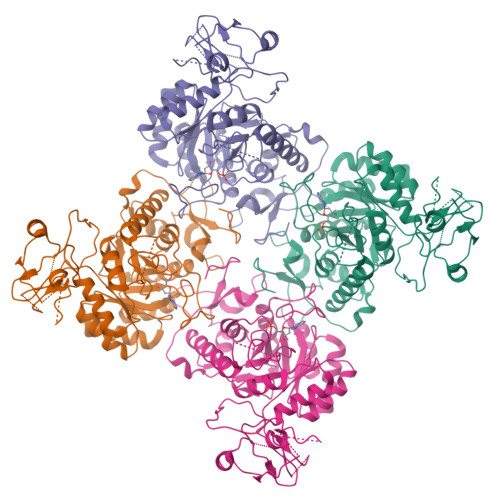
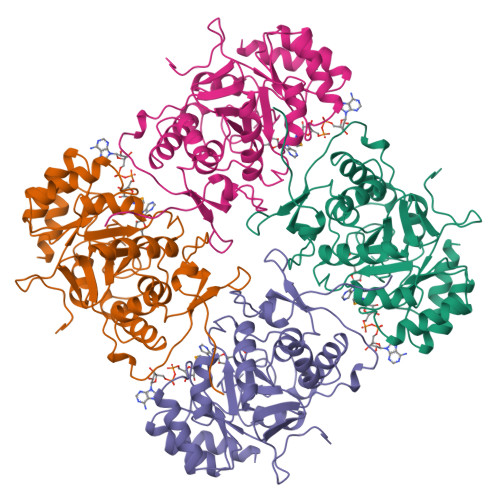
Inosine-5'-monophosphate dehydrogenase 1 structureClick to view 3D structureInosine-5'-monophosphate dehydrogenase 1P20839HumansPredicted (SEA)
Prediction Confidence Score
0.466
Applicability Domain
1.0
Statistical Significance
1.00e-05
Supporting Reference Compounds
8
E-value
0.0778492
Inosine-5'-monophosphate dehydrogenase 2 structureClick to view 3D structureInosine-5'-monophosphate dehydrogenase 2P12268HumansPredicted (SEA)
Prediction Confidence Score
0.4
Applicability Domain
1.0
Statistical Significance
3.60e-04
Supporting Reference Compounds
26
E-value
2.80257
UDP-glucuronosyltransferase 2B7 structureClick to view 3D structureUDP-glucuronosyltransferase 2B7P16662HumansPredicted (SEA)
Prediction Confidence Score
0.314
Applicability Domain
1.0
Statistical Significance
1.00e-05
Supporting Reference Compounds
4
E-value
0.0778492
Click to view 3D structureInosine-5'-monophosphate dehydrogenaseQ5KP44Cryptococcus neoformans var. neoformans serotype D (strain JEC21 /ATCC MYA-565) (Filobasidiella neoformans)Predicted (SEA)
Prediction Confidence Score
0.263
Applicability Domain
1.0
Statistical Significance
1.70e-04
Supporting Reference Compounds
6
E-value
1.32344
Vascular endothelial growth factor receptor 2 structureClick to view 3D structureVascular endothelial growth factor receptor 2P35968HumansPredicted (SEA)
Prediction Confidence Score
0.263
Applicability Domain
0.42
Statistical Significance
0.3384
Supporting Reference Compounds
1660
E-value
2634.42
Proto-oncogene tyrosine-protein kinase Src structureClick to view 3D structureProto-oncogene tyrosine-protein kinase SrcP12931HumansPredicted (SEA)
Prediction Confidence Score
0.261
Applicability Domain
0.42
Statistical Significance
0.2912
Supporting Reference Compounds
1158
E-value
2267.28
Tyrosine-protein phosphatase non-receptor type 1 structureClick to view 3D structureTyrosine-protein phosphatase non-receptor type 1P18031HumansPredicted (SEA)
Prediction Confidence Score
0.258
Applicability Domain
0.303
Statistical Significance
0.0416
Supporting Reference Compounds
197
E-value
323.697
Click to view 3D structureSialidaseP10481Clostridium perfringensPredicted (SEA)
Prediction Confidence Score
0.256
Applicability Domain
0.294 Low confidence
Statistical Significance
0.0024
Supporting Reference Compounds
22
E-value
18.3724
Polyunsaturated fatty acid 5-lipoxygenase structureClick to view 3D structurePolyunsaturated fatty acid 5-lipoxygenaseP09917HumansPredicted (SEA)
Prediction Confidence Score
0.252
Applicability Domain
0.282 Low confidence
Statistical Significance
0.0566
Supporting Reference Compounds
182
E-value
440.315
ALK tyrosine kinase receptor structureClick to view 3D structureALK tyrosine kinase receptorQ9UM73HumansPredicted (SEA)
Prediction Confidence Score
0.245
Applicability Domain
0.42
Statistical Significance
0.3531
Supporting Reference Compounds
708
E-value
2749.01
Hepatocyte growth factor receptor structureClick to view 3D structureHepatocyte growth factor receptorP08581HumansPredicted (SEA)
Prediction Confidence Score
0.243
Applicability Domain
0.42
Statistical Significance
0.4145
Supporting Reference Compounds
934
E-value
3227.01
Insulin-like growth factor 1 receptor structureClick to view 3D structureInsulin-like growth factor 1 receptorP08069HumansPredicted (SEA)
Prediction Confidence Score
0.243
Applicability Domain
0.42
Statistical Significance
0.3827
Supporting Reference Compounds
785
E-value
2979.13
Tyrosine-protein kinase receptor UFO structureClick to view 3D structureTyrosine-protein kinase receptor UFOP30530HumansPredicted (SEA)
Prediction Confidence Score
0.243
Applicability Domain
0.42
Statistical Significance
0.2795
Supporting Reference Compounds
475
E-value
2176.04
3',5'-cyclic-AMP phosphodiesterase 4D structureClick to view 3D structure3',5'-cyclic-AMP phosphodiesterase 4DQ08499HumansPredicted (SEA)
Prediction Confidence Score
0.241
Applicability Domain
0.294 Low confidence
Statistical Significance
0.0811
Supporting Reference Compounds
170
E-value
631.046
Aurora kinase B structureClick to view 3D structureAurora kinase BQ96GD4HumansPredicted (SEA)
Prediction Confidence Score
0.24
Applicability Domain
0.42
Statistical Significance
0.4649
Supporting Reference Compounds
1017
E-value
3619.05
Fatty acid synthase structureClick to view 3D structureFatty acid synthaseP49327HumansPredicted (SEA)
Prediction Confidence Score
0.238
Applicability Domain
0.311
Statistical Significance
0.0687
Supporting Reference Compounds
117
E-value
534.98
Serine/threonine-protein kinase/endoribonuclease IRE1 structureClick to view 3D structureSerine/threonine-protein kinase/endoribonuclease IRE1Q9EQY0Mus musculusPredicted (SEA)
Prediction Confidence Score
0.238
Applicability Domain
0.238 Low confidence
Statistical Significance
0.0022
Supporting Reference Compounds
1
E-value
17.5161
Inosine-5'-monophosphate dehydrogenase structureClick to view 3D structureInosine-5'-monophosphate dehydrogenaseP0C0H6Streptococcus pyogenesKnownNot Available
Prostaglandin G/H synthase 2 structureClick to view 3D structureProstaglandin G/H synthase 2P35354HumansPredicted (SEA)
Prediction Confidence Score
0.237
Applicability Domain
0.282 Low confidence
Statistical Significance
0.1372
Supporting Reference Compounds
201
E-value
1068.48
Transcription factor p65 structureClick to view 3D structureTranscription factor p65Q04206HumansPredicted (SEA)
Prediction Confidence Score
0.234
Applicability Domain
0.294 Low confidence
Statistical Significance
0.0079
Supporting Reference Compounds
27
E-value
61.3452
Focal adhesion kinase 1 structureClick to view 3D structureFocal adhesion kinase 1Q05397HumansPredicted (SEA)
Prediction Confidence Score
0.232
Applicability Domain
0.42
Statistical Significance
0.4507
Supporting Reference Compounds
615
E-value
3508.82
Serine/threonine-protein kinase Nek2 structureClick to view 3D structureSerine/threonine-protein kinase Nek2P51955HumansPredicted (SEA)
Prediction Confidence Score
0.231
Applicability Domain
0.42
Statistical Significance
0.4742
Supporting Reference Compounds
660
E-value
3691.45
Click to view 3D structureStreptokinase AP10520Streptococcus pyogenes serotype M1Predicted (SEA)
Prediction Confidence Score
0.23
Applicability Domain
0.247 Low confidence
Statistical Significance
0.2772
Supporting Reference Compounds
425
E-value
2158.21
Acetylcholinesterase structureClick to view 3D structureAcetylcholinesteraseP22303HumansPredicted (SEA)
Prediction Confidence Score
0.229
Applicability Domain
0.282 Low confidence
Statistical Significance
0.3174
Supporting Reference Compounds
406
E-value
2471.17
Click to view 3D structureHistidine protein kinase SaeSQ2G2U1Staphylococcus aureus (strain NCTC 8325)Predicted (SEA)
Prediction Confidence Score
0.228
Applicability Domain
0.228 Low confidence
Statistical Significance
2.00e-04
Supporting Reference Compounds
1
E-value
1.55698
Click to view 3D structureInhibin alpha chainP05111HumansPredicted (SEA)
Prediction Confidence Score
0.221
Applicability Domain
0.221 Low confidence
Statistical Significance
0.0019
Supporting Reference Compounds
1
E-value
14.7135
Inosine-5'-monophosphate dehydrogenase 2 structureClick to view 3D structureInosine-5'-monophosphate dehydrogenase 2P12268HumansKnownMycophenolic acid is a potent, selective, uncompetitive, and reversible inhibitor of inosine monophosphate dehydrogenase (IMPDH), and therefore inhibits the de novo pathway of guanosine nucleotide synthesis without incorporation into DNA. Because T- and B-lymphocytes are critically dependent for their proliferation on de novo synthesis of purines, whereas other cell types can utilize salvage pathways, mycophenolic acid has potent cytostatic effects on lymphocytes. Mycophenolic acid inhibits proliferative responses of T- and B-lymphocytes to both mitogenic and allospecific stimulation. Addition of guanosine or deoxyguanosine reverses the cytostatic effects of mycophenolic acid on lymphocytes. Mycophenolic acid also suppresses antibody formation by B-lymphocytes. Mycophenolic acid prevents the glycosylation of lymphocyte and monocyte glycoproteins that are involved in intercellular adhesion to endothelial cells and may inhibit recruitment of leukocytes into sites of inflammation and graft rejection.
Inosine-5'-monophosphate dehydrogenase 1 structureClick to view 3D structureInosine-5'-monophosphate dehydrogenase 1P20839HumansKnownMycophenolic acid is a potent, selective, uncompetitive, and reversible inhibitor of inosine monophosphate dehydrogenase (IMPDH), and therefore inhibits the de novo pathway of guanosine nucleotide synthesis without incorporation into DNA. Because T- and B-lymphocytes are critically dependent for their proliferation on de novo synthesis of purines, whereas other cell types can utilize salvage pathways, mycophenolic acid has potent cytostatic effects on lymphocytes. Mycophenolic acid inhibits proliferative responses of T- and B-lymphocytes to both mitogenic and allospecific stimulation. Addition of guanosine or deoxyguanosine reverses the cytostatic effects of mycophenolic acid on lymphocytes. Mycophenolic acid also suppresses antibody formation by B-lymphocytes. Mycophenolic acid prevents the glycosylation of lymphocyte and monocyte glycoproteins that are involved in intercellular adhesion to endothelial cells and may inhibit recruitment of leukocytes into sites of inflammation and graft rejection.
Inosine-5'-monophosphate dehydrogenase 2 structureClick to view 3D structureInosine-5'-monophosphate dehydrogenase 2P12268HumansKnownMycophenolic acid is a potent, selective, uncompetitive, and reversible inhibitor of inosine monophosphate dehydrogenase (IMPDH), and therefore inhibits the de novo pathway of guanosine nucleotide synthesis without incorporation into DNA. Because T- and B-lymphocytes are critically dependent for their proliferation on de novo synthesis of purines, whereas other cell types can utilize salvage pathways, mycophenolic acid has potent cytostatic effects on lymphocytes. Mycophenolic acid inhibits proliferative responses of T- and B-lymphocytes to both mitogenic and allospecific stimulation. Addition of guanosine or deoxyguanosine reverses the cytostatic effects of mycophenolic acid on lymphocytes. Mycophenolic acid also suppresses antibody formation by B-lymphocytes. Mycophenolic acid prevents the glycosylation of lymphocyte and monocyte glycoproteins that are involved in intercellular adhesion to endothelial cells and may inhibit recruitment of leukocytes into sites of inflammation and graft rejection.
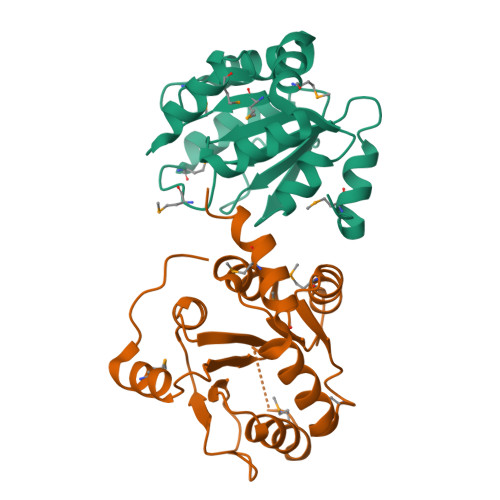
Peroxisome proliferator-activated receptor gamma structureClick to view 3D structurePeroxisome proliferator-activated receptor gammaP37231HumansKnownNot Available
Inosine-5'-monophosphate dehydrogenase 2 structureClick to view 3D structureInosine-5'-monophosphate dehydrogenase 2P12268HumansKnownMycophenolic acid is a potent, selective, uncompetitive, and reversible inhibitor of inosine monophosphate dehydrogenase (IMPDH), and therefore inhibits the de novo pathway of guanosine nucleotide synthesis without incorporation into DNA. Because T- and B-lymphocytes are critically dependent for their proliferation on de novo synthesis of purines, whereas other cell types can utilize salvage pathways, mycophenolic acid has potent cytostatic effects on lymphocytes. Mycophenolic acid inhibits proliferative responses of T- and B-lymphocytes to both mitogenic and allospecific stimulation. Addition of guanosine or deoxyguanosine reverses the cytostatic effects of mycophenolic acid on lymphocytes. Mycophenolic acid also suppresses antibody formation by B-lymphocytes. Mycophenolic acid prevents the glycosylation of lymphocyte and monocyte glycoproteins that are involved in intercellular adhesion to endothelial cells and may inhibit recruitment of leukocytes into sites of inflammation and graft rejection.
Concentrations
Not Available
External Links
DrugBank IDDB01024
HMDB IDHMDB0015159
FooDB IDNot Available
Phenol Explorer IDNot Available
KNApSAcK IDNot Available
BiGG IDNot Available
BioCyc IDNot Available
METLIN IDNot Available
PDB IDMOA
Wikipedia LinkMycophenolic_acid
Chemspider ID393865
ChEBI ID168396
PubChem Compound ID446541
Kegg Compound IDC20380
YMDB IDNot Available
ECMDB IDNot Available
References
Synthesis Reference

Bernard J. Abbott, John G. Whitney, “Method of preparing mycophenolic acid glucoside.” U.S. Patent US4234684, issued January, 1976.

MSDSLink
General References
  1. Wishart DS, Knox C, Guo AC, Cheng D, Shrivastava S, Tzur D, Gautam B, Hassanali M: DrugBank: a knowledgebase for drugs, drug actions and drug targets. Nucleic Acids Res. 2008 Jan;36(Database issue):D901-6. Epub 2007 Nov 29. [PubMed: 18048412]
  2. Woodroffe R, Yao GL, Meads C, Bayliss S, Ready A, Raftery J, Taylor RS: Clinical and cost-effectiveness of newer immunosuppressive regimens in renal transplantation: a systematic review and modelling study. Health Technol Assess. 2005 May;9(21):1-179, iii-iv. [PubMed: 15899149]
  3. Drugs.com - http://www.drugs.com/myfortic.html