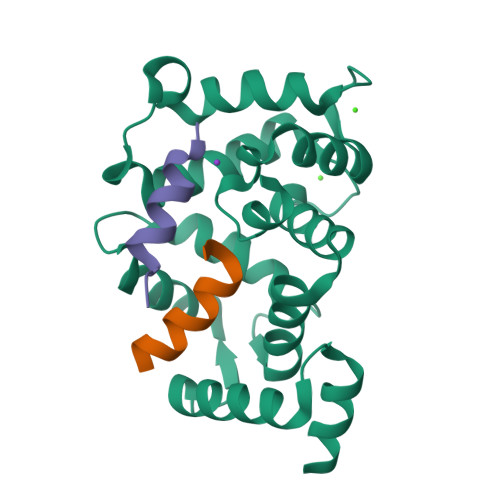
Memantine (CED0002049)

Record Information
Version1.0
Creation Date2009-07-21 20:28:14 UTC
Update Date2026-05-14 16:56:35 UTC
SynCED IDCED0002049
Secondary Accession Numbers
  • CHEM002330
  • T3D2967
Identification
Common NameMemantine
ClassSmall Molecule
Description
Memantine (C12H21N) is an exogenous organic compound with an average molecular weight of 179.30 g/mol. At room temperature, it exists as a solid. Memantine belongs to the amines, a subclass of organonitrogen compounds within the organic compounds. This compound acts as an NMDA receptor antagonist and a dopaminergic agent. Its biological roles and applications include use as an antiparkinson drug, a neuroprotective agent, and an antidepressant. Memantine exerts its action through uncompetitive NMDA receptor antagonism, binding preferentially to the NMDA receptor-operated cation channels. It targets several proteins, including the D(2) dopamine receptor (DRD2), the Alpha-7 nicotinic cholinergic receptor subunit (CHRNA7), the antagonist/binder of 5-hydroxytryptamine receptor 3A (HTR3A), and glutamate receptor ionotropic NMDA 1 (GRIN1), 2A (GRIN2A), 2B (GRIN2B), and 3A (GRIN3A). Studies suggest that memantine binds more effectively than Mg2+ ions at the NMDA receptor. In the brain of demented patients, prolonged increased levels of glutamate can counter the voltage-dependent block of NMDA receptors by Mg2+ ions, allowing continuous influx of Ca2+ ions into cells and leading to neuronal degeneration. Memantine is recorded in 11 sources, including anti-dementia drugs within healthcare, pharmaceuticals, and veterinary products. Other sources include food preservation in food processing and cookware, floors in building and construction, soap detergents and smoking requisites in household cleaning and consumer products, and electrical and electronic equipment such as magnets, radio transmission systems, and electrically stimulated smoking devices. The recorded exposure route for this compound is oral.
Contaminant Type
  • Amine
  • Antidyskinetic
  • Antiparkinson Agent
  • Central Nervous System Agent
  • Dopamine Agent
  • Drug
  • Excitatory Amino Acid Antagonist
  • Human Neurotoxin
  • Metabolite
  • Organic Compound
  • Synthetic Compound
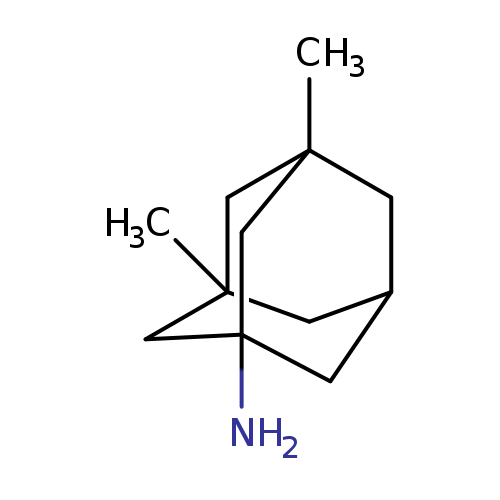
Chemical Structure
Synonyms
ValueSource
1,3-Dimethyl-5-adamantanamineChEBI
1-Amino-3,5-dimethyladamantaneChEBI
3,5-Dimethyl-1-adamantanamineChEBI
3,5-Dimethyl-1-aminoadamantaneChEBI
3,5-Dimethyltricyclo(3.3.1.1(3,7))decan-1-amineChEBI
MemantinaChEBI
MemantinumChEBI
ExibaKegg
AxuraHMDB
Lundbeck brand OF memantine hydrochlorideHMDB
Merz brand OF memantine hydrochlorideHMDB
EbixaHMDB
MemantinHMDB
Memantine hydrochlorideHMDB
NamendaHMDB
1,3-Dimethyl-5-aminoadamantaneHMDB
Chemical FormulaC12H21N
Average Molecular Mass179.302 g/mol
Monoisotopic Mass179.167 g/mol
CAS Registry Number19982-08-2
IUPAC Name3,5-dimethyladamantan-1-amine
Traditional Namememantine
SMILESCC12CC3CC(C)(C1)CC(N)(C3)C2
InChI IdentifierInChI=1S/C12H21N/c1-10-3-9-4-11(2,6-10)8-12(13,5-9)7-10/h9H,3-8,13H2,1-2H3
InChI KeyBUGYDGFZZOZRHP-UHFFFAOYSA-N
Chemical Taxonomy
Description Belongs to the class of organic compounds known as monoalkylamines. These are organic compounds containing an primary aliphatic amine group.
KingdomOrganic compounds
Super ClassOrganic nitrogen compounds
ClassOrganonitrogen compounds
Sub ClassAmines
Direct ParentMonoalkylamines
Alternative Parents
Substituents
  • Organopnictogen compound
  • Hydrocarbon derivative
  • Primary aliphatic amine
  • Aliphatic homopolycyclic compound
Molecular FrameworkAliphatic homopolycyclic compounds
External Descriptors
Biological Properties
StatusDetected and Not Quantified
OriginExogenous
Cellular Locations
  • Membrane
Biofluid LocationsNot Available
Tissue LocationsNot Available
Applications
Biological Roles
Chemical RolesNot Available
Organoleptic EffectsNot Available
Physical Properties
StateSolid
AppearanceWhite powder.
Experimental Properties
PropertyValue
Melting Point258°C
Boiling PointNot Available
Solubility35 mg/mL (HCl salt), 0.9 mg/mL for free base
Predicted Properties
PropertyValueSource
Water Solubility0.046 g/LALOGPS
logP3.31ALOGPS
logP2.07ChemAxon
logS-3.6ALOGPS
pKa (Strongest Basic)10.7ChemAxon
Physiological Charge1ChemAxon
Hydrogen Acceptor Count1ChemAxon
Hydrogen Donor Count1ChemAxon
Polar Surface Area26.02 ŲChemAxon
Rotatable Bond Count0ChemAxon
Refractivity54.49 m³·mol⁻¹ChemAxon
Polarizability21.82 ųChemAxon
Number of Rings3ChemAxon
BioavailabilityYesChemAxon
Rule of FiveYesChemAxon
Ghose FilterYesChemAxon
Veber's RuleYesChemAxon
MDDR-like RuleNoChemAxon
Spectra
Spectra
Spectrum TypeDescriptionSplash KeyDeposition DateView
Predicted GC-MSPredicted GC-MS Spectrumsplash10-03fr-0900000000-4db94b4b87705e834d5dNot AvailableView Spectrum
Predicted GC-MSPredicted GC-MS SpectrumNot AvailableNot AvailableView Spectrum
LC-MS/MSLC-MS/MS Spectrumsplash10-03e9-0900000000-65172d14e0f6b9102d73Not AvailableView Spectrum
LC-MS/MSLC-MS/MS Spectrumsplash10-03di-0900000000-ce475f103d528ff4d342Not AvailableView Spectrum
LC-MS/MSLC-MS/MS Spectrumsplash10-03di-0900000000-1c9199c5cf1c902223aeNot AvailableView Spectrum
LC-MS/MSLC-MS/MS Spectrumsplash10-08fr-0900000000-1bac817f714e7eec7488Not AvailableView Spectrum
LC-MS/MSLC-MS/MS Spectrumsplash10-0a4i-2900000000-eb58e236084a93a3d37bNot AvailableView Spectrum
LC-MS/MSLC-MS/MS Spectrumsplash10-0a4i-4900000000-5a87d54400c3e9720ad0Not AvailableView Spectrum
LC-MS/MSLC-MS/MS Spectrumsplash10-052f-9500000000-95eb2b63a2392449ec4aNot AvailableView Spectrum
LC-MS/MSLC-MS/MS Spectrumsplash10-0006-9100000000-608b372857aacd60eb61Not AvailableView Spectrum
LC-MS/MSLC-MS/MS Spectrumsplash10-00kf-9000000000-f283a81168372575c2aaNot AvailableView Spectrum
LC-MS/MSLC-MS/MS Spectrumsplash10-03di-0900000000-bbf1127413d0f995a000Not AvailableView Spectrum
LC-MS/MSLC-MS/MS Spectrumsplash10-08fr-1900000000-af0d7a2139a4f0101029Not AvailableView Spectrum
LC-MS/MSLC-MS/MS Spectrumsplash10-052f-9500000000-7d8b0b05d4e422cf43ffNot AvailableView Spectrum
LC-MS/MSLC-MS/MS Spectrumsplash10-0a4i-4900000000-c38a0c0bf1d221876255Not AvailableView Spectrum
LC-MS/MSLC-MS/MS Spectrumsplash10-052f-9400000000-b9b0845988ac96d13655Not AvailableView Spectrum
LC-MS/MSLC-MS/MS Spectrumsplash10-0006-9100000000-c0a9196c8aea3bbc9ba5Not AvailableView Spectrum
LC-MS/MSLC-MS/MS Spectrumsplash10-044i-0900000000-dbaa35eb2bd2e8a926eeNot AvailableView Spectrum
LC-MS/MSLC-MS/MS Spectrumsplash10-03di-0900000000-fe3a10c3c4ef737f6317Not AvailableView Spectrum
LC-MS/MSLC-MS/MS Spectrumsplash10-08fr-0900000000-31518410ee334d4b0e50Not AvailableView Spectrum
LC-MS/MSLC-MS/MS Spectrumsplash10-03e9-0900000000-d6a33792b66ebc7fcaa5Not AvailableView Spectrum
LC-MS/MSLC-MS/MS Spectrumsplash10-03di-0900000000-ac61d90ba68b567ddee8Not AvailableView Spectrum
LC-MS/MSLC-MS/MS Spectrumsplash10-08fr-0900000000-33f368095aebd8d97509Not AvailableView Spectrum
LC-MS/MSLC-MS/MS Spectrumsplash10-0a4i-2900000000-99e3d4de18e5f4256349Not AvailableView Spectrum
LC-MS/MSLC-MS/MS Spectrumsplash10-03di-0900000000-3c50a8971f34bfb12a25Not AvailableView Spectrum
LC-MS/MSLC-MS/MS Spectrumsplash10-03di-0900000000-8781008cdaa8bca3cca6Not AvailableView Spectrum
LC-MS/MSLC-MS/MS Spectrumsplash10-03e9-0900000000-3510853e6d55d4387284Not AvailableView Spectrum
LC-MS/MSLC-MS/MS Spectrumsplash10-03di-0900000000-91170b903e5af6a1a238Not AvailableView Spectrum
LC-MS/MSLC-MS/MS Spectrumsplash10-03di-0900000000-855e1e3f6edd15ce811aNot AvailableView Spectrum
LC-MS/MSLC-MS/MS Spectrumsplash10-03di-0900000000-995105a6b909b000887fNot AvailableView Spectrum
LC-MS/MSLC-MS/MS Spectrumsplash10-03e9-0900000000-01b7cb0dbee9cea1243aNot AvailableView Spectrum
Predicted LC-MS/MSPredicted LC-MS/MS Spectrumsplash10-01q9-0900000000-d5fdfd99bc401e75f44dNot AvailableView Spectrum
Predicted LC-MS/MSPredicted LC-MS/MS Spectrumsplash10-01q9-0900000000-8e06cea62d1b5b2287fdNot AvailableView Spectrum
Predicted LC-MS/MSPredicted LC-MS/MS Spectrumsplash10-03di-0900000000-07e8313e47d270feab02Not AvailableView Spectrum
Predicted LC-MS/MSPredicted LC-MS/MS Spectrumsplash10-004i-0900000000-8a0b61ba65a9638329fbNot AvailableView Spectrum
Predicted LC-MS/MSPredicted LC-MS/MS Spectrumsplash10-004i-0900000000-242508d651dfd0b38ea8Not AvailableView Spectrum
Predicted LC-MS/MSPredicted LC-MS/MS Spectrumsplash10-01t9-0900000000-710a53b2a03cd1789d69Not AvailableView Spectrum
Predicted LC-MS/MSPredicted LC-MS/MS Spectrumsplash10-03e9-0900000000-5a27036df13f9084e497Not AvailableView Spectrum
Predicted LC-MS/MSPredicted LC-MS/MS Spectrumsplash10-03di-0900000000-606ea2f371ba1bea935eNot AvailableView Spectrum
Predicted LC-MS/MSPredicted LC-MS/MS Spectrumsplash10-03di-0900000000-976ecc3522849ea60274Not AvailableView Spectrum
Predicted LC-MS/MSPredicted LC-MS/MS Spectrumsplash10-004i-0900000000-c425ae0c08340f42d771Not AvailableView Spectrum
Toxicity Profile
Toxicity Values
Toxicity ValueOrganismDose DescriptorRoute of ExposurePredicted or ExperimentalToxicity RatingReference
608.0 Log mg/kg [340:1100]RatLD50oralpredictedNot AvailableNot Available
Toxicity / Toxin ClassNot Available
Mechanism of ToxicityMemantine exerts its action through uncompetitive NMDA receptor antagonism, binding preferentially to the NMDA receptor-operated cation channels. Prolonged increased levels of glutamate in the brain of demented patients are sufficient to counter the voltage-dependent block of NMDA receptors by Mg2+ ions and allow continuous influx of Ca2+ ions into cells, ultimately resulting in neuronal degeneration. Studies suggest that memantine binds more effectively than Mg2+ ions at the NMDA receptor, and thereby effectively blocks this prolonged influx of Ca2+ ions through the NMDA channel whilst preserving the transient physiological activation of the channels by higher concentrations of synaptically released glutamate. Thus memantine protects against chronically elevated concentrations of glutamate. Memantine also has antagonistic activity at the type 3 serotonergic (5-HT3) receptor with a potency that is similar to that at the NMDA receptor, and lower antagonistic activity at the nicotinic acetylcholine receptor. This drug has no affinity for gamma-aminobutyric acid (GABA), benzodiazepine, dopamine, adrenergic, histamine, or glycine receptors or for voltage-dependent calcium, sodium, or potassium channels.
Carcinogenicity (IARC Classification)No indication of carcinogenicity to humans (not listed by IARC).
Minimum Risk LevelNot Available
SymptomsSide effects include pain, abnormal crying, leg pain, fever, increased apetite. Adverse drug reactions include: dizziness, confusion, headache, hallucinations, tiredness. Less common side effects include: vomiting, anxiety, hypertonia, cystitis, and increased libido. Doses of up to 400 mg have been tolerated.
TreatmentAs in any cases of overdose, general supportive measures should be utilized, and treatment should be symptomatic. Elimination of memantine can be enhanced by acidification of urine. (7)
Health Effects
Health EffectRelationshipDirectionDescriptionReference
inflammationHas Therapeutic Effect OnNot AvailableNot AvailablePMC5891396
Alzheimer's diseaseNot AvailableNot AvailableA neurodegenerative disease which causes neural atrophy, leading to dementia and memory loss.PMC9330545 , PMC5249025
Alzheimer's diseaseHas Therapeutic Effect OnNot AvailableA neurodegenerative disease which causes neural atrophy, leading to dementia and memory loss.PMC11594972 , PMC9696219
nauseaAssociated With?Not AvailableA disorder characterized by a queasy sensation and/or the urge to vomit. (NCI CTCAE)PMC12475202
vertigoAssociated With?Not AvailableA type of dizziness characterized by a sensation as if the external world were revolving around the patient (objective vertigo) or as if he himself were revolving in space (subjective vertigo).PMC12475202
confusionAssociated With?Not AvailableA disorder characterized by a lack of clear and orderly thought and behavior. (NCI CTCAE)PMC12475202
Toxic encephalopathyHas Therapeutic Effect OnNot AvailableNot AvailablePMC11202106
anxiety disorderAssociated With?Not AvailableNot AvailablePMC13390425
NeuropathologyHas Therapeutic Effect OnNot AvailableNot AvailablePMC3756137
HallucinationsAssociated With?Not AvailableNot AvailablePMC13390425
NeurodegenerationHas Therapeutic Effect OnNot AvailableNot AvailablePMC11594972
DelusionAssociated With?increaseNot AvailablePMC13390425
DelusionAssociated With?Not AvailableNot AvailablePMC13390425
Exposure Sources
Source IDSourceSectorReference
CEDs000013Soil?Soil serves as a critical medium for plant growth and sustains various ecological functions; however, it can become a reservoir for synthetic chemical contamination.Agriculture & land managementPMC9696219 , PMC9696219
CEDs000380Anti-dementia drugs?Anti-dementia drugs, primarily used to manage symptoms of cognitive decline in conditions such as Alzheimer's disease, include cholinesterase inhibitors and NMDA receptor antagonists.Healthcare, pharmaceuticals & veterinary productsNot Available
CEDs000497Floors?Floors in built environments can be a significant source of synthetic chemical contamination due to the materials and finishes used in their construction.Building & ConstructionPubChem
CEDs000511Conductors Or Conductive Bodies Characterised By The Conductive Materials?Conductors, or conductive bodies, are materials that allow the flow of electrical current, typically made from metals such as copper, aluminum, or silver.Electrical & Electronic EquipmentPubChem
CEDs000518Electrically Stimulated Smoking Devices?Electrically stimulated smoking devices, commonly known as e-cigarettes or vape pens, utilize electrical components to heat a liquid solution, often containing nicotine, flavorings, and other additives, to produce an aerosol for inhalation.Electrical & Electronic EquipmentPubChem
CEDs000527Magnets?Magnets, commonly used in various electrical and electronic applications, can be a source of synthetic chemical contamination due to the materials used in their production.Electrical & Electronic EquipmentPubChem
CEDs000530Radio Transmission Systems?Radio transmission systems utilize a variety of synthetic chemicals in their manufacturing and maintenance processes.Electrical & Electronic EquipmentPubChem
CEDs000545Food Preservation?Food preservation often involves the use of synthetic chemicals, such as preservatives, flavor enhancers, and color additives, to extend shelf life and enhance the sensory qualities of food products.Food, food processing & cookwarePubChem
CEDs000556Cigar Cigarettes?Cigar cigarettes are a source of synthetic chemical contamination due to the combustion of various tobacco blends and additives.Household cleaning & consumer productsPubChem
CEDs000559Non Electric Simulated Smoking Devices?Non-electric simulated smoking devices, often designed to mimic the experience of smoking without combustion, can be sources of synthetic chemical contamination due to the materials and chemicals used in their construction and operation.Household cleaning & consumer productsPubChem
CEDs000560Other Smoking Requisites?Other smoking requisites, including items such as lighters, matches, and rolling papers, can introduce synthetic chemical contamination through various components and additives.Household cleaning & consumer productsPubChem
CEDs000563Soap Detergents?Soap detergents are synthetic surfactants designed to enhance the cleaning efficacy of water by reducing surface tension, allowing for better interaction with dirt and grease.Household cleaning & consumer productsPubChem
CEDs000580Manufacture Preparation Of Tobacco Products?The manufacture and preparation of tobacco products involve various processes that can result in the introduction of synthetic chemicals into the environment.Industrial manufacturing & chemical processingPubChem
CEDs000596Acaricides?Acaricides are synthetic chemicals specifically designed to target and control mite populations that can damage crops and plants.Agriculture & land managementPubChem
CEDs000600Herbicides And Algicides?Herbicides and algicides are synthetic chemicals primarily used to control unwanted plants and algae in various environments.Agriculture & land managementPubChem
CEDs000611Anti Perspirants Or Body Deoderants?Antiperspirants and body deodorants commonly contain synthetic chemicals such as aluminum compounds, parabens, and synthetic fragrances.Personal care & cosmeticsPubChem
CEDs000614Essential Oils Or Perfumes?Essential oils and perfumes are complex mixtures of volatile compounds derived from natural or synthetic sources, commonly used for their aromatic properties.Personal care & cosmeticsPubChem
CEDs000615Eye Makeup Products?Eye makeup products, including mascaras, eyeliners, and eyeshadows, often contain a variety of synthetic chemicals such as pigments, preservatives, and film-forming agents.Personal care & cosmeticsPubChem
CEDs000650Purses Luggage Hand Bags?Purses, luggage, and handbags are often manufactured using synthetic materials such as polyvinyl chloride (PVC), polyurethane, and various types of nylon.Textiles, leather & furnishingsPubChem
CEDs000671Airplanes And Helicopters?Airplanes and helicopters are significant sources of synthetic chemical contamination primarily through the use of aviation fuels, lubricants, and de-icing agents.Aviation & AerospacePubChem
CEDs000685Ceramics?Ceramics can be a source of synthetic chemical contamination through various additives and processing agents used in their production.Building & ConstructionPubChem
CEDs000686Clay Wares?Clay wares are ceramic products made from natural clay, often utilized in various construction applications such as tiles, bricks, and sanitary ware.Building & ConstructionPubChem
CEDs000696Nanotechnology?Nanotechnology involves the manipulation of materials at the molecular or atomic level, typically within the range of 1 to 100 nanometers.Industrial manufacturing & chemical processingPubChem
CEDs000735Explosives?Explosives are chemical compounds or mixtures designed to undergo rapid decomposition, releasing energy in the form of gas and heat.Defense & military infrastructurePubChem
CEDs000739Inks?Inks are complex mixtures composed of pigments or dyes, solvents, resins, and additives used primarily for printing and writing applications.Paper, pulp & fiber productsPubChem
CEDs000744Water, Wastewater, & Sewage Treatment?Water, wastewater, and sewage treatment processes are critical for managing and mitigating pollutants in water systems.Wastewater, sanitation & biosolidsPubChem
CEDs00751FeedAgriculture & land managementPMC11945237
CEDs01080CapsuleHealthcare, pharmaceuticals & veterinary productsPMC7822176 , PMC7822176
CEDs01125Pharmaceutical FormulationHealthcare, pharmaceuticals & veterinary productsPMC12132094
CEDs02264SedimentAquatic systems & sedimentsPMC9696219 , PMC9696219
CEDs03053Hospital WastewaterWastewater, sanitation & biosolidsPMC12214922
Pathways
2 pathwaysPathway Source: PathBank
Targets
StructureProteinUniProt IDOrganismRelationshipDetails
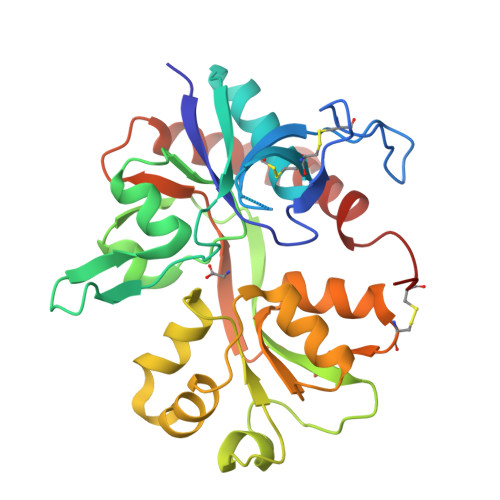
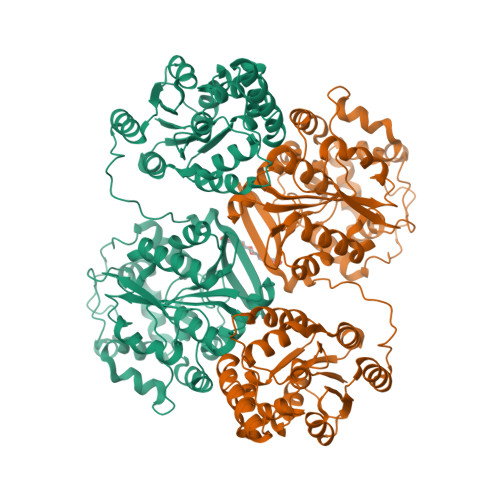
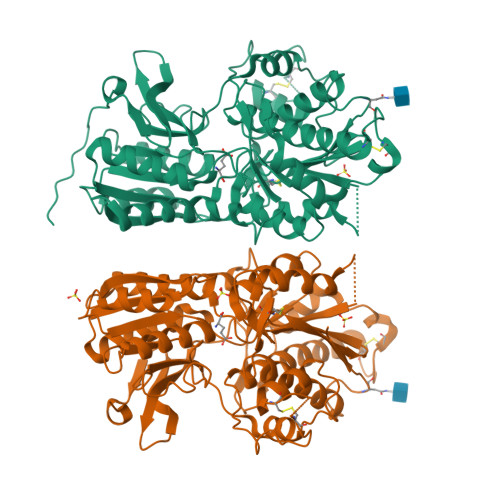
Acetylcholinesterase structureClick to view 3D structureAcetylcholinesteraseP22303HumansPredicted (SEA)
Prediction Confidence Score
0.293
Applicability Domain
1.0
Statistical Significance
0.0495
Supporting Reference Compounds
406
E-value
385.743
Click to view 3D structureAcetylcholinesteraseO42275Electrophorus electricusPredicted (SEA)
Prediction Confidence Score
0.282
Applicability Domain
1.0
Statistical Significance
0.0383
Supporting Reference Compounds
206
E-value
297.851
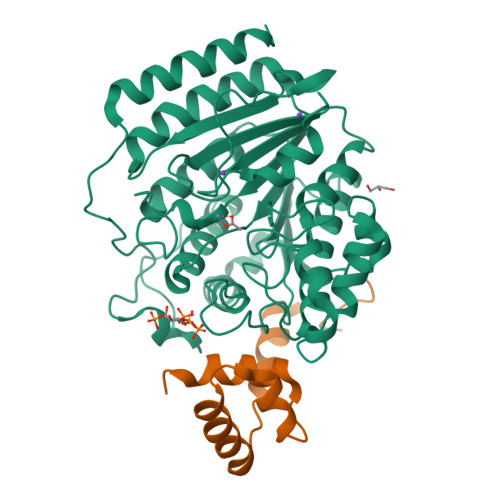
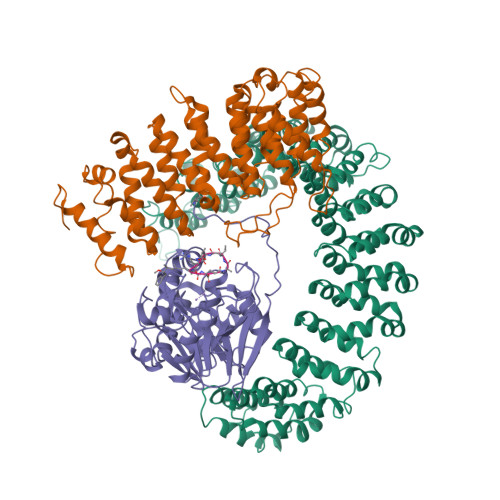
Glutamate receptor ionotropic, NMDA 2C structureClick to view 3D structureGlutamate receptor ionotropic, NMDA 2CQ00961Rattus norvegicusPredicted (SEA)
Prediction Confidence Score
0.275
Applicability Domain
1.0
Statistical Significance
0.0071
Supporting Reference Compounds
35
E-value
54.9616
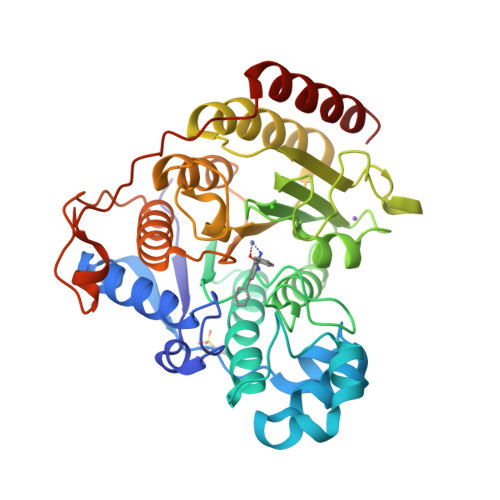
Click to view 3D structureCholinesteraseP81908Equus caballusPredicted (SEA)
Prediction Confidence Score
0.27
Applicability Domain
1.0
Statistical Significance
0.0529
Supporting Reference Compounds
201
E-value
411.745
Glutamate receptor ionotropic, NMDA 1 structureClick to view 3D structureGlutamate receptor ionotropic, NMDA 1P35439Rattus norvegicusPredicted (SEA)
Prediction Confidence Score
0.263
Applicability Domain
1.0
Statistical Significance
5.00e-04
Supporting Reference Compounds
22
E-value
3.89246
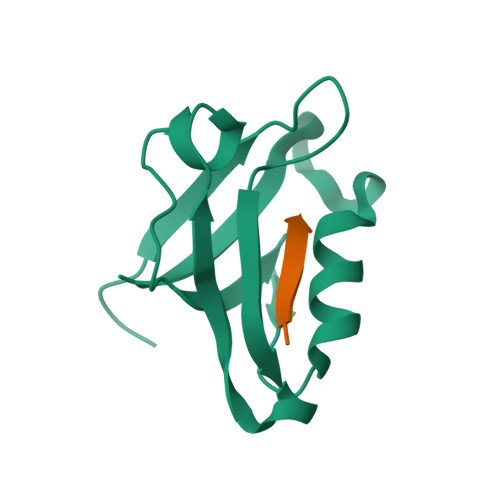
Matrix protein 2 structureClick to view 3D structureMatrix protein 2P06821Influenza A virusPredicted (SEA)
Prediction Confidence Score
0.213
Applicability Domain
0.455
Statistical Significance
3.00e-05
Supporting Reference Compounds
4
E-value
0.233548
Sigma non-opioid intracellular receptor 1 structureClick to view 3D structureSigma non-opioid intracellular receptor 1Q99720HumansPredicted (SEA)
Prediction Confidence Score
0.196
Applicability Domain
0.455
Statistical Significance
0.7773
Supporting Reference Compounds
562
E-value
6050.91
Metabotropic glutamate receptor 2 structureClick to view 3D structureMetabotropic glutamate receptor 2Q14416HumansPredicted (SEA)
Prediction Confidence Score
0.184
Applicability Domain
0.216 Low confidence
Statistical Significance
0.4499
Supporting Reference Compounds
85
E-value
3502.83
Click to view 3D structureMetabotropic glutamate receptor 6O15303HumansPredicted (SEA)
Prediction Confidence Score
0.181
Applicability Domain
0.216 Low confidence
Statistical Significance
0.2598
Supporting Reference Compounds
39
E-value
2022.83
Click to view 3D structureMatrix protein 2P0DOF8Influenza A virus (A/Udorn/307/1972(H3N2))Predicted (SEA)
Prediction Confidence Score
0.181
Applicability Domain
0.455
Statistical Significance
4.00e-05
Supporting Reference Compounds
4
E-value
0.311397
Bifunctional epoxide hydrolase 2 structureClick to view 3D structureBifunctional epoxide hydrolase 2P34914Mus musculusPredicted (SEA)
Prediction Confidence Score
0.173
Applicability Domain
0.217 Low confidence
Statistical Significance
0.3738
Supporting Reference Compounds
29
E-value
2909.77
Bifunctional epoxide hydrolase 2 structureClick to view 3D structureBifunctional epoxide hydrolase 2P34913HumansPredicted (SEA)
Prediction Confidence Score
0.173
Applicability Domain
0.217 Low confidence
Statistical Significance
0.6965
Supporting Reference Compounds
93
E-value
5422.28
Metabotropic glutamate receptor 3 structureClick to view 3D structureMetabotropic glutamate receptor 3Q14832HumansPredicted (SEA)
Prediction Confidence Score
0.173
Applicability Domain
0.216 Low confidence
Statistical Significance
0.3723
Supporting Reference Compounds
40
E-value
2898.09
Protein deacetylase HDAC6 structureClick to view 3D structureProtein deacetylase HDAC6Q9UBN7HumansPredicted (SEA)
Prediction Confidence Score
0.169
Applicability Domain
0.217 Low confidence
Statistical Significance
0.9603
Supporting Reference Compounds
553
E-value
7475.78
Dipeptidase 1 structureClick to view 3D structureDipeptidase 1P22412Sus scrofaPredicted (SEA)
Prediction Confidence Score
0.159
Applicability Domain
0.159 Low confidence
Statistical Significance
0.0046
Supporting Reference Compounds
1
E-value
36.0442
Click to view 3D structureMetabotropic glutamate receptor 2P31421Rattus norvegicusPredicted (SEA)
Prediction Confidence Score
0.155
Applicability Domain
0.194 Low confidence
Statistical Significance
0.7516
Supporting Reference Compounds
53
E-value
5851.38
Metabotropic glutamate receptor 3 structureClick to view 3D structureMetabotropic glutamate receptor 3P31422Rattus norvegicusPredicted (SEA)
Prediction Confidence Score
0.155
Applicability Domain
0.194 Low confidence
Statistical Significance
0.5895
Supporting Reference Compounds
39
E-value
4588.98
Histone deacetylase 3 structureClick to view 3D structureHistone deacetylase 3O15379HumansPredicted (SEA)
Prediction Confidence Score
0.151
Applicability Domain
0.217 Low confidence
Statistical Significance
0.971
Supporting Reference Compounds
257
E-value
7559.55
Histone deacetylase 2 structureClick to view 3D structureHistone deacetylase 2Q92769HumansPredicted (SEA)
Prediction Confidence Score
0.15
Applicability Domain
0.217 Low confidence
Statistical Significance
0.9762
Supporting Reference Compounds
307
E-value
7599.87
Metabotropic glutamate receptor 1 structureClick to view 3D structureMetabotropic glutamate receptor 1Q13255HumansPredicted (SEA)
Prediction Confidence Score
0.149
Applicability Domain
0.189 Low confidence
Statistical Significance
0.8762
Supporting Reference Compounds
68
E-value
6820.92
Metabotropic glutamate receptor 8 structureClick to view 3D structureMetabotropic glutamate receptor 8O00222HumansPredicted (SEA)
Prediction Confidence Score
0.145
Applicability Domain
0.188 Low confidence
Statistical Significance
0.7989
Supporting Reference Compounds
48
E-value
6219.14
Click to view 3D structureSpermidine synthaseQ6QA75Sus scrofaPredicted (SEA)
Prediction Confidence Score
0.143
Applicability Domain
0.143 Low confidence
Statistical Significance
0.0018
Supporting Reference Compounds
1
E-value
13.7793
Click to view 3D structureSpermidine synthaseQ4CXJ6Trypanosoma cruzi (strain CL Brener)Predicted (SEA)
Prediction Confidence Score
0.143
Applicability Domain
0.143 Low confidence
Statistical Significance
0.0018
Supporting Reference Compounds
1
E-value
13.7793
Click to view 3D structureSpermidine synthaseQ9NFS5Plasmodium falciparumPredicted (SEA)
Prediction Confidence Score
0.143
Applicability Domain
0.143 Low confidence
Statistical Significance
0.0018
Supporting Reference Compounds
1
E-value
13.7793
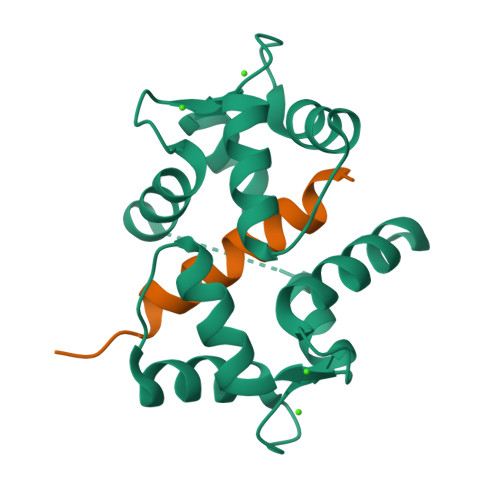
Serine/threonine-protein phosphatase 2A 65 kDa regulatory subunit A alpha isoform structureClick to view 3D structureSerine/threonine-protein phosphatase 2A 65 kDa regulatory subunit A alpha isoformQ76MZ3Mus musculusPredicted (SEA)
Prediction Confidence Score
0.143
Applicability Domain
0.143 Low confidence
Statistical Significance
0.0061
Supporting Reference Compounds
1
E-value
47.4102
Acetylcholinesterase structureClick to view 3D structureAcetylcholinesteraseP22303HumansKnownNot Available
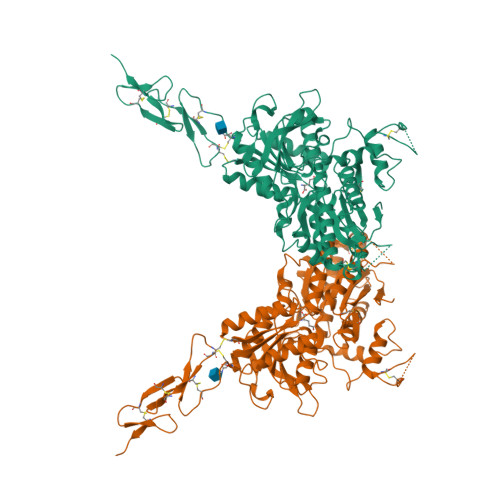
Glutamate receptor ionotropic, NMDA 2A structureClick to view 3D structureGlutamate receptor ionotropic, NMDA 2AQ12879HumansKnownMemantine exerts its action through uncompetitive NMDA receptor antagonism, binding preferentially to the NMDA receptor-operated cation channels. Prolonged increased levels of glutamate in the brain of demented patients are sufficient to counter the voltage-dependent block of NMDA receptors by Mg2+ ions and allow continuous influx of Ca2+ ions into cells and ultimately neuronal degeneration. Studies suggest that memantine binds more effectively than Mg2+ ions at the NMDA receptor, and thereby effectively blocks this prolonged influx of Ca2+ ions through the NMDA channel whilst preserving the transient physiological activation of the channels by higher concentrations of synaptically released glutamate. Thus memantine protects against chronically elevated concentrations of glutamate.
Glutamate receptor ionotropic, NMDA 2B structureClick to view 3D structureGlutamate receptor ionotropic, NMDA 2BQ13224HumansKnownMemantine exerts its action through uncompetitive NMDA receptor antagonism, binding preferentially to the NMDA receptor-operated cation channels. Prolonged increased levels of glutamate in the brain of demented patients are sufficient to counter the voltage-dependent block of NMDA receptors by Mg2+ ions and allow continuous influx of Ca2+ ions into cells and ultimately neuronal degeneration. Studies suggest that memantine binds more effectively than Mg2+ ions at the NMDA receptor, and thereby effectively blocks this prolonged influx of Ca2+ ions through the NMDA channel whilst preserving the transient physiological activation of the channels by higher concentrations of synaptically released glutamate. Thus memantine protects against chronically elevated concentrations of glutamate.
Glutamate receptor ionotropic, NMDA 3A structureClick to view 3D structureGlutamate receptor ionotropic, NMDA 3AQ8TCU5HumansKnownMemantine exerts its action through uncompetitive NMDA receptor antagonism, binding preferentially to the NMDA receptor-operated cation channels. Prolonged increased levels of glutamate in the brain of demented patients are sufficient to counter the voltage-dependent block of NMDA receptors by Mg2+ ions and allow continuous influx of Ca2+ ions into cells and ultimately neuronal degeneration. Studies suggest that memantine binds more effectively than Mg2+ ions at the NMDA receptor, and thereby effectively blocks this prolonged influx of Ca2+ ions through the NMDA channel whilst preserving the transient physiological activation of the channels by higher concentrations of synaptically released glutamate. Thus memantine protects against chronically elevated concentrations of glutamate.
Glutamate receptor ionotropic, NMDA 1 structureClick to view 3D structureGlutamate receptor ionotropic, NMDA 1Q05586HumansKnownNot Available
5-hydroxytryptamine receptor 3A structureClick to view 3D structure5-hydroxytryptamine receptor 3AP46098HumansKnownNot Available
Click to view 3D structureAlpha-7 nicotinic cholinergic receptor subunitQ693P7HumansKnownNot Available
D(2) dopamine receptor structureClick to view 3D structureD(2) dopamine receptorP14416HumansKnownNot Available
Solute carrier family 22 member 1 structureClick to view 3D structureSolute carrier family 22 member 1O15245HumansKnownNot Available
Concentrations
Not Available
External Links
DrugBank IDDB01043
HMDB IDHMDB0015177
FooDB IDNot Available
Phenol Explorer IDNot Available
KNApSAcK IDNot Available
BiGG IDNot Available
BioCyc IDNot Available
METLIN IDNot Available
PDB IDNot Available
Wikipedia LinkMemantine
Chemspider ID3914
ChEBI ID64312
PubChem Compound ID4054
Kegg Compound IDC13736
YMDB IDNot Available
ECMDB IDNot Available
References
Synthesis Reference

DrugSyn.org

MSDSLink
General References
  1. Cacabelos R, Takeda M, Winblad B: The glutamatergic system and neurodegeneration in dementia: preventive strategies in Alzheimer's disease. Int J Geriatr Psychiatry. 1999 Jan;14(1):3-47. [PubMed: 10029935]
  2. Rogawski MA, Wenk GL: The neuropharmacological basis for the use of memantine in the treatment of Alzheimer's disease. CNS Drug Rev. 2003 Fall;9(3):275-308. [PubMed: 14530799]
  3. Robinson DM, Keating GM: Memantine: a review of its use in Alzheimer's disease. Drugs. 2006;66(11):1515-34. [PubMed: 16906789]
  4. Rogawski MA: Low affinity channel blocking (uncompetitive) NMDA receptor antagonists as therapeutic agents--toward an understanding of their favorable tolerability. Amino Acids. 2000;19(1):133-49. [PubMed: 11026482]
  5. Rammes G, Rupprecht R, Ferrari U, Zieglgansberger W, Parsons CG: The N-methyl-D-aspartate receptor channel blockers memantine, MRZ 2/579 and other amino-alkyl-cyclohexanes antagonise 5-HT(3) receptor currents in cultured HEK-293 and N1E-115 cell systems in a non-competitive manner. Neurosci Lett. 2001 Jun 22;306(1-2):81-4. [PubMed: 11403963]
  6. Drugs.com - http://www.drugs.com/cons/Memantine.html
  7. RxList: The Internet Drug Index (2009). - http://www.rxlist.com/