Gatifloxacin (CED0003882)

Record Information
Version1.0
Creation Date2009-07-21 20:28:15 UTC
Update Date2026-05-14 16:56:37 UTC
SynCED IDCED0003882
Secondary Accession Numbers
  • CHEM002331
  • T3D2968
Identification
Common NameGatifloxacin
ClassSmall Molecule
Description
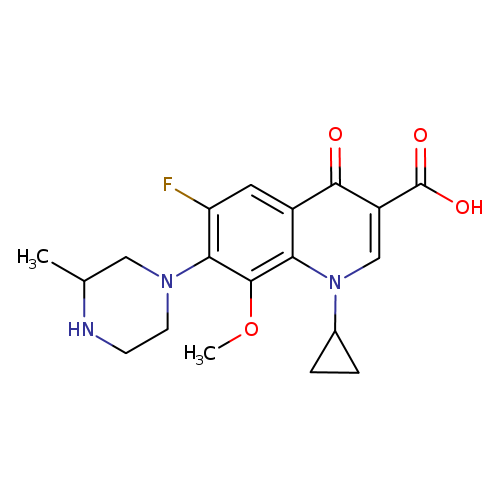
Gatifloxacin is an exogenous organic compound with the formula C19H22FN3O4 and an average molecular weight of 375.39 g/mol. It exists as a solid at room temperature. Gatifloxacin belongs to the quinoline carboxylic acids, a subclass of quinolines and derivatives within the organic compounds. Functioning as an antibiotic and antiinfective agent, gatifloxacin acts as an inhibitor of EC 5.99.1.3 [DNA topoisomerase (ATP-hydrolysing)]. Its bactericidal action results from the inhibition of topoisomerase IV and topoisomerase II (DNA gyrase), enzymes necessary for bacterial DNA recombination, repair, transcription, and replication. Recorded protein targets include albumin (ALB), DNA gyrase subunit A (gyrA), DNA gyrase subunit B (gyrB), DNA topoisomerase 4 subunit A (parC), DNA topoisomerase 2-alpha (TOP2A), and the voltage-gated inwardly rectifying potassium channel KCNH2, among others. Gatifloxacin is found in healthcare, pharmaceuticals, and veterinary products, specifically as antibiotics, antiinfectives, and quinolone antibacterials. It is also recorded in food preservation and meat processing, as well as in household cleaning and consumer products such as soap detergents, perfumes within detergents and soaps, and smoking requisites including cigar cigarettes, non-electric simulated smoking devices, and electrically stimulated smoking devices. Additionally, it is found in electrical and electronic equipment, including radio transmission systems, television systems, antennas, and hybrid capacitors. Exposure routes for the compound include oral, ophthalmic, intravenous, and inhalation.
Contaminant Type
  • Amide
  • Amine
  • Anti-Infective Agent
  • Antibiotic
  • Drug
  • Ester
  • Ether
  • Human Neurotoxin
  • Metabolite
  • Organic Compound
  • Organofluoride
  • Quinolone
  • Synthetic Compound
Chemical Structure
Synonyms
ValueSource
1-Cyclopropyl-1,4-dihydro-6-fluoro-8-methoxy-7-(3-methyl-1-piperazinyl)-4-oxo-3-quinolinecarboxylic acidChEBI
1-Cyclopropyl-6-fluoro- 8-methoxy-7-(3-methylpiperazin-1-yl)- 4-oxo-quinoline-3-carboxylic acidChEBI
AM 1155ChEBI
GatifloxacineChEBI
GatifloxacinoChEBI
GatifloxacinumChEBI
Gatifloxacin anhydrousKegg
ZymerKegg
1-Cyclopropyl-1,4-dihydro-6-fluoro-8-methoxy-7-(3-methyl-1-piperazinyl)-4-oxo-3-quinolinecarboxylateGenerator
1-Cyclopropyl-6-fluoro- 8-methoxy-7-(3-methylpiperazin-1-yl)- 4-oxo-quinoline-3-carboxylateGenerator
TequinMeSH
ZymarMeSH
Chemical FormulaC19H22FN3O4
Average Molecular Mass375.394 g/mol
Monoisotopic Mass375.159 g/mol
CAS Registry Number112811-59-3
IUPAC Name1-cyclopropyl-6-fluoro-8-methoxy-7-(3-methylpiperazin-1-yl)-4-oxo-1,4-dihydroquinoline-3-carboxylic acid
Traditional Namegatifloxacin
SMILESCOC1=C2N(C=C(C(O)=O)C(=O)C2=CC(F)=C1N1CCNC(C)C1)C1CC1
InChI IdentifierInChI=1S/C19H22FN3O4/c1-10-8-22(6-5-21-10)16-14(20)7-12-15(18(16)27-2)23(11-3-4-11)9-13(17(12)24)19(25)26/h7,9-11,21H,3-6,8H2,1-2H3,(H,25,26)
InChI KeyXUBOMFCQGDBHNK-UHFFFAOYSA-N
Chemical Taxonomy
Description Belongs to the class of organic compounds known as quinoline carboxylic acids. These are quinolines in which the quinoline ring system is substituted by a carboxyl group at one or more positions.
KingdomOrganic compounds
Super ClassOrganoheterocyclic compounds
ClassQuinolines and derivatives
Sub ClassQuinoline carboxylic acids
Direct ParentQuinoline carboxylic acids
Alternative Parents
Substituents
  • Quinoline-3-carboxylic acid
  • Fluoroquinolone
  • N-arylpiperazine
  • Aminoquinoline
  • Haloquinoline
  • Dihydroquinolone
  • Dihydroquinoline
  • Pyridine carboxylic acid or derivatives
  • Pyridine carboxylic acid
  • Methoxyaniline
  • Anisole
  • Dialkylarylamine
  • Tertiary aliphatic/aromatic amine
  • Alkyl aryl ether
  • Piperazine
  • Benzenoid
  • 1,4-diazinane
  • Aryl halide
  • Pyridine
  • Aryl fluoride
  • Heteroaromatic compound
  • Vinylogous amide
  • Tertiary amine
  • Amino acid or derivatives
  • Amino acid
  • Secondary amine
  • Monocarboxylic acid or derivatives
  • Carboxylic acid derivative
  • Azacycle
  • Carboxylic acid
  • Ether
  • Secondary aliphatic amine
  • Organooxygen compound
  • Hydrocarbon derivative
  • Organic nitrogen compound
  • Amine
  • Organohalogen compound
  • Organic oxide
  • Organopnictogen compound
  • Organic oxygen compound
  • Organofluoride
  • Organonitrogen compound
  • Aromatic heteropolycyclic compound
Molecular FrameworkAromatic heteropolycyclic compounds
External Descriptors
Biological Properties
StatusDetected and Not Quantified
OriginExogenous
Cellular Locations
  • Cytoplasm
  • Extracellular
  • Membrane
Biofluid LocationsNot Available
Tissue LocationsNot Available
Applications
Biological Roles
Chemical Roles
Organoleptic EffectsNot Available
Physical Properties
StateSolid
AppearanceWhite powder.
Experimental Properties
PropertyValue
Melting Point182-185°C
Boiling PointNot Available
Solubility60 mg/mL (at pH 4)
Predicted Properties
PropertyValueSource
Water Solubility0.63 g/LALOGPS
logP-0.23ALOGPS
logP-0.58ChemAxon
logS-2.8ALOGPS
pKa (Strongest Acidic)5.69ChemAxon
pKa (Strongest Basic)8.73ChemAxon
Physiological Charge0ChemAxon
Hydrogen Acceptor Count7ChemAxon
Hydrogen Donor Count2ChemAxon
Polar Surface Area82.11 ŲChemAxon
Rotatable Bond Count4ChemAxon
Refractivity98.82 m³·mol⁻¹ChemAxon
Polarizability38.29 ųChemAxon
Number of Rings4ChemAxon
BioavailabilityYesChemAxon
Rule of FiveYesChemAxon
Ghose FilterNoChemAxon
Veber's RuleNoChemAxon
MDDR-like RuleNoChemAxon
Spectra
Spectra
Spectrum TypeDescriptionSplash KeyDeposition DateView
Predicted GC-MSPredicted GC-MS Spectrumsplash10-03di-1009000000-78a39452af06b1f66c1dNot AvailableView Spectrum
Predicted GC-MSPredicted GC-MS Spectrumsplash10-001i-2003900000-7300cb8bf451e3a14f81Not AvailableView Spectrum
Predicted GC-MSPredicted GC-MS SpectrumNot AvailableNot AvailableView Spectrum
LC-MS/MSLC-MS/MS Spectrumsplash10-0159-0019000000-9d9810e16459120201fcNot AvailableView Spectrum
LC-MS/MSLC-MS/MS Spectrumsplash10-00kr-0942000000-432aa78e495cb764bf6aNot AvailableView Spectrum
LC-MS/MSLC-MS/MS Spectrumsplash10-000i-0922000000-8e80b2969083df9af733Not AvailableView Spectrum
LC-MS/MSLC-MS/MS Spectrumsplash10-004i-0169000000-7839341ea49cae9ec8cdNot AvailableView Spectrum
LC-MS/MSLC-MS/MS Spectrumsplash10-000i-0922000000-8e80b2969083df9af733Not AvailableView Spectrum
LC-MS/MSLC-MS/MS Spectrumsplash10-004i-0279000000-0ee0061b508877e5251cNot AvailableView Spectrum
LC-MS/MSLC-MS/MS Spectrumsplash10-00kr-0942000000-432aa78e495cb764bf6aNot AvailableView Spectrum
Predicted LC-MS/MSPredicted LC-MS/MS Spectrumsplash10-004i-0009000000-febde21288cfd8b65bbaNot AvailableView Spectrum
Predicted LC-MS/MSPredicted LC-MS/MS Spectrumsplash10-000x-5009000000-2bb94673281db9c71250Not AvailableView Spectrum
Predicted LC-MS/MSPredicted LC-MS/MS Spectrumsplash10-0006-9012000000-ebdcd48decdc15ee504aNot AvailableView Spectrum
Predicted LC-MS/MSPredicted LC-MS/MS Spectrumsplash10-0089-0009000000-97fc4892888449eada82Not AvailableView Spectrum
Predicted LC-MS/MSPredicted LC-MS/MS Spectrumsplash10-0gwb-0039000000-0c4c3d30828e5db88fd6Not AvailableView Spectrum
Predicted LC-MS/MSPredicted LC-MS/MS Spectrumsplash10-0a59-9053000000-4d294aabf5e9cb6ea3b2Not AvailableView Spectrum
Predicted LC-MS/MSPredicted LC-MS/MS Spectrumsplash10-056r-0009000000-cba07e04dae1eba32c79Not AvailableView Spectrum
Predicted LC-MS/MSPredicted LC-MS/MS Spectrumsplash10-0a4i-0009000000-3085d1f976b6e0a52538Not AvailableView Spectrum
Predicted LC-MS/MSPredicted LC-MS/MS Spectrumsplash10-05tf-3159000000-79cc5ce3bdd0230c2838Not AvailableView Spectrum
Predicted LC-MS/MSPredicted LC-MS/MS Spectrumsplash10-00e9-0009000000-8f66bae3e284a8e7f018Not AvailableView Spectrum
Predicted LC-MS/MSPredicted LC-MS/MS Spectrumsplash10-03di-0029000000-750db431dd4870d399aaNot AvailableView Spectrum
Predicted LC-MS/MSPredicted LC-MS/MS Spectrumsplash10-00ri-0197000000-0b9db2d8ea5a518c1b83Not AvailableView Spectrum
1D NMR1H NMR Spectrum (1D, D2O, predicted)Not AvailableNot AvailableView Spectrum
1D NMR13C NMR Spectrum (1D, D2O, predicted)Not AvailableNot AvailableView Spectrum
Toxicity Profile
Toxicity Values
Toxicity ValueOrganismDose DescriptorRoute of ExposurePredicted or ExperimentalToxicity RatingReference
2539.0 Log mg/kg [1400:4500]RatLD50oralpredictedNot AvailableNot Available
Toxicity / Toxin ClassNot Available
Mechanism of ToxicityThe bactericidal action of Gatifloxacin results from inhibition of the enzymes topoisomerase II (DNA gyrase) and topoisomerase IV, which are required for bacterial DNA replication, transcription, repair, and recombination.
Carcinogenicity (IARC Classification)No indication of carcinogenicity to humans (not listed by IARC).
Minimum Risk LevelNot Available
SymptomsThe most common side effects from antibiotics are diarrhea, nausea, vomiting. Fungal infections of the mouth, digestive tract and vagina can also occur with antibiotics
TreatmentIn the event of acute oral overdose, the stomach should be emptied by inducing vomiting or by gastric lavage. The patient should be carefully observed (including ECG monitoring) and given symptomatic and supportive treatment. Adequate hydration should be maintained. (3)
Health Effects
Health EffectRelationshipDirectionDescriptionReference
Eye InfectionsNot AvailableNot AvailableNot AvailablePMC6687460
Exposure Sources
Source IDSourceSectorReference
CEDs000010Insecticides?Insecticides are synthetic chemicals designed to control or eliminate insect pests that threaten crops and other agricultural products.Agriculture & land managementPubChem
CEDs000070Stormwater runoff?Stormwater runoff refers to the flow of rainwater or melted snow that does not soak into the ground and instead collects pollutants as it travels over impervious surfaces such as roads and parking lots.Automotive & urban infrastructurePubChem
CEDs000306Antibiotics?Antibiotics are synthetic or semi-synthetic compounds used to treat bacterial infections in humans and animals.Healthcare, pharmaceuticals & veterinary productsNot Available
CEDs000345Quinolone antibacterials?Quinolone antibacterials are a class of synthetic antimicrobial agents used primarily to treat bacterial infections in humans and animals.Healthcare, pharmaceuticals & veterinary productsNot Available
CEDs000395Antiinfectives?Anti-infectives are a class of synthetic chemicals designed to combat infections caused by bacteria, viruses, fungi, and parasites.Healthcare, pharmaceuticals & veterinary productsNot Available
CEDs000506Antennas?Antennas, commonly used in communication technologies, can be a source of synthetic chemical contamination through the materials and coatings used in their construction.Electrical & Electronic EquipmentPubChem
CEDs000518Electrically Stimulated Smoking Devices?Electrically stimulated smoking devices, commonly known as e-cigarettes or vape pens, utilize electrical components to heat a liquid solution, often containing nicotine, flavorings, and other additives, to produce an aerosol for inhalation.Electrical & Electronic EquipmentPubChem
CEDs000524Hybrid Capacitors?Hybrid capacitors are energy storage devices that combine the properties of electrolytic and supercapacitors, utilizing a combination of electrochemical principles to achieve higher energy density and power density.Electrical & Electronic EquipmentPubChem
CEDs000530Radio Transmission Systems?Radio transmission systems utilize a variety of synthetic chemicals in their manufacturing and maintenance processes.Electrical & Electronic EquipmentPubChem
CEDs000537Television Systems?Television systems can be a source of synthetic chemical contamination due to the various materials and components used in their manufacture and operation.Electrical & Electronic EquipmentPubChem
CEDs000539Video Games?Video games, through their production and disposal processes, can be a source of synthetic chemical contamination.Electrical & Electronic EquipmentPubChem
CEDs000545Food Preservation?Food preservation often involves the use of synthetic chemicals, such as preservatives, flavor enhancers, and color additives, to extend shelf life and enhance the sensory qualities of food products.Food, food processing & cookwarePubChem
CEDs000552Processing Meats?Processing meats can lead to synthetic chemical contamination primarily through the use of additives and preservatives.Food, food processing & cookwarePubChem
CEDs000556Cigar Cigarettes?Cigar cigarettes are a source of synthetic chemical contamination due to the combustion of various tobacco blends and additives.Household cleaning & consumer productsPubChem
CEDs000559Non Electric Simulated Smoking Devices?Non-electric simulated smoking devices, often designed to mimic the experience of smoking without combustion, can be sources of synthetic chemical contamination due to the materials and chemicals used in their construction and operation.Household cleaning & consumer productsPubChem
CEDs000560Other Smoking Requisites?Other smoking requisites, including items such as lighters, matches, and rolling papers, can introduce synthetic chemical contamination through various components and additives.Household cleaning & consumer productsPubChem
CEDs000561Perfumes Within Detergents And Soaps?Perfumes within detergents and soaps are synthetic fragrance compounds added to enhance the sensory experience of cleaning products.Household cleaning & consumer productsPubChem
CEDs000563Soap Detergents?Soap detergents are synthetic surfactants designed to enhance the cleaning efficacy of water by reducing surface tension, allowing for better interaction with dirt and grease.Household cleaning & consumer productsPubChem
CEDs000569Tobacco Smoke Filters?Tobacco smoke filters are designed to reduce the inhalation of harmful substances in cigarette smoke, including tar and other particulate matter.Household cleaning & consumer productsPubChem
CEDs000580Manufacture Preparation Of Tobacco Products?The manufacture and preparation of tobacco products involve various processes that can result in the introduction of synthetic chemicals into the environment.Industrial manufacturing & chemical processingPubChem
CEDs000600Herbicides And Algicides?Herbicides and algicides are synthetic chemicals primarily used to control unwanted plants and algae in various environments.Agriculture & land managementPubChem
CEDs000605Pest Repellants?Pest repellents, often formulated from synthetic chemicals, are widely used to protect crops from insect infestations and other pests.Agriculture & land managementPubChem
CEDs000606Plant Growth Regulators?Plant Growth Regulators (PGRs) are synthetic chemicals designed to influence the growth and development of plants.Agriculture & land managementPubChem
CEDs000610Aftersun Products?Aftersun products are designed to soothe and hydrate the skin after sun exposure, often containing various synthetic chemicals such as emollients, preservatives, and fragrances.Personal care & cosmeticsPubChem
CEDs000611Anti Perspirants Or Body Deoderants?Antiperspirants and body deodorants commonly contain synthetic chemicals such as aluminum compounds, parabens, and synthetic fragrances.Personal care & cosmeticsPubChem
CEDs000614Essential Oils Or Perfumes?Essential oils and perfumes are complex mixtures of volatile compounds derived from natural or synthetic sources, commonly used for their aromatic properties.Personal care & cosmeticsPubChem
CEDs000615Eye Makeup Products?Eye makeup products, including mascaras, eyeliners, and eyeshadows, often contain a variety of synthetic chemicals such as pigments, preservatives, and film-forming agents.Personal care & cosmeticsPubChem
CEDs000617Lip Care Products?Lip care products, including lipsticks, balms, and glosses, often contain a variety of synthetic chemicals such as parabens, phthalates, and synthetic fragrances.Personal care & cosmeticsPubChem
CEDs000632Apparel?Apparel production often involves the use of various synthetic chemicals, including dyes, finishing agents, and preservatives.Textiles, leather & furnishingsPubChem
CEDs000643Headwear?Headwear made from synthetic materials often incorporates chemicals used in the manufacturing and finishing processes, such as dyes, flame retardants, and water repellents.Textiles, leather & furnishingsPubChem
CEDs000650Purses Luggage Hand Bags?Purses, luggage, and handbags are often manufactured using synthetic materials such as polyvinyl chloride (PVC), polyurethane, and various types of nylon.Textiles, leather & furnishingsPubChem
CEDs000662Yarns Or Threads?Yarns or threads used in textiles can be a source of synthetic chemical contamination due to the production processes and treatments they undergo.Textiles, leather & furnishingsPubChem
CEDs000671Airplanes And Helicopters?Airplanes and helicopters are significant sources of synthetic chemical contamination primarily through the use of aviation fuels, lubricants, and de-icing agents.Aviation & AerospacePubChem
CEDs000673Unmanned Aerial Vehicles?Unmanned Aerial Vehicles (UAVs), commonly known as drones, utilize various synthetic chemicals in their manufacturing, operation, and maintenance processes.Aviation & AerospacePubChem
CEDs000685Ceramics?Ceramics can be a source of synthetic chemical contamination through various additives and processing agents used in their production.Building & ConstructionPubChem
CEDs000688Glass Coatings?Glass coatings are synthetic chemical formulations applied to glass surfaces to enhance properties such as durability, UV resistance, and aesthetic appeal.Building & ConstructionPubChem
CEDs000693Silica Glass?Silica glass, primarily composed of silicon dioxide (SiO2), is widely used in various applications, including windows, glass facades, and insulation materials.Building & ConstructionPubChem
CEDs000696Nanotechnology?Nanotechnology involves the manipulation of materials at the molecular or atomic level, typically within the range of 1 to 100 nanometers.Industrial manufacturing & chemical processingPubChem
CEDs000730Contact Lens Cases?Contact lens cases are small containers designed to store contact lenses in a sterile environment, typically made from various synthetic materials including plastics such as polypropylene or polycarbonate.Healthcare, pharmaceuticals & veterinary productsPubChem
CEDs000734Coating Compositions?Coating compositions, which include paints, sealants, and varnishes, are formulated with a variety of synthetic chemicals such as solvents, resins, pigments, and additives.Building & ConstructionPubChem
CEDs000739Inks?Inks are complex mixtures composed of pigments or dyes, solvents, resins, and additives used primarily for printing and writing applications.Paper, pulp & fiber productsPubChem
CEDs000744Water, Wastewater, & Sewage Treatment?Water, wastewater, and sewage treatment processes are critical for managing and mitigating pollutants in water systems.Wastewater, sanitation & biosolidsPubChem
CEDs01148MilkFood, food processing & cookwarePMC8822143
Pathways
1 pathwayPathway Source: PathBank
Targets
StructureProteinUniProt IDOrganismRelationshipDetails
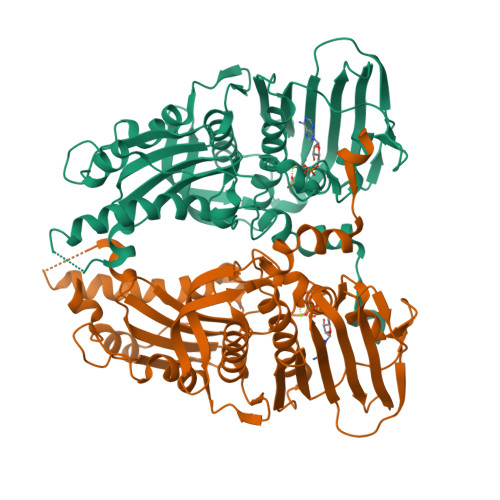
DNA gyrase subunit A structureClick to view 3D structureDNA gyrase subunit AP9WG47Mycobacterium tuberculosisPredicted (SEA)
Prediction Confidence Score
0.709
Applicability Domain
1.0
Statistical Significance
1.00e-05
Supporting Reference Compounds
3
E-value
0.0778492
Click to view 3D structureDNA topoisomerase 4 subunit AP0C1U9Staphylococcus aureusPredicted (SEA)
Prediction Confidence Score
0.598
Applicability Domain
1.0
Statistical Significance
1.00e-05
Supporting Reference Compounds
9
E-value
0.0778492
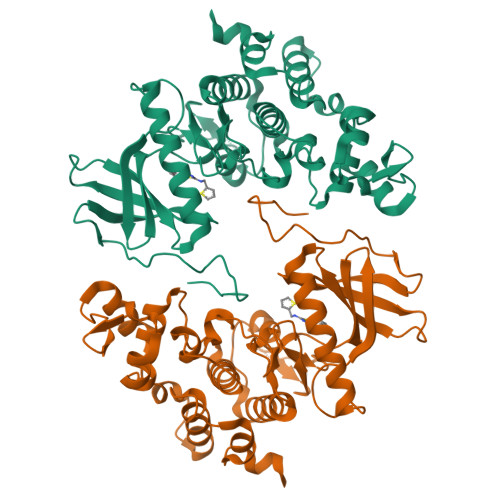
Dual specificity protein kinase CLK2 structureClick to view 3D structureDual specificity protein kinase CLK2P49760HumansPredicted (SEA)
Prediction Confidence Score
0.427
Applicability Domain
1.0
Statistical Significance
0.008
Supporting Reference Compounds
727
E-value
62.0458
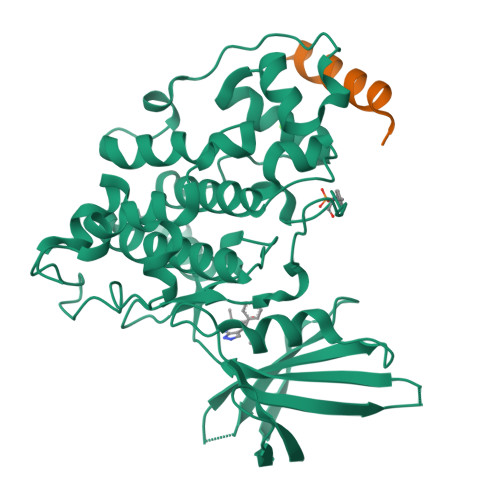
Serine/threonine-protein kinase D3 structureClick to view 3D structureSerine/threonine-protein kinase D3O94806HumansPredicted (SEA)
Prediction Confidence Score
0.427
Applicability Domain
1.0
Statistical Significance
0.007
Supporting Reference Compounds
628
E-value
54.8059
Dual specificity protein kinase CLK4 structureClick to view 3D structureDual specificity protein kinase CLK4Q9HAZ1HumansPredicted (SEA)
Prediction Confidence Score
0.427
Applicability Domain
1.0
Statistical Significance
0.0071
Supporting Reference Compounds
742
E-value
54.9616
Click to view 3D structureStreptokinase AP10520Streptococcus pyogenes serotype M1Predicted (SEA)
Prediction Confidence Score
0.424
Applicability Domain
1.0
Statistical Significance
0.0011
Supporting Reference Compounds
425
E-value
8.95266
Isocitrate lyase structureClick to view 3D structureIsocitrate lyaseP9WKK7Mycobacterium tuberculosis (strain ATCC 25618 / H37Rv)Predicted (SEA)
Prediction Confidence Score
0.287
Applicability Domain
0.287 Low confidence
Statistical Significance
2.40e-04
Supporting Reference Compounds
1
E-value
1.86838
DNA polymerase I, thermostable structureClick to view 3D structureDNA polymerase I, thermostableP19821Thermus aquaticusPredicted (SEA)
Prediction Confidence Score
0.281
Applicability Domain
0.375
Statistical Significance
7.00e-05
Supporting Reference Compounds
3
E-value
0.544945
Click to view 3D structureSerine/threonine-protein kinase pim-3Q86V86HumansPredicted (SEA)
Prediction Confidence Score
0.279
Applicability Domain
0.358
Statistical Significance
0.1106
Supporting Reference Compounds
497
E-value
861.246
MAP kinase-activated protein kinase 3 structureClick to view 3D structureMAP kinase-activated protein kinase 3Q16644HumansPredicted (SEA)
Prediction Confidence Score
0.279
Applicability Domain
0.358
Statistical Significance
0.1059
Supporting Reference Compounds
503
E-value
824.812
Cyclin-dependent kinase 2 structureClick to view 3D structureCyclin-dependent kinase 2P24941HumansPredicted (SEA)
Prediction Confidence Score
0.278
Applicability Domain
0.358
Statistical Significance
0.1837
Supporting Reference Compounds
1029
E-value
1429.78
Cyclin-dependent kinase 1 structureClick to view 3D structureCyclin-dependent kinase 1P06493HumansPredicted (SEA)
Prediction Confidence Score
0.278
Applicability Domain
0.358
Statistical Significance
0.1412
Supporting Reference Compounds
715
E-value
1099.62
Dual specificity tyrosine-phosphorylation-regulated kinase 1A structureClick to view 3D structureDual specificity tyrosine-phosphorylation-regulated kinase 1AQ13627HumansPredicted (SEA)
Prediction Confidence Score
0.278
Applicability Domain
0.358
Statistical Significance
0.1723
Supporting Reference Compounds
906
E-value
1341.5
Aurora kinase B structureClick to view 3D structureAurora kinase BQ96GD4HumansPredicted (SEA)
Prediction Confidence Score
0.278
Applicability Domain
0.358
Statistical Significance
0.1907
Supporting Reference Compounds
1017
E-value
1484.82
Ribosomal protein S6 kinase beta-1 structureClick to view 3D structureRibosomal protein S6 kinase beta-1P23443HumansPredicted (SEA)
Prediction Confidence Score
0.278
Applicability Domain
0.358
Statistical Significance
0.133
Supporting Reference Compounds
590
E-value
1035.71
Rho-associated protein kinase 2 structureClick to view 3D structureRho-associated protein kinase 2O75116HumansPredicted (SEA)
Prediction Confidence Score
0.275
Applicability Domain
0.358
Statistical Significance
0.1808
Supporting Reference Compounds
811
E-value
1407.36
MAP kinase-interacting serine/threonine-protein kinase 2 structureClick to view 3D structureMAP kinase-interacting serine/threonine-protein kinase 2Q9HBH9HumansPredicted (SEA)
Prediction Confidence Score
0.275
Applicability Domain
0.358
Statistical Significance
0.1381
Supporting Reference Compounds
550
E-value
1074.79
cAMP-dependent protein kinase catalytic subunit alpha structureClick to view 3D structurecAMP-dependent protein kinase catalytic subunit alphaP17612HumansPredicted (SEA)
Prediction Confidence Score
0.275
Applicability Domain
0.358
Statistical Significance
0.163
Supporting Reference Compounds
735
E-value
1268.79
Serine/threonine-protein kinase pim-1 structureClick to view 3D structureSerine/threonine-protein kinase pim-1P11309HumansPredicted (SEA)
Prediction Confidence Score
0.275
Applicability Domain
0.358
Statistical Significance
0.1962
Supporting Reference Compounds
967
E-value
1527.56
Vascular endothelial growth factor receptor 2 structureClick to view 3D structureVascular endothelial growth factor receptor 2P35968HumansPredicted (SEA)
Prediction Confidence Score
0.275
Applicability Domain
0.358
Statistical Significance
0.2612
Supporting Reference Compounds
1660
E-value
2033.34
Glycogen synthase kinase-3 alpha structureClick to view 3D structureGlycogen synthase kinase-3 alphaP49840HumansPredicted (SEA)
Prediction Confidence Score
0.275
Applicability Domain
0.358
Statistical Significance
0.1757
Supporting Reference Compounds
754
E-value
1367.66
Rho-associated protein kinase 1 structureClick to view 3D structureRho-associated protein kinase 1Q13464HumansPredicted (SEA)
Prediction Confidence Score
0.275
Applicability Domain
0.358
Statistical Significance
0.1839
Supporting Reference Compounds
834
E-value
1431.8
Protein kinase C delta type structureClick to view 3D structureProtein kinase C delta typeQ05655HumansPredicted (SEA)
Prediction Confidence Score
0.275
Applicability Domain
0.358
Statistical Significance
0.1438
Supporting Reference Compounds
681
E-value
1119.24
RAC-alpha serine/threonine-protein kinase structureClick to view 3D structureRAC-alpha serine/threonine-protein kinaseP31749HumansPredicted (SEA)
Prediction Confidence Score
0.275
Applicability Domain
0.358
Statistical Significance
0.17
Supporting Reference Compounds
797
E-value
1323.36
Serine/threonine-protein kinase D2 structureClick to view 3D structureSerine/threonine-protein kinase D2Q9BZL6HumansPredicted (SEA)
Prediction Confidence Score
0.275
Applicability Domain
0.358
Statistical Significance
0.1438
Supporting Reference Compounds
604
E-value
1119.39
Voltage-gated inwardly rectifying potassium channel KCNH2 structureClick to view 3D structureVoltage-gated inwardly rectifying potassium channel KCNH2Q12809HumansKnownNot Available
Albumin structureClick to view 3D structureAlbuminP02768HumansKnownThe bactericidal action of Gatifloxacin results from inhibition of the enzymes topoisomerase II (DNA gyrase) and topoisomerase IV, which are required for bacterial DNA replication, transcription, repair, and recombination.
DNA topoisomerase 2-alpha structureClick to view 3D structureDNA topoisomerase 2-alphaP11388HumansKnownThe bactericidal action of Gatifloxacin results from inhibition of the enzymes topoisomerase II (DNA gyrase) and topoisomerase IV, which are required for bacterial DNA replication, transcription, repair, and recombination.
Concentrations
Not Available
External Links
DrugBank IDNot Available
HMDB IDNot Available
FooDB IDNot Available
Phenol Explorer IDNot Available
KNApSAcK IDNot Available
BiGG IDNot Available
BioCyc IDNot Available
METLIN IDNot Available
PDB IDNot Available
Wikipedia LinkGatifloxacin
Chemspider ID5186
ChEBI ID5280
PubChem Compound ID5379
Kegg Compound IDC07661
YMDB IDNot Available
ECMDB IDNot Available
References
Synthesis Reference

DrugSyn.org

MSDSLink
General References
  1. Park-Wyllie LY, Juurlink DN, Kopp A, Shah BR, Stukel TA, Stumpo C, Dresser L, Low DE, Mamdani MM: Outpatient gatifloxacin therapy and dysglycemia in older adults. N Engl J Med. 2006 Mar 30;354(13):1352-61. Epub 2006 Mar 1. [PubMed: 16510739]
  2. Gurwitz JH: Serious adverse drug effects--seeing the trees through the forest. N Engl J Med. 2006 Mar 30;354(13):1413-5. Epub 2006 Mar 1. [PubMed: 16510740]
  3. RxList: The Internet Drug Index (2009). - http://www.rxlist.com/