Some data may have been extracted from scientific literature using a pipeline that uses large language models (LLMs). Source articles are cited where applicable to help verify the extracted relationships.
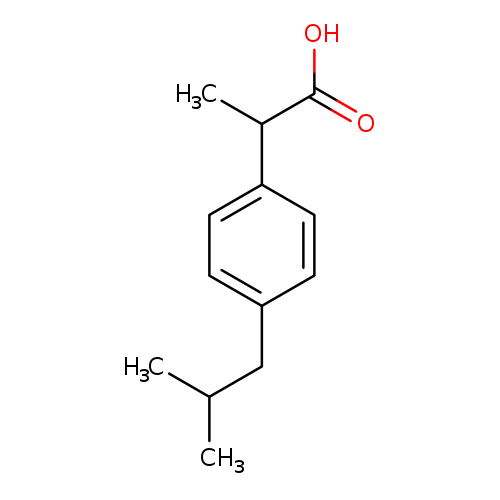
Ibuprofen belongs to the phenylpropanoic acids, a class of phenylpropanoids and polyketides within the organic compounds. It is an exogenous solid with the formula C13H18O2 and an average molecular weight of 206.28 g/mol. This compound serves as a drug, non-steroidal anti-inflammatory drug, non-narcotic analgesic, and antipyretic (PMC9783252 , PMC12845212 ), as well as an analgesic (PMC7756032 ), anti-inflammatory drug (PMC7756032 ), and anti-inflammatory agent (PMC8944465 ). Industrially, it is used as a softener and conditioner (PMC9783252 , PMC12845212 ).
Ibuprofen is used to treat arthritis (PMC6102750 , PMC6130755 ), rheumatoid arthritis (PMC9899055 ), pericarditis (PMC8836481 ), inflammation (PMC12085248 , PMC13074443 ), fever (PMC11859530 , PMC13074443 ), pain (PMC11859530 , PMC12085248 ), and headache (PMC11459094 ). It has therapeutic effects on cancer (PMC10819319 ), bleeding (PMC11340200 ), fatigue (PMC11859530 ), and pain (PMC11859530 ). Conversely, it is associated with neutropenia (PMC1492602 ), leukopenia (PMC1492602 ), increased bleeding (PMC11124379 ), and increased hypertension (PMC11859530 ).
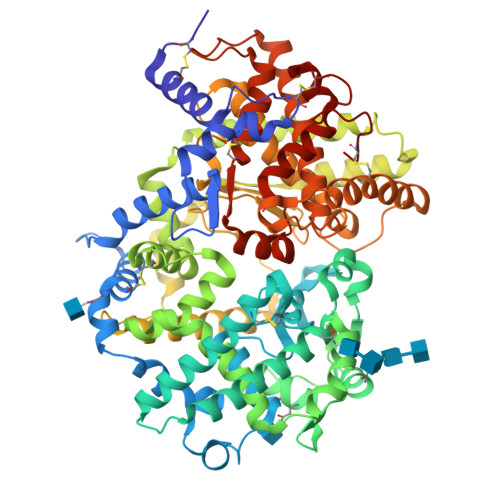
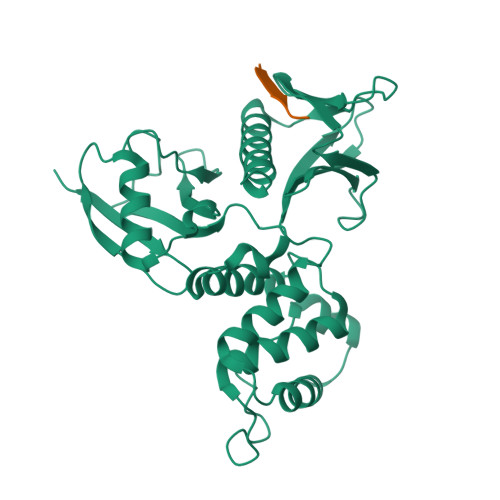
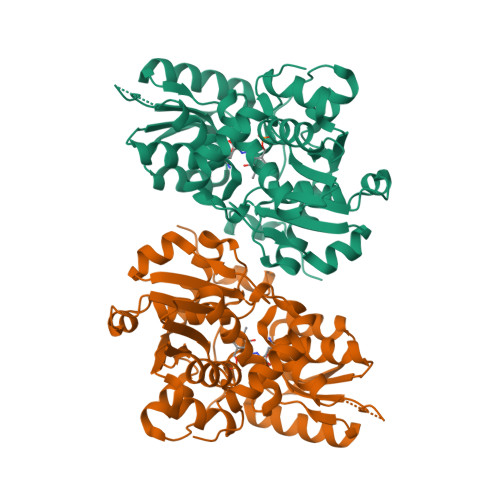
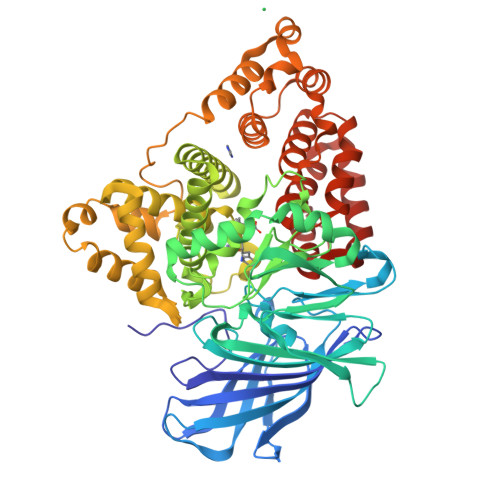
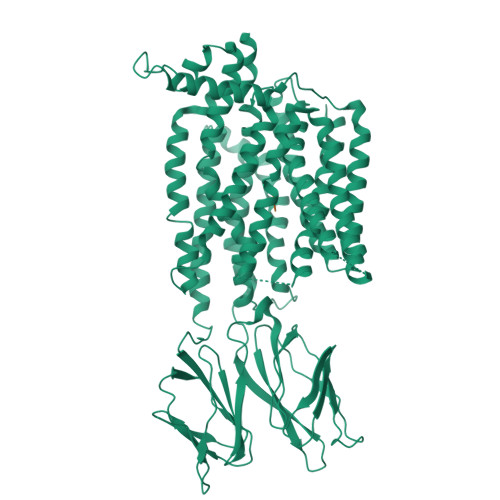
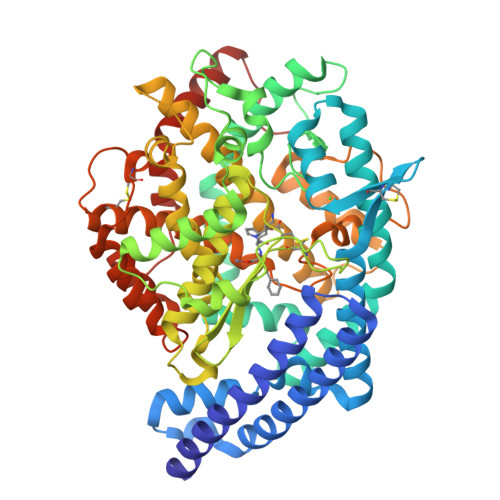
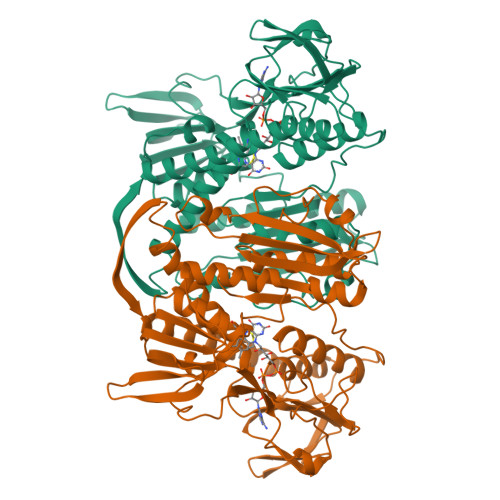
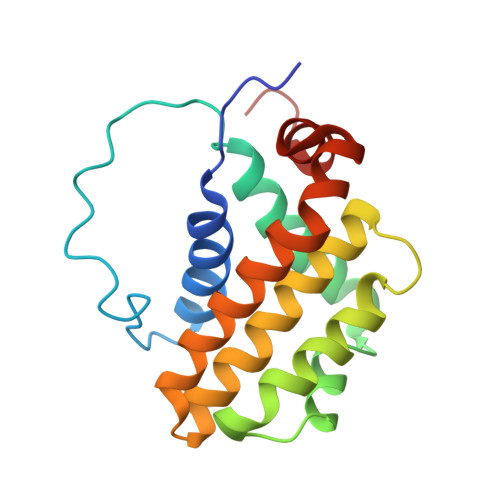
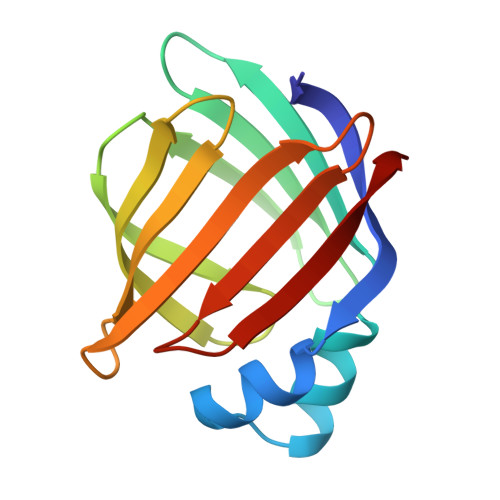
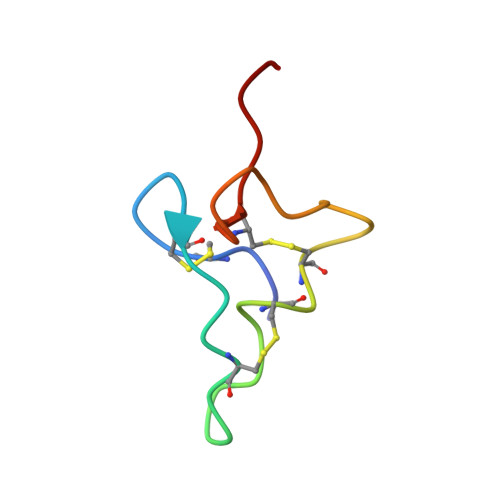
The compound acts as a cyclooxygenase 1 and 2 inhibitor (PMC9783252 , PMC12845212 ), targeting proteins including PTGS1, PTGS2, ALB, BCL2, THBD, PLAT, and FABP2. Its anti-inflammatory effects are believed to result from the inhibition of COX-1 and COX-2, which inhibits prostaglandin synthesis. Antipyretic effects may result from action on the hypothalamus, increasing peripheral blood flow and vasodilation for heat dissipation. Ibuprofen is detected in various tissues, including the kidney, liver, pancreas, placenta, and skeletal muscle. It is released from 58 recorded sources, including healthcare products, drinking water, aquatic systems, and electronic equipment, with exposure routes including oral, topical, inhalation, and intravenous.
Belongs to the class of organic compounds known as phenylpropanoic acids. Phenylpropanoic acids are compounds with a structure containing a benzene ring conjugated to a propanoic acid.
The exact mechanism of action of ibuprofen is unknown. Ibuprofen is a non-selective inhibitor of cyclooxygenase, an enzyme invovled in prostaglandin synthesis via the arachidonic acid pathway. Its pharmacological effects are believed to be due to inhibition cylooxygenase-2 (COX-2) which decreases the synthesis of prostaglandins involved in mediating inflammation, pain, fever and swelling. Antipyretic effects may be due to action on the hypothalamus, resulting in an increased peripheral blood flow, vasodilation, and subsequent heat dissipation. Inhibition of COX-1 is thought to cause some of the side effects of ibuprofen including GI ulceration. Ibuprofen is administered as a racemic mixture. The R-enantiomer undergoes extensive interconversion to the S-enantiomer in vivo. The S-enantiomer is believed to be the more pharmacologically active enantiomer.
No indication of carcinogenicity to humans (not listed by IARC).
Minimum Risk Level
Not Available
Symptoms
Side effects: May cause peripheral edema and fluid retention. Use caution in patients with congestive heart failure or severe uncontrolled hypertension. May cause dyspepsia, heartburn, nausea, vomiting, anorexia, diarrhea, constipation, stomatitis, flatulence, bloating, epigastric pain, and abdominal pain. Peptic ulcer and GI bleeding have been reported. May also cause dizziness, headache and nervousness. Acute renal failure accompanied by acute tubular necrosis has been reported.
Most common symptoms of overdose are abdominal pain, nausea, vomiting, lethargy, vertigo, drowsiness (somnolence), dizziness and insomnia. Other symptoms of overdose include headache, loss of consciousness, tinnitus, CNS depression, convulsions and seizures. May rarely cause metabolic acidosis, abnormal hepatic function, hyperkalemia, renal failure, dyspnea, respiratory depression, coma, acute renal failure, and apnea (primarily in very young pediatric patients).
Treatment
In cases of acute overdosage, the stomach should be emptied by vomiting or lavage, though little drug will likely be recovered if more than an hour has elapsed since ingestion. Because the drug is acidic and is excreted in the urine, it is theoretically beneficial to administer alkali and induce diuresis. In addition to supportive measures, the use of oral activated charcoal may help to reduce the absorption and reabsorption of Ibuprofen tablets. (26)
Health Effects
Health Effect
Relationship
Direction
Description
Reference
arthritis
Not Available
Not Available
A disorder characterized by inflammation involving a joint. (NCI CTCAE)
A disorder characterized by a pathological increase in blood pressure; a repeatedly elevation in the blood pressure exceeding 140 over 90 mm Hg. (NCI CTCAE)
Cancer is a group of diseases involving abnormal cell growth with the potential to invade or spread to other parts of the body. Possible signs and symptoms include a lump, abnormal bleeding, prolonged cough, unexplained weight loss, and a change in bowel movements. There are over 100 types of cancers affect humans. The risk of developing certain cancers can be reduced by not smoking, maintaining a healthy weight, not drinking too much alcohol, eating plenty of vegetables, fruits and whole grains, vaccination against certain infectious diseases, not eating too much processed and red meat and avoiding too much sunlight exposure. Cancer is often treated with some combination of radiation therapy, surgery, chemotherapy and targeted therapy. The majority of cancers, some 90–95% of cases, are due to genetic mutations from environmental and lifestyle factors. The remaining 5–10% are due to inherited genetics.
Cancer is a group of diseases involving abnormal cell growth with the potential to invade or spread to other parts of the body. Possible signs and symptoms include a lump, abnormal bleeding, prolonged cough, unexplained weight loss, and a change in bowel movements. There are over 100 types of cancers affect humans. The risk of developing certain cancers can be reduced by not smoking, maintaining a healthy weight, not drinking too much alcohol, eating plenty of vegetables, fruits and whole grains, vaccination against certain infectious diseases, not eating too much processed and red meat and avoiding too much sunlight exposure. Cancer is often treated with some combination of radiation therapy, surgery, chemotherapy and targeted therapy. The majority of cancers, some 90–95% of cases, are due to genetic mutations from environmental and lifestyle factors. The remaining 5–10% are due to inherited genetics.
A disorder characterized by a state of generalized weakness with a pronounced inability to summon sufficient energy to accomplish daily activities. (NCI CTCAE)
A disorder characterized by a sensation of marked discomfort in various parts of the head, not confined to the area of distribution of any nerve. (NCI CTCAE)
Endometriosis is a condition that affects women in which cells similar to those in the endometrium, the layer of tissue that normally covers the inside of the uterus, grow outside the uterus (mainly in the ovaries and fallopian tubes). The main symptoms are pelvic pain and infertility, although 20-25% of women are asymptomatic. Pain during sexual intercourse is also common. Other symptoms include diarrhea or constipation, chronic fatigue, nausea and vomiting, headaches, low-grade fevers, heavy and/or irregular periods, and hypoglycemia. Endometriosis is a common condition. About 6–10% of women are affected. Endometriosis is most common in those in their thirties and forties; however, it can begin in girls as early as eight years old.
Allergic diseases, also known as allergies, are a number of conditions caused by hypersensitivity of the immune system to typically harmless substances in the environment. These diseases include hay fever, food allergies, atopic dermatitis, allergic asthma, and anaphylaxis. Symptoms may include red eyes, an itchy rash, sneezing, a runny nose, shortness of breath, or swelling. Common allergens include pollen and certain foods. Metals and other substances may also cause allergies. Food, insect stings, and medications are common causes of severe allergic reactions. Allergies can be due to both genetic and environmental factors. The underlying mechanism involves immunoglobulin E antibodies (IgE) binding to an allergen and then to a receptor on mast cells or basophils where it triggers the release of inflammatory chemicals such as histamine. Allergies are among the most common conditions in the world. In the developed world, about 20% of people are affected by allergic rhinitis, about 6% of people have at least one food allergy, and about 20% have atopic dermatitis at some point in time.
A brain disease that is characterized by moderate to severe headaches, nausea, extreme sensitivity to light and sound and intense unilaterial throbbing or pulsing. (DO)
Irrigation water?Irrigation water can serve as a vector for synthetic chemical contamination due to its potential exposure to agricultural inputs such as fertilizers, pesticides, and herbicides.
Soil?Soil serves as a critical medium for plant growth and sustains various ecological functions; however, it can become a reservoir for synthetic chemical contamination.
Water heaters?Water heaters can be a source of synthetic chemical contamination primarily through the materials and coatings used in their construction.
Groundwater?Groundwater serves as a vital resource for drinking water and agricultural irrigation but is increasingly susceptible to contamination from synthetic chemicals.
Seawater?Seawater can serve as a significant reservoir for synthetic chemical contamination due to various industrial activities, including shipping, oil drilling, and coastal manufacturing.
Freshwater?Freshwater bodies, including rivers, lakes, and reservoirs, can serve as significant sources of synthetic chemical contamination due to various anthropogenic activities.
Stormwater runoff?Stormwater runoff refers to the flow of rainwater or melted snow that does not soak into the ground and instead collects pollutants as it travels over impervious surfaces such as roads and parking lots.
Waterproofing sprays?Waterproofing sprays are synthetic chemical formulations designed to create a protective barrier against moisture on various surfaces, including fabrics, wood, and masonry.
Drinking water?Drinking water can be a medium for synthetic chemical contamination, often originating from various industrial processes and agricultural practices.
Desalinated water?Desalinated water, produced through processes such as reverse osmosis or distillation, is increasingly utilized to meet freshwater demands in various regions.
Ballast water?Ballast water, taken on by ships to maintain stability and balance, often contains a diverse array of microorganisms, including bacteria, viruses, and plankton.
Bilge water?Bilge water is a byproduct generated from the accumulation of water in the lowest part of a ship's hull, which may include a mixture of seawater, oil, fuel residues, and various contaminants.
Brushes?Brushes used in personal care and cosmetics can be a source of synthetic chemical contamination due to the materials and coatings used in their manufacturing.
Gynecologicals?Gynecologicals encompass a range of synthetic chemicals used in the treatment of various women's health issues, including hormonal therapies, contraceptives, and antifungal agents.
Antiinflammatory and antirheumatic products?Anti-inflammatory and antirheumatic products are synthetic chemicals commonly used to alleviate pain, reduce inflammation, and manage conditions such as arthritis.
Topical products for joint and muscular pain?Topical products for joint and muscular pain often contain active synthetic chemicals such as nonsteroidal anti-inflammatory drugs (NSAIDs), analgesics, and counterirritants.
Industrial wastewater?Industrial wastewater is a byproduct generated during various manufacturing and processing activities, which often contains a complex mixture of organic and inorganic synthetic chemicals.
Wastewater treatment effluent?Wastewater treatment effluent is the liquid byproduct discharged from the treatment processes designed to remove contaminants from wastewater.
Wastewater, unspecified?Wastewater refers to water that has been adversely affected in quality by anthropogenic influence, typically through domestic, industrial, or agricultural activities.
Effluent?Effluent refers to liquid waste or sewage that is discharged into the environment, typically resulting from industrial processes, municipal wastewater treatment, or agricultural runoff.
WWTP influent?WWTP influent refers to the raw wastewater entering a wastewater treatment plant, which can contain a complex mixture of pollutants, including synthetic chemicals.
Ceilings?Ceilings in built environments can be a source of synthetic chemical contamination due to the materials used in their construction and finishes.
Floors?Floors in built environments can be a significant source of synthetic chemical contamination due to the materials and finishes used in their construction.
Stairs And Ramps?Stairs and ramps in construction are often treated with various synthetic chemicals to enhance durability, slip resistance, and weather resistance.
Amplifiers?Amplifiers, commonly used in various electronic devices to enhance signal strength, can be a source of synthetic chemical contamination due to the materials and processes involved in their production and disposal.
Antennas?Antennas, commonly used in communication technologies, can be a source of synthetic chemical contamination through the materials and coatings used in their construction.
Communication Cables Or Conductors?Communication cables or conductors are essential components in the transmission of data and signals in various applications, including telecommunications and networking.
Conductors Or Conductive Bodies Characterised By The Conductive Materials?Conductors, or conductive bodies, are materials that allow the flow of electrical current, typically made from metals such as copper, aluminum, or silver.
Discharge Lamps?Discharge lamps, including fluorescent and high-intensity discharge (HID) lamps, are commonly used for lighting applications due to their energy efficiency and brightness.
Electric Switches?Electric switches, integral components in numerous devices, can be a source of synthetic chemical contamination due to the materials and manufacturing processes involved in their production.
Electrically Stimulated Smoking Devices?Electrically stimulated smoking devices, commonly known as e-cigarettes or vape pens, utilize electrical components to heat a liquid solution, often containing nicotine, flavorings, and other additives, to produce an aerosol for inhalation.
Electrodes?Electrodes, used in various electrical and electronic applications, can be a source of synthetic chemical contamination due to the materials from which they are constructed and the processes involved in their manufacturing.
Emergency Protective Devices?Emergency protective devices, such as circuit breakers and surge protectors, are essential components in electrical systems designed to prevent damage from overcurrent and surges.
Fixed Capacitors And Their Manufacture?Fixed capacitors are passive electronic components used to store and release electrical energy, playing a critical role in various circuits.
Hybrid Capacitors?Hybrid capacitors are energy storage devices that combine the properties of electrolytic and supercapacitors, utilizing a combination of electrochemical principles to achieve higher energy density and power density.
Line Transmission Systems?Line Transmission Systems, commonly used for the distribution of electrical energy, can be a source of synthetic chemical contamination through the insulation materials and coatings utilized in their construction.
Magnets?Magnets, commonly used in various electrical and electronic applications, can be a source of synthetic chemical contamination due to the materials used in their production.
Sparking Plugs?Spark plugs are critical components in internal combustion engines, facilitating the ignition of fuel-air mixtures by generating a spark.
Television Systems?Television systems can be a source of synthetic chemical contamination due to the various materials and components used in their manufacture and operation.
Food Preservation?Food preservation often involves the use of synthetic chemicals, such as preservatives, flavor enhancers, and color additives, to extend shelf life and enhance the sensory qualities of food products.
Treatment Of Hops?Hops, a key ingredient in brewing and food flavoring, can be a source of synthetic chemical contamination due to various agricultural practices.
Ash Trays?Ash trays, commonly used for the disposal of cigarette butts and ash, can be a source of synthetic chemical contamination due to the presence of various toxic compounds in tobacco smoke.
Non Electric Simulated Smoking Devices?Non-electric simulated smoking devices, often designed to mimic the experience of smoking without combustion, can be sources of synthetic chemical contamination due to the materials and chemicals used in their construction and operation.
Other Smoking Requisites?Other smoking requisites, including items such as lighters, matches, and rolling papers, can introduce synthetic chemical contamination through various components and additives.
Perfumes Within Detergents And Soaps?Perfumes within detergents and soaps are synthetic fragrance compounds added to enhance the sensory experience of cleaning products.
Making Cigars?The process of making cigars involves several steps, including the cultivation of tobacco, fermentation, and the application of various additives to enhance flavor and preservation.
Manufacture Of Iron Or Steel?The manufacture of iron or steel involves various processes, including smelting, refining, and alloying, which can result in the release of synthetic chemicals and contaminants.
Manufacture Preparation Of Tobacco Products?The manufacture and preparation of tobacco products involve various processes that can result in the introduction of synthetic chemicals into the environment.
Paper Making Machines?Paper making machines utilize various synthetic chemicals throughout the production process, including additives, coatings, and bleaching agents.
Anchoring Equipment?Anchoring equipment, commonly used in marine applications, can be a source of synthetic chemical contamination due to the materials and coatings utilized in their manufacturing.
Marine Propulsion Or Steering?Marine propulsion and steering systems often rely on various synthetic chemicals, including lubricants, fuels, and hydraulic fluids.
Fertiliser Distributors?Fertiliser distributors play a critical role in the supply of synthetic fertilizers, which are widely used to enhance soil fertility and crop yield.
Aftersun Products?Aftersun products are designed to soothe and hydrate the skin after sun exposure, often containing various synthetic chemicals such as emollients, preservatives, and fragrances.
Anti Perspirants Or Body Deoderants?Antiperspirants and body deodorants commonly contain synthetic chemicals such as aluminum compounds, parabens, and synthetic fragrances.
Depilatories?Depilatories are products designed to remove unwanted hair through the application of synthetic chemicals that break down the protein structure of hair, facilitating its removal.
Essential Oils Or Perfumes?Essential oils and perfumes are complex mixtures of volatile compounds derived from natural or synthetic sources, commonly used for their aromatic properties.
Eye Makeup Products?Eye makeup products, including mascaras, eyeliners, and eyeshadows, often contain a variety of synthetic chemicals such as pigments, preservatives, and film-forming agents.
Lip Care Products?Lip care products, including lipsticks, balms, and glosses, often contain a variety of synthetic chemicals such as parabens, phthalates, and synthetic fragrances.
Lip Makeup Products?Lip makeup products, such as lipsticks, lip glosses, and lip liners, often contain a variety of synthetic chemicals, including pigments, preservatives, and emollients.
Manicure Pedicure?Manicure and pedicure procedures often involve the use of various synthetic chemicals, including solvents, nail polishes, and nail adhesives.
Toys?Toys, particularly those made from synthetic materials such as plastics, can be a source of chemical contamination due to the presence of various additives and compounds used in their production.
Anthraquinone Dyes?Anthraquinone dyes are a class of synthetic organic compounds characterized by their vibrant colors and stability, making them widely used in various applications, particularly in coloring textiles and leather.
Embroidering And Tufting?Embroidering and tufting processes often involve the use of synthetic chemicals such as dyes, adhesives, and finishing agents.
Footwear?Footwear production often involves the use of various synthetic chemicals, such as adhesives, dyes, and treatments, which can contribute to environmental contamination.
Headwear?Headwear made from synthetic materials often incorporates chemicals used in the manufacturing and finishing processes, such as dyes, flame retardants, and water repellents.
Multicolour Dyeing?Multicolour dyeing involves the application of multiple synthetic dyes to textiles and other materials to achieve vibrant, diverse color patterns.
Purses Luggage Hand Bags?Purses, luggage, and handbags are often manufactured using synthetic materials such as polyvinyl chloride (PVC), polyurethane, and various types of nylon.
Snap Fasteners?Snap fasteners, commonly used in clothing and upholstery, can be made from various synthetic materials, including plastics and metal alloys.
Surface Finishing Of Leather?Surface finishing of leather often involves the use of various synthetic chemicals, including dyes, resins, and finishing agents.
Yarns Or Threads?Yarns or threads used in textiles can be a source of synthetic chemical contamination due to the production processes and treatments they undergo.
Unmanned Aerial Vehicles?Unmanned Aerial Vehicles (UAVs), commonly known as drones, utilize various synthetic chemicals in their manufacturing, operation, and maintenance processes.
Nitrogenous Fertilisers?Nitrogenous fertilizers are synthetic chemical compounds primarily used to enhance plant growth by supplying essential nitrogen, a crucial nutrient for photosynthesis and protein synthesis.
Glass Coatings?Glass coatings are synthetic chemical formulations applied to glass surfaces to enhance properties such as durability, UV resistance, and aesthetic appeal.
Lime?Lime, primarily comprised of calcium oxide (CaO) or calcium hydroxide (Ca(OH)₂), is widely used in various applications, including as a key ingredient in mortars, plasters, and cement.
Nanotechnology?Nanotechnology involves the manipulation of materials at the molecular or atomic level, typically within the range of 1 to 100 nanometers.
Mining Or Quarrying?Mining and quarrying operations can lead to synthetic chemical contamination through the release of various pollutants associated with the extraction and processing of minerals.
Embossing Machines?Embossing machines are industrial devices used to create raised patterns or designs on materials, including paper and fiber products.
Walking Sticks?Walking sticks, while primarily designed for mobility assistance, can be sources of synthetic chemical contamination if not properly manufactured or maintained.
Coating Compositions?Coating compositions, which include paints, sealants, and varnishes, are formulated with a variety of synthetic chemicals such as solvents, resins, pigments, and additives.
Sludge Treatment?Sludge treatment involves the processing of waste materials generated from wastewater treatment plants, which often contain a variety of organic and inorganic substances.
Water, Wastewater, & Sewage Treatment?Water, wastewater, and sewage treatment processes are critical for managing and mitigating pollutants in water systems.
The exact mechanisms of action of Ibuprofen is unknown. Its antiinflammatory effects are believed to be due to inhibition of both cylooxygenase-1 (COX-1) and cylooxygenase-2 (COX-2) which leads to the inhibition of prostaglandin synthesis, and results in the inhibition of prostaglandin synthesis. Antipyretic effects may be due to action on the hypothalamus, resulting in an increased peripheral blood flow, vasodilation, and subsequent heat dissipation.
The exact mechanisms of action of Ibuprofen is unknown. Its antiinflammatory effects are believed to be due to inhibition of both cylooxygenase-1 (COX-1) and cylooxygenase-2 (COX-2) which leads to the inhibition of prostaglandin synthesis, and results in the inhibition of prostaglandin synthesis. Antipyretic effects may be due to action on the hypothalamus, resulting in an increased peripheral blood flow, vasodilation, and subsequent heat dissipation.
The exact mechanisms of action of Ibuprofen is unknown. Its antiinflammatory effects are believed to be due to inhibition of both cylooxygenase-1 (COX-1) and cylooxygenase-2 (COX-2) which leads to the inhibition of prostaglandin synthesis, and results in the inhibition of prostaglandin synthesis. Antipyretic effects may be due to action on the hypothalamus, resulting in an increased peripheral blood flow, vasodilation, and subsequent heat dissipation.
Wishart DS, Knox C, Guo AC, Cheng D, Shrivastava S, Tzur D, Gautam B, Hassanali M: DrugBank: a knowledgebase for drugs, drug actions and drug targets. Nucleic Acids Res. 2008 Jan;36(Database issue):D901-6. Epub 2007 Nov 29. [PubMed: 18048412]
Zawada ET Jr: Renal consequences of nonsteroidal antiinflammatory drugs. Postgrad Med. 1982 May;71(5):223-30. [PubMed: 7041104]
Townsend KP, Pratico D: Novel therapeutic opportunities for Alzheimer's disease: focus on nonsteroidal anti-inflammatory drugs. FASEB J. 2005 Oct;19(12):1592-601. [PubMed: 16195368]
Chen H, Jacobs E, Schwarzschild MA, McCullough ML, Calle EE, Thun MJ, Ascherio A: Nonsteroidal antiinflammatory drug use and the risk for Parkinson's disease. Ann Neurol. 2005 Dec;58(6):963-7. [PubMed: 16240369]
Geisslinger G, Dietzel K, Bezler H, Nuernberg B, Brune K: Therapeutically relevant differences in the pharmacokinetical and pharmaceutical behavior of ibuprofen lysinate as compared to ibuprofen acid. Int J Clin Pharmacol Ther Toxicol. 1989 Jul;27(7):324-8. [PubMed: 2777420]
Bergner T, Przybilla B: Photosensitization caused by ibuprofen. J Am Acad Dermatol. 1992 Jan;26(1):114-6. [PubMed: 1531054]
Dill J, Patel AR, Yang XL, Bachoo R, Powell CM, Li S: A molecular mechanism for ibuprofen-mediated RhoA inhibition in neurons. J Neurosci. 2010 Jan 20;30(3):963-72. doi: 10.1523/JNEUROSCI.5045-09.2010. [PubMed: 20089905]
Perioli L, Ambrogi V, Angelici F, Ricci M, Giovagnoli S, Capuccella M, Rossi C: Development of mucoadhesive patches for buccal administration of ibuprofen. J Control Release. 2004 Sep 14;99(1):73-82. [PubMed: 15342182]
Whitlam JB, Brown KF, Crooks MJ, Room GF: Transsynovial distribution of ibuprofen in arthritic patients. Clin Pharmacol Ther. 1981 Apr;29(4):487-92. [PubMed: 7471614]
Al-Saidan SM: Transdermal self-permeation enhancement of ibuprofen. J Control Release. 2004 Nov 24;100(2):199-209. [PubMed: 15544868]
Albert KS, Gernaat CM: Pharmacokinetics of ibuprofen. Am J Med. 1984 Jul 13;77(1A):40-6. [PubMed: 6465162]
Alam I, Ferrell LD, Bass NM: Vanishing bile duct syndrome temporally associated with ibuprofen use. Am J Gastroenterol. 1996 Aug;91(8):1626-30. [PubMed: 8759674]
Townsend RJ, Benedetti TJ, Erickson SH, Cengiz C, Gillespie WR, Gschwend J, Albert KS: Excretion of ibuprofen into breast milk. Am J Obstet Gynecol. 1984 May 15;149(2):184-6. [PubMed: 6720796]
Horn AC, Jarrett SW: Ibuprofen-induced aseptic meningitis in rheumatoid arthritis. Ann Pharmacother. 1997 Sep;31(9):1009-11. [PubMed: 9296242]
Van Overmeire B, Allegaert K, Casaer A, Debauche C, Decaluwe W, Jespers A, Weyler J, Harrewijn I, Langhendries JP: Prophylactic ibuprofen in premature infants: a multicentre, randomised, double-blind, placebo-controlled trial. Lancet. 2004 Nov 27-Dec 3;364(9449):1945-9. [PubMed: 15567010]
Castillo M, Smith PC: Disposition and reactivity of ibuprofen and ibufenac acyl glucuronides in vivo in the rhesus monkey and in vitro with human serum albumin. Drug Metab Dispos. 1995 May;23(5):566-72. [PubMed: 7587932]
Hockertz S, Heckenberger R, Emmendorffer A, Muller M: Influence of ibuprofen on the infection with Listeria monocytogenes. Arzneimittelforschung. 1995 Jan;45(1):104-7. [PubMed: 7893261]
Day RO, Williams KM, Graham GG, Lee EJ, Knihinicki RD, Champion GD: Stereoselective disposition of ibuprofen enantiomers in synovial fluid. Clin Pharmacol Ther. 1988 May;43(5):480-7. [PubMed: 3365913]
Trappe TA, White F, Lambert CP, Cesar D, Hellerstein M, Evans WJ: Effect of ibuprofen and acetaminophen on postexercise muscle protein synthesis. Am J Physiol Endocrinol Metab. 2002 Mar;282(3):E551-6. [PubMed: 11832356]
Laffi G, Daskalopoulos G, Kronborg I, Hsueh W, Gentilini P, Zipser RD: Effects of sulindac and ibuprofen in patients with cirrhosis and ascites. An explanation for the renal-sparing effect of sulindac. Gastroenterology. 1986 Jan;90(1):182-7. [PubMed: 3079594]
Goldenberg NA, Jacobson L, Manco-Johnson MJ: Brief communication: duration of platelet dysfunction after a 7-day course of Ibuprofen. Ann Intern Med. 2005 Apr 5;142(7):506-9. [PubMed: 15809462]
Yao M, Zhou W, Sangha S, Albert A, Chang AJ, Liu TC, Wolfe MM: Effects of nonselective cyclooxygenase inhibition with low-dose ibuprofen on tumor growth, angiogenesis, metastasis, and survival in a mouse model of colorectal cancer. Clin Cancer Res. 2005 Feb 15;11(4):1618-28. [PubMed: 15746067]
Jabor VA, Lanchote VL, Bonato PS: Enantioselective analysis of ibuprofen in human plasma by anionic cyclodextrin-modified electrokinetic chromatography. Electrophoresis. 2002 Sep;23(17):3041-7. [PubMed: 12207314]
Salas-Herrera IG, Pearson RM, Turner P: Concentration of ibuprofen in cervical mucus. J Pharm Pharmacol. 1991 Feb;43(2):142-4. [PubMed: 1672904]