Halothane (CED0001940)

Record Information
Version1.0
Creation Date2009-07-21 20:28:29 UTC
Update Date2026-05-14 16:58:19 UTC
SynCED IDCED0001940
Secondary Accession Numbers
  • CHEM002360
  • T3D3001
Identification
Common NameHalothane
ClassSmall Molecule
Description
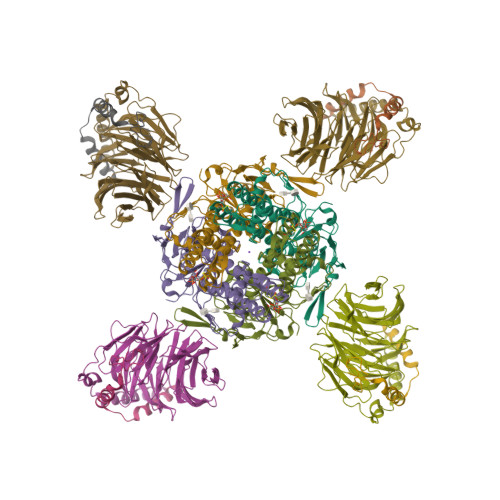
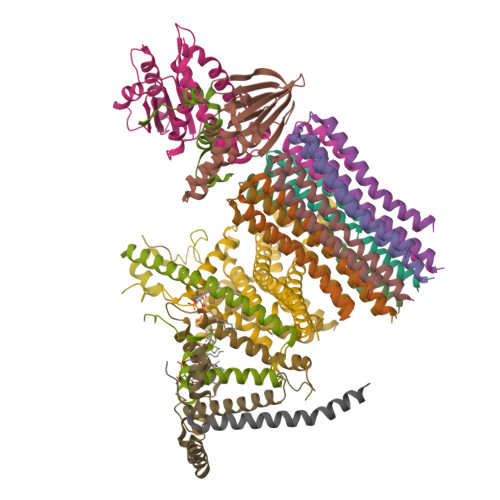
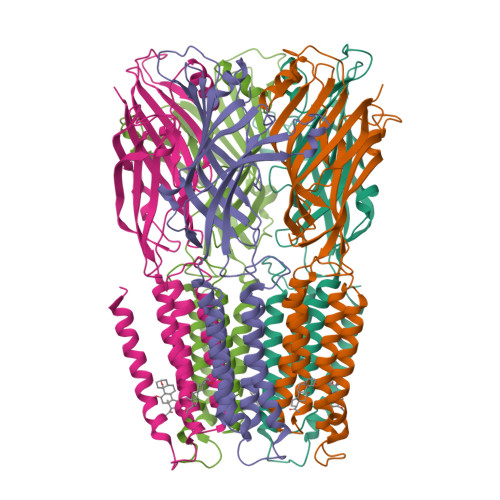
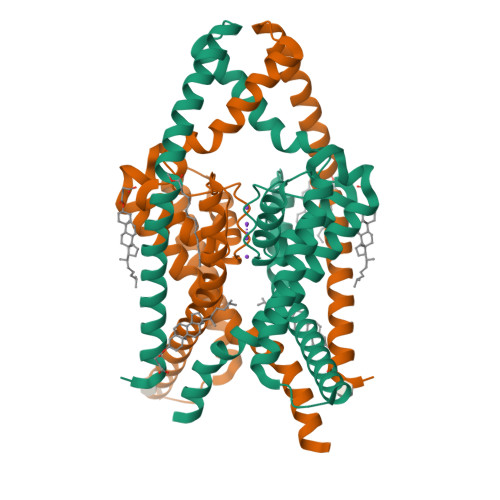
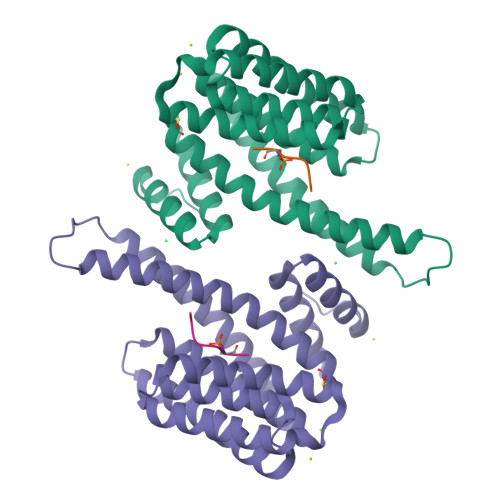
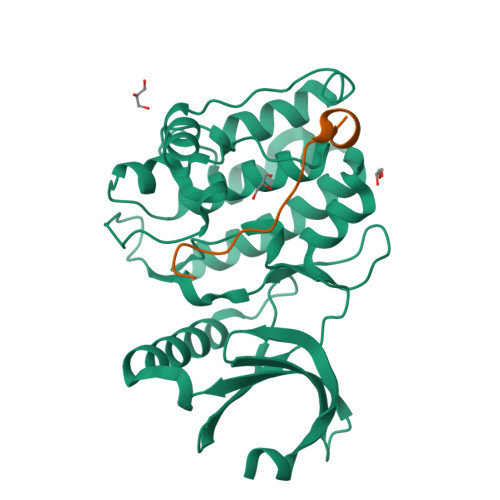
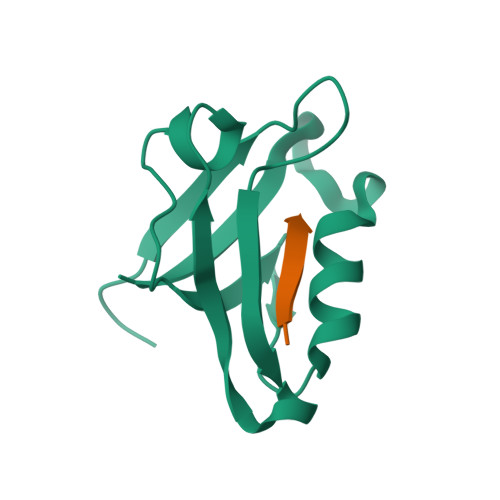
Halothane belongs to the organofluorides, a class of organohalogen compounds within the organic compounds. It is an exogenous liquid at room temperature with the formula C2HBrClF3 and an average molecular weight of 197.38 g/mol. The compound is used as an inhalation anaesthetic. Recorded sources of the compound include anesthetics in healthcare, pharmaceuticals, and veterinary products; food preservation, meat processing, and the preparation of wine or sparkling wine; household cleaning and consumer products such as soap detergents, perfumes within detergents and soaps, tobacco smoke filters, and non-electric simulated smoking devices; building and construction materials like roofs and sunshades; and various electrical and electronic equipment including antennas, electrodes, and electric switches. The respiratory route is a recorded exposure route, and inhalation is supported by literature (PMC4119740 ). Halothane is associated with health effects including hypotension (PMC7121951 ) and bradycardia (PMC7121951 ). It interacts with 38 recorded protein targets. It acts as an inhibitor or positive allosteric modulator of the glutamate receptor ionotropic NMDA 2A, NMDA 3A, and NMDA 3B, as well as the calcium-activated potassium channel subunit alpha-1 (KCNMA1). Other protein targets include glutamate receptor 1 (GRIA1), gamma-aminobutyric acid receptor subunit alpha-1 (GABRA1), glycine receptor subunit alpha-1 (GLRA1), and calcium-transporting ATPase type 2C member 1 (ATP2C1). Halothane binds to the GABA receptor, the glycine receptor, the glutamate receptor, and the large conductance Ca2+ activated potassium channel. Additionally, it binds to NADH dehydogenase and the D subunit of ATP synthase. It activates calcium dependent ATPase in the sarcoplasmic reticulum by increasing lipid membrane fluidity and reduces junctional conductance by increasing gap junction channel closing times and decreasing opening times.
Contaminant Type
  • Anesthetic
  • Anesthetic, Inhalation
  • Bromide Compound
  • Drug
  • General Anesthetic
  • Human Neurotoxin
  • Metabolite
  • Organic Compound
  • Organobromide
  • Organochloride
  • Organofluoride
  • Synthetic Compound
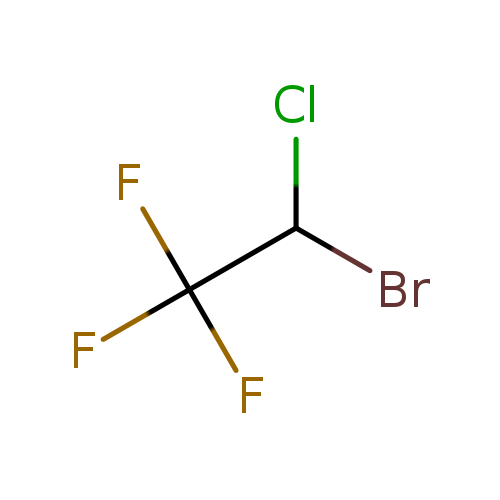
Chemical Structure
Synonyms
ValueSource
1,1,1-Trifluoro-2-bromo-2-chloroethaneChEBI
1,1,1-Trifluoro-2-chloro-2-bromoethaneChEBI
1-Bromo-1-chloro-2,2,2-trifluoroethaneChEBI
2,2,2-Trifluoro-1-chloro-1-bromoethaneChEBI
2-Bromo-2-chloro-1,1,1-trifluoroethaneChEBI
BromochlorotrifluoroethaneChEBI
FluothaneChEBI
NarcotaneChEBI
PhthorothanumChEBI
RhodialothanChEBI
AlotanoHMDB
BromchlortrifluoraethanumHMDB
CF3CHCLBRHMDB
FluorotaneHMDB
FluorothaneHMDB
Freon 123b1HMDB
FtorotanHMDB
FtuorotanHMDB
HalothanHMDB
Narcotann ne-spofaHMDB
NarcotanHMDB
Chemical FormulaC2HBrClF3
Average Molecular Mass197.382 g/mol
Monoisotopic Mass195.890 g/mol
CAS Registry Number151-67-7
IUPAC Name2-bromo-2-chloro-1,1,1-trifluoroethane
Traditional Namehalothane
SMILESFC(F)(F)C(Cl)Br
InChI IdentifierInChI=1S/C2HBrClF3/c3-1(4)2(5,6)7/h1H
InChI KeyBCQZXOMGPXTTIC-UHFFFAOYSA-N
Chemical Taxonomy
Description Belongs to the class of organic compounds known as organofluorides. Organofluorides are compounds containing a chemical bond between a carbon atom and a fluorine atom.
KingdomOrganic compounds
Super ClassOrganohalogen compounds
ClassOrganofluorides
Sub ClassNot Available
Direct ParentOrganofluorides
Alternative Parents
Substituents
  • Hydrocarbon derivative
  • Organofluoride
  • Organochloride
  • Organobromide
  • Alkyl halide
  • Alkyl fluoride
  • Alkyl chloride
  • Alkyl bromide
  • Aliphatic acyclic compound
Molecular FrameworkAliphatic acyclic compounds
External Descriptors
Biological Properties
StatusDetected and Not Quantified
OriginExogenous
Cellular Locations
  • Cytoplasm
  • Extracellular
  • Membrane
Biofluid LocationsNot Available
Tissue LocationsNot Available
Applications
Biological Roles
Chemical RolesNot Available
Organoleptic EffectsNot Available
Physical Properties
StateLiquid
AppearanceNot Available
Experimental Properties
PropertyValue
Melting Point50-50.5°C
Boiling Point50.2°C
Solubility4070 mg/L (at 25°C)
Predicted Properties
PropertyValueSource
Water Solubility3.81 g/LALOGPS
logP2.5ALOGPS
logP2.12ChemAxon
logS-1.7ALOGPS
Physiological Charge0ChemAxon
Hydrogen Acceptor Count0ChemAxon
Hydrogen Donor Count0ChemAxon
Polar Surface Area0 ŲChemAxon
Rotatable Bond Count1ChemAxon
Refractivity24.63 m³·mol⁻¹ChemAxon
Polarizability9.78 ųChemAxon
Number of Rings0ChemAxon
BioavailabilityYesChemAxon
Rule of FiveYesChemAxon
Ghose FilterNoChemAxon
Veber's RuleYesChemAxon
MDDR-like RuleNoChemAxon
Spectra
Spectra
Spectrum TypeDescriptionSplash KeyDeposition DateView
Predicted GC-MSPredicted GC-MS Spectrumsplash10-00mk-2900000000-b9380ce034e632d13402Not AvailableView Spectrum
Predicted GC-MSPredicted GC-MS SpectrumNot AvailableNot AvailableView Spectrum
Predicted LC-MS/MSPredicted LC-MS/MS Spectrumsplash10-0002-0900000000-22f95ee41cfa595e0b94Not AvailableView Spectrum
Predicted LC-MS/MSPredicted LC-MS/MS Spectrumsplash10-0002-0900000000-b33703eb3b6a5c2081b7Not AvailableView Spectrum
Predicted LC-MS/MSPredicted LC-MS/MS Spectrumsplash10-004i-0900000000-6147e552fc5d064b7171Not AvailableView Spectrum
Predicted LC-MS/MSPredicted LC-MS/MS Spectrumsplash10-0006-0900000000-d1429848e3c55176452cNot AvailableView Spectrum
Predicted LC-MS/MSPredicted LC-MS/MS Spectrumsplash10-0002-0900000000-576b4613dcb239b66cf4Not AvailableView Spectrum
Predicted LC-MS/MSPredicted LC-MS/MS Spectrumsplash10-004i-1900000000-3ab70f32bc1768fc8debNot AvailableView Spectrum
Predicted LC-MS/MSPredicted LC-MS/MS Spectrumsplash10-0006-0900000000-d1c062299d2fe297943dNot AvailableView Spectrum
MSMS Spectrumsplash10-014j-2900000000-e961932e23eafc2cc0a5Not AvailableView Spectrum
1D NMR1H NMR Spectrum (1D, D2O, predicted)Not AvailableNot AvailableView Spectrum
1D NMR13C NMR Spectrum (1D, D2O, predicted)Not AvailableNot AvailableView Spectrum
Toxicity Profile
Toxicity Values
Toxicity ValueOrganismDose DescriptorRoute of ExposurePredicted or ExperimentalToxicity RatingReference
2483.0 Log mg/kg [1400:4400]RatLD50oralpredictedNot AvailableNot Available
2000.0 mg/kg-day RatNOELoralexperimentalNot AvailableECOTOX - EPA ORD
Toxicity / Toxin ClassNot Available
Mechanism of ToxicityHalothane causes general anaethesia due to its actions on multiple ion channels, which ultimately depresses nerve conduction, breathing, cardiac contractility. Its immobilizing effects have been attributed to its binding to potassium channels in cholinergic neurons. Halothane's effect are also likely due to binding to NMDA and calcium channels, causing hyperpolarization. Halothane induces a reduction in junctional conductance by decreasing gap junction channel opening times and increasing gap junction channel closing times. Halothane also activates calcium dependent ATPase in the sarcoplasmic reticulum by increasing the fluidity of the lipid membrane. Also appears to bind the D subunit of ATP synthase and NADH dehydogenase. Halothane also binds to the GABA receptor, the large conductance Ca2+ activated potassium channel, the glutamate receptor and the glycine receptor.
Carcinogenicity (IARC Classification)No indication of carcinogenicity to humans (not listed by IARC).
Minimum Risk LevelNot Available
SymptomsAsymptomatic - mild liver damage, nausea, vomitting, abdominal pain, loss of appetite.
TreatmentIn the event of overdosage, or what may appear to be overdosage, drug administration should be stopped, and assisted or controlled ventilation with pure oxygen initiated. There is no specific antidote. Treatment should be aimed at maintaining respiratory function (by moving the patient to fresh air or inserting an emergency airway with respiratory support) and cardiovascular function. Cases of internal ingestion must be treated symptomatically. (4)
Health Effects
Health EffectRelationshipDirectionDescriptionReference
liver diseaseAssociated With?Not AvailableA disorder characterized by any variety of factors leading to damage to the liver.PMC2758170
hypotensionAssociated With?Not AvailableA disorder characterized by a blood pressure that is below the normal expected for an individual in a given environment. (NCI CTCAE)PMC7121951
bradycardiaAssociated With?Not AvailableNot AvailablePMC7121951
drug-induced hepatitisAssociated With?Not AvailableNot AvailablePMC2758170
AnesthesiaAssociated With?Not AvailableNot AvailablePMC12919125
hypotensive disorderAssociated With?Not AvailableNot AvailablePMC7121951
Anesthesia, GeneralAssociated With?Not AvailableNot AvailablePMC4342307
hypersensitivity reaction diseaseAssociated With?Not AvailableNot AvailablePMC5094896
Mallory bodiesAssociated With?Not AvailableNot AvailablePMC8901129
autoimmune hepatitisAssociated With?Not AvailableNot AvailablePMC3076021
Halothane hepatitisAssociated With?increaseNot AvailablePMC5947941
Exposure Sources
Source IDSourceSectorReference
CEDs000010Insecticides?Insecticides are synthetic chemicals designed to control or eliminate insect pests that threaten crops and other agricultural products.Agriculture & land managementPubChem
CEDs000233Brushes?Brushes used in personal care and cosmetics can be a source of synthetic chemical contamination due to the materials and coatings used in their manufacturing.Personal care & cosmeticsPubChem
CEDs000369Anesthetics?Anesthetics are synthetic chemicals used to induce loss of sensation or consciousness in patients undergoing medical procedures.Healthcare, pharmaceuticals & veterinary productsNot Available
CEDs000499Roofs?Roofs can be a significant source of synthetic chemical contamination due to the materials used in their construction and maintenance.Building & ConstructionPubChem
CEDs000501Sunshades Awnings Or Outside Screens?Sunshades, awnings, and outside screens are often constructed using synthetic materials such as polyvinyl chloride (PVC), polyester, or acrylic fabrics.Building & ConstructionPubChem
CEDs000502Sunshades Awnings Or Outside Screens?Sunshades, awnings, and outside screens are commonly used in construction to enhance energy efficiency and provide shade.Building & ConstructionPubChem
CEDs000506Antennas?Antennas, commonly used in communication technologies, can be a source of synthetic chemical contamination through the materials and coatings used in their construction.Electrical & Electronic EquipmentPubChem
CEDs000511Conductors Or Conductive Bodies Characterised By The Conductive Materials?Conductors, or conductive bodies, are materials that allow the flow of electrical current, typically made from metals such as copper, aluminum, or silver.Electrical & Electronic EquipmentPubChem
CEDs000517Electric Switches?Electric switches, integral components in numerous devices, can be a source of synthetic chemical contamination due to the materials and manufacturing processes involved in their production.Electrical & Electronic EquipmentPubChem
CEDs000518Electrically Stimulated Smoking Devices?Electrically stimulated smoking devices, commonly known as e-cigarettes or vape pens, utilize electrical components to heat a liquid solution, often containing nicotine, flavorings, and other additives, to produce an aerosol for inhalation.Electrical & Electronic EquipmentPubChem
CEDs000519Electrodes?Electrodes, used in various electrical and electronic applications, can be a source of synthetic chemical contamination due to the materials from which they are constructed and the processes involved in their manufacturing.Electrical & Electronic EquipmentPubChem
CEDs000524Hybrid Capacitors?Hybrid capacitors are energy storage devices that combine the properties of electrolytic and supercapacitors, utilizing a combination of electrochemical principles to achieve higher energy density and power density.Electrical & Electronic EquipmentPubChem
CEDs000529Power Cables?Power cables are used to transmit electrical energy and are typically composed of conductive materials, insulation, and protective coatings.Electrical & Electronic EquipmentPubChem
CEDs000530Radio Transmission Systems?Radio transmission systems utilize a variety of synthetic chemicals in their manufacturing and maintenance processes.Electrical & Electronic EquipmentPubChem
CEDs000539Video Games?Video games, through their production and disposal processes, can be a source of synthetic chemical contamination.Electrical & Electronic EquipmentPubChem
CEDs000545Food Preservation?Food preservation often involves the use of synthetic chemicals, such as preservatives, flavor enhancers, and color additives, to extend shelf life and enhance the sensory qualities of food products.Food, food processing & cookwarePubChem
CEDs000549Preparation Of Wine Or Sparkling Wine?The preparation of wine or sparkling wine involves various stages, including fermentation, aging, and bottling, which can introduce potential sources of synthetic chemical contamination.Food, food processing & cookwarePubChem
CEDs000552Processing Meats?Processing meats can lead to synthetic chemical contamination primarily through the use of additives and preservatives.Food, food processing & cookwarePubChem
CEDs000559Non Electric Simulated Smoking Devices?Non-electric simulated smoking devices, often designed to mimic the experience of smoking without combustion, can be sources of synthetic chemical contamination due to the materials and chemicals used in their construction and operation.Household cleaning & consumer productsPubChem
CEDs000561Perfumes Within Detergents And Soaps?Perfumes within detergents and soaps are synthetic fragrance compounds added to enhance the sensory experience of cleaning products.Household cleaning & consumer productsPubChem
CEDs000563Soap Detergents?Soap detergents are synthetic surfactants designed to enhance the cleaning efficacy of water by reducing surface tension, allowing for better interaction with dirt and grease.Household cleaning & consumer productsPubChem
CEDs000569Tobacco Smoke Filters?Tobacco smoke filters are designed to reduce the inhalation of harmful substances in cigarette smoke, including tar and other particulate matter.Household cleaning & consumer productsPubChem
CEDs000580Manufacture Preparation Of Tobacco Products?The manufacture and preparation of tobacco products involve various processes that can result in the introduction of synthetic chemicals into the environment.Industrial manufacturing & chemical processingPubChem
CEDs000592Marine Propulsion Or Steering?Marine propulsion and steering systems often rely on various synthetic chemicals, including lubricants, fuels, and hydraulic fluids.Marine, shipping & aquaculturePubChem
CEDs000596Acaricides?Acaricides are synthetic chemicals specifically designed to target and control mite populations that can damage crops and plants.Agriculture & land managementPubChem
CEDs000600Herbicides And Algicides?Herbicides and algicides are synthetic chemicals primarily used to control unwanted plants and algae in various environments.Agriculture & land managementPubChem
CEDs000602Molluscicides?Molluscicides are synthetic chemicals specifically designed to control and eliminate mollusks, such as snails and slugs, which can be detrimental to crops and agricultural productivity.Agriculture & land managementPubChem
CEDs000603Nematocides?Nematocides are synthetic chemicals specifically designed to control nematodes, which are microscopic roundworms that can cause significant damage to crops and plants.Agriculture & land managementPubChem
CEDs000605Pest Repellants?Pest repellents, often formulated from synthetic chemicals, are widely used to protect crops from insect infestations and other pests.Agriculture & land managementPubChem
CEDs000610Aftersun Products?Aftersun products are designed to soothe and hydrate the skin after sun exposure, often containing various synthetic chemicals such as emollients, preservatives, and fragrances.Personal care & cosmeticsPubChem
CEDs000611Anti Perspirants Or Body Deoderants?Antiperspirants and body deodorants commonly contain synthetic chemicals such as aluminum compounds, parabens, and synthetic fragrances.Personal care & cosmeticsPubChem
CEDs000612Body Washing Or Cleaning Implements?Body washing or cleaning implements, such as synthetic sponges, loofahs, and washcloths, can be sources of synthetic chemical contamination due to the materials used in their production.Personal care & cosmeticsPubChem
CEDs000614Essential Oils Or Perfumes?Essential oils and perfumes are complex mixtures of volatile compounds derived from natural or synthetic sources, commonly used for their aromatic properties.Personal care & cosmeticsPubChem
CEDs000615Eye Makeup Products?Eye makeup products, including mascaras, eyeliners, and eyeshadows, often contain a variety of synthetic chemicals such as pigments, preservatives, and film-forming agents.Personal care & cosmeticsPubChem
CEDs000618Lip Makeup Products?Lip makeup products, such as lipsticks, lip glosses, and lip liners, often contain a variety of synthetic chemicals, including pigments, preservatives, and emollients.Personal care & cosmeticsPubChem
CEDs000630Toys?Toys, particularly those made from synthetic materials such as plastics, can be a source of chemical contamination due to the presence of various additives and compounds used in their production.Recreation & sports surfacesPubChem
CEDs000632Apparel?Apparel production often involves the use of various synthetic chemicals, including dyes, finishing agents, and preservatives.Textiles, leather & furnishingsPubChem
CEDs000642Footwear?Footwear production often involves the use of various synthetic chemicals, such as adhesives, dyes, and treatments, which can contribute to environmental contamination.Textiles, leather & furnishingsPubChem
CEDs000643Headwear?Headwear made from synthetic materials often incorporates chemicals used in the manufacturing and finishing processes, such as dyes, flame retardants, and water repellents.Textiles, leather & furnishingsPubChem
CEDs000652Ropes?Ropes manufactured from synthetic fibers, such as polypropylene, nylon, and polyester, are widely used in various applications, including marine, construction, and outdoor activities.Textiles, leather & furnishingsPubChem
CEDs000653Sewing?Sewing processes often involve the use of various synthetic chemicals, which can become sources of contamination in the environment.Textiles, leather & furnishingsPubChem
CEDs000662Yarns Or Threads?Yarns or threads used in textiles can be a source of synthetic chemical contamination due to the production processes and treatments they undergo.Textiles, leather & furnishingsPubChem
CEDs000664Fire Fighting Gels?Fire fighting gels are synthetic chemical formulations designed to enhance fire suppression effectiveness by creating a protective barrier against heat and flames.Fire suppression systems & agentsPubChem
CEDs000665Fire Extinguishers?Fire extinguishers contain various synthetic chemicals designed to suppress flames and prevent the spread of fire.Fire suppression systems & agentsPubChem
CEDs000667Gaseous Fire Fighting?Gaseous fire fighting systems utilize synthetic chemicals, such as halocarbons and inert gases, to suppress fires through chemical and physical processes.Fire suppression systems & agentsPubChem
CEDs000669PFAS Fire Fighting Foam?PFAS fire fighting foam refers to a class of synthetic foams containing per- and polyfluoroalkyl substances (PFAS), which are designed to suppress flammable liquid fires.Fire suppression systems & agentsPubChem
CEDs000670Solid Fire Fighting Substances?Solid fire fighting substances, such as certain types of dry chemical powders, are used in fire suppression applications to extinguish flames and prevent fire spread.Fire suppression systems & agentsPubChem
CEDs000671Airplanes And Helicopters?Airplanes and helicopters are significant sources of synthetic chemical contamination primarily through the use of aviation fuels, lubricants, and de-icing agents.Aviation & AerospacePubChem
CEDs000679Phosphatic Fertilisers?Phosphatic fertilizers are synthetic chemical products primarily composed of phosphorus, which is essential for plant growth.Agriculture & land managementPubChem
CEDs000685Ceramics?Ceramics can be a source of synthetic chemical contamination through various additives and processing agents used in their production.Building & ConstructionPubChem
CEDs000688Glass Coatings?Glass coatings are synthetic chemical formulations applied to glass surfaces to enhance properties such as durability, UV resistance, and aesthetic appeal.Building & ConstructionPubChem
CEDs000693Silica Glass?Silica glass, primarily composed of silicon dioxide (SiO2), is widely used in various applications, including windows, glass facades, and insulation materials.Building & ConstructionPubChem
CEDs000696Nanotechnology?Nanotechnology involves the manipulation of materials at the molecular or atomic level, typically within the range of 1 to 100 nanometers.Industrial manufacturing & chemical processingPubChem
CEDs000698Jewellery?Jewellery production often involves the use of various synthetic chemicals during the extraction and processing of metals.Mining & metal processingPubChem
CEDs000699Mining Or Quarrying?Mining and quarrying operations can lead to synthetic chemical contamination through the release of various pollutants associated with the extraction and processing of minerals.Mining & metal processingPubChem
CEDs000719Ink Reservoir Pens?Ink reservoir pens are writing instruments that contain a reservoir filled with ink, often made from synthetic dyes and solvents.Paper, pulp & fiber productsPubChem
CEDs000727Printing Machines Or Presses?Printing machines or presses commonly utilize synthetic chemicals such as inks, solvents, and cleaning agents.Paper, pulp & fiber productsPubChem
CEDs000734Coating Compositions?Coating compositions, which include paints, sealants, and varnishes, are formulated with a variety of synthetic chemicals such as solvents, resins, pigments, and additives.Building & ConstructionPubChem
CEDs000735Explosives?Explosives are chemical compounds or mixtures designed to undergo rapid decomposition, releasing energy in the form of gas and heat.Defense & military infrastructurePubChem
CEDs000739Inks?Inks are complex mixtures composed of pigments or dyes, solvents, resins, and additives used primarily for printing and writing applications.Paper, pulp & fiber productsPubChem
CEDs000740Paper?Paper production involves the processing of wood fibers and the use of various chemicals, which can lead to synthetic chemical contamination.Paper, pulp & fiber productsPubChem
CEDs000744Water, Wastewater, & Sewage Treatment?Water, wastewater, and sewage treatment processes are critical for managing and mitigating pollutants in water systems.Wastewater, sanitation & biosolidsPubChem
Pathways
3 pathwaysPathway Source: PathBank
Targets
StructureProteinUniProt IDOrganismRelationshipDetails
Click to view 3D structureFatty-acid amide hydrolase 1O08914Mus musculusPredicted (SEA)
Prediction Confidence Score
0.116
Applicability Domain
0.14 Low confidence
Statistical Significance
0.9578
Supporting Reference Compounds
46
E-value
7456.24
Carbonic anhydrase 2 structureClick to view 3D structureCarbonic anhydrase 2P00918HumansPredicted (SEA)
Prediction Confidence Score
0.114
Applicability Domain
0.158 Low confidence
Statistical Significance
0.9994
Supporting Reference Compounds
472
E-value
7780.17
Carbonic anhydrase 1 structureClick to view 3D structureCarbonic anhydrase 1P00915HumansPredicted (SEA)
Prediction Confidence Score
0.113
Applicability Domain
0.158 Low confidence
Statistical Significance
0.9993
Supporting Reference Compounds
407
E-value
7779.16
Monoglyceride lipase structureClick to view 3D structureMonoglyceride lipaseQ99685HumansPredicted (SEA)
Prediction Confidence Score
0.113
Applicability Domain
0.14 Low confidence
Statistical Significance
0.9906
Supporting Reference Compounds
76
E-value
7711.43
Monoacylglycerol lipase ABHD6 structureClick to view 3D structureMonoacylglycerol lipase ABHD6Q9BV23HumansPredicted (SEA)
Prediction Confidence Score
0.113
Applicability Domain
0.14 Low confidence
Statistical Significance
0.9554
Supporting Reference Compounds
25
E-value
7438.1
Platelet-activating factor acetylhydrolase structureClick to view 3D structurePlatelet-activating factor acetylhydrolaseQ13093HumansPredicted (SEA)
Prediction Confidence Score
0.106
Applicability Domain
0.14 Low confidence
Statistical Significance
0.8695
Supporting Reference Compounds
10
E-value
6768.91
Click to view 3D structureMonoglyceride lipaseO35678Mus musculusPredicted (SEA)
Prediction Confidence Score
0.104
Applicability Domain
0.14 Low confidence
Statistical Significance
0.9784
Supporting Reference Compounds
34
E-value
7616.61
Click to view 3D structureACCaseH9BT73Alopecurus japonicusPredicted (SEA)
Prediction Confidence Score
0.102
Applicability Domain
0.102 Low confidence
Statistical Significance
0.7377
Supporting Reference Compounds
1
E-value
5743.25
Click to view 3D structureFatty-acid amide hydrolase 1O00519HumansPredicted (SEA)
Prediction Confidence Score
0.101
Applicability Domain
0.122 Low confidence
Statistical Significance
0.9986
Supporting Reference Compounds
106
E-value
7773.87
Click to view 3D structureCarbonic anhydrase 5A, mitochondrialP35218HumansPredicted (SEA)
Prediction Confidence Score
0.101
Applicability Domain
0.133 Low confidence
Statistical Significance
0.9992
Supporting Reference Compounds
165
E-value
7778.38
Click to view 3D structureCocaine esteraseO00748HumansPredicted (SEA)
Prediction Confidence Score
0.1
Applicability Domain
0.116 Low confidence
Statistical Significance
0.9822
Supporting Reference Compounds
40
E-value
7646.04
Voltage-gated inwardly rectifying potassium channel KCNH2 structureClick to view 3D structureVoltage-gated inwardly rectifying potassium channel KCNH2Q12809HumansPredicted (SEA)
Prediction Confidence Score
0.1
Applicability Domain
0.114 Low confidence
Statistical Significance
0.9999
Supporting Reference Compounds
1498
E-value
7783.99
Carbonic anhydrase 9 structureClick to view 3D structureCarbonic anhydrase 9Q16790HumansPredicted (SEA)
Prediction Confidence Score
0.1
Applicability Domain
0.133 Low confidence
Statistical Significance
0.9998
Supporting Reference Compounds
372
E-value
7783.52
Phosphoglycerate kinase structureClick to view 3D structurePhosphoglycerate kinaseP00560Saccharomyces cerevisiae S288cPredicted (SEA)
Prediction Confidence Score
0.1
Applicability Domain
0.1 Low confidence
Statistical Significance
0.0431
Supporting Reference Compounds
1
E-value
335.686
Click to view 3D structureVoltage-gated potassium channel KCNC1P25122Rattus norvegicusPredicted (SEA)
Prediction Confidence Score
0.1
Applicability Domain
0.1 Low confidence
Statistical Significance
0.366
Supporting Reference Compounds
1
E-value
2849.59
Procathepsin L structureClick to view 3D structureProcathepsin LP07711HumansPredicted (SEA)
Prediction Confidence Score
0.099
Applicability Domain
0.109 Low confidence
Statistical Significance
0.9992
Supporting Reference Compounds
167
E-value
7778.85
Cathepsin S structureClick to view 3D structureCathepsin SP25774HumansPredicted (SEA)
Prediction Confidence Score
0.099
Applicability Domain
0.109 Low confidence
Statistical Significance
0.9991
Supporting Reference Compounds
141
E-value
7777.76
Cathepsin B structureClick to view 3D structureCathepsin BP07858HumansPredicted (SEA)
Prediction Confidence Score
0.099
Applicability Domain
0.109 Low confidence
Statistical Significance
0.9992
Supporting Reference Compounds
173
E-value
7778.69
Cathepsin K structureClick to view 3D structureCathepsin KP43235HumansPredicted (SEA)
Prediction Confidence Score
0.099
Applicability Domain
0.109 Low confidence
Statistical Significance
0.9989
Supporting Reference Compounds
129
E-value
7776.75
Carbonic anhydrase 7 structureClick to view 3D structureCarbonic anhydrase 7P43166HumansPredicted (SEA)
Prediction Confidence Score
0.099
Applicability Domain
0.158 Low confidence
Statistical Significance
0.9996
Supporting Reference Compounds
242
E-value
7781.57
Cytochrome P450 2C9 structureClick to view 3D structureCytochrome P450 2C9P11712HumansPredicted (SEA)
Prediction Confidence Score
0.098
Applicability Domain
0.102 Low confidence
Statistical Significance
0.9999
Supporting Reference Compounds
1245
E-value
7783.91
5-hydroxytryptamine receptor 6 structureClick to view 3D structure5-hydroxytryptamine receptor 6P50406HumansPredicted (SEA)
Prediction Confidence Score
0.097
Applicability Domain
0.116 Low confidence
Statistical Significance
0.9997
Supporting Reference Compounds
536
E-value
7782.74
Click to view 3D structureCholesteryl ester transfer proteinP22687Oryctolagus cuniculusPredicted (SEA)
Prediction Confidence Score
0.097
Applicability Domain
0.1 Low confidence
Statistical Significance
0.5355
Supporting Reference Compounds
2
E-value
4168.67
Juvenile hormone esterase structureClick to view 3D structureJuvenile hormone esteraseQ9GPG0Manduca sextaPredicted (SEA)
Prediction Confidence Score
0.096
Applicability Domain
0.103 Low confidence
Statistical Significance
0.1324
Supporting Reference Compounds
2
E-value
1030.65
Liver carboxylesterase 1 structureClick to view 3D structureLiver carboxylesterase 1P23141HumansPredicted (SEA)
Prediction Confidence Score
0.095
Applicability Domain
0.103 Low confidence
Statistical Significance
0.9886
Supporting Reference Compounds
55
E-value
7696.33
Albumin structureClick to view 3D structureAlbuminP02768HumansKnownNot Available
Cytochrome P450 2E1 structureClick to view 3D structureCytochrome P450 2E1P05181HumansKnownNot Available
Albumin structureClick to view 3D structureAlbuminP02768HumansKnownHalothane induces a reduction in junctional conductance by decreasing gap junction channel opening times and increasing gap junction channel closing times. Halothane also activates calcium dependent ATPase in the sarcoplasmic reticulum by increasing the fluidity of the lipid membrane. Also appears to bind the D subunit of ATP synthase and NADH dehydogenase. Halothane also binds to the GABA receptor, the large conductance Ca2+ activated potassium channel, the glutamate receptor and the glycine receptor.
Guanine nucleotide-binding protein G(I)/G(S)/G(O) subunit gamma-2 structureClick to view 3D structureGuanine nucleotide-binding protein G(I)/G(S)/G(O) subunit gamma-2P59768HumansKnownHalothane induces a reduction in junctional conductance by decreasing gap junction channel opening times and increasing gap junction channel closing times. Halothane also activates calcium dependent ATPase in the sarcoplasmic reticulum by increasing the fluidity of the lipid membrane. Also appears to bind the D subunit of ATP synthase and NADH dehydogenase. Halothane also binds to the GABA receptor, the large conductance Ca2+ activated potassium channel, the glutamate receptor and the glycine receptor.
Click to view 3D structureG protein-activated inward rectifier potassium channel 1P48549HumansKnownHalothane induces a reduction in junctional conductance by decreasing gap junction channel opening times and increasing gap junction channel closing times. Halothane also activates calcium dependent ATPase in the sarcoplasmic reticulum by increasing the fluidity of the lipid membrane. Also appears to bind the D subunit of ATP synthase and NADH dehydogenase. Halothane also binds to the GABA receptor, the large conductance Ca2+ activated potassium channel, the glutamate receptor and the glycine receptor.
Click to view 3D structureNeuropeptide S receptorQ6W5P4HumansKnownHalothane induces a reduction in junctional conductance by decreasing gap junction channel opening times and increasing gap junction channel closing times. Halothane also activates calcium dependent ATPase in the sarcoplasmic reticulum by increasing the fluidity of the lipid membrane. Also appears to bind the D subunit of ATP synthase and NADH dehydogenase. Halothane also binds to the GABA receptor, the large conductance Ca2+ activated potassium channel, the glutamate receptor and the glycine receptor.
ATP synthase F(1) complex subunit delta, mitochondrial structureClick to view 3D structureATP synthase F(1) complex subunit delta, mitochondrialP30049HumansKnownHalothane induces a reduction in junctional conductance by decreasing gap junction channel opening times and increasing gap junction channel closing times. Halothane also activates calcium dependent ATPase in the sarcoplasmic reticulum by increasing the fluidity of the lipid membrane. Also appears to bind the D subunit of ATP synthase and NADH dehydogenase. Halothane also binds to the GABA receptor, the large conductance Ca2+ activated potassium channel, the glutamate receptor and the glycine receptor.
Calcium-activated potassium channel subunit alpha-1 structureClick to view 3D structureCalcium-activated potassium channel subunit alpha-1Q12791HumansKnownNot Available
Calcium-transporting ATPase type 2C member 1 structureClick to view 3D structureCalcium-transporting ATPase type 2C member 1P98194HumansKnownHalothane induces a reduction in junctional conductance by decreasing gap junction channel opening times and increasing gap junction channel closing times. Halothane also activates calcium dependent ATPase in the sarcoplasmic reticulum by increasing the fluidity of the lipid membrane. Also appears to bind the D subunit of ATP synthase and NADH dehydogenase. Halothane also binds to the GABA receptor, the large conductance Ca2+ activated potassium channel, the glutamate receptor and the glycine receptor.
Click to view 3D structureG protein-activated inward rectifier potassium channel 2P48051HumansKnownHalothane induces a reduction in junctional conductance by decreasing gap junction channel opening times and increasing gap junction channel closing times. Halothane also activates calcium dependent ATPase in the sarcoplasmic reticulum by increasing the fluidity of the lipid membrane. Also appears to bind the D subunit of ATP synthase and NADH dehydogenase. Halothane also binds to the GABA receptor, the large conductance Ca2+ activated potassium channel, the glutamate receptor and the glycine receptor.
Gamma-aminobutyric acid receptor subunit alpha-1 structureClick to view 3D structureGamma-aminobutyric acid receptor subunit alpha-1P14867HumansKnownHalothane induces a reduction in junctional conductance by decreasing gap junction channel opening times and increasing gap junction channel closing times. Halothane also activates calcium dependent ATPase in the sarcoplasmic reticulum by increasing the fluidity of the lipid membrane. Also appears to bind the D subunit of ATP synthase and NADH dehydogenase. Halothane also binds to the GABA receptor, the large conductance Ca2+ activated potassium channel, the glutamate receptor and the glycine receptor.
Glycine receptor subunit alpha-1 structureClick to view 3D structureGlycine receptor subunit alpha-1P23415HumansKnownHalothane induces a reduction in junctional conductance by decreasing gap junction channel opening times and increasing gap junction channel closing times. Halothane also activates calcium dependent ATPase in the sarcoplasmic reticulum by increasing the fluidity of the lipid membrane. Also appears to bind the D subunit of ATP synthase and NADH dehydogenase. Halothane also binds to the GABA receptor, the large conductance Ca2+ activated potassium channel, the glutamate receptor and the glycine receptor.
Intermediate conductance calcium-activated potassium channel protein 4 structureClick to view 3D structureIntermediate conductance calcium-activated potassium channel protein 4O15554HumansKnownHalothane induces a reduction in junctional conductance by decreasing gap junction channel opening times and increasing gap junction channel closing times. Halothane also activates calcium dependent ATPase in the sarcoplasmic reticulum by increasing the fluidity of the lipid membrane. Also appears to bind the D subunit of ATP synthase and NADH dehydogenase. Halothane also binds to the GABA receptor, the large conductance Ca2+ activated potassium channel, the glutamate receptor and the glycine receptor.
NADH-ubiquinone oxidoreductase chain 1 structureClick to view 3D structureNADH-ubiquinone oxidoreductase chain 1P03886HumansKnownHalothane induces a reduction in junctional conductance by decreasing gap junction channel opening times and increasing gap junction channel closing times. Halothane also activates calcium dependent ATPase in the sarcoplasmic reticulum by increasing the fluidity of the lipid membrane. Also appears to bind the D subunit of ATP synthase and NADH dehydogenase. Halothane also binds to the GABA receptor, the large conductance Ca2+ activated potassium channel, the glutamate receptor and the glycine receptor.
Potassium channel subfamily K member 3 structureClick to view 3D structurePotassium channel subfamily K member 3O14649HumansKnownNot Available
Potassium channel subfamily K member 9 structureClick to view 3D structurePotassium channel subfamily K member 9Q9NPC2HumansKnownNot Available
Rhodopsin structureClick to view 3D structureRhodopsinP08100HumansKnownHalothane induces a reduction in junctional conductance by decreasing gap junction channel opening times and increasing gap junction channel closing times. Halothane also activates calcium dependent ATPase in the sarcoplasmic reticulum by increasing the fluidity of the lipid membrane. Also appears to bind the D subunit of ATP synthase and NADH dehydogenase. Halothane also binds to the GABA receptor, the large conductance Ca2+ activated potassium channel, the glutamate receptor and the glycine receptor.
Glutamate receptor 1 structureClick to view 3D structureGlutamate receptor 1P42261HumansKnownHalothane induces a reduction in junctional conductance by decreasing gap junction channel opening times and increasing gap junction channel closing times. Halothane also activates calcium dependent ATPase in the sarcoplasmic reticulum by increasing the fluidity of the lipid membrane. Also appears to bind the D subunit of ATP synthase and NADH dehydogenase. Halothane also binds to the GABA receptor, the large conductance Ca2+ activated potassium channel, the glutamate receptor and the glycine receptor.
Glutamate receptor ionotropic, NMDA 2A structureClick to view 3D structureGlutamate receptor ionotropic, NMDA 2AQ12879HumansKnownNot Available
Glutamate receptor ionotropic, NMDA 3A structureClick to view 3D structureGlutamate receptor ionotropic, NMDA 3AQ8TCU5HumansKnownNot Available
Click to view 3D structureGlutamate receptor ionotropic, NMDA 3BO60391HumansKnownNot Available
Concentrations
Not Available
External Links
DrugBank IDDB01159
HMDB IDHMDB0015290
FooDB IDNot Available
Phenol Explorer IDNot Available
KNApSAcK IDNot Available
BiGG IDNot Available
BioCyc IDNot Available
METLIN IDNot Available
PDB IDNot Available
Wikipedia LinkHalothane
Chemspider ID3441
ChEBI ID5615
PubChem Compound ID3562
Kegg Compound IDC07515
YMDB IDNot Available
ECMDB IDNot Available
References
Synthesis Reference

U.S. Patents 2,849,502, 2,921,098, 2,959,624, 3,082,263.

MSDSLink
General References
  1. Ogata J, Minami K, Uezono Y, Okamoto T, Shiraishi M, Shigematsu A, Ueta Y: The inhibitory effects of tramadol on 5-hydroxytryptamine type 2C receptors expressed in Xenopus oocytes. Anesth Analg. 2004 May;98(5):1401-6, table of contents. [PubMed: 15105221]
  2. Bovill JG: Inhalation anaesthesia: from diethyl ether to xenon. Handb Exp Pharmacol. 2008;(182):121-42. doi: 10.1007/978-3-540-74806-9_6. [PubMed: 18175089]
  3. Drugs.com - http://www.drugs.com/cons/Halothane.html
  4. RxList: The Internet Drug Index (2009). - http://www.rxlist.com/
  5. AMA Drug Evaluations Annual, 1994, p178