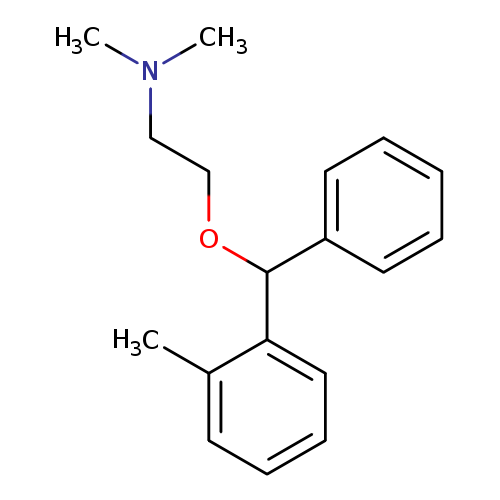
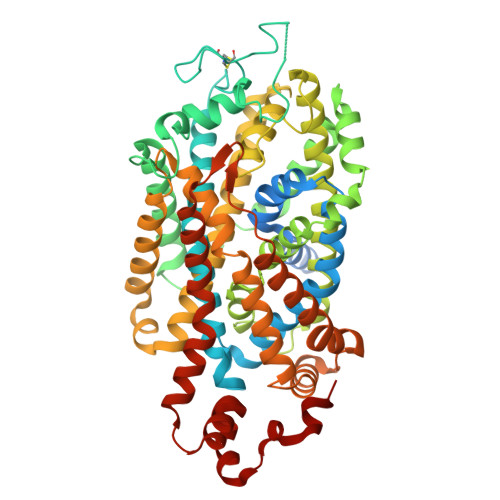
 Click to view 3D structure Click to view 3D structure | Sodium-dependent noradrenaline transporter | P23975 | Humans | Predicted (SEA) | - Prediction Confidence Score
- 0.556
- Applicability Domain
- 1.0
- Statistical Significance
- 5.10e-04
- Supporting Reference Compounds
- 451
- E-value
- 3.97031
|
 Click to view 3D structure Click to view 3D structure | 5-hydroxytryptamine receptor 2C | P28335 | Humans | Predicted (SEA) | - Prediction Confidence Score
- 0.55
- Applicability Domain
- 1.0
- Statistical Significance
- 0.0018
- Supporting Reference Compounds
- 823
- E-value
- 14.1686
|
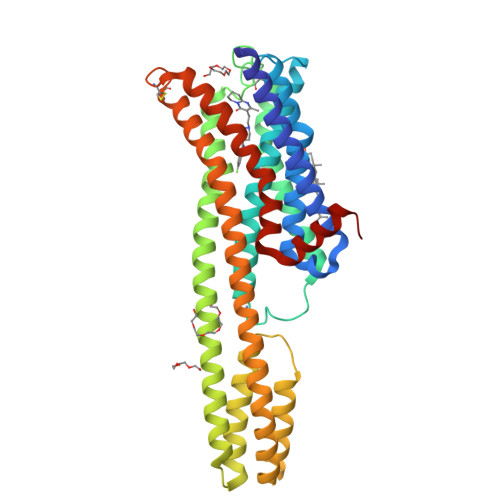 Click to view 3D structure Click to view 3D structure | 5-hydroxytryptamine receptor 2A | P28223 | Humans | Predicted (SEA) | - Prediction Confidence Score
- 0.549
- Applicability Domain
- 1.0
- Statistical Significance
- 0.0025
- Supporting Reference Compounds
- 955
- E-value
- 19.4623
|
 Click to view 3D structure Click to view 3D structure | Muscarinic acetylcholine receptor M1 | P11229 | Humans | Predicted (SEA) | - Prediction Confidence Score
- 0.549
- Applicability Domain
- 1.0
- Statistical Significance
- 5.80e-04
- Supporting Reference Compounds
- 385
- E-value
- 4.51525
|
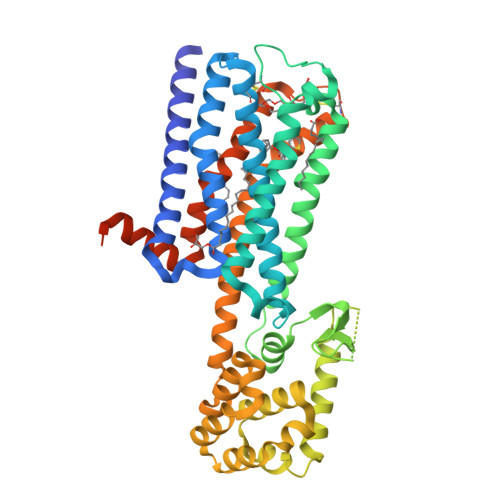 Click to view 3D structure Click to view 3D structure | Muscarinic acetylcholine receptor M5 | P08912 | Humans | Predicted (SEA) | - Prediction Confidence Score
- 0.549
- Applicability Domain
- 1.0
- Statistical Significance
- 2.50e-04
- Supporting Reference Compounds
- 266
- E-value
- 1.94623
|
 Click to view 3D structure Click to view 3D structure | Muscarinic acetylcholine receptor M2 | P08172 | Humans | Predicted (SEA) | - Prediction Confidence Score
- 0.549
- Applicability Domain
- 1.0
- Statistical Significance
- 3.00e-04
- Supporting Reference Compounds
- 373
- E-value
- 2.33548
|
 Click to view 3D structure Click to view 3D structure | Muscarinic acetylcholine receptor M3 | P20309 | Humans | Predicted (SEA) | - Prediction Confidence Score
- 0.549
- Applicability Domain
- 1.0
- Statistical Significance
- 4.80e-04
- Supporting Reference Compounds
- 310
- E-value
- 3.73676
|
 Click to view 3D structure Click to view 3D structure | Muscarinic acetylcholine receptor M4 | P08173 | Humans | Predicted (SEA) | - Prediction Confidence Score
- 0.549
- Applicability Domain
- 1.0
- Statistical Significance
- 3.70e-04
- Supporting Reference Compounds
- 297
- E-value
- 2.88042
|
 Click to view 3D structure Click to view 3D structure | 5-hydroxytryptamine receptor 2B | P41595 | Humans | Predicted (SEA) | - Prediction Confidence Score
- 0.545
- Applicability Domain
- 1.0
- Statistical Significance
- 0.0011
- Supporting Reference Compounds
- 686
- E-value
- 8.71911
|
 Click to view 3D structure Click to view 3D structure | Histamine H1 receptor | P35367 | Humans | Predicted (SEA) | - Prediction Confidence Score
- 0.544
- Applicability Domain
- 1.0
- Statistical Significance
- 0.0012
- Supporting Reference Compounds
- 507
- E-value
- 9.41976
|
 Click to view 3D structure Click to view 3D structure | Voltage-gated inwardly rectifying potassium channel KCNH2 | Q12809 | Humans | Predicted (SEA) | - Prediction Confidence Score
- 0.527
- Applicability Domain
- 1.0
- Statistical Significance
- 0.0041
- Supporting Reference Compounds
- 1498
- E-value
- 31.6068
|
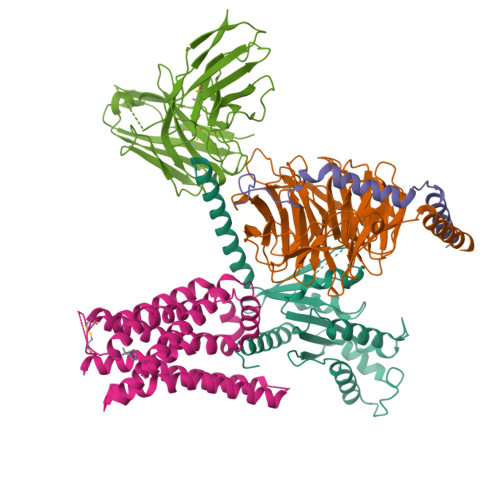 Click to view 3D structure Click to view 3D structure | Alpha-2B adrenergic receptor | P18089 | Humans | Predicted (SEA) | - Prediction Confidence Score
- 0.457
- Applicability Domain
- 1.0
- Statistical Significance
- 0.0016
- Supporting Reference Compounds
- 340
- E-value
- 12.6894
|
 Click to view 3D structure Click to view 3D structure | Alpha-2A adrenergic receptor | P08913 | Humans | Predicted (SEA) | - Prediction Confidence Score
- 0.457
- Applicability Domain
- 1.0
- Statistical Significance
- 0.0024
- Supporting Reference Compounds
- 487
- E-value
- 18.9952
|
 Click to view 3D structure Click to view 3D structure | Sodium-dependent serotonin transporter | P31645 | Humans | Predicted (SEA) | - Prediction Confidence Score
- 0.449
- Applicability Domain
- 1.0
- Statistical Significance
- 0.0051
- Supporting Reference Compounds
- 593
- E-value
- 39.5474
|
 Click to view 3D structure Click to view 3D structure | Cytochrome P450 2D6 | P10635 | Humans | Predicted (SEA) | - Prediction Confidence Score
- 0.444
- Applicability Domain
- 1.0
- Statistical Significance
- 0.0068
- Supporting Reference Compounds
- 1130
- E-value
- 52.7818
|
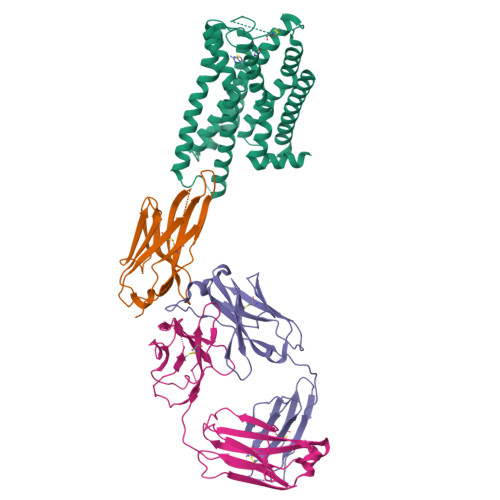 Click to view 3D structure Click to view 3D structure | Histamine H2 receptor | P25021 | Humans | Predicted (SEA) | - Prediction Confidence Score
- 0.426
- Applicability Domain
- 1.0
- Statistical Significance
- 0.0016
- Supporting Reference Compounds
- 256
- E-value
- 12.6116
|
 Click to view 3D structure Click to view 3D structure | 5-hydroxytryptamine receptor 6 | P50406 | Humans | Predicted (SEA) | - Prediction Confidence Score
- 0.425
- Applicability Domain
- 1.0
- Statistical Significance
- 0.0061
- Supporting Reference Compounds
- 536
- E-value
- 47.3323
|
 Click to view 3D structure Click to view 3D structure | Histamine H1 receptor | P31390 | Rattus norvegicus | Predicted (SEA) | - Prediction Confidence Score
- 0.417
- Applicability Domain
- 1.0
- Statistical Significance
- 7.00e-04
- Supporting Reference Compounds
- 63
- E-value
- 5.44945
|
| Click to view 3D structure | Histamine H1 receptor | P31389 | Cavia porcellus | Predicted (SEA) | - Prediction Confidence Score
- 0.353
- Applicability Domain
- 0.727
- Statistical Significance
- 0.0052
- Supporting Reference Compounds
- 101
- E-value
- 40.1702
|
 Click to view 3D structure Click to view 3D structure | Solute carrier family 22 member 2 | O15244 | Humans | Predicted (SEA) | - Prediction Confidence Score
- 0.349
- Applicability Domain
- 1.0
- Statistical Significance
- 5.00e-05
- Supporting Reference Compounds
- 32
- E-value
- 0.389246
|
 Click to view 3D structure Click to view 3D structure | Sigma non-opioid intracellular receptor 1 | Q99720 | Humans | Predicted (SEA) | - Prediction Confidence Score
- 0.349
- Applicability Domain
- 0.414
- Statistical Significance
- 0.0265
- Supporting Reference Compounds
- 562
- E-value
- 206.378
|
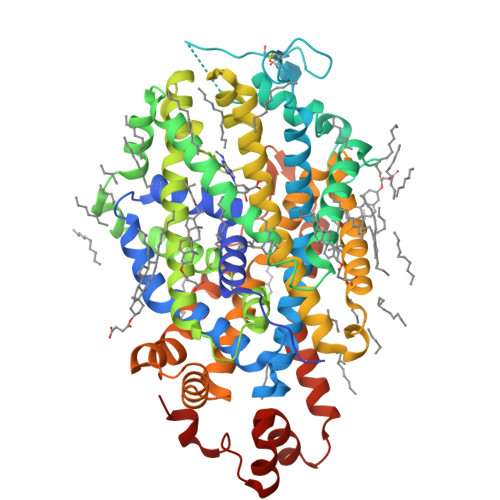 Click to view 3D structure Click to view 3D structure | Sodium-dependent dopamine transporter | Q01959 | Humans | Predicted (SEA) | - Prediction Confidence Score
- 0.33
- Applicability Domain
- 0.414
- Statistical Significance
- 0.0205
- Supporting Reference Compounds
- 506
- E-value
- 159.98
|
| Click to view 3D structure | Sodium-dependent serotonin transporter | P31652 | Rattus norvegicus | Predicted (SEA) | - Prediction Confidence Score
- 0.324
- Applicability Domain
- 0.39
- Statistical Significance
- 0.0195
- Supporting Reference Compounds
- 297
- E-value
- 151.65
|
| Click to view 3D structure | Sodium-dependent dopamine transporter | P23977 | Rattus norvegicus | Predicted (SEA) | - Prediction Confidence Score
- 0.321
- Applicability Domain
- 0.39
- Statistical Significance
- 0.0127
- Supporting Reference Compounds
- 203
- E-value
- 99.1799
|
| Click to view 3D structure | Alpha-1D adrenergic receptor | P25100 | Humans | Predicted (SEA) | - Prediction Confidence Score
- 0.298
- Applicability Domain
- 0.414
- Statistical Significance
- 0.0256
- Supporting Reference Compounds
- 258
- E-value
- 199.605
|
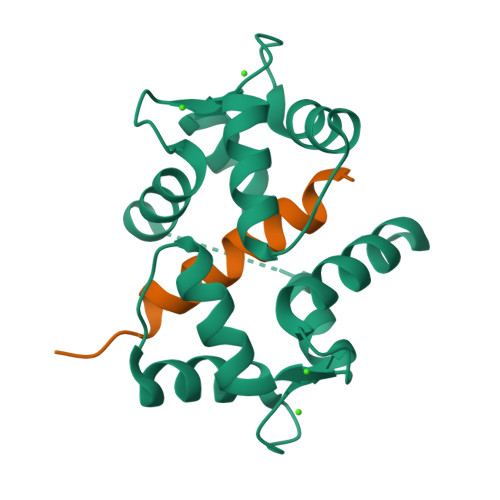
| Click to view 3D structure | Cytochrome P450 | Q14097 | Humans | Known | Orphenadrine binds to both histamine H1 receptors and NMDA receptors. It restores the motor disturbances induced by neuroleptics, in particular the hyperkinesia. The dopamine deficiency in the striatum increases the stimulating effects of the cholinergic system. This stimulation is counteracted by the anticholinergic effect of orphenadrine. It may have a relaxing effect on skeletal muscle spasms and it has a mood elevating effect. |
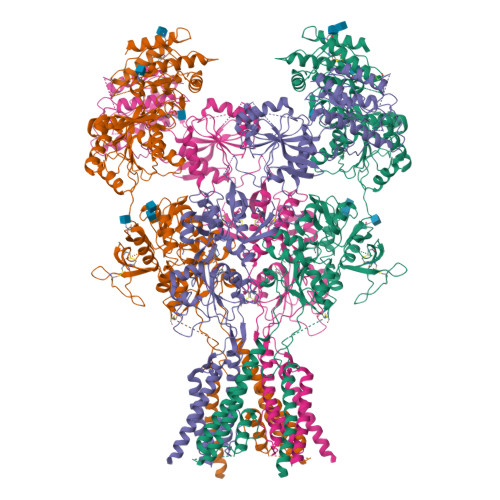
 Click to view 3D structure Click to view 3D structure | Glutamate receptor ionotropic, NMDA 1 | Q05586 | Humans | Known | Orphenadrine binds to both histamine H1 receptors and NMDA receptors. It restores the motor disturbances induced by neuroleptics, in particular the hyperkinesia. The dopamine deficiency in the striatum increases the stimulating effects of the cholinergic system. This stimulation is counteracted by the anticholinergic effect of orphenadrine. It may have a relaxing effect on skeletal muscle spasms and it has a mood elevating effect. |
 Click to view 3D structure Click to view 3D structure | Glutamate receptor ionotropic, NMDA 2D | O15399 | Humans | Known | Orphenadrine binds to both histamine H1 receptors and NMDA receptors. It restores the motor disturbances induced by neuroleptics, in particular the hyperkinesia. The dopamine deficiency in the striatum increases the stimulating effects of the cholinergic system. This stimulation is counteracted by the anticholinergic effect of orphenadrine. It may have a relaxing effect on skeletal muscle spasms and it has a mood elevating effect. |
 Click to view 3D structure Click to view 3D structure | Glutamate receptor ionotropic, NMDA 3A | Q8TCU5 | Humans | Known | Orphenadrine binds to both histamine H1 receptors and NMDA receptors. It restores the motor disturbances induced by neuroleptics, in particular the hyperkinesia. The dopamine deficiency in the striatum increases the stimulating effects of the cholinergic system. This stimulation is counteracted by the anticholinergic effect of orphenadrine. It may have a relaxing effect on skeletal muscle spasms and it has a mood elevating effect. |
| Click to view 3D structure | Glutamate receptor ionotropic, NMDA 3B | O60391 | Humans | Known | Orphenadrine binds to both histamine H1 receptors and NMDA receptors. It restores the motor disturbances induced by neuroleptics, in particular the hyperkinesia. The dopamine deficiency in the striatum increases the stimulating effects of the cholinergic system. This stimulation is counteracted by the anticholinergic effect of orphenadrine. It may have a relaxing effect on skeletal muscle spasms and it has a mood elevating effect. |
| Click to view 3D structure | Histamine H1 receptor | P35367 | Humans | Known | Orphenadrine binds to both histamine H1 receptors and NMDA receptors. It restores the motor disturbances induced by neuroleptics, in particular the hyperkinesia. The dopamine deficiency in the striatum increases the stimulating effects of the cholinergic system. This stimulation is counteracted by the anticholinergic effect of orphenadrine. It may have a relaxing effect on skeletal muscle spasms and it has a mood elevating effect. |
 Click to view 3D structure Click to view 3D structure | Solute carrier family 22 member 1 | O15245 | Humans | Known | Not Available |
| Click to view 3D structure | Multidrug and toxin extrusion protein 1 | Q96FL8 | Humans | Known | Not Available |
| Click to view 3D structure | Multidrug and toxin extrusion protein 2 | Q86VL8 | Humans | Known | Not Available |
| Click to view 3D structure | Muscarinic acetylcholine receptor M1 | P11229 | Humans | Known | Not Available |
| Click to view 3D structure | Muscarinic acetylcholine receptor M2 | P08172 | Humans | Known | Not Available |
| Click to view 3D structure | Muscarinic acetylcholine receptor M3 | P20309 | Humans | Known | Not Available |
| Click to view 3D structure | Muscarinic acetylcholine receptor M4 | P08173 | Humans | Known | Not Available |
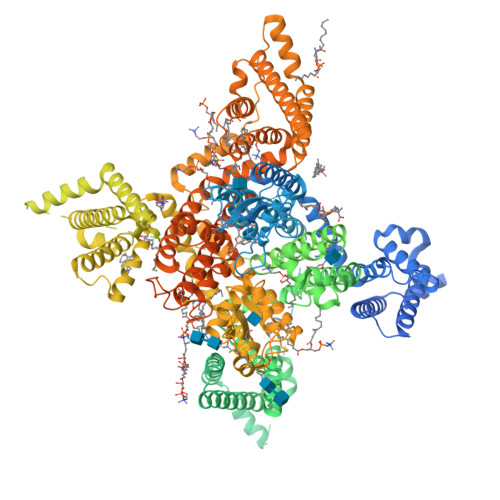 Click to view 3D structure Click to view 3D structure | Sodium channel protein type 10 subunit alpha | Q9Y5Y9 | Humans | Known | Not Available |
| Click to view 3D structure | Sodium-dependent noradrenaline transporter | P23975 | Humans | Known | Not Available |
| Click to view 3D structure | Solute carrier family 22 member 2 | O15244 | Humans | Known | Not Available |