Levetiracetam (CED0002002)

Record Information
Version1.0
Creation Date2009-07-21 20:28:38 UTC
Update Date2026-05-14 16:58:43 UTC
SynCED IDCED0002002
Secondary Accession Numbers
  • CHEM002376
  • T3D3019
Identification
Common NameLevetiracetam
ClassSmall Molecule
Description
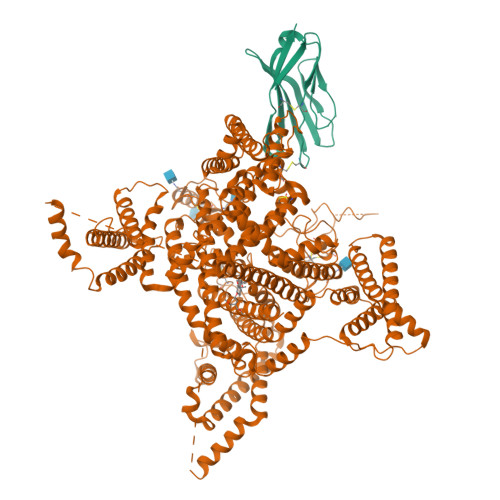
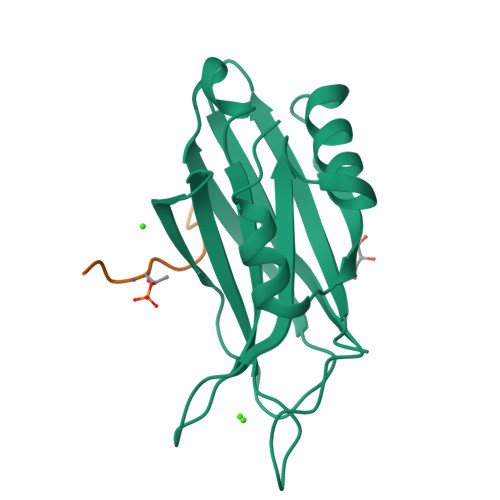
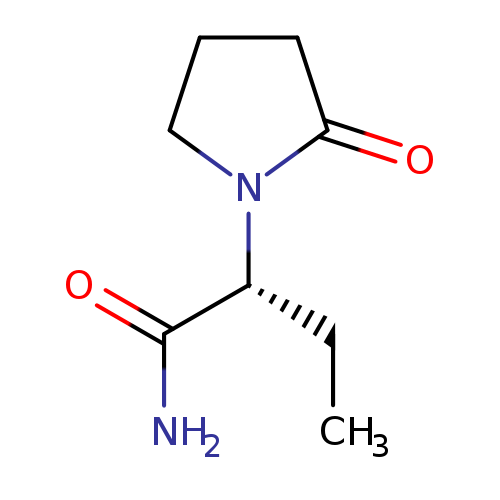
Levetiracetam is an exogenous organic compound with the formula C8H14N2O2 and an average molecular weight of 170.21 g/mol. It exists as a solid at room temperature. Levetiracetam belongs to the amino acids, peptides, and analogues, a subclass of carboxylic acids and derivatives within the organic compounds. This compound is used as an anticonvulsant. It is found in several recorded sources, including antiepileptics within healthcare, pharmaceuticals, and veterinary products, as well as drinking water and water supply. Other recorded sources include electrical and electronic equipment such as relays, magnets, and television systems, and household cleaning and consumer products including other smoking requisites and non-electric simulated smoking devices. Exposure routes include oral and intravenous administration. Levetiracetam interacts with six recorded protein targets: sodium channel protein type 1 subunit alpha (SCN1A), carbonic anhydrase 1 (CA1), voltage-dependent T-type calcium channel subunit alpha-1G (CACNA1G), 5-hydroxytryptamine receptor 3A (HTR3A), and synaptic vesicle glycoprotein 2A (SV2A). It also acts as an antagonist of voltage-dependent N-type calcium channel subunit alpha-1B (CACNA1B). Regarding its interaction with SV2A, the precise mechanisms by which levetiracetam exerts its antiepileptic effect remain unknown. In animal models of epileptic seizures, levetiracetam showed only minimal activity in threshold tests and submaximal stimulation, and it did not inhibit single seizures induced by chemoconvulsants or maximal electrical current stimulation. However, protection was observed against secondarily generalized activity from focal seizures.
Contaminant Type
  • Amide
  • Amine
  • Anticonvulsant
  • Drug
  • Metabolite
  • Nootropic Agent
  • Organic Compound
  • Synthetic Compound
Chemical Structure
Synonyms
ValueSource
KeppraKegg
e KeppraKegg
LevitiracetamHMDB
Etiracetam, R-isomerHMDB
alpha-Ethyl-2-oxo-1-pyrrolidineacetamideHMDB
Etiracetam, S-isomerHMDB
Ucb L060HMDB
Ucb-L060HMDB
UCB brand OF levetiracetamHMDB
EtiracetamHMDB
Ucb L059HMDB
Ucb-L059HMDB
Etiracetam, R isomerHMDB
UcbL060HMDB
alpha Ethyl 2 oxo 1 pyrrolidineacetamideHMDB
Etiracetam, S isomerHMDB
R-Isomer etiracetamHMDB
S-Isomer etiracetamHMDB
Chemical FormulaC8H14N2O2
Average Molecular Mass170.209 g/mol
Monoisotopic Mass170.106 g/mol
CAS Registry Number102767-28-2
IUPAC Name(2R)-2-(2-oxopyrrolidin-1-yl)butanamide
Traditional Namelevitiracetam
SMILESCC[C@@H](N1CCCC1=O)C(N)=O
InChI IdentifierInChI=1S/C8H14N2O2/c1-2-6(8(9)12)10-5-3-4-7(10)11/h6H,2-5H2,1H3,(H2,9,12)/t6-/m1/s1
InChI KeyHPHUVLMMVZITSG-ZCFIWIBFSA-N
Chemical Taxonomy
Description Belongs to the class of organic compounds known as alpha amino acids and derivatives. These are amino acids in which the amino group is attached to the carbon atom immediately adjacent to the carboxylate group (alpha carbon), or a derivative thereof.
KingdomOrganic compounds
Super ClassOrganic acids and derivatives
ClassCarboxylic acids and derivatives
Sub ClassAmino acids, peptides, and analogues
Direct ParentAlpha amino acids and derivatives
Alternative Parents
Substituents
  • Alpha-amino acid or derivatives
  • Fatty amide
  • Pyrrolidone
  • 2-pyrrolidone
  • Fatty acyl
  • N-alkylpyrrolidine
  • Pyrrolidine
  • Tertiary carboxylic acid amide
  • Carboxamide group
  • Lactam
  • Primary carboxylic acid amide
  • Azacycle
  • Organoheterocyclic compound
  • Organic oxide
  • Organopnictogen compound
  • Carbonyl group
  • Organooxygen compound
  • Organonitrogen compound
  • Organic nitrogen compound
  • Organic oxygen compound
  • Hydrocarbon derivative
  • Aliphatic heteromonocyclic compound
Molecular FrameworkAliphatic heteromonocyclic compounds
External DescriptorsNot Available
Biological Properties
StatusDetected and Not Quantified
OriginExogenous
Cellular Locations
  • Cytoplasm
  • Membrane
Biofluid LocationsNot Available
Tissue LocationsNot Available
Applications
Biological RolesNot Available
Chemical RolesNot Available
Organoleptic EffectsNot Available
Physical Properties
StateSolid
AppearanceWhite powder.
Experimental Properties
PropertyValue
Melting PointNot Available
Boiling PointNot Available
Solubility2.98e+02 g/L
Predicted Properties
PropertyValueSource
Water Solubility298 g/LALOGPS
logP-0.64ALOGPS
logP-0.59ChemAxon
logS0.24ALOGPS
pKa (Strongest Acidic)16.09ChemAxon
pKa (Strongest Basic)-1.6ChemAxon
Physiological Charge0ChemAxon
Hydrogen Acceptor Count2ChemAxon
Hydrogen Donor Count1ChemAxon
Polar Surface Area63.4 ŲChemAxon
Rotatable Bond Count3ChemAxon
Refractivity44.08 m³·mol⁻¹ChemAxon
Polarizability17.78 ųChemAxon
Number of Rings1ChemAxon
BioavailabilityYesChemAxon
Rule of FiveYesChemAxon
Ghose FilterNoChemAxon
Veber's RuleNoChemAxon
MDDR-like RuleNoChemAxon
Spectra
Spectra
Spectrum TypeDescriptionSplash KeyDeposition DateView
Predicted GC-MSPredicted GC-MS Spectrumsplash10-002g-9300000000-c7be6e1922b5359940b6Not AvailableView Spectrum
Predicted GC-MSPredicted GC-MS SpectrumNot AvailableNot AvailableView Spectrum
LC-MS/MSLC-MS/MS Spectrumsplash10-0fb9-0900000000-5d10dc46b3d8459f5136Not AvailableView Spectrum
LC-MS/MSLC-MS/MS Spectrumsplash10-004i-0900000000-eed0f7c0281298a901e0Not AvailableView Spectrum
LC-MS/MSLC-MS/MS Spectrumsplash10-004i-0900000000-904c39fde7b4a564f4f9Not AvailableView Spectrum
LC-MS/MSLC-MS/MS Spectrumsplash10-004i-0900000000-043119aa2fce9bf106a6Not AvailableView Spectrum
LC-MS/MSLC-MS/MS Spectrumsplash10-004i-0900000000-baaa7247861e2a0c32dcNot AvailableView Spectrum
LC-MS/MSLC-MS/MS Spectrumsplash10-0udi-0900000000-e4d3bcf5f9604374d974Not AvailableView Spectrum
LC-MS/MSLC-MS/MS Spectrumsplash10-0fb9-0900000000-c54dadca90f9667c5e5eNot AvailableView Spectrum
LC-MS/MSLC-MS/MS Spectrumsplash10-004i-0900000000-43e7dddd01af30559674Not AvailableView Spectrum
LC-MS/MSLC-MS/MS Spectrumsplash10-004i-0900000000-bcf3b82b0418f01f7c88Not AvailableView Spectrum
LC-MS/MSLC-MS/MS Spectrumsplash10-004i-0900000000-af204f882b93928b3786Not AvailableView Spectrum
LC-MS/MSLC-MS/MS Spectrumsplash10-004i-2900000000-0d85e8e75dfd969db153Not AvailableView Spectrum
LC-MS/MSLC-MS/MS Spectrumsplash10-004i-6900000000-8038b6a6542f48ef1db6Not AvailableView Spectrum
LC-MS/MSLC-MS/MS Spectrumsplash10-0fb9-0900000000-b79c1cd502a80d2cc5a5Not AvailableView Spectrum
LC-MS/MSLC-MS/MS Spectrumsplash10-004i-0900000000-b2783da92be1f5956300Not AvailableView Spectrum
LC-MS/MSLC-MS/MS Spectrumsplash10-004i-0900000000-656f696fd6f22abd3b8cNot AvailableView Spectrum
LC-MS/MSLC-MS/MS Spectrumsplash10-004i-0900000000-05fe19e5eb84577847c0Not AvailableView Spectrum
LC-MS/MSLC-MS/MS Spectrumsplash10-004i-1900000000-b7a6c4f29c539bcb255cNot AvailableView Spectrum
LC-MS/MSLC-MS/MS Spectrumsplash10-004i-4900000000-159b3785ab54ec35d7aeNot AvailableView Spectrum
LC-MS/MSLC-MS/MS Spectrumsplash10-0udi-0900000000-4576e782d08537cb54d3Not AvailableView Spectrum
LC-MS/MSLC-MS/MS Spectrumsplash10-004i-0900000000-043119aa2fce9bf106a6Not AvailableView Spectrum
LC-MS/MSLC-MS/MS Spectrumsplash10-004i-0900000000-904c39fde7b4a564f4f9Not AvailableView Spectrum
LC-MS/MSLC-MS/MS Spectrumsplash10-004i-4900000000-159b3785ab54ec35d7aeNot AvailableView Spectrum
LC-MS/MSLC-MS/MS Spectrumsplash10-0fb9-0900000000-413250d923ea21baafc5Not AvailableView Spectrum
LC-MS/MSLC-MS/MS Spectrumsplash10-004i-0900000000-eed0f7c0281298a901e0Not AvailableView Spectrum
LC-MS/MSLC-MS/MS Spectrumsplash10-004i-1900000000-3cdb57ce079e7cf8573eNot AvailableView Spectrum
LC-MS/MSLC-MS/MS Spectrumsplash10-004i-1900000000-fd0aef6ff7e6419501e2Not AvailableView Spectrum
LC-MS/MSLC-MS/MS Spectrumsplash10-0udi-0900000000-e4d3bcf5f9604374d974Not AvailableView Spectrum
LC-MS/MSLC-MS/MS Spectrumsplash10-0fb9-0900000000-b79c1cd502a80d2cc5a5Not AvailableView Spectrum
LC-MS/MSLC-MS/MS Spectrumsplash10-004i-0900000000-c52971912331ca9b9a1fNot AvailableView Spectrum
LC-MS/MSLC-MS/MS Spectrumsplash10-004i-0900000000-baaa7247861e2a0c32dcNot AvailableView Spectrum
LC-MS/MSLC-MS/MS Spectrumsplash10-004i-0900000000-b2783da92be1f5956300Not AvailableView Spectrum
LC-MS/MSLC-MS/MS Spectrumsplash10-0fb9-0900000000-856c4fb7aa5829911a44Not AvailableView Spectrum
LC-MS/MSLC-MS/MS Spectrumsplash10-004i-0900000000-7b2cc57c574e0611c0c2Not AvailableView Spectrum
LC-MS/MSLC-MS/MS Spectrumsplash10-004i-0900000000-cdcd5a6db043f9bbeadcNot AvailableView Spectrum
LC-MS/MSLC-MS/MS Spectrumsplash10-0fb9-0900000000-1394a5a79691a417d41dNot AvailableView Spectrum
LC-MS/MSLC-MS/MS Spectrumsplash10-004i-0900000000-a80bf6fa7b0c775074c0Not AvailableView Spectrum
LC-MS/MSLC-MS/MS Spectrumsplash10-004i-0900000000-768faa880e675c0ca8ddNot AvailableView Spectrum
LC-MS/MSLC-MS/MS Spectrumsplash10-004i-0900000000-603a1a46953a6674e932Not AvailableView Spectrum
LC-MS/MSLC-MS/MS Spectrumsplash10-004i-0900000000-3e66f6fb8cb827d02facNot AvailableView Spectrum
LC-MS/MSLC-MS/MS Spectrumsplash10-004i-0900000000-809cfa2e3cd3713fd6ccNot AvailableView Spectrum
LC-MS/MSLC-MS/MS Spectrumsplash10-004i-6900000000-8038b6a6542f48ef1db6Not AvailableView Spectrum
Predicted LC-MS/MSPredicted LC-MS/MS Spectrumsplash10-00di-0900000000-ec0076a60bef1bfe06ddNot AvailableView Spectrum
Predicted LC-MS/MSPredicted LC-MS/MS Spectrumsplash10-0fb9-2900000000-22b720450ebfea704554Not AvailableView Spectrum
Predicted LC-MS/MSPredicted LC-MS/MS Spectrumsplash10-0006-9100000000-17a515534beb406070e0Not AvailableView Spectrum
Predicted LC-MS/MSPredicted LC-MS/MS Spectrumsplash10-014i-0900000000-7470975ba67c5de6162eNot AvailableView Spectrum
Predicted LC-MS/MSPredicted LC-MS/MS Spectrumsplash10-00pl-5900000000-50443438445390c4345aNot AvailableView Spectrum
Predicted LC-MS/MSPredicted LC-MS/MS Spectrumsplash10-0006-9000000000-517ee6018ae48754d1b7Not AvailableView Spectrum
Predicted LC-MS/MSPredicted LC-MS/MS Spectrumsplash10-004i-0900000000-4938b3a6596fd97e494bNot AvailableView Spectrum
Predicted LC-MS/MSPredicted LC-MS/MS Spectrumsplash10-004i-4900000000-32f3355088449cff4b30Not AvailableView Spectrum
Predicted LC-MS/MSPredicted LC-MS/MS Spectrumsplash10-00yu-9000000000-d60c88ec9031f660f48bNot AvailableView Spectrum
Predicted LC-MS/MSPredicted LC-MS/MS Spectrumsplash10-014i-1900000000-f76340b51daad0ed4038Not AvailableView Spectrum
Predicted LC-MS/MSPredicted LC-MS/MS Spectrumsplash10-0159-9100000000-ccb7389b60789f159489Not AvailableView Spectrum
Predicted LC-MS/MSPredicted LC-MS/MS Spectrumsplash10-0006-9200000000-6dbbc790de2f8d0bbc5dNot AvailableView Spectrum
1D NMR1H NMR Spectrum (1D, D2O, predicted)Not AvailableNot AvailableView Spectrum
1D NMR13C NMR Spectrum (1D, D2O, predicted)Not AvailableNot AvailableView Spectrum
Toxicity Profile
Toxicity Values
Toxicity ValueOrganismDose DescriptorRoute of ExposurePredicted or ExperimentalToxicity RatingReference
2074.0 Log mg/kg [1200:3700]RatLD50oralpredictedNot AvailableNot Available
Toxicity / Toxin ClassNot Available
Mechanism of ToxicityThe precise mechanism(s) by which levetiracetam exerts its antiepileptic effect is unknown. The antiepileptic activity of levetiracetam was assessed in a number of animal models of epileptic seizures. Levetiracetam did not inhibit single seizures induced by maximal stimulation with electrical current or different chemoconvulsants and showed only minimal activity in submaximal stimulation and in threshold tests. Protection was observed, however, against secondarily generalized activity from focal seizures induced by pilocarpine and kainic acid, two chemoconvulsants that induce seizures that mimic some features of human complex partial seizures with secondary generalization. Levetiracetam also displayed inhibitory properties in the kindling model in rats, another model of human complex partial seizures, both during kindling development and in the fully kindled state. The predictive value of these animal models for specific types of human epilepsy is uncertain. Levetiracetam is thought to stimulate synaptic vesicle protein 2A (SV2A), inhibiting neurotransmitter release.
Carcinogenicity (IARC Classification)No indication of carcinogenicity to humans (not listed by IARC).
Minimum Risk LevelNot Available
SymptomsSide effects include aggression, agitation, coma, drowsiness, reduced consciousness, slowed breathing.
TreatmentThere is no specific antidote for overdose with Levetiracetam. If indicated, elimination of unabsorbed drug should be attempted by emesis or gastric lavage; usual precautions should be observed to maintain airway. General supportive care of the patient is indicated including monitoring of vital signs and observation of the patient's clinical status.
Health Effects
Health EffectRelationshipDirectionDescriptionReference
Exposure Sources
Source IDSourceSectorReference
CEDs000010Insecticides?Insecticides are synthetic chemicals designed to control or eliminate insect pests that threaten crops and other agricultural products.Agriculture & land managementPubChem
CEDs000115Drinking water?Drinking water can be a medium for synthetic chemical contamination, often originating from various industrial processes and agricultural practices.Drinking water & water supplyNot Available
CEDs000371Antiepileptics?Antiepileptics are a class of synthetic drugs used primarily to manage seizure disorders.Healthcare, pharmaceuticals & veterinary productsNot Available
CEDs000518Electrically Stimulated Smoking Devices?Electrically stimulated smoking devices, commonly known as e-cigarettes or vape pens, utilize electrical components to heat a liquid solution, often containing nicotine, flavorings, and other additives, to produce an aerosol for inhalation.Electrical & Electronic EquipmentPubChem
CEDs000527Magnets?Magnets, commonly used in various electrical and electronic applications, can be a source of synthetic chemical contamination due to the materials used in their production.Electrical & Electronic EquipmentPubChem
CEDs000531Relays?Relays are electromechanical switches used to control circuits and manage electrical loads.Electrical & Electronic EquipmentPubChem
CEDs000537Television Systems?Television systems can be a source of synthetic chemical contamination due to the various materials and components used in their manufacture and operation.Electrical & Electronic EquipmentPubChem
CEDs000545Food Preservation?Food preservation often involves the use of synthetic chemicals, such as preservatives, flavor enhancers, and color additives, to extend shelf life and enhance the sensory qualities of food products.Food, food processing & cookwarePubChem
CEDs000556Cigar Cigarettes?Cigar cigarettes are a source of synthetic chemical contamination due to the combustion of various tobacco blends and additives.Household cleaning & consumer productsPubChem
CEDs000559Non Electric Simulated Smoking Devices?Non-electric simulated smoking devices, often designed to mimic the experience of smoking without combustion, can be sources of synthetic chemical contamination due to the materials and chemicals used in their construction and operation.Household cleaning & consumer productsPubChem
CEDs000560Other Smoking Requisites?Other smoking requisites, including items such as lighters, matches, and rolling papers, can introduce synthetic chemical contamination through various components and additives.Household cleaning & consumer productsPubChem
CEDs000569Tobacco Smoke Filters?Tobacco smoke filters are designed to reduce the inhalation of harmful substances in cigarette smoke, including tar and other particulate matter.Household cleaning & consumer productsPubChem
CEDs000580Manufacture Preparation Of Tobacco Products?The manufacture and preparation of tobacco products involve various processes that can result in the introduction of synthetic chemicals into the environment.Industrial manufacturing & chemical processingPubChem
CEDs000596Acaricides?Acaricides are synthetic chemicals specifically designed to target and control mite populations that can damage crops and plants.Agriculture & land managementPubChem
CEDs000605Pest Repellants?Pest repellents, often formulated from synthetic chemicals, are widely used to protect crops from insect infestations and other pests.Agriculture & land managementPubChem
CEDs000611Anti Perspirants Or Body Deoderants?Antiperspirants and body deodorants commonly contain synthetic chemicals such as aluminum compounds, parabens, and synthetic fragrances.Personal care & cosmeticsPubChem
CEDs000615Eye Makeup Products?Eye makeup products, including mascaras, eyeliners, and eyeshadows, often contain a variety of synthetic chemicals such as pigments, preservatives, and film-forming agents.Personal care & cosmeticsPubChem
CEDs000617Lip Care Products?Lip care products, including lipsticks, balms, and glosses, often contain a variety of synthetic chemicals such as parabens, phthalates, and synthetic fragrances.Personal care & cosmeticsPubChem
CEDs000618Lip Makeup Products?Lip makeup products, such as lipsticks, lip glosses, and lip liners, often contain a variety of synthetic chemicals, including pigments, preservatives, and emollients.Personal care & cosmeticsPubChem
CEDs000632Apparel?Apparel production often involves the use of various synthetic chemicals, including dyes, finishing agents, and preservatives.Textiles, leather & furnishingsPubChem
CEDs000671Airplanes And Helicopters?Airplanes and helicopters are significant sources of synthetic chemical contamination primarily through the use of aviation fuels, lubricants, and de-icing agents.Aviation & AerospacePubChem
CEDs000685Ceramics?Ceramics can be a source of synthetic chemical contamination through various additives and processing agents used in their production.Building & ConstructionPubChem
CEDs000688Glass Coatings?Glass coatings are synthetic chemical formulations applied to glass surfaces to enhance properties such as durability, UV resistance, and aesthetic appeal.Building & ConstructionPubChem
CEDs000696Nanotechnology?Nanotechnology involves the manipulation of materials at the molecular or atomic level, typically within the range of 1 to 100 nanometers.Industrial manufacturing & chemical processingPubChem
CEDs000744Water, Wastewater, & Sewage Treatment?Water, wastewater, and sewage treatment processes are critical for managing and mitigating pollutants in water systems.Wastewater, sanitation & biosolidsPubChem
Pathways
3 pathwaysPathway Source: PathBank
Targets
StructureProteinUniProt IDOrganismRelationshipDetails
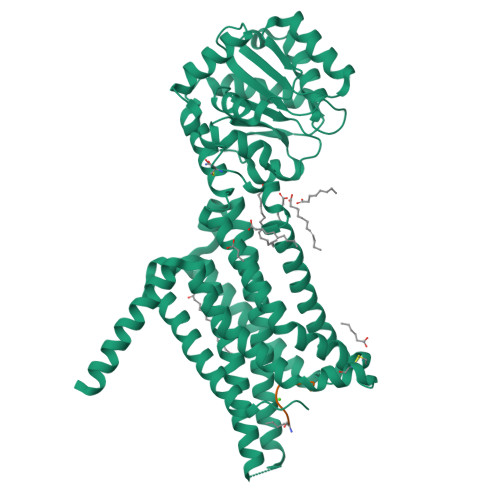
Click to view 3D structureSynaptic vesicle glycoprotein 2AQ02563Rattus norvegicusPredicted (SEA)
Prediction Confidence Score
0.513
Applicability Domain
0.513
Statistical Significance
6.00e-05
Supporting Reference Compounds
1
E-value
0.467095
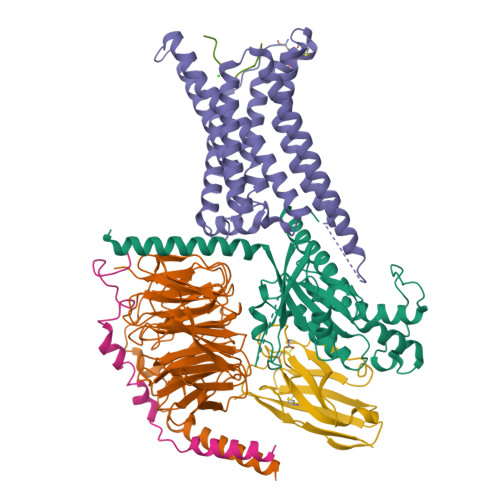
Muscarinic acetylcholine receptor M2 structureClick to view 3D structureMuscarinic acetylcholine receptor M2P08172HumansPredicted (SEA)
Prediction Confidence Score
0.256
Applicability Domain
0.289 Low confidence
Statistical Significance
0.1115
Supporting Reference Compounds
373
E-value
868.019
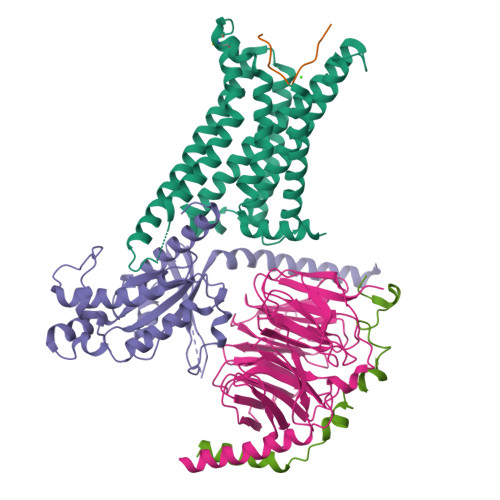
Melanocortin receptor 4 structureClick to view 3D structureMelanocortin receptor 4P32245HumansPredicted (SEA)
Prediction Confidence Score
0.256
Applicability Domain
0.31
Statistical Significance
0.0415
Supporting Reference Compounds
96
E-value
323.464
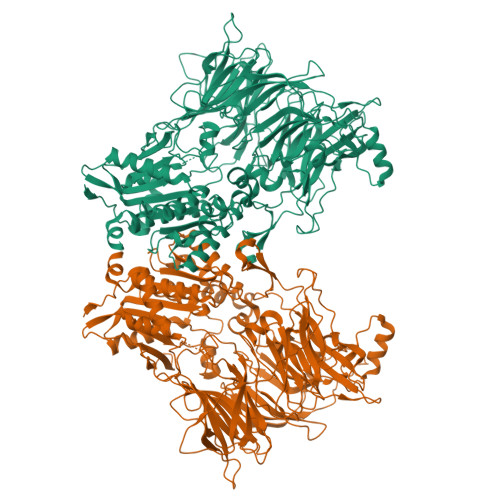
Cytochrome P450 3A4 structureClick to view 3D structureCytochrome P450 3A4P08684HumansPredicted (SEA)
Prediction Confidence Score
0.254
Applicability Domain
0.278 Low confidence
Statistical Significance
0.5209
Supporting Reference Compounds
1538
E-value
4055.01
Muscarinic acetylcholine receptor M1 structureClick to view 3D structureMuscarinic acetylcholine receptor M1P11229HumansPredicted (SEA)
Prediction Confidence Score
0.251
Applicability Domain
0.289 Low confidence
Statistical Significance
0.1414
Supporting Reference Compounds
385
E-value
1100.87
Muscarinic acetylcholine receptor M5 structureClick to view 3D structureMuscarinic acetylcholine receptor M5P08912HumansPredicted (SEA)
Prediction Confidence Score
0.247
Applicability Domain
0.289 Low confidence
Statistical Significance
0.1157
Supporting Reference Compounds
266
E-value
901.105
Melanocortin receptor 3 structureClick to view 3D structureMelanocortin receptor 3P41968HumansPredicted (SEA)
Prediction Confidence Score
0.243
Applicability Domain
0.31
Statistical Significance
0.0398
Supporting Reference Compounds
45
E-value
309.529
Click to view 3D structureMuscarinic acetylcholine receptor M1P08482Rattus norvegicusPredicted (SEA)
Prediction Confidence Score
0.241
Applicability Domain
0.289 Low confidence
Statistical Significance
0.0564
Supporting Reference Compounds
109
E-value
439.381
Click to view 3D structureMuscarinic acetylcholine receptor M2P10980Rattus norvegicusPredicted (SEA)
Prediction Confidence Score
0.241
Applicability Domain
0.289 Low confidence
Statistical Significance
0.0333
Supporting Reference Compounds
98
E-value
259.471
Melanocortin receptor 5 structureClick to view 3D structureMelanocortin receptor 5P33032HumansPredicted (SEA)
Prediction Confidence Score
0.24
Applicability Domain
0.31
Statistical Significance
0.0404
Supporting Reference Compounds
48
E-value
314.744
Muscarinic acetylcholine receptor M3 structureClick to view 3D structureMuscarinic acetylcholine receptor M3P20309HumansPredicted (SEA)
Prediction Confidence Score
0.237
Applicability Domain
0.289 Low confidence
Statistical Significance
0.1909
Supporting Reference Compounds
310
E-value
1486.06
Click to view 3D structureTumor necrosis factor receptor superfamily member 16Q9Z0W1Mus musculusPredicted (SEA)
Prediction Confidence Score
0.231
Applicability Domain
0.231 Low confidence
Statistical Significance
0.0037
Supporting Reference Compounds
1
E-value
28.8821
Dipeptidyl peptidase 8 structureClick to view 3D structureDipeptidyl peptidase 8Q6V1X1HumansPredicted (SEA)
Prediction Confidence Score
0.228
Applicability Domain
0.255 Low confidence
Statistical Significance
0.0315
Supporting Reference Compounds
57
E-value
245.147
Dipeptidyl peptidase 9 structureClick to view 3D structureDipeptidyl peptidase 9Q86TI2HumansPredicted (SEA)
Prediction Confidence Score
0.226
Applicability Domain
0.255 Low confidence
Statistical Significance
0.0346
Supporting Reference Compounds
55
E-value
269.203
Click to view 3D structureDipeptidyl peptidase 9E1BI31Bos taurusPredicted (SEA)
Prediction Confidence Score
0.222
Applicability Domain
0.255 Low confidence
Statistical Significance
4.70e-04
Supporting Reference Compounds
3
E-value
3.65891
Click to view 3D structureXaa-Pro aminopeptidase 2Q99MA2Rattus norvegicusPredicted (SEA)
Prediction Confidence Score
0.222
Applicability Domain
0.246 Low confidence
Statistical Significance
0.0184
Supporting Reference Compounds
7
E-value
143.632
Muscarinic acetylcholine receptor M4 structureClick to view 3D structureMuscarinic acetylcholine receptor M4P08173HumansPredicted (SEA)
Prediction Confidence Score
0.221
Applicability Domain
0.286 Low confidence
Statistical Significance
0.3052
Supporting Reference Compounds
297
E-value
2375.88
Dipeptidyl peptidase 4 structureClick to view 3D structureDipeptidyl peptidase 4P27487HumansPredicted (SEA)
Prediction Confidence Score
0.22
Applicability Domain
0.255 Low confidence
Statistical Significance
0.11
Supporting Reference Compounds
129
E-value
856.575
Neuraminidase structureClick to view 3D structureNeuraminidaseP03468Influenza A virus (A/Puerto Rico/8/1934(H1N1))Predicted (SEA)
Prediction Confidence Score
0.217
Applicability Domain
0.25 Low confidence
Statistical Significance
0.0077
Supporting Reference Compounds
34
E-value
60.2553
Click to view 3D structureNeuraminidaseB4URF0Influenza A virusPredicted (SEA)
Prediction Confidence Score
0.217
Applicability Domain
0.25 Low confidence
Statistical Significance
0.0103
Supporting Reference Compounds
42
E-value
79.9511
Xaa-Pro aminopeptidase 1 structureClick to view 3D structureXaa-Pro aminopeptidase 1Q9NQW7HumansPredicted (SEA)
Prediction Confidence Score
0.217
Applicability Domain
0.246 Low confidence
Statistical Significance
0.0309
Supporting Reference Compounds
13
E-value
240.788
Click to view 3D structureXaa-Pro aminopeptidase 2O43895HumansPredicted (SEA)
Prediction Confidence Score
0.216
Applicability Domain
0.246 Low confidence
Statistical Significance
0.0169
Supporting Reference Compounds
7
E-value
131.565
SPRY domain-containing SOCS box protein 2 structureClick to view 3D structureSPRY domain-containing SOCS box protein 2Q99619HumansPredicted (SEA)
Prediction Confidence Score
0.214
Applicability Domain
0.214 Low confidence
Statistical Significance
0.0102
Supporting Reference Compounds
1
E-value
79.7176
Dipeptidyl peptidase 2 structureClick to view 3D structureDipeptidyl peptidase 2Q9UHL4HumansPredicted (SEA)
Prediction Confidence Score
0.214
Applicability Domain
0.255 Low confidence
Statistical Significance
0.0636
Supporting Reference Compounds
41
E-value
495.043
Click to view 3D structureMelanocortin receptor 4P56450Mus musculusPredicted (SEA)
Prediction Confidence Score
0.213
Applicability Domain
0.31
Statistical Significance
0.0588
Supporting Reference Compounds
34
E-value
457.52
Voltage-dependent N-type calcium channel subunit alpha-1B structureClick to view 3D structureVoltage-dependent N-type calcium channel subunit alpha-1BQ00975HumansKnownNot Available
Carbonic anhydrase 1 structureClick to view 3D structureCarbonic anhydrase 1P00915HumansKnownThe precise mechanism(s) by which levetiracetam exerts its antiepileptic effect is unknown. The antiepileptic activity of levetiracetam was assessed in a number of animal models of epileptic seizures. Levetiracetam did not inhibit single seizures induced by maximal stimulation with electrical current or different chemoconvulsants and showed only minimal activity in submaximal stimulation and in threshold tests. Protection was observed, however, against secondarily generalized activity from focal seizures induced by pilocarpine and kainic acid, two chemoconvulsants that induce seizures that mimic some features of human complex partial seizures with secondary generalization. Levetiracetam also displayed inhibitory properties in the kindling model in rats, another model of human complex partial seizures, both during kindling development and in the fully kindled state. The predictive value of these animal models for specific types of human epilepsy is uncertain.
Sodium channel protein type 1 subunit alpha structureClick to view 3D structureSodium channel protein type 1 subunit alphaP35498HumansKnownThe precise mechanism(s) by which levetiracetam exerts its antiepileptic effect is unknown. The antiepileptic activity of levetiracetam was assessed in a number of animal models of epileptic seizures. Levetiracetam did not inhibit single seizures induced by maximal stimulation with electrical current or different chemoconvulsants and showed only minimal activity in submaximal stimulation and in threshold tests. Protection was observed, however, against secondarily generalized activity from focal seizures induced by pilocarpine and kainic acid, two chemoconvulsants that induce seizures that mimic some features of human complex partial seizures with secondary generalization. Levetiracetam also displayed inhibitory properties in the kindling model in rats, another model of human complex partial seizures, both during kindling development and in the fully kindled state. The predictive value of these animal models for specific types of human epilepsy is uncertain.
Synaptic vesicle glycoprotein 2A structureClick to view 3D structureSynaptic vesicle glycoprotein 2AQ7L0J3HumansKnownThe precise mechanism(s) by which levetiracetam exerts its antiepileptic effect is unknown. The antiepileptic activity of levetiracetam was assessed in a number of animal models of epileptic seizures. Levetiracetam did not inhibit single seizures induced by maximal stimulation with electrical current or different chemoconvulsants and showed only minimal activity in submaximal stimulation and in threshold tests. Protection was observed, however, against secondarily generalized activity from focal seizures induced by pilocarpine and kainic acid, two chemoconvulsants that induce seizures that mimic some features of human complex partial seizures with secondary generalization. Levetiracetam also displayed inhibitory properties in the kindling model in rats, another model of human complex partial seizures, both during kindling development and in the fully kindled state. The predictive value of these animal models for specific types of human epilepsy is uncertain.
Click to view 3D structureVoltage-dependent T-type calcium channel subunit alpha-1GO43497HumansKnownThe precise mechanism(s) by which levetiracetam exerts its antiepileptic effect is unknown. The antiepileptic activity of levetiracetam was assessed in a number of animal models of epileptic seizures. Levetiracetam did not inhibit single seizures induced by maximal stimulation with electrical current or different chemoconvulsants and showed only minimal activity in submaximal stimulation and in threshold tests. Protection was observed, however, against secondarily generalized activity from focal seizures induced by pilocarpine and kainic acid, two chemoconvulsants that induce seizures that mimic some features of human complex partial seizures with secondary generalization. Levetiracetam also displayed inhibitory properties in the kindling model in rats, another model of human complex partial seizures, both during kindling development and in the fully kindled state. The predictive value of these animal models for specific types of human epilepsy is uncertain.
Concentrations
StatusValueUnitSample LocationReference
Detected and Quantified350ng/LBioggio,Lugano
Detected and Quantified1200ng/LBussigny-prés-Lausanne
Detected and Quantified980ng/LHallau,Klettgau
Detected and Quantified160ng/LThal,Altenrhein
Detected and Quantified190ng/LUetendorf,Thun
Detected and Quantified600ng/LVernier,Aïre
Detected and Quantified150ng/LWinterthur
Detected and Quantified540ng/LWerdhölzli,Zürich
Detected and Quantified120ng/LSchönau,Zug
Detected and Quantified210ng/LAffoltern,Zwillikon
External Links
DrugBank IDNot Available
HMDB IDHMDB0015333
FooDB IDNot Available
Phenol Explorer IDNot Available
KNApSAcK IDNot Available
BiGG IDNot Available
BioCyc IDNot Available
METLIN IDNot Available
PDB IDNot Available
Wikipedia LinkLevetiracetam
Chemspider ID390096
ChEBI ID352567
PubChem Compound ID441341
Kegg Compound IDC07841
YMDB IDNot Available
ECMDB IDNot Available
References
Synthesis Reference

Tooru Futagawa, Jean-Pierre Canvat, Emile Cavoy, Michel Deleers, Michel Hamende, Vincent Zimmermann, “Process for the preparation of levetiracetam.” U.S. Patent US6107492, issued September, 1996.

MSDSNot Available
General References
  1. Wishart DS, Knox C, Guo AC, Cheng D, Shrivastava S, Tzur D, Gautam B, Hassanali M: DrugBank: a knowledgebase for drugs, drug actions and drug targets. Nucleic Acids Res. 2008 Jan;36(Database issue):D901-6. Epub 2007 Nov 29. [PubMed: 18048412]