Dextroamphetamine (CED0004559)

Record Information
Version1.0
Creation Date2009-07-21 20:28:52 UTC
Update Date2026-05-14 17:09:46 UTC
SynCED IDCED0004559
Secondary Accession Numbers
  • CHEM002398
  • T3D3051
Identification
Common NameDextroamphetamine
ClassSmall Molecule
Description
Dextroamphetamine is an exogenous compound with the formula C9H13N and an average molecular weight of 135.21 g/mol. At room temperature, it exists as a liquid. Dextroamphetamine belongs to the phenethylamines, a subclass of benzene and substituted derivatives within the organic compounds. The compound serves several biological and application roles, acting as a neurotoxin, sympathomimetic agent, adrenergic agent, dopaminergic agent, adrenergic uptake inhibitor, and dopamine uptake inhibitor. It is used in healthcare, pharmaceuticals, and veterinary products as a psychostimulant, a nootropic, and an agent for ADHD. Recorded exposure routes include oral and topical administration. It is also found in various other sources, including household cleaning and consumer products such as perfumes within detergents and soaps, bleaching agents, and smoking requisites; food processing activities including the preparation of vinegar, fermentation processes for beer, and the treatment of hops and molasses; and electrical and electronic equipment such as antennas, coils, and discharge lamps. Dextroamphetamine interacts with ten recorded protein targets, including the Alpha-1A adrenergic receptor (ADRA1A), Alpha-1B adrenergic receptor (ADRA1B), Alpha-2A adrenergic receptor (ADRA2A), the Synaptic vesicular amine transporter (SLC18A2), and the Trace amine-associated receptor 1 (TAAR1). It is an inducer of the Sodium-dependent noradrenaline transporter (SLC6A2) and an inhibitor of the Sodium-dependent dopamine transporter (SLC6A3). While the exact mechanism of action is not known, the compound stimulates the release of norepinephrine from central adrenergic receptors. At higher dosages, it causes the release of dopamine from the nigrostriatal dopamine systems and the mesocorticolimbic system. Additionally, it may inhibit monoamine oxidase (MAO) and act as a direct agonist on central 5-HT receptors.
Contaminant Type
  • Adrenergic Agent
  • Adrenergic Uptake Inhibitor
  • Amine
  • Central Nervous System Stimulant
  • Dopamine Agent
  • Dopamine Uptake Inhibitor
  • Drug
  • Human Neurotoxin
  • Metabolite
  • Organic Compound
  • Sympathomimetic
  • Synthetic Compound
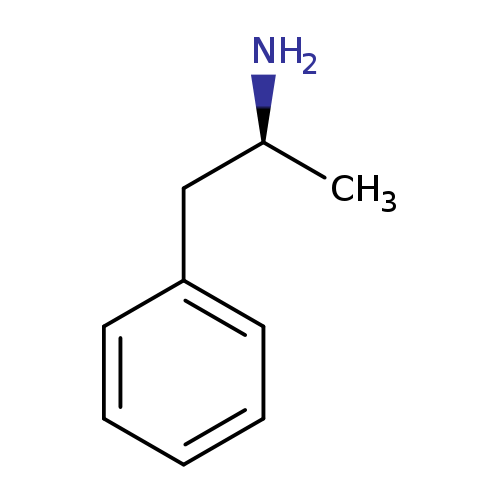
Chemical Structure
Synonyms
ValueSource
(+)-(S)-AmphetamineChEBI
(+)-alpha-MethylphenethylamineChEBI
(+)-alpha-MethylphenylethylamineChEBI
(+)-AmphetamineChEBI
(AlphaS)-alpha-methylbenzeneethanamineChEBI
(S)-(+)-AmphetamineChEBI
(S)-(+)-beta-PhenylisopropylamineChEBI
(S)-1-Phenyl-2-aminopropaneChEBI
(S)-1-Phenyl-2-propylamineChEBI
(S)-alpha-MethylbenzeneethanamineChEBI
D-AmphetamineChEBI
DexamphetamineChEBI
DexamfetamineKegg
(+)-a-MethylphenethylamineGenerator
(+)-Α-methylphenethylamineGenerator
(+)-a-MethylphenylethylamineGenerator
(+)-Α-methylphenylethylamineGenerator
(AlphaS)-a-methylbenzeneethanamineGenerator
(AlphaS)-α-methylbenzeneethanamineGenerator
(S)-(+)-b-PhenylisopropylamineGenerator
(S)-(+)-Β-phenylisopropylamineGenerator
(S)-a-MethylbenzeneethanamineGenerator
(S)-Α-methylbenzeneethanamineGenerator
(S)-AmphetamineHMDB
Celltech brand OF dextroamphetamine sulfateHMDB
OxydessHMDB
Sulfate, dextroamphetamineHMDB
D AmphetamineHMDB
CurbanHMDB
Dextro-amphetamine sulfateHMDB
GlaxoSmithKline brand OF dextroamphetamine sulfateHMDB
Dextro-amphetamineHMDB
Dextro amphetamine sulfateHMDB
DextroStatHMDB
Shire brand OF dextroamphetamine sulfateHMDB
D-Amphetamine sulfateHMDB
DexedrineHMDB
Dextroamphetamine sulfateHMDB
Mallinckrodt brand OF dextroamphetamine sulfateHMDB
Pasadena brand OF dextroamphetamineHMDB
Vortech brand OF dextroamphetamine sulfateHMDB
D Amphetamine sulfateHMDB
Dextro amphetamineHMDB
DextroamphetamineChEBI
Chemical FormulaC9H13N
Average Molecular Mass135.206 g/mol
Monoisotopic Mass135.105 g/mol
CAS Registry Number51-64-9
IUPAC Name(2S)-1-phenylpropan-2-amine
Traditional Nameamphetamine
SMILESC[C@H](N)CC1=CC=CC=C1
InChI IdentifierInChI=1S/C9H13N/c1-8(10)7-9-5-3-2-4-6-9/h2-6,8H,7,10H2,1H3/t8-/m0/s1
InChI KeyKWTSXDURSIMDCE-QMMMGPOBSA-N
Chemical Taxonomy
Description Belongs to the class of organic compounds known as amphetamines and derivatives. These are organic compounds containing or derived from 1-phenylpropan-2-amine.
KingdomOrganic compounds
Super ClassBenzenoids
ClassBenzene and substituted derivatives
Sub ClassPhenethylamines
Direct ParentAmphetamines and derivatives
Alternative Parents
Substituents
  • Amphetamine or derivatives
  • Phenylpropane
  • Aralkylamine
  • Organic nitrogen compound
  • Organopnictogen compound
  • Hydrocarbon derivative
  • Primary amine
  • Organonitrogen compound
  • Primary aliphatic amine
  • Amine
  • Aromatic homomonocyclic compound
Molecular FrameworkAromatic homomonocyclic compounds
External Descriptors
Biological Properties
StatusDetected and Not Quantified
OriginExogenous
Cellular Locations
  • Cytoplasm
  • Extracellular
  • Membrane
Biofluid LocationsNot Available
Tissue LocationsNot Available
Applications
Biological Roles
Chemical RolesNot Available
Organoleptic EffectsNot Available
Physical Properties
StateLiquid
AppearanceNot Available
Experimental Properties
PropertyValue
Melting Point< 25°C
Boiling Point203°C
Solubility1.74e+00 g/L
Predicted Properties
PropertyValueSource
Water Solubility1.74 g/LALOGPS
logP1.85ALOGPS
logP1.8ChemAxon
logS-1.9ALOGPS
pKa (Strongest Basic)10.01ChemAxon
Physiological Charge1ChemAxon
Hydrogen Acceptor Count1ChemAxon
Hydrogen Donor Count1ChemAxon
Polar Surface Area26.02 ŲChemAxon
Rotatable Bond Count2ChemAxon
Refractivity43.71 m³·mol⁻¹ChemAxon
Polarizability16.08 ųChemAxon
Number of Rings1ChemAxon
BioavailabilityYesChemAxon
Rule of FiveYesChemAxon
Ghose FilterNoChemAxon
Veber's RuleYesChemAxon
MDDR-like RuleNoChemAxon
Spectra
Spectra
Spectrum TypeDescriptionSplash KeyDeposition DateView
Predicted GC-MSPredicted GC-MS Spectrumsplash10-0006-9100000000-41224b447ebed58b4d86Not AvailableView Spectrum
Predicted GC-MSPredicted GC-MS SpectrumNot AvailableNot AvailableView Spectrum
LC-MS/MSLC-MS/MS Spectrumsplash10-0006-9000000000-6e32961bde8922a0f2f3Not AvailableView Spectrum
Predicted LC-MS/MSPredicted LC-MS/MS Spectrumsplash10-00kr-0900000000-e842cf90085d664ef1c3Not AvailableView Spectrum
Predicted LC-MS/MSPredicted LC-MS/MS Spectrumsplash10-014r-2900000000-2b5fda1ab431107344f5Not AvailableView Spectrum
Predicted LC-MS/MSPredicted LC-MS/MS Spectrumsplash10-0fr6-9400000000-b1a9d46f37313e323a64Not AvailableView Spectrum
Predicted LC-MS/MSPredicted LC-MS/MS Spectrumsplash10-001i-1900000000-0e421d19515a1429b103Not AvailableView Spectrum
Predicted LC-MS/MSPredicted LC-MS/MS Spectrumsplash10-001i-1900000000-fff6e7346b2c36a8ab21Not AvailableView Spectrum
Predicted LC-MS/MSPredicted LC-MS/MS Spectrumsplash10-014l-7900000000-3cd62c7239479d83b257Not AvailableView Spectrum
Predicted LC-MS/MSPredicted LC-MS/MS Spectrumsplash10-00kf-6900000000-4f5d22828acdcb13d83eNot AvailableView Spectrum
Predicted LC-MS/MSPredicted LC-MS/MS Spectrumsplash10-0006-9000000000-c5766ace6b2031302336Not AvailableView Spectrum
Predicted LC-MS/MSPredicted LC-MS/MS Spectrumsplash10-0006-9000000000-c8535cbb285cac999590Not AvailableView Spectrum
Predicted LC-MS/MSPredicted LC-MS/MS Spectrumsplash10-0006-9200000000-0f66be3239e5e65d6028Not AvailableView Spectrum
Predicted LC-MS/MSPredicted LC-MS/MS Spectrumsplash10-0006-9100000000-6720c563d36a88e31cd6Not AvailableView Spectrum
Predicted LC-MS/MSPredicted LC-MS/MS Spectrumsplash10-002f-9000000000-f91f5b5177c2d32668fdNot AvailableView Spectrum
MSMS Spectrumsplash10-0006-9000000000-f40d32a5bced4783345aNot AvailableView Spectrum
1D NMR13C NMR Spectrum (1D, D2O, predicted)Not AvailableNot AvailableView Spectrum
1D NMR1H NMR Spectrum (1D, D2O, predicted)Not AvailableNot AvailableView Spectrum
Toxicity Profile
Toxicity Values
Toxicity ValueOrganismDose DescriptorRoute of ExposurePredicted or ExperimentalToxicity RatingReference
96.8 mg/kg ratLD50oralexperimentalNot AvailableNot Available
138.0 Log mg/kg [80:250]RatLD50oralpredictedNot AvailableNot Available
Toxicity / Toxin ClassNot Available
Mechanism of ToxicityThe exact mechanism of action is not known. Dextroamphetamine stimulates the release of norepinephrine from central adrenergic receptors. At higher dosages, it causes release of dopamine from the mesocorticolimbic system and the nigrostriatal dopamine systems by reversal of the monoamine transporters. Dextroamphetamine may also act as a direct agonist on central 5-HT receptors and may inhibit monoamine oxidase (MAO). In the periphery, amphetamines are believed to cause the release of noradrenaline by acting on the adrenergic nerve terminals and alpha- and beta-receptors. Modulation of serotonergic pathways may contribute to the calming affect.
Carcinogenicity (IARC Classification)No indication of carcinogenicity to humans (not listed by IARC).
Minimum Risk LevelNot Available
SymptomsManifestations of acute overdosage with amphetamines include restlessness, tremor, hyperreflexia, rhabdomyolysis, rapid respiration, hyperpyrexia, confusion, assaultiveness, hallucinations, panic states. Fatigue and depression usually follow the central stimulation. Cardiovascular effects include arrhythmias, hypertension or hypotension, and circulatory collapse. Gastrointestinal symptoms include nausea, vomiting, diarrhea, and abdominal cramps. Fatal poisoning is usually preceded by convulsions and coma.
TreatmentManagement of acute amphetamine intoxication is largely symptomatic and includes gastric lavage, administration of activated charcoal, administration of a cathartic, and sedation. Experience with hemodialysis or peritoneal dialysis is inadequate to permit recommendation in this regard. Acidification of the urine increases amphetamine excretion, but is believed to increase risk of acute renal failure if myoglobinuria is present. If acute, severe hypertension complicates amphetamine overdosage, administration of intravenous phentolamine has been suggested. However, a gradual drop in blood pressure will usually result when sufficient sedation has been achieved. Chlorpromazine antagonizes the central stimulant effects of amphetamines and can be used to treat amphetamine intoxication. (11)
Health Effects
Health EffectRelationshipDirectionDescriptionReference
insomniaAssociated With?Not AvailableA disorder characterized by difficulty in falling asleep and/or remaining asleep. (NCI CTCAE)PMC8328933
anorexiaAssociated With?Not AvailableNot AvailablePMC8328933
Exposure Sources
Source IDSourceSectorReference
CEDs000010Insecticides?Insecticides are synthetic chemicals designed to control or eliminate insect pests that threaten crops and other agricultural products.Agriculture & land managementPubChem
CEDs000181Ballast water?Ballast water, taken on by ships to maintain stability and balance, often contains a diverse array of microorganisms, including bacteria, viruses, and plankton.Marine, shipping & aquaculturePubChem
CEDs000182Bilge water?Bilge water is a byproduct generated from the accumulation of water in the lowest part of a ship's hull, which may include a mixture of seawater, oil, fuel residues, and various contaminants.Marine, shipping & aquaculturePubChem
CEDs000233Brushes?Brushes used in personal care and cosmetics can be a source of synthetic chemical contamination due to the materials and coatings used in their manufacturing.Personal care & cosmeticsPubChem
CEDs000378Psychostimulants, agents used for adhd and nootropics?Psychostimulants, including agents commonly prescribed for Attention Deficit Hyperactivity Disorder (ADHD) and nootropics, are synthetic chemicals that enhance cognitive function, attention, and alertness.Healthcare, pharmaceuticals & veterinary productsNot Available
CEDs000506Antennas?Antennas, commonly used in communication technologies, can be a source of synthetic chemical contamination through the materials and coatings used in their construction.Electrical & Electronic EquipmentPubChem
CEDs000507Auxiliary Devices?Auxiliary devices, such as capacitors, transformers, and circuit breakers, are integral components in various electronic systems.Electrical & Electronic EquipmentPubChem
CEDs000508Coils?Coils are components used in various electrical and electronic applications, such as transformers, inductors, and motors.Electrical & Electronic EquipmentPubChem
CEDs000511Conductors Or Conductive Bodies Characterised By The Conductive Materials?Conductors, or conductive bodies, are materials that allow the flow of electrical current, typically made from metals such as copper, aluminum, or silver.Electrical & Electronic EquipmentPubChem
CEDs000514Discharge Lamps?Discharge lamps, including fluorescent and high-intensity discharge (HID) lamps, are commonly used for lighting applications due to their energy efficiency and brightness.Electrical & Electronic EquipmentPubChem
CEDs000518Electrically Stimulated Smoking Devices?Electrically stimulated smoking devices, commonly known as e-cigarettes or vape pens, utilize electrical components to heat a liquid solution, often containing nicotine, flavorings, and other additives, to produce an aerosol for inhalation.Electrical & Electronic EquipmentPubChem
CEDs000519Electrodes?Electrodes, used in various electrical and electronic applications, can be a source of synthetic chemical contamination due to the materials from which they are constructed and the processes involved in their manufacturing.Electrical & Electronic EquipmentPubChem
CEDs000521Fixed Capacitors And Their Manufacture?Fixed capacitors are passive electronic components used to store and release electrical energy, playing a critical role in various circuits.Electrical & Electronic EquipmentPubChem
CEDs000524Hybrid Capacitors?Hybrid capacitors are energy storage devices that combine the properties of electrolytic and supercapacitors, utilizing a combination of electrochemical principles to achieve higher energy density and power density.Electrical & Electronic EquipmentPubChem
CEDs000527Magnets?Magnets, commonly used in various electrical and electronic applications, can be a source of synthetic chemical contamination due to the materials used in their production.Electrical & Electronic EquipmentPubChem
CEDs000530Radio Transmission Systems?Radio transmission systems utilize a variety of synthetic chemicals in their manufacturing and maintenance processes.Electrical & Electronic EquipmentPubChem
CEDs000537Television Systems?Television systems can be a source of synthetic chemical contamination due to the various materials and components used in their manufacture and operation.Electrical & Electronic EquipmentPubChem
CEDs000539Video Games?Video games, through their production and disposal processes, can be a source of synthetic chemical contamination.Electrical & Electronic EquipmentPubChem
CEDs000544Fermentation Processes For Beer?Fermentation processes for beer involve the conversion of sugars into alcohol and carbon dioxide by yeast.Food, food processing & cookwarePubChem
CEDs000545Food Preservation?Food preservation often involves the use of synthetic chemicals, such as preservatives, flavor enhancers, and color additives, to extend shelf life and enhance the sensory qualities of food products.Food, food processing & cookwarePubChem
CEDs000546Molasses And Treatment Of Molasses?Molasses is a thick, viscous byproduct of sugar production, derived from the extraction of sugar cane or sugar beet juice.Food, food processing & cookwarePubChem
CEDs000548Preparation Of Vinegar?Vinegar is produced through the fermentation of ethanol by acetic acid bacteria, resulting in a solution that typically contains 4-8% acetic acid.Food, food processing & cookwarePubChem
CEDs000553Treatment Of Hops?Hops, a key ingredient in brewing and food flavoring, can be a source of synthetic chemical contamination due to various agricultural practices.Food, food processing & cookwarePubChem
CEDs000555Bleaching Agents?Bleaching agents are chemical substances used to whiten or lighten materials, often employed in various cleaning products for their stain removal and disinfecting properties.Household cleaning & consumer productsPubChem
CEDs000556Cigar Cigarettes?Cigar cigarettes are a source of synthetic chemical contamination due to the combustion of various tobacco blends and additives.Household cleaning & consumer productsPubChem
CEDs000559Non Electric Simulated Smoking Devices?Non-electric simulated smoking devices, often designed to mimic the experience of smoking without combustion, can be sources of synthetic chemical contamination due to the materials and chemicals used in their construction and operation.Household cleaning & consumer productsPubChem
CEDs000560Other Smoking Requisites?Other smoking requisites, including items such as lighters, matches, and rolling papers, can introduce synthetic chemical contamination through various components and additives.Household cleaning & consumer productsPubChem
CEDs000561Perfumes Within Detergents And Soaps?Perfumes within detergents and soaps are synthetic fragrance compounds added to enhance the sensory experience of cleaning products.Household cleaning & consumer productsPubChem
CEDs000569Tobacco Smoke Filters?Tobacco smoke filters are designed to reduce the inhalation of harmful substances in cigarette smoke, including tar and other particulate matter.Household cleaning & consumer productsPubChem
CEDs000578Making Cigars?The process of making cigars involves several steps, including the cultivation of tobacco, fermentation, and the application of various additives to enhance flavor and preservation.Industrial manufacturing & chemical processingPubChem
CEDs000579Manufacture Of Iron Or Steel?The manufacture of iron or steel involves various processes, including smelting, refining, and alloying, which can result in the release of synthetic chemicals and contaminants.Industrial manufacturing & chemical processingPubChem
CEDs000580Manufacture Preparation Of Tobacco Products?The manufacture and preparation of tobacco products involve various processes that can result in the introduction of synthetic chemicals into the environment.Industrial manufacturing & chemical processingPubChem
CEDs000581Paper Making Machines?Paper making machines utilize various synthetic chemicals throughout the production process, including additives, coatings, and bleaching agents.Industrial manufacturing & chemical processingPubChem
CEDs000596Acaricides?Acaricides are synthetic chemicals specifically designed to target and control mite populations that can damage crops and plants.Agriculture & land managementPubChem
CEDs000598Fertiliser Distributors?Fertiliser distributors play a critical role in the supply of synthetic fertilizers, which are widely used to enhance soil fertility and crop yield.Agriculture & land managementPubChem
CEDs000600Herbicides And Algicides?Herbicides and algicides are synthetic chemicals primarily used to control unwanted plants and algae in various environments.Agriculture & land managementPubChem
CEDs000602Molluscicides?Molluscicides are synthetic chemicals specifically designed to control and eliminate mollusks, such as snails and slugs, which can be detrimental to crops and agricultural productivity.Agriculture & land managementPubChem
CEDs000603Nematocides?Nematocides are synthetic chemicals specifically designed to control nematodes, which are microscopic roundworms that can cause significant damage to crops and plants.Agriculture & land managementPubChem
CEDs000604Pest Attractants?Pest attractants are synthetic chemicals designed to lure specific pests for monitoring or control purposes.Agriculture & land managementPubChem
CEDs000605Pest Repellants?Pest repellents, often formulated from synthetic chemicals, are widely used to protect crops from insect infestations and other pests.Agriculture & land managementPubChem
CEDs000606Plant Growth Regulators?Plant Growth Regulators (PGRs) are synthetic chemicals designed to influence the growth and development of plants.Agriculture & land managementPubChem
CEDs000610Aftersun Products?Aftersun products are designed to soothe and hydrate the skin after sun exposure, often containing various synthetic chemicals such as emollients, preservatives, and fragrances.Personal care & cosmeticsPubChem
CEDs000611Anti Perspirants Or Body Deoderants?Antiperspirants and body deodorants commonly contain synthetic chemicals such as aluminum compounds, parabens, and synthetic fragrances.Personal care & cosmeticsPubChem
CEDs000613Depilatories?Depilatories are products designed to remove unwanted hair through the application of synthetic chemicals that break down the protein structure of hair, facilitating its removal.Personal care & cosmeticsPubChem
CEDs000614Essential Oils Or Perfumes?Essential oils and perfumes are complex mixtures of volatile compounds derived from natural or synthetic sources, commonly used for their aromatic properties.Personal care & cosmeticsPubChem
CEDs000615Eye Makeup Products?Eye makeup products, including mascaras, eyeliners, and eyeshadows, often contain a variety of synthetic chemicals such as pigments, preservatives, and film-forming agents.Personal care & cosmeticsPubChem
CEDs000617Lip Care Products?Lip care products, including lipsticks, balms, and glosses, often contain a variety of synthetic chemicals such as parabens, phthalates, and synthetic fragrances.Personal care & cosmeticsPubChem
CEDs000618Lip Makeup Products?Lip makeup products, such as lipsticks, lip glosses, and lip liners, often contain a variety of synthetic chemicals, including pigments, preservatives, and emollients.Personal care & cosmeticsPubChem
CEDs000622Game Accessories?Game accessories, such as synthetic turf, athletic shoes, and other sports-related equipment, often incorporate various synthetic chemicals in their production.Recreation & sports surfacesPubChem
CEDs000632Apparel?Apparel production often involves the use of various synthetic chemicals, including dyes, finishing agents, and preservatives.Textiles, leather & furnishingsPubChem
CEDs000638Decorating Textiles?Decorating textiles often involves the use of synthetic chemicals such as dyes, finishes, and coatings.Textiles, leather & furnishingsPubChem
CEDs000642Footwear?Footwear production often involves the use of various synthetic chemicals, such as adhesives, dyes, and treatments, which can contribute to environmental contamination.Textiles, leather & furnishingsPubChem
CEDs000643Headwear?Headwear made from synthetic materials often incorporates chemicals used in the manufacturing and finishing processes, such as dyes, flame retardants, and water repellents.Textiles, leather & furnishingsPubChem
CEDs000650Purses Luggage Hand Bags?Purses, luggage, and handbags are often manufactured using synthetic materials such as polyvinyl chloride (PVC), polyurethane, and various types of nylon.Textiles, leather & furnishingsPubChem
CEDs000659Transfer Printing?Transfer printing is a process used to apply designs and patterns onto various substrates, commonly utilizing synthetic dyes and inks that can contain hazardous chemicals.Textiles, leather & furnishingsPubChem
CEDs000662Yarns Or Threads?Yarns or threads used in textiles can be a source of synthetic chemical contamination due to the production processes and treatments they undergo.Textiles, leather & furnishingsPubChem
CEDs000671Airplanes And Helicopters?Airplanes and helicopters are significant sources of synthetic chemical contamination primarily through the use of aviation fuels, lubricants, and de-icing agents.Aviation & AerospacePubChem
CEDs000674Bridle Bits?Bridle bits, commonly used in equestrian activities, can be a source of synthetic chemical contamination primarily through the materials used in their manufacturing.Agriculture & land managementPubChem
CEDs000677Horse Reins?Horse reins, often made from synthetic materials such as nylon or polyester, can be a source of chemical contamination due to their production and degradation processes.Agriculture & land managementPubChem
CEDs000678Nitrogenous Fertilisers?Nitrogenous fertilizers are synthetic chemical compounds primarily used to enhance plant growth by supplying essential nitrogen, a crucial nutrient for photosynthesis and protein synthesis.Agriculture & land managementPubChem
CEDs000679Phosphatic Fertilisers?Phosphatic fertilizers are synthetic chemical products primarily composed of phosphorus, which is essential for plant growth.Agriculture & land managementPubChem
CEDs000685Ceramics?Ceramics can be a source of synthetic chemical contamination through various additives and processing agents used in their production.Building & ConstructionPubChem
CEDs000686Clay Wares?Clay wares are ceramic products made from natural clay, often utilized in various construction applications such as tiles, bricks, and sanitary ware.Building & ConstructionPubChem
CEDs000688Glass Coatings?Glass coatings are synthetic chemical formulations applied to glass surfaces to enhance properties such as durability, UV resistance, and aesthetic appeal.Building & ConstructionPubChem
CEDs000693Silica Glass?Silica glass, primarily composed of silicon dioxide (SiO2), is widely used in various applications, including windows, glass facades, and insulation materials.Building & ConstructionPubChem
CEDs000696Nanotechnology?Nanotechnology involves the manipulation of materials at the molecular or atomic level, typically within the range of 1 to 100 nanometers.Industrial manufacturing & chemical processingPubChem
CEDs000698Jewellery?Jewellery production often involves the use of various synthetic chemicals during the extraction and processing of metals.Mining & metal processingPubChem
CEDs000727Printing Machines Or Presses?Printing machines or presses commonly utilize synthetic chemicals such as inks, solvents, and cleaning agents.Paper, pulp & fiber productsPubChem
CEDs000734Coating Compositions?Coating compositions, which include paints, sealants, and varnishes, are formulated with a variety of synthetic chemicals such as solvents, resins, pigments, and additives.Building & ConstructionPubChem
CEDs000735Explosives?Explosives are chemical compounds or mixtures designed to undergo rapid decomposition, releasing energy in the form of gas and heat.Defense & military infrastructurePubChem
CEDs000738Cooling Circuit Water?Cooling circuit water is utilized in various industrial processes to absorb and dissipate heat generated during operations.Industrial manufacturing & chemical processingPubChem
CEDs000739Inks?Inks are complex mixtures composed of pigments or dyes, solvents, resins, and additives used primarily for printing and writing applications.Paper, pulp & fiber productsPubChem
CEDs000740Paper?Paper production involves the processing of wood fibers and the use of various chemicals, which can lead to synthetic chemical contamination.Paper, pulp & fiber productsPubChem
CEDs000741Pigment Pastes?Pigment pastes are concentrated dispersions of pigments used to impart color and properties to materials.Paper, pulp & fiber productsPubChem
CEDs000743Sludge Treatment?Sludge treatment involves the processing of waste materials generated from wastewater treatment plants, which often contain a variety of organic and inorganic substances.Wastewater, sanitation & biosolidsPubChem
CEDs000744Water, Wastewater, & Sewage Treatment?Water, wastewater, and sewage treatment processes are critical for managing and mitigating pollutants in water systems.Wastewater, sanitation & biosolidsPubChem
Pathways
2 pathwaysPathway Source: PathBank
Targets
StructureProteinUniProt IDOrganismRelationshipDetails
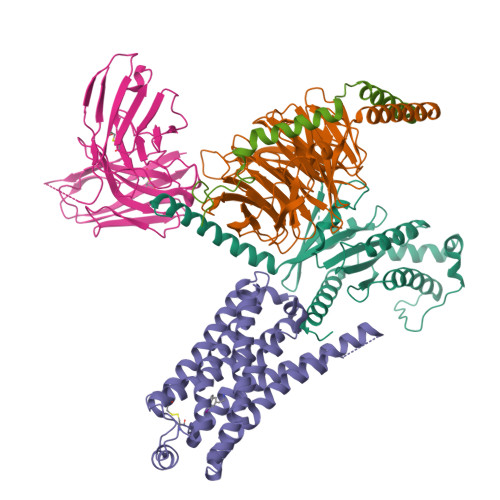
Click to view 3D structureSodium-dependent dopamine transporterP23977Rattus norvegicusPredicted (SEA)
Prediction Confidence Score
0.688
Applicability Domain
1.0
Statistical Significance
2.40e-04
Supporting Reference Compounds
203
E-value
1.86838
Click to view 3D structureSodium-dependent serotonin transporterP31652Rattus norvegicusPredicted (SEA)
Prediction Confidence Score
0.657
Applicability Domain
1.0
Statistical Significance
3.40e-04
Supporting Reference Compounds
297
E-value
2.64687
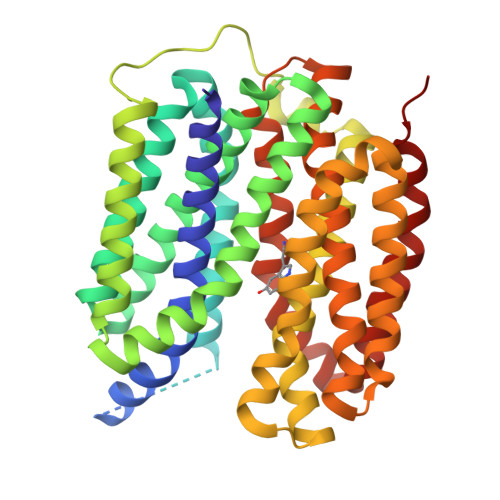
Trace amine-associated receptor 1 structureClick to view 3D structureTrace amine-associated receptor 1Q96RJ0HumansPredicted (SEA)
Prediction Confidence Score
0.623
Applicability Domain
1.0
Statistical Significance
3.00e-05
Supporting Reference Compounds
63
E-value
0.233548
Click to view 3D structureTrace amine-associated receptor 1Q8HZ64Macaca mulattaPredicted (SEA)
Prediction Confidence Score
0.623
Applicability Domain
1.0
Statistical Significance
1.00e-05
Supporting Reference Compounds
8
E-value
0.0778492
Sodium-dependent dopamine transporter structureClick to view 3D structureSodium-dependent dopamine transporterQ01959HumansPredicted (SEA)
Prediction Confidence Score
0.601
Applicability Domain
1.0
Statistical Significance
5.20e-04
Supporting Reference Compounds
506
E-value
4.04816
Sodium-dependent noradrenaline transporter structureClick to view 3D structureSodium-dependent noradrenaline transporterP23975HumansPredicted (SEA)
Prediction Confidence Score
0.601
Applicability Domain
1.0
Statistical Significance
3.30e-04
Supporting Reference Compounds
451
E-value
2.56902
Sodium-dependent serotonin transporter structureClick to view 3D structureSodium-dependent serotonin transporterP31645HumansPredicted (SEA)
Prediction Confidence Score
0.584
Applicability Domain
1.0
Statistical Significance
9.40e-04
Supporting Reference Compounds
593
E-value
7.31783
Trace amine-associated receptor 1 structureClick to view 3D structureTrace amine-associated receptor 1Q923Y8Mus musculusPredicted (SEA)
Prediction Confidence Score
0.561
Applicability Domain
1.0
Statistical Significance
2.00e-05
Supporting Reference Compounds
18
E-value
0.155698
Amine oxidase [flavin-containing] A structureClick to view 3D structureAmine oxidase [flavin-containing] AP21396Rattus norvegicusPredicted (SEA)
Prediction Confidence Score
0.56
Applicability Domain
0.6
Statistical Significance
1.80e-04
Supporting Reference Compounds
66
E-value
1.40129
Click to view 3D structureTrace amine-associated receptor 1Q923Y9Rattus norvegicusPredicted (SEA)
Prediction Confidence Score
0.553
Applicability Domain
1.0
Statistical Significance
2.00e-05
Supporting Reference Compounds
18
E-value
0.155698
Click to view 3D structure5-hydroxytryptamine receptor 2BP30994Rattus norvegicusPredicted (SEA)
Prediction Confidence Score
0.549
Applicability Domain
1.0
Statistical Significance
8.00e-05
Supporting Reference Compounds
40
E-value
0.622794
5-hydroxytryptamine receptor 2C structureClick to view 3D structure5-hydroxytryptamine receptor 2CP08909RatPredicted (SEA)
Prediction Confidence Score
0.541
Applicability Domain
1.0
Statistical Significance
6.20e-04
Supporting Reference Compounds
185
E-value
4.82665
5-hydroxytryptamine receptor 2A structureClick to view 3D structure5-hydroxytryptamine receptor 2AP14842Rattus norvegicusPredicted (SEA)
Prediction Confidence Score
0.503
Applicability Domain
1.0
Statistical Significance
0.0021
Supporting Reference Compounds
380
E-value
16.3483
Click to view 3D structureNorepinephrine transporterQ9WTR4Rattus norvegicusPredicted (SEA)
Prediction Confidence Score
0.457
Applicability Domain
0.571
Statistical Significance
0.0012
Supporting Reference Compounds
112
E-value
9.6533
5-hydroxytryptamine receptor 2A structureClick to view 3D structure5-hydroxytryptamine receptor 2AP28223HumansPredicted (SEA)
Prediction Confidence Score
0.442
Applicability Domain
0.571
Statistical Significance
0.0109
Supporting Reference Compounds
955
E-value
84.9335
Cytochrome P450 2A6 structureClick to view 3D structureCytochrome P450 2A6P11509HumansPredicted (SEA)
Prediction Confidence Score
0.438
Applicability Domain
1.0
Statistical Significance
7.00e-05
Supporting Reference Compounds
68
E-value
0.544945
Solute carrier family 15 member 1 structureClick to view 3D structureSolute carrier family 15 member 1P46059HumansPredicted (SEA)
Prediction Confidence Score
0.422
Applicability Domain
0.471
Statistical Significance
3.20e-04
Supporting Reference Compounds
3
E-value
2.49118
Click to view 3D structureCytochrome P450 2A5P20852Mus musculusPredicted (SEA)
Prediction Confidence Score
0.411
Applicability Domain
1.0
Statistical Significance
2.00e-05
Supporting Reference Compounds
11
E-value
0.155698
5-hydroxytryptamine receptor 2C structureClick to view 3D structure5-hydroxytryptamine receptor 2CP28335HumansPredicted (SEA)
Prediction Confidence Score
0.409
Applicability Domain
0.571
Statistical Significance
0.0111
Supporting Reference Compounds
823
E-value
86.2569
Click to view 3D structureCytosol aminopeptidaseP28838HumansPredicted (SEA)
Prediction Confidence Score
0.401
Applicability Domain
0.483
Statistical Significance
5.00e-04
Supporting Reference Compounds
18
E-value
3.89246
5-hydroxytryptamine receptor 2B structureClick to view 3D structure5-hydroxytryptamine receptor 2BP41595HumansPredicted (SEA)
Prediction Confidence Score
0.399
Applicability Domain
0.571
Statistical Significance
0.0086
Supporting Reference Compounds
686
E-value
67.1839
Cytosol aminopeptidase structureClick to view 3D structureCytosol aminopeptidaseP00727Bos taurusPredicted (SEA)
Prediction Confidence Score
0.39
Applicability Domain
0.39
Statistical Significance
0.0014
Supporting Reference Compounds
1
E-value
10.821
Click to view 3D structureAminopeptidase BO09175Rattus norvegicusPredicted (SEA)
Prediction Confidence Score
0.377
Applicability Domain
0.432
Statistical Significance
2.00e-04
Supporting Reference Compounds
8
E-value
1.55698
Neprilysin structureClick to view 3D structureNeprilysinQ61391Mus musculusPredicted (SEA)
Prediction Confidence Score
0.377
Applicability Domain
0.471
Statistical Significance
0.0015
Supporting Reference Compounds
3
E-value
11.5995
Click to view 3D structureMast cell carboxypeptidase AP15088HumansPredicted (SEA)
Prediction Confidence Score
0.375
Applicability Domain
0.387
Statistical Significance
3.30e-04
Supporting Reference Compounds
2
E-value
2.56902
Trace amine-associated receptor 1 structureClick to view 3D structureTrace amine-associated receptor 1Q96RJ0HumansKnownNot Available
Sodium-dependent noradrenaline transporter structureClick to view 3D structureSodium-dependent noradrenaline transporterP23975HumansKnownNot Available
Synaptic vesicular amine transporter structureClick to view 3D structureSynaptic vesicular amine transporterQ05940HumansKnownNot Available
Alpha-1A adrenergic receptor structureClick to view 3D structureAlpha-1A adrenergic receptorP35348HumansKnownThe exact mechanism of action is not known. Dextroamphetamine stimulates the release of norepinephrine from central adrenergic receptors. At higher dosages, it causes release of dopamine from the mesocorticolimbic system and the nigrostriatal dopamine systems. Dextroamphetamine may also act as a direct agonist on central 5-HT receptors and may inhibit monoamine oxidase (MAO). In the periphery, amphetamines are believed to cause the release of noradrenaline by acting on the adrenergic nerve terminals and alpha- and beta-receptors. Modulation of serotonergic pathways may contribute to the calming affect.
Click to view 3D structureAlpha-1B adrenergic receptorP35368HumansKnownThe exact mechanism of action is not known. Dextroamphetamine stimulates the release of norepinephrine from central adrenergic receptors. At higher dosages, it causes release of dopamine from the mesocorticolimbic system and the nigrostriatal dopamine systems. Dextroamphetamine may also act as a direct agonist on central 5-HT receptors and may inhibit monoamine oxidase (MAO). In the periphery, amphetamines are believed to cause the release of noradrenaline by acting on the adrenergic nerve terminals and alpha- and beta-receptors. Modulation of serotonergic pathways may contribute to the calming affect.
Sodium-dependent dopamine transporter structureClick to view 3D structureSodium-dependent dopamine transporterQ01959HumansKnownThe exact mechanism of action is not known. Dextroamphetamine stimulates the release of norepinephrine from central adrenergic receptors. At higher dosages, it causes release of dopamine from the mesocorticolimbic system and the nigrostriatal dopamine systems. Dextroamphetamine may also act as a direct agonist on central 5-HT receptors and may inhibit monoamine oxidase (MAO). In the periphery, amphetamines are believed to cause the release of noradrenaline by acting on the adrenergic nerve terminals and alpha- and beta-receptors. Modulation of serotonergic pathways may contribute to the calming affect.
Concentrations
Not Available
External Links
DrugBank IDDB01576
HMDB IDHMDB0015516
FooDB IDNot Available
Phenol Explorer IDNot Available
KNApSAcK IDNot Available
BiGG IDNot Available
BioCyc IDNot Available
METLIN IDNot Available
PDB IDNot Available
Wikipedia LinkDextroamphetamine
Chemspider ID5621
ChEBI ID4469
PubChem Compound ID5826
Kegg Compound IDC07884
YMDB IDNot Available
ECMDB IDNot Available
References
Synthesis Reference

Nabenhauer, F.P.; US. Patent 2,276,508; March 17,1942; assigned to Smith, Kline & French
Laboratories.

MSDSNot Available
General References
  1. Yamada H, Baba T, Hirata Y, Oguri K, Yoshimura H: Studies on N-demethylation of methamphetamine by liver microsomes of guinea-pigs and rats: the role of flavin-containing mono-oxygenase and cytochrome P-450 systems. Xenobiotica. 1984 Nov;14(11):861-6. [PubMed: 6506758]
  2. Warneke L: Psychostimulants in psychiatry. Can J Psychiatry. 1990 Feb;35(1):3-10. [PubMed: 2180548]
  3. Wagner GJ, Rabkin R: Effects of dextroamphetamine on depression and fatigue in men with HIV: a double-blind, placebo-controlled trial. J Clin Psychiatry. 2000 Jun;61(6):436-40. [PubMed: 10901342]
  4. Martinsson L, Yang X, Beck O, Wahlgren NG, Eksborg S: Pharmacokinetics of dexamphetamine in acute stroke. Clin Neuropharmacol. 2003 Sep-Oct;26(5):270-6. [PubMed: 14520168]
  5. Butefisch CM, Davis BC, Sawaki L, Waldvogel D, Classen J, Kopylev L, Cohen LG: Modulation of use-dependent plasticity by d-amphetamine. Ann Neurol. 2002 Jan;51(1):59-68. [PubMed: 11782985]
  6. Greer CA, Alpern HP: Maturational changes related to dopamine in the effects of d-amphetamine, cocaine, nicotine, and strychnine on seizure susceptibility. Psychopharmacology (Berl). 1979 Sep;64(3):255-60. [PubMed: 116267]
  7. Lile JA, Stoops WW, Durell TM, Glaser PE, Rush CR: Discriminative-stimulus, self-reported, performance, and cardiovascular effects of atomoxetine in methylphenidate-trained humans. Exp Clin Psychopharmacol. 2006 May;14(2):136-47. [PubMed: 16756417]
  8. Patel JB, Migler B: A sensitive and selective monkey conflict test. Pharmacol Biochem Behav. 1982 Oct;17(4):645-9. [PubMed: 7178177]
  9. Chiueh CC, Moore KE: D-amphetamine-induced release of "newly synthesized" and "stored" dopamine from the caudate nucleus in vivo. J Pharmacol Exp Ther. 1975 Mar;192(3):642-53. [PubMed: 1120962]
  10. Glick SD, Cox RD, Greenstein S: Relationship of rats' spatial preferences to effects of d-amphetamine on timing behavior. Eur J Pharmacol. 1975 Aug;33(1):173-82. [PubMed: 1236804]
  11. RxList: The Internet Drug Index (2009). - http://www.rxlist.com/