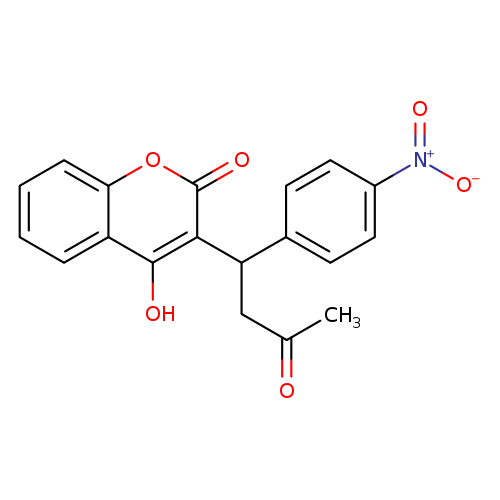
Click to view 3D structure Click to view 3D structure | Vitamin K epoxide reductase complex subunit 1 | Q9BQB6 | Humans | Predicted (SEA) | 0.155698 |
 Click to view 3D structure Click to view 3D structure | Vitamin K epoxide reductase complex subunit 1 | Q6TEK4 | Rattus norvegicus | Predicted (SEA) | 0.311397 |
| Click to view 3D structure | NAD(P)H dehydrogenase [quinone] 1 | P05982 | Rattus norvegicus | Predicted (SEA) | 0.856341 |
![NAD(P)H dehydrogenase [quinone] 1 structure](https://cdn.rcsb.org/images/structures/1d4a_assembly-1.jpeg) Click to view 3D structure Click to view 3D structure | NAD(P)H dehydrogenase [quinone] 1 | P15559 | Humans | Predicted (SEA) | 0.778492 |
 Click to view 3D structure Click to view 3D structure | Albumin | P02768 | Humans | Predicted (SEA) | 47.1766 |
 Click to view 3D structure Click to view 3D structure | Endolysin | P00720 | Enterobacteria phage T4 | Predicted (SEA) | 7.23998 |
| Click to view 3D structure | Pol polyprotein | Q72874 | Human immunodeficiency virus 1 | Predicted (SEA) | 59.5547 |
| Click to view 3D structure | Vitamin K epoxide reductase complex subunit 1 | Q6B4J2 | Bos taurus | Predicted (SEA) | 0.934191 |
![Poly [ADP-ribose] polymerase tankyrase-1 structure](https://cdn.rcsb.org/images/structures/2rf5_assembly-1.jpeg) Click to view 3D structure Click to view 3D structure | Poly [ADP-ribose] polymerase tankyrase-1 | O95271 | Humans | Predicted (SEA) | 66.9503 |
| Click to view 3D structure | Protein phosphatase EYA3 | Q99504 | Humans | Predicted (SEA) | 1.86838 |
 Click to view 3D structure Click to view 3D structure | Carbonic anhydrase 9 | Q16790 | Humans | Predicted (SEA) | 359.741 |
![Poly [ADP-ribose] polymerase tankyrase-2 structure](https://cdn.rcsb.org/images/structures/2y0i_assembly-1.jpeg) Click to view 3D structure Click to view 3D structure | Poly [ADP-ribose] polymerase tankyrase-2 | Q9H2K2 | Humans | Predicted (SEA) | 64.4592 |
 Click to view 3D structure Click to view 3D structure | Carbonic anhydrase 12 | O43570 | Humans | Predicted (SEA) | 369.083 |
| Click to view 3D structure | Streptokinase A | P10520 | Streptococcus pyogenes serotype M1 | Predicted (SEA) | 302.289 |
 Click to view 3D structure Click to view 3D structure | Carbonic anhydrase 1 | P00915 | Humans | Predicted (SEA) | 457.753 |
 Click to view 3D structure Click to view 3D structure | Carbonic anhydrase 2 | P00918 | Humans | Predicted (SEA) | 561.215 |
| Click to view 3D structure | Long-chain-fatty-acid--CoA ligase 6 | Q9UKU0 | Humans | Predicted (SEA) | 19.7737 |
| Click to view 3D structure | Patatin-like phospholipase domain-containing protein 6 | Q3TRM4 | Mus musculus | Predicted (SEA) | 41.1044 |
 Click to view 3D structure Click to view 3D structure | Mitogen-activated protein kinase 1 | P28482 | Humans | Predicted (SEA) | 1148.67 |
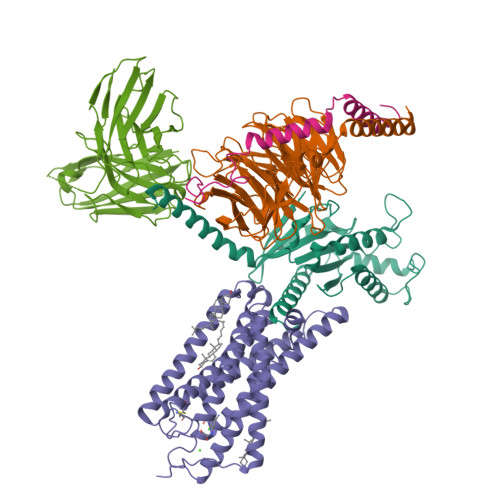 Click to view 3D structure Click to view 3D structure | G-protein coupled receptor 35 | Q9HC97 | Humans | Predicted (SEA) | 61.2673 |
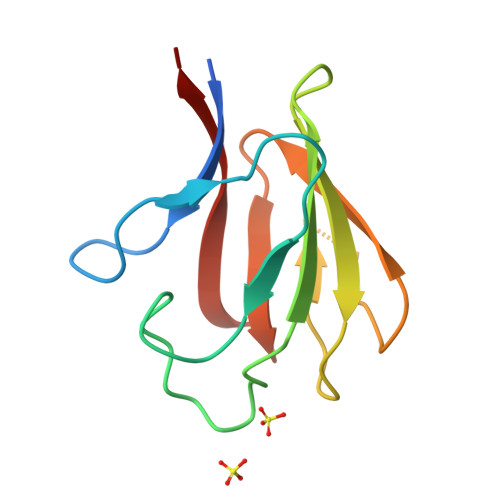 Click to view 3D structure Click to view 3D structure | Bifunctional polynucleotide phosphatase/kinase | Q96T60 | Humans | Predicted (SEA) | 1.47914 |
 Click to view 3D structure Click to view 3D structure | Cytochrome P450 2C9 | P11712 | Humans | Predicted (SEA) | 1971.84 |
 Click to view 3D structure Click to view 3D structure | Toll-like receptor 9 | Q9NR96 | Humans | Predicted (SEA) | 69.4415 |
![Poly [ADP-ribose] polymerase 1 structure](https://cdn.rcsb.org/images/structures/1uk0_assembly-1.jpeg) Click to view 3D structure Click to view 3D structure | Poly [ADP-ribose] polymerase 1 | P09874 | Humans | Predicted (SEA) | 169.322 |
 Click to view 3D structure Click to view 3D structure | Induced myeloid leukemia cell differentiation protein Mcl-1 | Q07820 | Humans | Predicted (SEA) | 370.251 |
| Click to view 3D structure | Vitamin K epoxide reductase complex subunit 1 | Q9BQB6 | Humans | Known | Acenocoumarol inhibits vitamin K reductase, resulting in depletion of the reduced form of vitamin K (vitamin KH2). As vitamin K is a cofactor for the carboxylation of glutamate residues on the N-terminal regions of vitamin K-dependent proteins, this limits the gamma-carboxylation and subsequent activation of the vitamin K-dependent coagulant proteins. The synthesis of vitamin K-dependent coagulation factors II, VII, IX, and X and anticoagulant proteins C and S is inhibited. Depression of three of the four vitamin K-dependent coagulation factors (factors II, VII, and X) results in decresed prothrombin levels and a decrease in the amount of thrombin generated and bound to fibrin. This reduces the thrombogenicity of clots. |
 Click to view 3D structure Click to view 3D structure | Alpha-1-acid glycoprotein 1 | P02763 | Humans | Known | Acenocoumarol inhibits vitamin K reductase, resulting in depletion of the reduced form of vitamin K (vitamin KH2). As vitamin K is a cofactor for the carboxylation of glutamate residues on the N-terminal regions of vitamin K-dependent proteins, this limits the gamma-carboxylation and subsequent activation of the vitamin K-dependent coagulant proteins. The synthesis of vitamin K-dependent coagulation factors II, VII, IX, and X and anticoagulant proteins C and S is inhibited. Depression of three of the four vitamin K-dependent coagulation factors (factors II, VII, and X) results in decresed prothrombin levels and a decrease in the amount of thrombin generated and bound to fibrin. This reduces the thrombogenicity of clots. |
| Click to view 3D structure | Albumin | P02768 | Humans | Known | Acenocoumarol inhibits vitamin K reductase, resulting in depletion of the reduced form of vitamin K (vitamin KH2). As vitamin K is a cofactor for the carboxylation of glutamate residues on the N-terminal regions of vitamin K-dependent proteins, this limits the gamma-carboxylation and subsequent activation of the vitamin K-dependent coagulant proteins. The synthesis of vitamin K-dependent coagulation factors II, VII, IX, and X and anticoagulant proteins C and S is inhibited. Depression of three of the four vitamin K-dependent coagulation factors (factors II, VII, and X) results in decresed prothrombin levels and a decrease in the amount of thrombin generated and bound to fibrin. This reduces the thrombogenicity of clots. |