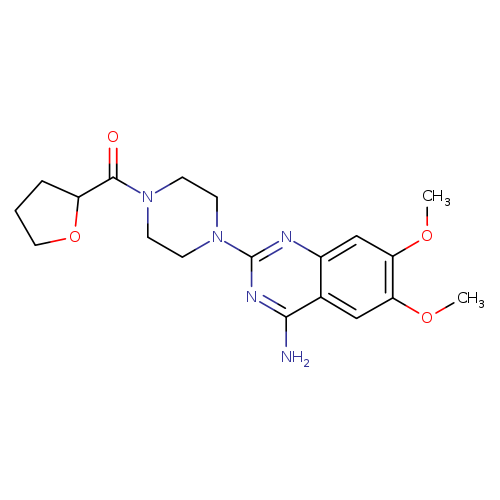
Terazosin (CED0005671)

Record Information
Version1.0
Creation Date2009-07-30 17:59:10 UTC
Update Date2026-05-14 16:58:21 UTC
Accession NumberCHEM002533
Identification
Common NameTerazosin
ClassSmall Molecule
Description
Terazosin is an exogenous organic compound with the formula C19H25N5O4 and an average molecular weight of 387.43 g/mol. At room temperature, it exists as a solid. Terazosin belongs to the piperazines, a subclass of diazinanes within the organic compounds. The compound is recorded in 11 sources, including healthcare, pharmaceuticals, and veterinary products as a drug used in benign prostatic hypertrophy; food, food processing, and cookware for food preservation; household cleaning and consumer products such as tobacco smoke filters, cigar cigarettes, non-electric simulated smoking devices, and other smoking requisites; and electrical and electronic equipment including electrodes, television systems, antennas, conductors or conductive bodies characterised by the conductive materials, and electrically stimulated smoking devices. The recorded exposure route is oral. Terazosin acts on seven protein targets. It selectively and competitively inhibits vascular postsynaptic alpha(1)-adrenergic receptors—specifically the alpha-1A (ADRA1A), alpha-1B (ADRA1B), and alpha-1D (ADRA1D) adrenergic receptors—which results in peripheral vasodilation and a reduction of vascular resistance and blood pressure. Unlike the nonselective alpha-adrenergic blockers phentolamine and phenoxybenzamine, terazosin does not block presynaptic alpha(2)-receptors and therefore does not cause reflex activation of norepinephrine release to produce reflex tachycardia. Additionally, it serves as an inducer of transforming growth factor beta-1 proprotein (TGFB1) and voltage-gated inwardly rectifying potassium channels KCNH2, KCNH6, and KCNH7.
Contaminant Type
  • Adrenergic alpha-1 Receptor Antagonist
  • Adrenergic alpha-Antagonist
  • Amide
  • Amine
  • Antineoplastic Agent
  • Drug
  • Ether
  • Human Neurotoxin
  • Organic Compound
  • Platelet Aggregation Inhibitor
  • Synthetic Compound
Chemical Structure
Synonyms
ValueSource
1-(4-Amino-6,7-dimethoxy-2-quinazolinyl)-4-((tetrahydro-2-furanyl)carbonyl)piperazineChEBI
TerazosinaChEBI
TerazosineChEBI
TerazosinumChEBI
TerazosabbKegg
Abbott 45975HMDB
MagnurolHMDB
Nu-terazosinHMDB
Ratio-terazosinHMDB
Apo-terazosinHMDB
HeitrinHMDB
HytrinHMDB
Terazosin azuHMDB
Terazosin hexalHMDB
Terazosin hydrochlorideHMDB
Terazosina alterHMDB
Terazosina kernHMDB
ZayaselHMDB
AdecurHMDB
DefloxHMDB
DysalfaHMDB
FlotrinHMDB
HytrineHMDB
Novo-terazosinHMDB
SutifHMDB
TazusinHMDB
TerazofloHMDB
Terazosin, monohydrochloride, dihydrateHMDB
Hexal brand OF terazosin hydrochlorideHMDB
Hytrin BPHHMDB
PMS-TerazosinHMDB
Terazosina qualixHMDB
Terazosin hydrochloride anhydrousHMDB
Chemical FormulaC19H25N5O4
Average Molecular Mass387.433 g/mol
Monoisotopic Mass387.191 g/mol
CAS Registry Number70024-40-7
IUPAC Name6,7-dimethoxy-2-[4-(oxolane-2-carbonyl)piperazin-1-yl]quinazolin-4-amine
Traditional Nameterazosin
SMILESCOC1=C(OC)C=C2C(N)=NC(=NC2=C1)N1CCN(CC1)C(=O)C1CCCO1
InChI IdentifierInChI=1S/C19H25N5O4/c1-26-15-10-12-13(11-16(15)27-2)21-19(22-17(12)20)24-7-5-23(6-8-24)18(25)14-4-3-9-28-14/h10-11,14H,3-9H2,1-2H3,(H2,20,21,22)
InChI KeyVCKUSRYTPJJLNI-UHFFFAOYSA-N
Chemical Taxonomy
Description Belongs to the class of organic compounds known as n-arylpiperazines. These are organic compounds containing a piperazine ring where the nitrogen ring atom carries an aryl group.
KingdomOrganic compounds
Super ClassOrganoheterocyclic compounds
ClassDiazinanes
Sub ClassPiperazines
Direct ParentN-arylpiperazines
Alternative Parents
Substituents
  • N-arylpiperazine
  • Quinazolinamine
  • Diazanaphthalene
  • Quinazoline
  • Anisole
  • Dialkylarylamine
  • Alkyl aryl ether
  • Aminopyrimidine
  • Pyrimidine
  • Imidolactam
  • Benzenoid
  • Heteroaromatic compound
  • Tetrahydrofuran
  • Tertiary carboxylic acid amide
  • Amino acid or derivatives
  • Carboxamide group
  • Carboxylic acid derivative
  • Dialkyl ether
  • Ether
  • Oxacycle
  • Azacycle
  • Organic oxygen compound
  • Amine
  • Organic nitrogen compound
  • Hydrocarbon derivative
  • Carbonyl group
  • Organonitrogen compound
  • Organooxygen compound
  • Primary amine
  • Organopnictogen compound
  • Organic oxide
  • Aromatic heteropolycyclic compound
Molecular FrameworkAromatic heteropolycyclic compounds
External Descriptors
Biological Properties
StatusDetected and Not Quantified
OriginExogenous
Cellular Locations
  • Cytoplasm
  • Extracellular
Biofluid LocationsNot Available
Tissue LocationsNot Available
ApplicationsNot Available
Biological RolesNot Available
Chemical RolesNot Available
Organoleptic EffectsNot Available
Physical Properties
StateSolid
AppearanceTerazosin is a white, crystalline substance,
Experimental Properties
PropertyValue
Melting Point273°C
Boiling PointNot Available
Solubility29.7mg/mL
Predicted Properties
PropertyValueSource
Water Solubility1.5 g/LALOGPS
logP1.12ALOGPS
logP1.18ChemAxon
logS-2.4ALOGPS
pKa (Strongest Acidic)19.93ChemAxon
pKa (Strongest Basic)7.24ChemAxon
Physiological Charge1ChemAxon
Hydrogen Acceptor Count8ChemAxon
Hydrogen Donor Count1ChemAxon
Polar Surface Area103.04 ŲChemAxon
Rotatable Bond Count4ChemAxon
Refractivity105.18 m³·mol⁻¹ChemAxon
Polarizability41.26 ųChemAxon
Number of Rings4ChemAxon
BioavailabilityYesChemAxon
Rule of FiveYesChemAxon
Ghose FilterYesChemAxon
Veber's RuleNoChemAxon
MDDR-like RuleNoChemAxon
Spectra
Spectra
Spectrum TypeDescriptionSplash KeyDeposition DateView
Predicted GC-MSPredicted GC-MS Spectrumsplash10-00di-9375000000-51e0b50a02ca9182132aNot AvailableView Spectrum
Predicted GC-MSPredicted GC-MS SpectrumNot AvailableNot AvailableView Spectrum
LC-MS/MSLC-MS/MS Spectrumsplash10-000i-0049000000-86650e3e374df663aa35Not AvailableView Spectrum
LC-MS/MSLC-MS/MS Spectrumsplash10-000i-0059000000-ca9adf5daab9e5e9b6e7Not AvailableView Spectrum
LC-MS/MSLC-MS/MS Spectrumsplash10-000e-1292000000-9081c5bb64e8d096db78Not AvailableView Spectrum
LC-MS/MSLC-MS/MS Spectrumsplash10-0079-0019000000-d7e59834a3bdfe524c51Not AvailableView Spectrum
LC-MS/MSLC-MS/MS Spectrumsplash10-000l-0097000000-c8329e54acf1c8a72d7cNot AvailableView Spectrum
Predicted LC-MS/MSPredicted LC-MS/MS Spectrumsplash10-000i-0029000000-b9509509936fd20822e4Not AvailableView Spectrum
Predicted LC-MS/MSPredicted LC-MS/MS Spectrumsplash10-007c-3069000000-196d536a1f876cf3fe0fNot AvailableView Spectrum
Predicted LC-MS/MSPredicted LC-MS/MS Spectrumsplash10-006t-2090000000-f24db01089337864b16fNot AvailableView Spectrum
Predicted LC-MS/MSPredicted LC-MS/MS Spectrumsplash10-000i-1019000000-f4c3728d09b25d55b2f4Not AvailableView Spectrum
Predicted LC-MS/MSPredicted LC-MS/MS Spectrumsplash10-00dr-6098000000-81e55b539bff87910453Not AvailableView Spectrum
Predicted LC-MS/MSPredicted LC-MS/MS Spectrumsplash10-00em-3091000000-b40b6a5be295255d01eaNot AvailableView Spectrum
Predicted LC-MS/MSPredicted LC-MS/MS Spectrumsplash10-000i-0009000000-6fee4cbd3c043ea0f36aNot AvailableView Spectrum
Predicted LC-MS/MSPredicted LC-MS/MS Spectrumsplash10-000i-0009000000-0967bc8cd13ea8732283Not AvailableView Spectrum
Predicted LC-MS/MSPredicted LC-MS/MS Spectrumsplash10-006y-3149000000-56db17d16ac03814def3Not AvailableView Spectrum
Predicted LC-MS/MSPredicted LC-MS/MS Spectrumsplash10-000i-0009000000-8d31d2aa0ab8d99cf8d7Not AvailableView Spectrum
Predicted LC-MS/MSPredicted LC-MS/MS Spectrumsplash10-001r-0019000000-55003a7c1cdca21b9dfdNot AvailableView Spectrum
Predicted LC-MS/MSPredicted LC-MS/MS Spectrumsplash10-001v-0197000000-499a38ef1791a534e75cNot AvailableView Spectrum
Toxicity Profile
Mechanism of ToxicityTerazosin selectively and competitively inhibits vascular postsynaptic alpha(1)-adrenergic receptors, resulting in peripheral vasodilation and a reduction of vascular resistance and blood pressure. Unlike the nonselective alph-adrenergic blockers phenoxybenzamine and phentolamine, terazosin does not block presynaptic alpha(2)-receptors and, hence, does not cause reflex activation of norepinephrine release to produce reflex tachycardia.
Carcinogenicity (IARC Classification)No indication of carcinogenicity to humans (not listed by IARC).
Minimum Risk LevelNot Available
SymptomsAsthenia, postural hypotension, dizziness, somnolence, nasal congestion/rhinitis.
TreatmentShould overdosage of Terazosin lead to hypotension, support of the cardiovascular system is of first importance. Restoration of blood pressure and normalization of heart rate may be accomplished by keeping the patient in the supine position. If this measure is inadequate, shock should first be treated with volume expanders. If necessary, vasopressors should then be used and renal function should be monitored and supported as needed. Laboratory data indicate that Terazosin is highly protein bound; therefore, dialysis may not be of benefit. (4)
Toxicity Values
Toxicity ValueUnitValue RangeOrganismDose DescriptorRoute of ExposurePredicted or ExperimentalReference
259.3mg/kgNot AvailableMouseLD50parental-intravenousexperimentalA308
2812.0Log mg/kg[1600:5000]RatLD50oralpredictedNot Available
Health Effects
Health EffectRelationshipDirectionReference
Exposure Sources
Source IDSourceSectorReference
327Drugs used in benign prostatic hypertrophyHealthcare, pharmaceuticals & veterinary productsNot Available
506AntennasElectrical & Electronic EquipmentNot Available
511Conductors Or Conductive Bodies Characterised By The Conductive MaterialsElectrical & Electronic EquipmentNot Available
518Electrically Stimulated Smoking DevicesElectrical & Electronic EquipmentNot Available
519ElectrodesElectrical & Electronic EquipmentNot Available
537Television SystemsElectrical & Electronic EquipmentNot Available
545Food PreservationFood, food processing & cookwareNot Available
556Cigar CigarettesHousehold cleaning & consumer productsNot Available
559Non Electric Simulated Smoking DevicesHousehold cleaning & consumer productsNot Available
560Other Smoking RequisitesHousehold cleaning & consumer productsNot Available
569Tobacco Smoke FiltersHousehold cleaning & consumer productsNot Available
580Manufacture Preparation Of Tobacco ProductsIndustrial manufacturing & chemical processingNot Available
592Marine Propulsion Or SteeringMarine, shipping & aquacultureNot Available
610Aftersun ProductsPersonal care & cosmeticsNot Available
611Anti Perspirants Or Body DeoderantsPersonal care & cosmeticsNot Available
632ApparelTextiles, leather & furnishingsNot Available
Pathways
2 pathways
Targets
StructureProteinUniProt IDOrganismRelationshipDetails
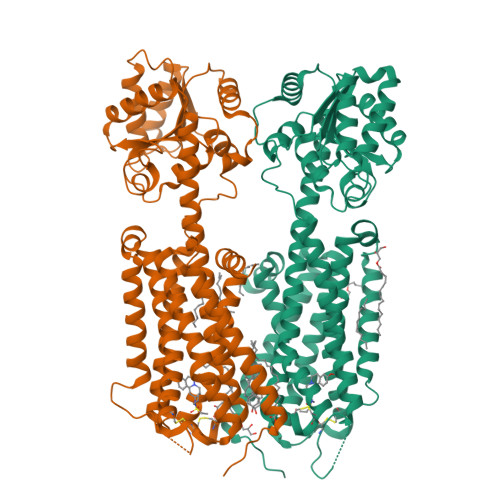
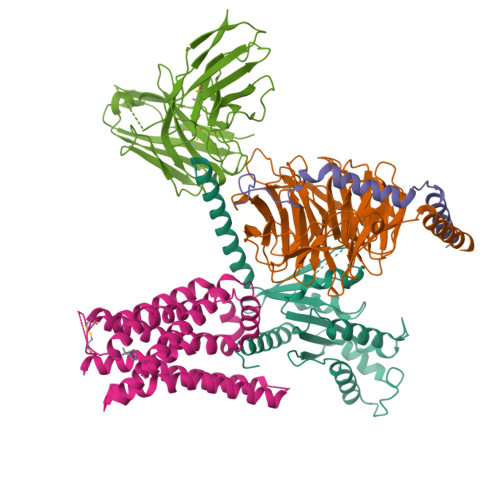
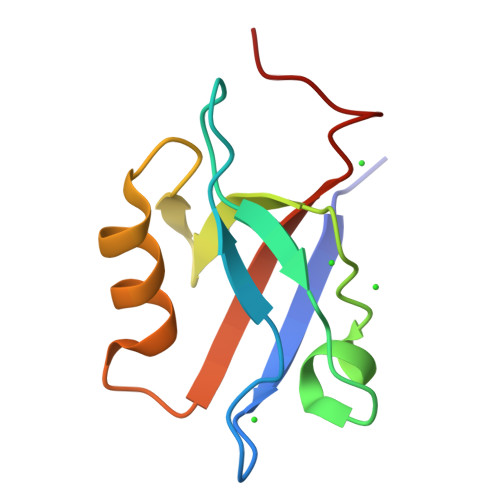
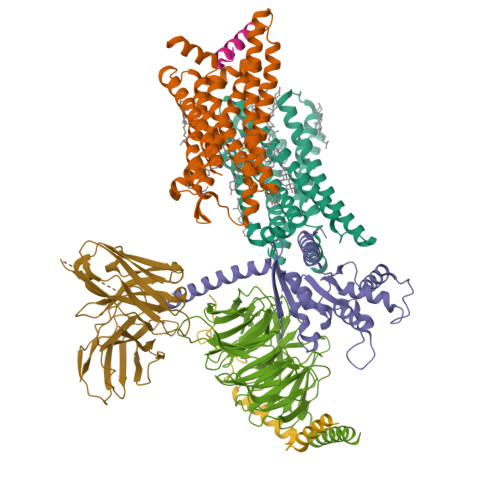
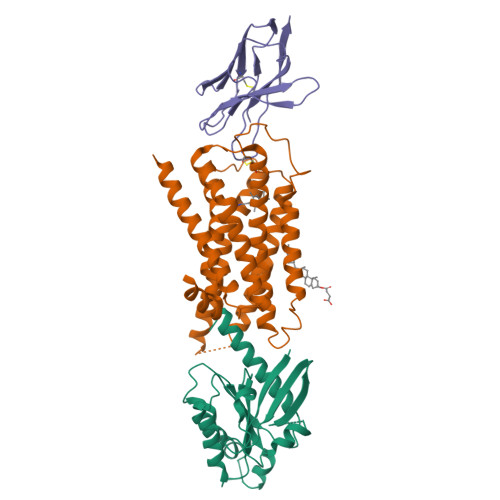
Alpha-1A adrenergic receptor structureClick to view 3D structureAlpha-1A adrenergic receptorP35348HumansPredicted (SEA)1.86838
Click to view 3D structureAlpha-1A adrenergic receptorP43140Rattus norvegicusPredicted (SEA)0.622794
Click to view 3D structureAlpha-1B adrenergic receptorP35368HumansPredicted (SEA)1.55698
Click to view 3D structureAlpha-1B adrenergic receptorP15823Rattus norvegicusPredicted (SEA)0.311397
Click to view 3D structureAlpha-1D adrenergic receptorP25100HumansPredicted (SEA)0.856341
Click to view 3D structureAlpha-1D adrenergic receptorP23944Rattus norvegicusPredicted (SEA)1.55698
Alpha-2C adrenergic receptor structureClick to view 3D structureAlpha-2C adrenergic receptorP18825HumansPredicted (SEA)2.25763
Alpha-2B adrenergic receptor structureClick to view 3D structureAlpha-2B adrenergic receptorP18089HumansPredicted (SEA)1.71268
Click to view 3D structureAlpha-1A adrenergic receptorP18130Bos taurusPredicted (SEA)0.856341
Alpha-2A adrenergic receptor structureClick to view 3D structureAlpha-2A adrenergic receptorP08913HumansPredicted (SEA)6.69503
Click to view 3D structure5-hydroxytryptamine receptor 1AP19327Rattus norvegicusPredicted (SEA)25.0674
Click to view 3D structureD(2) dopamine receptorP61169RatPredicted (SEA)28.7264
Click to view 3D structure5-hydroxytryptamine receptor 2AP14842Rattus norvegicusPredicted (SEA)21.4864
Click to view 3D structureAlpha-1B adrenergic receptorP18841Mesocricetus auratusPredicted (SEA)1.71268
Click to view 3D structureAlpha-1A adrenergic receptorO02824Oryctolagus cuniculusPredicted (SEA)1.01204
Click to view 3D structureBeta-caseinP02665Rattus norvegicusPredicted (SEA)0.311397
Voltage-gated inwardly rectifying potassium channel KCNH2 structureClick to view 3D structureVoltage-gated inwardly rectifying potassium channel KCNH2Q12809HumansPredicted (SEA)190.108
5-hydroxytryptamine receptor 1A structureClick to view 3D structure5-hydroxytryptamine receptor 1AP08908HumansPredicted (SEA)133.589
Histone-lysine N-methyltransferase EHMT2 structureClick to view 3D structureHistone-lysine N-methyltransferase EHMT2Q96KQ7HumansPredicted (SEA)12.5337
5-hydroxytryptamine receptor 2B structureClick to view 3D structure5-hydroxytryptamine receptor 2BP41595HumansPredicted (SEA)70.9985
Beta-2 adrenergic receptor structureClick to view 3D structureBeta-2 adrenergic receptorP07550HumansPredicted (SEA)24.3668
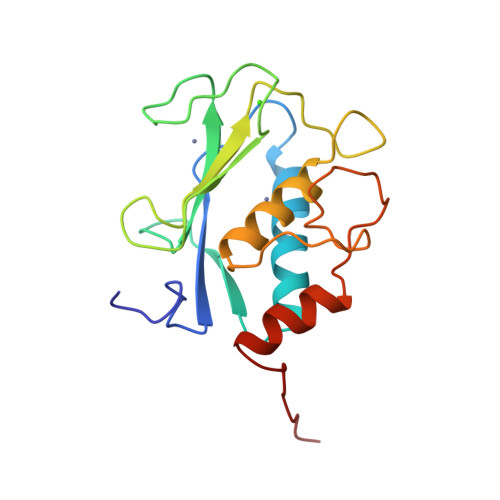
PHD finger protein 19 structureClick to view 3D structurePHD finger protein 19Q5T6S3HumansPredicted (SEA)2.17978
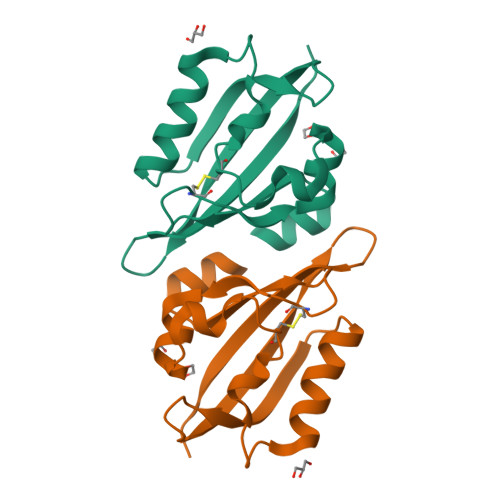
Interstitial collagenase structureClick to view 3D structureInterstitial collagenaseP03956HumansPredicted (SEA)69.8307
Histone-lysine N-methyltransferase EHMT1 structureClick to view 3D structureHistone-lysine N-methyltransferase EHMT1Q9H9B1HumansPredicted (SEA)7.31783
Mu-type opioid receptor structureClick to view 3D structureMu-type opioid receptorP35372HumansPredicted (SEA)270.526
Alpha-1A adrenergic receptor structureClick to view 3D structureAlpha-1A adrenergic receptorP35348HumansKnownTerazosin selectively and competitively inhibits vascular postsynaptic alpha(1)-adrenergic receptors, resulting in peripheral vasodilation and a reduction of vascular resistance and blood pressure. Unlike the nonselective alph-adrenergic blockers phenoxybenzamine and phentolamine, terazosin does not block presynaptic alpha(2)-receptors and, hence, does not cause reflex activation of norepinephrine release to produce reflex tachycardia.
Click to view 3D structureAlpha-1B adrenergic receptorP35368HumansKnownTerazosin selectively and competitively inhibits vascular postsynaptic alpha(1)-adrenergic receptors, resulting in peripheral vasodilation and a reduction of vascular resistance and blood pressure. Unlike the nonselective alph-adrenergic blockers phenoxybenzamine and phentolamine, terazosin does not block presynaptic alpha(2)-receptors and, hence, does not cause reflex activation of norepinephrine release to produce reflex tachycardia.
Click to view 3D structureAlpha-1D adrenergic receptorP25100HumansKnownTerazosin selectively and competitively inhibits vascular postsynaptic alpha(1)-adrenergic receptors, resulting in peripheral vasodilation and a reduction of vascular resistance and blood pressure. Unlike the nonselective alph-adrenergic blockers phenoxybenzamine and phentolamine, terazosin does not block presynaptic alpha(2)-receptors and, hence, does not cause reflex activation of norepinephrine release to produce reflex tachycardia.
Voltage-gated inwardly rectifying potassium channel KCNH2 structureClick to view 3D structureVoltage-gated inwardly rectifying potassium channel KCNH2Q12809HumansKnownNot Available
Click to view 3D structureVoltage-gated inwardly rectifying potassium channel KCNH6Q9H252HumansKnownNot Available
Voltage-gated inwardly rectifying potassium channel KCNH7 structureClick to view 3D structureVoltage-gated inwardly rectifying potassium channel KCNH7Q9NS40HumansKnownNot Available
Concentrations
Not Available
External Links
DrugBank IDDB01162
HMDB IDHMDB0015293
FooDB IDNot Available
Phenol Explorer IDNot Available
KNApSAcK IDNot Available
BiGG IDNot Available
BioCyc IDNot Available
METLIN IDNot Available
PDB IDNot Available
Wikipedia LinkTerazosin
Chemspider ID5208
ChEBI ID9445
PubChem Compound ID5401
Kegg Compound IDC07127
YMDB IDNot Available
ECMDB IDNot Available
References
Synthesis Reference

K. S. Keshava Murthy, Gamini Weeratunga, Tianhao Zhou, Bhaskar Reddy Guntoori, “Process for the manufacture of intermediates suitable to make doxazosin, terazosin, prazosin, tiodazosin and related antihypertensive medicines.” U.S. Patent US5919931, issued September, 1986.

MSDSNot Available
General References
1. Cushman WC, Ford CE, Cutler JA, Margolis KL, Davis BR, Grimm RH, Black HR, Hamilton BP, Holland J, Nwachuku C, Papademetriou V, Probstfield J, Wright JT Jr, Alderman MH, Weiss RJ, Piller L, Bettencourt J, Walsh SM: Success and predictors of blood pressure control in diverse North American settings: the antihypertensive and lipid-lowering treatment to prevent heart attack trial (ALLHAT). J Clin Hypertens (Greenwich). 2002 Nov-Dec;4(6):393-404.