Cellulose nitrate (CED0001512)

Record Information
Version1.0
Creation Date2009-08-05 16:56:17 UTC
Update Date2026-08-20 04:54:32 UTC
SynCED IDCED0001512
Secondary Accession Numbers
  • CHEM002547
  • T3D3558
Identification
Common NameCellulose nitrate
ClassSmall Molecule
Description
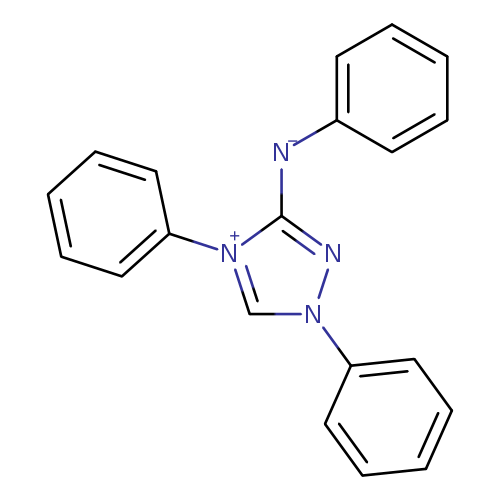
Cellulose nitrate is an exogenous organic compound with the formula C20H16N4 and an average molecular weight of 312.37 g/mol. It exists as a solid at room temperature. Cellulose nitrate belongs to the triazoles, a subclass of azoles within the organic compounds. This compound serves several roles across different fields, acting as a chemical explosive, an industrial film former, and a biological tissue adhesive. It has been recorded in sources such as tents or canopies used in building and construction, as well as electrical and electronic equipment, specifically within antennas and superconductive or hyperconductive conductors cables or transmission lines. Two protein targets are recorded for this substance: hemoglobin subunit alpha (HBA1) and hemoglobin subunit beta (HBB). Nitrite causes the autocatalytic oxidation of oxyhemoglobin to hydrogen peroxide and methemoglobin. This elevation of methemoglobin levels is a condition known as methemoglobinemia, which is characterized by tissue hypoxia because methemoglobin cannot bind oxygen.
Contaminant Type
  • Explosive Agent
  • Household Toxin
  • Industrial/Workplace Toxin
  • Inorganic Compound
  • Nitrate
  • Organic Compound
  • Synthetic Compound
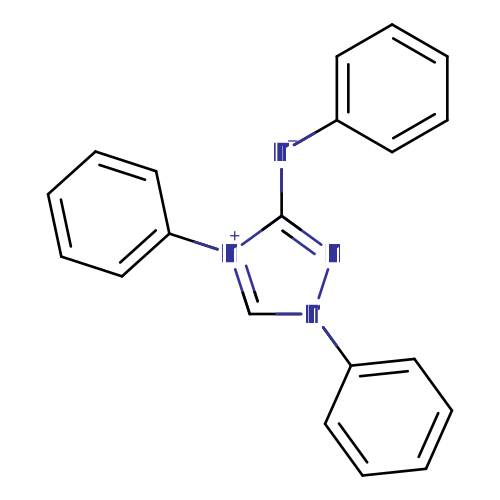
Chemical Structure
Synonyms
ValueSource
Cellulose nitric acidGenerator
Chemical FormulaC20H16N4
Average Molecular Mass312.368 g/mol
Monoisotopic Mass312.137 g/mol
CAS Registry Number9004-70-0
IUPAC Name1,4-diphenyl-3-(phenylazanidyl)-1H-1,2,4λ⁵-triazol-4-ylium
Traditional Name1,4-diphenyl-3-(phenylazanidyl)-1,2,4λ⁵-triazol-4-ylium
SMILES[N-](C1=NN(C=[N+]1C1=CC=CC=C1)C1=CC=CC=C1)C1=CC=CC=C1
InChI IdentifierInChI=1S/C20H16N4/c1-4-10-17(11-5-1)21-20-22-24(19-14-8-3-9-15-19)16-23(20)18-12-6-2-7-13-18/h1-16H
InChI KeyCWGBFIRHYJNILV-UHFFFAOYSA-N
Chemical Taxonomy
Description Belongs to the class of organic compounds known as phenyl-1,2,4-triazoles. These are organic compounds containing a 1,2,4-triazole substituted by a phenyl group.
KingdomOrganic compounds
Super ClassOrganoheterocyclic compounds
ClassAzoles
Sub ClassTriazoles
Direct ParentPhenyl-1,2,4-triazoles
Alternative Parents
Substituents
  • Phenyl-1,2,4-triazole
  • Benzenoid
  • Monocyclic benzene moiety
  • Heteroaromatic compound
  • Azacycle
  • Organic nitrogen compound
  • Organopnictogen compound
  • Hydrocarbon derivative
  • Organonitrogen compound
  • Aromatic heteromonocyclic compound
Molecular FrameworkAromatic heteromonocyclic compounds
External DescriptorsNot Available
Biological Properties
StatusDetected and Not Quantified
OriginExogenous
Cellular Locations
  • Membrane
Biofluid LocationsNot Available
Tissue LocationsNot Available
ApplicationsNot Available
Biological Roles
Chemical Roles
  • explosive ?A chemical or component of a mixture that can burst or explode when it releases a large quantity of energy resulting from rapid chemical change without an outside sources of oxygen. Without a chemical or energetic triger, such mixture are characterized by chemical stability. (EPA).
Organoleptic EffectsNot Available
Physical Properties
StateSolid
AppearanceWhite powder.
Experimental Properties
PropertyValue
Melting Point160-170°C (ignites)
Boiling PointNot Available
SolubilityNot Available
Predicted Properties
PropertyValueSource
Water Solubility0.0036 g/LALOGPS
logP1.2ALOGPS
logP2.5ChemAxon
logS-5ALOGPS
pKa (Strongest Acidic)3.22ChemAxon
pKa (Strongest Basic)-4.1ChemAxon
Physiological Charge0ChemAxon
Hydrogen Acceptor Count2ChemAxon
Hydrogen Donor Count0ChemAxon
Polar Surface Area30.93 ŲChemAxon
Rotatable Bond Count4ChemAxon
Refractivity103.72 m³·mol⁻¹ChemAxon
Polarizability35 ųChemAxon
Number of Rings4ChemAxon
BioavailabilityYesChemAxon
Rule of FiveYesChemAxon
Ghose FilterYesChemAxon
Veber's RuleYesChemAxon
MDDR-like RuleNoChemAxon
Spectra
Spectra
Spectrum TypeDescriptionSplash KeyDeposition DateView
Predicted LC-MS/MSPredicted LC-MS/MS Spectrumsplash10-03di-0009000000-211ece9b51bb07fdd8fdNot AvailableView Spectrum
Predicted LC-MS/MSPredicted LC-MS/MS Spectrumsplash10-03di-0019000000-f8bacb79c07a3f6875f3Not AvailableView Spectrum
Predicted LC-MS/MSPredicted LC-MS/MS Spectrumsplash10-02or-5971000000-60e397363c50421995c9Not AvailableView Spectrum
Predicted LC-MS/MSPredicted LC-MS/MS Spectrumsplash10-03di-0009000000-b78ce30ea6ce50446f26Not AvailableView Spectrum
Predicted LC-MS/MSPredicted LC-MS/MS Spectrumsplash10-03di-0009000000-1fd98b88cc8a9c6de79cNot AvailableView Spectrum
Predicted LC-MS/MSPredicted LC-MS/MS Spectrumsplash10-0a4l-9380000000-9a3a7bf78ca3e5304905Not AvailableView Spectrum
Toxicity Profile
Toxicity Values
Toxicity ValueOrganismDose DescriptorRoute of ExposurePredicted or ExperimentalToxicity RatingReference
818.0 Log mg/kg [460:1500]RatLD50oralpredictedNot AvailableNot Available
Toxicity / Toxin ClassNot Available
Mechanism of ToxicityNitrate's toxicity is a result of it's conversion to nitrite once in the body. Nitrite causes the autocatalytic oxidation of oxyhemoglobin to hydrogen peroxide and methemoglobin. This elevation of methemoglobin levels is a condition known as methemoglobinemia, and is characterized by tissue hypoxia, as methemoglobin cannot bind oxygen. (1, 5)
Carcinogenicity (IARC Classification)Ingested nitrate or nitrite under conditions that result in endogenous nitrosation is probably carcinogenic to humans (Group 2A). (2)
Minimum Risk LevelNot Available
SymptomsNitrate and nitrite poisoning causes methemoglobinemia. Symptoms include cyanosis, cardiac dysrhythmias and circulatory failure, and progressive central nervous system (CNS) effects. CNS effects can range from mild dizziness and lethargy to coma and convulsions. (4)
TreatmentMethemoglobinemia can be treated with supplemental oxygen and methylene blue 1% solution administered intravenously slowly over five minutes followed by IV flush with normal saline. Methylene blue restores the iron in hemoglobin to its normal (reduced) oxygen-carrying state. (5)
Health Effects
Health EffectRelationshipDirectionReference
Exposure Sources
Source IDSourceSectorReference
CEDs000010Insecticides?Insecticides are synthetic chemicals designed to control or eliminate insect pests that threaten crops and other agricultural products.Agriculture & land managementNot Available
CEDs000233Brushes?Brushes used in personal care and cosmetics can be a source of synthetic chemical contamination due to the materials and coatings used in their manufacturing.Personal care & cosmeticsNot Available
CEDs000503Tents Or Canopies?Tents and canopies used in various applications can be a source of synthetic chemical contamination primarily due to the materials from which they are made.Building & ConstructionNot Available
CEDs000506Antennas?Antennas, commonly used in communication technologies, can be a source of synthetic chemical contamination through the materials and coatings used in their construction.Electrical & Electronic EquipmentNot Available
CEDs000511Conductors Or Conductive Bodies Characterised By The Conductive Materials?Conductors, or conductive bodies, are materials that allow the flow of electrical current, typically made from metals such as copper, aluminum, or silver.Electrical & Electronic EquipmentNot Available
CEDs000519Electrodes?Electrodes, used in various electrical and electronic applications, can be a source of synthetic chemical contamination due to the materials from which they are constructed and the processes involved in their manufacturing.Electrical & Electronic EquipmentNot Available
CEDs000524Hybrid Capacitors?Hybrid capacitors are energy storage devices that combine the properties of electrolytic and supercapacitors, utilizing a combination of electrochemical principles to achieve higher energy density and power density.Electrical & Electronic EquipmentNot Available
CEDs000536Superconductive Or Hyperconductive Conductors Cables Or Transmission Lines?Superconductive or hyperconductive conductors, including cables and transmission lines, are materials that exhibit zero electrical resistance under specific conditions, typically at low temperatures.Electrical & Electronic EquipmentNot Available
CEDs000545Food Preservation?Food preservation often involves the use of synthetic chemicals, such as preservatives, flavor enhancers, and color additives, to extend shelf life and enhance the sensory qualities of food products.Food, food processing & cookwareNot Available
CEDs000555Bleaching Agents?Bleaching agents are chemical substances used to whiten or lighten materials, often employed in various cleaning products for their stain removal and disinfecting properties.Household cleaning & consumer productsNot Available
CEDs000580Manufacture Preparation Of Tobacco Products?The manufacture and preparation of tobacco products involve various processes that can result in the introduction of synthetic chemicals into the environment.Industrial manufacturing & chemical processingNot Available
CEDs000589Life Buoys?Life buoys, commonly used in marine environments for safety and rescue operations, can be a source of synthetic chemical contamination due to the materials used in their production.Marine, shipping & aquacultureNot Available
CEDs000596Acaricides?Acaricides are synthetic chemicals specifically designed to target and control mite populations that can damage crops and plants.Agriculture & land managementNot Available
CEDs000602Molluscicides?Molluscicides are synthetic chemicals specifically designed to control and eliminate mollusks, such as snails and slugs, which can be detrimental to crops and agricultural productivity.Agriculture & land managementNot Available
CEDs000603Nematocides?Nematocides are synthetic chemicals specifically designed to control nematodes, which are microscopic roundworms that can cause significant damage to crops and plants.Agriculture & land managementNot Available
CEDs000613Depilatories?Depilatories are products designed to remove unwanted hair through the application of synthetic chemicals that break down the protein structure of hair, facilitating its removal.Personal care & cosmeticsNot Available
CEDs000618Lip Makeup Products?Lip makeup products, such as lipsticks, lip glosses, and lip liners, often contain a variety of synthetic chemicals, including pigments, preservatives, and emollients.Personal care & cosmeticsNot Available
CEDs000619Manicure Pedicure?Manicure and pedicure procedures often involve the use of various synthetic chemicals, including solvents, nail polishes, and nail adhesives.Personal care & cosmeticsNot Available
CEDs000632Apparel?Apparel production often involves the use of various synthetic chemicals, including dyes, finishing agents, and preservatives.Textiles, leather & furnishingsNot Available
CEDs000642Footwear?Footwear production often involves the use of various synthetic chemicals, such as adhesives, dyes, and treatments, which can contribute to environmental contamination.Textiles, leather & furnishingsNot Available
CEDs000653Sewing?Sewing processes often involve the use of various synthetic chemicals, which can become sources of contamination in the environment.Textiles, leather & furnishingsNot Available
CEDs000678Nitrogenous Fertilisers?Nitrogenous fertilizers are synthetic chemical compounds primarily used to enhance plant growth by supplying essential nitrogen, a crucial nutrient for photosynthesis and protein synthesis.Agriculture & land managementNot Available
CEDs000679Phosphatic Fertilisers?Phosphatic fertilizers are synthetic chemical products primarily composed of phosphorus, which is essential for plant growth.Agriculture & land managementNot Available
CEDs000684Cements?Cements are a composite material primarily used as a binding agent in construction applications, formed by the calcination of limestone and clay minerals at high temperatures.Building & ConstructionNot Available
CEDs000685Ceramics?Ceramics can be a source of synthetic chemical contamination through various additives and processing agents used in their production.Building & ConstructionNot Available
CEDs000688Glass Coatings?Glass coatings are synthetic chemical formulations applied to glass surfaces to enhance properties such as durability, UV resistance, and aesthetic appeal.Building & ConstructionNot Available
CEDs000693Silica Glass?Silica glass, primarily composed of silicon dioxide (SiO2), is widely used in various applications, including windows, glass facades, and insulation materials.Building & ConstructionNot Available
CEDs000696Nanotechnology?Nanotechnology involves the manipulation of materials at the molecular or atomic level, typically within the range of 1 to 100 nanometers.Industrial manufacturing & chemical processingNot Available
CEDs000698Jewellery?Jewellery production often involves the use of various synthetic chemicals during the extraction and processing of metals.Mining & metal processingNot Available
CEDs000705Bookbinding?Bookbinding involves the use of various synthetic chemicals, including adhesives, inks, and coatings, which can contribute to environmental contamination.Paper, pulp & fiber productsNot Available
CEDs000735Explosives?Explosives are chemical compounds or mixtures designed to undergo rapid decomposition, releasing energy in the form of gas and heat.Defense & military infrastructureNot Available
CEDs000737Chemical Igniters?Chemical igniters are substances or devices designed to initiate combustion in various applications, often found in products like lighters, candles, and certain household cleaning agents.Household itemsNot Available
CEDs000739Inks?Inks are complex mixtures composed of pigments or dyes, solvents, resins, and additives used primarily for printing and writing applications.Paper, pulp & fiber productsNot Available
CEDs000740Paper?Paper production involves the processing of wood fibers and the use of various chemicals, which can lead to synthetic chemical contamination.Paper, pulp & fiber productsNot Available
CEDs000741Pigment Pastes?Pigment pastes are concentrated dispersions of pigments used to impart color and properties to materials.Paper, pulp & fiber productsNot Available
CEDs000744Water, Wastewater, & Sewage Treatment?Water, wastewater, and sewage treatment processes are critical for managing and mitigating pollutants in water systems.Wastewater, sanitation & biosolidsNot Available
Pathways
0 pathwaysPathway Source: PathBank

No pathways found

No metabolic pathways have been associated with this synthetic chemical

Targets
StructureProteinUniProt IDOrganismRelationshipDetails
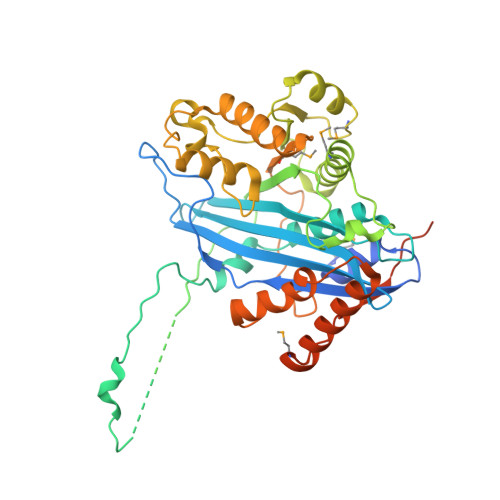
Click to view 3D structure5-hydroxytryptamine receptor 1AP19327Rattus norvegicusPredicted (SEA)
Prediction Confidence Score
0.214
Applicability Domain
0.235 Low confidence
Statistical Significance
0.4929
Supporting Reference Compounds
541
E-value
3837.34
Click to view 3D structureGlucose-6-phosphate dehydrogenase-6-phosphogluconolactonaseQ9BHT9Plasmodium bergheiPredicted (SEA)
Prediction Confidence Score
0.209
Applicability Domain
0.244 Low confidence
Statistical Significance
0.1374
Supporting Reference Compounds
105
E-value
1069.96
D(4) dopamine receptor structureClick to view 3D structureD(4) dopamine receptorP21917HumansPredicted (SEA)
Prediction Confidence Score
0.206
Applicability Domain
0.235 Low confidence
Statistical Significance
0.6154
Supporting Reference Compounds
524
E-value
4790.61
Click to view 3D structureDNA damage-inducible transcript 3 proteinP35639Mus musculusPredicted (SEA)
Prediction Confidence Score
0.206
Applicability Domain
0.232 Low confidence
Statistical Significance
0.4129
Supporting Reference Compounds
226
E-value
3214.08
X-box-binding protein 1 structureClick to view 3D structureX-box-binding protein 1P17861HumansPredicted (SEA)
Prediction Confidence Score
0.206
Applicability Domain
0.232 Low confidence
Statistical Significance
0.4135
Supporting Reference Compounds
227
E-value
3219.45
5-hydroxytryptamine receptor 2A structureClick to view 3D structure5-hydroxytryptamine receptor 2AP14842Rattus norvegicusPredicted (SEA)
Prediction Confidence Score
0.204
Applicability Domain
0.235 Low confidence
Statistical Significance
0.5211
Supporting Reference Compounds
380
E-value
4056.41
Dihydrofolate reductase structureClick to view 3D structureDihydrofolate reductaseP00374HumansPredicted (SEA)
Prediction Confidence Score
0.203
Applicability Domain
0.234 Low confidence
Statistical Significance
0.1979
Supporting Reference Compounds
156
E-value
1541.03
D(3) dopamine receptor structureClick to view 3D structureD(3) dopamine receptorP35462HumansPredicted (SEA)
Prediction Confidence Score
0.198
Applicability Domain
0.235 Low confidence
Statistical Significance
0.8078
Supporting Reference Compounds
861
E-value
6288.74
Click to view 3D structureStreptokinase AP10520Streptococcus pyogenes serotype M1Predicted (SEA)
Prediction Confidence Score
0.197
Applicability Domain
0.229 Low confidence
Statistical Significance
0.6503
Supporting Reference Compounds
425
E-value
5062.46
D(2) dopamine receptor structureClick to view 3D structureD(2) dopamine receptorP14416HumansPredicted (SEA)
Prediction Confidence Score
0.196
Applicability Domain
0.235 Low confidence
Statistical Significance
0.8548
Supporting Reference Compounds
1103
E-value
6654.71
Protein deacetylase HDAC6 structureClick to view 3D structureProtein deacetylase HDAC6Q9UBN7HumansPredicted (SEA)
Prediction Confidence Score
0.196
Applicability Domain
0.264 Low confidence
Statistical Significance
0.8053
Supporting Reference Compounds
553
E-value
6269.51
Histone deacetylase 2 structureClick to view 3D structureHistone deacetylase 2Q92769HumansPredicted (SEA)
Prediction Confidence Score
0.196
Applicability Domain
0.264 Low confidence
Statistical Significance
0.6733
Supporting Reference Compounds
307
E-value
5241.35
L,D-transpeptidase 2 structureClick to view 3D structureL,D-transpeptidase 2I6Y9J2Mycobacterium tuberculosis (strain ATCC 25618 / H37Rv)Predicted (SEA)
Prediction Confidence Score
0.196
Applicability Domain
0.196 Low confidence
Statistical Significance
0.0077
Supporting Reference Compounds
1
E-value
59.7104
Sulfhydryl oxidase 1 structureClick to view 3D structureSulfhydryl oxidase 1O00391HumansPredicted (SEA)
Prediction Confidence Score
0.196
Applicability Domain
0.196 Low confidence
Statistical Significance
0.0077
Supporting Reference Compounds
1
E-value
59.7104
YTH domain-containing family protein 1 structureClick to view 3D structureYTH domain-containing family protein 1Q9BYJ9HumansPredicted (SEA)
Prediction Confidence Score
0.196
Applicability Domain
0.196 Low confidence
Statistical Significance
0.0077
Supporting Reference Compounds
1
E-value
59.7104
Replicase polyprotein 1ab structureClick to view 3D structureReplicase polyprotein 1abP0DTD1SARS-CoV-2Predicted (SEA)
Prediction Confidence Score
0.195
Applicability Domain
0.204 Low confidence
Statistical Significance
0.4653
Supporting Reference Compounds
215
E-value
3622.48
Click to view 3D structureD(2) dopamine receptorP61169RatPredicted (SEA)
Prediction Confidence Score
0.195
Applicability Domain
0.22 Low confidence
Statistical Significance
0.6686
Supporting Reference Compounds
528
E-value
5205.31
Epidermal growth factor receptor structureClick to view 3D structureEpidermal growth factor receptorP00533HumansPredicted (SEA)
Prediction Confidence Score
0.195
Applicability Domain
0.212 Low confidence
Statistical Significance
0.9199
Supporting Reference Compounds
1301
E-value
7161.66
Click to view 3D structureMannose-6-phosphate isomeraseP34949HumansPredicted (SEA)
Prediction Confidence Score
0.192
Applicability Domain
0.212 Low confidence
Statistical Significance
0.097
Supporting Reference Compounds
53
E-value
754.904
Dihydrofolate reductase structureClick to view 3D structureDihydrofolate reductaseP00378Gallus gallusPredicted (SEA)
Prediction Confidence Score
0.188
Applicability Domain
0.234 Low confidence
Statistical Significance
0.0548
Supporting Reference Compounds
33
E-value
426.458
Histone deacetylase 1 structureClick to view 3D structureHistone deacetylase 1Q13547HumansPredicted (SEA)
Prediction Confidence Score
0.188
Applicability Domain
0.264 Low confidence
Statistical Significance
0.8408
Supporting Reference Compounds
497
E-value
6545.72
Click to view 3D structureD(1A) dopamine receptorP50130Sus scrofaPredicted (SEA)
Prediction Confidence Score
0.188
Applicability Domain
0.235 Low confidence
Statistical Significance
0.2424
Supporting Reference Compounds
35
E-value
1886.75
Click to view 3D structurePhosphoethanolamine/phosphocholine phosphataseQ8TCT1HumansPredicted (SEA)
Prediction Confidence Score
0.188
Applicability Domain
0.196 Low confidence
Statistical Significance
0.048
Supporting Reference Compounds
24
E-value
373.754
Histone acetyltransferase RTT109 structureClick to view 3D structureHistone acetyltransferase RTT109Q07794Saccharomyces cerevisiae (strain ATCC 204508 / S288c) (Baker's yeast)Predicted (SEA)
Prediction Confidence Score
0.187
Applicability Domain
0.212 Low confidence
Statistical Significance
0.0292
Supporting Reference Compounds
17
E-value
227.32
Proto-oncogene tyrosine-protein kinase Src structureClick to view 3D structureProto-oncogene tyrosine-protein kinase SrcP12931HumansPredicted (SEA)
Prediction Confidence Score
0.187
Applicability Domain
0.212 Low confidence
Statistical Significance
0.9354
Supporting Reference Compounds
1158
E-value
7281.78
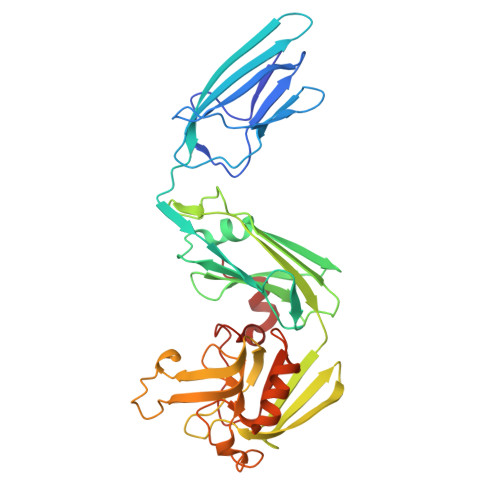
Hemoglobin subunit alpha structureClick to view 3D structureHemoglobin subunit alphaP69905HumansKnownNitrite causes the autocatalytic oxidation of oxyhemoglobin to hydrogen peroxide and methemoglobin. This elevation of methemoglobin levels is a condition known as methemoglobinemia, and is characterized by tissue hypoxia, as methemoglobin cannot bind oxygen. (A2450, L1613)
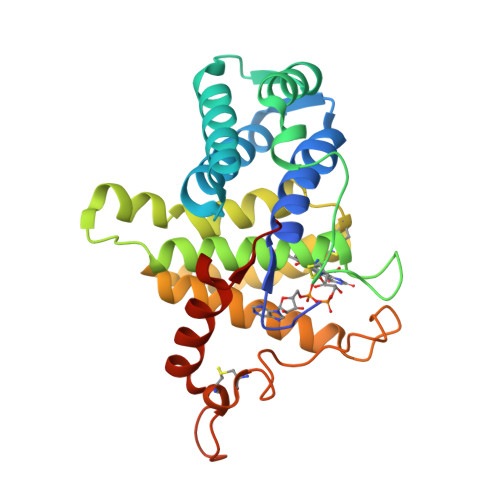
Hemoglobin subunit beta structureClick to view 3D structureHemoglobin subunit betaP68871HumansKnownNitrite causes the autocatalytic oxidation of oxyhemoglobin to hydrogen peroxide and methemoglobin. This elevation of methemoglobin levels is a condition known as methemoglobinemia, and is characterized by tissue hypoxia, as methemoglobin cannot bind oxygen. (A2450, L1613)
Concentrations
Not Available
External Links
DrugBank IDNot Available
HMDB IDNot Available
FooDB IDNot Available
Phenol Explorer IDNot Available
KNApSAcK IDNot Available
BiGG IDNot Available
BioCyc IDNot Available
METLIN IDNot Available
PDB IDNot Available
Wikipedia LinkNitrocellulose
Chemspider IDNot Available
ChEBI IDNot Available
PubChem Compound ID720071
Kegg Compound IDNot Available
YMDB IDNot Available
ECMDB IDNot Available
References
Synthesis ReferenceNot Available
MSDSNot Available
General References
  1. Keszler A, Piknova B, Schechter AN, Hogg N: The reaction between nitrite and oxyhemoglobin: a mechanistic study. J Biol Chem. 2008 Apr 11;283(15):9615-22. doi: 10.1074/jbc.M705630200. Epub 2008 Jan 17. [PubMed: 18203719]
  2. International Agency for Research on Cancer (2014). IARC Monographs on the Evaluation of Carcinogenic Risks to Humans. - http://monographs.iarc.fr/index.php
  3. International Programme on Chemical Safety (IPCS) INCHEM (1996). Poison Information Monograph for Dieldrin. - http://www.inchem.org/documents/pims/chemical/pim575.htm
  4. ATSDR - Agency for Toxic Substances and Disease Registry (2007). Case Studies in Environmental Medicine. Nitrate/Nitrite Toxicity. U.S. Public Health Service in collaboration with U.S. Environmental Protection Agency (EPA). - http://www.atsdr.cdc.gov/csem/nitrate/nitrate.html
  5. Wikipedia. Methemoglobinemia. Last Updated 22 July 2009. - http://en.wikipedia.org/wiki/Methemoglobinemia
  6. Wikipedia. Nitrocellulose. Last Updated 13 July 2009. - http://en.wikipedia.org/wiki/Nitrocellulose