Some data may have been extracted from scientific literature using a pipeline that uses large language models (LLMs). Source articles are cited where applicable to help verify the extracted relationships.
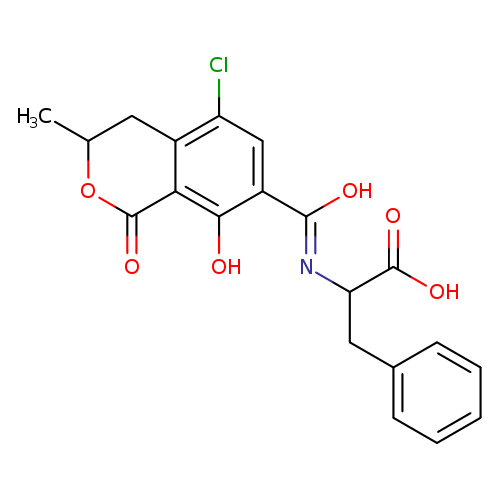
Ochratoxin A belongs to the ochratoxins and related substances, a class of phenylpropanoids and polyketides within the organic compounds. This exogenous compound has the formula C20H18ClNO6 and an average molecular weight of 403.81 g/mol. At room temperature, it exists as a solid. It is identified as a toxin (PMC5486318 ), a mycotoxin (PMC11620267 , PMC12567793 ), a nephrotoxin, a carcinogenic agent, and a teratogenic agent. Additionally, it serves as a calcium channel blocker and is a metabolite of Aspergillus and Penicillium (PMC5486318 ).
Ochratoxin A is found in various sources, including electrical and electronic equipment such as cell phones, batteries, capacitors, printed circuit boards, and wires and cables. It is also associated with healthcare, pharmaceuticals, and veterinary products like medical devices and antibiotics; textiles, leather, and furnishings including synthetic textiles and carpets and rugs; and lubricants used in energy, oil, gas, and industrial manufacturing. It is also found in food packaging and the preparation of malt, vinegar, wort, and wine or sparkling wine. Exposure routes include oral, inhalation, and touch.
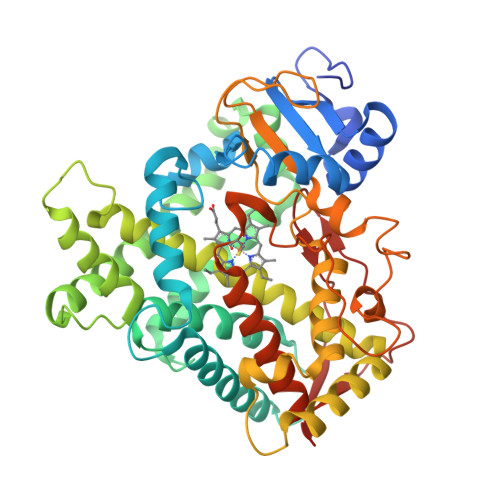
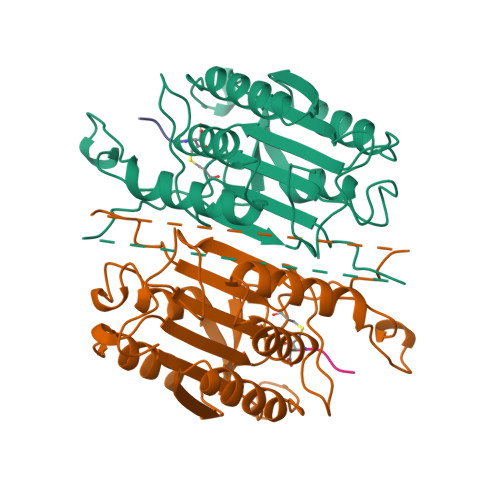
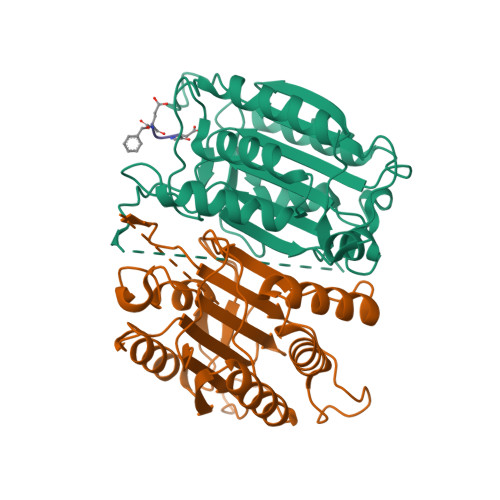
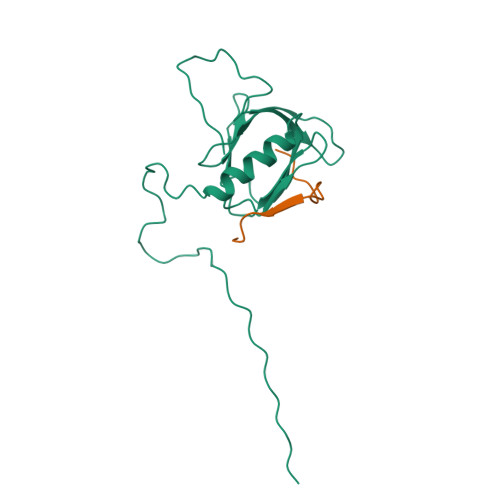
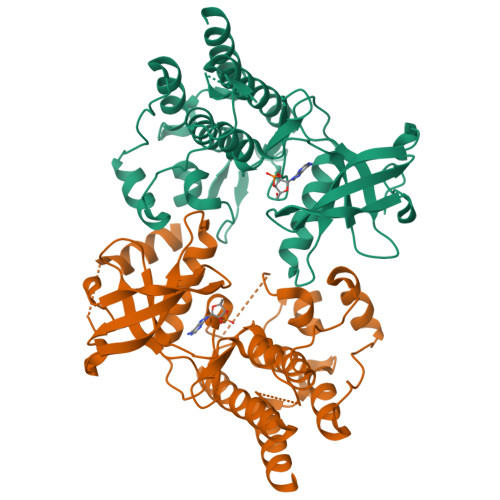
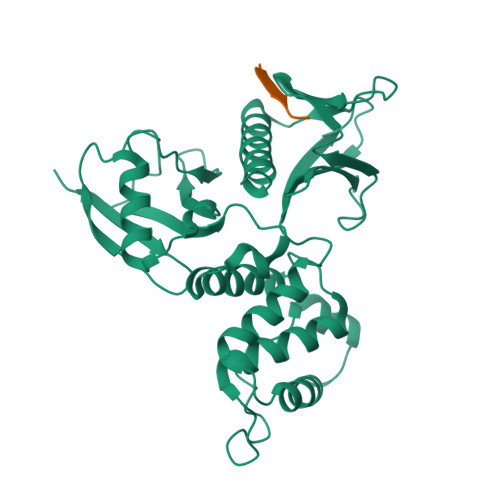
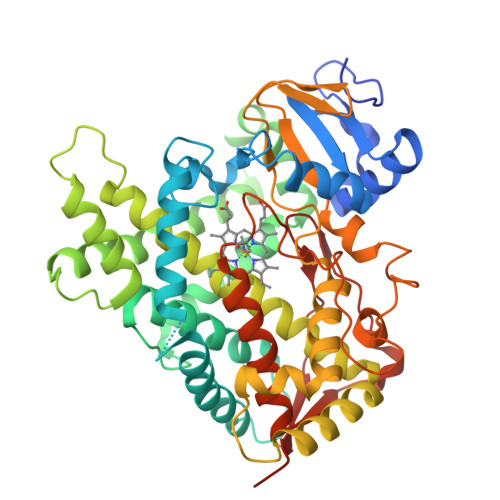
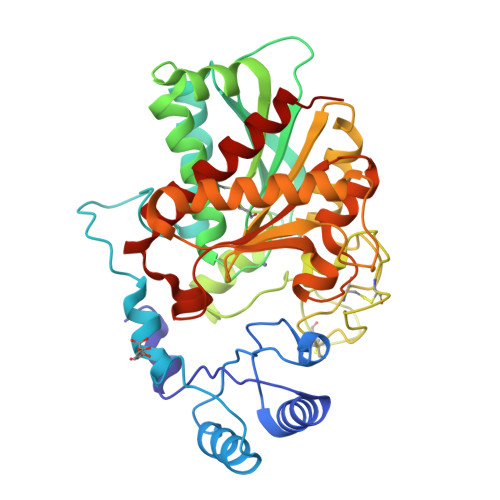
The compound interacts with several protein targets. It acts as an uncompetitive inhibitor of succinate dehydrogenase [ubiquinone] cytochrome b small subunit, mitochondrial (SDHD) and succinate dehydrogenase [ubiquinone] iron-sulfur subunit, mitochondrial (SDHB). It also inhibits renal phosphoenolpyruvate carboxykinase, cytosolic [GTP] (PCK1). Furthermore, certain metabolites of ochratoxin A can form DNA adducts, and some cytochrome P-450 enzymes, such as CYP2C9, metabolize the compound into more cytotoxic compounds capable of forming these adducts.
Belongs to the class of organic compounds known as glutamine and derivatives. Glutamine and derivatives are compounds containing glutamine or a derivative thereof resulting from reaction of glutamine at the amino group or the carboxy group, or from the replacement of any hydrogen of glycine by a heteroatom.
carcinogenic agent (PMC5408187 , PMC9146908 )?A role played by a chemical compound which is known to induce a process of carcinogenesis by corrupting normal cellular pathways, leading to the acquistion of tumoral capabilities.
genotoxin (PMC10467111 )?A chemical substance that alters the genetic material of an organism,directly or indirectly
neurotoxin (PMC11462967 )?A chemical substance that interferes with the normal functioning of the nervous system
hepatotoxic agent (PMC3153269 , PMC3509701 )?A role played by a chemical compound exihibiting itself through the ability to induce damage to the liver in animals.
teratogenic agent (PMC3344258 , PMC10467111 )?A role played by a chemical compound in biological systems with adverse consequences in embryo developments, leading to birth defects, embryo death or altered development, growth retardation and functional defect.
nephrotoxic agent (PMC8954951 , PMC7248376 )?A role played by a chemical compound exihibiting itself through the ability to induce damage to the kidney in animals.
Ochratoxin A has been shown to be weakly mutagenic, possibly by induction of oxidative DNA damage. The nephrotoxin ochratoxin A (OTA) causes a reduction of glomerular filtration rate (GFR) and of para-aminohippuric acid (PAH) clearance. It is a nephrotoxin which blocks plasma membrane anion conductance in Madin-Darby canine kidney (MDCK) cells. Some cytochrome P-450 enzymes, such as CYP2C9, are known to metabolize ochratoxin A into more cytotoxic compounds capable of forming DNA adducts. (4, 7)
Cancer is a group of diseases involving abnormal cell growth with the potential to invade or spread to other parts of the body. Possible signs and symptoms include a lump, abnormal bleeding, prolonged cough, unexplained weight loss, and a change in bowel movements. There are over 100 types of cancers affect humans. The risk of developing certain cancers can be reduced by not smoking, maintaining a healthy weight, not drinking too much alcohol, eating plenty of vegetables, fruits and whole grains, vaccination against certain infectious diseases, not eating too much processed and red meat and avoiding too much sunlight exposure. Cancer is often treated with some combination of radiation therapy, surgery, chemotherapy and targeted therapy. The majority of cancers, some 90–95% of cases, are due to genetic mutations from environmental and lifestyle factors. The remaining 5–10% are due to inherited genetics.
Cancer is a group of diseases involving abnormal cell growth with the potential to invade or spread to other parts of the body. Possible signs and symptoms include a lump, abnormal bleeding, prolonged cough, unexplained weight loss, and a change in bowel movements. There are over 100 types of cancers affect humans. The risk of developing certain cancers can be reduced by not smoking, maintaining a healthy weight, not drinking too much alcohol, eating plenty of vegetables, fruits and whole grains, vaccination against certain infectious diseases, not eating too much processed and red meat and avoiding too much sunlight exposure. Cancer is often treated with some combination of radiation therapy, surgery, chemotherapy and targeted therapy. The majority of cancers, some 90–95% of cases, are due to genetic mutations from environmental and lifestyle factors. The remaining 5–10% are due to inherited genetics.
A disorder characterized by a reduction in the amount of hemoglobin in 100 ml of blood. Signs and symptoms of anemia may include pallor of the skin and mucous membranes, shortness of breath, palpitations of the heart, soft systolic murmurs, lethargy, and fatigability. (NCI CTCAE)
Liver cancer, also known as hepatic cancer and primary hepatic cancer, is cancer that starts in the liver. Cancer which has spread from elsewhere to the liver, known as liver metastasis, is more common than that which starts in the liver. Symptoms of liver cancer may include a lump or pain in the right side below the rib cage, swelling of the abdomen, yellowish skin, easy bruising, weight loss and weakness.("Adult Primary Liver Cancer Treatment (PDQ®)–Patient Version". NCI. 6 July 2016. Archived from the original on 2 October 2016. Retrieved 29 September 2016) The leading cause of liver cancer is cirrhosis due to hepatitis B, hepatitis C or alcohol.(PMID: 25530442) The most common types of liver cancer are hepatocellular carcinoma (HCC), which makes up 80% of cases, and cholangiocarcinoma.(World Cancer Report 2014. World Health Organization. 2014. pp. Chapter 5.6. ISBN 978-9283204299) Globally, as of 2010, liver cancer resulted in 754,000 deaths, up from 460,000 in 1990, making it the third leading cause of cancer death after lung and stomach.(PMID: 23245604) In 2012, it represented 7% of cancer diagnoses in men, the 5th most diagnosed cancer that year.(World Cancer Report 2014. International Agency for Research on Cancer, World Health Organization. 2014. ISBN 978-92-832-0432-9)
A syndrome of unknown etiology. Chronic fatigue syndrome (CFS) is a clinical diagnosis characterized by an unexplained persistent or relapsing chronic fatigue that is of at least six months' duration, is not the result of ongoing exertion, is not substantially alleviated by rest, and results in substantial reduction of previous levels of occupational, educational, social, or personal activities. Common concurrent symptoms of at least six months duration include impairment of memory or concentration, diffuse pain, sore throat, tender lymph nodes, headaches of a new type, pattern, or severity, and nonrestorative sleep. The etiology of CFS may be viral or immunologic. Neurasthenia and fibromyalgia may represent related disorders. Also known as myalgic encephalomyelitis. (NCI Thesaurus)
Soil?Soil serves as a critical medium for plant growth and sustains various ecological functions; however, it can become a reservoir for synthetic chemical contamination.
Drinking water?Drinking water can be a medium for synthetic chemical contamination, often originating from various industrial processes and agricultural practices.
Printed circuit boards?Printed circuit boards (PCBs) are essential components in the manufacturing of electronic devices, serving as the backbone for electrical connections and circuit pathways.
Semiconductors?Semiconductors are materials that possess electrical conductivity between that of conductors and insulators, making them essential for various electronic applications, including transistors, diodes, and integrated circuits.
Lubricants?Lubricants are synthetic or petroleum-derived substances used to reduce friction between surfaces in machinery and equipment, enhancing operational efficiency and longevity.
Food packaging?Food packaging often utilizes synthetic chemicals, such as plastics and coatings, to enhance durability, moisture resistance, and shelf life.
Medical devices?Medical devices often incorporate synthetic chemicals in their manufacturing processes, which can contribute to contamination in healthcare settings.
Carpets and Rugs?Carpets and rugs are commonly manufactured using synthetic fibers such as nylon, polyester, and polypropylene, which can be derived from petrochemical sources.
Synthetic textiles?Synthetic textiles are materials derived from man-made fibers, such as polyester, nylon, and acrylic, which are produced through chemical processes involving petrochemicals.
Cell phones?Cell phones contain a variety of synthetic chemicals and materials, including plastics, metals, and glass, which can contribute to environmental contamination.
Capacitors?Capacitors are electronic components that store and release electrical energy, often using dielectric materials that can include synthetic chemicals.
Amplifiers?Amplifiers, commonly used in various electronic devices to enhance signal strength, can be a source of synthetic chemical contamination due to the materials and processes involved in their production and disposal.
Fixed Capacitors And Their Manufacture?Fixed capacitors are passive electronic components used to store and release electrical energy, playing a critical role in various circuits.
Food Preservation?Food preservation often involves the use of synthetic chemicals, such as preservatives, flavor enhancers, and color additives, to extend shelf life and enhance the sensory qualities of food products.
Preparation Of Malt?Malt preparation involves the germination and drying of cereal grains, primarily barley, to produce malt for brewing and food products.
Preparation Of Vinegar?Vinegar is produced through the fermentation of ethanol by acetic acid bacteria, resulting in a solution that typically contains 4-8% acetic acid.
Preparation Of Wine Or Sparkling Wine?The preparation of wine or sparkling wine involves various stages, including fermentation, aging, and bottling, which can introduce potential sources of synthetic chemical contamination.
Bleaching Agents?Bleaching agents are chemical substances used to whiten or lighten materials, often employed in various cleaning products for their stain removal and disinfecting properties.
Essential Oils Or Perfumes?Essential oils and perfumes are complex mixtures of volatile compounds derived from natural or synthetic sources, commonly used for their aromatic properties.
Purses Luggage Hand Bags?Purses, luggage, and handbags are often manufactured using synthetic materials such as polyvinyl chloride (PVC), polyurethane, and various types of nylon.
Nitrogenous Fertilisers?Nitrogenous fertilizers are synthetic chemical compounds primarily used to enhance plant growth by supplying essential nitrogen, a crucial nutrient for photosynthesis and protein synthesis.
Nanotechnology?Nanotechnology involves the manipulation of materials at the molecular or atomic level, typically within the range of 1 to 100 nanometers.
Water, Wastewater, & Sewage Treatment?Water, wastewater, and sewage treatment processes are critical for managing and mitigating pollutants in water systems.
Some cytochrome P-450 enzymes, such as CYP2C9, are known to metabolize ochratoxin A into more cytotoxic compounds capable of forming DNA adducts. (A3099)
Rothenberg SP, Marcoullis GP, Schwarz S, Lader E: Measurement of cyanocobalamin in serum by a specific radioimmunoassay. J Lab Clin Med. 1984 Jun;103(6):959-72. [PubMed: 6726060]
Begley JA, Colligan PD, Chu RC: Transcobalamin II mediated delivery of albumin-bound hydroxocobalamin to human liver cells. Proc Soc Exp Biol Med. 1993 Nov;204(2):206-10. [PubMed: 8415778]
Gekle M, Silbernagl S: Mechanism of ochratoxin A-induced reduction of glomerular filtration rate in rats. J Pharmacol Exp Ther. 1993 Oct;267(1):316-21. [PubMed: 8229758]
Galtier P: Pharmacokinetics of ochratoxin A in animals. IARC Sci Publ. 1991;(115):187-200. [PubMed: 1820333]
Hietanen E, Bartsch H, Bereziat JC, Castegnaro M, Michelon J: Characterization of the cytochrome P450 isozyme that metabolizes ochratoxin A, using metabolic inducers, inhibitors and antibodies. IARC Sci Publ. 1991;(115):297-304. [PubMed: 1820345]
Simarro Doorten AY, Bull S, van der Doelen MA, Fink-Gremmels J: Metabolism-mediated cytotoxicity of ochratoxin A. Toxicol In Vitro. 2004 Jun;18(3):271-7. [PubMed: 15046773]
Peraica M, Domijan AM: Contamination of food with mycotoxins and human health. Arh Hig Rada Toksikol. 2001 Mar;52(1):23-35. [PubMed: 11370295]
International Agency for Research on Cancer (2014). IARC Monographs on the Evaluation of Carcinogenic Risks to Humans. - http://monographs.iarc.fr/index.php
IARC (1983). Monographs on the Evaluation of the Carcinogenic Risk of Chemicals to Man. Geneva: World Health Organization, International Agency for Research on Cancer, 1972-Present. (Multivolume work).
Rumack BH POISINDEX(R) Information System Micromedex, Inc., Englewood, CO, 2010; CCIS Volume 143, edition expires Feb, 2010. Hall AH & Rumack BH (Eds): TOMES(R) Information System Micromedex, Inc., Englewood, CO, 2010; CCIS Volume 143, edition expires Feb, 2010.
O'Neil, M.J. (ed.). The Merck Index - An Encyclopedia of Chemicals, Drugs, and Biologicals. 13th Edition, Whitehouse Station, NJ: Merck and Co., Inc., 2001., p. 1209
Lewis, R.J. Sax's Dangerous Properties of Industrial Materials. 9th ed. Volumes 1-3. New York, NY: Van Nostrand Reinhold, 1996., p. 779
Yannai, Shmuel. (2004) Dictionary of food compounds with CD-ROM: Additives, flavors, and ingredients. Boca Raton: Chapman & Hall/CRC.