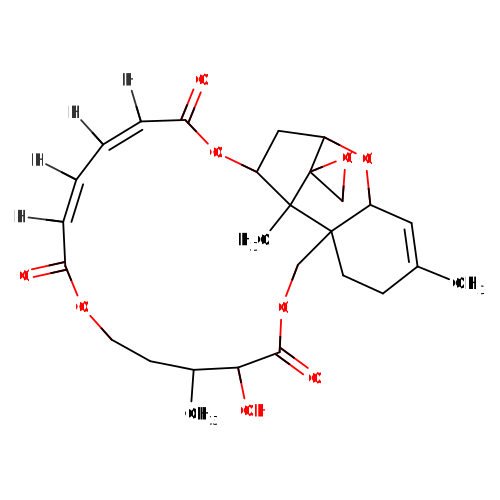
Verrucarin A (CED0012476)

Record Information
Version1.0
Creation Date2010-04-28 21:43:36 UTC
Update Date2026-03-31 20:47:18 UTC
SynCED IDCED0012476
Secondary Accession Numbers
  • CHEM002689
  • T3D3720
Identification
Common NameVerrucarin A
ClassSmall Molecule
Description
Verrucarin A is an exogenous solid with the formula C27H34O9. Verrucarin A belongs to the sesquiterpenoids, a subclass of prenol lipids within the organic compounds. With an average molecular weight of 502.56 g/mol, Verrucarin A is a heavy molecule. This compound is found in or released from healthcare, pharmaceuticals & veterinary products (antibiotics) and electrical & electronic equipment (antennas), with recorded exposure routes via oral and inhalation. The compound targets Transient receptor potential cation channel subfamily A member 1 (TRPA1) and an unnamed protein. As a trichothecene, it moves freely across the plasma membrane to bind specifically to ribosomes with high-affinity. It interferes with the active site of peptidyl transferase at the 3'-end of large 28S ribosomal RNA, inhibiting the initiation, elongation, or termination step of protein synthesis and causing polyribosomal disaggregation. Because protein synthesis is an essential function in all tissues, these actions render trichothecenes cytotoxic.
Contaminant Type
  • Ester
  • Ether
  • Fungal Toxin
  • Lachrymator
  • Mycotoxin
  • Natural Compound
  • Organic Compound
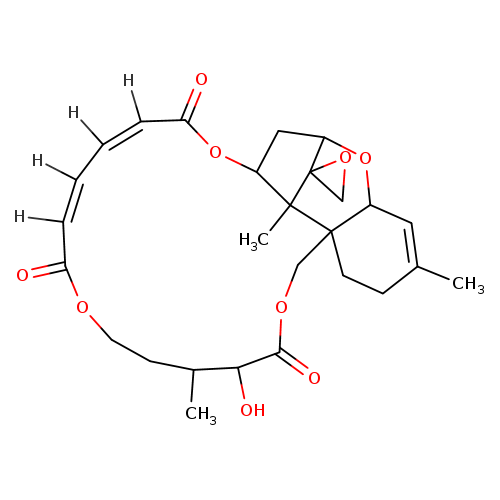
Chemical Structure
Synonyms
ValueSource
Verrucarin aMeSH
Muconomycin aMeSH
Chemical FormulaC27H34O9
Average Molecular Mass502.560 g/mol
Monoisotopic Mass502.220 g/mol
CAS Registry Number3148-09-2
IUPAC Name(18'E,20'E)-12'-hydroxy-5',13',25'-trimethyl-2',10',16',23'-tetraoxaspiro[oxirane-2,26'-tetracyclo[22.2.1.0³,⁸.0⁸,²⁵]heptacosane]-4',18',20'-triene-11',17',22'-trione
Traditional Name(18'E,20'E)-12'-hydroxy-5',13',25'-trimethyl-2',10',16',23'-tetraoxaspiro[oxirane-2,26'-tetracyclo[22.2.1.0³,⁸.0⁸,²⁵]heptacosane]-4',18',20'-triene-11',17',22'-trione
SMILES[H]/C1=C([H])\C(=O)OCCC(C)C(O)C(=O)OCC23CCC(C)=CC2OC2CC(OC(=O)\C([H])=C\1/[H])C3(C)C21CO1
InChI IdentifierInChI=1S/C27H34O9/c1-16-8-10-26-14-33-24(31)23(30)17(2)9-11-32-21(28)6-4-5-7-22(29)36-18-13-20(35-19(26)12-16)27(15-34-27)25(18,26)3/h4-7,12,17-20,23,30H,8-11,13-15H2,1-3H3/b6-4+,7-5+
InChI KeyNLUGUZJQJYVUHS-YDFGWWAZSA-N
Chemical Taxonomy
Description Belongs to the class of organic compounds known as trichothecenes. These are sesquiterpene mycotoxins structurally characterized by the presence of an epoxide ring and a benzopyran derivative with a variant number of hydroxyl, acetyl, or other substituents. The most important structural features causing the biological activities of trichothecenes are the 12,13-epoxy ring, the presence of hydroxyl or acetyl groups at appropriate positions on the trichothecene nucleus and the structure and position of the side-chain.
KingdomOrganic compounds
Super ClassLipids and lipid-like molecules
ClassPrenol lipids
Sub ClassSesquiterpenoids
Direct ParentTrichothecenes
Alternative Parents
Substituents
  • Trichothecene skeleton
  • Macrolide
  • Tricarboxylic acid or derivatives
  • Oxepane
  • Oxane
  • Enoate ester
  • Alpha,beta-unsaturated carboxylic ester
  • Secondary alcohol
  • Lactone
  • Carboxylic acid ester
  • Organoheterocyclic compound
  • Oxacycle
  • Ether
  • Oxirane
  • Dialkyl ether
  • Carboxylic acid derivative
  • Hydrocarbon derivative
  • Organic oxide
  • Organooxygen compound
  • Organic oxygen compound
  • Carbonyl group
  • Alcohol
  • Aliphatic heteropolycyclic compound
Molecular FrameworkAliphatic heteropolycyclic compounds
External DescriptorsNot Available
Biological Properties
StatusDetected and Not Quantified
OriginExogenous
Cellular Locations
  • Membrane
Biofluid LocationsNot Available
Tissue LocationsNot Available
ApplicationsNot Available
Biological RolesNot Available
Chemical RolesNot Available
Organoleptic EffectsNot Available
Physical Properties
StateSolid
AppearanceWhite powder.
Experimental Properties
PropertyValue
Melting PointNot Available
Boiling PointNot Available
SolubilityNot Available
Predicted Properties
PropertyValueSource
Water Solubility0.043 g/LALOGPS
logP2.2ALOGPS
logP2.55ChemAxon
logS-4.1ALOGPS
pKa (Strongest Acidic)12.48ChemAxon
pKa (Strongest Basic)-3.9ChemAxon
Physiological Charge0ChemAxon
Hydrogen Acceptor Count6ChemAxon
Hydrogen Donor Count1ChemAxon
Polar Surface Area120.89 ŲChemAxon
Rotatable Bond Count0ChemAxon
Refractivity128.51 m³·mol⁻¹ChemAxon
Polarizability51.37 ųChemAxon
Number of Rings5ChemAxon
BioavailabilityYesChemAxon
Rule of FiveNoChemAxon
Ghose FilterNoChemAxon
Veber's RuleNoChemAxon
MDDR-like RuleNoChemAxon
Spectra
Spectra
Spectrum TypeDescriptionSplash KeyDeposition DateView
Predicted LC-MS/MSPredicted LC-MS/MS Spectrumsplash10-0pb9-0146920000-44bc9a93a6d76fd43811Not AvailableView Spectrum
Predicted LC-MS/MSPredicted LC-MS/MS Spectrumsplash10-052k-9264100000-4a38072f75d7e4478dffNot AvailableView Spectrum
Predicted LC-MS/MSPredicted LC-MS/MS Spectrumsplash10-0002-7390000000-99c85d374174b47c6915Not AvailableView Spectrum
Predicted LC-MS/MSPredicted LC-MS/MS Spectrumsplash10-014i-9124320000-cfcf9f2fd9723b53c9f6Not AvailableView Spectrum
Predicted LC-MS/MSPredicted LC-MS/MS Spectrumsplash10-0a59-6778910000-523410537139d4211705Not AvailableView Spectrum
Predicted LC-MS/MSPredicted LC-MS/MS Spectrumsplash10-0g4l-6900000000-05fb7572e18ed4e2066fNot AvailableView Spectrum
Toxicity Profile
Toxicity Values
Toxicity ValueOrganismDose DescriptorRoute of ExposurePredicted or ExperimentalToxicity RatingReference
0.8 mg/kg RatLD50IntravenousexperimentalNot Available9
234.0 Log mg/kg [130:420]RatLD50oralpredictedNot AvailableNot Available
Toxicity / Toxin ClassNot Available
Mechanism of ToxicityUnlike many other mycotoxins, trichothecenes do not require metabolic activation to exert their biological activity, instead directly reacting with cellular components. Trichothecenes are cytotoxic to most eukaryotic cells due to their powerful ability to inhibit protein synthesis. They do this by freely moving across the plasma membrane and binding specifically to ribosomes with high-affinity. Specifically, they interfere with the active site of peptidyl transferase at the 3'-end of large 28S ribosomal RNA and inhibit the initiation, elongation or termination step of protein synthesis, as well as cause polyribosomal disaggregation. Protein synthesis is an essential function in all tissues, but tissues where cells are actively and rapidly growing and dividing are very susceptible to the toxins. Additionally, binding to ribosomes is thought to activate proteins in downstream signalling events related to immune response and apoptosis, such as mitogen-activated protein kinases. This is known as ribotoxic stress response. Trichothecenes may also induce some alterations in membrane structure, leading to increased lipid peroxidation and inhibition of electron transport activity in the mitochondria. They can further induce apoptosis through generation of reactive oxygen species. Further secondary effects of trichothecenes include inhibition of RNA and DNA synthesis, and also inhibition of mitosis. (8, 9, 2, 3, 4, 5)
Carcinogenicity (IARC Classification)No indication of carcinogenicity to humans (not listed by IARC).
Minimum Risk LevelNot Available
SymptomsAfter direct dermal application or oral ingestion, the trichothecene mycotoxins can cause rapid irritation to the skin or intestinal mucosa, including skin irritation, burning and itching, rash or blisters, and bleeding. Eye contact can cause tearing, eye pain, conjunctivitis, burning sensations about the eyes, and blurred vision for up to 1 week. Symptoms also include nausea, vomiting, fatigue, dyspnea, and acute vascular effects leading to hypotension and shock. (8, 9)
TreatmentThere are no known antidotes to trichothecene mycotoxins. Treatments are directed at supporting hemopoietic abnormalities, gastrointestinal damage, and skin damage. Administer charcoal as a slurry in case of acute oral exposure. In case of inhalation: Move patient to fresh air. Monitor for respiratory distress. If cough or difficulty breathing develops, evaluate for respiratory tract irritation, bronchitis, or pneumonitis. Administer oxygen and assist ventilation as required. Treat bronchospasm with inhaled beta2 agonist and oral or parenteral corticosteroids. In case of eye exposure, Irrigate exposed eyes with copious amounts of room temperature water for at least 15 minutes. In case of dermal exposure, Remove contaminated clothing and wash exposed area thoroughly with soap and water. (1)
Health Effects
Health EffectRelationshipDirectionDescriptionReference
Exposure Sources
Source IDSourceSectorReference
CEDs000306Antibiotics?Antibiotics are synthetic or semi-synthetic compounds used to treat bacterial infections in humans and animals.Healthcare, pharmaceuticals & veterinary productsNot Available
CEDs000506Antennas?Antennas, commonly used in communication technologies, can be a source of synthetic chemical contamination through the materials and coatings used in their construction.Electrical & Electronic EquipmentPubChem
CEDs000511Conductors Or Conductive Bodies Characterised By The Conductive Materials?Conductors, or conductive bodies, are materials that allow the flow of electrical current, typically made from metals such as copper, aluminum, or silver.Electrical & Electronic EquipmentPubChem
CEDs000514Discharge Lamps?Discharge lamps, including fluorescent and high-intensity discharge (HID) lamps, are commonly used for lighting applications due to their energy efficiency and brightness.Electrical & Electronic EquipmentPubChem
CEDs000521Fixed Capacitors And Their Manufacture?Fixed capacitors are passive electronic components used to store and release electrical energy, playing a critical role in various circuits.Electrical & Electronic EquipmentPubChem
CEDs000545Food Preservation?Food preservation often involves the use of synthetic chemicals, such as preservatives, flavor enhancers, and color additives, to extend shelf life and enhance the sensory qualities of food products.Food, food processing & cookwarePubChem
CEDs000555Bleaching Agents?Bleaching agents are chemical substances used to whiten or lighten materials, often employed in various cleaning products for their stain removal and disinfecting properties.Household cleaning & consumer productsPubChem
CEDs000580Manufacture Preparation Of Tobacco Products?The manufacture and preparation of tobacco products involve various processes that can result in the introduction of synthetic chemicals into the environment.Industrial manufacturing & chemical processingPubChem
CEDs000652Ropes?Ropes manufactured from synthetic fibers, such as polypropylene, nylon, and polyester, are widely used in various applications, including marine, construction, and outdoor activities.Textiles, leather & furnishingsPubChem
CEDs000691Non Oxide Glass?Non-oxide glass refers to a category of glasses primarily composed of materials other than silicon dioxide, such as boron oxide or phosphorous oxide.Building & ConstructionPubChem
CEDs000696Nanotechnology?Nanotechnology involves the manipulation of materials at the molecular or atomic level, typically within the range of 1 to 100 nanometers.Industrial manufacturing & chemical processingPubChem
CEDs000735Explosives?Explosives are chemical compounds or mixtures designed to undergo rapid decomposition, releasing energy in the form of gas and heat.Defense & military infrastructurePubChem
Pathways
0 pathwaysPathway Source: PathBank

No pathways found

No metabolic pathways have been associated with this synthetic chemical

Targets
StructureProteinUniProt IDOrganismRelationshipDetails
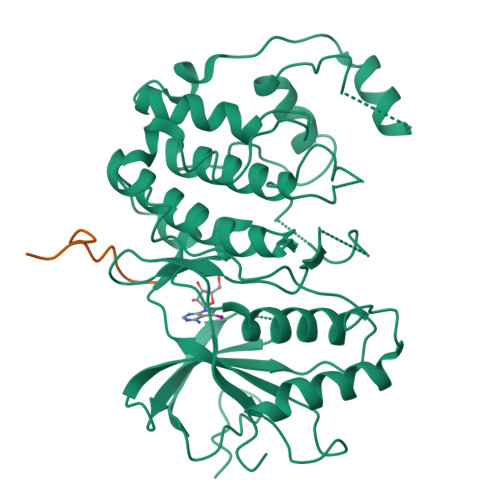
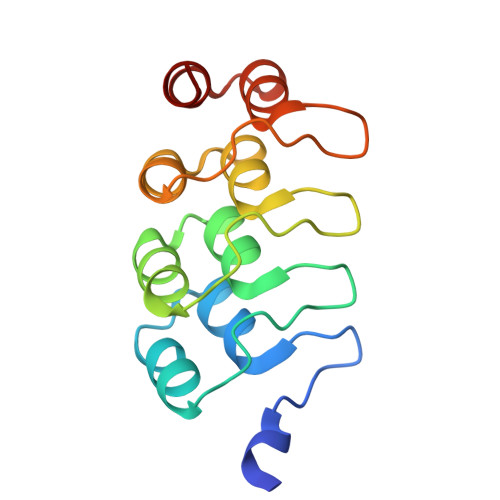
Neurogenic locus notch homolog protein 1 structureClick to view 3D structureNeurogenic locus notch homolog protein 1Q01705Mus musculusPredicted (SEA)
Prediction Confidence Score
0.205
Applicability Domain
0.205 Low confidence
Statistical Significance
9.70e-04
Supporting Reference Compounds
1
E-value
7.55137
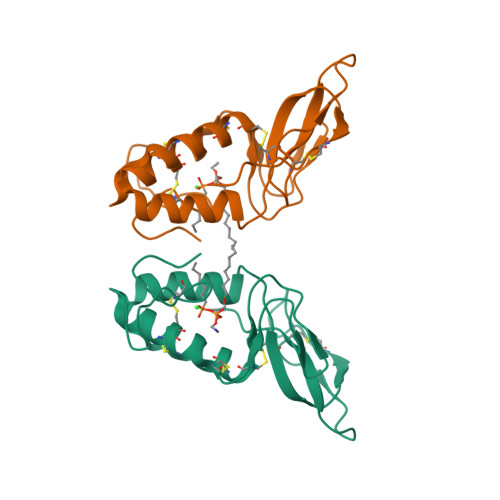
Click to view 3D structurePhospholipase A2 alphaP00623Crotalus adamanteusPredicted (SEA)
Prediction Confidence Score
0.202
Applicability Domain
0.202 Low confidence
Statistical Significance
2.60e-04
Supporting Reference Compounds
1
E-value
2.02408
Kappa-type opioid receptor structureClick to view 3D structureKappa-type opioid receptorP41145HumansPredicted (SEA)
Prediction Confidence Score
0.198
Applicability Domain
0.212 Low confidence
Statistical Significance
0.759
Supporting Reference Compounds
532
E-value
5908.52
Serine/threonine-protein phosphatase 2A 65 kDa regulatory subunit A alpha isoform structureClick to view 3D structureSerine/threonine-protein phosphatase 2A 65 kDa regulatory subunit A alpha isoformQ76MZ3Mus musculusPredicted (SEA)
Prediction Confidence Score
0.191
Applicability Domain
0.191 Low confidence
Statistical Significance
2.10e-04
Supporting Reference Compounds
1
E-value
1.63483
Signal transducer and activator of transcription 3 structureClick to view 3D structureSignal transducer and activator of transcription 3P40763HumansPredicted (SEA)
Prediction Confidence Score
0.186
Applicability Domain
0.208 Low confidence
Statistical Significance
0.5308
Supporting Reference Compounds
93
E-value
4132.16
Sex hormone-binding globulin structureClick to view 3D structureSex hormone-binding globulinP04278HumansPredicted (SEA)
Prediction Confidence Score
0.185
Applicability Domain
0.2 Low confidence
Statistical Significance
0.0135
Supporting Reference Compounds
33
E-value
105.408
Glucocorticoid receptor structureClick to view 3D structureGlucocorticoid receptorP04150HumansPredicted (SEA)
Prediction Confidence Score
0.185
Applicability Domain
0.198 Low confidence
Statistical Significance
0.5272
Supporting Reference Compounds
154
E-value
4104.37
Androgen receptor structureClick to view 3D structureAndrogen receptorP15207Rattus norvegicusPredicted (SEA)
Prediction Confidence Score
0.185
Applicability Domain
0.198 Low confidence
Statistical Significance
0.1292
Supporting Reference Compounds
73
E-value
1005.66
Click to view 3D structureProgesterone receptorQ690N0Bos taurusPredicted (SEA)
Prediction Confidence Score
0.185
Applicability Domain
0.198 Low confidence
Statistical Significance
0.0248
Supporting Reference Compounds
40
E-value
193.222
Mu-type opioid receptor structureClick to view 3D structureMu-type opioid receptorP35372HumansPredicted (SEA)
Prediction Confidence Score
0.184
Applicability Domain
0.212 Low confidence
Statistical Significance
0.8635
Supporting Reference Compounds
527
E-value
6722.44
G-protein coupled receptor 55 structureClick to view 3D structureG-protein coupled receptor 55Q9Y2T6HumansPredicted (SEA)
Prediction Confidence Score
0.183
Applicability Domain
0.207 Low confidence
Statistical Significance
0.6018
Supporting Reference Compounds
125
E-value
4685.28
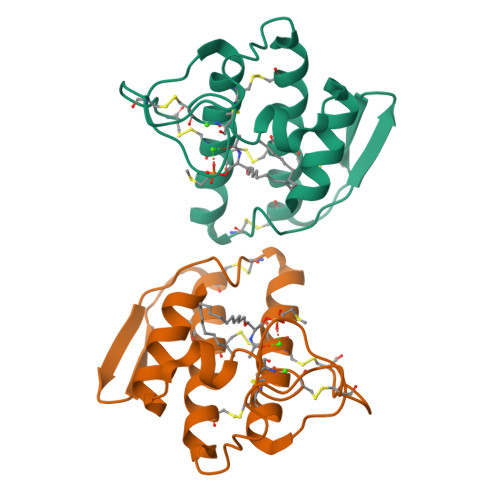
Phospholipase A2 structureClick to view 3D structurePhospholipase A2P00630Apis melliferaPredicted (SEA)
Prediction Confidence Score
0.182
Applicability Domain
0.204 Low confidence
Statistical Significance
0.001
Supporting Reference Compounds
9
E-value
7.86277
Bile salt export pump structureClick to view 3D structureBile salt export pumpO95342HumansPredicted (SEA)
Prediction Confidence Score
0.181
Applicability Domain
0.208 Low confidence
Statistical Significance
0.6016
Supporting Reference Compounds
104
E-value
4683.49
Tegument protein VP16 structureClick to view 3D structureTegument protein VP16P06492Herpes simplex virus (type 1 / strain 17)Predicted (SEA)
Prediction Confidence Score
0.181
Applicability Domain
0.22 Low confidence
Statistical Significance
0.5027
Supporting Reference Compounds
75
E-value
3913.32
Delta-type opioid receptor structureClick to view 3D structureDelta-type opioid receptorP41143HumansPredicted (SEA)
Prediction Confidence Score
0.181
Applicability Domain
0.212 Low confidence
Statistical Significance
0.8327
Supporting Reference Compounds
427
E-value
6482.19
Androgen receptor structureClick to view 3D structureAndrogen receptorP10275HumansPredicted (SEA)
Prediction Confidence Score
0.18
Applicability Domain
0.198 Low confidence
Statistical Significance
0.6132
Supporting Reference Compounds
146
E-value
4773.4
Click to view 3D structureATP-dependent clpX-like chaperone, mitochondrialO76031HumansPredicted (SEA)
Prediction Confidence Score
0.18
Applicability Domain
0.18 Low confidence
Statistical Significance
0.004
Supporting Reference Compounds
1
E-value
30.9061
Mineralocorticoid receptor structureClick to view 3D structureMineralocorticoid receptorP08235HumansPredicted (SEA)
Prediction Confidence Score
0.18
Applicability Domain
0.198 Low confidence
Statistical Significance
0.4079
Supporting Reference Compounds
74
E-value
3175.16
Phospholipase A2, membrane associated structureClick to view 3D structurePhospholipase A2, membrane associatedP14555HumansPredicted (SEA)
Prediction Confidence Score
0.18
Applicability Domain
0.202 Low confidence
Statistical Significance
0.3146
Supporting Reference Compounds
49
E-value
2449.45
Delta-type opioid receptor structureClick to view 3D structureDelta-type opioid receptorP32300Mus musculusPredicted (SEA)
Prediction Confidence Score
0.179
Applicability Domain
0.212 Low confidence
Statistical Significance
0.3741
Supporting Reference Compounds
166
E-value
2912.65
Click to view 3D structureMu-type opioid receptorP33535Rattus norvegicusPredicted (SEA)
Prediction Confidence Score
0.179
Applicability Domain
0.212 Low confidence
Statistical Significance
0.5184
Supporting Reference Compounds
229
E-value
4035.94
Click to view 3D structurePhospholipase A2B7UUK1Apis melliferaPredicted (SEA)
Prediction Confidence Score
0.179
Applicability Domain
0.202 Low confidence
Statistical Significance
4.90e-04
Supporting Reference Compounds
3
E-value
3.81461
Progesterone receptor structureClick to view 3D structureProgesterone receptorP06401HumansPredicted (SEA)
Prediction Confidence Score
0.179
Applicability Domain
0.198 Low confidence
Statistical Significance
0.6169
Supporting Reference Compounds
119
E-value
4802.67
Prostaglandin G/H synthase 2 structureClick to view 3D structureProstaglandin G/H synthase 2P35354HumansPredicted (SEA)
Prediction Confidence Score
0.179
Applicability Domain
0.211 Low confidence
Statistical Significance
0.7332
Supporting Reference Compounds
201
E-value
5707.59
Acidic phospholipase A2 2 structureClick to view 3D structureAcidic phospholipase A2 2P15445Naja najaPredicted (SEA)
Prediction Confidence Score
0.178
Applicability Domain
0.18 Low confidence
Statistical Significance
4.70e-04
Supporting Reference Compounds
3
E-value
3.65891
Transient receptor potential cation channel subfamily A member 1 structureClick to view 3D structureTransient receptor potential cation channel subfamily A member 1O75762HumansKnownNot Available
Concentrations
Not Available
External Links
DrugBank IDNot Available
HMDB IDNot Available
FooDB IDNot Available
Phenol Explorer IDNot Available
KNApSAcK IDNot Available
BiGG IDNot Available
BioCyc IDNot Available
METLIN IDNot Available
PDB IDNot Available
Wikipedia LinkNot Available
Chemspider IDNot Available
ChEBI IDNot Available
PubChem Compound ID6437060
Kegg Compound IDNot Available
YMDB IDNot Available
ECMDB IDNot Available
References
Synthesis ReferenceNot Available
MSDSNot Available
General References
  1. Grond S, Sablotzki A: Clinical pharmacology of tramadol. Clin Pharmacokinet. 2004;43(13):879-923. [PubMed: 15509185]
  2. Pestka JJ: Mechanisms of deoxynivalenol-induced gene expression and apoptosis. Food Addit Contam Part A Chem Anal Control Expo Risk Assess. 2008 Sep;25(9):1128-40. [PubMed: 19238623]
  3. Nusuetrong P, Pengsuparp T, Meksuriyen D, Tanitsu M, Kikuchi H, Mizugaki M, Shimazu K, Oshima Y, Nakahata N, Yoshida M: Satratoxin H generates reactive oxygen species and lipid peroxides in PC12 cells. Biol Pharm Bull. 2008 Jun;31(6):1115-20. [PubMed: 18520041]
  4. Rocha O, Ansari K, Doohan FM: Effects of trichothecene mycotoxins on eukaryotic cells: a review. Food Addit Contam. 2005 Apr;22(4):369-78. [PubMed: 16019807]
  5. Bae HK, Pestka JJ: Deoxynivalenol induces p38 interaction with the ribosome in monocytes and macrophages. Toxicol Sci. 2008 Sep;105(1):59-66. doi: 10.1093/toxsci/kfn102. Epub 2008 May 22. [PubMed: 18502741]
  6. Peraica M, Domijan AM: Contamination of food with mycotoxins and human health. Arh Hig Rada Toksikol. 2001 Mar;52(1):23-35. [PubMed: 11370295]
  7. WHO; Environ Health Criteria 105: Selected Mycotoxins: Ochratoxins, Trichothecenes, Ergot (1990). - http://www.inchem.org/documents/ehc/ehc/ehc105.htm
  8. Wikipedia. Trichothecene. Last Updated 30 March 2010. - http://en.wikipedia.org/wiki/Trichothecenes
  9. Wannemacher, R.W. JR., and Wiener, S.L. (1997). Chapter 34: Trichothecene Mycotoxins. In R. Zajtchuk (Ed.), Medical Aspects of Chemical and Biological Warfare. Maryland: Office of The Surgeon General. - http://leitl.org/docs/biowar/Ch-34.pdf
  10. Rumack BH POISINDEX(R) Information System Micromedex, Inc., Englewood, CO, 2010; CCIS Volume 143, edition expires Feb, 2010. Hall AH & Rumack BH (Eds): TOMES(R) Information System Micromedex, Inc., Englewood, CO, 2010; CCIS Volume 143, edition expires Feb, 2010.