Some data may have been extracted from scientific literature using a pipeline that uses large language models (LLMs). Source articles are cited where applicable to help verify the extracted relationships.
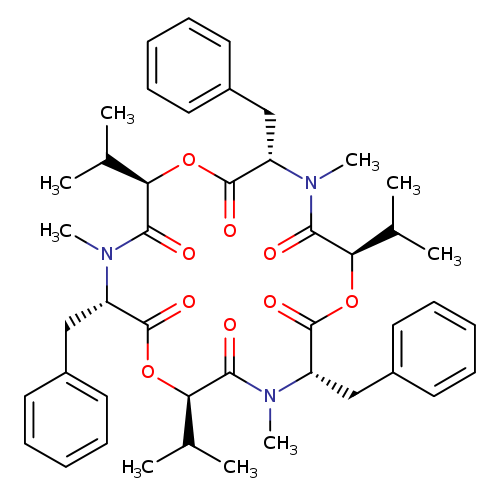
Beauvericin belongs to the depsipeptides, a subclass of peptidomimetics within the organic compounds. With an average molecular weight of 783.95 g/mol, Beauvericin is a heavy molecule. This exogenous organic acid and derivative has the formula C45H57N3O9 and exists as a liquid at room temperature. It functions biologically as a mycotoxin.
The compound is found in or released from 15 recorded sources across multiple sectors. These include electrical and electronic equipment such as cell phones, capacitors, wires and cables, batteries, and printed circuit boards. It is also associated with food, food processing and cookware, specifically food packaging and the preparation of malt. Other sources include synthetic textiles, carpets and rugs, drinking water, medical devices, and lubricants. Recorded exposure routes for the compound include oral, inhalation, and touch.
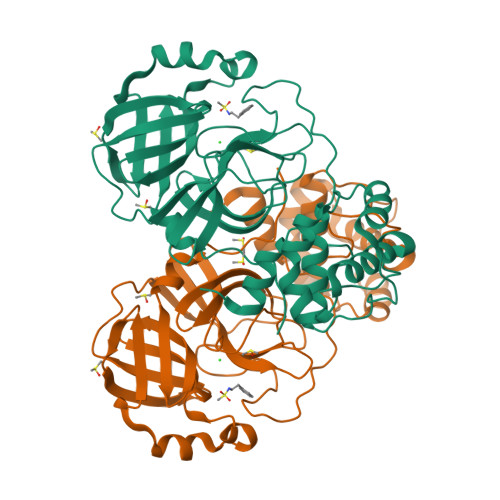
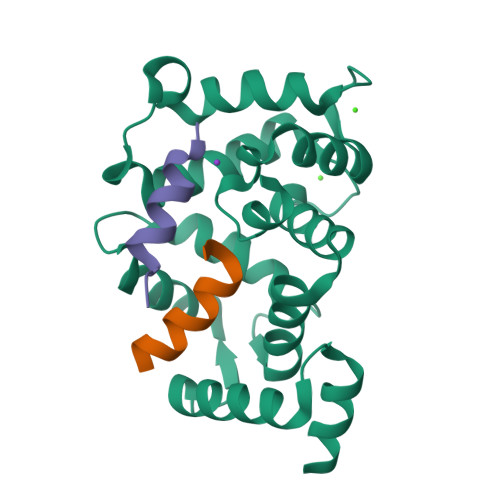
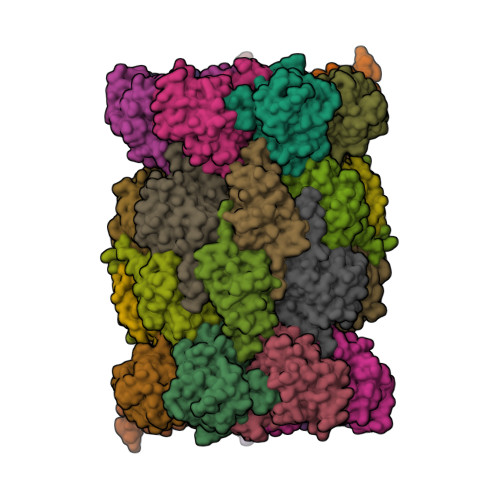
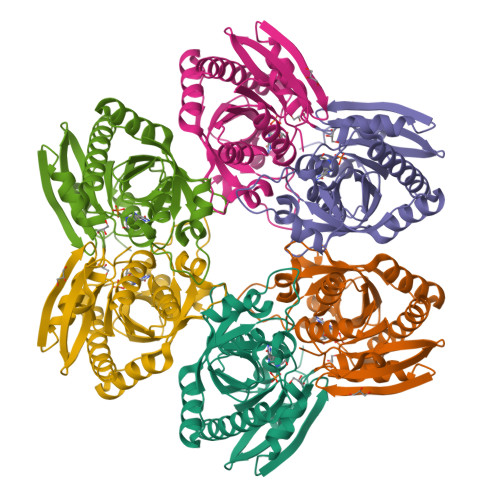
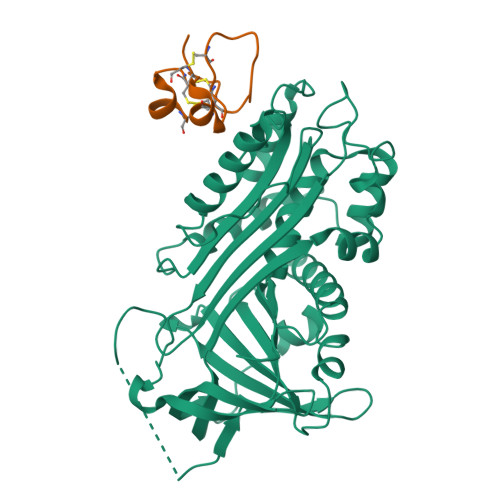
Beauvericin interacts with two recorded protein targets. It acts as a potent inhibitor of acyl-CoA:cholesterol acyltransferase (ACAT), specifically Sterol O-acyltransferase 1 (SOAT1) and Sterol O-acyltransferase 2 (SOAT2), which are involved in cholesterol absorption from the intestine and cholesterol ester accumulation in atherogenesis. Additionally, Beauvericin is genotoxic and causes DNA damage. This effect occurs through oxidative stress, increased intracellular calcium levels that influence endonuclease activity, or by directly forming DNA adducts.
Belongs to the class of organic compounds known as cyclic depsipeptides. These are natural or synthetic compounds having sequences of amino and hydroxy carboxylic acid residues (usually α-amino and α-hydroxy acids) connected in a ring. The residues are commonly but not necessarily regularly alternating.
Beauvericin is cytotoxic and increases ion permeability in cell membranes by forming complexes with essential cations (Ca2+, Na+, K+) and by forming cation-selective channels in lipid membranes. This may affect ionic homeostasis, increasing the intracellular calcium concentration, and lead to apoptosis. Beauvericin is also genotoxic and causes DNA damage, either by directly forming DNA adducts, through increased intracellular calcium levels influencing endonuclease activity, or through oxidative stress. Beauvericin induces lipid peroxidation and production of reactive oxygen species, producing cytotoxic effects and immunosuppressive activity. In addition, beauvericin is a potent inhibitor of the acyl-CoA:cholesterol acyltransferase (ACAT), which plays an important role in cholesterol ester accumulation in atherogenesis and in cholesterol absorption from the intestine. In isolated terminal ilea and heart muscles of guinea pig, beauvericin decreases the contractility, shortening the action potential duration and depolarizing the membrane resting potential. Beauvericin is also known to inhibit certain cytochrome P-450 enzymes. (1, 2, 3, 4, 5)
Cancer is a group of diseases involving abnormal cell growth with the potential to invade or spread to other parts of the body. Possible signs and symptoms include a lump, abnormal bleeding, prolonged cough, unexplained weight loss, and a change in bowel movements. There are over 100 types of cancers affect humans. The risk of developing certain cancers can be reduced by not smoking, maintaining a healthy weight, not drinking too much alcohol, eating plenty of vegetables, fruits and whole grains, vaccination against certain infectious diseases, not eating too much processed and red meat and avoiding too much sunlight exposure. Cancer is often treated with some combination of radiation therapy, surgery, chemotherapy and targeted therapy. The majority of cancers, some 90–95% of cases, are due to genetic mutations from environmental and lifestyle factors. The remaining 5–10% are due to inherited genetics.
Groundwater?Groundwater serves as a vital resource for drinking water and agricultural irrigation but is increasingly susceptible to contamination from synthetic chemicals.
Drinking water?Drinking water can be a medium for synthetic chemical contamination, often originating from various industrial processes and agricultural practices.
Printed circuit boards?Printed circuit boards (PCBs) are essential components in the manufacturing of electronic devices, serving as the backbone for electrical connections and circuit pathways.
Semiconductors?Semiconductors are materials that possess electrical conductivity between that of conductors and insulators, making them essential for various electronic applications, including transistors, diodes, and integrated circuits.
Lubricants?Lubricants are synthetic or petroleum-derived substances used to reduce friction between surfaces in machinery and equipment, enhancing operational efficiency and longevity.
Food packaging?Food packaging often utilizes synthetic chemicals, such as plastics and coatings, to enhance durability, moisture resistance, and shelf life.
Medical devices?Medical devices often incorporate synthetic chemicals in their manufacturing processes, which can contribute to contamination in healthcare settings.
Carpets and Rugs?Carpets and rugs are commonly manufactured using synthetic fibers such as nylon, polyester, and polypropylene, which can be derived from petrochemical sources.
Synthetic textiles?Synthetic textiles are materials derived from man-made fibers, such as polyester, nylon, and acrylic, which are produced through chemical processes involving petrochemicals.
Cell phones?Cell phones contain a variety of synthetic chemicals and materials, including plastics, metals, and glass, which can contribute to environmental contamination.
Capacitors?Capacitors are electronic components that store and release electrical energy, often using dielectric materials that can include synthetic chemicals.
Electric Switches?Electric switches, integral components in numerous devices, can be a source of synthetic chemical contamination due to the materials and manufacturing processes involved in their production.
Food Preservation?Food preservation often involves the use of synthetic chemicals, such as preservatives, flavor enhancers, and color additives, to extend shelf life and enhance the sensory qualities of food products.
Preparation Of Malt?Malt preparation involves the germination and drying of cereal grains, primarily barley, to produce malt for brewing and food products.
Tobacco Smoke Filters?Tobacco smoke filters are designed to reduce the inhalation of harmful substances in cigarette smoke, including tar and other particulate matter.
Nematocides?Nematocides are synthetic chemicals specifically designed to control nematodes, which are microscopic roundworms that can cause significant damage to crops and plants.
Anti Perspirants Or Body Deoderants?Antiperspirants and body deodorants commonly contain synthetic chemicals such as aluminum compounds, parabens, and synthetic fragrances.
Nitrogenous Fertilisers?Nitrogenous fertilizers are synthetic chemical compounds primarily used to enhance plant growth by supplying essential nitrogen, a crucial nutrient for photosynthesis and protein synthesis.
Nanotechnology?Nanotechnology involves the manipulation of materials at the molecular or atomic level, typically within the range of 1 to 100 nanometers.
Beauvericin is a potent inhibitor of the acyl-CoA:cholesterol acyltransferase (ACAT), which plays an important role in cholesterol ester accumulation in atherogenesis and in cholesterol absorption from the intestine. (A3019)
Beauvericin is a potent inhibitor of the acyl-CoA:cholesterol acyltransferase (ACAT), which plays an important role in cholesterol ester accumulation in atherogenesis and in cholesterol absorption from the intestine. (A3019)
Klaric MS, Darabos D, Rozgaj R, Kasuba V, Pepeljnjak S: Beauvericin and ochratoxin A genotoxicity evaluated using the alkaline comet assay: single and combined genotoxic action. Arch Toxicol. 2010 Aug;84(8):641-50. doi: 10.1007/s00204-010-0535-7. Epub 2010 Mar 30. [PubMed: 20352195]
Ferrer E, Juan-Garcia A, Font G, Ruiz MJ: Reactive oxygen species induced by beauvericin, patulin and zearalenone in CHO-K1 cells. Toxicol In Vitro. 2009 Dec;23(8):1504-9. doi: 10.1016/j.tiv.2009.07.009. Epub 2009 Jul 23. [PubMed: 19596061]
Kouri K, Lemmens M, Lemmens-Gruber R: Beauvericin-induced channels in ventricular myocytes and liposomes. Biochim Biophys Acta. 2003 Jan 31;1609(2):203-10. [PubMed: 12543382]
Mei L, Zhang L, Dai R: An inhibition study of beauvericin on human and rat cytochrome P450 enzymes and its pharmacokinetics in rats. J Enzyme Inhib Med Chem. 2009 Jun;24(3):753-62. doi: 10.1080/14756360802362041. [PubMed: 18956271]