alpha-Zearalenol (CED0007860)

Record Information
Version1.0
Creation Date2014-08-29 04:58:39 UTC
Update Date2026-03-31 17:35:07 UTC
SynCED IDCED0007860
Secondary Accession Numbers
  • CHEM003012
  • T3D4052
Identification
Common Namealpha-Zearalenol
ClassSmall Molecule
Description
alpha-Zearalenol is a solid organic compound with the formula C18H24O5 and an average molecular weight of 320.38 g/mol. alpha-Zearalenol belongs to the macrolides and analogues, a class of phenylpropanoids and polyketides within the organic compounds. This compound is exogenous in origin. It has been found in or released from two recorded sources: electrical and electronic equipment, specifically amplifiers, and household cleaning and consumer products, specifically non electric simulated smoking devices.
Contaminant Type
  • Ester
  • Ether
  • Fungal Toxin
  • Metabolite
  • Natural Compound
  • Organic Compound
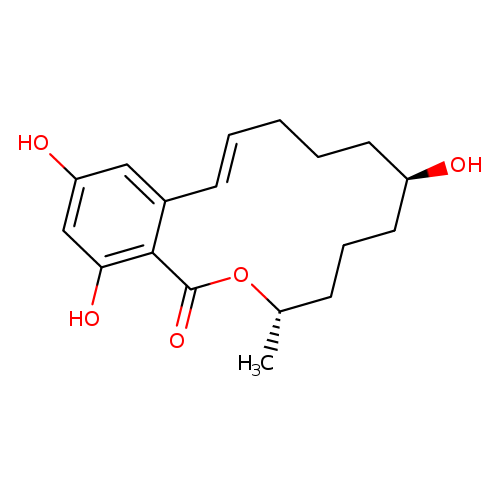
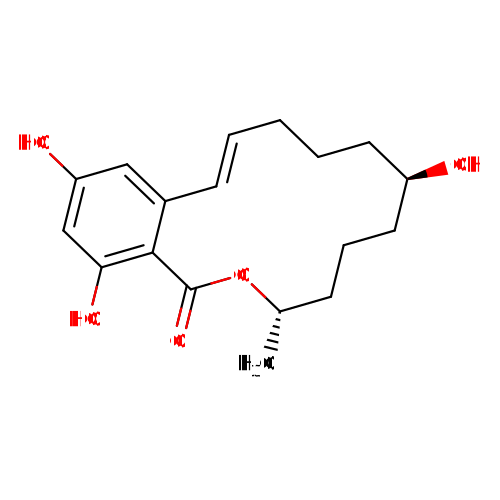
Chemical Structure
Synonyms
ValueSource
trans-ZearalenolKegg
a-ZearalenolGenerator
Α-zearalenolGenerator
alpha-Zearalenol, (cis)-isomerHMDB
ZearalenolHMDB
beta-ZearalenolHMDB
(3R,7R,11E)-7,14,16-Trihydroxy-3-methyl-3,4,5,6,7,8,9,10-octahydro-1H-2-benzoxacyclotetradecin-1-oneHMDB
beta-trans-ZearalenolHMDB
(-)-beta-ZearalenolHMDB
3,4,5,6,7,8,9,10-Octahydro-7,14,16-trihydroxy-3-methyl-1H-2-benzoxacyclotetradecin-1-oneHMDB
Chemical FormulaC18H24O5
Average Molecular Mass320.380 g/mol
Monoisotopic Mass320.162 g/mol
CAS Registry Number36455-72-8
IUPAC Name(3S,7R)-7,14,16-trihydroxy-3-methyl-3,4,5,6,7,8,9,10-octahydro-1H-2-benzoxacyclotetradecin-1-one
Traditional Namezeranol
SMILESC[C@H]1CCC[C@H](O)CCC\C=C\C2=CC(O)=CC(O)=C2C(=O)O1
InChI IdentifierInChI=1S/C18H24O5/c1-12-6-5-9-14(19)8-4-2-3-7-13-10-15(20)11-16(21)17(13)18(22)23-12/h3,7,10-12,14,19-21H,2,4-6,8-9H2,1H3/b7-3+/t12-,14+/m0/s1
InChI KeyFPQFYIAXQDXNOR-QDKLYSGJSA-N
Chemical Taxonomy
Description Belongs to the class of organic compounds known as macrolides and analogues. These are organic compounds containing a lactone ring of at least twelve members.
KingdomOrganic compounds
Super ClassPhenylpropanoids and polyketides
ClassMacrolides and analogues
Sub ClassNot Available
Direct ParentMacrolides and analogues
Alternative Parents
Substituents
  • Macrolide
  • Dihydroxybenzoic acid
  • 1-hydroxy-4-unsubstituted benzenoid
  • 1-hydroxy-2-unsubstituted benzenoid
  • Benzenoid
  • Vinylogous acid
  • Carboxylic acid ester
  • Lactone
  • Secondary alcohol
  • Carboxylic acid derivative
  • Polyol
  • Monocarboxylic acid or derivatives
  • Oxacycle
  • Organoheterocyclic compound
  • Organooxygen compound
  • Organic oxide
  • Organic oxygen compound
  • Alcohol
  • Hydrocarbon derivative
  • Aromatic heteropolycyclic compound
Molecular FrameworkAromatic heteropolycyclic compounds
External Descriptors
Biological Properties
StatusDetected and Not Quantified
OriginExogenous
Cellular Locations
  • Membrane
Biofluid LocationsNot Available
Tissue LocationsNot Available
ApplicationsNot Available
Biological Roles
Chemical RolesNot Available
Organoleptic EffectsNot Available
Physical Properties
StateSolid
AppearanceWhite powder.
Experimental Properties
PropertyValue
Melting PointNot Available
Boiling PointNot Available
SolubilityNot Available
Predicted Properties
PropertyValueSource
Water Solubility0.15 g/LALOGPS
logP3.27ALOGPS
logP4.17ChemAxon
logS-3.3ALOGPS
pKa (Strongest Acidic)8.54ChemAxon
pKa (Strongest Basic)-1.2ChemAxon
Physiological Charge0ChemAxon
Hydrogen Acceptor Count4ChemAxon
Hydrogen Donor Count3ChemAxon
Polar Surface Area86.99 ŲChemAxon
Rotatable Bond Count0ChemAxon
Refractivity89.37 m³·mol⁻¹ChemAxon
Polarizability34.47 ųChemAxon
Number of Rings2ChemAxon
BioavailabilityYesChemAxon
Rule of FiveYesChemAxon
Ghose FilterYesChemAxon
Veber's RuleNoChemAxon
MDDR-like RuleNoChemAxon
Spectra
Spectra
Spectrum TypeDescriptionSplash KeyDeposition DateView
Predicted GC-MSPredicted GC-MS Spectrumsplash10-0udi-0049000000-a87e9d1011a2491c8ddbNot AvailableView Spectrum
Predicted GC-MSPredicted GC-MS Spectrumsplash10-0229-8500950000-f4d3c9bdf8d5f08d6cadNot AvailableView Spectrum
Predicted GC-MSPredicted GC-MS SpectrumNot AvailableNot AvailableView Spectrum
Predicted LC-MS/MSPredicted LC-MS/MS Spectrumsplash10-0uk9-0019000000-4e38670336b2fa219440Not AvailableView Spectrum
Predicted LC-MS/MSPredicted LC-MS/MS Spectrumsplash10-0uk9-5489000000-c9486dc02bd2970e1610Not AvailableView Spectrum
Predicted LC-MS/MSPredicted LC-MS/MS Spectrumsplash10-0900-7920000000-b32caa0abd80ca28eabeNot AvailableView Spectrum
Predicted LC-MS/MSPredicted LC-MS/MS Spectrumsplash10-014i-0019000000-62edd83447cda917e4cbNot AvailableView Spectrum
Predicted LC-MS/MSPredicted LC-MS/MS Spectrumsplash10-0gb9-1119000000-9ed06dfe32fa5c630c0aNot AvailableView Spectrum
Predicted LC-MS/MSPredicted LC-MS/MS Spectrumsplash10-052b-2390000000-eec44bc289fefe24387fNot AvailableView Spectrum
Predicted LC-MS/MSPredicted LC-MS/MS Spectrumsplash10-014i-0009000000-116f24373daa24d943eaNot AvailableView Spectrum
Predicted LC-MS/MSPredicted LC-MS/MS Spectrumsplash10-0udi-0009000000-65d407b0c8387d27535dNot AvailableView Spectrum
Predicted LC-MS/MSPredicted LC-MS/MS Spectrumsplash10-0006-8091000000-fdac99a2354a0b46e9cbNot AvailableView Spectrum
Predicted LC-MS/MSPredicted LC-MS/MS Spectrumsplash10-0udi-0009000000-ab0d3e9427f8c5216001Not AvailableView Spectrum
Predicted LC-MS/MSPredicted LC-MS/MS Spectrumsplash10-0udi-0009000000-930d5de96dccc6bd3e83Not AvailableView Spectrum
Predicted LC-MS/MSPredicted LC-MS/MS Spectrumsplash10-0pb9-1092000000-12d134b2e63ea616dcd9Not AvailableView Spectrum
Toxicity Profile
Toxicity Values
Toxicity ValueOrganismDose DescriptorRoute of ExposurePredicted or ExperimentalToxicity RatingReference
2311.0 Log mg/kg [1300:4100]RatLD50oralpredictedNot AvailableNot Available
Toxicity / Toxin ClassNot Available
Mechanism of ToxicityMycotoxins, such as alpha-zearalenol (alpha-ZOL) and beta-zearalenol (beta-ZOL), as contaminants of animal food can impair fertility and can cause abnormal fetal development in farm animals. The addition of alpha- or beta-ZOL (7.5, 15 and 30 microM) to cultures stimulated with FSH (0.01 microg) or forskolin (10 microM) reduced progesterone synthesis and the levels of p450scc and 3beta-HSD transcripts in a dose-dependent manner (P<0.05). The enzymatic activity of 3beta-HSD and the abundance of p450scc protein were also reduced by these mycotoxins. The effects of mycotoxins on FSH receptor-dependent and receptor-independent pathways indicate that adenylate cyclase activity and/or regulatory pathways further downstream are targets of mycotoxin actions. The apparent dose-dependent reduction of p450scc and 3beta-HSD transcripts implies an effect of alpha- and beta-ZOL on transcriptional regulation of these enzymes. Testing the zearalenone derivatives, _- and _-ZOL, which is metabolised in the liver, as an examination of excretory products indicated a predominance of the _ epimer in pig and man. (1) Generally, alpha-zearalenol possess estrogenic potencies that are approximately 50% compared to that of E2, and their order of estrogenic potency (in both in vitro receptor competitive binding and in vivo induction of Vtg and Zr-proteins levels) is: alpha-zearalenol > beta-zearalenol. It has also been observed that mycotoxin alpha and beta zearalenol influence the apoptosis and proliferation of cultured granulosa cells from equine ovaries. (3) The mechanisms by which _-ZOL or _-ZOL mediates their cytotoxic effects appear to differ according to cell type and the exposed toxins. In evaluating the toxicity of _-ZOL and _-ZOL on RAW264.7 macrophages, _-ZOL not only more strongly reduced the viability of cells than did _-ZOL, but it also induced cell death mainly by apoptosis rather than necrosis. The zearalenone metabolites induced loss of mitochondrial membrane potential (MMP), mitochondrial changes in Bcl-2 and Bax proteins, and cytoplasmic release of cytochrome c and apoptosis-inducing factor (AIF). Use of an inhibitor specific to c-Jun N-terminal kinase (JNK), p38 kinase or p53, but not pan-caspase or caspase-8, decreased the toxin-induced generation of reactive oxygen species (ROS) and also attenuated the _-ZOL- or _-ZOL-induced decrease of cell viability. The activation of p53, JNK or p38 kinase by zearalenone metabolites is the main upstream signal required for the mitochondrial alteration of Bcl-2/Bax signaling pathways and intracellular ROS generation, while MMP loss and nuclear translocation of AIF are the critical downstream events for zearalenone metabolite-mediated apoptosis in macrophages. (2)
Carcinogenicity (IARC Classification)No indication of carcinogenicity to humans (not listed by IARC).
Minimum Risk LevelNot Available
SymptomsNot Available
TreatmentNot Available
Health Effects
Health EffectRelationshipDirectionDescriptionReference
breast cancerAssociated With?Not AvailableA breast cancer that has material basis in abnormally proliferating cells derives from epithelial cells. (DO)PMC5783641
Exposure Sources
Source IDSourceSectorReference
CEDs000051Surface water?Surface water can serve as a significant vector for the introduction of synthetic chemical contaminants into aquatic ecosystems.Aquatic systems & sedimentsPMC9866086
CEDs000505Amplifiers?Amplifiers, commonly used in various electronic devices to enhance signal strength, can be a source of synthetic chemical contamination due to the materials and processes involved in their production and disposal.Electrical & Electronic EquipmentPubChem
CEDs000518Electrically Stimulated Smoking Devices?Electrically stimulated smoking devices, commonly known as e-cigarettes or vape pens, utilize electrical components to heat a liquid solution, often containing nicotine, flavorings, and other additives, to produce an aerosol for inhalation.Electrical & Electronic EquipmentPubChem
CEDs000544Fermentation Processes For Beer?Fermentation processes for beer involve the conversion of sugars into alcohol and carbon dioxide by yeast.Food, food processing & cookwarePubChem
CEDs000545Food Preservation?Food preservation often involves the use of synthetic chemicals, such as preservatives, flavor enhancers, and color additives, to extend shelf life and enhance the sensory qualities of food products.Food, food processing & cookwarePubChem
CEDs000559Non Electric Simulated Smoking Devices?Non-electric simulated smoking devices, often designed to mimic the experience of smoking without combustion, can be sources of synthetic chemical contamination due to the materials and chemicals used in their construction and operation.Household cleaning & consumer productsPubChem
CEDs000569Tobacco Smoke Filters?Tobacco smoke filters are designed to reduce the inhalation of harmful substances in cigarette smoke, including tar and other particulate matter.Household cleaning & consumer productsPubChem
CEDs000606Plant Growth Regulators?Plant Growth Regulators (PGRs) are synthetic chemicals designed to influence the growth and development of plants.Agriculture & land managementPubChem
CEDs000611Anti Perspirants Or Body Deoderants?Antiperspirants and body deodorants commonly contain synthetic chemicals such as aluminum compounds, parabens, and synthetic fragrances.Personal care & cosmeticsPubChem
CEDs000632Apparel?Apparel production often involves the use of various synthetic chemicals, including dyes, finishing agents, and preservatives.Textiles, leather & furnishingsPubChem
CEDs000678Nitrogenous Fertilisers?Nitrogenous fertilizers are synthetic chemical compounds primarily used to enhance plant growth by supplying essential nitrogen, a crucial nutrient for photosynthesis and protein synthesis.Agriculture & land managementPubChem
CEDs000679Phosphatic Fertilisers?Phosphatic fertilizers are synthetic chemical products primarily composed of phosphorus, which is essential for plant growth.Agriculture & land managementPubChem
CEDs000685Ceramics?Ceramics can be a source of synthetic chemical contamination through various additives and processing agents used in their production.Building & ConstructionPubChem
CEDs000696Nanotechnology?Nanotechnology involves the manipulation of materials at the molecular or atomic level, typically within the range of 1 to 100 nanometers.Industrial manufacturing & chemical processingPubChem
CEDs000735Explosives?Explosives are chemical compounds or mixtures designed to undergo rapid decomposition, releasing energy in the form of gas and heat.Defense & military infrastructurePubChem
CEDs000744Water, Wastewater, & Sewage Treatment?Water, wastewater, and sewage treatment processes are critical for managing and mitigating pollutants in water systems.Wastewater, sanitation & biosolidsPubChem
CEDs00755MaizeAgriculture & land managementPMC6071188 , PMC5127138
CEDs00775FeedsAgriculture & land managementPMC6071188
CEDs00938Maize ProductsAgriculture & land managementPMC6071188
CEDs00984Maize SilageAgriculture & land managementPMC6071188
CEDs01144FoodFood, food processing & cookwarePMC5690627
CEDs01147BeerFood, food processing & cookwarePMC9501528
CEDs01148MilkFood, food processing & cookwarePMC5408185
CEDs01160CerealsFood, food processing & cookwarePMC9501528
CEDs01161Cereal GrainsFood, food processing & cookwarePMC7828551
CEDs01170EggsFood, food processing & cookwarePMC6265989
CEDs01177BreadFood, food processing & cookwarePMC9501528 , PMC9501528
CEDs01200VegetablesFood, food processing & cookwarePMC9866086
CEDs01338Raw MilkFood, food processing & cookwarePMC10610745
CEDs01346Milk PowderFood, food processing & cookwarePMC10610745
CEDs01347Meat SamplesFood, food processing & cookwarePMC7354427
CEDs01441Infant FormulasFood, food processing & cookwarePMC5408185
CEDs01444Liquid MilkFood, food processing & cookwarePMC10610745
CEDs01552Beef SamplesFood, food processing & cookwarePMC7354427
CEDs01579Dairy FeedsFood, food processing & cookwarePMC6071188
CEDs01619Pork LiverFood, food processing & cookwarePMC9692590
CEDs01688Dairy Feed SamplesFood, food processing & cookwarePMC6071188
CEDs02289StreamAquatic systems & sedimentsPMC12891044
Pathways
0 pathwaysPathway Source: PathBank

No pathways found

No metabolic pathways have been associated with this synthetic chemical

Targets
StructureProteinUniProt IDOrganismRelationshipDetails
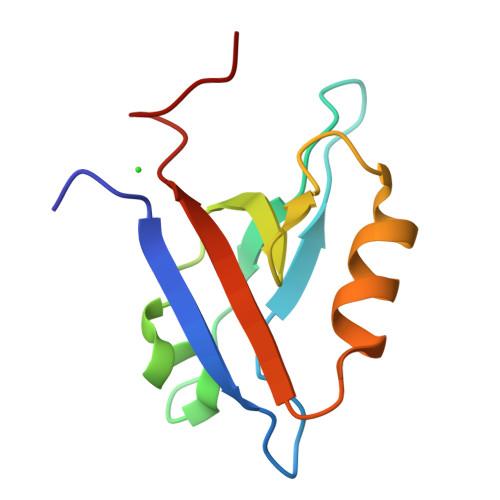
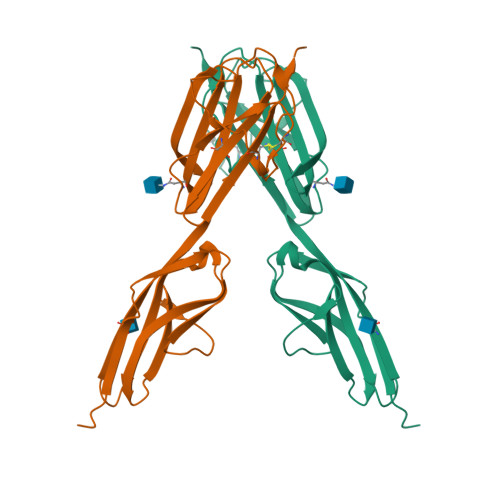
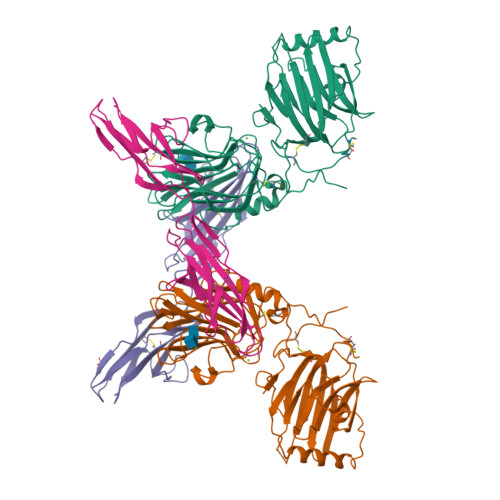
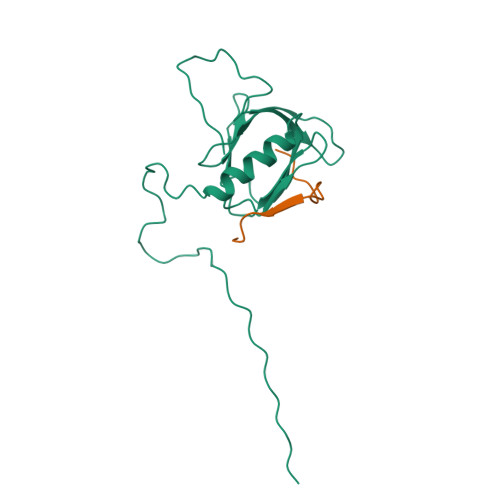
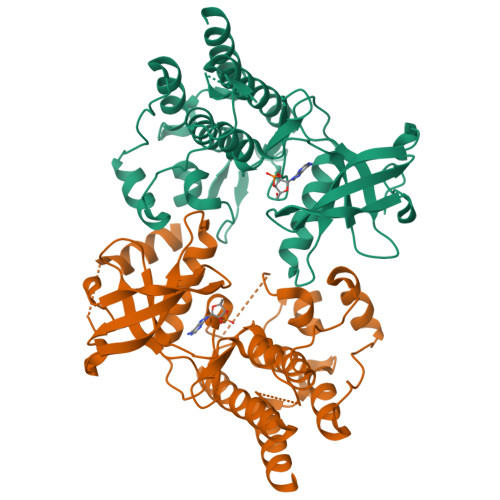
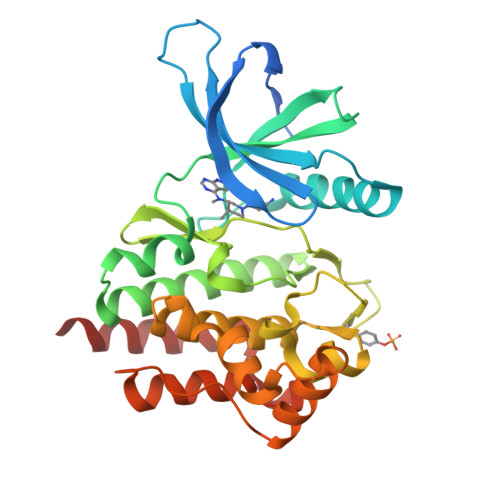
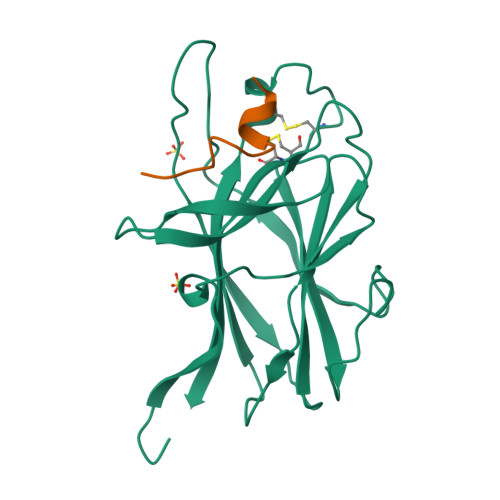
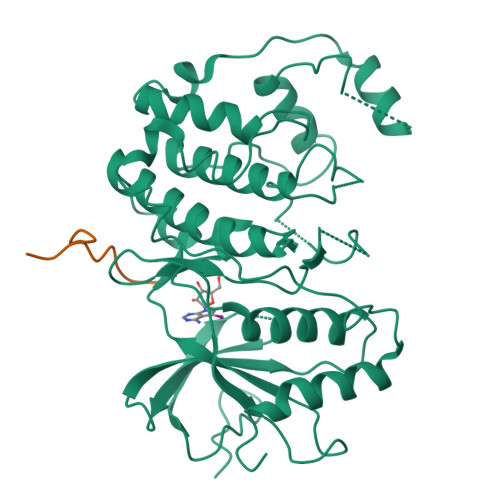
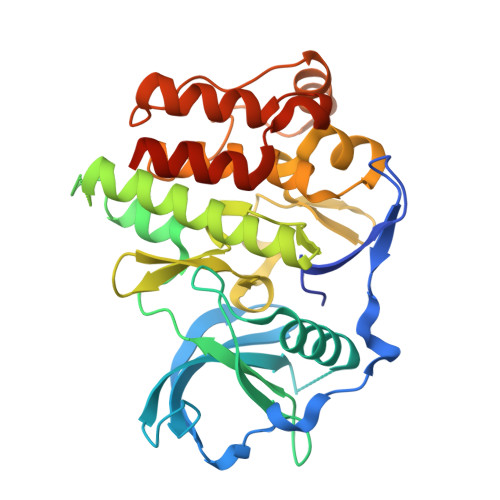
Receptor-type tyrosine-protein kinase FLT3 structureClick to view 3D structureReceptor-type tyrosine-protein kinase FLT3P36888HumansPredicted (SEA)
Prediction Confidence Score
0.519
Applicability Domain
0.618
Statistical Significance
0.0079
Supporting Reference Compounds
1274
E-value
61.2673
Platelet-derived growth factor receptor alpha structureClick to view 3D structurePlatelet-derived growth factor receptor alphaP16234HumansPredicted (SEA)
Prediction Confidence Score
0.481
Applicability Domain
0.517
Statistical Significance
0.0043
Supporting Reference Compounds
519
E-value
33.1638
Mast/stem cell growth factor receptor Kit structureClick to view 3D structureMast/stem cell growth factor receptor KitP10721HumansPredicted (SEA)
Prediction Confidence Score
0.481
Applicability Domain
0.517
Statistical Significance
0.008
Supporting Reference Compounds
905
E-value
61.968
Vascular endothelial growth factor receptor 3 structureClick to view 3D structureVascular endothelial growth factor receptor 3P35916HumansPredicted (SEA)
Prediction Confidence Score
0.477
Applicability Domain
0.517
Statistical Significance
0.005
Supporting Reference Compounds
687
E-value
39.1582
Estrogen receptor beta structureClick to view 3D structureEstrogen receptor betaQ92731HumansPredicted (SEA)
Prediction Confidence Score
0.472
Applicability Domain
0.755
Statistical Significance
5.60e-04
Supporting Reference Compounds
174
E-value
4.35956
Vascular endothelial growth factor receptor 2 structureClick to view 3D structureVascular endothelial growth factor receptor 2P35968HumansPredicted (SEA)
Prediction Confidence Score
0.471
Applicability Domain
0.517
Statistical Significance
0.0164
Supporting Reference Compounds
1660
E-value
127.673
Mitogen-activated protein kinase 1 structureClick to view 3D structureMitogen-activated protein kinase 1P28482HumansPredicted (SEA)
Prediction Confidence Score
0.435
Applicability Domain
0.459
Statistical Significance
0.008
Supporting Reference Compounds
763
E-value
62.2015
Estrogen receptor structureClick to view 3D structureEstrogen receptorP03372HumansPredicted (SEA)
Prediction Confidence Score
0.409
Applicability Domain
1.0
Statistical Significance
0.0023
Supporting Reference Compounds
201
E-value
18.2946
MAP kinase-interacting serine/threonine-protein kinase 2 structureClick to view 3D structureMAP kinase-interacting serine/threonine-protein kinase 2Q9HBH9HumansPredicted (SEA)
Prediction Confidence Score
0.406
Applicability Domain
0.618
Statistical Significance
0.0088
Supporting Reference Compounds
550
E-value
68.663
Dual specificity mitogen-activated protein kinase kinase 1 structureClick to view 3D structureDual specificity mitogen-activated protein kinase kinase 1Q02750HumansPredicted (SEA)
Prediction Confidence Score
0.404
Applicability Domain
0.459
Statistical Significance
0.0079
Supporting Reference Compounds
391
E-value
61.8123
Tyrosine-protein kinase receptor UFO structureClick to view 3D structureTyrosine-protein kinase receptor UFOP30530HumansPredicted (SEA)
Prediction Confidence Score
0.371
Applicability Domain
0.618
Statistical Significance
0.0174
Supporting Reference Compounds
475
E-value
135.613
ALK tyrosine kinase receptor structureClick to view 3D structureALK tyrosine kinase receptorQ9UM73HumansPredicted (SEA)
Prediction Confidence Score
0.369
Applicability Domain
0.431
Statistical Significance
0.0263
Supporting Reference Compounds
708
E-value
204.588
Tyrosine-protein kinase Lck structureClick to view 3D structureTyrosine-protein kinase LckP06239HumansPredicted (SEA)
Prediction Confidence Score
0.366
Applicability Domain
0.431
Statistical Significance
0.0431
Supporting Reference Compounds
1130
E-value
335.374
Proto-oncogene tyrosine-protein kinase receptor Ret structureClick to view 3D structureProto-oncogene tyrosine-protein kinase receptor RetP07949HumansPredicted (SEA)
Prediction Confidence Score
0.366
Applicability Domain
0.431
Statistical Significance
0.0323
Supporting Reference Compounds
764
E-value
251.219
Non-receptor tyrosine-protein kinase TYK2 structureClick to view 3D structureNon-receptor tyrosine-protein kinase TYK2P29597HumansPredicted (SEA)
Prediction Confidence Score
0.366
Applicability Domain
0.431
Statistical Significance
0.0272
Supporting Reference Compounds
657
E-value
212.061
Ephrin type-B receptor 4 structureClick to view 3D structureEphrin type-B receptor 4P54760HumansPredicted (SEA)
Prediction Confidence Score
0.366
Applicability Domain
0.431
Statistical Significance
0.0118
Supporting Reference Compounds
259
E-value
91.7064
Signal transducer and activator of transcription 3 structureClick to view 3D structureSignal transducer and activator of transcription 3P40763HumansPredicted (SEA)
Prediction Confidence Score
0.323
Applicability Domain
1.0
Statistical Significance
0.0011
Supporting Reference Compounds
93
E-value
8.64126
Glycogen synthase kinase-3 beta structureClick to view 3D structureGlycogen synthase kinase-3 betaP49841HumansPredicted (SEA)
Prediction Confidence Score
0.323
Applicability Domain
0.431
Statistical Significance
0.0808
Supporting Reference Compounds
1157
E-value
628.788
Tyrosine-protein kinase ABL1 structureClick to view 3D structureTyrosine-protein kinase ABL1P00519HumansPredicted (SEA)
Prediction Confidence Score
0.32
Applicability Domain
0.431
Statistical Significance
0.0723
Supporting Reference Compounds
927
E-value
562.772
Platelet-derived growth factor receptor beta structureClick to view 3D structurePlatelet-derived growth factor receptor betaP09619HumansPredicted (SEA)
Prediction Confidence Score
0.314
Applicability Domain
0.517
Statistical Significance
0.0587
Supporting Reference Compounds
597
E-value
456.741
Dual specificity mitogen-activated protein kinase kinase 2 structureClick to view 3D structureDual specificity mitogen-activated protein kinase kinase 2P36507HumansPredicted (SEA)
Prediction Confidence Score
0.314
Applicability Domain
0.406
Statistical Significance
0.0313
Supporting Reference Compounds
279
E-value
243.357
Hepatocyte growth factor receptor structureClick to view 3D structureHepatocyte growth factor receptorP08581HumansPredicted (SEA)
Prediction Confidence Score
0.301
Applicability Domain
0.431
Statistical Significance
0.0997
Supporting Reference Compounds
934
E-value
776.312
Aromatase structureClick to view 3D structureAromataseP11511HumansPredicted (SEA)
Prediction Confidence Score
0.301
Applicability Domain
0.322
Statistical Significance
0.0087
Supporting Reference Compounds
127
E-value
67.651
Mitogen-activated protein kinase 14 structureClick to view 3D structureMitogen-activated protein kinase 14Q16539HumansPredicted (SEA)
Prediction Confidence Score
0.295
Applicability Domain
0.431
Statistical Significance
0.0978
Supporting Reference Compounds
668
E-value
761.288
Cytochrome P450 1B1 structureClick to view 3D structureCytochrome P450 1B1Q16678HumansPredicted (SEA)
Prediction Confidence Score
0.293
Applicability Domain
0.322
Statistical Significance
0.0089
Supporting Reference Compounds
88
E-value
69.5194
Estrogen receptor structureClick to view 3D structureEstrogen receptorP03372HumansKnownNot Available
Galactosylgalactosylxylosylprotein 3-beta-glucuronosyltransferase 2 structureClick to view 3D structureGalactosylgalactosylxylosylprotein 3-beta-glucuronosyltransferase 2Q9NPZ5HumansKnownNot Available
Concentrations
Not Available
External Links
DrugBank IDNot Available
HMDB IDHMDB0041824
FooDB IDFDB111671
Phenol Explorer IDNot Available
KNApSAcK IDNot Available
BiGG IDNot Available
BioCyc IDNot Available
METLIN IDNot Available
PDB IDNot Available
Wikipedia LinkAlpha-Zearalenol
Chemspider ID4447689
ChEBI IDNot Available
PubChem Compound ID5284645
Kegg Compound IDC14750
YMDB IDNot Available
ECMDB IDNot Available
References
Synthesis ReferenceNot Available
MSDSNot Available
General References
  1. Tiemann U, Tomek W, Schneider F, Vanselow J: Effects of the mycotoxins alpha- and beta-zearalenol on regulation of progesterone synthesis in cultured granulosa cells from porcine ovaries. Reprod Toxicol. 2003 Nov-Dec;17(6):673-81. [PubMed: 14613819]
  2. Lu J, Yu JY, Lim SS, Son YO, Kim DH, Lee SA, Shi X, Lee JC: Cellular mechanisms of the cytotoxic effects of the zearalenone metabolites alpha-zearalenol and beta-zearalenol on RAW264.7 macrophages. Toxicol In Vitro. 2013 Apr;27(3):1007-17. doi: 10.1016/j.tiv.2013.01.011. Epub 2013 Jan 31. [PubMed: 23376438]
  3. wikigenes - https://www.wikigenes.org/e/chem/e/5933650.html