Aristolochic acid (CED0004380)

Record Information
Version1.0
Creation Date2014-08-29 05:17:15 UTC
Update Date2026-08-19 18:18:27 UTC
SynCED IDCED0004380
Secondary Accession Numbers
  • CHEM003073
  • T3D4113
Identification
Common NameAristolochic acid
ClassSmall Molecule
Description
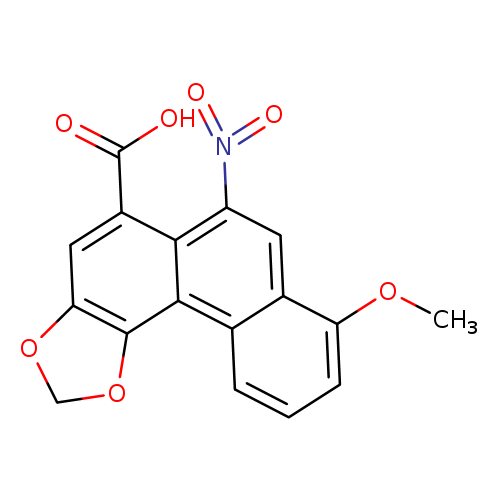
Aristolochic acid is an exogenous solid with the formula C17H11NO7 and an average molecular weight of 341.27 g/mol. Aristolochic acid belongs to the aristolochic acids and derivatives, a subclass of phenanthrenes and derivatives within the organic compounds. Biologically, it functions as a toxin, nephrotoxin, mutagen, carcinogenic agent, and metabolite. It has one recorded protein target, Cyclin-dependent kinase 2 (CDK2). The compound is found in 22 recorded sources across several sectors. In electrical and electronic equipment, it is present in batteries, capacitors, cell phones, printed circuit boards, wires, and cables, among three other items. Within household cleaning and consumer products, it is found in soap detergents, cigar cigarettes, non-electric simulated smoking devices, other smoking requisites, and tobacco smoke filters. Its presence in food, food processing, and cookware includes food packaging, food preservation, and the preparation of vinegar. Additionally, it is found in lubricants within the energy, oil, and gas sector, medical devices in healthcare, pharmaceuticals, and veterinary products, and synthetic textiles, carpets, and rugs in textiles, leather, and furnishings. Exposure to aristolochic acid occurs through oral, inhalation, and touch routes.
Contaminant Type
  • Ester
  • Ether
  • Natural Compound
  • Organic Compound
  • PFAS
  • Phytotoxin
  • Plant Toxin
Chemical Structure
Synonyms
ValueSource
3,4-Methylenedioxy-8-methoxy-10-nitro-1-phenanthrenecarboxylic acidChEBI
8-Methoxy-6-nitrophenanthol (3,4-D) 1,3-dioxole-5-carboxylic acidChEBI
Aristolochic acid aChEBI
Aristolochic acid IChEBI
Aristolochic acid-IChEBI
AristolochinChEBI
3,4-Methylenedioxy-8-methoxy-10-nitro-1-phenanthrenecarboxylateGenerator
8-Methoxy-6-nitrophenanthol (3,4-D) 1,3-dioxole-5-carboxylateGenerator
Aristolochate aGenerator
Aristolochate IGenerator
Aristolochate-IGenerator
AristolochateGenerator
Aristolochic acid I, sodium saltMeSH
8-Methoxy-6-nitrophenanthro(3,4-D)-1,3-dioxole-5-carboxylic acidMeSH
TardolytMeSH
Sodium aristolochateMeSH
Chemical FormulaC17H11NO7
Average Molecular Mass341.272 g/mol
Monoisotopic Mass341.054 g/mol
CAS Registry Number313-67-7
IUPAC Name6-methoxy-9-nitro-14,16-dioxatetracyclo[8.7.0.0²,⁷.0¹³,¹⁷]heptadeca-1,3,5,7,9,11,13(17)-heptaene-11-carboxylic acid
Traditional Namebirthwort
SMILESCOC1=CC=CC2=C3C4=C(OCO4)C=C(C(O)=O)C3=C(C=C12)N(=O)=O
InChI IdentifierInChI=1S/C17H11NO7/c1-23-12-4-2-3-8-9(12)5-11(18(21)22)14-10(17(19)20)6-13-16(15(8)14)25-7-24-13/h2-6H,7H2,1H3,(H,19,20)
InChI KeyBBFQZRXNYIEMAW-UHFFFAOYSA-N
Chemical Taxonomy
Description Belongs to the class of organic compounds known as aristolochic acids and derivatives. These are organic heterocyclic compounds with a structure characterized by a nitrophenanthro[3,4-d][1,3]dioxole ring system substituted at position 5, 6, and 8 by a carboxyl group (or a derivative thereof), a nitro group, and a methoxy group, respectively.
KingdomOrganic compounds
Super ClassBenzenoids
ClassPhenanthrenes and derivatives
Sub ClassAristolochic acids and derivatives
Direct ParentAristolochic acids and derivatives
Alternative Parents
Substituents
  • Aristolochic acid or derivatives
  • 1-naphthalenecarboxylic acid
  • 1-naphthalenecarboxylic acid or derivatives
  • 1-nitronaphthalene
  • 2-nitronaphthalene
  • Naphthalene
  • Benzodioxole
  • Nitroaromatic compound
  • Anisole
  • Alkyl aryl ether
  • Organic nitro compound
  • C-nitro compound
  • Acetal
  • Carboxylic acid derivative
  • Carboxylic acid
  • Ether
  • Monocarboxylic acid or derivatives
  • Oxacycle
  • Organoheterocyclic compound
  • Organic 1,3-dipolar compound
  • Organic oxoazanium
  • Allyl-type 1,3-dipolar organic compound
  • Propargyl-type 1,3-dipolar organic compound
  • Organic oxide
  • Organic nitrogen compound
  • Organic oxygen compound
  • Organopnictogen compound
  • Hydrocarbon derivative
  • Organonitrogen compound
  • Organooxygen compound
  • Aromatic heteropolycyclic compound
Molecular FrameworkAromatic heteropolycyclic compounds
External Descriptors
Biological Properties
StatusDetected and Not Quantified
OriginExogenous
Cellular Locations
  • Acrosome
  • Actin Cytoskeleton
  • Actin Filament
  • Apical Membrane
  • Cell junction
  • Cell surface
  • Cytoskeleton
  • Cytosol
  • Endoplasmic reticulum
  • Extracellular
  • Extracellular matrix
  • Intermediate Filament
  • Lysosome
  • Membrane
  • Microsome
  • Microtubule
  • Mitochondrial Intermembrane Space
  • Mitochondrial Membrane
  • Mitochondrion
  • Peroxisome
  • Plasma Membrane
  • Sarcoplasmic Reticulum
Biofluid LocationsNot Available
Tissue LocationsNot Available
ApplicationsNot Available
Biological Roles
Chemical RolesNot Available
Organoleptic EffectsNot Available
Physical Properties
StateSolid
AppearanceWhite powder.
Experimental Properties
PropertyValue
Melting PointNot Available
Boiling PointNot Available
SolubilityNot Available
Predicted Properties
PropertyValueSource
Water Solubility0.025 g/LALOGPS
logP2.69ALOGPS
logP3.02ChemAxon
logS-4.1ALOGPS
pKa (Strongest Acidic)3.32ChemAxon
pKa (Strongest Basic)-4.5ChemAxon
Physiological Charge-1ChemAxon
Hydrogen Acceptor Count7ChemAxon
Hydrogen Donor Count1ChemAxon
Polar Surface Area110.81 ŲChemAxon
Rotatable Bond Count3ChemAxon
Refractivity85.77 m³·mol⁻¹ChemAxon
Polarizability32.27 ųChemAxon
Number of Rings4ChemAxon
BioavailabilityYesChemAxon
Rule of FiveYesChemAxon
Ghose FilterYesChemAxon
Veber's RuleNoChemAxon
MDDR-like RuleNoChemAxon
Spectra
Spectra
Spectrum TypeDescriptionSplash KeyDeposition DateView
Predicted GC-MSPredicted GC-MS Spectrumsplash10-01oy-3097000000-da70a568598192c4149dNot AvailableView Spectrum
Predicted GC-MSPredicted GC-MS SpectrumNot AvailableNot AvailableView Spectrum
Predicted LC-MS/MSPredicted LC-MS/MS Spectrumsplash10-0006-0009000000-192503bd944b4098f295Not AvailableView Spectrum
Predicted LC-MS/MSPredicted LC-MS/MS Spectrumsplash10-0006-0019000000-36268a06fdb878508480Not AvailableView Spectrum
Predicted LC-MS/MSPredicted LC-MS/MS Spectrumsplash10-022d-0059000000-e1c393e1f4dcf97ab02cNot AvailableView Spectrum
Predicted LC-MS/MSPredicted LC-MS/MS Spectrumsplash10-0006-0009000000-ec56c61ed56ce4fdd6d5Not AvailableView Spectrum
Predicted LC-MS/MSPredicted LC-MS/MS Spectrumsplash10-0006-0009000000-0f6cf8b2fee975ef3311Not AvailableView Spectrum
Predicted LC-MS/MSPredicted LC-MS/MS Spectrumsplash10-0016-2093000000-237334dcb4e6c37619aeNot AvailableView Spectrum
Toxicity Profile
Toxicity Values
Toxicity ValueOrganismDose DescriptorRoute of ExposurePredicted or ExperimentalToxicity RatingReference
3729.0 Log mg/kg [2100:6600]RatLD50oralpredictedNot AvailableNot Available
Toxicity / Toxin ClassNot Available
Mechanism of ToxicityThe carcinogenic and mutagenic effects associated with the binding of metabolites of ingested aristolochic acid (AA) to DNA have been extensively described in vitro and in vivo, resulting in the classification of AA as a genotoxic carcinogen. AA-derived DNA adducts in renal cortical and urothelial tumor tissue of patients with documented BEN, associated with the dominance of the A:T to T:A transversions in the p53 tumor suppressor gene mutational spectrum. (1) AA is a nephrotoxic and carcinogenic compound, which has been demonstrated to be genotoxic and mutagenic both in vitro and in vivo. Toxicity and carcinogenicity of the nephrotoxic compound aristolochic acid between rodents and humans suggest a species-dependent mechanism of action. AA had a comparable effect on the cell cycle in primary human and porcine cells and the rat NRK-52E cell line following 48 h exposure, also corroborated by the reduced 3H-thymidine incorporation in NRK-52E cells. In addition, DNA unwinding, suggestive of enhanced DNA damage, was observed in primary porcine cells. (2)
Carcinogenicity (IARC Classification)Aristolochic acid, defined as an extract of Aristolochia species comprising a mixture of aristolochic acid I and aristolochic acid II, is classified by IARC as carcinogenic to humans (Group 1). (3)
Minimum Risk LevelNot Available
SymptomsNot Available
TreatmentNot Available
Health Effects
Health EffectRelationshipDirectionDescriptionReference
arthritisNot AvailableNot AvailableA disorder characterized by inflammation involving a joint. (NCI CTCAE)PMC4519959
cancerAssociated With?Not AvailableCancer is a group of diseases involving abnormal cell growth with the potential to invade or spread to other parts of the body. Possible signs and symptoms include a lump, abnormal bleeding, prolonged cough, unexplained weight loss, and a change in bowel movements. There are over 100 types of cancers affect humans. The risk of developing certain cancers can be reduced by not smoking, maintaining a healthy weight, not drinking too much alcohol, eating plenty of vegetables, fruits and whole grains, vaccination against certain infectious diseases, not eating too much processed and red meat and avoiding too much sunlight exposure. Cancer is often treated with some combination of radiation therapy, surgery, chemotherapy and targeted therapy. The majority of cancers, some 90–95% of cases, are due to genetic mutations from environmental and lifestyle factors. The remaining 5–10% are due to inherited genetics.PMC12804237
kidney diseaseAssociated With?Not AvailableA urinary system disease that is located in the kidney. (DO)PMC9469194 , PMC12804237
infertilityAssociated With?Not AvailableA disorder characterized by the inability to reproduce by natural means.PMC10499588
strokeNot AvailableNot AvailableNot AvailablePMC13415939
rheumatoid arthritisNot AvailableNot AvailableAn arthritis that is an autoimmune disease which attacks healthy cells and tissue located in joint. (DO)PMC13415939
chronic kidney diseaseAssociated With?Not AvailableA disorder characterized by gradual and usually permanent damage/loss of kidney function resulting in renal failure. (NCI CTCAE)PMC4750486
goutNot AvailableNot AvailableAn arthritis that has material basis in uric acid crystal deposits located in joint. (DO)PMC4519959
pneumoniaNot AvailableNot AvailableA lung disease that involves lung parenchyma or alveolar inflammation and abnormal alveolar filling with fluid (consolidation and exudation). It results from a variety of causes including infection with bacteria, viruses, fungi or parasites, and chemical or physical injury to the lungs. It is accompanied by fever, chills, cough, and difficulty in breathing. (DO)PMC13415939
kidney cancerAssociated With?Not AvailableA urinary system cancer that is located in the kidney. (DO)PMC8902436 , PMC10939812
NeoplasmsHas Therapeutic Effect OnNot AvailableNot AvailablePMC12478143
Rheumatic DiseasesNot AvailableNot AvailableNot AvailablePMC4519959
Balkan nephropathyAssociated With?Not AvailableNot AvailablePMC6476903 , PMC12561251
Snake BitesNot AvailableNot AvailableNot AvailablePMC7092833
Exposure Sources
Source IDSourceSectorReference
CEDs000007Pesticides?Pesticides are synthetic chemicals designed to prevent, destroy, or control pests that threaten crops and agricultural productivity.Agriculture & land managementNot Available
CEDs000010Insecticides?Insecticides are synthetic chemicals designed to control or eliminate insect pests that threaten crops and other agricultural products.Agriculture & land managementPubChem
CEDs000013Soil?Soil serves as a critical medium for plant growth and sustains various ecological functions; however, it can become a reservoir for synthetic chemical contamination.Agriculture & land managementPMC6468885
CEDs000070Stormwater runoff?Stormwater runoff refers to the flow of rainwater or melted snow that does not soak into the ground and instead collects pollutants as it travels over impervious surfaces such as roads and parking lots.Automotive & urban infrastructurePubChem
CEDs000120Wires and cables?Wires and cables are integral components in the transmission of electrical power and signals.Electrical & Electronic EquipmentNot Available
CEDs000121Printed circuit boards?Printed circuit boards (PCBs) are essential components in the manufacturing of electronic devices, serving as the backbone for electrical connections and circuit pathways.Electrical & Electronic EquipmentNot Available
CEDs000125Batteries?Batteries are devices that store and release electrical energy through electrochemical reactions.Electrical & Electronic EquipmentNot Available
CEDs000130Semiconductors?Semiconductors are materials that possess electrical conductivity between that of conductors and insulators, making them essential for various electronic applications, including transistors, diodes, and integrated circuits.Electrical & Electronic EquipmentNot Available
CEDs000138Lubricants?Lubricants are synthetic or petroleum-derived substances used to reduce friction between surfaces in machinery and equipment, enhancing operational efficiency and longevity.Energy, oil & gasNot Available
CEDs000147Food packaging?Food packaging often utilizes synthetic chemicals, such as plastics and coatings, to enhance durability, moisture resistance, and shelf life.Food, food processing & cookwareNot Available
CEDs000174Lubricants?Lubricants are synthetic or petroleum-based substances used to reduce friction and wear between moving parts in machinery and equipment.Industrial manufacturing & chemical processingNot Available
CEDs000234Medical devices?Medical devices often incorporate synthetic chemicals in their manufacturing processes, which can contribute to contamination in healthcare settings.Healthcare, pharmaceuticals & veterinary productsNot Available
CEDs000451Carpets and Rugs?Carpets and rugs are commonly manufactured using synthetic fibers such as nylon, polyester, and polypropylene, which can be derived from petrochemical sources.Textiles, leather & furnishingsNot Available
CEDs000454Synthetic textiles?Synthetic textiles are materials derived from man-made fibers, such as polyester, nylon, and acrylic, which are produced through chemical processes involving petrochemicals.Textiles, leather & furnishingsNot Available
CEDs000490Personal care & cosmeticsNot Available
CEDs000492Cell phones?Cell phones contain a variety of synthetic chemicals and materials, including plastics, metals, and glass, which can contribute to environmental contamination.Electrical & Electronic EquipmentNot Available
CEDs000493Capacitors?Capacitors are electronic components that store and release electrical energy, often using dielectric materials that can include synthetic chemicals.Electrical & Electronic EquipmentNot Available
CEDs000511Conductors Or Conductive Bodies Characterised By The Conductive Materials?Conductors, or conductive bodies, are materials that allow the flow of electrical current, typically made from metals such as copper, aluminum, or silver.Electrical & Electronic EquipmentPubChem
CEDs000518Electrically Stimulated Smoking Devices?Electrically stimulated smoking devices, commonly known as e-cigarettes or vape pens, utilize electrical components to heat a liquid solution, often containing nicotine, flavorings, and other additives, to produce an aerosol for inhalation.Electrical & Electronic EquipmentPubChem
CEDs000545Food Preservation?Food preservation often involves the use of synthetic chemicals, such as preservatives, flavor enhancers, and color additives, to extend shelf life and enhance the sensory qualities of food products.Food, food processing & cookwarePubChem
CEDs000548Preparation Of Vinegar?Vinegar is produced through the fermentation of ethanol by acetic acid bacteria, resulting in a solution that typically contains 4-8% acetic acid.Food, food processing & cookwarePubChem
CEDs000556Cigar Cigarettes?Cigar cigarettes are a source of synthetic chemical contamination due to the combustion of various tobacco blends and additives.Household cleaning & consumer productsPubChem
CEDs000559Non Electric Simulated Smoking Devices?Non-electric simulated smoking devices, often designed to mimic the experience of smoking without combustion, can be sources of synthetic chemical contamination due to the materials and chemicals used in their construction and operation.Household cleaning & consumer productsPubChem
CEDs000560Other Smoking Requisites?Other smoking requisites, including items such as lighters, matches, and rolling papers, can introduce synthetic chemical contamination through various components and additives.Household cleaning & consumer productsPubChem
CEDs000563Soap Detergents?Soap detergents are synthetic surfactants designed to enhance the cleaning efficacy of water by reducing surface tension, allowing for better interaction with dirt and grease.Household cleaning & consumer productsPubChem
CEDs000569Tobacco Smoke Filters?Tobacco smoke filters are designed to reduce the inhalation of harmful substances in cigarette smoke, including tar and other particulate matter.Household cleaning & consumer productsPubChem
CEDs000578Making Cigars?The process of making cigars involves several steps, including the cultivation of tobacco, fermentation, and the application of various additives to enhance flavor and preservation.Industrial manufacturing & chemical processingPubChem
CEDs000579Manufacture Of Iron Or Steel?The manufacture of iron or steel involves various processes, including smelting, refining, and alloying, which can result in the release of synthetic chemicals and contaminants.Industrial manufacturing & chemical processingPubChem
CEDs000580Manufacture Preparation Of Tobacco Products?The manufacture and preparation of tobacco products involve various processes that can result in the introduction of synthetic chemicals into the environment.Industrial manufacturing & chemical processingPubChem
CEDs000596Acaricides?Acaricides are synthetic chemicals specifically designed to target and control mite populations that can damage crops and plants.Agriculture & land managementPubChem
CEDs000600Herbicides And Algicides?Herbicides and algicides are synthetic chemicals primarily used to control unwanted plants and algae in various environments.Agriculture & land managementPubChem
CEDs000602Molluscicides?Molluscicides are synthetic chemicals specifically designed to control and eliminate mollusks, such as snails and slugs, which can be detrimental to crops and agricultural productivity.Agriculture & land managementPubChem
CEDs000603Nematocides?Nematocides are synthetic chemicals specifically designed to control nematodes, which are microscopic roundworms that can cause significant damage to crops and plants.Agriculture & land managementPubChem
CEDs000606Plant Growth Regulators?Plant Growth Regulators (PGRs) are synthetic chemicals designed to influence the growth and development of plants.Agriculture & land managementPubChem
CEDs000609Aftershave?Aftershave is a grooming product typically used to soothe and protect the skin following shaving.Personal care & cosmeticsPubChem
CEDs000610Aftersun Products?Aftersun products are designed to soothe and hydrate the skin after sun exposure, often containing various synthetic chemicals such as emollients, preservatives, and fragrances.Personal care & cosmeticsPubChem
CEDs000611Anti Perspirants Or Body Deoderants?Antiperspirants and body deodorants commonly contain synthetic chemicals such as aluminum compounds, parabens, and synthetic fragrances.Personal care & cosmeticsPubChem
CEDs000614Essential Oils Or Perfumes?Essential oils and perfumes are complex mixtures of volatile compounds derived from natural or synthetic sources, commonly used for their aromatic properties.Personal care & cosmeticsPubChem
CEDs000615Eye Makeup Products?Eye makeup products, including mascaras, eyeliners, and eyeshadows, often contain a variety of synthetic chemicals such as pigments, preservatives, and film-forming agents.Personal care & cosmeticsPubChem
CEDs000617Lip Care Products?Lip care products, including lipsticks, balms, and glosses, often contain a variety of synthetic chemicals such as parabens, phthalates, and synthetic fragrances.Personal care & cosmeticsPubChem
CEDs000618Lip Makeup Products?Lip makeup products, such as lipsticks, lip glosses, and lip liners, often contain a variety of synthetic chemicals, including pigments, preservatives, and emollients.Personal care & cosmeticsPubChem
CEDs000632Apparel?Apparel production often involves the use of various synthetic chemicals, including dyes, finishing agents, and preservatives.Textiles, leather & furnishingsPubChem
CEDs000662Yarns Or Threads?Yarns or threads used in textiles can be a source of synthetic chemical contamination due to the production processes and treatments they undergo.Textiles, leather & furnishingsPubChem
CEDs000678Nitrogenous Fertilisers?Nitrogenous fertilizers are synthetic chemical compounds primarily used to enhance plant growth by supplying essential nitrogen, a crucial nutrient for photosynthesis and protein synthesis.Agriculture & land managementPubChem
CEDs000679Phosphatic Fertilisers?Phosphatic fertilizers are synthetic chemical products primarily composed of phosphorus, which is essential for plant growth.Agriculture & land managementPubChem
CEDs000685Ceramics?Ceramics can be a source of synthetic chemical contamination through various additives and processing agents used in their production.Building & ConstructionPubChem
CEDs000696Nanotechnology?Nanotechnology involves the manipulation of materials at the molecular or atomic level, typically within the range of 1 to 100 nanometers.Industrial manufacturing & chemical processingPubChem
CEDs000734Coating Compositions?Coating compositions, which include paints, sealants, and varnishes, are formulated with a variety of synthetic chemicals such as solvents, resins, pigments, and additives.Building & ConstructionPubChem
CEDs000744Water, Wastewater, & Sewage Treatment?Water, wastewater, and sewage treatment processes are critical for managing and mitigating pollutants in water systems.Wastewater, sanitation & biosolidsPubChem
CEDs00805Soil Organic MatterAgriculture & land managementPMC6468885
CEDs01144FoodFood, food processing & cookwarePMC6468885
CEDs01183WheatFood, food processing & cookwarePMC6476903
CEDs01188FlourFood, food processing & cookwarePMC6476903 , PMC6476903
CEDs01228Tomato FruitsFood, food processing & cookwarePMC6468885
CEDs01542Food GrainsFood, food processing & cookwarePMC6468885
CEDs01558Wheat GrainFood, food processing & cookwarePMC6468885 , PMC6468885
Pathways
9 pathwaysPathway Source: PathBank
Targets
StructureProteinUniProt IDOrganismRelationshipDetails
Induced myeloid leukemia cell differentiation protein Mcl-1 structureClick to view 3D structureInduced myeloid leukemia cell differentiation protein Mcl-1Q07820HumansPredicted (SEA)
Prediction Confidence Score
0.28
Applicability Domain
0.306
Statistical Significance
0.0362
Supporting Reference Compounds
343
E-value
281.658
Secreted chorismate mutase structureClick to view 3D structureSecreted chorismate mutaseP9WIB9Mycobacterium tuberculosis (strain ATCC 25618 / H37Rv)Predicted (SEA)
Prediction Confidence Score
0.272
Applicability Domain
0.272 Low confidence
Statistical Significance
0.0014
Supporting Reference Compounds
1
E-value
10.6653
Carbonic anhydrase 9 structureClick to view 3D structureCarbonic anhydrase 9Q16790HumansPredicted (SEA)
Prediction Confidence Score
0.271
Applicability Domain
0.333
Statistical Significance
0.0731
Supporting Reference Compounds
372
E-value
568.844
Carbonic anhydrase 12 structureClick to view 3D structureCarbonic anhydrase 12O43570HumansPredicted (SEA)
Prediction Confidence Score
0.271
Applicability Domain
0.333
Statistical Significance
0.0647
Supporting Reference Compounds
332
E-value
503.607
Protoporphyrinogen oxidase, mitochondrial structureClick to view 3D structureProtoporphyrinogen oxidase, mitochondrialO24164Nicotiana tabacumPredicted (SEA)
Prediction Confidence Score
0.27
Applicability Domain
0.27 Low confidence
Statistical Significance
0.0015
Supporting Reference Compounds
1
E-value
11.6774
Click to view 3D structureSodium-dependent serotonin transporterP31652Rattus norvegicusPredicted (SEA)
Prediction Confidence Score
0.267
Applicability Domain
0.297 Low confidence
Statistical Significance
0.063
Supporting Reference Compounds
297
E-value
490.839
Carbonic anhydrase 14 structureClick to view 3D structureCarbonic anhydrase 14Q9ULX7HumansPredicted (SEA)
Prediction Confidence Score
0.266
Applicability Domain
0.333
Statistical Significance
0.0386
Supporting Reference Compounds
172
E-value
300.342
Carbonic anhydrase 1 structureClick to view 3D structureCarbonic anhydrase 1P00915HumansPredicted (SEA)
Prediction Confidence Score
0.266
Applicability Domain
0.333
Statistical Significance
0.0891
Supporting Reference Compounds
407
E-value
693.87
D(2) dopamine receptor structureClick to view 3D structureD(2) dopamine receptorP14416HumansPredicted (SEA)
Prediction Confidence Score
0.265
Applicability Domain
0.303
Statistical Significance
0.2039
Supporting Reference Compounds
1103
E-value
1587.03
Aldo-keto reductase family 1 member C3 structureClick to view 3D structureAldo-keto reductase family 1 member C3P42330HumansPredicted (SEA)
Prediction Confidence Score
0.263
Applicability Domain
0.314
Statistical Significance
0.0221
Supporting Reference Compounds
57
E-value
172.436
Aldo-keto reductase family 1 member C2 structureClick to view 3D structureAldo-keto reductase family 1 member C2P52895HumansPredicted (SEA)
Prediction Confidence Score
0.263
Applicability Domain
0.314
Statistical Significance
0.0179
Supporting Reference Compounds
40
E-value
139.739
Click to view 3D structureHeat shock factor protein 1P38532Mus musculusPredicted (SEA)
Prediction Confidence Score
0.261
Applicability Domain
0.306
Statistical Significance
0.0447
Supporting Reference Compounds
166
E-value
348.142
Tyrosine-protein kinase Lck structureClick to view 3D structureTyrosine-protein kinase LckP06239HumansPredicted (SEA)
Prediction Confidence Score
0.26
Applicability Domain
0.28 Low confidence
Statistical Significance
0.3168
Supporting Reference Compounds
1130
E-value
2465.95
Click to view 3D structureATP-dependent molecular chaperone HSP82C4YTQ8Candida albicans (strain WO-1) (Yeast)Predicted (SEA)
Prediction Confidence Score
0.259
Applicability Domain
0.284 Low confidence
Statistical Significance
0.0445
Supporting Reference Compounds
205
E-value
346.585
Click to view 3D structureCarbonic anhydrase 5A, mitochondrialP35218HumansPredicted (SEA)
Prediction Confidence Score
0.259
Applicability Domain
0.333
Statistical Significance
0.0473
Supporting Reference Compounds
165
E-value
368.538
Epidermal growth factor receptor structureClick to view 3D structureEpidermal growth factor receptorP00533HumansPredicted (SEA)
Prediction Confidence Score
0.259
Applicability Domain
0.289 Low confidence
Statistical Significance
0.3365
Supporting Reference Compounds
1301
E-value
2620.02
Sentrin-specific protease 8 structureClick to view 3D structureSentrin-specific protease 8Q96LD8HumansPredicted (SEA)
Prediction Confidence Score
0.254
Applicability Domain
0.314
Statistical Significance
0.0192
Supporting Reference Compounds
104
E-value
149.704
Click to view 3D structureStreptokinase AP10520Streptococcus pyogenes serotype M1Predicted (SEA)
Prediction Confidence Score
0.254
Applicability Domain
0.267 Low confidence
Statistical Significance
0.118
Supporting Reference Compounds
425
E-value
918.621
Tyrosine-protein kinase Fyn structureClick to view 3D structureTyrosine-protein kinase FynP06241HumansPredicted (SEA)
Prediction Confidence Score
0.253
Applicability Domain
0.28 Low confidence
Statistical Significance
0.2878
Supporting Reference Compounds
707
E-value
2240.5
Click to view 3D structureMetabotropic glutamate receptor 4Q68EF4Mus musculusPredicted (SEA)
Prediction Confidence Score
0.253
Applicability Domain
0.253 Low confidence
Statistical Significance
4.90e-04
Supporting Reference Compounds
1
E-value
3.81461
Aminopeptidase N structureClick to view 3D structureAminopeptidase NO96935Plasmodium falciparum FcB1/ColumbiaPredicted (SEA)
Prediction Confidence Score
0.253
Applicability Domain
0.279 Low confidence
Statistical Significance
0.012
Supporting Reference Compounds
23
E-value
93.1077
Click to view 3D structureAlpha-1A adrenergic receptorP43140Rattus norvegicusPredicted (SEA)
Prediction Confidence Score
0.252
Applicability Domain
0.286 Low confidence
Statistical Significance
0.0766
Supporting Reference Compounds
208
E-value
596.014
5-hydroxytryptamine receptor 2C structureClick to view 3D structure5-hydroxytryptamine receptor 2CP28335HumansPredicted (SEA)
Prediction Confidence Score
0.252
Applicability Domain
0.286 Low confidence
Statistical Significance
0.2581
Supporting Reference Compounds
823
E-value
2009.6
Fatty acid synthase structureClick to view 3D structureFatty acid synthaseP49327HumansPredicted (SEA)
Prediction Confidence Score
0.251
Applicability Domain
0.273 Low confidence
Statistical Significance
0.0381
Supporting Reference Compounds
117
E-value
296.294
Voltage-gated inwardly rectifying potassium channel KCNH2 structureClick to view 3D structureVoltage-gated inwardly rectifying potassium channel KCNH2Q12809HumansPredicted (SEA)
Prediction Confidence Score
0.251
Applicability Domain
0.286 Low confidence
Statistical Significance
0.5372
Supporting Reference Compounds
1498
E-value
4182.06
Click to view 3D structureOrganic anion transporter 3Q8TCC7HumansKnownNot Available
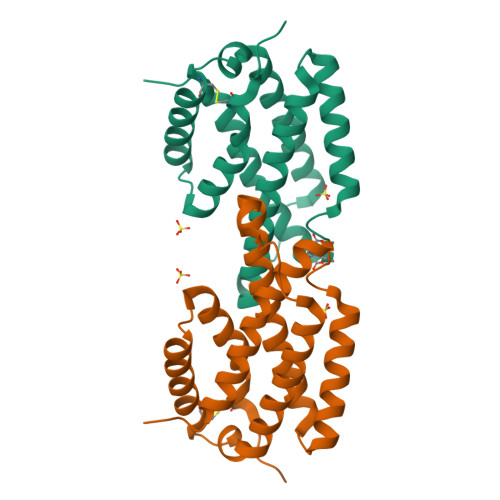
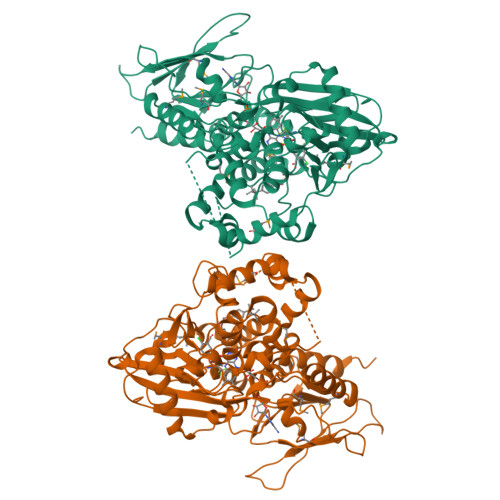
Cyclin-dependent kinase 2 structureClick to view 3D structureCyclin-dependent kinase 2P24941HumansKnownNot Available
Concentrations
Not Available
External Links
DrugBank IDNot Available
HMDB IDNot Available
FooDB IDNot Available
Phenol Explorer IDNot Available
KNApSAcK IDC00001526
BiGG IDNot Available
BioCyc IDNot Available
METLIN IDNot Available
PDB IDNot Available
Wikipedia LinkAristolochic_acid
Chemspider ID2149
ChEBI ID2825
PubChem Compound IDNot Available
Kegg Compound IDC08469
YMDB IDNot Available
ECMDB IDNot Available
References
Synthesis ReferenceNot Available
MSDSNot Available
General References
  1. De Broe ME: Chinese herbs nephropathy and Balkan endemic nephropathy: toward a single entity, aristolochic acid nephropathy. Kidney Int. 2012 Mar;81(6):513-5. doi: 10.1038/ki.2011.428. [PubMed: 22373701]
  2. Huljic S, Bruske EI, Pfitzenmaier N, O'Brien E, Dietrich DR: Species-specific toxicity of aristolochic acid (AA) in vitro. Toxicol In Vitro. 2008 Aug;22(5):1213-21. doi: 10.1016/j.tiv.2008.04.002. Epub 2008 Apr 10. [PubMed: 18499390]
  3. International Agency for Research on Cancer (2014). IARC Monographs on the Evaluation of Carcinogenic Risks to Humans. - http://monographs.iarc.fr/index.php
  4. http://en.wikipedia.org/wiki/Aristolochic_acid - http://en.wikipedia.org/wiki/Aristolochic_acid