Malondialdehyde (CED0000935)

Record Information
Version1.0
Creation Date2014-08-29 05:50:41 UTC
Update Date2026-05-14 17:47:53 UTC
SynCED IDCED0000935
Secondary Accession Numbers
  • CHEM003142
  • T3D4182
Identification
Common NameMalondialdehyde
ClassSmall Molecule
Description
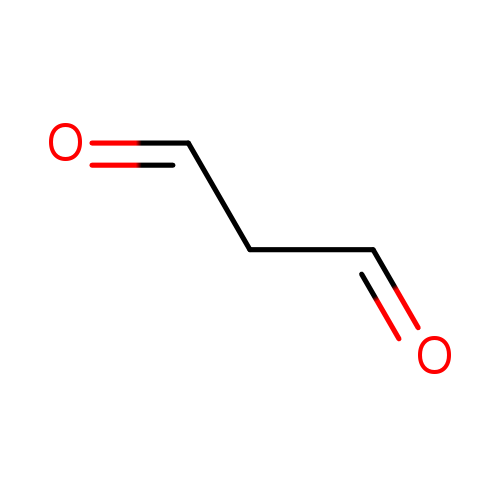
Malondialdehyde (C3H4O2) is an endogenous organic compound with an average molecular weight of 72.06 g/mol. At room temperature, it exists as a solid. Malondialdehyde belongs to the carbonyl compounds, a subclass of organooxygen compounds within the organic compounds. It serves as a biological biomarker (PMC10366746 ) and specifically as a biomarker of atopic dermatitis (PMC12072035 ). The compound is found in several sources, including household cleaning and consumer products such as cigar cigarettes, tobacco smoke filters, soap detergents, and perfumes within detergents and soaps. It is also associated with food processing and cookware, including the preparation of vinegar, wine or sparkling wine, wort, and fermentation processes for beer. Additionally, it is recorded in electrical and electronic equipment, such as electrically stimulated smoking devices, antennas, coils, and conductors, as well as in household items like credit card holders. In biological systems, malondialdehyde interacts with three recorded protein targets: Beta-lactamase SHV-1 (bla), Organic anion transporter 3 (SLC22A8), and Aldehyde dehydrogenase family 3 member B1 (ALDH3B1). Its presence in the blood is elevated in individuals with high blood pressure (PMC6814874 ), depression (PMC11563972 ), eclampsia (PMC9706492 ), chronic obstructive pulmonary disease (PMC3453974 ), psoriasis (PMC11762136 ), and atopic dermatitis (PMC12072035 ). It is associated with several conditions, including chronic kidney disease (PMC9446777 ), cognitive impairment (PMC9446777 ), diabetes mellitus (PMC4868511 ), atherosclerosis (PMC9686769 ), periodontal disease (PMC9455999 ), inflammatory bowel disease (PMC9455999 ), and periodontitis (PMC11866862 ). Further associations include melanoma (PMC11507371 , PMC12157913 ), diabetic retinopathy (PMC6915253 ), and a decrease in cancer (PMC9686769 ).
Contaminant Type
  • Disinfectant
  • Food Toxin
  • Metabolite
  • Natural Compound
  • Organic Compound
  • Pollutant
  • Uremic Toxin
Chemical Structure
Synonyms
ValueSource
1,3-PropanedialChEBI
1,3-PropanedialdehydeChEBI
1,3-PropanedioneChEBI
Malonic aldehydeChEBI
Malonic dialdehydeChEBI
MalonodialdehydeChEBI
MalonyldialdehydeChEBI
MDAChEBI
MDDChEBI
MalonaldehydeHMDB
PropanedialHMDB
Malondialdehyde, sodiumMeSH, HMDB
MalonylaldehydeMeSH, HMDB
Sodium malondialdehydeMeSH, HMDB
MalondialdehydeChEBI
Chemical FormulaC3H4O2
Average Molecular Mass72.063 g/mol
Monoisotopic Mass72.021 g/mol
CAS Registry Number542-78-9
IUPAC Namepropanedial
Traditional Namemalonaldehyde
SMILESO=CCC=O
InChI IdentifierInChI=1S/C3H4O2/c4-2-1-3-5/h2-3H,1H2
InChI KeyWSMYVTOQOOLQHP-UHFFFAOYSA-N
Chemical Taxonomy
Description Belongs to the class of organic compounds known as 1,3-dicarbonyl compounds. These are carbonyl compounds with the generic formula O=C(R)C(H)C(R')=O, where R and R' can be any group.
KingdomOrganic compounds
Super ClassOrganic oxygen compounds
ClassOrganooxygen compounds
Sub ClassCarbonyl compounds
Direct Parent1,3-dicarbonyl compounds
Alternative Parents
Substituents
  • 1,3-dicarbonyl compound
  • Alpha-hydrogen aldehyde
  • Organic oxide
  • Hydrocarbon derivative
  • Short-chain aldehyde
  • Aldehyde
  • Aliphatic acyclic compound
Molecular FrameworkAliphatic acyclic compounds
External Descriptors
Biological Properties
StatusDetected and Not Quantified
OriginEndogenous
Cellular Locations
  • Cytoplasm
  • Extracellular
Biofluid LocationsNot Available
Tissue LocationsNot Available
Applications
Biological Roles
Chemical RolesNot Available
Organoleptic Effects
  • red colour ?
  • off-flavor taste ?
  • pink colour ?
  • rancid odour ?
  • rancid taste ?
  • red pigment colour ?
Physical Properties
StateSolid
AppearanceWhite powder.
Experimental Properties
PropertyValue
Melting Point72°C
Boiling PointNot Available
SolubilityNot Available
Predicted Properties
PropertyValueSource
Water Solubility241 g/LALOGPS
logP0.1ALOGPS
logP-0.65ChemAxon
logS0.52ALOGPS
pKa (Strongest Acidic)6.68ChemAxon
pKa (Strongest Basic)-6.8ChemAxon
Physiological Charge-1ChemAxon
Hydrogen Acceptor Count2ChemAxon
Hydrogen Donor Count0ChemAxon
Polar Surface Area34.14 ŲChemAxon
Rotatable Bond Count2ChemAxon
Refractivity17.14 m³·mol⁻¹ChemAxon
Polarizability6.42 ųChemAxon
Number of Rings0ChemAxon
BioavailabilityYesChemAxon
Rule of FiveYesChemAxon
Ghose FilterNoChemAxon
Veber's RuleYesChemAxon
MDDR-like RuleNoChemAxon
Spectra
Spectra
Spectrum TypeDescriptionSplash KeyDeposition DateView
Predicted GC-MSPredicted GC-MS Spectrumsplash10-006x-9000000000-f27c7e0c26f7fd9a353bNot AvailableView Spectrum
Predicted GC-MSPredicted GC-MS SpectrumNot AvailableNot AvailableView Spectrum
Predicted LC-MS/MSPredicted LC-MS/MS Spectrumsplash10-00di-9000000000-744a9fd4b0afe1939db8Not AvailableView Spectrum
Predicted LC-MS/MSPredicted LC-MS/MS Spectrumsplash10-05fr-9000000000-38c741cd3f463e2fdbb3Not AvailableView Spectrum
Predicted LC-MS/MSPredicted LC-MS/MS Spectrumsplash10-0a4i-9000000000-18018045cdfb4fd65e5bNot AvailableView Spectrum
Predicted LC-MS/MSPredicted LC-MS/MS Spectrumsplash10-00di-9000000000-bd4fb7676d96faa15028Not AvailableView Spectrum
Predicted LC-MS/MSPredicted LC-MS/MS Spectrumsplash10-00di-9000000000-45f19081a5a0a9b81852Not AvailableView Spectrum
Predicted LC-MS/MSPredicted LC-MS/MS Spectrumsplash10-0ukc-9000000000-01e3136b16e8f53d525cNot AvailableView Spectrum
Predicted LC-MS/MSPredicted LC-MS/MS Spectrumsplash10-0006-9000000000-3d8581e7b0d371dd2923Not AvailableView Spectrum
Predicted LC-MS/MSPredicted LC-MS/MS Spectrumsplash10-052f-9000000000-2a7f481a2402d9628b46Not AvailableView Spectrum
Predicted LC-MS/MSPredicted LC-MS/MS Spectrumsplash10-0a4i-9000000000-5846b4edd05c82b946ecNot AvailableView Spectrum
Predicted LC-MS/MSPredicted LC-MS/MS Spectrumsplash10-00di-9000000000-85ee1d7f8db31720e3cfNot AvailableView Spectrum
Predicted LC-MS/MSPredicted LC-MS/MS Spectrumsplash10-0006-9000000000-c9a8aeda6f81e0b439e2Not AvailableView Spectrum
Predicted LC-MS/MSPredicted LC-MS/MS Spectrumsplash10-0006-9000000000-6269ba171aca8de72e5fNot AvailableView Spectrum
1D NMR13C NMR Spectrum (1D, D2O, predicted)Not AvailableNot AvailableView Spectrum
1D NMR1H NMR Spectrum (1D, D2O, predicted)Not AvailableNot AvailableView Spectrum
Toxicity Profile
Toxicity Values
Toxicity ValueOrganismDose DescriptorRoute of ExposurePredicted or ExperimentalToxicity RatingReference
557.0 Log mg/kg [310:990]RatLD50oralpredictedNot AvailableNot Available
Toxicity / Toxin ClassNot Available
Mechanism of ToxicityUremic toxins such as malondialdehyde are actively transported into the kidneys via organic ion transporters (especially OAT3). Increased levels of uremic toxins can stimulate the production of reactive oxygen species. This seems to be mediated by the direct binding or inhibition by uremic toxins of the enzyme NADPH oxidase (especially NOX4 which is abundant in the kidneys and heart) (3). Reactive oxygen species can induce several different DNA methyltransferases (DNMTs) which are involved in the silencing of a protein known as KLOTHO. KLOTHO has been identified as having important roles in anti-aging, mineral metabolism, and vitamin D metabolism. A number of studies have indicated that KLOTHO mRNA and protein levels are reduced during acute or chronic kidney diseases in response to high local levels of reactive oxygen species (4).
Carcinogenicity (IARC Classification)3, not classifiable as to its carcinogenicity to humans. (5)
Minimum Risk LevelNot Available
SymptomsAs a uremic toxin, this compound can cause uremic syndrome. Uremic syndrome may affect any part of the body and can cause nausea, vomiting, loss of appetite, and weight loss. It can also cause changes in mental status, such as confusion, reduced awareness, agitation, psychosis, seizures, and coma. Abnormal bleeding, such as bleeding spontaneously or profusely from a very minor injury can also occur. Heart problems, such as an irregular heartbeat, inflammation in the sac that surrounds the heart (pericarditis), and increased pressure on the heart can be seen in patients with uremic syndrome. Shortness of breath from fluid buildup in the space between the lungs and the chest wall (pleural effusion) can also be present.
TreatmentKidney dialysis is usually needed to relieve the symptoms of uremic syndrome until normal kidney function can be restored.
Health Effects
Health EffectRelationshipDirectionDescriptionReference
hypertensionElevated in Blood InincreaseA disorder characterized by a pathological increase in blood pressure; a repeatedly elevation in the blood pressure exceeding 140 over 90 mm Hg. (NCI CTCAE)PMC4412113
hypertensionAssociated With?Not AvailableA disorder characterized by a pathological increase in blood pressure; a repeatedly elevation in the blood pressure exceeding 140 over 90 mm Hg. (NCI CTCAE)PMC6814874
hypertensionAssociated With?increaseA disorder characterized by a pathological increase in blood pressure; a repeatedly elevation in the blood pressure exceeding 140 over 90 mm Hg. (NCI CTCAE)PMC3560691
inflammationAssociated With?Not AvailableNot AvailablePMC10789080
inflammationAssociated With?decreaseNot AvailablePMC11505357
cancerAssociated With?decreaseCancer is a group of diseases involving abnormal cell growth with the potential to invade or spread to other parts of the body. Possible signs and symptoms include a lump, abnormal bleeding, prolonged cough, unexplained weight loss, and a change in bowel movements. There are over 100 types of cancers affect humans. The risk of developing certain cancers can be reduced by not smoking, maintaining a healthy weight, not drinking too much alcohol, eating plenty of vegetables, fruits and whole grains, vaccination against certain infectious diseases, not eating too much processed and red meat and avoiding too much sunlight exposure. Cancer is often treated with some combination of radiation therapy, surgery, chemotherapy and targeted therapy. The majority of cancers, some 90–95% of cases, are due to genetic mutations from environmental and lifestyle factors. The remaining 5–10% are due to inherited genetics.PMC9686769 , PMC8881118
cancerAssociated With?Not AvailableCancer is a group of diseases involving abnormal cell growth with the potential to invade or spread to other parts of the body. Possible signs and symptoms include a lump, abnormal bleeding, prolonged cough, unexplained weight loss, and a change in bowel movements. There are over 100 types of cancers affect humans. The risk of developing certain cancers can be reduced by not smoking, maintaining a healthy weight, not drinking too much alcohol, eating plenty of vegetables, fruits and whole grains, vaccination against certain infectious diseases, not eating too much processed and red meat and avoiding too much sunlight exposure. Cancer is often treated with some combination of radiation therapy, surgery, chemotherapy and targeted therapy. The majority of cancers, some 90–95% of cases, are due to genetic mutations from environmental and lifestyle factors. The remaining 5–10% are due to inherited genetics.PMC6204443 , PMC13125356
cancerIs Biomarker OfNot AvailableCancer is a group of diseases involving abnormal cell growth with the potential to invade or spread to other parts of the body. Possible signs and symptoms include a lump, abnormal bleeding, prolonged cough, unexplained weight loss, and a change in bowel movements. There are over 100 types of cancers affect humans. The risk of developing certain cancers can be reduced by not smoking, maintaining a healthy weight, not drinking too much alcohol, eating plenty of vegetables, fruits and whole grains, vaccination against certain infectious diseases, not eating too much processed and red meat and avoiding too much sunlight exposure. Cancer is often treated with some combination of radiation therapy, surgery, chemotherapy and targeted therapy. The majority of cancers, some 90–95% of cases, are due to genetic mutations from environmental and lifestyle factors. The remaining 5–10% are due to inherited genetics.PMC11303474 , PMC6268365
cancerElevated in Blood InincreaseCancer is a group of diseases involving abnormal cell growth with the potential to invade or spread to other parts of the body. Possible signs and symptoms include a lump, abnormal bleeding, prolonged cough, unexplained weight loss, and a change in bowel movements. There are over 100 types of cancers affect humans. The risk of developing certain cancers can be reduced by not smoking, maintaining a healthy weight, not drinking too much alcohol, eating plenty of vegetables, fruits and whole grains, vaccination against certain infectious diseases, not eating too much processed and red meat and avoiding too much sunlight exposure. Cancer is often treated with some combination of radiation therapy, surgery, chemotherapy and targeted therapy. The majority of cancers, some 90–95% of cases, are due to genetic mutations from environmental and lifestyle factors. The remaining 5–10% are due to inherited genetics.PMC9525689
cancerAssociated With?increaseCancer is a group of diseases involving abnormal cell growth with the potential to invade or spread to other parts of the body. Possible signs and symptoms include a lump, abnormal bleeding, prolonged cough, unexplained weight loss, and a change in bowel movements. There are over 100 types of cancers affect humans. The risk of developing certain cancers can be reduced by not smoking, maintaining a healthy weight, not drinking too much alcohol, eating plenty of vegetables, fruits and whole grains, vaccination against certain infectious diseases, not eating too much processed and red meat and avoiding too much sunlight exposure. Cancer is often treated with some combination of radiation therapy, surgery, chemotherapy and targeted therapy. The majority of cancers, some 90–95% of cases, are due to genetic mutations from environmental and lifestyle factors. The remaining 5–10% are due to inherited genetics.PMC11631162 , PMC11771903
Alzheimer's diseaseAssociated With?Not AvailableA neurodegenerative disease which causes neural atrophy, leading to dementia and memory loss.PMC6204443 , PMC10526737
Alzheimer's diseaseAssociated With?increaseA neurodegenerative disease which causes neural atrophy, leading to dementia and memory loss.PMC4892323
Alzheimer's diseaseIs Biomarker OfNot AvailableA neurodegenerative disease which causes neural atrophy, leading to dementia and memory loss.PMC8566050
eclampsiaElevated in Blood InincreaseA pre-eclampsia characterized by the presence of seizures. (DO)PMC9706492
breast cancerElevated in Blood InNot AvailableA breast cancer that has material basis in abnormally proliferating cells derives from epithelial cells. (DO)PMC3084477 , PMC10206224
breast cancerElevated in Blood InincreaseA breast cancer that has material basis in abnormally proliferating cells derives from epithelial cells. (DO)PMC2727686
breast cancerAssociated With?increaseA breast cancer that has material basis in abnormally proliferating cells derives from epithelial cells. (DO)PMC10206224
multiple sclerosisDecreased in Blood IndecreaseA demyelinating disease that involves damage to the fatty myelin sheaths around the axons of the brain and spinal cord resulting in demyelination and scarring. (DO)PMC8020480 , PMC8020480
type 2 diabetes mellitusElevated in Blood InincreaseNot AvailablePMC4412113 , PMC5458104
type 2 diabetes mellitusAssociated With?increaseNot AvailablePMC12985300
type 2 diabetes mellitusDecreased in Blood IndecreaseNot AvailablePMC8020480
overweightElevated in Blood InincreaseNot AvailablePMC6862597
overweightDecreased in Blood IndecreaseNot AvailablePMC8020480
colorectal cancerAssociated With?increaseA large intestine cancer that is located in the colon and/or located in the rectum. (DO)PMC4316682
infertilityIs Biomarker OfNot AvailableA disorder characterized by the inability to reproduce by natural means.PMC8532922
fatigueAssociated With?Not AvailableA disorder characterized by a state of generalized weakness with a pronounced inability to summon sufficient energy to accomplish daily activities. (NCI CTCAE)PMC12385269 , PMC4677160
multiple myelomaElevated in Blood InincreaseA myeloid neoplasm that is located in the plasma cells in bone marrow. (DO)PMC5586838
asthmaElevated in Blood InincreaseA bronchial disease that is characterized by chronic inflammation and narrowing of the airways, which is caused by a combination of environmental and genetic factors. The disease has symptom recurring periods of wheezing (a whistling sound while breathing), has symptom chest tightness, has symptom shortness of breath, has symptom mucus production and has symptom coughing. The symptoms appear due to a variety of triggers such as allergens, irritants, respiratory infections, weather changes, exercise, stress, reflux disease, medications, foods and emotional anxiety. (DO)PMC3453974
asthmaAssociated With?Not AvailableA bronchial disease that is characterized by chronic inflammation and narrowing of the airways, which is caused by a combination of environmental and genetic factors. The disease has symptom recurring periods of wheezing (a whistling sound while breathing), has symptom chest tightness, has symptom shortness of breath, has symptom mucus production and has symptom coughing. The symptoms appear due to a variety of triggers such as allergens, irritants, respiratory infections, weather changes, exercise, stress, reflux disease, medications, foods and emotional anxiety. (DO)PMC13116249
asthmaAssociated With?decreaseA bronchial disease that is characterized by chronic inflammation and narrowing of the airways, which is caused by a combination of environmental and genetic factors. The disease has symptom recurring periods of wheezing (a whistling sound while breathing), has symptom chest tightness, has symptom shortness of breath, has symptom mucus production and has symptom coughing. The symptoms appear due to a variety of triggers such as allergens, irritants, respiratory infections, weather changes, exercise, stress, reflux disease, medications, foods and emotional anxiety. (DO)PMC9673067
asthmaIs Biomarker OfNot AvailableA bronchial disease that is characterized by chronic inflammation and narrowing of the airways, which is caused by a combination of environmental and genetic factors. The disease has symptom recurring periods of wheezing (a whistling sound while breathing), has symptom chest tightness, has symptom shortness of breath, has symptom mucus production and has symptom coughing. The symptoms appear due to a variety of triggers such as allergens, irritants, respiratory infections, weather changes, exercise, stress, reflux disease, medications, foods and emotional anxiety. (DO)PMC9673067
diabetes mellitusAssociated With?Not AvailableA glucose metabolism disease characterized by chronic hyperglycaemia with disturbances of carbohydrate, fat and protein metabolism resulting from defects in insulin secretion, insulin action, or both. (DO)PMC4868511 , PMC6204443
diabetes mellitusAssociated With?increaseA glucose metabolism disease characterized by chronic hyperglycaemia with disturbances of carbohydrate, fat and protein metabolism resulting from defects in insulin secretion, insulin action, or both. (DO)PMC13025515 , PMC7879346
diabetes mellitusIs Biomarker OfNot AvailableA glucose metabolism disease characterized by chronic hyperglycaemia with disturbances of carbohydrate, fat and protein metabolism resulting from defects in insulin secretion, insulin action, or both. (DO)PMC6130437
diabetes mellitusDecreased in Blood IndecreaseA glucose metabolism disease characterized by chronic hyperglycaemia with disturbances of carbohydrate, fat and protein metabolism resulting from defects in insulin secretion, insulin action, or both. (DO)PMC8020480 , PMC8020480
ischemic strokeAssociated With?increaseNot AvailablePMC10094154
strokeElevated in Blood InNot AvailableNot AvailablePMC10094154
rheumatoid arthritisDecreased in Blood InNot AvailableAn arthritis that is an autoimmune disease which attacks healthy cells and tissue located in joint. (DO)PMC8020480
melanomaAssociated With?increaseA cell type cancer that has material basis in abnormally proliferating cells derives from melanocytes which are found in skin, the bowel and the eye. (DO)PMC11507371 , PMC12157913
necrosisAssociated With?increaseA disorder characterized as a form of cell injury which results in the premature death of cells in living tissue by autolysis.PMC3482145
necrosisAssociated With?Not AvailableA disorder characterized as a form of cell injury which results in the premature death of cells in living tissue by autolysis.PMC10789080
necrosisIs Biomarker OfNot AvailableA disorder characterized as a form of cell injury which results in the premature death of cells in living tissue by autolysis.PMC6201998
hepatitisAssociated With?decreaseA disorder characterized by an inflammation of the liver. (NCI CTCAE)PMC3042635
hepatitisAssociated With?Not AvailableA disorder characterized by an inflammation of the liver. (NCI CTCAE)PMC12576738
depressionElevated in Blood InincreaseNot AvailablePMC11563972
obesityAssociated With?Not AvailableA disorder characterized by having a high amount of body fat. (NCI CTCAE)PMC10190148
atherosclerosisAssociated With?Not AvailableA disorder involving build-up of fatty material and calcium deposition in the arterial wall. It results in partial or complete occlusion of the arterial lumen.PMC9686769 , PMC9263741
psoriasisElevated in Blood InincreaseA disorder characterized by a quicker life span of skin cells causing cells to build up rapidly on the surface of the skin.PMC11762136
hypothyroidismAssociated With?increaseNot AvailablePMC8868566
Dental cariesAssociated With?increaseNot AvailablePMC11662726 , PMC11662726
Dental cariesAssociated With?decreaseNot AvailablePMC11662726
lymphomaAssociated With?increaseA hematologic cancer that affects lymphocytes that reside in the lymphatic system and in blood-forming organs. (DO)PMC9957543
chronic kidney diseaseAssociated With?Not AvailableA disorder characterized by gradual and usually permanent damage/loss of kidney function resulting in renal failure. (NCI CTCAE)PMC9446777
myocardial infarctionElevated in Blood InincreaseA disorder characterized by gross necrosis of the myocardium; this is due to an interruption of blood supply to the area. (NCI CTCAE)PMC5458104
cognitive impairmentAssociated With?Not AvailableNot AvailablePMC9446777
heart diseaseAssociated With?increaseA cardiovascular system disease that involves the heart. (DO)PMC6204443
male infertilityIs Biomarker OfNot AvailableNot AvailablePMC9746131 , PMC11589876
male infertilityAssociated With?increaseNot AvailablePMC13157438
high blood pressureElevated in Blood InNot AvailableNot AvailablePMC6814874
Central nervous system cancerAssociated With?increaseNot AvailablePMC9957543
liver diseaseIs Biomarker OfNot AvailableA disorder characterized by any variety of factors leading to damage to the liver.PMC1513604
diabetic retinopathyAssociated With?mixedNot AvailablePMC6915253
coronary artery diseaseIs Biomarker OfNot AvailableAn artery disease that is characterized by plaque building up along the inner walls of the arteries of the heart resulting in a narrowing of the arteries and a reduced blood supply to the cardiac muscles. (DO)PMC11476523
coronary artery diseaseDecreased in Blood IndecreaseAn artery disease that is characterized by plaque building up along the inner walls of the arteries of the heart resulting in a narrowing of the arteries and a reduced blood supply to the cardiac muscles. (DO)PMC8020480
atopic dermatitisIs Biomarker OfNot AvailableNot AvailablePMC12072035 , PMC12072035
atopic dermatitisElevated in Blood InincreaseNot AvailablePMC12072035
ParkinsonismElevated in Blood InincreaseNot AvailablePMC11773069
amyotrophic lateral sclerosisIs Biomarker OfNot AvailableA motor neuron disease that is characterized by muscle spasticity, rapidly progressive weakness due to muscle atrophy, difficulty in speaking, swallowing, and breathing. (DO)PMC8566050
amyotrophic lateral sclerosisDecreased in Blood IndecreaseA motor neuron disease that is characterized by muscle spasticity, rapidly progressive weakness due to muscle atrophy, difficulty in speaking, swallowing, and breathing. (DO)PMC12856066
diseaseElevated in Blood InNot AvailableNot AvailablePMC5458104
hyperglycemiaAssociated With?increaseA disorder characterized by laboratory test results that indicate an elevation in the concentration of blood sugar. It is usually an indication of diabetes mellitus or glucose intolerance. (NCI CTCAE)PMC4412113
Chronic Obstructive Pulmonary DiseaseElevated in Blood InincreaseA disorder characterized by long-term breathing problems and poor airflow, commonly attributed to smoking.PMC3453974
epilepsyAssociated With?increaseA brain disease that is characterized by the occurrance of at least two unprovoked seizures resulting from a persistent epileptogenic abnormality of the brain that is able to spontaneously generate paroxysmal activity and typically manifested by sudden brief episodes of altered or diminished consciousness, involuntary movements, or convulsions. (DO)PMC4428026
epilepsyElevated in Blood InincreaseA brain disease that is characterized by the occurrance of at least two unprovoked seizures resulting from a persistent epileptogenic abnormality of the brain that is able to spontaneously generate paroxysmal activity and typically manifested by sudden brief episodes of altered or diminished consciousness, involuntary movements, or convulsions. (DO)PMC4428026
Parkinson's diseaseIs Biomarker OfNot AvailableA long-term degenerative disorder of the central nervous system that mainly affects the motor system. The symptoms generally come on slowly over time.PMC8566050
ovarian dysfunctionAssociated With?decreaseNot AvailablePMC13218215
jaundiceElevated in Blood InincreaseA disorder characterized by liver malfunction leading to accummulation of bilirubin which gives yellow colour to skin and eyesPMC4443700
inflammatory bowel diseaseAssociated With?Not AvailableAn intestinal disease characterized by inflammation located in all parts of digestive tract. (DO)PMC9455999
neurodegenerative diseaseIs Biomarker OfNot AvailableA central nervous system disease that results in the progressive deterioration of function or structure of neurons. (DO)PMC8308447 , PMC8566050
neurodegenerative diseaseAssociated With?increaseA central nervous system disease that results in the progressive deterioration of function or structure of neurons. (DO)PMC2921812
neurodegenerative diseaseAssociated With?Not AvailableA central nervous system disease that results in the progressive deterioration of function or structure of neurons. (DO)PMC13479353
hepatic steatosisAssociated With?decreaseNot AvailablePMC10376173
major depressive disorderElevated in Blood InNot AvailableAn endogenous depression that is characterized by an all-encompassing low mood accompanied by low self-esteem, and by loss of interest or pleasure in normally enjoyable activities. (DO)PMC7564461
major depressive disorderElevated in Blood InincreaseAn endogenous depression that is characterized by an all-encompassing low mood accompanied by low self-esteem, and by loss of interest or pleasure in normally enjoyable activities. (DO)PMC3964743
major depressive disorderDecreased in Blood IndecreaseAn endogenous depression that is characterized by an all-encompassing low mood accompanied by low self-esteem, and by loss of interest or pleasure in normally enjoyable activities. (DO)PMC13414930
periodontal diseaseAssociated With?Not AvailableA disorder in the gingival tissue around the teeth. (NCI CTCAE)PMC9455999
periodontal diseaseAssociated With?increaseA disorder in the gingival tissue around the teeth. (NCI CTCAE)PMC11662726 , PMC11662726
neurological dysfunctionAssociated With?Not AvailableNot AvailablePMC12024882
oral squamous cell carcinomaElevated in Urine InincreaseNot AvailablePMC9455999
coccidiosisAssociated With?increaseNot AvailablePMC11979133
periodontitisAssociated With?increaseNot AvailablePMC11866862
hepatitis CElevated in Blood InincreaseA viral infectious disease that results in inflammation. located in liver, has material basis in Hepatitis C virus, which is transmitted by blood from an infected person enters the body of an uninfected person. The infection has symptom fever, has symptom fatigue, has symptom loss of appetite, has symptom nausea, has symptom vomiting, has symptom abdominal pain, has symptom clay-colored bowel movements, has symptom joint pain, and has symptom jaundice. (DO)PMC1513604
hepatitis BAssociated With?increaseA viral infectious disease that results in inflammation located in liver, has material basis in Hepatitis B virus, which is transmitted by sexual contact, transmitted by blood transfusions, and transmitted by fomites like needles or syringes. The infection has symptom fever, has symptom fatigue, has symptom loss of appetite, has symptom nausea, has symptom vomiting, has symptom abdominal pain, has symptom clay-colored bowel movements, has symptom joint pain, and has symptom jaundice. (DO)PMC3339415
toxoplasmosisElevated in Blood InincreaseNot AvailablePMC8198901 , PMC8198901
migraineElevated in Blood InincreaseA brain disease that is characterized by moderate to severe headaches, nausea, extreme sensitivity to light and sound and intense unilaterial throbbing or pulsing. (DO)PMC7070237
autoimmune diseaseAssociated With?increaseAn autoimmune disease is a condition arising from an abnormal immune response to a functioning body part. There are at least 80 types of autoimmune diseases. Nearly any body part can be involved. Common symptoms include low grade fever and feeling tired. Some autoimmune diseases such as lupus run in families, and certain cases may be triggered by infections or other environmental factors. Some common diseases that are generally considered autoimmune include celiac disease, diabetes mellitus type 1, Graves' disease, inflammatory bowel disease, multiple sclerosis, psoriasis, rheumatoid arthritis, and systemic lupus erythematosus. About 24 million (7%) people in the United States are affected by an autoimmune disease. Women are more commonly affected than men.PMC9997876
autoimmune diseaseElevated in Blood InincreaseAn autoimmune disease is a condition arising from an abnormal immune response to a functioning body part. There are at least 80 types of autoimmune diseases. Nearly any body part can be involved. Common symptoms include low grade fever and feeling tired. Some autoimmune diseases such as lupus run in families, and certain cases may be triggered by infections or other environmental factors. Some common diseases that are generally considered autoimmune include celiac disease, diabetes mellitus type 1, Graves' disease, inflammatory bowel disease, multiple sclerosis, psoriasis, rheumatoid arthritis, and systemic lupus erythematosus. About 24 million (7%) people in the United States are affected by an autoimmune disease. Women are more commonly affected than men.PMC9997876
colitisAssociated With?increaseA disorder characterized by inflammation of the colon. (NCI CTCAE)PMC12490186
pre-eclampsiaElevated in Blood InincreaseNot AvailablePMC12987557
hepatic fibrosisAssociated With?increaseNot AvailablePMC11902694
irritable bowel syndromeDecreased in Blood IndecreaseA syndrome that is a functional bowel disorder characterized by chronic abdominal pain, discomfort, bloating, and alteration of bowel habits in the absence of any detectable organic cause. (DO)PMC8020480
cystitisElevated in Blood InNot AvailableNot AvailablePMC11916625
pulmonary emphysemaElevated in Blood InincreaseNot AvailablePMC3453974
MyopiaAssociated With?increaseNot AvailablePMC12206666
bronchiectasisElevated in Blood InincreaseNot AvailablePMC3453974
varicoceleAssociated With?increaseNot AvailablePMC4770487
ankylosing spondylitisDecreased in Blood IndecreaseA disorder characetrized by in inflammation in the joints of the spine and pelvis, causing pain, stiffness of the spine, neck, hips, jaw and rib cage.PMC6541937
head and neck squamous cell carcinomaElevated in Blood InincreaseNot AvailablePMC2763247 , PMC2763247
lipid metabolism disorderAssociated With?increaseNot AvailablePMC9693846
viral infectious diseaseIs Biomarker OfNot AvailableNot AvailablePMC1513604
SarcoidosisDecreased in Blood InNot AvailableSarcoidosis is a disease involving abnormal collections of inflammatory cells that form lumps known as granulomas. The disease usually begins in the lungs, skin, or lymph nodes. Less commonly affected are the eyes, liver, heart, and brain. When it affects the lungs, wheezing, coughing, shortness of breath, or chest pain may occur. Sarcoidosis is largely caused through alteration to the immune response after exposure to an environmental, occupational, or infectious agent. Investigations of genetic susceptibility yielded many candidate genes, but only few were confirmed by further investigations and no reliable genetic markers are known. Pulmonary sarcoidosis and interstitial lung disease affect 1.9 million people globally and result in 122,000 deaths annually. Sarcoidosis usually begins between the ages of 20 and 50. It occurs more often in women than men.PMC6588481
Cell DeathAssociated With?Not AvailableNot AvailablePMC6260143 , PMC7035566
abdominal obesity-metabolic syndromeAssociated With?Not AvailableNot AvailablePMC13163278
Abnormality of mitochondrial metabolismAssociated With?Not AvailableNot AvailablePMC13116249 , PMC13420008
Oxidative StressIs Biomarker OfNot AvailableNot AvailablePMC8373945 , PMC8373945
Oxidative StressElevated in Blood InincreaseNot AvailablePMC8606939 , PMC11875068
Oxidative StressAssociated With?Not AvailableNot AvailablePMC12250604 , PMC4129148
Oxidative StressAssociated With?increaseNot AvailablePMC3564806 , PMC9885170
Oxidative StressAssociated With?decreaseNot AvailablePMC11004413 , PMC12953785
Oxidative StressElevated in Blood InNot AvailableNot AvailablePMC8197913
Oxidative StressElevated in Urine InincreaseNot AvailablePMC3083662
Oxidative StressDecreased in Blood IndecreaseNot AvailablePMC10457902
cardiovascular disorderAssociated With?Not AvailableNot AvailablePMC6204443 , PMC10526737
cardiovascular disorderElevated in Blood InincreaseNot AvailablePMC5458104
Chronic DiseaseAssociated With?Not AvailableNot AvailablePMC5625751
Chronic DiseaseAssociated With?increaseNot AvailablePMC12071549
MortalityAssociated With?increaseNot AvailablePMC6893513
MortalityAssociated With?decreaseNot AvailablePMC9137556
DNA DamageAssociated With?Not AvailableNot AvailablePMC7470770 , PMC8523395
DNA DamageAssociated With?increaseNot AvailablePMC10113887
HypercholesterolemiaAssociated With?increaseNot AvailablePMC5711008
SepsisIs Biomarker OfNot AvailableNot AvailablePMC8540215
Abdominal obesityElevated in Blood InincreaseNot AvailablePMC6862597
metabolic dysfunction-associated steatohepatitisAssociated With?Not AvailableNot AvailablePMC6214771
depressive disorderAssociated With?Not AvailableNot AvailablePMC9951986 , PMC13414930
depressive disorderElevated in Blood InincreaseNot AvailablePMC11563972
depressive disorderAssociated With?increaseNot AvailablePMC10366746 , PMC4020168
high grade gliomaElevated in Blood InNot AvailableNot AvailablePMC9615186
CarcinogenesisAssociated With?Not AvailableNot AvailablePMC8360750 , PMC11274592
FertilityAssociated With?decreaseNot AvailablePMC12029481
infectious diseaseIs Biomarker OfNot AvailableNot AvailablePMC11916625
ApoptosisAssociated With?Not AvailableNot AvailablePMC6260143
AgingAssociated With?increaseNot AvailablePMC2921812
disease of cellular proliferationAssociated With?increaseNot AvailablePMC2684512
NeurodegenerationAssociated With?Not AvailableNot AvailablePMC9331822
NeurodegenerationAssociated With?increaseNot AvailablePMC12572074
Carious teethAssociated With?increaseNot AvailablePMC9455999
ischemia reperfusion injuryDecreased in Blood IndecreaseNot AvailablePMC7968496
DNA FragmentationElevated in Blood InincreaseNot AvailablePMC3527168
Neurodegenerative DiseasesAssociated With?increaseNot AvailablePMC11428735
diabetic kidney diseaseDecreased in Blood IndecreaseNot AvailablePMC8020480 , PMC8020480
hyperlipidemiaAssociated With?increaseNot AvailablePMC5016891
MutagenesisAssociated With?Not AvailableNot AvailablePMC8360750
metastatic neoplasmAssociated With?increaseNot AvailablePMC12157913
perinatal asphyxiaElevated in Blood InincreaseNot AvailablePMC4926016
MeningiomaElevated in Blood InNot AvailableNot AvailablePMC9615186
Chronic fatigueElevated in Blood InincreaseNot AvailablePMC6110864
MutationAssociated With?Not AvailableNot AvailablePMC7470770
retinal disorderElevated in Blood InincreaseNot AvailablePMC10526737
Salt StressAssociated With?Not AvailableNot AvailablePMC13013875
Plaque, AtheroscleroticAssociated With?Not AvailableNot AvailablePMC11425171
FerroptosisAssociated With?Not AvailableNot AvailablePMC13363538
Obstetric Labor, PrematureElevated in Blood InincreaseNot AvailablePMC3527168
tonsillitisElevated in Blood InNot AvailableNot AvailablePMC9895348
Cerebral hemorrhageAssociated With?increaseNot AvailablePMC11832355
hypereosinophilic syndromeAssociated With?increaseNot AvailablePMC5286692
mitochondrial myopathyAssociated With?Not AvailableNot AvailablePMC3456818
Physical FitnessAssociated With?decreaseNot AvailablePMC3527168
Radicular CystAssociated With?Not AvailableNot AvailablePMC10499338
Exposure Sources
Source IDSourceSectorReference
CEDs000010Insecticides?Insecticides are synthetic chemicals designed to control or eliminate insect pests that threaten crops and other agricultural products.Agriculture & land managementPubChem
CEDs000013Soil?Soil serves as a critical medium for plant growth and sustains various ecological functions; however, it can become a reservoir for synthetic chemical contamination.Agriculture & land managementPMC13323029 , PMC12848867
CEDs000233Brushes?Brushes used in personal care and cosmetics can be a source of synthetic chemical contamination due to the materials and coatings used in their manufacturing.Personal care & cosmeticsPubChem
CEDs000506Antennas?Antennas, commonly used in communication technologies, can be a source of synthetic chemical contamination through the materials and coatings used in their construction.Electrical & Electronic EquipmentPubChem
CEDs000508Coils?Coils are components used in various electrical and electronic applications, such as transformers, inductors, and motors.Electrical & Electronic EquipmentPubChem
CEDs000511Conductors Or Conductive Bodies Characterised By The Conductive Materials?Conductors, or conductive bodies, are materials that allow the flow of electrical current, typically made from metals such as copper, aluminum, or silver.Electrical & Electronic EquipmentPubChem
CEDs000517Electric Switches?Electric switches, integral components in numerous devices, can be a source of synthetic chemical contamination due to the materials and manufacturing processes involved in their production.Electrical & Electronic EquipmentPubChem
CEDs000518Electrically Stimulated Smoking Devices?Electrically stimulated smoking devices, commonly known as e-cigarettes or vape pens, utilize electrical components to heat a liquid solution, often containing nicotine, flavorings, and other additives, to produce an aerosol for inhalation.Electrical & Electronic EquipmentPubChem
CEDs000519Electrodes?Electrodes, used in various electrical and electronic applications, can be a source of synthetic chemical contamination due to the materials from which they are constructed and the processes involved in their manufacturing.Electrical & Electronic EquipmentPubChem
CEDs000524Hybrid Capacitors?Hybrid capacitors are energy storage devices that combine the properties of electrolytic and supercapacitors, utilizing a combination of electrochemical principles to achieve higher energy density and power density.Electrical & Electronic EquipmentPubChem
CEDs000527Magnets?Magnets, commonly used in various electrical and electronic applications, can be a source of synthetic chemical contamination due to the materials used in their production.Electrical & Electronic EquipmentPubChem
CEDs000529Power Cables?Power cables are used to transmit electrical energy and are typically composed of conductive materials, insulation, and protective coatings.Electrical & Electronic EquipmentPubChem
CEDs000537Television Systems?Television systems can be a source of synthetic chemical contamination due to the various materials and components used in their manufacture and operation.Electrical & Electronic EquipmentPubChem
CEDs000539Video Games?Video games, through their production and disposal processes, can be a source of synthetic chemical contamination.Electrical & Electronic EquipmentPubChem
CEDs000544Fermentation Processes For Beer?Fermentation processes for beer involve the conversion of sugars into alcohol and carbon dioxide by yeast.Food, food processing & cookwarePubChem
CEDs000545Food Preservation?Food preservation often involves the use of synthetic chemicals, such as preservatives, flavor enhancers, and color additives, to extend shelf life and enhance the sensory qualities of food products.Food, food processing & cookwarePubChem
CEDs000548Preparation Of Vinegar?Vinegar is produced through the fermentation of ethanol by acetic acid bacteria, resulting in a solution that typically contains 4-8% acetic acid.Food, food processing & cookwarePubChem
CEDs000549Preparation Of Wine Or Sparkling Wine?The preparation of wine or sparkling wine involves various stages, including fermentation, aging, and bottling, which can introduce potential sources of synthetic chemical contamination.Food, food processing & cookwarePubChem
CEDs000550Preparation Of Wort?The preparation of wort involves the extraction of sugars from malted grains, a crucial step in the brewing process.Food, food processing & cookwarePubChem
CEDs000551Processing Fish?Processing fish can lead to synthetic chemical contamination through various stages of production and preservation.Food, food processing & cookwarePubChem
CEDs000552Processing Meats?Processing meats can lead to synthetic chemical contamination primarily through the use of additives and preservatives.Food, food processing & cookwarePubChem
CEDs000553Treatment Of Hops?Hops, a key ingredient in brewing and food flavoring, can be a source of synthetic chemical contamination due to various agricultural practices.Food, food processing & cookwarePubChem
CEDs000555Bleaching Agents?Bleaching agents are chemical substances used to whiten or lighten materials, often employed in various cleaning products for their stain removal and disinfecting properties.Household cleaning & consumer productsPubChem
CEDs000556Cigar Cigarettes?Cigar cigarettes are a source of synthetic chemical contamination due to the combustion of various tobacco blends and additives.Household cleaning & consumer productsPubChem
CEDs000561Perfumes Within Detergents And Soaps?Perfumes within detergents and soaps are synthetic fragrance compounds added to enhance the sensory experience of cleaning products.Household cleaning & consumer productsPubChem
CEDs000563Soap Detergents?Soap detergents are synthetic surfactants designed to enhance the cleaning efficacy of water by reducing surface tension, allowing for better interaction with dirt and grease.Household cleaning & consumer productsPubChem
CEDs000569Tobacco Smoke Filters?Tobacco smoke filters are designed to reduce the inhalation of harmful substances in cigarette smoke, including tar and other particulate matter.Household cleaning & consumer productsPubChem
CEDs000572Credit Card Holders?Credit card holders are often manufactured using synthetic polymers such as polyvinyl chloride (PVC) and polyurethane, which may contain additives like plasticizers, stabilizers, and flame retardants.Household itemsPubChem
CEDs000580Manufacture Preparation Of Tobacco Products?The manufacture and preparation of tobacco products involve various processes that can result in the introduction of synthetic chemicals into the environment.Industrial manufacturing & chemical processingPubChem
CEDs000581Paper Making Machines?Paper making machines utilize various synthetic chemicals throughout the production process, including additives, coatings, and bleaching agents.Industrial manufacturing & chemical processingPubChem
CEDs000596Acaricides?Acaricides are synthetic chemicals specifically designed to target and control mite populations that can damage crops and plants.Agriculture & land managementPubChem
CEDs000600Herbicides And Algicides?Herbicides and algicides are synthetic chemicals primarily used to control unwanted plants and algae in various environments.Agriculture & land managementPubChem
CEDs000602Molluscicides?Molluscicides are synthetic chemicals specifically designed to control and eliminate mollusks, such as snails and slugs, which can be detrimental to crops and agricultural productivity.Agriculture & land managementPubChem
CEDs000603Nematocides?Nematocides are synthetic chemicals specifically designed to control nematodes, which are microscopic roundworms that can cause significant damage to crops and plants.Agriculture & land managementPubChem
CEDs000604Pest Attractants?Pest attractants are synthetic chemicals designed to lure specific pests for monitoring or control purposes.Agriculture & land managementPubChem
CEDs000605Pest Repellants?Pest repellents, often formulated from synthetic chemicals, are widely used to protect crops from insect infestations and other pests.Agriculture & land managementPubChem
CEDs000606Plant Growth Regulators?Plant Growth Regulators (PGRs) are synthetic chemicals designed to influence the growth and development of plants.Agriculture & land managementPubChem
CEDs000607Rodenticides(1)?Rodenticides are synthetic chemicals specifically formulated to control rodent populations, serving as a crucial tool in managing pests that can damage crops and spread diseases.Agriculture & land managementPubChem
CEDs000608Rodenticides?Rodenticides are chemical substances specifically designed to control rodent populations by causing death through various mechanisms, including anticoagulation or neurotoxicity.Agriculture & land managementPubChem
CEDs000609Aftershave?Aftershave is a grooming product typically used to soothe and protect the skin following shaving.Personal care & cosmeticsPubChem
CEDs000610Aftersun Products?Aftersun products are designed to soothe and hydrate the skin after sun exposure, often containing various synthetic chemicals such as emollients, preservatives, and fragrances.Personal care & cosmeticsPubChem
CEDs000611Anti Perspirants Or Body Deoderants?Antiperspirants and body deodorants commonly contain synthetic chemicals such as aluminum compounds, parabens, and synthetic fragrances.Personal care & cosmeticsPubChem
CEDs000613Depilatories?Depilatories are products designed to remove unwanted hair through the application of synthetic chemicals that break down the protein structure of hair, facilitating its removal.Personal care & cosmeticsPubChem
CEDs000614Essential Oils Or Perfumes?Essential oils and perfumes are complex mixtures of volatile compounds derived from natural or synthetic sources, commonly used for their aromatic properties.Personal care & cosmeticsPubChem
CEDs000615Eye Makeup Products?Eye makeup products, including mascaras, eyeliners, and eyeshadows, often contain a variety of synthetic chemicals such as pigments, preservatives, and film-forming agents.Personal care & cosmeticsPubChem
CEDs000617Lip Care Products?Lip care products, including lipsticks, balms, and glosses, often contain a variety of synthetic chemicals such as parabens, phthalates, and synthetic fragrances.Personal care & cosmeticsPubChem
CEDs000618Lip Makeup Products?Lip makeup products, such as lipsticks, lip glosses, and lip liners, often contain a variety of synthetic chemicals, including pigments, preservatives, and emollients.Personal care & cosmeticsPubChem
CEDs000619Manicure Pedicure?Manicure and pedicure procedures often involve the use of various synthetic chemicals, including solvents, nail polishes, and nail adhesives.Personal care & cosmeticsPubChem
CEDs000632Apparel?Apparel production often involves the use of various synthetic chemicals, including dyes, finishing agents, and preservatives.Textiles, leather & furnishingsPubChem
CEDs000639Degreasing Leather?Degreasing leather involves the removal of natural fats and oils from animal hides to prepare them for tanning and finishing processes.Textiles, leather & furnishingsPubChem
CEDs000642Footwear?Footwear production often involves the use of various synthetic chemicals, such as adhesives, dyes, and treatments, which can contribute to environmental contamination.Textiles, leather & furnishingsPubChem
CEDs000643Headwear?Headwear made from synthetic materials often incorporates chemicals used in the manufacturing and finishing processes, such as dyes, flame retardants, and water repellents.Textiles, leather & furnishingsPubChem
CEDs000650Purses Luggage Hand Bags?Purses, luggage, and handbags are often manufactured using synthetic materials such as polyvinyl chloride (PVC), polyurethane, and various types of nylon.Textiles, leather & furnishingsPubChem
CEDs000651Purses Money Bags Wallets?Purses, money bags, and wallets are often manufactured using synthetic materials, including plastics, polyurethanes, and various treated fabrics.Textiles, leather & furnishingsPubChem
CEDs000652Ropes?Ropes manufactured from synthetic fibers, such as polypropylene, nylon, and polyester, are widely used in various applications, including marine, construction, and outdoor activities.Textiles, leather & furnishingsPubChem
CEDs000653Sewing?Sewing processes often involve the use of various synthetic chemicals, which can become sources of contamination in the environment.Textiles, leather & furnishingsPubChem
CEDs000657Surface Finishing Of Leather?Surface finishing of leather often involves the use of various synthetic chemicals, including dyes, resins, and finishing agents.Textiles, leather & furnishingsPubChem
CEDs000662Yarns Or Threads?Yarns or threads used in textiles can be a source of synthetic chemical contamination due to the production processes and treatments they undergo.Textiles, leather & furnishingsPubChem
CEDs000671Airplanes And Helicopters?Airplanes and helicopters are significant sources of synthetic chemical contamination primarily through the use of aviation fuels, lubricants, and de-icing agents.Aviation & AerospacePubChem
CEDs000678Nitrogenous Fertilisers?Nitrogenous fertilizers are synthetic chemical compounds primarily used to enhance plant growth by supplying essential nitrogen, a crucial nutrient for photosynthesis and protein synthesis.Agriculture & land managementPubChem
CEDs000679Phosphatic Fertilisers?Phosphatic fertilizers are synthetic chemical products primarily composed of phosphorus, which is essential for plant growth.Agriculture & land managementPubChem
CEDs000685Ceramics?Ceramics can be a source of synthetic chemical contamination through various additives and processing agents used in their production.Building & ConstructionPubChem
CEDs000686Clay Wares?Clay wares are ceramic products made from natural clay, often utilized in various construction applications such as tiles, bricks, and sanitary ware.Building & ConstructionPubChem
CEDs000688Glass Coatings?Glass coatings are synthetic chemical formulations applied to glass surfaces to enhance properties such as durability, UV resistance, and aesthetic appeal.Building & ConstructionPubChem
CEDs000690Lime?Lime, primarily comprised of calcium oxide (CaO) or calcium hydroxide (Ca(OH)₂), is widely used in various applications, including as a key ingredient in mortars, plasters, and cement.Building & ConstructionPubChem
CEDs000694Cheese Making?Cheese making involves the fermentation of milk, utilizing bacteria and enzymes to coagulate proteins and develop flavor.Food, food processing & cookwarePubChem
CEDs000696Nanotechnology?Nanotechnology involves the manipulation of materials at the molecular or atomic level, typically within the range of 1 to 100 nanometers.Industrial manufacturing & chemical processingPubChem
CEDs000727Printing Machines Or Presses?Printing machines or presses commonly utilize synthetic chemicals such as inks, solvents, and cleaning agents.Paper, pulp & fiber productsPubChem
CEDs000730Contact Lens Cases?Contact lens cases are small containers designed to store contact lenses in a sterile environment, typically made from various synthetic materials including plastics such as polypropylene or polycarbonate.Healthcare, pharmaceuticals & veterinary productsPubChem
CEDs000734Coating Compositions?Coating compositions, which include paints, sealants, and varnishes, are formulated with a variety of synthetic chemicals such as solvents, resins, pigments, and additives.Building & ConstructionPubChem
CEDs000735Explosives?Explosives are chemical compounds or mixtures designed to undergo rapid decomposition, releasing energy in the form of gas and heat.Defense & military infrastructurePubChem
CEDs000739Inks?Inks are complex mixtures composed of pigments or dyes, solvents, resins, and additives used primarily for printing and writing applications.Paper, pulp & fiber productsPubChem
CEDs000740Paper?Paper production involves the processing of wood fibers and the use of various chemicals, which can lead to synthetic chemical contamination.Paper, pulp & fiber productsPubChem
CEDs000741Pigment Pastes?Pigment pastes are concentrated dispersions of pigments used to impart color and properties to materials.Paper, pulp & fiber productsPubChem
CEDs000742Leather Tanning?Leather tanning is a process that transforms raw animal hides into durable leather through the application of various chemicals, including chromium salts, aldehydes, and vegetable tannins.Textiles, leather & furnishingsPubChem
CEDs000743Sludge Treatment?Sludge treatment involves the processing of waste materials generated from wastewater treatment plants, which often contain a variety of organic and inorganic substances.Wastewater, sanitation & biosolidsPubChem
CEDs000744Water, Wastewater, & Sewage Treatment?Water, wastewater, and sewage treatment processes are critical for managing and mitigating pollutants in water systems.Wastewater, sanitation & biosolidsPubChem
CEDs00751FeedAgriculture & land managementPMC11505240 , PMC10462632
CEDs00755MaizeAgriculture & land managementPMC10600099
CEDs00866SoybeanAgriculture & land managementPMC12593630
CEDs00952Maize LeavesAgriculture & land managementPMC13289498
CEDs01143DietFood, food processing & cookwarePMC7597767
CEDs01144FoodFood, food processing & cookwarePMC11220281 , PMC8871330
CEDs01148MilkFood, food processing & cookwarePMC10301579 , PMC3259723
CEDs01151FruitsFood, food processing & cookwarePMC2791115 , PMC11112933
CEDs01153Breast MilkFood, food processing & cookwarePMC10303939
CEDs01168Food ProductsFood, food processing & cookwarePMC9858042 , PMC10879673
CEDs01170EggsFood, food processing & cookwarePMC11520861 , PMC11520861
CEDs01171MeatFood, food processing & cookwarePMC9988266 , PMC11449954
CEDs01183WheatFood, food processing & cookwarePMC10728271 , PMC13258611
CEDs01184Vegetable OilFood, food processing & cookwarePMC10376153
CEDs01194CheeseFood, food processing & cookwarePMC10879673
CEDs01195YogurtFood, food processing & cookwarePMC5694872 , PMC5694872
CEDs01208FruitFood, food processing & cookwarePMC12567243 , PMC12567243
CEDs01230Wheat SamplesFood, food processing & cookwarePMC11237047
CEDs01235Leafy VegetablesFood, food processing & cookwarePMC6152644
CEDs01244BeefFood, food processing & cookwarePMC10093410
CEDs01259Meat ProductsFood, food processing & cookwarePMC9988266 , PMC5018507
CEDs01267Egg YolkFood, food processing & cookwarePMC10792647 , PMC10792647
CEDs01283MeatballsFood, food processing & cookwarePMC12341592 , PMC12985260
CEDs01291Wheat SeedlingsFood, food processing & cookwarePMC12377090 , PMC11294182
CEDs01344Pork SamplesFood, food processing & cookwarePMC8871330
CEDs01345Milk SamplesFood, food processing & cookwarePMC10303939
CEDs01365Yogurt SamplesFood, food processing & cookwarePMC5694872
CEDs01392PorkFood, food processing & cookwarePMC12115219 , PMC12302240
CEDs01410SugarcaneFood, food processing & cookwarePMC12831377
CEDs01422Wheat PlantsFood, food processing & cookwarePMC11768867
CEDs01423Wheat RootsFood, food processing & cookwarePMC7820580 , PMC11858639
CEDs01481Beef PattiesFood, food processing & cookwarePMC12317974
CEDs01503Fried FoodsFood, food processing & cookwarePMC12317974
CEDs01548Frying OilFood, food processing & cookwarePMC10376153 , PMC10376153
CEDs01550Gastric JuiceFood, food processing & cookwarePMC11002687
CEDs01554Wheat LeavesFood, food processing & cookwarePMC7407403 , PMC7829760
CEDs01567Food SystemFood, food processing & cookwarePMC10093410 , PMC12309974
CEDs01582Fruit TissueFood, food processing & cookwarePMC12567243
CEDs01590Frying OilsFood, food processing & cookwarePMC10376153
CEDs01592Embryo RiceFood, food processing & cookwarePMC12072033 , PMC12072033
CEDs01677Fresh MeatFood, food processing & cookwarePMC11394816
CEDs01693Guava FruitsFood, food processing & cookwarePMC11112933
CEDs01702Breast MeatFood, food processing & cookwarePMC12934284
CEDs01773Broiler MeatFood, food processing & cookwarePMC12153793
CEDs01931Olfactory BulbIndustrial manufacturing & chemical processingPMC11989335
CEDs01935Mixed PlasticsIndustrial manufacturing & chemical processingPMC12051254 , PMC12051254
CEDs01965Epoxy Resin SystemsIndustrial manufacturing & chemical processingPMC11869803
CEDs02255WaterAquatic systems & sedimentsPMC9686769 , PMC12646931
CEDs02589AirAir, dust & atmospheric transportPMC12072033
CEDs02847Personal Care ProductsPersonal care & cosmeticsPMC9692426
CEDs02877Personal Care ProductPersonal care & cosmeticsPMC9692426
Pathways
0 pathwaysPathway Source: PathBank

No pathways found

No metabolic pathways have been associated with this synthetic chemical

Targets
StructureProteinUniProt IDOrganismRelationshipDetails
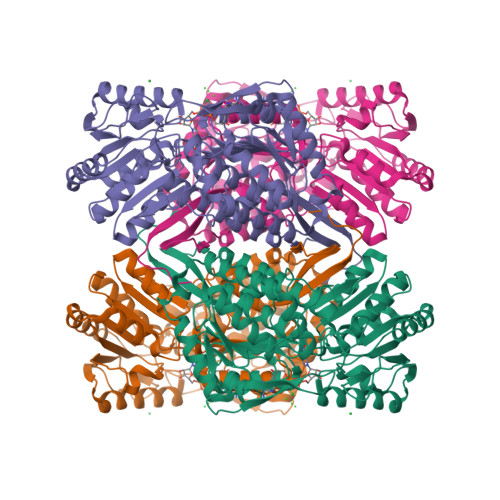
Aldehyde dehydrogenase 1A1 structureClick to view 3D structureAldehyde dehydrogenase 1A1P00352HumansKnownNot Available
Click to view 3D structureProline racemaseQ9L4Q3Clostridium sticklandiiPredicted (SEA)
Prediction Confidence Score
0.182
Applicability Domain
0.182 Low confidence
Statistical Significance
7.60e-04
Supporting Reference Compounds
1
E-value
5.91654
All-trans-retinol dehydrogenase [NAD(+)] ADH7 structureClick to view 3D structureAll-trans-retinol dehydrogenase [NAD(+)] ADH7P40394HumansPredicted (SEA)
Prediction Confidence Score
0.182
Applicability Domain
0.182 Low confidence
Statistical Significance
0.0055
Supporting Reference Compounds
1
E-value
42.5835
All-trans-retinol dehydrogenase [NAD(+)] ADH1B structureClick to view 3D structureAll-trans-retinol dehydrogenase [NAD(+)] ADH1BP00325HumansPredicted (SEA)
Prediction Confidence Score
0.174
Applicability Domain
0.217 Low confidence
Statistical Significance
2.40e-04
Supporting Reference Compounds
6
E-value
1.86838
Alcohol dehydrogenase 1C structureClick to view 3D structureAlcohol dehydrogenase 1CP00326HumansPredicted (SEA)
Prediction Confidence Score
0.168
Applicability Domain
0.217 Low confidence
Statistical Significance
5.50e-04
Supporting Reference Compounds
4
E-value
4.28171
All-trans-retinol dehydrogenase [NAD(+)] ADH4 structureClick to view 3D structureAll-trans-retinol dehydrogenase [NAD(+)] ADH4P08319HumansPredicted (SEA)
Prediction Confidence Score
0.167
Applicability Domain
0.167 Low confidence
Statistical Significance
0.0041
Supporting Reference Compounds
1
E-value
32.0739
Alcohol dehydrogenase 1A structureClick to view 3D structureAlcohol dehydrogenase 1AP07327HumansPredicted (SEA)
Prediction Confidence Score
0.156
Applicability Domain
0.182 Low confidence
Statistical Significance
0.0048
Supporting Reference Compounds
8
E-value
37.3676
Click to view 3D structure1-deoxy-D-xylulose 5-phosphate reductoisomerase, chloroplasticQ9XFS9Arabidopsis thalianaPredicted (SEA)
Prediction Confidence Score
0.154
Applicability Domain
0.154 Low confidence
Statistical Significance
0.0013
Supporting Reference Compounds
1
E-value
10.1204
Click to view 3D structure1-deoxy-D-xylulose 5-phosphate reductoisomeraseQ55663Synechocystis sp. (strain PCC 6803 / Kazusa)Predicted (SEA)
Prediction Confidence Score
0.154
Applicability Domain
0.154 Low confidence
Statistical Significance
0.0013
Supporting Reference Compounds
1
E-value
10.1204
Peroxisome proliferator-activated receptor gamma structureClick to view 3D structurePeroxisome proliferator-activated receptor gammaP37231HumansPredicted (SEA)
Prediction Confidence Score
0.136
Applicability Domain
0.143 Low confidence
Statistical Significance
0.9821
Supporting Reference Compounds
192
E-value
7645.81
Peroxisome proliferator-activated receptor alpha structureClick to view 3D structurePeroxisome proliferator-activated receptor alphaQ07869HumansPredicted (SEA)
Prediction Confidence Score
0.136
Applicability Domain
0.143 Low confidence
Statistical Significance
0.9618
Supporting Reference Compounds
127
E-value
7487.38
Transient receptor potential cation channel subfamily A member 1 structureClick to view 3D structureTransient receptor potential cation channel subfamily A member 1O75762HumansPredicted (SEA)
Prediction Confidence Score
0.135
Applicability Domain
0.182 Low confidence
Statistical Significance
0.9647
Supporting Reference Compounds
70
E-value
7510.04
Egl nine homolog 1 structureClick to view 3D structureEgl nine homolog 1Q9GZT9HumansPredicted (SEA)
Prediction Confidence Score
0.134
Applicability Domain
0.214 Low confidence
Statistical Significance
0.8844
Supporting Reference Compounds
41
E-value
6885.06
Click to view 3D structureCatechol O-methyltransferaseQ99028Sus scrofaPredicted (SEA)
Prediction Confidence Score
0.133
Applicability Domain
0.133 Low confidence
Statistical Significance
0.0215
Supporting Reference Compounds
2
E-value
167.298
Cytochrome P450 2A6 structureClick to view 3D structureCytochrome P450 2A6P11509HumansPredicted (SEA)
Prediction Confidence Score
0.131
Applicability Domain
0.222 Low confidence
Statistical Significance
0.9123
Supporting Reference Compounds
68
E-value
7102.34
Click to view 3D structureSuccinate receptor 1Q99MT6Mus musculusPredicted (SEA)
Prediction Confidence Score
0.131
Applicability Domain
0.214 Low confidence
Statistical Significance
0.0704
Supporting Reference Compounds
2
E-value
548.136
Peroxisome proliferator-activated receptor delta structureClick to view 3D structurePeroxisome proliferator-activated receptor deltaQ03181HumansPredicted (SEA)
Prediction Confidence Score
0.131
Applicability Domain
0.143 Low confidence
Statistical Significance
0.9678
Supporting Reference Compounds
89
E-value
7533.94
Phosphoheptose isomerase structureClick to view 3D structurePhosphoheptose isomeraseQ93UJ2Burkholderia pseudomallei (strain K96243)Predicted (SEA)
Prediction Confidence Score
0.129
Applicability Domain
0.129 Low confidence
Statistical Significance
0.0023
Supporting Reference Compounds
1
E-value
18.061
Click to view 3D structureProstaglandin G/H synthase 2P79208Ovis ariesPredicted (SEA)
Prediction Confidence Score
0.129
Applicability Domain
0.154 Low confidence
Statistical Significance
0.9028
Supporting Reference Compounds
50
E-value
7028.23
Click to view 3D structureDNA damage-inducible transcript 3 proteinP35639Mus musculusPredicted (SEA)
Prediction Confidence Score
0.128
Applicability Domain
0.139 Low confidence
Statistical Significance
0.9887
Supporting Reference Compounds
226
E-value
7697.03
X-box-binding protein 1 structureClick to view 3D structureX-box-binding protein 1P17861HumansPredicted (SEA)
Prediction Confidence Score
0.128
Applicability Domain
0.139 Low confidence
Statistical Significance
0.9887
Supporting Reference Compounds
227
E-value
7697.19
Lysine-specific demethylase 2A structureClick to view 3D structureLysine-specific demethylase 2AQ9Y2K7HumansPredicted (SEA)
Prediction Confidence Score
0.128
Applicability Domain
0.143 Low confidence
Statistical Significance
0.9004
Supporting Reference Compounds
35
E-value
7009.31
Histone lysine demethylase PHF8 structureClick to view 3D structureHistone lysine demethylase PHF8Q9UPP1HumansPredicted (SEA)
Prediction Confidence Score
0.128
Applicability Domain
0.143 Low confidence
Statistical Significance
0.7326
Supporting Reference Compounds
14
E-value
5702.92
G-protein coupled receptor 55 structureClick to view 3D structureG-protein coupled receptor 55Q9Y2T6HumansPredicted (SEA)
Prediction Confidence Score
0.125
Applicability Domain
0.139 Low confidence
Statistical Significance
0.9884
Supporting Reference Compounds
125
E-value
7694.77
Aldo-keto reductase family 1 member B1 structureClick to view 3D structureAldo-keto reductase family 1 member B1P15121HumansPredicted (SEA)
Prediction Confidence Score
0.124
Applicability Domain
0.154 Low confidence
Statistical Significance
0.9424
Supporting Reference Compounds
84
E-value
7336.9
Click to view 3D structure11-beta-hydroxysteroid dehydrogenase 1P16232Rattus norvegicusPredicted (SEA)
Prediction Confidence Score
0.123
Applicability Domain
0.138 Low confidence
Statistical Significance
0.8638
Supporting Reference Compounds
21
E-value
6724.54
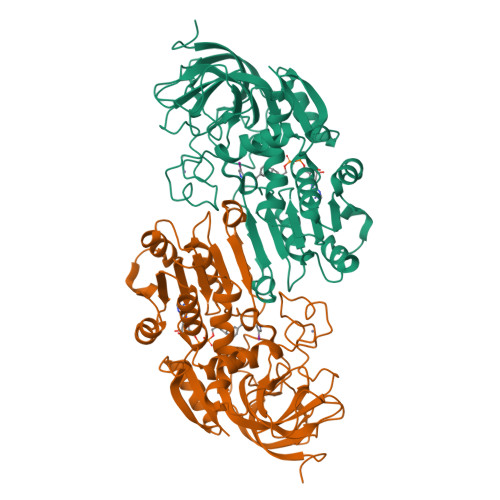
Click to view 3D structureAldehyde dehydrogenase family 3 member B1P43353HumansKnownNot Available
Click to view 3D structureOrganic anion transporter 3Q8TCC7HumansKnownNot Available
Concentrations
Not Available
External Links
DrugBank IDDB03057
HMDB IDHMDB0006112
FooDB IDFDB008116
Phenol Explorer IDNot Available
KNApSAcK IDNot Available
BiGG IDNot Available
BioCyc IDNot Available
METLIN IDNot Available
PDB IDNot Available
Wikipedia LinkMalondialdehyde
Chemspider ID10499
ChEBI ID566274
PubChem Compound ID10964
Kegg Compound IDC19440
YMDB IDNot Available
ECMDB IDNot Available
References
Synthesis Reference

Dietrich Mangold, Josef Wahl, Wolf-Karlo Aders, “Preparation of acetals of malonaldehyde.” U.S. Patent US4410733, issued November, 1976.

MSDSNot Available
General References
  1. Duranton F, Cohen G, De Smet R, Rodriguez M, Jankowski J, Vanholder R, Argiles A: Normal and pathologic concentrations of uremic toxins. J Am Soc Nephrol. 2012 Jul;23(7):1258-70. doi: 10.1681/ASN.2011121175. Epub 2012 May 24. [PubMed: 22626821]
  2. Lykkesfeldt J: Malondialdehyde as biomarker of oxidative damage to lipids caused by smoking. Clin Chim Acta. 2007 May 1;380(1-2):50-8. Epub 2007 Feb 7. [PubMed: 17336279]
  3. Schulz AM, Terne C, Jankowski V, Cohen G, Schaefer M, Boehringer F, Tepel M, Kunkel D, Zidek W, Jankowski J: Modulation of NADPH oxidase activity by known uraemic retention solutes. Eur J Clin Invest. 2014 Aug;44(8):802-11. doi: 10.1111/eci.12297. [PubMed: 25041433]
  4. Young GH, Wu VC: KLOTHO methylation is linked to uremic toxins and chronic kidney disease. Kidney Int. 2012 Apr;81(7):611-2. doi: 10.1038/ki.2011.461. [PubMed: 22419041]
  5. International Agency for Research on Cancer (2014). IARC Monographs on the Evaluation of Carcinogenic Risks to Humans. - http://monographs.iarc.fr/index.php