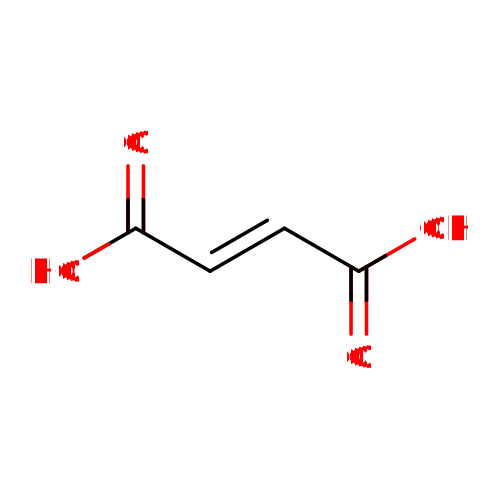
Fumaric acid (CHEM003197)
| Record Information | |||||||||||||||||||||||||||||||||||||||||||||||||||||||||||||
|---|---|---|---|---|---|---|---|---|---|---|---|---|---|---|---|---|---|---|---|---|---|---|---|---|---|---|---|---|---|---|---|---|---|---|---|---|---|---|---|---|---|---|---|---|---|---|---|---|---|---|---|---|---|---|---|---|---|---|---|---|---|
| Version | 1.0 | ||||||||||||||||||||||||||||||||||||||||||||||||||||||||||||
| Creation Date | 2014-08-29 05:58:32 UTC | ||||||||||||||||||||||||||||||||||||||||||||||||||||||||||||
| Update Date | 2026-05-14 17:12:36 UTC | ||||||||||||||||||||||||||||||||||||||||||||||||||||||||||||
| Accession Number | CHEM003197 | ||||||||||||||||||||||||||||||||||||||||||||||||||||||||||||
| Identification | |||||||||||||||||||||||||||||||||||||||||||||||||||||||||||||
| Common Name | Fumaric acid | ||||||||||||||||||||||||||||||||||||||||||||||||||||||||||||
| Class | Small Molecule | ||||||||||||||||||||||||||||||||||||||||||||||||||||||||||||
| Description | Fumaric acid is a precursor to L-malate in the Krebs tricarboxylic acid cycle. It is formed by the oxidation of succinate by succinate dehydrogenase. Fumarate is converted by fumarase to malate. A fumarate is a salt or ester of the organic compound fumaric acid, a dicarboxylic acid. Fumarate has recently been recognized as an oncometabolite. (8). As a food additive, fumaric acid is used to impart a tart taste to processed foods. It is also used as an antifungal agent in boxed foods such as cake mixes and flours, as well as tortillas. Fumaric acid is also added to bread to increase the porosity of the final baked product. It is used to impart a sour taste to sourdough and rye bread. In cake mixes, it is used to maintain a low pH and prevent clumping of the flours used in the mix. In fruit drinks, fumaric acid is used to maintain a low pH which, in turn, helps to stabilize flavor and color. Fumaric acid also prevents the growth of E. coli in beverages when used in combination with sodium benzoate. When added to wines, fumaric acid helps to prevent further fermentation and yet maintain low pH and eliminate traces of metallic elements. In this fashion, it helps to stabilize the taste of wine. Fumaric acid can also be added to dairy products, sports drinks, jams, jellies and candies. Fumaric acid helps to break down bonds between gluten proteins in wheat and helps to create a more pliable dough. Fumaric acid is used in paper sizing, printer toner, and polyester resin for making molded walls. | ||||||||||||||||||||||||||||||||||||||||||||||||||||||||||||
| Contaminant Sources |
| ||||||||||||||||||||||||||||||||||||||||||||||||||||||||||||
| Contaminant Type |
| ||||||||||||||||||||||||||||||||||||||||||||||||||||||||||||
| Chemical Structure | 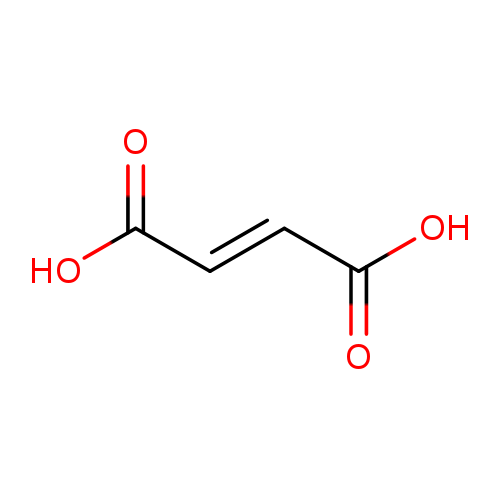 | ||||||||||||||||||||||||||||||||||||||||||||||||||||||||||||
| Synonyms |
| ||||||||||||||||||||||||||||||||||||||||||||||||||||||||||||
| Chemical Formula | C4H4O4 | ||||||||||||||||||||||||||||||||||||||||||||||||||||||||||||
| Average Molecular Mass | 116.072 g/mol | ||||||||||||||||||||||||||||||||||||||||||||||||||||||||||||
| Monoisotopic Mass | 116.011 g/mol | ||||||||||||||||||||||||||||||||||||||||||||||||||||||||||||
| CAS Registry Number | 110-17-8 | ||||||||||||||||||||||||||||||||||||||||||||||||||||||||||||
| IUPAC Name | (2E)-but-2-enedioic acid | ||||||||||||||||||||||||||||||||||||||||||||||||||||||||||||
| Traditional Name | fumaric acid | ||||||||||||||||||||||||||||||||||||||||||||||||||||||||||||
| SMILES | OC(=O)\C=C\C(O)=O | ||||||||||||||||||||||||||||||||||||||||||||||||||||||||||||
| InChI Identifier | InChI=1S/C4H4O4/c5-3(6)1-2-4(7)8/h1-2H,(H,5,6)(H,7,8)/b2-1+ | ||||||||||||||||||||||||||||||||||||||||||||||||||||||||||||
| InChI Key | VZCYOOQTPOCHFL-OWOJBTEDSA-N | ||||||||||||||||||||||||||||||||||||||||||||||||||||||||||||
| Chemical Taxonomy | |||||||||||||||||||||||||||||||||||||||||||||||||||||||||||||
| Description | Belongs to the class of organic compounds known as dicarboxylic acids and derivatives. These are organic compounds containing exactly two carboxylic acid groups. | ||||||||||||||||||||||||||||||||||||||||||||||||||||||||||||
| Kingdom | Organic compounds | ||||||||||||||||||||||||||||||||||||||||||||||||||||||||||||
| Super Class | Organic acids and derivatives | ||||||||||||||||||||||||||||||||||||||||||||||||||||||||||||
| Class | Carboxylic acids and derivatives | ||||||||||||||||||||||||||||||||||||||||||||||||||||||||||||
| Sub Class | Dicarboxylic acids and derivatives | ||||||||||||||||||||||||||||||||||||||||||||||||||||||||||||
| Direct Parent | Dicarboxylic acids and derivatives | ||||||||||||||||||||||||||||||||||||||||||||||||||||||||||||
| Alternative Parents | |||||||||||||||||||||||||||||||||||||||||||||||||||||||||||||
| Substituents |
| ||||||||||||||||||||||||||||||||||||||||||||||||||||||||||||
| Molecular Framework | Aliphatic acyclic compounds | ||||||||||||||||||||||||||||||||||||||||||||||||||||||||||||
| External Descriptors |
| ||||||||||||||||||||||||||||||||||||||||||||||||||||||||||||
| Biological Properties | |||||||||||||||||||||||||||||||||||||||||||||||||||||||||||||
| Status | Detected and Not Quantified | ||||||||||||||||||||||||||||||||||||||||||||||||||||||||||||
| Origin | Endogenous | ||||||||||||||||||||||||||||||||||||||||||||||||||||||||||||
| Cellular Locations |
| ||||||||||||||||||||||||||||||||||||||||||||||||||||||||||||
| Biofluid Locations | Not Available | ||||||||||||||||||||||||||||||||||||||||||||||||||||||||||||
| Tissue Locations |
| ||||||||||||||||||||||||||||||||||||||||||||||||||||||||||||
| Pathways |
| ||||||||||||||||||||||||||||||||||||||||||||||||||||||||||||
| Applications | |||||||||||||||||||||||||||||||||||||||||||||||||||||||||||||
| Biological Roles | |||||||||||||||||||||||||||||||||||||||||||||||||||||||||||||
| Chemical Roles | Not Available | ||||||||||||||||||||||||||||||||||||||||||||||||||||||||||||
| Physical Properties | |||||||||||||||||||||||||||||||||||||||||||||||||||||||||||||
| State | Solid | ||||||||||||||||||||||||||||||||||||||||||||||||||||||||||||
| Appearance | White powder. | ||||||||||||||||||||||||||||||||||||||||||||||||||||||||||||
| Experimental Properties |
| ||||||||||||||||||||||||||||||||||||||||||||||||||||||||||||
| Predicted Properties |
| ||||||||||||||||||||||||||||||||||||||||||||||||||||||||||||
| Spectra | |||||||||||||||||||||||||||||||||||||||||||||||||||||||||||||
| Spectra | |||||||||||||||||||||||||||||||||||||||||||||||||||||||||||||
| Toxicity Profile | |||||||||||||||||||||||||||||||||||||||||||||||||||||||||||||
| Route of Exposure | Endogenous, ingestion, contact (skin and eyes) | ||||||||||||||||||||||||||||||||||||||||||||||||||||||||||||
| Mechanism of Toxicity | Acute Toxicity: Fumarate is also an endogenous electrophile and reacts spontaneously with cysteine residues in proteins by a Michael addition reaction to form S-(2-succinyl) cysteine, a process termed succination. Lachrymators such as fumarate are thought to act by attacking sulfhydryl functional groups in enzymes. One of the most probable protein targets is the TRPA1 ion channel that is expressed in sensory nerves (trigeminal nerve) of the eyes, nose, mouth and lungs. Chronic Toxicity: Fumarate is increasingly being identified as an oncometabolite. Fumarase or fumarate hydratase (FH) is a tumor suppressor, whose mutation is associated with the development of leiomyomata, renal cysts, and tumors. Loss of FH enzymatic activity results in accumulation of intracellular fumarate which has been proposed to act as a competitive inhibitor of 2-oxoglutarate-dependent oxygenases including the hypoxia-inducible factor (HIF) hydroxylases, thus activating oncogenic HIF pathways. Mitochondrial dysfunction is also associated with FH deficiency. Fumarate hydratase-deficient cells and tumors have been shown to accumulate fumarate to very high levels with multiple consequences including the activation of oncogenic pathways (8). Fumarate (and succinate) inhibit the activity or function of other members of the 2-oxoglutarate-dependent oxygenase superfamily, including histone demethylase enzymes (HDMs) and the TET family of 5-methlycytosine (5mC) hydroxylases which are critical in epigenetic regulation of gene expression.. Fumarate accumulation may also affect cytosolic pathways by inhibiting the reactions involved in the biosynthesis of arginine and purine. More recently it has been found that fumarate promotes p65 phosphorylation and p65 accumulation at the HIF-1α promoter through non-canonical signaling via the upstream Tank Binding Kinase 1 (TBK1). Fumarate is also an endogenous electrophile and reacts spontaneously with cysteine residues in proteins by a Michael addition reaction to form S-(2-succinyl) cysteine, a process termed succination. Accumulation of cellular fumarate has been shown to correlate directly with an increase in succinated proteins. Targets for succination include the glycolytic enzyme glyceraldehyde-3-phosphate dehydrogenase, adiponectin, cytoskeletal proteins, and endoplasmic reticulum chaperone proteins. Furthermore, evidence suggests that succination of these proteins in cells may impair their functions. | ||||||||||||||||||||||||||||||||||||||||||||||||||||||||||||
| Metabolism | Fumarate is an intermediate in the citric acid cycle used by cells to produce energy in the form of adenosine triphosphate (ATP) from food. It is formed by the oxidation of succinate by the enzyme succinate dehydrogenase. Fumarate is then converted by the enzyme fumarase (fumarate hydratase) to malate. | ||||||||||||||||||||||||||||||||||||||||||||||||||||||||||||
| Toxicity Values | Not Available | ||||||||||||||||||||||||||||||||||||||||||||||||||||||||||||
| Lethal Dose | Not Available | ||||||||||||||||||||||||||||||||||||||||||||||||||||||||||||
| Carcinogenicity (IARC Classification) | Not listed by IARC. Has been implicated in oncogenesis (6, 7). | ||||||||||||||||||||||||||||||||||||||||||||||||||||||||||||
| Uses/Sources | Fumaric acid is naturally produced by the body, however for industrial applications it is synthesized chemically. Fumaric acid is used to impart a tart taste to processed foods. It is also used as an antifungal agent in boxed foods such as cake mixes and flours, as well as tortillas. Fumaric acid is also added to bread to increase the porosity of the final baked product. It is used to impart a sour taste to sourdough and rye bread. In cake mixes, it is used to maintain a low pH and prevent clumping of the flours used in the mix. In fruit drinks, fumaric acid is used to maintain a low pH which, in turn, helps to stabilize flavor and color. Fumaric acid also prevents the growth of E. coli in beverages when used in combination with sodium benzoate. When added to wines, fumaric acid helps to prevent further fermentation and yet maintain low pH and eliminate traces of metallic elements. In this fashion, it helps to stabilize the taste of wine. Fumaric acid can also be added to dairy products, sports drinks, jams, jellies and candies. Fumaric acid helps to break down bonds between gluten proteins in wheat and helps to create a more pliable dough. Fumaric acid is used in paper sizing, printer toner, and polyester resin for making molded walls. | ||||||||||||||||||||||||||||||||||||||||||||||||||||||||||||
| Minimum Risk Level | Not Available | ||||||||||||||||||||||||||||||||||||||||||||||||||||||||||||
| Health Effects | Acute exposure to fumaric acid can cause skin redness (skin contact), cough or sore throat (inhalation), abdominal cramps, nausea and diarrhea (ingestion). Chronically high levels of fumaric acid are associated with at least 3 inborn errors of metabolism including: 2-Ketoglutarate dehydrogenase complex deficiency, Fumarase deficiency and Pyruvate carboxylase deficiency. Fumarase deficiency causes encephalopathy, severe mental retardation, unusual facial features, brain malformation, and epileptic seizures. High intracellular fumaric acid levels are associated with the development of renal cancer, leiomyomata, renal cysts, and tumors. | ||||||||||||||||||||||||||||||||||||||||||||||||||||||||||||
| Symptoms | Acute exposure to fumaric acid can cause eye and skin irritation, cough or sore throat (inhalation), abdominal cramps, nausea and diarrhea (ingestion). | ||||||||||||||||||||||||||||||||||||||||||||||||||||||||||||
| Treatment | Acute exposure: EYES: irrigate opened eyes for several minutes under running water. INGESTION: do not induce vomiting. Rinse mouth with water (never give anything by mouth to an unconscious person). Seek immediate medical advice. SKIN: should be treated immediately by rinsing the affected parts in cold running water for at least 15 minutes, followed by thorough washing with soap and water. If necessary, the person should shower and change contaminated clothing and shoes, and then must seek medical attention. Chronic Exposure: There is no treatment for fumarase deficiencies. Only palliative care is possible. For cancers caused by intracellular fumarate excess, there are a wide variety of cancer treatments including drugs and surgery. | ||||||||||||||||||||||||||||||||||||||||||||||||||||||||||||
| Concentrations | |||||||||||||||||||||||||||||||||||||||||||||||||||||||||||||
| Not Available | |||||||||||||||||||||||||||||||||||||||||||||||||||||||||||||
| External Links | |||||||||||||||||||||||||||||||||||||||||||||||||||||||||||||
| DrugBank ID | DB01677 | ||||||||||||||||||||||||||||||||||||||||||||||||||||||||||||
| HMDB ID | HMDB0000134 | ||||||||||||||||||||||||||||||||||||||||||||||||||||||||||||
| FooDB ID | FDB003291 | ||||||||||||||||||||||||||||||||||||||||||||||||||||||||||||
| Phenol Explorer ID | Not Available | ||||||||||||||||||||||||||||||||||||||||||||||||||||||||||||
| KNApSAcK ID | C00001183 | ||||||||||||||||||||||||||||||||||||||||||||||||||||||||||||
| BiGG ID | 33938 | ||||||||||||||||||||||||||||||||||||||||||||||||||||||||||||
| BioCyc ID | FUM | ||||||||||||||||||||||||||||||||||||||||||||||||||||||||||||
| METLIN ID | 3242 | ||||||||||||||||||||||||||||||||||||||||||||||||||||||||||||
| PDB ID | Not Available | ||||||||||||||||||||||||||||||||||||||||||||||||||||||||||||
| Wikipedia Link | Fumaric_Acid | ||||||||||||||||||||||||||||||||||||||||||||||||||||||||||||
| Chemspider ID | 10197150 | ||||||||||||||||||||||||||||||||||||||||||||||||||||||||||||
| ChEBI ID | 18012 | ||||||||||||||||||||||||||||||||||||||||||||||||||||||||||||
| PubChem Compound ID | 444972 | ||||||||||||||||||||||||||||||||||||||||||||||||||||||||||||
| Kegg Compound ID | C00122 | ||||||||||||||||||||||||||||||||||||||||||||||||||||||||||||
| YMDB ID | YMDB00101 | ||||||||||||||||||||||||||||||||||||||||||||||||||||||||||||
| ECMDB ID | ECMDB00176 | ||||||||||||||||||||||||||||||||||||||||||||||||||||||||||||
| References | |||||||||||||||||||||||||||||||||||||||||||||||||||||||||||||
| Synthesis Reference | Chung Kun Shih, Craig W. Gleason, Edmund H. Braun, II, “Solventless process for producing dialkyl fumarate-vinyl acetate copolymers.” U.S. Patent US4772674, issued September, 1980. | ||||||||||||||||||||||||||||||||||||||||||||||||||||||||||||
| MSDS | Link | ||||||||||||||||||||||||||||||||||||||||||||||||||||||||||||
| General References | |||||||||||||||||||||||||||||||||||||||||||||||||||||||||||||