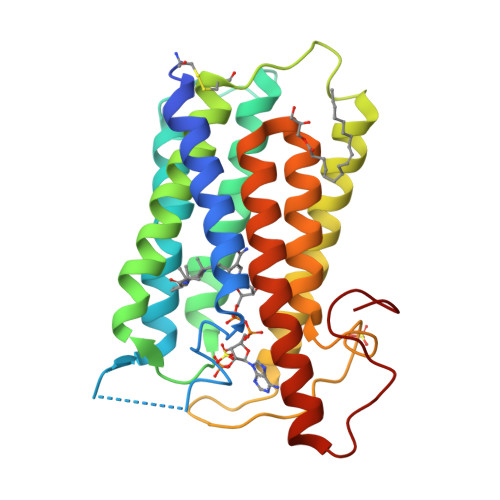
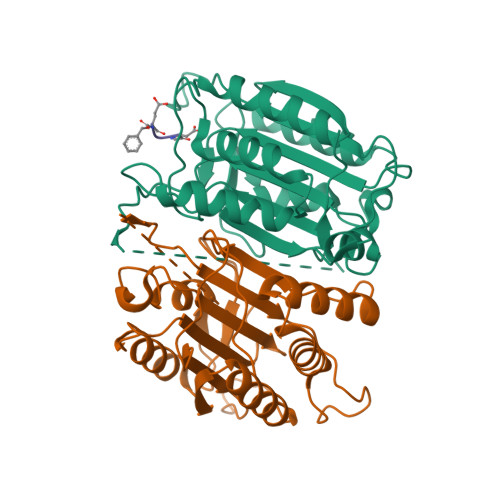
Dehydroepiandrosterone (CED0001928)

Record Information
Version1.0
Creation Date2014-08-29 06:00:05 UTC
Update Date2026-05-14 17:13:43 UTC
SynCED IDCED0001928
Secondary Accession Numbers
  • CHEM003201
  • T3D4241
Identification
Common NameDehydroepiandrosterone
ClassSmall Molecule
Description
Dehydroepiandrosterone is an endogenous compound with the formula C19H28O2 and an average molecular weight of 288.42 g/mol. Dehydroepiandrosterone belongs to the androstane steroids, a subclass of steroids and steroid derivatives within the organic compounds. At room temperature, it exists as a solid. Biologically, it functions as a steroid hormone (PMC12651636 , PMC8624206 ), an androgen (PMC10250808 ), and a human metabolite. Industrially, it is used as a softener and conditioner. The compound is detected in various tissues, including the brain, liver, kidney, muscle, placenta, platelet, prostate, testes, epidermis, fibroblasts, gonads, adipose tissue, adrenal gland, and adrenal cortex. It acts on 35 recorded protein targets, serving as an agonist or antagonist of SULT2A1, SULT2B1, HSD17B1, PPARA, and 31 other proteins. Health effects associated with the compound include acne (PMC2799453 ), breast cancer (PMC9847033 ), and an increase in polycystic ovary syndrome (PMC8281489 ). Dehydroepiandrosterone is found in 24 recorded sources. These include drinking water and water supply, as well as healthcare, pharmaceuticals and veterinary products such as antibiotics, anabolic steroids, and sex hormones and modulators of the genital system. It is present in food and food processing activities, including the preparation of wort, fermentation processes for beer, food preservation, and fish processing. It is also found in electrical and electronic equipment, such as electrodes, electric hearing aids, line transmission systems, and conductive bodies. Additionally, it occurs in household cleaning and consumer products, including soap detergents, perfumes within detergents and soaps, and various smoking requisites. Recorded exposure routes include oral, transdermal, vaginal, and inhalation.
Contaminant Type
  • Adjuvant, Immunologic
  • Animal Toxin
  • Drug
  • Food Toxin
  • Metabolite
  • Natural Compound
  • Nutraceutical
  • Organic Compound
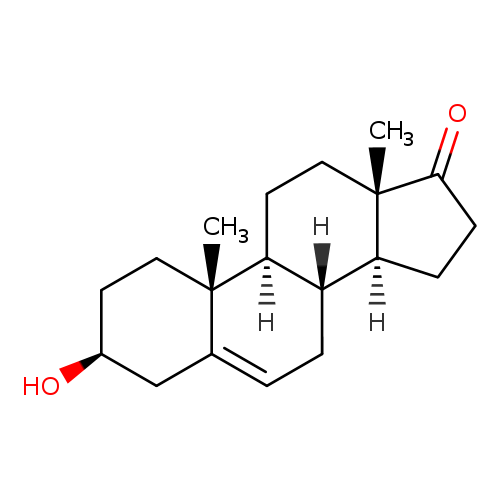
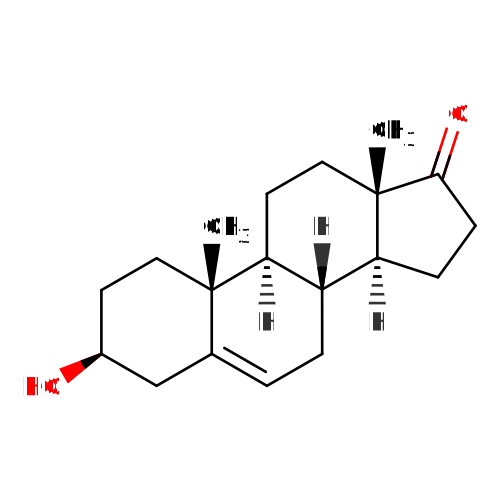
Chemical Structure
Synonyms
ValueSource
3-BETA-HYDROXY-5-androsten-17-oneChEBI
3beta-Hydroxyandrost-5-en-17-oneChEBI
DehydroisoandrosteroneChEBI
DHAChEBI
DHEAChEBI
IntrarosaChEBI
PrasteroneChEBI
BiolaifKegg
3-b-HYDROXY-5-androsten-17-oneGenerator
3-Β-hydroxy-5-androsten-17-oneGenerator
3b-Hydroxyandrost-5-en-17-oneGenerator
3Β-hydroxyandrost-5-en-17-oneGenerator
(+)-DehydroisoandrosteroneHMDB
(3-beta)-3-Hydroxyandrost-5-en-17-oneHMDB
(3beta)-3-Hydroxy-androst-5-en-17-oneHMDB
(3beta,16alpha)-3,16-Dihydroxy-androst-5-en-17-oneHMDB
17-ChetovisHMDB
17-HormoforinHMDB
3-beta-Hydroxyandrost-5-en-17-oneHMDB
3b-Hydroxy-D5-androsten-17-oneHMDB
3beta-Hydroxy-5-androsten-17-oneHMDB
3beta-Hydroxy-androst-5-en-17-oneHMDB
3beta-Hydroxy-D5-androsten-17-oneHMDB
5,6-DehydroisoandrosteroneHMDB
5,6-DidehydroisoandrosteroneHMDB
5-Androsten-3-beta-ol-17-oneHMDB
5-Androsten-3b-ol-17-oneHMDB
5-Androsten-3beta-ol-17-oneHMDB
5-Dehydro-epiandrosteroneHMDB
5-DehydroepiandrosteroneHMDB
AndrestenolHMDB
Androst-5-ene-3b-ol-17-oneHMDB
Androst-5-ene-3beta-ol-17-oneHMDB
Androsten-3beta-ol-17-oneHMDB
AndrostenoloneHMDB
AstenileHMDB
D5-Androsten-3b-ol-17-oneHMDB
D5-Androsten-3beta-ol-17-oneHMDB
DeandrosHMDB
Dehydro-epi-androsteroneHMDB
DiandronHMDB
DiandroneHMDB
HydroxyandrostenoneHMDB
PrasteronaHMDB
PrasteronumHMDB
PrestaraHMDB
PsicosteroneHMDB
trans-DehydroandrosteroneHMDB
Prasterone, 3 alpha-isomerHMDB
5 Androsten 3 beta hydroxy 17 oneHMDB
5-Androsten-3-beta-hydroxy-17-oneHMDB
5 Androsten 3 ol 17 oneHMDB
Prasterone, 3 alpha isomerHMDB
5-Androsten-3-ol-17-oneHMDB
EM-760DehydroandrosteroneHMDB
Chemical FormulaC19H28O2
Average Molecular Mass288.424 g/mol
Monoisotopic Mass288.209 g/mol
CAS Registry Number53-43-0
IUPAC Name(1S,2R,5S,10R,11S,15S)-5-hydroxy-2,15-dimethyltetracyclo[8.7.0.0^{2,7}.0^{11,15}]heptadec-7-en-14-one
Traditional Name(1S,2R,5S,10R,11S,15S)-5-hydroxy-2,15-dimethyltetracyclo[8.7.0.0^{2,7}.0^{11,15}]heptadec-7-en-14-one
SMILESC[C@]12CCC3C(CC=C4C[C@@H](O)CC[C@]34C)C1CCC2=O
InChI IdentifierInChI=1S/C19H28O2/c1-18-9-7-13(20)11-12(18)3-4-14-15-5-6-17(21)19(15,2)10-8-16(14)18/h3,13-16,20H,4-11H2,1-2H3/t13-,14?,15?,16?,18-,19-/m0/s1
InChI KeyFMGSKLZLMKYGDP-INNQQZFDSA-N
Chemical Taxonomy
Description Belongs to the class of organic compounds known as androgens and derivatives. These are 3-hydroxylated C19 steroid hormones. They are known to favor the development of masculine characteristics. They also show profound effects on scalp and body hair in humans.
KingdomOrganic compounds
Super ClassLipids and lipid-like molecules
ClassSteroids and steroid derivatives
Sub ClassAndrostane steroids
Direct ParentAndrogens and derivatives
Alternative Parents
Substituents
  • Androgen-skeleton
  • 3-hydroxy-delta-5-steroid
  • 3-hydroxysteroid
  • 3-beta-hydroxysteroid
  • 3-beta-hydroxy-delta-5-steroid
  • Oxosteroid
  • 17-oxosteroid
  • Hydroxysteroid
  • Delta-5-steroid
  • Cyclic alcohol
  • Secondary alcohol
  • Ketone
  • Organic oxygen compound
  • Carbonyl group
  • Hydrocarbon derivative
  • Alcohol
  • Organooxygen compound
  • Organic oxide
  • Aliphatic homopolycyclic compound
Molecular FrameworkAliphatic homopolycyclic compounds
External Descriptors
Biological Properties
StatusDetected and Not Quantified
OriginEndogenous
Cellular Locations
  • Cytoplasm
  • Endoplasmic reticulum
  • Extracellular
  • Membrane
Biofluid LocationsNot Available
Tissue Locations
  • Adipose Tissue
  • Adrenal Cortex
  • Adrenal Gland
  • Brain
  • Epidermis
  • Fibroblasts
  • Gonads
  • Kidney
  • Liver
  • Muscle
  • Neuron
  • Placenta
  • Platelet
  • Prostate
  • Testes
ApplicationsNot Available
Biological Roles
Chemical RolesNot Available
Organoleptic Effects
  • body odour ?
Physical Properties
StateSolid
AppearanceWhite powder.
Experimental Properties
PropertyValue
Melting Point140-141°C
Boiling PointNot Available
Solubility63.5 mg/L (at 25°C)
Predicted Properties
PropertyValueSource
Water Solubility0.044 g/LALOGPS
logP3.53ALOGPS
logP3.36ChemAxon
logS-3.8ALOGPS
pKa (Strongest Acidic)18.2ChemAxon
pKa (Strongest Basic)-1.4ChemAxon
Physiological Charge0ChemAxon
Hydrogen Acceptor Count2ChemAxon
Hydrogen Donor Count1ChemAxon
Polar Surface Area37.3 ŲChemAxon
Rotatable Bond Count0ChemAxon
Refractivity84.66 m³·mol⁻¹ChemAxon
Polarizability34.1 ųChemAxon
Number of Rings4ChemAxon
BioavailabilityYesChemAxon
Rule of FiveYesChemAxon
Ghose FilterYesChemAxon
Veber's RuleYesChemAxon
MDDR-like RuleNoChemAxon
Spectra
Spectra
Spectrum TypeDescriptionSplash KeyDeposition DateView
Predicted GC-MSPredicted GC-MS Spectrumsplash10-071i-0290000000-a9b3a9cb95e93aa9240dNot AvailableView Spectrum
Predicted GC-MSPredicted GC-MS Spectrumsplash10-0f8a-1129000000-eb013d8a1c912892ff3cNot AvailableView Spectrum
LC-MS/MSLC-MS/MS Spectrumsplash10-0uk9-0190000000-c3794202067bedafc38fNot AvailableView Spectrum
LC-MS/MSLC-MS/MS Spectrumsplash10-053s-2920000000-ae96b214b1844b2bee11Not AvailableView Spectrum
LC-MS/MSLC-MS/MS Spectrumsplash10-0006-6900000000-019d22877fe66944e9efNot AvailableView Spectrum
Predicted LC-MS/MSPredicted LC-MS/MS Spectrumsplash10-00dr-0090000000-a667a243a4d1f4d5e402Not AvailableView Spectrum
Predicted LC-MS/MSPredicted LC-MS/MS Spectrumsplash10-00dr-0290000000-03f40d327c70daf5361aNot AvailableView Spectrum
Predicted LC-MS/MSPredicted LC-MS/MS Spectrumsplash10-0007-3590000000-00768b57021131988471Not AvailableView Spectrum
Predicted LC-MS/MSPredicted LC-MS/MS Spectrumsplash10-000i-0090000000-8b01497a25c81d375b42Not AvailableView Spectrum
Predicted LC-MS/MSPredicted LC-MS/MS Spectrumsplash10-000i-0090000000-41c2d6ae909fbc17a1bfNot AvailableView Spectrum
Predicted LC-MS/MSPredicted LC-MS/MS Spectrumsplash10-052f-1090000000-5944b762b274a61a3b2aNot AvailableView Spectrum
Toxicity Profile
Toxicity Values
Toxicity ValueOrganismDose DescriptorRoute of ExposurePredicted or ExperimentalToxicity RatingReference
2059.0 Log mg/kg [1200:3700]RatLD50oralpredictedNot AvailableNot Available
1000.0 mg/kg-day RatNOELoralexperimentalNot AvailableECOTOX - EPA ORD
Toxicity / Toxin ClassNot Available
Mechanism of ToxicityAlthough it predominantly functions as an endogenous precursor to more potent androgens such as testosterone and dihydroxytestosterone, DHEA has been found to possess some degree of androgenic activity in its own right, acting as a low affinity (Ki = 1 μM), weak partial agonist of the androgen receptor. DHEA has also been found to bind to and activate the ERα and ERβ estrogen receptors with Ki values of 1.1 μM and 0.5 μM, respectively. When taken in sufficient quantities DHEA can cause masculinizing effects. DHEA is considered an androgenic steroid precursor because testosterone (its product) is an androgen or male hormone. In males and females, conversion of DHEA to testosterone requires the enzyme 17β-hydroxysteroid dehydrogenase. Testosterone plays a key role in the development of male reproductive tissues such as the testis and prostate as well as promoting secondary sexual characteristics such as increased muscle, bone mass, and the growth of body hair. High levels of testosterone can lead to masculinization in females or premature puberty in young boys. Chronically high levels in adults increase the incidence of heart attack, stroke and blood clots by lowering the level of HDL (good cholesterol). The development of breast tissue in males, a condition called gynecomastia (which is usually caused by high levels of circulating estradiol), arises because of increased conversion of testosterone to estradiol by the enzyme aromatase. Reduced sexual function and temporary infertility can also occur in males. Acute oral toxicity (LD50): >10000 mg/kg [Rat]. Lowest Published Toxic Dose (TDL) [Man] - Route: Oral; Dose: 10 mg/kg/2W intermittent.
Carcinogenicity (IARC Classification)No indication of carcinogenicity to humans (not listed by IARC).
Minimum Risk LevelNot Available
SymptomsIn women, DHEA may cause decreased breast size, a deep voice, increased genital size, irregular periods, oily skin, and unnatural hair growth. In men, DHEA may cause aggression, breast tenderness or enlargement, decreased testes size, and urinary urgency.
TreatmentNot Available
Health Effects
Health EffectRelationshipDirectionDescriptionReference
breast cancerAssociated With?Not AvailableA breast cancer that has material basis in abnormally proliferating cells derives from epithelial cells. (DO)PMC9847033
polycystic ovary syndromeAssociated With?increaseA syndrome characterized by hyperandrogenism, polycystic ovaries, hirsutism, oligomenorrhea or amenorrhea, anovulation and excessive body weight. (DO)PMC8281489
AcneAssociated With?Not AvailableA disorder of the skin in which oil glands and hair glands become inflamed.PMC2799453
AcneAssociated With?increaseA disorder of the skin in which oil glands and hair glands become inflamed.PMC4247477
Chronic Obstructive Pulmonary DiseaseHas Therapeutic Effect OnNot AvailableA disorder characterized by long-term breathing problems and poor airflow, commonly attributed to smoking.PMC8949198
pulmonary hypertensionHas Therapeutic Effect OnNot AvailableNot AvailablePMC8949198
pulmonary hypertensionNot AvailableNot AvailableNot AvailablePMC3920223
impotenceAssociated With?Not AvailableA disorder characterized by the inability in a man to achieve an erection or orgasm.PMC4591525
Oxidative StressHas Therapeutic Effect OnNot AvailableNot AvailablePMC7331709 , PMC12382220
cardiovascular disorderAssociated With?Not AvailableNot AvailablePMC4591525
depressive disorderAssociated With?Not AvailableNot AvailablePMC4591525
SarcopeniaAssociated With?Not AvailableNot AvailablePMC4591525
Exposure Sources
Source IDSourceSectorReference
CEDs000010Insecticides?Insecticides are synthetic chemicals designed to control or eliminate insect pests that threaten crops and other agricultural products.Agriculture & land managementPubChem
CEDs000115Drinking water?Drinking water can be a medium for synthetic chemical contamination, often originating from various industrial processes and agricultural practices.Drinking water & water supplyNot Available
CEDs000233Brushes?Brushes used in personal care and cosmetics can be a source of synthetic chemical contamination due to the materials and coatings used in their manufacturing.Personal care & cosmeticsPubChem
CEDs000270Anabolic steroids?Anabolic steroids are synthetic derivatives of testosterone that promote muscle growth and enhance physical performance.Healthcare, pharmaceuticals & veterinary productsNot Available
CEDs000306Antibiotics?Antibiotics are synthetic or semi-synthetic compounds used to treat bacterial infections in humans and animals.Healthcare, pharmaceuticals & veterinary productsNot Available
CEDs000321Androgens and female sex hormones in combination?Androgens and female sex hormones, including synthetic variants such as testosterone and estrogen, are commonly used in therapeutic applications, including hormone replacement therapy and contraceptive products.Healthcare, pharmaceuticals & veterinary productsNot Available
CEDs000325Sex hormones and modulators of the genital system?Sex hormones and modulators of the genital system, including compounds such as estrogens, androgens, and progestins, are utilized in various therapeutic applications for both human and veterinary health.Healthcare, pharmaceuticals & veterinary productsNot Available
CEDs000511Conductors Or Conductive Bodies Characterised By The Conductive Materials?Conductors, or conductive bodies, are materials that allow the flow of electrical current, typically made from metals such as copper, aluminum, or silver.Electrical & Electronic EquipmentPubChem
CEDs000516Electric Hearing Aids?Electric hearing aids are small electronic devices designed to amplify sound for individuals with hearing loss.Electrical & Electronic EquipmentPubChem
CEDs000518Electrically Stimulated Smoking Devices?Electrically stimulated smoking devices, commonly known as e-cigarettes or vape pens, utilize electrical components to heat a liquid solution, often containing nicotine, flavorings, and other additives, to produce an aerosol for inhalation.Electrical & Electronic EquipmentPubChem
CEDs000519Electrodes?Electrodes, used in various electrical and electronic applications, can be a source of synthetic chemical contamination due to the materials from which they are constructed and the processes involved in their manufacturing.Electrical & Electronic EquipmentPubChem
CEDs000525Line Transmission Systems?Line Transmission Systems, commonly used for the distribution of electrical energy, can be a source of synthetic chemical contamination through the insulation materials and coatings utilized in their construction.Electrical & Electronic EquipmentPubChem
CEDs000527Magnets?Magnets, commonly used in various electrical and electronic applications, can be a source of synthetic chemical contamination due to the materials used in their production.Electrical & Electronic EquipmentPubChem
CEDs000544Fermentation Processes For Beer?Fermentation processes for beer involve the conversion of sugars into alcohol and carbon dioxide by yeast.Food, food processing & cookwarePubChem
CEDs000545Food Preservation?Food preservation often involves the use of synthetic chemicals, such as preservatives, flavor enhancers, and color additives, to extend shelf life and enhance the sensory qualities of food products.Food, food processing & cookwarePubChem
CEDs000550Preparation Of Wort?The preparation of wort involves the extraction of sugars from malted grains, a crucial step in the brewing process.Food, food processing & cookwarePubChem
CEDs000551Processing Fish?Processing fish can lead to synthetic chemical contamination through various stages of production and preservation.Food, food processing & cookwarePubChem
CEDs000559Non Electric Simulated Smoking Devices?Non-electric simulated smoking devices, often designed to mimic the experience of smoking without combustion, can be sources of synthetic chemical contamination due to the materials and chemicals used in their construction and operation.Household cleaning & consumer productsPubChem
CEDs000560Other Smoking Requisites?Other smoking requisites, including items such as lighters, matches, and rolling papers, can introduce synthetic chemical contamination through various components and additives.Household cleaning & consumer productsPubChem
CEDs000561Perfumes Within Detergents And Soaps?Perfumes within detergents and soaps are synthetic fragrance compounds added to enhance the sensory experience of cleaning products.Household cleaning & consumer productsPubChem
CEDs000562Pipe Accessories?Pipe accessories, such as fittings, connectors, and seals, are components used in plumbing systems to facilitate the flow of liquids and gases.Household cleaning & consumer productsPubChem
CEDs000563Soap Detergents?Soap detergents are synthetic surfactants designed to enhance the cleaning efficacy of water by reducing surface tension, allowing for better interaction with dirt and grease.Household cleaning & consumer productsPubChem
CEDs000564Soap Dispensers?Soap dispensers, commonly used for dispensing liquid soaps and sanitizers, can become a source of synthetic chemical contamination due to the materials used in their construction and the products they dispense.Household cleaning & consumer productsPubChem
CEDs000567Tobacco Product Cases?Tobacco product cases can serve as a source of synthetic chemical contamination due to the presence of various additives and chemicals used in tobacco processing and product manufacturing.Household cleaning & consumer productsPubChem
CEDs000568Tobacco Product Moisture Control?Tobacco product moisture control involves the use of synthetic chemicals to manage the humidity levels in tobacco products, aiming to preserve flavor and extend shelf life.Household cleaning & consumer productsPubChem
CEDs000569Tobacco Smoke Filters?Tobacco smoke filters are designed to reduce the inhalation of harmful substances in cigarette smoke, including tar and other particulate matter.Household cleaning & consumer productsPubChem
CEDs000578Making Cigars?The process of making cigars involves several steps, including the cultivation of tobacco, fermentation, and the application of various additives to enhance flavor and preservation.Industrial manufacturing & chemical processingPubChem
CEDs000579Manufacture Of Iron Or Steel?The manufacture of iron or steel involves various processes, including smelting, refining, and alloying, which can result in the release of synthetic chemicals and contaminants.Industrial manufacturing & chemical processingPubChem
CEDs000580Manufacture Preparation Of Tobacco Products?The manufacture and preparation of tobacco products involve various processes that can result in the introduction of synthetic chemicals into the environment.Industrial manufacturing & chemical processingPubChem
CEDs000581Paper Making Machines?Paper making machines utilize various synthetic chemicals throughout the production process, including additives, coatings, and bleaching agents.Industrial manufacturing & chemical processingPubChem
CEDs000596Acaricides?Acaricides are synthetic chemicals specifically designed to target and control mite populations that can damage crops and plants.Agriculture & land managementPubChem
CEDs000600Herbicides And Algicides?Herbicides and algicides are synthetic chemicals primarily used to control unwanted plants and algae in various environments.Agriculture & land managementPubChem
CEDs000606Plant Growth Regulators?Plant Growth Regulators (PGRs) are synthetic chemicals designed to influence the growth and development of plants.Agriculture & land managementPubChem
CEDs000609Aftershave?Aftershave is a grooming product typically used to soothe and protect the skin following shaving.Personal care & cosmeticsPubChem
CEDs000610Aftersun Products?Aftersun products are designed to soothe and hydrate the skin after sun exposure, often containing various synthetic chemicals such as emollients, preservatives, and fragrances.Personal care & cosmeticsPubChem
CEDs000611Anti Perspirants Or Body Deoderants?Antiperspirants and body deodorants commonly contain synthetic chemicals such as aluminum compounds, parabens, and synthetic fragrances.Personal care & cosmeticsPubChem
CEDs000612Body Washing Or Cleaning Implements?Body washing or cleaning implements, such as synthetic sponges, loofahs, and washcloths, can be sources of synthetic chemical contamination due to the materials used in their production.Personal care & cosmeticsPubChem
CEDs000613Depilatories?Depilatories are products designed to remove unwanted hair through the application of synthetic chemicals that break down the protein structure of hair, facilitating its removal.Personal care & cosmeticsPubChem
CEDs000614Essential Oils Or Perfumes?Essential oils and perfumes are complex mixtures of volatile compounds derived from natural or synthetic sources, commonly used for their aromatic properties.Personal care & cosmeticsPubChem
CEDs000615Eye Makeup Products?Eye makeup products, including mascaras, eyeliners, and eyeshadows, often contain a variety of synthetic chemicals such as pigments, preservatives, and film-forming agents.Personal care & cosmeticsPubChem
CEDs000616Face Mask Cosmetics?Face mask cosmetics often contain a variety of synthetic chemicals, including preservatives, emulsifiers, and fragrances, which can contribute to chemical contamination.Personal care & cosmeticsPubChem
CEDs000617Lip Care Products?Lip care products, including lipsticks, balms, and glosses, often contain a variety of synthetic chemicals such as parabens, phthalates, and synthetic fragrances.Personal care & cosmeticsPubChem
CEDs000618Lip Makeup Products?Lip makeup products, such as lipsticks, lip glosses, and lip liners, often contain a variety of synthetic chemicals, including pigments, preservatives, and emollients.Personal care & cosmeticsPubChem
CEDs000632Apparel?Apparel production often involves the use of various synthetic chemicals, including dyes, finishing agents, and preservatives.Textiles, leather & furnishingsPubChem
CEDs000642Footwear?Footwear production often involves the use of various synthetic chemicals, such as adhesives, dyes, and treatments, which can contribute to environmental contamination.Textiles, leather & furnishingsPubChem
CEDs000643Headwear?Headwear made from synthetic materials often incorporates chemicals used in the manufacturing and finishing processes, such as dyes, flame retardants, and water repellents.Textiles, leather & furnishingsPubChem
CEDs000650Purses Luggage Hand Bags?Purses, luggage, and handbags are often manufactured using synthetic materials such as polyvinyl chloride (PVC), polyurethane, and various types of nylon.Textiles, leather & furnishingsPubChem
CEDs000662Yarns Or Threads?Yarns or threads used in textiles can be a source of synthetic chemical contamination due to the production processes and treatments they undergo.Textiles, leather & furnishingsPubChem
CEDs000663Sanitary Equipment?Sanitary equipment, including toilets, sinks, and drainage systems, can serve as conduits for synthetic chemical contamination.Wastewater, sanitation & biosolidsPubChem
CEDs000678Nitrogenous Fertilisers?Nitrogenous fertilizers are synthetic chemical compounds primarily used to enhance plant growth by supplying essential nitrogen, a crucial nutrient for photosynthesis and protein synthesis.Agriculture & land managementPubChem
CEDs000679Phosphatic Fertilisers?Phosphatic fertilizers are synthetic chemical products primarily composed of phosphorus, which is essential for plant growth.Agriculture & land managementPubChem
CEDs000684Cements?Cements are a composite material primarily used as a binding agent in construction applications, formed by the calcination of limestone and clay minerals at high temperatures.Building & ConstructionPubChem
CEDs000685Ceramics?Ceramics can be a source of synthetic chemical contamination through various additives and processing agents used in their production.Building & ConstructionPubChem
CEDs000686Clay Wares?Clay wares are ceramic products made from natural clay, often utilized in various construction applications such as tiles, bricks, and sanitary ware.Building & ConstructionPubChem
CEDs000693Silica Glass?Silica glass, primarily composed of silicon dioxide (SiO2), is widely used in various applications, including windows, glass facades, and insulation materials.Building & ConstructionPubChem
CEDs000696Nanotechnology?Nanotechnology involves the manipulation of materials at the molecular or atomic level, typically within the range of 1 to 100 nanometers.Industrial manufacturing & chemical processingPubChem
CEDs000698Jewellery?Jewellery production often involves the use of various synthetic chemicals during the extraction and processing of metals.Mining & metal processingPubChem
CEDs000699Mining Or Quarrying?Mining and quarrying operations can lead to synthetic chemical contamination through the release of various pollutants associated with the extraction and processing of minerals.Mining & metal processingPubChem
CEDs000739Inks?Inks are complex mixtures composed of pigments or dyes, solvents, resins, and additives used primarily for printing and writing applications.Paper, pulp & fiber productsPubChem
CEDs000740Paper?Paper production involves the processing of wood fibers and the use of various chemicals, which can lead to synthetic chemical contamination.Paper, pulp & fiber productsPubChem
CEDs000741Pigment Pastes?Pigment pastes are concentrated dispersions of pigments used to impart color and properties to materials.Paper, pulp & fiber productsPubChem
CEDs000743Sludge Treatment?Sludge treatment involves the processing of waste materials generated from wastewater treatment plants, which often contain a variety of organic and inorganic substances.Wastewater, sanitation & biosolidsPubChem
CEDs000744Water, Wastewater, & Sewage Treatment?Water, wastewater, and sewage treatment processes are critical for managing and mitigating pollutants in water systems.Wastewater, sanitation & biosolidsPubChem
CEDs00745Corn OilAgriculture & land managementPMC12911274
CEDs01143DietFood, food processing & cookwarePMC2516568 , PMC2516568
CEDs01184Vegetable OilFood, food processing & cookwarePMC9147728
Pathways
20 pathwaysPathway Source: PathBank
Targets
StructureProteinUniProt IDOrganismRelationshipDetails
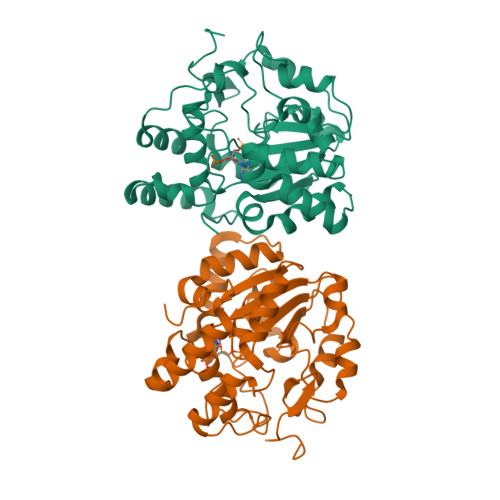
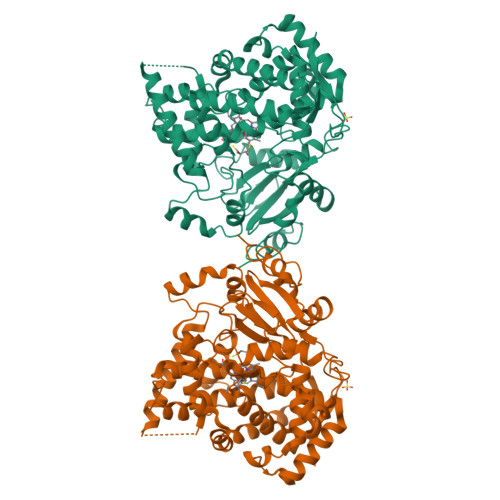
Cytochrome P450 3A4 structureClick to view 3D structureCytochrome P450 3A4P08684HumansKnownNot Available
Cytochrome P450 3A5 structureClick to view 3D structureCytochrome P450 3A5P20815HumansKnownNot Available
Click to view 3D structureCytochrome P450 7B1O75881HumansKnownNot Available
Sulfotransferase 1E1 structureClick to view 3D structureSulfotransferase 1E1P49888HumansKnownNot Available
Sulfotransferase 2A1 structureClick to view 3D structureSulfotransferase 2A1Q06520HumansKnownNot Available
Sulfotransferase 1B1 structureClick to view 3D structureSulfotransferase 1B1O43704HumansKnownNot Available
Cytochrome P450 3A7 structureClick to view 3D structureCytochrome P450 3A7P24462HumansKnownNot Available
Click to view 3D structureGlucose-6-phosphate 1-dehydrogenaseQ9GRG7Trypanosoma bruceiPredicted (SEA)
Prediction Confidence Score
0.755
Applicability Domain
1.0
Statistical Significance
1.00e-05
Supporting Reference Compounds
2
E-value
0.0778492
Sex hormone-binding globulin structureClick to view 3D structureSex hormone-binding globulinP04278HumansPredicted (SEA)
Prediction Confidence Score
0.656
Applicability Domain
1.0
Statistical Significance
3.00e-05
Supporting Reference Compounds
33
E-value
0.233548
Corticosteroid-binding globulin structureClick to view 3D structureCorticosteroid-binding globulinP08185HumansPredicted (SEA)
Prediction Confidence Score
0.656
Applicability Domain
1.0
Statistical Significance
2.00e-05
Supporting Reference Compounds
21
E-value
0.155698
NPC1-like intracellular cholesterol transporter 1 structureClick to view 3D structureNPC1-like intracellular cholesterol transporter 1Q9UHC9HumansPredicted (SEA)
Prediction Confidence Score
0.592
Applicability Domain
1.0
Statistical Significance
9.00e-05
Supporting Reference Compounds
13
E-value
0.700643
G-protein coupled bile acid receptor 1 structureClick to view 3D structureG-protein coupled bile acid receptor 1Q8TDU6HumansPredicted (SEA)
Prediction Confidence Score
0.574
Applicability Domain
1.0
Statistical Significance
2.20e-04
Supporting Reference Compounds
54
E-value
1.71268
Steroid 17-alpha-hydroxylase/17,20 lyase structureClick to view 3D structureSteroid 17-alpha-hydroxylase/17,20 lyaseP05093HumansPredicted (SEA)
Prediction Confidence Score
0.547
Applicability Domain
0.604
Statistical Significance
1.30e-04
Supporting Reference Compounds
69
E-value
1.01204
Click to view 3D structureSteroid 17-alpha-hydroxylase/17,20 lyaseP11715Rattus norvegicusPredicted (SEA)
Prediction Confidence Score
0.509
Applicability Domain
0.604
Statistical Significance
9.00e-05
Supporting Reference Compounds
23
E-value
0.700643
Oxysterol-binding protein 1 structureClick to view 3D structureOxysterol-binding protein 1P22059HumansPredicted (SEA)
Prediction Confidence Score
0.5
Applicability Domain
0.509
Statistical Significance
1.60e-04
Supporting Reference Compounds
9
E-value
1.24559
Click to view 3D structureOxysterol-binding protein 2Q969R2HumansPredicted (SEA)
Prediction Confidence Score
0.497
Applicability Domain
0.509
Statistical Significance
1.60e-04
Supporting Reference Compounds
7
E-value
1.24559
Oxysterols receptor LXR-alpha structureClick to view 3D structureOxysterols receptor LXR-alphaQ13133HumansPredicted (SEA)
Prediction Confidence Score
0.493
Applicability Domain
0.5
Statistical Significance
0.0015
Supporting Reference Compounds
76
E-value
11.7552
Steroid 21-hydroxylase structureClick to view 3D structureSteroid 21-hydroxylaseP08686HumansPredicted (SEA)
Prediction Confidence Score
0.491
Applicability Domain
0.592
Statistical Significance
2.30e-04
Supporting Reference Compounds
26
E-value
1.79053
Aromatase structureClick to view 3D structureAromataseP11511HumansPredicted (SEA)
Prediction Confidence Score
0.484
Applicability Domain
0.537
Statistical Significance
4.50e-04
Supporting Reference Compounds
127
E-value
3.50322
Androgen receptor structureClick to view 3D structureAndrogen receptorP15207Rattus norvegicusPredicted (SEA)
Prediction Confidence Score
0.477
Applicability Domain
0.644
Statistical Significance
6.30e-04
Supporting Reference Compounds
73
E-value
4.9045
Androgen receptor structureClick to view 3D structureAndrogen receptorP10275HumansPredicted (SEA)
Prediction Confidence Score
0.463
Applicability Domain
0.644
Statistical Significance
0.0012
Supporting Reference Compounds
146
E-value
9.26406
Nuclear receptor ROR-gamma structureClick to view 3D structureNuclear receptor ROR-gammaP51449HumansPredicted (SEA)
Prediction Confidence Score
0.461
Applicability Domain
0.509
Statistical Significance
0.0022
Supporting Reference Compounds
102
E-value
17.4382
Estrogen receptor structureClick to view 3D structureEstrogen receptorP03372HumansPredicted (SEA)
Prediction Confidence Score
0.445
Applicability Domain
0.644
Statistical Significance
0.0014
Supporting Reference Compounds
201
E-value
10.9767
Estrogen receptor beta structureClick to view 3D structureEstrogen receptor betaQ92731HumansPredicted (SEA)
Prediction Confidence Score
0.445
Applicability Domain
0.644
Statistical Significance
8.00e-04
Supporting Reference Compounds
174
E-value
6.22794
Glucose-6-phosphate 1-dehydrogenase structureClick to view 3D structureGlucose-6-phosphate 1-dehydrogenaseP11413HumansPredicted (SEA)
Prediction Confidence Score
0.406
Applicability Domain
1.0
Statistical Significance
1.00e-05
Supporting Reference Compounds
11
E-value
0.0778492
Glucocorticoid receptor structureClick to view 3D structureGlucocorticoid receptorP04150HumansPredicted (SEA)
Prediction Confidence Score
0.397
Applicability Domain
0.536
Statistical Significance
0.0021
Supporting Reference Compounds
154
E-value
16.6597
Click to view 3D structureOxysterols receptor LXR-betaQ62755Rattus norvegicusPredicted (SEA)
Prediction Confidence Score
0.385
Applicability Domain
0.492
Statistical Significance
1.20e-04
Supporting Reference Compounds
4
E-value
0.934191
Sigma non-opioid intracellular receptor 1 structureClick to view 3D structureSigma non-opioid intracellular receptor 1Q99720HumansPredicted (SEA)
Prediction Confidence Score
0.381
Applicability Domain
0.536
Statistical Significance
0.0162
Supporting Reference Compounds
562
E-value
125.96
Click to view 3D structureC-8 sterol isomerase ERG2P32352Baker's yeastPredicted (SEA)
Prediction Confidence Score
0.38
Applicability Domain
0.453
Statistical Significance
9.00e-05
Supporting Reference Compounds
20
E-value
0.700643
3-oxo-5-alpha-steroid 4-dehydrogenase 2 structureClick to view 3D structure3-oxo-5-alpha-steroid 4-dehydrogenase 2P31213HumansPredicted (SEA)
Prediction Confidence Score
0.378
Applicability Domain
0.604
Statistical Significance
4.50e-04
Supporting Reference Compounds
19
E-value
3.50322
Aldo-keto reductase family 1 member B10 structureClick to view 3D structureAldo-keto reductase family 1 member B10O60218HumansPredicted (SEA)
Prediction Confidence Score
0.377
Applicability Domain
0.51
Statistical Significance
0.0013
Supporting Reference Compounds
49
E-value
10.1204
Click to view 3D structureProgesterone receptorQ690N0Bos taurusPredicted (SEA)
Prediction Confidence Score
0.366
Applicability Domain
0.407
Statistical Significance
0.0011
Supporting Reference Compounds
40
E-value
8.32987
Click to view 3D structure17-beta-hydroxysteroid dehydrogenase type 3P37058HumansKnownNot Available
Caspase-3 structureClick to view 3D structureCaspase-3P42574HumansKnownNot Available
Caspase-9 structureClick to view 3D structureCaspase-9P55211HumansKnownNot Available
Aromatase structureClick to view 3D structureAromataseP11511HumansKnownNot Available
Click to view 3D structure3 beta-hydroxysteroid dehydrogenase/Delta 5-->4-isomerase type 1P14060HumansKnownNot Available
17-beta-hydroxysteroid dehydrogenase type 1 structureClick to view 3D structure17-beta-hydroxysteroid dehydrogenase type 1P14061HumansKnownNot Available
Estrogen receptor structureClick to view 3D structureEstrogen receptorP03372HumansKnownNot Available
Androgen receptor structureClick to view 3D structureAndrogen receptorP10275HumansKnownNot Available
Estrogen receptor beta structureClick to view 3D structureEstrogen receptor betaQ92731HumansKnownNot Available
Sulfotransferase 2A1 structureClick to view 3D structureSulfotransferase 2A1Q06520HumansKnownNot Available
17-beta-hydroxysteroid dehydrogenase type 1 structureClick to view 3D structure17-beta-hydroxysteroid dehydrogenase type 1P14061HumansKnownNot Available
Sulfotransferase 2B1 structureClick to view 3D structureSulfotransferase 2B1O00204HumansKnownNot Available
Glucose-6-phosphate 1-dehydrogenase structureClick to view 3D structureGlucose-6-phosphate 1-dehydrogenaseP11413HumansKnownNot Available
Peroxisome proliferator-activated receptor alpha structureClick to view 3D structurePeroxisome proliferator-activated receptor alphaQ07869HumansKnownNot Available
Nuclear receptor subfamily 1 group I member 2 structureClick to view 3D structureNuclear receptor subfamily 1 group I member 2O75469HumansKnownNot Available
Nuclear receptor subfamily 1 group I member 3 structureClick to view 3D structureNuclear receptor subfamily 1 group I member 3Q14994HumansKnownNot Available
Sex hormone-binding globulin structureClick to view 3D structureSex hormone-binding globulinP04278HumansKnownNot Available
Sigma non-opioid intracellular receptor 1 structureClick to view 3D structureSigma non-opioid intracellular receptor 1Q99720HumansKnownNot Available
Concentrations
Not Available
External Links
DrugBank IDDB01708
HMDB IDHMDB0000077
FooDB IDFDB021808
Phenol Explorer IDNot Available
KNApSAcK IDNot Available
BiGG ID37131
BioCyc ID3-BETA-HYDROXYANDROST-5-EN-17-ONE
METLIN ID5133
PDB IDNot Available
Wikipedia LinkDehydroepiandrosterone
Chemspider ID8036443
ChEBI ID28689
PubChem Compound ID5881
Kegg Compound IDC01227
YMDB IDNot Available
ECMDB IDNot Available
References
Synthesis Reference

Isao Sugimoto, Yoko Sawase, “Stable preparation of water-soluble salts of dehydroepiandrosterone sulfate for parenteral administration.” U.S. Patent US4061744, issued January, 1977.

MSDSLink
General References
  1. Leblanc M, Labrie C, Belanger A, Candas B, Labrie F: Bioavailability and pharmacokinetics of dehydroepiandrosterone in the cynomolgus monkey. J Clin Endocrinol Metab. 2003 Sep;88(9):4293-302. [PubMed: 12970301]
  2. Baker WL, Karan S, Kenny AM: Effect of dehydroepiandrosterone on muscle strength and physical function in older adults: a systematic review. J Am Geriatr Soc. 2011 Jun;59(6):997-1002. doi: 10.1111/j.1532-5415.2011.03410.x. Epub 2011 Jun 7. [PubMed: 21649617]
  3. Alkatib AA, Cosma M, Elamin MB, Erickson D, Swiglo BA, Erwin PJ, Montori VM: A systematic review and meta-analysis of randomized placebo-controlled trials of DHEA treatment effects on quality of life in women with adrenal insufficiency. J Clin Endocrinol Metab. 2009 Oct;94(10):3676-81. doi: 10.1210/jc.2009-0672. Epub 2009 Sep 22. [PubMed: 19773400]
  4. Arlt W: Dehydroepiandrosterone and ageing. Best Pract Res Clin Endocrinol Metab. 2004 Sep;18(3):363-80. [PubMed: 15261843]
  5. Wallace MB, Lim J, Cutler A, Bucci L: Effects of dehydroepiandrosterone vs androstenedione supplementation in men. Med Sci Sports Exerc. 1999 Dec;31(12):1788-92. [PubMed: 10613429]
  6. Grimley Evans J, Malouf R, Huppert F, van Niekerk JK: Dehydroepiandrosterone (DHEA) supplementation for cognitive function in healthy elderly people. Cochrane Database Syst Rev. 2006 Oct 18;(4):CD006221. [PubMed: 17054283]
  7. Fuller SJ, Tan RS, Martins RN: Androgens in the etiology of Alzheimer's disease in aging men and possible therapeutic interventions. J Alzheimers Dis. 2007 Sep;12(2):129-42. [PubMed: 17917157]
  8. Thijs L, Fagard R, Forette F, Nawrot T, Staessen JA: Are low dehydroepiandrosterone sulphate levels predictive for cardiovascular diseases? A review of prospective and retrospective studies. Acta Cardiol. 2003 Oct;58(5):403-10. [PubMed: 14609305]
  9. Barrett-Connor E, Khaw KT, Yen SS: A prospective study of dehydroepiandrosterone sulfate, mortality, and cardiovascular disease. N Engl J Med. 1986 Dec 11;315(24):1519-24. [PubMed: 2946952]
  10. Arnlov J, Pencina MJ, Amin S, Nam BH, Benjamin EJ, Murabito JM, Wang TJ, Knapp PE, D'Agostino RB Sr, Bhasin S, Vasan RS: Endogenous sex hormones and cardiovascular disease incidence in men. Ann Intern Med. 2006 Aug 1;145(3):176-84. [PubMed: 16880459]
  11. Crosbie D, Black C, McIntyre L, Royle PL, Thomas S: Dehydroepiandrosterone for systemic lupus erythematosus. Cochrane Database Syst Rev. 2007 Oct 17;(4):CD005114. [PubMed: 17943841]
  12. Mattison JA, Lane MA, Roth GS, Ingram DK: Calorie restriction in rhesus monkeys. Exp Gerontol. 2003 Jan-Feb;38(1-2):35-46. [PubMed: 12543259]
  13. Roberts E: The importance of being dehydroepiandrosterone sulfate (in the blood of primates): a longer and healthier life? Biochem Pharmacol. 1999 Feb 15;57(4):329-46. [PubMed: 9933021]
  14. Schwarz S, Pohl P: Steroid hormones and steroid hormone binding globulins in cerebrospinal fluid studied in individuals with intact and with disturbed blood-cerebrospinal fluid barrier. Neuroendocrinology. 1992 Feb;55(2):174-82. [PubMed: 1620285]
  15. Robinzon B, Michael KK, Ripp SL, Winters SJ, Prough RA: Glucocorticoids inhibit interconversion of 7-hydroxy and 7-oxo metabolites of dehydroepiandrosterone: a role for 11beta-hydroxysteroid dehydrogenases? Arch Biochem Biophys. 2003 Apr 15;412(2):251-8. [PubMed: 12667489]
  16. Rao MS, Subbarao V, Yeldandi AV, Reddy JK: Hepatocarcinogenicity of dehydroepiandrosterone in the rat. Cancer Res. 1992 May 15;52(10):2977-9. [PubMed: 1316232]
  17. Saruc M, Yuceyar H, Ayhan S, Turkel N, Tuzcuoglu I, Can M: The association of dehydroepiandrosterone, obesity, waist-hip ratio and insulin resistance with fatty liver in postmenopausal women--a hyperinsulinemic euglycemic insulin clamp study. Hepatogastroenterology. 2003 May-Jun;50(51):771-4. [PubMed: 12828082]
  18. Bamberg E, Aichinger A, Mitteregger G: In vitro metabolism of dehydroepiandrosterone and testosterone by canine hair follicle cells. Vet Dermatol. 2004 Feb;15(1):19-24. [PubMed: 14989701]
  19. Gordon GB, Bush TL, Helzlsouer KJ, Miller SR, Comstock GW: Relationship of serum levels of dehydroepiandrosterone and dehydroepiandrosterone sulfate to the risk of developing postmenopausal breast cancer. Cancer Res. 1990 Jul 1;50(13):3859-62. [PubMed: 2141293]
  20. Weill-Engerer S, David JP, Sazdovitch V, Liere P, Schumacher M, Delacourte A, Baulieu EE, Akwa Y: In vitro metabolism of dehydroepiandrosterone (DHEA) to 7alpha-hydroxy-DHEA and Delta5-androstene-3beta,17beta-diol in specific regions of the aging brain from Alzheimer's and non-demented patients. Brain Res. 2003 Apr 18;969(1-2):117-25. [PubMed: 12676372]
  21. Finlay EM, Morton MS, Gaskell SJ: Identification and quantification of dehydroepiandrosterone sulphate in saliva. Steroids. 1982 Jan;39(1):63-71. [PubMed: 6210977]
  22. Uzieblo-Zyczkowska B, Sidlo E, Stelmaszuk T: [Dehydroepiandrosterone (DHEA)--slows down the aging process?]. Pol Merkur Lekarski. 2005 Dec;19(114):831-4. [PubMed: 16521435]
  23. Prost O, Nicollier M, Laurent R, Adessi GL: Estrone- and dehydroepiandrosterone-sulfatase activities in human female epidermis. Arch Dermatol Res. 1985;277(3):195-200. [PubMed: 3160310]
  24. Friess E, Schiffelholz T, Steckler T, Steiger A: Dehydroepiandrosterone--a neurosteroid. Eur J Clin Invest. 2000 Dec;30 Suppl 3:46-50. [PubMed: 11281367]
  25. Hakkinen A, Pakarinen A, Hannonen P, Kautiainen H, Nyman K, Kraemer WJ, Hakkinen K: Effects of prolonged combined strength and endurance training on physical fitness, body composition and serum hormones in women with rheumatoid arthritis and in healthy controls. Clin Exp Rheumatol. 2005 Jul-Aug;23(4):505-12. [PubMed: 16095120]
  26. Shackleton C, Malunowicz E: Apparent pregnene hydroxylation deficiency (APHD): seeking the parentage of an orphan metabolome. Steroids. 2003 Oct;68(9):707-17. [PubMed: 14625002]
  27. Kim SB, Hill M, Kwak YT, Hampl R, Jo DH, Morfin R: Neurosteroids: Cerebrospinal fluid levels for Alzheimer's disease and vascular dementia diagnostics. J Clin Endocrinol Metab. 2003 Nov;88(11):5199-206. [PubMed: 14602750]
  28. Chalbot S, Morfin R: Human liver S9 fractions: metabolism of dehydroepiandrosterone, epiandrosterone, and related 7-hydroxylated derivatives. Drug Metab Dispos. 2005 Apr;33(4):563-9. Epub 2005 Jan 13. [PubMed: 15650074]
  29. Miller KK, Cai J, Ripp SL, Pierce WM Jr, Rushmore TH, Prough RA: Stereo- and regioselectivity account for the diversity of dehydroepiandrosterone (DHEA) metabolites produced by liver microsomal cytochromes P450. Drug Metab Dispos. 2004 Mar;32(3):305-13. [PubMed: 14977864]
  30. Martina V, Benso A, Gigliardi VR, Masha A, Origlia C, Granata R, Ghigo E: Short-term dehydroepiandrosterone treatment increases platelet cGMP production in elderly male subjects. Clin Endocrinol (Oxf). 2006 Mar;64(3):260-4. [PubMed: 16487434]
  31. The NIH National Library of Medicine - http://www.nlm.nih.gov/medlineplus/druginfo/natural/patient-dhea.html
  32. Casson PR, et al. Dehydroepiandrosterone supplementation augments ovarian stimulation in poor responders: a case series. Hum Reprod, 2000;15:2129-2132.
  33. Chang DM, Lan JL, Lin HY, Luo SF. Dehydroepiandrosterone treatment of women with mild-to-moderate systemic lupus erythematosus: a multicenter randomized, double-blind, placebo-controlled trial. Arthritis Rheum. 2002 Nov;46(11):2924-7.