Some data may have been extracted from scientific literature using a pipeline that uses large language models (LLMs). Source articles are cited where applicable to help verify the extracted relationships.
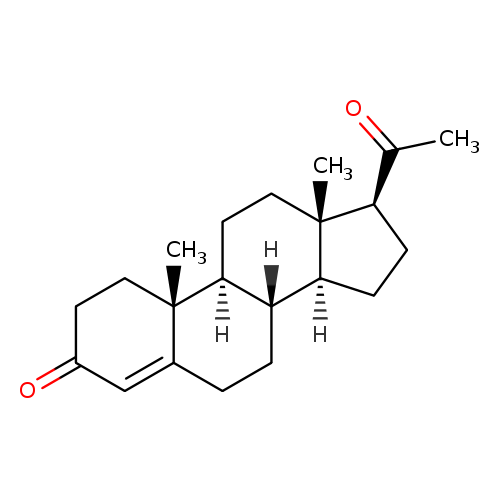
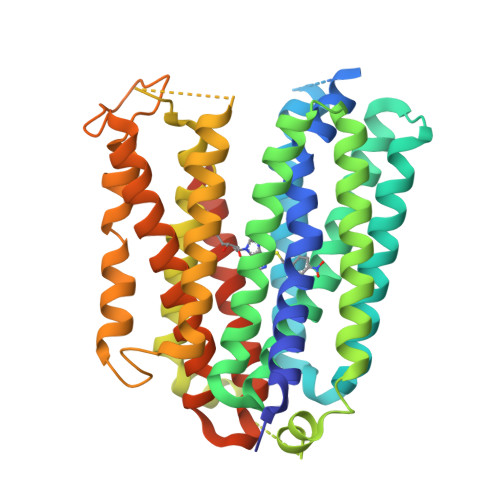
Progesterone belongs to the pregnane steroids, a subclass of steroids and steroid derivatives within the organic compounds. This endogenous steroid hormone (PMC12782534 ) has the chemical formula C21H30O2 and an average molecular weight of 314.46 g/mol. At room temperature, it exists as a solid. It is categorized as a lipid and lipid-like molecule. Progesterone functions as a progestin, progesterone receptor agonist, human metabolite, and antioxidant (PMC6968520 ), and it acts as an anti-inflammatory agent (PMC12105142 ) and drug (PMC6388372 ). Industrially, it is used as a softener and conditioner and is found in plastics such as polyamide, high-density polyethylene, and low-density polyethylene.
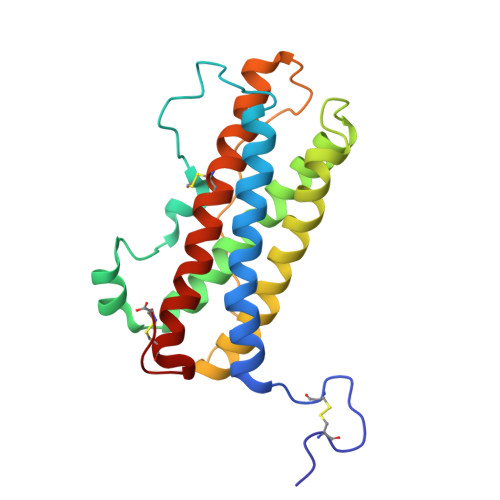
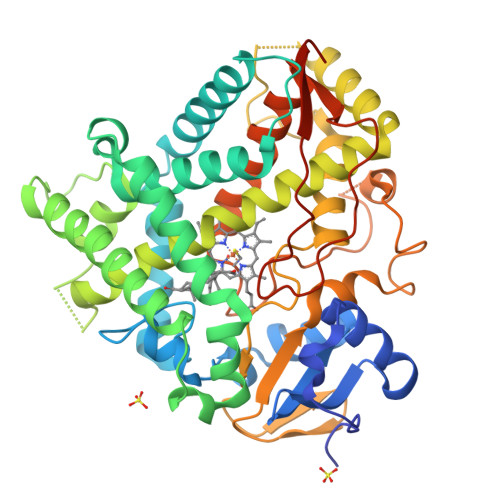
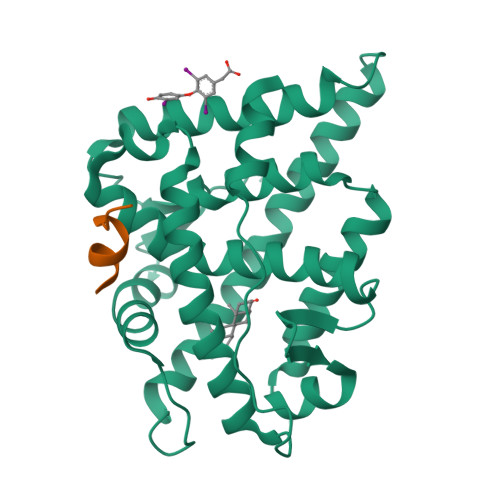
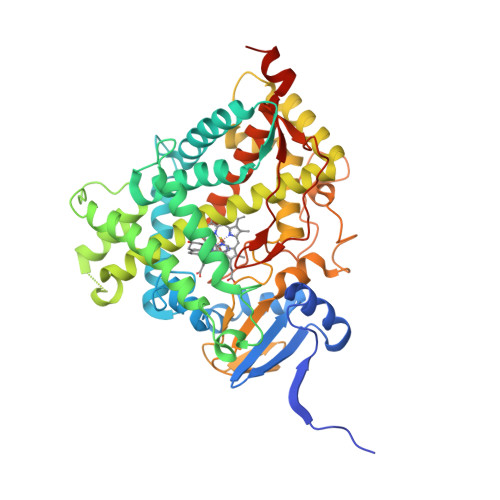
The compound is detected in various tissues, including the placenta, gonads, testes, prostate, adipose tissue, fibroblasts, neurons, and platelets. It interacts with 29 protein targets, including the progesterone receptor (PGR), estrogen receptor (ESR1), mineralocorticoid receptor (NR3C2), and steroid 17-alpha-hydroxylase/17,20 lyase (CYP17A1). Exposure routes include oral, vaginal, topical, transdermal, subcutaneous, and intramuscular administration. It has been recorded in sources such as drinking water, food preservation, perfumes within detergents and soaps, and healthcare products including progestogens.
Health effects associated with progesterone include increased anxiety (PMC12562881 ), increased depression (PMC12562881 ), increased asthma (PMC9025817 ), infertility (PMC3215335 ), and breast cancer (PMC8909997 ). It is associated with decreased blood pressure (PMC11625001 ) and is decreased in the blood of individuals with obesity (PMC11282738 ). While linked to endometriosis (PMC8774370 ) and increased endometriosis (PMC10046867 ), it is also used as a treatment for endometriosis (PMC3215335 ) and may be decreased in the condition (PMC10046867 ). Therapeutic effects are noted for osteoporosis (PMC12897635 ), inflammation (PMC7978485 ), ischemic stroke (PMC12486939 ), and traumatic brain injury (PMC12486939 ).
Belongs to the class of organic compounds known as gluco/mineralocorticoids, progestogins and derivatives. These are steroids with a structure based on a hydroxylated prostane moiety.
mutagen (PMC1567513 )?A chemical substance that alters the genetic material of an organism, and increases the frequency of mutations above the naturally-occuring rate
carcinogenic agent (PMC1567513 )?A role played by a chemical compound which is known to induce a process of carcinogenesis by corrupting normal cellular pathways, leading to the acquistion of tumoral capabilities.
hormone (PMC9712655 , PMC10528052 )?A chemical produced in animals or plant that regulate the activity of certain organs or control processes in other parts of the plant.
Progesterone shares the pharmacological actions of the progestins. Progesterone binds to the progesterone and estrogen receptors. Target cells include the female reproductive tract, the mammary gland, the hypothalamus, and the pituitary. Once bound to the receptor, progestins like Progesterone will slow the frequency of release of gonadotropin releasing hormone (GnRH) from the hypothalamus and blunt the pre-ovulatory LH (luteinizing hormone) surge. In women who have adequate endogenous estrogen, progesterone transforms a proliferative endometrium into a secretory one. Progesterone is essential for the development of decidual tissue and is necessary to increase endometrial receptivity for implantation of an embryo. Once an embryo has been implanted, progesterone acts to maintain the pregnancy. Progesterone also stimulates the growth of mammary alveolar tissue and relaxes uterine smooth muscle. It has little estrogenic and androgenic activity.
Cancer is a group of diseases involving abnormal cell growth with the potential to invade or spread to other parts of the body. Possible signs and symptoms include a lump, abnormal bleeding, prolonged cough, unexplained weight loss, and a change in bowel movements. There are over 100 types of cancers affect humans. The risk of developing certain cancers can be reduced by not smoking, maintaining a healthy weight, not drinking too much alcohol, eating plenty of vegetables, fruits and whole grains, vaccination against certain infectious diseases, not eating too much processed and red meat and avoiding too much sunlight exposure. Cancer is often treated with some combination of radiation therapy, surgery, chemotherapy and targeted therapy. The majority of cancers, some 90–95% of cases, are due to genetic mutations from environmental and lifestyle factors. The remaining 5–10% are due to inherited genetics.
Cancer is a group of diseases involving abnormal cell growth with the potential to invade or spread to other parts of the body. Possible signs and symptoms include a lump, abnormal bleeding, prolonged cough, unexplained weight loss, and a change in bowel movements. There are over 100 types of cancers affect humans. The risk of developing certain cancers can be reduced by not smoking, maintaining a healthy weight, not drinking too much alcohol, eating plenty of vegetables, fruits and whole grains, vaccination against certain infectious diseases, not eating too much processed and red meat and avoiding too much sunlight exposure. Cancer is often treated with some combination of radiation therapy, surgery, chemotherapy and targeted therapy. The majority of cancers, some 90–95% of cases, are due to genetic mutations from environmental and lifestyle factors. The remaining 5–10% are due to inherited genetics.
A disorder characterized by reduced bone mass, with a decrease in cortical thickness and in the number and size of the trabeculae of cancellous bone (but normal chemical composition), resulting in increased fracture incidence. (NCI CTCAE)
A disorder characterized by a state of generalized weakness with a pronounced inability to summon sufficient energy to accomplish daily activities. (NCI CTCAE)
A bronchial disease that is characterized by chronic inflammation and narrowing of the airways, which is caused by a combination of environmental and genetic factors. The disease has symptom recurring periods of wheezing (a whistling sound while breathing), has symptom chest tightness, has symptom shortness of breath, has symptom mucus production and has symptom coughing. The symptoms appear due to a variety of triggers such as allergens, irritants, respiratory infections, weather changes, exercise, stress, reflux disease, medications, foods and emotional anxiety. (DO)
A disorder characterized by a sensation of marked discomfort in various parts of the head, not confined to the area of distribution of any nerve. (NCI CTCAE)
A disorder characterized by a sensation of marked discomfort in various parts of the head, not confined to the area of distribution of any nerve. (NCI CTCAE)
A disorder characterized by apprehension of danger and dread accompanied by restlessness, tension, tachycardia, and dyspnea unattached to a clearly identifiable stimulus. (NCI CTCAE)
Endometriosis is a condition that affects women in which cells similar to those in the endometrium, the layer of tissue that normally covers the inside of the uterus, grow outside the uterus (mainly in the ovaries and fallopian tubes). The main symptoms are pelvic pain and infertility, although 20-25% of women are asymptomatic. Pain during sexual intercourse is also common. Other symptoms include diarrhea or constipation, chronic fatigue, nausea and vomiting, headaches, low-grade fevers, heavy and/or irregular periods, and hypoglycemia. Endometriosis is a common condition. About 6–10% of women are affected. Endometriosis is most common in those in their thirties and forties; however, it can begin in girls as early as eight years old.
Endometriosis is a condition that affects women in which cells similar to those in the endometrium, the layer of tissue that normally covers the inside of the uterus, grow outside the uterus (mainly in the ovaries and fallopian tubes). The main symptoms are pelvic pain and infertility, although 20-25% of women are asymptomatic. Pain during sexual intercourse is also common. Other symptoms include diarrhea or constipation, chronic fatigue, nausea and vomiting, headaches, low-grade fevers, heavy and/or irregular periods, and hypoglycemia. Endometriosis is a common condition. About 6–10% of women are affected. Endometriosis is most common in those in their thirties and forties; however, it can begin in girls as early as eight years old.
Endometriosis is a condition that affects women in which cells similar to those in the endometrium, the layer of tissue that normally covers the inside of the uterus, grow outside the uterus (mainly in the ovaries and fallopian tubes). The main symptoms are pelvic pain and infertility, although 20-25% of women are asymptomatic. Pain during sexual intercourse is also common. Other symptoms include diarrhea or constipation, chronic fatigue, nausea and vomiting, headaches, low-grade fevers, heavy and/or irregular periods, and hypoglycemia. Endometriosis is a common condition. About 6–10% of women are affected. Endometriosis is most common in those in their thirties and forties; however, it can begin in girls as early as eight years old.
Endometriosis is a condition that affects women in which cells similar to those in the endometrium, the layer of tissue that normally covers the inside of the uterus, grow outside the uterus (mainly in the ovaries and fallopian tubes). The main symptoms are pelvic pain and infertility, although 20-25% of women are asymptomatic. Pain during sexual intercourse is also common. Other symptoms include diarrhea or constipation, chronic fatigue, nausea and vomiting, headaches, low-grade fevers, heavy and/or irregular periods, and hypoglycemia. Endometriosis is a common condition. About 6–10% of women are affected. Endometriosis is most common in those in their thirties and forties; however, it can begin in girls as early as eight years old.
A disorder characterized by a decrease or absence of blood supply to the brain caused by obstruction (thrombosis or embolism) of an artery resulting in neurological damage. (NCI CTCAE)
A brain disease that is characterized by moderate to severe headaches, nausea, extreme sensitivity to light and sound and intense unilaterial throbbing or pulsing. (DO)
Retinitis pigmentosa (RP) is a genetic disorder of the eyes that causes loss of vision. Symptoms include trouble seeing at night and decreased peripheral vision (side vision). As peripheral vision worsens, people may experience "tunnel vision". Complete blindness is uncommon. Onset of symptoms is generally gradual and often in childhood. Retinitis pigmentosa is generally inherited from a person's parents. It is one of the most common forms of inherited retinal degeneration. There are multiple genes that, when mutated, can cause the retinitis pigmentosa phenotype. Inheritance patterns of RP have been identified as autosomal dominant, autosomal recessive, X-linked, and maternally (mitochondrially) acquired, and are dependent on the specific RP gene mutations present in the parental generation. Up to 150 mutations have been reported to date in the opsin gene associated with the RP. Autosomal recessive inheritance patterns of RP have been identified in at least 45 genes. Mutations in four pre-mRNA splicing factors are known to cause autosomal dominant retinitis pigmentosa. These are PRPF3 (human PRPF3 is HPRPF3; also PRP3), PRPF8, PRPF31 and PAP1. The underlying mechanism involves the progressive loss of rod photoreceptor cells in the back of the eye. Retinitis pigmentosa is the leading cause of inherited blindness, with approximately 1/4,000 individuals experiencing the non-syndromic form (without other clinical findings) of their disease within their lifetime. It is estimated that 1.5 million people worldwide are currently affected. (Wikipedia)
Soil?Soil serves as a critical medium for plant growth and sustains various ecological functions; however, it can become a reservoir for synthetic chemical contamination.
Drinking water?Drinking water can be a medium for synthetic chemical contamination, often originating from various industrial processes and agricultural practices.
Progestogens and estrogens in combination?Progestogens and estrogens are synthetic hormones commonly used in various therapeutic applications, including hormonal contraception, hormone replacement therapy, and veterinary medicine.
Ladders?Ladders, commonly used in various construction and maintenance activities, can become a source of synthetic chemical contamination due to the materials and coatings applied during their manufacture and use.
Amplifiers?Amplifiers, commonly used in various electronic devices to enhance signal strength, can be a source of synthetic chemical contamination due to the materials and processes involved in their production and disposal.
Conductors Or Conductive Bodies Characterised By The Conductive Materials?Conductors, or conductive bodies, are materials that allow the flow of electrical current, typically made from metals such as copper, aluminum, or silver.
Electrically Stimulated Smoking Devices?Electrically stimulated smoking devices, commonly known as e-cigarettes or vape pens, utilize electrical components to heat a liquid solution, often containing nicotine, flavorings, and other additives, to produce an aerosol for inhalation.
Electrodes?Electrodes, used in various electrical and electronic applications, can be a source of synthetic chemical contamination due to the materials from which they are constructed and the processes involved in their manufacturing.
Line Transmission Systems?Line Transmission Systems, commonly used for the distribution of electrical energy, can be a source of synthetic chemical contamination through the insulation materials and coatings utilized in their construction.
Television Systems?Television systems can be a source of synthetic chemical contamination due to the various materials and components used in their manufacture and operation.
Food Preservation?Food preservation often involves the use of synthetic chemicals, such as preservatives, flavor enhancers, and color additives, to extend shelf life and enhance the sensory qualities of food products.
Perfumes Within Detergents And Soaps?Perfumes within detergents and soaps are synthetic fragrance compounds added to enhance the sensory experience of cleaning products.
Making Cigars?The process of making cigars involves several steps, including the cultivation of tobacco, fermentation, and the application of various additives to enhance flavor and preservation.
Manufacture Preparation Of Tobacco Products?The manufacture and preparation of tobacco products involve various processes that can result in the introduction of synthetic chemicals into the environment.
Aftersun Products?Aftersun products are designed to soothe and hydrate the skin after sun exposure, often containing various synthetic chemicals such as emollients, preservatives, and fragrances.
Anti Perspirants Or Body Deoderants?Antiperspirants and body deodorants commonly contain synthetic chemicals such as aluminum compounds, parabens, and synthetic fragrances.
Depilatories?Depilatories are products designed to remove unwanted hair through the application of synthetic chemicals that break down the protein structure of hair, facilitating its removal.
Eye Makeup Products?Eye makeup products, including mascaras, eyeliners, and eyeshadows, often contain a variety of synthetic chemicals such as pigments, preservatives, and film-forming agents.
Lip Care Products?Lip care products, including lipsticks, balms, and glosses, often contain a variety of synthetic chemicals such as parabens, phthalates, and synthetic fragrances.
Lip Makeup Products?Lip makeup products, such as lipsticks, lip glosses, and lip liners, often contain a variety of synthetic chemicals, including pigments, preservatives, and emollients.
Nitrogenous Fertilisers?Nitrogenous fertilizers are synthetic chemical compounds primarily used to enhance plant growth by supplying essential nitrogen, a crucial nutrient for photosynthesis and protein synthesis.
Glass Coatings?Glass coatings are synthetic chemical formulations applied to glass surfaces to enhance properties such as durability, UV resistance, and aesthetic appeal.
Nanotechnology?Nanotechnology involves the manipulation of materials at the molecular or atomic level, typically within the range of 1 to 100 nanometers.
Water, Wastewater, & Sewage Treatment?Water, wastewater, and sewage treatment processes are critical for managing and mitigating pollutants in water systems.
Nejib M. Nasraoui, Alain Piasco, “Derivatives of 19-nor progesterone; process for producing them and the pharmaceutical compositions incorporating them.” U.S. Patent US5223492, issued May, 1971.
Allen WM: THE ISOLATION OF CRYSTALLINE PROGESTIN. Science. 1935 Aug 2;82(2118):89-93. [PubMed: 17747122]
Allen WM: Progesterone: how did the name originate? South Med J. 1970 Oct;63(10):1151-5. [PubMed: 4922128]
Schumacher M, Guennoun R, Robert F, Carelli C, Gago N, Ghoumari A, Gonzalez Deniselle MC, Gonzalez SL, Ibanez C, Labombarda F, Coirini H, Baulieu EE, De Nicola AF: Local synthesis and dual actions of progesterone in the nervous system: neuroprotection and myelination. Growth Horm IGF Res. 2004 Jun;14 Suppl A:S18-33. [PubMed: 15135772]
Schwarz S, Pohl P: Steroid hormones and steroid hormone binding globulins in cerebrospinal fluid studied in individuals with intact and with disturbed blood-cerebrospinal fluid barrier. Neuroendocrinology. 1992 Feb;55(2):174-82. [PubMed: 1620285]
Afsar NA, Barakzai Q, Adil SN: Effect of a 'progestin only' contraceptive on platelet aggregation in a Pakistani set of population. J Ayub Med Coll Abbottabad. 2005 Jul-Sep;17(3):21-5. [PubMed: 16320790]
Moguilewsky M, Tournemine C: The antiandrogen anandron potentiates the castrating effect of the LH-RH agonist buserelin in the rat. Am J Clin Oncol. 1988;11 Suppl 2:S148-51. [PubMed: 3149454]
Wang C, Swerdloff RS: Male hormonal contraception. Am J Obstet Gynecol. 2004 Apr;190(4 Suppl):S60-8. [PubMed: 15105800]
Landi N, Manfredini D, Lombardi I, Casarosa E, Bosco M: 17-beta-estradiol and progesterone serum levels in temporomandibular disorder patients. Minerva Stomatol. 2004 Nov-Dec;53(11-12):651-60. [PubMed: 15894940]
Classen-Linke I, Alfer J, Krusche CA, Chwalisz K, Rath W, Beier HM: Progestins, progesterone receptor modulators, and progesterone antagonists change VEGF release of endometrial cells in culture. Steroids. 2000 Oct-Nov;65(10-11):763-71. [PubMed: 11108887]
Callaghan MJ, Russell AJ, Woollatt E, Sutherland GR, Sutherland RL, Watts CK: Identification of a human HECT family protein with homology to the Drosophila tumor suppressor gene hyperplastic discs. Oncogene. 1998 Dec 31;17(26):3479-91. [PubMed: 10030672]
Casey ML, MacDonald PC, Andersson S: 17 beta-Hydroxysteroid dehydrogenase type 2: chromosomal assignment and progestin regulation of gene expression in human endometrium. J Clin Invest. 1994 Nov;94(5):2135-41. [PubMed: 7962560]
Lueprasitsakul P, Longcope C: Aromatase activity of human adipose tissue stromal cells: effects of thyroid hormones and progestogens. Proc Soc Exp Biol Med. 1990 Sep;194(4):337-41. [PubMed: 2167478]
Kaaks R, Berrino F, Key T, Rinaldi S, Dossus L, Biessy C, Secreto G, Amiano P, Bingham S, Boeing H, Bueno de Mesquita HB, Chang-Claude J, Clavel-Chapelon F, Fournier A, van Gils CH, Gonzalez CA, Gurrea AB, Critselis E, Khaw KT, Krogh V, Lahmann PH, Nagel G, Olsen A, Onland-Moret NC, Overvad K, Palli D, Panico S, Peeters P, Quiros JR, Roddam A, Thiebaut A, Tjonneland A, Chirlaque MD, Trichopoulou A, Trichopoulos D, Tumino R, Vineis P, Norat T, Ferrari P, Slimani N, Riboli E: Serum sex steroids in premenopausal women and breast cancer risk within the European Prospective Investigation into Cancer and Nutrition (EPIC). J Natl Cancer Inst. 2005 May 18;97(10):755-65. [PubMed: 15900045]
Magee JA, Chang LW, Stormo GD, Milbrandt J: Direct, androgen receptor-mediated regulation of the FKBP5 gene via a distal enhancer element. Endocrinology. 2006 Jan;147(1):590-8. Epub 2005 Oct 6. [PubMed: 16210365]
Pierson-Mullany LK, Lange CA: Phosphorylation of progesterone receptor serine 400 mediates ligand-independent transcriptional activity in response to activation of cyclin-dependent protein kinase 2. Mol Cell Biol. 2004 Dec;24(24):10542-57. [PubMed: 15572662]
Baum LW: Sex, hormones, and Alzheimer's disease. J Gerontol A Biol Sci Med Sci. 2005 Jun;60(6):736-43. [PubMed: 15983176]
Seibert B, Gunzel P: Animal toxicity studies performed for risk assessment of the once-a-month injectable contraceptive Mesigyna. Contraception. 1994 Apr;49(4):303-33. [PubMed: 8013217]
Payer AF, Meyer WJ 3rd, Walker PA: The ultrastructural response of human Leydig cells to exogenous estrogens. Andrologia. 1979;11(6):423-36. [PubMed: 532984]
International Agency for Research on Cancer (2014). IARC Monographs on the Evaluation of Carcinogenic Risks to Humans. - http://monographs.iarc.fr/index.php