Some data may have been extracted from scientific literature using a pipeline that uses large language models (LLMs). Source articles are cited where applicable to help verify the extracted relationships.
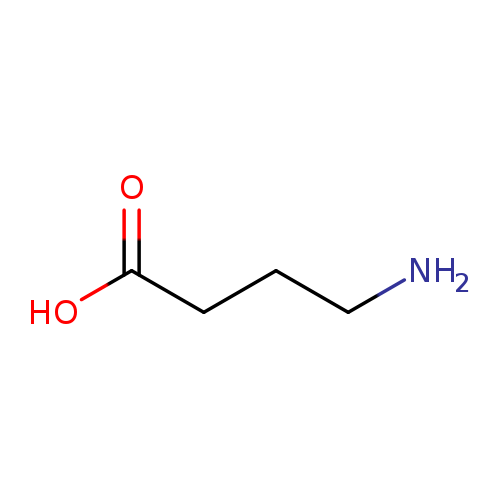
Gamma-Aminobutyric acid (C4H9NO2) is an endogenous organic compound with an average molecular weight of 103.12 g/mol. It exists as a solid at room temperature. Gamma-Aminobutyric acid belongs to the amino acids, peptides, and analogues, a subclass of carboxylic acids and derivatives within the organic compounds.
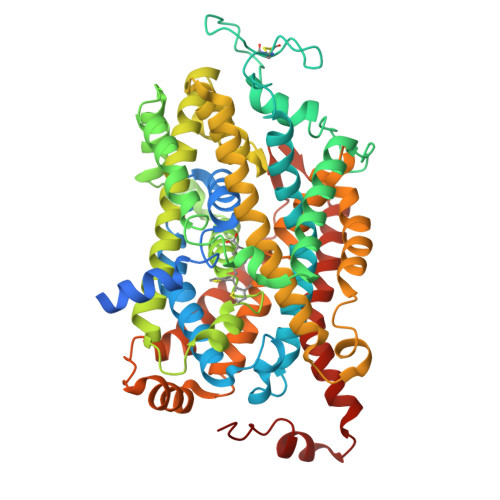
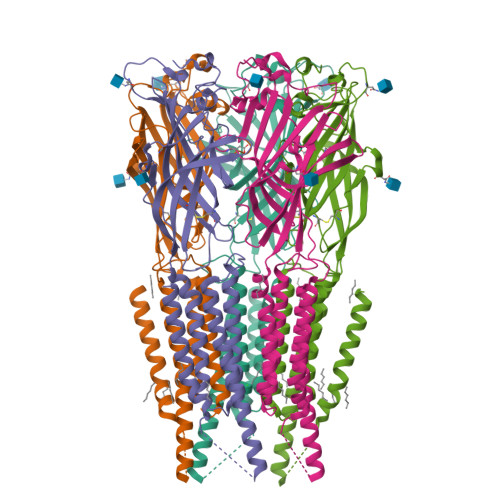
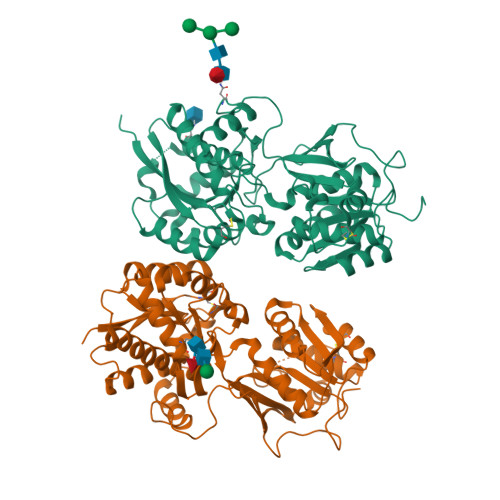
Biologically, this compound serves as a human metabolite, a signalling molecule, a neurotransmitter (PMC3962153 ), and an antioxidant (PMC13072972 ). It is detected in various tissues, including the brain, neuron, nerve cells, hippocampus, adrenal cortex, epidermis, fibroblasts, kidney, muscle, spleen, and testes. It interacts with 16 recorded protein targets, including the Gamma-aminobutyric acid type B receptor subunit 2 (GABBR2), the Sodium- and chloride-dependent GABA transporter 1 (SLC6A1), the Sodium- and chloride-dependent betaine transporter (SLC6A12), and the mitochondrial glycine amidinotransferase (GATM) binder/inhibitor. In terms of health effects, the compound is associated with pain (PMC11369511 ) and obesity (PMC11786877 ), while exhibiting diuretic (PMC9699244 ) and analgesic (PMC9699244 ) properties. It has been noted for therapeutic effects on hypertension (PMC6175881 ) and depression (PMC11766319 ).
Industrially, Gamma-Aminobutyric acid is used as a food additive (PMC11766319 ), a flavouring and nutrient, and as a softener and conditioner. It is found in 29 recorded sources, including household cleaning and consumer products such as soap detergents, bleaching agents, perfumes within detergents and soaps, and tobacco product cases. It is also detected in food, food processing and cookware, including the preparation of vinegar, wine or sparkling wine, malt, and fermentation processes for beer. Additionally, it is recorded in electrical and electronic equipment, including amplifiers, antennas, discharge lamps, and electric hearing aids.
Belongs to the class of organic compounds known as gamma amino acids and derivatives. These are amino acids having a (-NH2) group attached to the gamma carbon atom.
hormone (PMC13445272 )?A chemical produced in animals or plant that regulate the activity of certain organs or control processes in other parts of the plant.
osmolyte (PMC11166142 , PMC13455340 )?A chemical that affects osmosis. Osmolytes are soluble in the cell or in the fluid between cells, and are utilized by cells during water stress to maintain the cell volume
A disorder characterized by a pathological increase in blood pressure; a repeatedly elevation in the blood pressure exceeding 140 over 90 mm Hg. (NCI CTCAE)
A glucose metabolism disease characterized by chronic hyperglycaemia with disturbances of carbohydrate, fat and protein metabolism resulting from defects in insulin secretion, insulin action, or both. (DO)
A glucose metabolism disease characterized by chronic hyperglycaemia with disturbances of carbohydrate, fat and protein metabolism resulting from defects in insulin secretion, insulin action, or both. (DO)
A brain disease that is characterized by the occurrance of at least two unprovoked seizures resulting from a persistent epileptogenic abnormality of the brain that is able to spontaneously generate paroxysmal activity and typically manifested by sudden brief episodes of altered or diminished consciousness, involuntary movements, or convulsions. (DO)
A brain disease that is characterized by the occurrance of at least two unprovoked seizures resulting from a persistent epileptogenic abnormality of the brain that is able to spontaneously generate paroxysmal activity and typically manifested by sudden brief episodes of altered or diminished consciousness, involuntary movements, or convulsions. (DO)
A pervasive developmental disorder that is a spectrum of psychological conditions. The disease has_symptom widespread abnormalities of social interactions and communication, has_symptom severely restricted interests and has symptom highly repetitive behavior.
An endogenous depression that is characterized by an all-encompassing low mood accompanied by low self-esteem, and by loss of interest or pleasure in normally enjoyable activities. (DO)
An anxiety disorder that is characterized by unexpected and repeated episodes of intense fear accompanied by physical symptoms that may include chest pain, heart palpitations, shortness of breath, dizziness, or abdominal distress. (DO)
Brushes?Brushes used in personal care and cosmetics can be a source of synthetic chemical contamination due to the materials and coatings used in their manufacturing.
Amplifiers?Amplifiers, commonly used in various electronic devices to enhance signal strength, can be a source of synthetic chemical contamination due to the materials and processes involved in their production and disposal.
Antennas?Antennas, commonly used in communication technologies, can be a source of synthetic chemical contamination through the materials and coatings used in their construction.
Conductors Or Conductive Bodies Characterised By The Conductive Materials?Conductors, or conductive bodies, are materials that allow the flow of electrical current, typically made from metals such as copper, aluminum, or silver.
Discharge Lamps?Discharge lamps, including fluorescent and high-intensity discharge (HID) lamps, are commonly used for lighting applications due to their energy efficiency and brightness.
Electrically Stimulated Smoking Devices?Electrically stimulated smoking devices, commonly known as e-cigarettes or vape pens, utilize electrical components to heat a liquid solution, often containing nicotine, flavorings, and other additives, to produce an aerosol for inhalation.
Electrodes?Electrodes, used in various electrical and electronic applications, can be a source of synthetic chemical contamination due to the materials from which they are constructed and the processes involved in their manufacturing.
Fixed Capacitors And Their Manufacture?Fixed capacitors are passive electronic components used to store and release electrical energy, playing a critical role in various circuits.
Hybrid Capacitors?Hybrid capacitors are energy storage devices that combine the properties of electrolytic and supercapacitors, utilizing a combination of electrochemical principles to achieve higher energy density and power density.
Line Transmission Systems?Line Transmission Systems, commonly used for the distribution of electrical energy, can be a source of synthetic chemical contamination through the insulation materials and coatings utilized in their construction.
Still Video Cameras?Still video cameras, which capture images in digital format, can be a source of synthetic chemical contamination due to the materials and components used in their production and operation.
Television Systems?Television systems can be a source of synthetic chemical contamination due to the various materials and components used in their manufacture and operation.
Food Preservation?Food preservation often involves the use of synthetic chemicals, such as preservatives, flavor enhancers, and color additives, to extend shelf life and enhance the sensory qualities of food products.
Preparation Of Malt?Malt preparation involves the germination and drying of cereal grains, primarily barley, to produce malt for brewing and food products.
Preparation Of Vinegar?Vinegar is produced through the fermentation of ethanol by acetic acid bacteria, resulting in a solution that typically contains 4-8% acetic acid.
Preparation Of Wine Or Sparkling Wine?The preparation of wine or sparkling wine involves various stages, including fermentation, aging, and bottling, which can introduce potential sources of synthetic chemical contamination.
Treatment Of Hops?Hops, a key ingredient in brewing and food flavoring, can be a source of synthetic chemical contamination due to various agricultural practices.
Bleaching Agents?Bleaching agents are chemical substances used to whiten or lighten materials, often employed in various cleaning products for their stain removal and disinfecting properties.
Perfumes Within Detergents And Soaps?Perfumes within detergents and soaps are synthetic fragrance compounds added to enhance the sensory experience of cleaning products.
Soap Detergents?Soap detergents are synthetic surfactants designed to enhance the cleaning efficacy of water by reducing surface tension, allowing for better interaction with dirt and grease.
Tobacco Product Cases?Tobacco product cases can serve as a source of synthetic chemical contamination due to the presence of various additives and chemicals used in tobacco processing and product manufacturing.
Tobacco Smoke Filters?Tobacco smoke filters are designed to reduce the inhalation of harmful substances in cigarette smoke, including tar and other particulate matter.
Making Cigars?The process of making cigars involves several steps, including the cultivation of tobacco, fermentation, and the application of various additives to enhance flavor and preservation.
Manufacture Preparation Of Tobacco Products?The manufacture and preparation of tobacco products involve various processes that can result in the introduction of synthetic chemicals into the environment.
Nematocides?Nematocides are synthetic chemicals specifically designed to control nematodes, which are microscopic roundworms that can cause significant damage to crops and plants.
Rodenticides(1)?Rodenticides are synthetic chemicals specifically formulated to control rodent populations, serving as a crucial tool in managing pests that can damage crops and spread diseases.
Rodenticides?Rodenticides are chemical substances specifically designed to control rodent populations by causing death through various mechanisms, including anticoagulation or neurotoxicity.
Aftersun Products?Aftersun products are designed to soothe and hydrate the skin after sun exposure, often containing various synthetic chemicals such as emollients, preservatives, and fragrances.
Anti Perspirants Or Body Deoderants?Antiperspirants and body deodorants commonly contain synthetic chemicals such as aluminum compounds, parabens, and synthetic fragrances.
Depilatories?Depilatories are products designed to remove unwanted hair through the application of synthetic chemicals that break down the protein structure of hair, facilitating its removal.
Essential Oils Or Perfumes?Essential oils and perfumes are complex mixtures of volatile compounds derived from natural or synthetic sources, commonly used for their aromatic properties.
Eye Makeup Products?Eye makeup products, including mascaras, eyeliners, and eyeshadows, often contain a variety of synthetic chemicals such as pigments, preservatives, and film-forming agents.
Face Mask Cosmetics?Face mask cosmetics often contain a variety of synthetic chemicals, including preservatives, emulsifiers, and fragrances, which can contribute to chemical contamination.
Lip Care Products?Lip care products, including lipsticks, balms, and glosses, often contain a variety of synthetic chemicals such as parabens, phthalates, and synthetic fragrances.
Lip Makeup Products?Lip makeup products, such as lipsticks, lip glosses, and lip liners, often contain a variety of synthetic chemicals, including pigments, preservatives, and emollients.
Toys?Toys, particularly those made from synthetic materials such as plastics, can be a source of chemical contamination due to the presence of various additives and compounds used in their production.
Footwear?Footwear production often involves the use of various synthetic chemicals, such as adhesives, dyes, and treatments, which can contribute to environmental contamination.
Ropes?Ropes manufactured from synthetic fibers, such as polypropylene, nylon, and polyester, are widely used in various applications, including marine, construction, and outdoor activities.
Surface Finishing Of Leather?Surface finishing of leather often involves the use of various synthetic chemicals, including dyes, resins, and finishing agents.
Yarns Or Threads?Yarns or threads used in textiles can be a source of synthetic chemical contamination due to the production processes and treatments they undergo.
Airplanes And Helicopters?Airplanes and helicopters are significant sources of synthetic chemical contamination primarily through the use of aviation fuels, lubricants, and de-icing agents.
Unmanned Aerial Vehicles?Unmanned Aerial Vehicles (UAVs), commonly known as drones, utilize various synthetic chemicals in their manufacturing, operation, and maintenance processes.
Nitrogenous Fertilisers?Nitrogenous fertilizers are synthetic chemical compounds primarily used to enhance plant growth by supplying essential nitrogen, a crucial nutrient for photosynthesis and protein synthesis.
Cements?Cements are a composite material primarily used as a binding agent in construction applications, formed by the calcination of limestone and clay minerals at high temperatures.
Clay Wares?Clay wares are ceramic products made from natural clay, often utilized in various construction applications such as tiles, bricks, and sanitary ware.
Glass Coatings?Glass coatings are synthetic chemical formulations applied to glass surfaces to enhance properties such as durability, UV resistance, and aesthetic appeal.
Silica Glass?Silica glass, primarily composed of silicon dioxide (SiO2), is widely used in various applications, including windows, glass facades, and insulation materials.
Treatment Of Milk Or Cream?The treatment of milk or cream involves various processes such as pasteurization, homogenization, and the addition of preservatives to enhance shelf life and safety.
Nanotechnology?Nanotechnology involves the manipulation of materials at the molecular or atomic level, typically within the range of 1 to 100 nanometers.
Mining Or Quarrying?Mining and quarrying operations can lead to synthetic chemical contamination through the release of various pollutants associated with the extraction and processing of minerals.
Coating Compositions?Coating compositions, which include paints, sealants, and varnishes, are formulated with a variety of synthetic chemicals such as solvents, resins, pigments, and additives.
Sludge Treatment?Sludge treatment involves the processing of waste materials generated from wastewater treatment plants, which often contain a variety of organic and inorganic substances.
Water, Wastewater, & Sewage Treatment?Water, wastewater, and sewage treatment processes are critical for managing and mitigating pollutants in water systems.
Silwood CJ, Lynch E, Claxson AW, Grootveld MC: 1H and (13)C NMR spectroscopic analysis of human saliva. J Dent Res. 2002 Jun;81(6):422-7. [PubMed: 12097436]
Zarnowska ED, Pearce RA, Saad AA, Perouansky M: The gamma-subunit governs the susceptibility of recombinant gamma-aminobutyric acid type A receptors to block by the nonimmobilizer 1,2-dichlorohexafluorocyclobutane (F6, 2N). Anesth Analg. 2005 Aug;101(2):401-6, table of contents. [PubMed: 16037152]
Levy LM, Levy-Reis I, Fujii M, Dalakas MC: Brain gamma-aminobutyric acid changes in stiff-person syndrome. Arch Neurol. 2005 Jun;62(6):970-4. [PubMed: 15956168]
Hasler G, Neumeister A, van der Veen JW, Tumonis T, Bain EE, Shen J, Drevets WC, Charney DS: Normal prefrontal gamma-aminobutyric acid levels in remitted depressed subjects determined by proton magnetic resonance spectroscopy. Biol Psychiatry. 2005 Dec 15;58(12):969-73. Epub 2005 Jul 25. [PubMed: 16043137]
Metzeler K, Agoston A, Gratzl M: An Intrinsic gamma-aminobutyric acid (GABA)ergic system in the adrenal cortex: findings from human and rat adrenal glands and the NCI-H295R cell line. Endocrinology. 2004 May;145(5):2402-11. Epub 2004 Jan 15. [PubMed: 14726441]
Naini AB, Vontzalidou E, Cote LJ: Isocratic HPLC assay with electrochemical detection of free gamma-aminobutyric acid in cerebrospinal fluid. Clin Chem. 1993 Feb;39(2):247-50. [PubMed: 8432013]
Levy LM, Henkin RI: Brain gamma-aminobutyric acid levels are decreased in patients with phantageusia and phantosmia demonstrated by magnetic resonance spectroscopy. J Comput Assist Tomogr. 2004 Nov-Dec;28(6):721-7. [PubMed: 15538143]
Rating D, Siemes H, Loscher W: Low CSF GABA concentration in children with febrile convulsions, untreated epilepsy, and meningitis. J Neurol. 1983;230(4):217-25. [PubMed: 6198481]
Spanaki MV, Siegel H, Kopylev L, Fazilat S, Dean A, Liow K, Ben-Menachem E, Gaillard WD, Theodore WH: The effect of vigabatrin (gamma-vinyl GABA) on cerebral blood flow and metabolism. Neurology. 1999 Oct 22;53(7):1518-22. [PubMed: 10534261]
Campollo O, MacGillivray BB, McIntyre N: [Association of plasma ammonia and GABA levels and the degree of hepatic encephalopathy]. Rev Invest Clin. 1992 Oct-Dec;44(4):483-90. [PubMed: 1485027]
Nicholson-Guthrie CS, Guthrie GD, Sutton GP, Baenziger JC: Urine GABA levels in ovarian cancer patients: elevated GABA in malignancy. Cancer Lett. 2001 Jan 10;162(1):27-30. [PubMed: 11121859]
Nisijima K, Ishiguro T: Cerebrospinal fluid levels of monoamine metabolites and gamma-aminobutyric acid in neuroleptic malignant syndrome. J Psychiatr Res. 1995 May-Jun;29(3):233-44. [PubMed: 7473299]