L-Lactic acid (CED0000658)

Record Information
Version1.0
Creation Date2014-08-29 06:07:24 UTC
Update Date2026-05-14 19:42:18 UTC
SynCED IDCED0000658
Secondary Accession Numbers
  • CHEM003213
  • T3D4253
Identification
Common NameL-Lactic acid
ClassSmall Molecule
Description
L-Lactic acid belongs to the alpha hydroxy acids and derivatives, a subclass of hydroxy acids and derivatives within the organic compounds. It has the formula C3H6O3 and an average molecular weight of 90.08 g/mol. This endogenous compound is a liquid at room temperature and is detected in all tissues, serving as both a human and Escherichia coli metabolite. Industrially, L-Lactic acid is utilized as a surfactant, chelating agent, biocide, anti-scaling agent, fragrance, preservative, and pH regulating agent. It is further used as a cleaning agent, a flavouring and nutrient, and as processing aids not otherwise specified. The compound is found in 20 recorded sources, including household items such as watch chains and soap dispensers, tobacco product cases, pipe accessories, and other smoking requisites. It is also present in electrical and electronic equipment, including antennas, coils, radio transmission systems, amplifiers, and electric hearing aids. Additionally, it is found in food contact materials and the preparation of vinegar, wine or sparkling wine, malt, and wort. Recorded exposure routes include oral, inhalation, and touch. Regarding health effects, L-Lactic acid is associated with cervical cancer (PMC11734503 ).
Contaminant Type
  • Animal Toxin
  • Food Toxin
  • Household Toxin
  • Industrial/Workplace Toxin
  • Metabolite
  • Natural Compound
  • Organic Compound
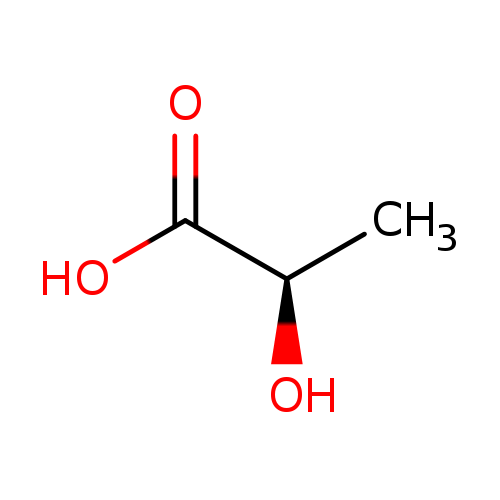
Chemical Structure
Synonyms
ValueSource
(-)-Lactic acidChEBI
(R)-(-)-Lactic acidChEBI
D-2-Hydroxypropanoic acidChEBI
D-2-Hydroxypropionic acidChEBI
D-MilchsaeureChEBI
LACTIC ACIDChEBI
D-LactateKegg
(-)-LactateGenerator
(R)-(-)-LactateGenerator
D-2-HydroxypropanoateGenerator
D-2-HydroxypropionateGenerator
LACTateGenerator
L-LactateHMDB
(R)-2-HydroxypropanoateHMDB
(R)-2-Hydroxypropanoic acidHMDB
(R)-2-HydroxypropionateHMDB
(R)-2-Hydroxypropionic acidHMDB
(R)-a-HydroxypropionateHMDB
(R)-a-Hydroxypropionic acidHMDB
(R)-alpha-HydroxypropionateHMDB
(R)-alpha-Hydroxypropionic acidHMDB
(R)-LactateHMDB
(R)-Lactic acidHMDB
D-(-)-LactateHMDB
D-(-)-Lactic acidHMDB
delta-(-)-LactateHMDB
delta-(-)-Lactic acidHMDB
delta-2-HydroxypropanoateHMDB
delta-2-Hydroxypropanoic acidHMDB
delta-2-HydroxypropionateHMDB
delta-2-Hydroxypropionic acidHMDB
delta-LactateHMDB
delta-Lactic acidHMDB
DLAHMDB
L-(+)-LactateHMDB
PropelHMDB
TisulacHMDB
2 Hydroxypropanoic acidHMDB
2 Hydroxypropionic acidHMDB
2-Hydroxypropanoic acidHMDB
Ammonium lactateHMDB
L Lactic acidHMDB
2-Hydroxypropionic acidHMDB
Sarcolactic acidHMDB
D Lactic acidHMDB
Lactate, ammoniumHMDB
L-Lactic acidHMDB
D-Lactic acidChEBI
Chemical FormulaC3H6O3
Average Molecular Mass90.078 g/mol
Monoisotopic Mass90.032 g/mol
CAS Registry Number79-33-4
IUPAC Name(2R)-2-hydroxypropanoic acid
Traditional NameD-lactic acid
SMILESC[C@H](O)C(O)=O
InChI IdentifierInChI=1S/C3H6O3/c1-2(4)3(5)6/h2,4H,1H3,(H,5,6)/t2-/m0/s1
InChI KeyJVTAAEKCZFNVCJ-REOHCLBHSA-N
Chemical Taxonomy
Description Belongs to the class of organic compounds known as alpha hydroxy acids and derivatives. These are organic compounds containing a carboxylic acid substituted with a hydroxyl group on the adjacent carbon.
KingdomOrganic compounds
Super ClassOrganic acids and derivatives
ClassHydroxy acids and derivatives
Sub ClassAlpha hydroxy acids and derivatives
Direct ParentAlpha hydroxy acids and derivatives
Alternative Parents
Substituents
  • Alpha-hydroxy acid
  • Secondary alcohol
  • Monocarboxylic acid or derivatives
  • Carboxylic acid
  • Carboxylic acid derivative
  • Organic oxygen compound
  • Organic oxide
  • Hydrocarbon derivative
  • Organooxygen compound
  • Carbonyl group
  • Alcohol
  • Aliphatic acyclic compound
Molecular FrameworkAliphatic acyclic compounds
External Descriptors
Biological Properties
StatusDetected and Not Quantified
OriginEndogenous
Cellular Locations
  • Cytoplasm
  • Extracellular
  • Mitochondria
Biofluid LocationsNot Available
Tissue Locations
  • All Tissues
ApplicationsNot Available
Biological Roles
Chemical RolesNot Available
Organoleptic Effects
  • sour taste ?
Physical Properties
StateLiquid
AppearanceNot Available
Experimental Properties
PropertyValue
Melting Point16.8°C
Boiling Point122°C
SolubilityNot Available
Predicted Properties
PropertyValueSource
Water Solubility562 g/LALOGPS
logP-0.79ALOGPS
logP-0.47ChemAxon
logS0.79ALOGPS
pKa (Strongest Acidic)3.78ChemAxon
pKa (Strongest Basic)-3.7ChemAxon
Physiological Charge-1ChemAxon
Hydrogen Acceptor Count3ChemAxon
Hydrogen Donor Count2ChemAxon
Polar Surface Area57.53 ŲChemAxon
Rotatable Bond Count1ChemAxon
Refractivity18.84 m³·mol⁻¹ChemAxon
Polarizability8.05 ųChemAxon
Number of Rings0ChemAxon
BioavailabilityYesChemAxon
Rule of FiveYesChemAxon
Ghose FilterNoChemAxon
Veber's RuleNoChemAxon
MDDR-like RuleNoChemAxon
Spectra
Spectra
Spectrum TypeDescriptionSplash KeyDeposition DateView
GC-MSGC-MS Spectrumsplash10-00kb-0900000000-fb59ec16914501aa19abNot AvailableView Spectrum
GC-MSGC-MS Spectrumsplash10-014j-0900000000-c4d9e12b4b0150eda54bNot AvailableView Spectrum
GC-MSGC-MS Spectrumsplash10-00kb-0900000000-fb59ec16914501aa19abNot AvailableView Spectrum
Predicted GC-MSPredicted GC-MS Spectrumsplash10-0006-9000000000-a3691f383d440fb00e1fNot AvailableView Spectrum
Predicted GC-MSPredicted GC-MS Spectrumsplash10-01b9-9620000000-f7faa7db9c1be3d9d975Not AvailableView Spectrum
Predicted GC-MSPredicted GC-MS SpectrumNot AvailableNot AvailableView Spectrum
LC-MS/MSLC-MS/MS Spectrumsplash10-000i-9000000000-1d5a5f55463acefb6fc7Not AvailableView Spectrum
LC-MS/MSLC-MS/MS Spectrumsplash10-000m-9000000000-c07133799d8f43d4c75aNot AvailableView Spectrum
LC-MS/MSLC-MS/MS Spectrumsplash10-000i-9000000000-ddb080250741e69ab137Not AvailableView Spectrum
LC-MS/MSLC-MS/MS Spectrumsplash10-000i-9000000000-8f5d5eddb0b4b2a3b541Not AvailableView Spectrum
LC-MS/MSLC-MS/MS Spectrumsplash10-000i-9000000000-3bcfc4cdc49230f15642Not AvailableView Spectrum
LC-MS/MSLC-MS/MS Spectrumsplash10-0006-9000000000-48b511409f4f60cec04eNot AvailableView Spectrum
LC-MS/MSLC-MS/MS Spectrumsplash10-0006-9000000000-365ea3c1bcfff2cab938Not AvailableView Spectrum
LC-MS/MSLC-MS/MS Spectrumsplash10-0006-9000000000-9d0238aeeb837213e81dNot AvailableView Spectrum
LC-MS/MSLC-MS/MS Spectrumsplash10-000i-9000000000-8f5d5eddb0b4b2a3b541Not AvailableView Spectrum
LC-MS/MSLC-MS/MS Spectrumsplash10-000i-9000000000-3bcfc4cdc49230f15642Not AvailableView Spectrum
LC-MS/MSLC-MS/MS Spectrumsplash10-0006-9000000000-48b511409f4f60cec04eNot AvailableView Spectrum
LC-MS/MSLC-MS/MS Spectrumsplash10-0006-9000000000-365ea3c1bcfff2cab938Not AvailableView Spectrum
LC-MS/MSLC-MS/MS Spectrumsplash10-0006-9000000000-9d0238aeeb837213e81dNot AvailableView Spectrum
LC-MS/MSLC-MS/MS Spectrumsplash10-014i-9000000000-046bb7f6cce9744388ebNot AvailableView Spectrum
LC-MS/MSLC-MS/MS Spectrumsplash10-000f-9000000000-1c6ea519686b2066052fNot AvailableView Spectrum
LC-MS/MSLC-MS/MS Spectrumsplash10-000i-9000000000-013763552dec660fac8cNot AvailableView Spectrum
LC-MS/MSLC-MS/MS Spectrumsplash10-0006-9000000000-bc4403a40640361e5a52Not AvailableView Spectrum
Predicted LC-MS/MSPredicted LC-MS/MS Spectrumsplash10-006x-9000000000-5f417f4a6d08f0ab00edNot AvailableView Spectrum
Predicted LC-MS/MSPredicted LC-MS/MS Spectrumsplash10-00dm-9000000000-df7a94bb1a9cf6e78e1aNot AvailableView Spectrum
Predicted LC-MS/MSPredicted LC-MS/MS Spectrumsplash10-004j-9000000000-dc2a1b965287b9dfee9cNot AvailableView Spectrum
Predicted LC-MS/MSPredicted LC-MS/MS Spectrumsplash10-000i-9000000000-c3686a681cc9bbf039e1Not AvailableView Spectrum
Predicted LC-MS/MSPredicted LC-MS/MS Spectrumsplash10-000i-9000000000-ddad20647c2ac56efd22Not AvailableView Spectrum
Predicted LC-MS/MSPredicted LC-MS/MS Spectrumsplash10-00di-9000000000-b728b45617afcc6b67daNot AvailableView Spectrum
Predicted LC-MS/MSPredicted LC-MS/MS Spectrumsplash10-000i-9000000000-b586cb8f053eb4465b4eNot AvailableView Spectrum
Predicted LC-MS/MSPredicted LC-MS/MS Spectrumsplash10-000i-9000000000-400a5f1c0dfcc32ef2bbNot AvailableView Spectrum
Predicted LC-MS/MSPredicted LC-MS/MS Spectrumsplash10-0007-9000000000-ad5eb77c7e0a96f3a40aNot AvailableView Spectrum
Predicted LC-MS/MSPredicted LC-MS/MS Spectrumsplash10-0002-9000000000-00ba25458eb6c0cc2940Not AvailableView Spectrum
MSMS Spectrumsplash10-002b-9000000000-50213d6b39ef9741c466Not AvailableView Spectrum
1D NMR1H NMR Spectrum (1D, D2O, predicted)Not AvailableNot AvailableView Spectrum
1D NMR13C NMR Spectrum (1D, D2O, predicted)Not AvailableNot AvailableView Spectrum
1D NMR13C NMR Spectrum (1D, H2O, experimental)Not AvailableNot AvailableView Spectrum
Toxicity Profile
Toxicity Values
Toxicity ValueOrganismDose DescriptorRoute of ExposurePredicted or ExperimentalToxicity RatingReference
2409.0 Log mg/kg [1400:4300]RatLD50oralpredictedNot AvailableNot Available
0.5 N DogLOELinjectionexperimentalNot AvailableECOTOX - EPA ORD
100.0 mM RatLOELoralexperimentalNot AvailableECOTOX - EPA ORD
300.0 mM RatLOELoralexperimentalNot AvailableECOTOX - EPA ORD
100.0 mM RatNOELoralexperimentalNot AvailableECOTOX - EPA ORD
0.3 N DogLOELinjectionexperimentalNot AvailableECOTOX - EPA ORD
4.0 mmol/kg RatLOELinjectionexperimentalNot AvailableECOTOX - EPA ORD
Toxicity / Toxin ClassNot Available
Mechanism of ToxicityAccumulation of L-lactic acid in the body has been shown to be toxic. At times of lactic acidosis, when excess intracellular lactate is released into the blood, maintenance of electroneutrality of the blood requires that a cation be released into the blood, as well. This can reduce blood pH. Lactate may exert a strong action over GABAergic networks in the developing brain, making them more inhibitory than it was previously assumed, acting either through better support of metabolites, or alterations in base intracellular pH levels, or both. (Wikipedia)
Carcinogenicity (IARC Classification)Not listed by IARC.
Minimum Risk LevelNot Available
SymptomsNot Available
TreatmentNot Available
Health Effects
Health EffectRelationshipDirectionDescriptionReference
cervical cancerAssociated With?Not AvailableA female reproductive organ cancer that is located in the cervix. (DO)PMC11734503 , PMC12935477
Refractory drug responseAssociated With?Not AvailableNot AvailablePMC11734503
Exposure Sources
Source IDSourceSectorReference
CEDs000010Insecticides?Insecticides are synthetic chemicals designed to control or eliminate insect pests that threaten crops and other agricultural products.Agriculture & land managementPubChem
CEDs000070Stormwater runoff?Stormwater runoff refers to the flow of rainwater or melted snow that does not soak into the ground and instead collects pollutants as it travels over impervious surfaces such as roads and parking lots.Automotive & urban infrastructurePubChem
CEDs000181Ballast water?Ballast water, taken on by ships to maintain stability and balance, often contains a diverse array of microorganisms, including bacteria, viruses, and plankton.Marine, shipping & aquaculturePubChem
CEDs000182Bilge water?Bilge water is a byproduct generated from the accumulation of water in the lowest part of a ship's hull, which may include a mixture of seawater, oil, fuel residues, and various contaminants.Marine, shipping & aquaculturePubChem
CEDs000233Brushes?Brushes used in personal care and cosmetics can be a source of synthetic chemical contamination due to the materials and coatings used in their manufacturing.Personal care & cosmeticsPubChem
CEDs000494Food contact materials?Food contact materials refer to substances and products that are intended to come into contact with food during processing, packaging, or preparation.Food, food processing & cookwareNot Available
CEDs000505Amplifiers?Amplifiers, commonly used in various electronic devices to enhance signal strength, can be a source of synthetic chemical contamination due to the materials and processes involved in their production and disposal.Electrical & Electronic EquipmentPubChem
CEDs000506Antennas?Antennas, commonly used in communication technologies, can be a source of synthetic chemical contamination through the materials and coatings used in their construction.Electrical & Electronic EquipmentPubChem
CEDs000508Coils?Coils are components used in various electrical and electronic applications, such as transformers, inductors, and motors.Electrical & Electronic EquipmentPubChem
CEDs000511Conductors Or Conductive Bodies Characterised By The Conductive Materials?Conductors, or conductive bodies, are materials that allow the flow of electrical current, typically made from metals such as copper, aluminum, or silver.Electrical & Electronic EquipmentPubChem
CEDs000516Electric Hearing Aids?Electric hearing aids are small electronic devices designed to amplify sound for individuals with hearing loss.Electrical & Electronic EquipmentPubChem
CEDs000517Electric Switches?Electric switches, integral components in numerous devices, can be a source of synthetic chemical contamination due to the materials and manufacturing processes involved in their production.Electrical & Electronic EquipmentPubChem
CEDs000518Electrically Stimulated Smoking Devices?Electrically stimulated smoking devices, commonly known as e-cigarettes or vape pens, utilize electrical components to heat a liquid solution, often containing nicotine, flavorings, and other additives, to produce an aerosol for inhalation.Electrical & Electronic EquipmentPubChem
CEDs000519Electrodes?Electrodes, used in various electrical and electronic applications, can be a source of synthetic chemical contamination due to the materials from which they are constructed and the processes involved in their manufacturing.Electrical & Electronic EquipmentPubChem
CEDs000521Fixed Capacitors And Their Manufacture?Fixed capacitors are passive electronic components used to store and release electrical energy, playing a critical role in various circuits.Electrical & Electronic EquipmentPubChem
CEDs000524Hybrid Capacitors?Hybrid capacitors are energy storage devices that combine the properties of electrolytic and supercapacitors, utilizing a combination of electrochemical principles to achieve higher energy density and power density.Electrical & Electronic EquipmentPubChem
CEDs000530Radio Transmission Systems?Radio transmission systems utilize a variety of synthetic chemicals in their manufacturing and maintenance processes.Electrical & Electronic EquipmentPubChem
CEDs000537Television Systems?Television systems can be a source of synthetic chemical contamination due to the various materials and components used in their manufacture and operation.Electrical & Electronic EquipmentPubChem
CEDs000538Thin Magnetic Films?Thin magnetic films are layers of magnetic material ranging from a few nanometers to several micrometers in thickness, commonly used in applications such as magnetic sensors, data storage devices, and electronic components.Electrical & Electronic EquipmentPubChem
CEDs000539Video Games?Video games, through their production and disposal processes, can be a source of synthetic chemical contamination.Electrical & Electronic EquipmentPubChem
CEDs000544Fermentation Processes For Beer?Fermentation processes for beer involve the conversion of sugars into alcohol and carbon dioxide by yeast.Food, food processing & cookwarePubChem
CEDs000545Food Preservation?Food preservation often involves the use of synthetic chemicals, such as preservatives, flavor enhancers, and color additives, to extend shelf life and enhance the sensory qualities of food products.Food, food processing & cookwarePubChem
CEDs000547Preparation Of Malt?Malt preparation involves the germination and drying of cereal grains, primarily barley, to produce malt for brewing and food products.Food, food processing & cookwarePubChem
CEDs000548Preparation Of Vinegar?Vinegar is produced through the fermentation of ethanol by acetic acid bacteria, resulting in a solution that typically contains 4-8% acetic acid.Food, food processing & cookwarePubChem
CEDs000549Preparation Of Wine Or Sparkling Wine?The preparation of wine or sparkling wine involves various stages, including fermentation, aging, and bottling, which can introduce potential sources of synthetic chemical contamination.Food, food processing & cookwarePubChem
CEDs000550Preparation Of Wort?The preparation of wort involves the extraction of sugars from malted grains, a crucial step in the brewing process.Food, food processing & cookwarePubChem
CEDs000551Processing Fish?Processing fish can lead to synthetic chemical contamination through various stages of production and preservation.Food, food processing & cookwarePubChem
CEDs000552Processing Meats?Processing meats can lead to synthetic chemical contamination primarily through the use of additives and preservatives.Food, food processing & cookwarePubChem
CEDs000555Bleaching Agents?Bleaching agents are chemical substances used to whiten or lighten materials, often employed in various cleaning products for their stain removal and disinfecting properties.Household cleaning & consumer productsPubChem
CEDs000556Cigar Cigarettes?Cigar cigarettes are a source of synthetic chemical contamination due to the combustion of various tobacco blends and additives.Household cleaning & consumer productsPubChem
CEDs000560Other Smoking Requisites?Other smoking requisites, including items such as lighters, matches, and rolling papers, can introduce synthetic chemical contamination through various components and additives.Household cleaning & consumer productsPubChem
CEDs000561Perfumes Within Detergents And Soaps?Perfumes within detergents and soaps are synthetic fragrance compounds added to enhance the sensory experience of cleaning products.Household cleaning & consumer productsPubChem
CEDs000562Pipe Accessories?Pipe accessories, such as fittings, connectors, and seals, are components used in plumbing systems to facilitate the flow of liquids and gases.Household cleaning & consumer productsPubChem
CEDs000563Soap Detergents?Soap detergents are synthetic surfactants designed to enhance the cleaning efficacy of water by reducing surface tension, allowing for better interaction with dirt and grease.Household cleaning & consumer productsPubChem
CEDs000564Soap Dispensers?Soap dispensers, commonly used for dispensing liquid soaps and sanitizers, can become a source of synthetic chemical contamination due to the materials used in their construction and the products they dispense.Household cleaning & consumer productsPubChem
CEDs000567Tobacco Product Cases?Tobacco product cases can serve as a source of synthetic chemical contamination due to the presence of various additives and chemicals used in tobacco processing and product manufacturing.Household cleaning & consumer productsPubChem
CEDs000569Tobacco Smoke Filters?Tobacco smoke filters are designed to reduce the inhalation of harmful substances in cigarette smoke, including tar and other particulate matter.Household cleaning & consumer productsPubChem
CEDs000577Watch Chains?Watch chains, often made from various metals and synthetic materials, can be a source of chemical contamination due to the presence of coatings, adhesives, and plasticizers used in their manufacturing.Household itemsPubChem
CEDs000578Making Cigars?The process of making cigars involves several steps, including the cultivation of tobacco, fermentation, and the application of various additives to enhance flavor and preservation.Industrial manufacturing & chemical processingPubChem
CEDs000580Manufacture Preparation Of Tobacco Products?The manufacture and preparation of tobacco products involve various processes that can result in the introduction of synthetic chemicals into the environment.Industrial manufacturing & chemical processingPubChem
CEDs000581Paper Making Machines?Paper making machines utilize various synthetic chemicals throughout the production process, including additives, coatings, and bleaching agents.Industrial manufacturing & chemical processingPubChem
CEDs000583Anchoring Equipment?Anchoring equipment, commonly used in marine applications, can be a source of synthetic chemical contamination due to the materials and coatings utilized in their manufacturing.Marine, shipping & aquaculturePubChem
CEDs000584Buoys?Buoys, often used for navigation and marine monitoring, can be sources of synthetic chemical contamination due to the materials and coatings employed in their construction.Marine, shipping & aquaculturePubChem
CEDs000596Acaricides?Acaricides are synthetic chemicals specifically designed to target and control mite populations that can damage crops and plants.Agriculture & land managementPubChem
CEDs000597Chemosterilants?Chemosterilants are synthetic chemicals designed to induce sterility in target pest populations, thereby controlling their reproduction and mitigating damage to crops.Agriculture & land managementPubChem
CEDs000600Herbicides And Algicides?Herbicides and algicides are synthetic chemicals primarily used to control unwanted plants and algae in various environments.Agriculture & land managementPubChem
CEDs000601Lawn Mowers?Lawn mowers, particularly those powered by gasoline, can be a source of synthetic chemical contamination due to the combustion of fossil fuels and the use of engine oils.Agriculture & land managementPubChem
CEDs000602Molluscicides?Molluscicides are synthetic chemicals specifically designed to control and eliminate mollusks, such as snails and slugs, which can be detrimental to crops and agricultural productivity.Agriculture & land managementPubChem
CEDs000603Nematocides?Nematocides are synthetic chemicals specifically designed to control nematodes, which are microscopic roundworms that can cause significant damage to crops and plants.Agriculture & land managementPubChem
CEDs000604Pest Attractants?Pest attractants are synthetic chemicals designed to lure specific pests for monitoring or control purposes.Agriculture & land managementPubChem
CEDs000605Pest Repellants?Pest repellents, often formulated from synthetic chemicals, are widely used to protect crops from insect infestations and other pests.Agriculture & land managementPubChem
CEDs000606Plant Growth Regulators?Plant Growth Regulators (PGRs) are synthetic chemicals designed to influence the growth and development of plants.Agriculture & land managementPubChem
CEDs000607Rodenticides(1)?Rodenticides are synthetic chemicals specifically formulated to control rodent populations, serving as a crucial tool in managing pests that can damage crops and spread diseases.Agriculture & land managementPubChem
CEDs000608Rodenticides?Rodenticides are chemical substances specifically designed to control rodent populations by causing death through various mechanisms, including anticoagulation or neurotoxicity.Agriculture & land managementPubChem
CEDs000609Aftershave?Aftershave is a grooming product typically used to soothe and protect the skin following shaving.Personal care & cosmeticsPubChem
CEDs000610Aftersun Products?Aftersun products are designed to soothe and hydrate the skin after sun exposure, often containing various synthetic chemicals such as emollients, preservatives, and fragrances.Personal care & cosmeticsPubChem
CEDs000611Anti Perspirants Or Body Deoderants?Antiperspirants and body deodorants commonly contain synthetic chemicals such as aluminum compounds, parabens, and synthetic fragrances.Personal care & cosmeticsPubChem
CEDs000612Body Washing Or Cleaning Implements?Body washing or cleaning implements, such as synthetic sponges, loofahs, and washcloths, can be sources of synthetic chemical contamination due to the materials used in their production.Personal care & cosmeticsPubChem
CEDs000613Depilatories?Depilatories are products designed to remove unwanted hair through the application of synthetic chemicals that break down the protein structure of hair, facilitating its removal.Personal care & cosmeticsPubChem
CEDs000614Essential Oils Or Perfumes?Essential oils and perfumes are complex mixtures of volatile compounds derived from natural or synthetic sources, commonly used for their aromatic properties.Personal care & cosmeticsPubChem
CEDs000615Eye Makeup Products?Eye makeup products, including mascaras, eyeliners, and eyeshadows, often contain a variety of synthetic chemicals such as pigments, preservatives, and film-forming agents.Personal care & cosmeticsPubChem
CEDs000616Face Mask Cosmetics?Face mask cosmetics often contain a variety of synthetic chemicals, including preservatives, emulsifiers, and fragrances, which can contribute to chemical contamination.Personal care & cosmeticsPubChem
CEDs000617Lip Care Products?Lip care products, including lipsticks, balms, and glosses, often contain a variety of synthetic chemicals such as parabens, phthalates, and synthetic fragrances.Personal care & cosmeticsPubChem
CEDs000618Lip Makeup Products?Lip makeup products, such as lipsticks, lip glosses, and lip liners, often contain a variety of synthetic chemicals, including pigments, preservatives, and emollients.Personal care & cosmeticsPubChem
CEDs000619Manicure Pedicure?Manicure and pedicure procedures often involve the use of various synthetic chemicals, including solvents, nail polishes, and nail adhesives.Personal care & cosmeticsPubChem
CEDs000630Toys?Toys, particularly those made from synthetic materials such as plastics, can be a source of chemical contamination due to the presence of various additives and compounds used in their production.Recreation & sports surfacesPubChem
CEDs000631Anthraquinone Dyes?Anthraquinone dyes are a class of synthetic organic compounds characterized by their vibrant colors and stability, making them widely used in various applications, particularly in coloring textiles and leather.Textiles, leather & furnishingsPubChem
CEDs000632Apparel?Apparel production often involves the use of various synthetic chemicals, including dyes, finishing agents, and preservatives.Textiles, leather & furnishingsPubChem
CEDs000633Azo Dyes?Azo dyes are synthetic organic compounds characterized by the presence of one or more azo groups (-N=N-), which are widely used for coloring textiles, leather, and furnishings.Textiles, leather & furnishingsPubChem
CEDs000635Buttons?Buttons, often made from synthetic materials such as polyester, nylon, or polycarbonate, can be a source of synthetic chemical contamination during their production, use, and disposal.Textiles, leather & furnishingsPubChem
CEDs000638Decorating Textiles?Decorating textiles often involves the use of synthetic chemicals such as dyes, finishes, and coatings.Textiles, leather & furnishingsPubChem
CEDs000640Embroidering And Tufting?Embroidering and tufting processes often involve the use of synthetic chemicals such as dyes, adhesives, and finishing agents.Textiles, leather & furnishingsPubChem
CEDs000642Footwear?Footwear production often involves the use of various synthetic chemicals, such as adhesives, dyes, and treatments, which can contribute to environmental contamination.Textiles, leather & furnishingsPubChem
CEDs000643Headwear?Headwear made from synthetic materials often incorporates chemicals used in the manufacturing and finishing processes, such as dyes, flame retardants, and water repellents.Textiles, leather & furnishingsPubChem
CEDs000647Multicolour Dyeing?Multicolour dyeing involves the application of multiple synthetic dyes to textiles and other materials to achieve vibrant, diverse color patterns.Textiles, leather & furnishingsPubChem
CEDs000650Purses Luggage Hand Bags?Purses, luggage, and handbags are often manufactured using synthetic materials such as polyvinyl chloride (PVC), polyurethane, and various types of nylon.Textiles, leather & furnishingsPubChem
CEDs000652Ropes?Ropes manufactured from synthetic fibers, such as polypropylene, nylon, and polyester, are widely used in various applications, including marine, construction, and outdoor activities.Textiles, leather & furnishingsPubChem
CEDs000653Sewing?Sewing processes often involve the use of various synthetic chemicals, which can become sources of contamination in the environment.Textiles, leather & furnishingsPubChem
CEDs000658Touch Fasteners?Touch fasteners, commonly known as hook-and-loop fasteners, are composed of synthetic materials such as nylon or polyester.Textiles, leather & furnishingsPubChem
CEDs000661Umbrellas?Umbrellas are commonly manufactured using synthetic materials such as polyester, nylon, and polyvinyl chloride (PVC), which can contribute to synthetic chemical contamination.Textiles, leather & furnishingsPubChem
CEDs000662Yarns Or Threads?Yarns or threads used in textiles can be a source of synthetic chemical contamination due to the production processes and treatments they undergo.Textiles, leather & furnishingsPubChem
CEDs000664Fire Fighting Gels?Fire fighting gels are synthetic chemical formulations designed to enhance fire suppression effectiveness by creating a protective barrier against heat and flames.Fire suppression systems & agentsPubChem
CEDs000665Fire Extinguishers?Fire extinguishers contain various synthetic chemicals designed to suppress flames and prevent the spread of fire.Fire suppression systems & agentsPubChem
CEDs000670Solid Fire Fighting Substances?Solid fire fighting substances, such as certain types of dry chemical powders, are used in fire suppression applications to extinguish flames and prevent fire spread.Fire suppression systems & agentsPubChem
CEDs000673Unmanned Aerial Vehicles?Unmanned Aerial Vehicles (UAVs), commonly known as drones, utilize various synthetic chemicals in their manufacturing, operation, and maintenance processes.Aviation & AerospacePubChem
CEDs000678Nitrogenous Fertilisers?Nitrogenous fertilizers are synthetic chemical compounds primarily used to enhance plant growth by supplying essential nitrogen, a crucial nutrient for photosynthesis and protein synthesis.Agriculture & land managementPubChem
CEDs000679Phosphatic Fertilisers?Phosphatic fertilizers are synthetic chemical products primarily composed of phosphorus, which is essential for plant growth.Agriculture & land managementPubChem
CEDs000680Saddles?Saddles, commonly used in various agricultural practices, can serve as a source of synthetic chemical contamination primarily through the materials and coatings used in their construction.Agriculture & land managementPubChem
CEDs000684Cements?Cements are a composite material primarily used as a binding agent in construction applications, formed by the calcination of limestone and clay minerals at high temperatures.Building & ConstructionPubChem
CEDs000685Ceramics?Ceramics can be a source of synthetic chemical contamination through various additives and processing agents used in their production.Building & ConstructionPubChem
CEDs000686Clay Wares?Clay wares are ceramic products made from natural clay, often utilized in various construction applications such as tiles, bricks, and sanitary ware.Building & ConstructionPubChem
CEDs000688Glass Coatings?Glass coatings are synthetic chemical formulations applied to glass surfaces to enhance properties such as durability, UV resistance, and aesthetic appeal.Building & ConstructionPubChem
CEDs000690Lime?Lime, primarily comprised of calcium oxide (CaO) or calcium hydroxide (Ca(OH)₂), is widely used in various applications, including as a key ingredient in mortars, plasters, and cement.Building & ConstructionPubChem
CEDs000692Silica Free Oxide Glass?Silica Free Oxide Glass is a type of glass that is produced using alternative materials to traditional silica-based formulations.Building & ConstructionPubChem
CEDs000693Silica Glass?Silica glass, primarily composed of silicon dioxide (SiO2), is widely used in various applications, including windows, glass facades, and insulation materials.Building & ConstructionPubChem
CEDs000694Cheese Making?Cheese making involves the fermentation of milk, utilizing bacteria and enzymes to coagulate proteins and develop flavor.Food, food processing & cookwarePubChem
CEDs000695Treatment Of Milk Or Cream?The treatment of milk or cream involves various processes such as pasteurization, homogenization, and the addition of preservatives to enhance shelf life and safety.Food, food processing & cookwarePubChem
CEDs000696Nanotechnology?Nanotechnology involves the manipulation of materials at the molecular or atomic level, typically within the range of 1 to 100 nanometers.Industrial manufacturing & chemical processingPubChem
CEDs000698Jewellery?Jewellery production often involves the use of various synthetic chemicals during the extraction and processing of metals.Mining & metal processingPubChem
CEDs000699Mining Or Quarrying?Mining and quarrying operations can lead to synthetic chemical contamination through the release of various pollutants associated with the extraction and processing of minerals.Mining & metal processingPubChem
CEDs000705Bookbinding?Bookbinding involves the use of various synthetic chemicals, including adhesives, inks, and coatings, which can contribute to environmental contamination.Paper, pulp & fiber productsPubChem
CEDs000706Bookmarkers?Bookmarkers, often made from paper or cardstock, can be a source of synthetic chemical contamination due to the use of various inks, coatings, and adhesives in their production.Paper, pulp & fiber productsPubChem
CEDs000707Books?Books can be a source of synthetic chemical contamination due to the use of various chemicals in their production and preservation processes.Paper, pulp & fiber productsPubChem
CEDs000727Printing Machines Or Presses?Printing machines or presses commonly utilize synthetic chemicals such as inks, solvents, and cleaning agents.Paper, pulp & fiber productsPubChem
CEDs000734Coating Compositions?Coating compositions, which include paints, sealants, and varnishes, are formulated with a variety of synthetic chemicals such as solvents, resins, pigments, and additives.Building & ConstructionPubChem
CEDs000735Explosives?Explosives are chemical compounds or mixtures designed to undergo rapid decomposition, releasing energy in the form of gas and heat.Defense & military infrastructurePubChem
CEDs000738Cooling Circuit Water?Cooling circuit water is utilized in various industrial processes to absorb and dissipate heat generated during operations.Industrial manufacturing & chemical processingPubChem
CEDs000739Inks?Inks are complex mixtures composed of pigments or dyes, solvents, resins, and additives used primarily for printing and writing applications.Paper, pulp & fiber productsPubChem
CEDs000740Paper?Paper production involves the processing of wood fibers and the use of various chemicals, which can lead to synthetic chemical contamination.Paper, pulp & fiber productsPubChem
CEDs000741Pigment Pastes?Pigment pastes are concentrated dispersions of pigments used to impart color and properties to materials.Paper, pulp & fiber productsPubChem
CEDs000742Leather Tanning?Leather tanning is a process that transforms raw animal hides into durable leather through the application of various chemicals, including chromium salts, aldehydes, and vegetable tannins.Textiles, leather & furnishingsPubChem
CEDs000743Sludge Treatment?Sludge treatment involves the processing of waste materials generated from wastewater treatment plants, which often contain a variety of organic and inorganic substances.Wastewater, sanitation & biosolidsPubChem
CEDs000744Water, Wastewater, & Sewage Treatment?Water, wastewater, and sewage treatment processes are critical for managing and mitigating pollutants in water systems.Wastewater, sanitation & biosolidsPubChem
CEDs00749CornAgriculture & land managementPMC13108088 , PMC8587312
CEDs00773CropAgriculture & land managementPMC10510327
CEDs00775FeedsAgriculture & land managementPMC12194211
CEDs00780Corn Stover HydrolysateAgriculture & land managementPMC8587312
CEDs00781Corn StarchAgriculture & land managementPMC6609449
CEDs00786Corn StoverAgriculture & land managementPMC8587312
CEDs00801StrawAgriculture & land managementPMC8587312
CEDs00823SorghumAgriculture & land managementPMC8587312
CEDs01144FoodFood, food processing & cookwarePMC12194211
CEDs01183WheatFood, food processing & cookwarePMC8587312
CEDs01254Sugar CaneFood, food processing & cookwarePMC6609449
CEDs01345Milk SamplesFood, food processing & cookwarePMC8156775
CEDs01400Sugarcane Bagasse HydrolysateFood, food processing & cookwarePMC4156441
CEDs01401Rice Straw HydrolysateFood, food processing & cookwarePMC8587312
CEDs01402Cheese WheyFood, food processing & cookwarePMC6902291
CEDs01600White WinesFood, food processing & cookwarePMC3965223
CEDs02088Food WasteWaste management, landfill & incinerationPMC8587312 , PMC8587312
CEDs02160Municipal Solid WastesWaste management, landfill & incinerationPMC6902291
CEDs02255WaterAquatic systems & sedimentsPMC4914525
Pathways
51 pathwaysPathway Source: PathBank
Targets
StructureProteinUniProt IDOrganismRelationshipDetails
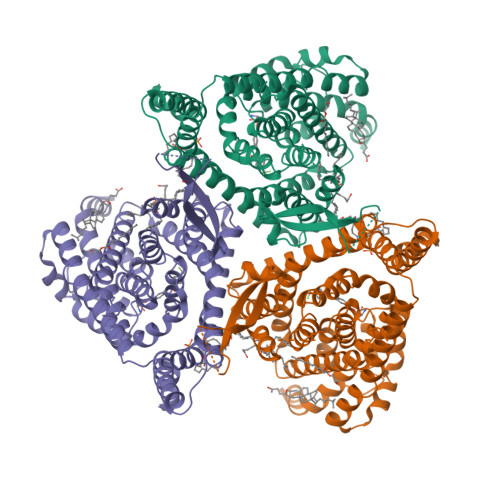
Alcohol dehydrogenase structureClick to view 3D structureAlcohol dehydrogenaseP42328Geobacillus stearothermophilusKnownNot Available
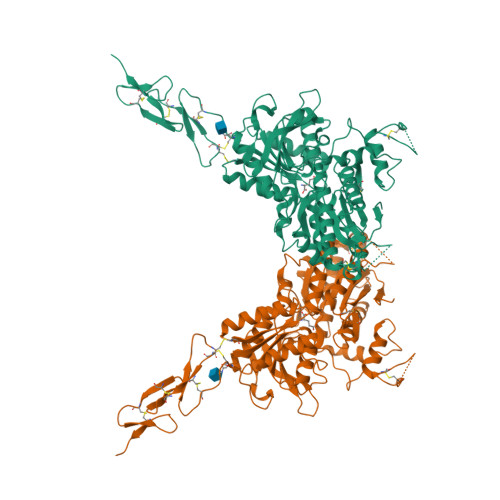
L-lactate dehydrogenase structureClick to view 3D structureL-lactate dehydrogenaseP16115Thermotoga maritima (strain ATCC 43589 / MSB8 / DSM 3109 / JCM 10099)KnownNot Available
Aminopeptidase N structureClick to view 3D structureAminopeptidase NP04825Escherichia coli (strain K12)Predicted (SEA)
Prediction Confidence Score
0.308
Applicability Domain
0.308
Statistical Significance
1.10e-04
Supporting Reference Compounds
1
E-value
0.856341
Click to view 3D structureAsc-type amino acid transporter 1P63116RatPredicted (SEA)
Prediction Confidence Score
0.3
Applicability Domain
0.3
Statistical Significance
3.40e-04
Supporting Reference Compounds
2
E-value
2.64687
3-isopropylmalate dehydrogenase structureClick to view 3D structure3-isopropylmalate dehydrogenaseQ5SIY4Thermus thermophilusPredicted (SEA)
Prediction Confidence Score
0.292
Applicability Domain
0.292 Low confidence
Statistical Significance
1.00e-05
Supporting Reference Compounds
1
E-value
0.0778492
Prostaglandin G/H synthase 1 structureClick to view 3D structureProstaglandin G/H synthase 1P23219HumansPredicted (SEA)
Prediction Confidence Score
0.285
Applicability Domain
0.333
Statistical Significance
0.0157
Supporting Reference Compounds
136
E-value
122.301
Prostaglandin G/H synthase 2 structureClick to view 3D structureProstaglandin G/H synthase 2P35354HumansPredicted (SEA)
Prediction Confidence Score
0.285
Applicability Domain
0.333
Statistical Significance
0.0256
Supporting Reference Compounds
201
E-value
199.45
Prostaglandin G/H synthase 1 structureClick to view 3D structureProstaglandin G/H synthase 1P05979Ovis ariesPredicted (SEA)
Prediction Confidence Score
0.282
Applicability Domain
0.333
Statistical Significance
0.012
Supporting Reference Compounds
106
E-value
93.1077
Glutamate receptor ionotropic, kainate 1 structureClick to view 3D structureGlutamate receptor ionotropic, kainate 1P39086HumansPredicted (SEA)
Prediction Confidence Score
0.28
Applicability Domain
0.364
Statistical Significance
7.10e-04
Supporting Reference Compounds
31
E-value
5.52729
Glutamine synthetase structureClick to view 3D structureGlutamine synthetaseP0A9C5Escherichia coli K-12Predicted (SEA)
Prediction Confidence Score
0.276
Applicability Domain
0.276 Low confidence
Statistical Significance
5.20e-04
Supporting Reference Compounds
1
E-value
4.04816
Click to view 3D structureS-methylmethionine--homocysteine S-methyltransferase BHMT2Q9H2M3HumansPredicted (SEA)
Prediction Confidence Score
0.276
Applicability Domain
0.276 Low confidence
Statistical Significance
4.70e-04
Supporting Reference Compounds
1
E-value
3.65891
Metabotropic glutamate receptor 2 structureClick to view 3D structureMetabotropic glutamate receptor 2Q14416HumansPredicted (SEA)
Prediction Confidence Score
0.273
Applicability Domain
0.364
Statistical Significance
0.0069
Supporting Reference Compounds
85
E-value
53.6381
Click to view 3D structureProstaglandin G/H synthase 2P79208Ovis ariesPredicted (SEA)
Prediction Confidence Score
0.271
Applicability Domain
0.333
Statistical Significance
0.0063
Supporting Reference Compounds
50
E-value
49.1229
D-alanyl-D-alanine dipeptidase structureClick to view 3D structureD-alanyl-D-alanine dipeptidaseQ06241Enterococcus faeciumPredicted (SEA)
Prediction Confidence Score
0.265
Applicability Domain
0.308
Statistical Significance
1.50e-04
Supporting Reference Compounds
2
E-value
1.16774
Click to view 3D structureMetabotropic glutamate receptor 2P31421Rattus norvegicusPredicted (SEA)
Prediction Confidence Score
0.264
Applicability Domain
0.296 Low confidence
Statistical Significance
0.0078
Supporting Reference Compounds
53
E-value
61.1116
Metabotropic glutamate receptor 3 structureClick to view 3D structureMetabotropic glutamate receptor 3P31422Rattus norvegicusPredicted (SEA)
Prediction Confidence Score
0.264
Applicability Domain
0.296 Low confidence
Statistical Significance
0.0038
Supporting Reference Compounds
39
E-value
29.5049
Click to view 3D structureMetabotropic glutamate receptor 6O15303HumansPredicted (SEA)
Prediction Confidence Score
0.263
Applicability Domain
0.364
Statistical Significance
0.0031
Supporting Reference Compounds
39
E-value
24.3668
Excitatory amino acid transporter 3 structureClick to view 3D structureExcitatory amino acid transporter 3P43005HumansPredicted (SEA)
Prediction Confidence Score
0.261
Applicability Domain
0.364
Statistical Significance
0.0031
Supporting Reference Compounds
13
E-value
23.8997
Succinyl-diaminopimelate desuccinylase structureClick to view 3D structureSuccinyl-diaminopimelate desuccinylaseP44514Haemophilus influenzae (strain ATCC 51907 / DSM 11121 / KW20 / Rd)Predicted (SEA)
Prediction Confidence Score
0.259
Applicability Domain
0.318
Statistical Significance
2.30e-04
Supporting Reference Compounds
2
E-value
1.79053
Click to view 3D structureMetabotropic glutamate receptor 6P35349Rattus norvegicusPredicted (SEA)
Prediction Confidence Score
0.258
Applicability Domain
0.296 Low confidence
Statistical Significance
0.0022
Supporting Reference Compounds
24
E-value
16.9711
Metabotropic glutamate receptor 1 structureClick to view 3D structureMetabotropic glutamate receptor 1Q13255HumansPredicted (SEA)
Prediction Confidence Score
0.257
Applicability Domain
0.364
Statistical Significance
0.0081
Supporting Reference Compounds
68
E-value
62.9022
Aldo-keto reductase family 1 member C3 structureClick to view 3D structureAldo-keto reductase family 1 member C3P42330HumansPredicted (SEA)
Prediction Confidence Score
0.253
Applicability Domain
0.333
Statistical Significance
0.0327
Supporting Reference Compounds
57
E-value
254.956
Glutamate receptor ionotropic, kainate 1 structureClick to view 3D structureGlutamate receptor ionotropic, kainate 1P22756Rattus norvegicusPredicted (SEA)
Prediction Confidence Score
0.252
Applicability Domain
0.364
Statistical Significance
0.0025
Supporting Reference Compounds
45
E-value
19.1509
Glutamate receptor ionotropic, kainate 3 structureClick to view 3D structureGlutamate receptor ionotropic, kainate 3P42264Rattus norvegicusPredicted (SEA)
Prediction Confidence Score
0.252
Applicability Domain
0.364
Statistical Significance
0.002
Supporting Reference Compounds
26
E-value
15.5698
Glutamate receptor ionotropic, kainate 2 structureClick to view 3D structureGlutamate receptor ionotropic, kainate 2P42260Rattus norvegicusPredicted (SEA)
Prediction Confidence Score
0.252
Applicability Domain
0.364
Statistical Significance
7.50e-04
Supporting Reference Compounds
18
E-value
5.83869
Glutamate transporter homolog structureClick to view 3D structureGlutamate transporter homologO59010Pyrococcus horikoshii (strain ATCC 700860 / DSM 12428 / JCM 9974 /NBRC 100139 / OT-3)Predicted (SEA)
Prediction Confidence Score
0.251
Applicability Domain
0.286 Low confidence
Statistical Significance
7.70e-04
Supporting Reference Compounds
3
E-value
5.99439
Metabotropic glutamate receptor 1 structureClick to view 3D structureMetabotropic glutamate receptor 1P23385Rattus norvegicusPredicted (SEA)
Prediction Confidence Score
0.248
Applicability Domain
0.296 Low confidence
Statistical Significance
0.0117
Supporting Reference Compounds
45
E-value
91.4728
Concentrations
Not Available
External Links
DrugBank IDDB03066
HMDB IDHMDB0001311
FooDB IDFDB030146
Phenol Explorer IDNot Available
KNApSAcK IDC00019549
BiGG ID34414
BioCyc IDD-LACTATE
METLIN ID6150
PDB IDNot Available
Wikipedia LinkLactic_acid
Chemspider ID55423
ChEBI ID42111
PubChem Compound ID61503
Kegg Compound IDC00256
YMDB IDYMDB00247
ECMDB IDECMDB00190
References
Synthesis ReferenceLao, Hanzhang; Sun, Jianrong; Wang, Jian; Qian, Zhiliang. Process for preparation of high-purity L-lactic acid. Faming Zhuanli Shenqing Gongkai Shuomingshu (2007), 9pp.
MSDSLink
General References
  1. Valenza F, Aletti G, Fossali T, Chevallard G, Sacconi F, Irace M, Gattinoni L: Lactate as a marker of energy failure in critically ill patients: hypothesis. Crit Care. 2005;9(6):588-93. Epub 2005 Sep 28. [PubMed: 16356243]
  2. Walenta S, Schroeder T, Mueller-Klieser W: Lactate in solid malignant tumors: potential basis of a metabolic classification in clinical oncology. Curr Med Chem. 2004 Aug;11(16):2195-204. [PubMed: 15279558]
  3. Silwood CJ, Lynch E, Claxson AW, Grootveld MC: 1H and (13)C NMR spectroscopic analysis of human saliva. J Dent Res. 2002 Jun;81(6):422-7. [PubMed: 12097436]
  4. Hoffmann GF, Meier-Augenstein W, Stockler S, Surtees R, Rating D, Nyhan WL: Physiology and pathophysiology of organic acids in cerebrospinal fluid. J Inherit Metab Dis. 1993;16(4):648-69. [PubMed: 8412012]
  5. Subramanian A, Gupta A, Saxena S, Gupta A, Kumar R, Nigam A, Kumar R, Mandal SK, Roy R: Proton MR CSF analysis and a new software as predictors for the differentiation of meningitis in children. NMR Biomed. 2005 Jun;18(4):213-25. [PubMed: 15627241]
  6. Bairaktari E, Katopodis K, Siamopoulos KC, Tsolas O: Paraquat-induced renal injury studied by 1H nuclear magnetic resonance spectroscopy of urine. Clin Chem. 1998 Jun;44(6 Pt 1):1256-61. [PubMed: 9625050]
  7. Commodari F, Arnold DL, Sanctuary BC, Shoubridge EA: 1H NMR characterization of normal human cerebrospinal fluid and the detection of methylmalonic acid in a vitamin B12 deficient patient. NMR Biomed. 1991 Aug;4(4):192-200. [PubMed: 1931558]
  8. Zupke C, Sinskey AJ, Stephanopoulos G: Intracellular flux analysis applied to the effect of dissolved oxygen on hybridomas. Appl Microbiol Biotechnol. 1995 Dec;44(1-2):27-36. [PubMed: 8579834]
  9. Kaya M, Moriwaki Y, Ka T, Inokuchi T, Yamamoto A, Takahashi S, Tsutsumi Z, Tsuzita J, Oku Y, Yamamoto T: Plasma concentrations and urinary excretion of purine bases (uric acid, hypoxanthine, and xanthine) and oxypurinol after rigorous exercise. Metabolism. 2006 Jan;55(1):103-7. [PubMed: 16324927]
  10. Nakayama Y, Kinoshita A, Tomita M: Dynamic simulation of red blood cell metabolism and its application to the analysis of a pathological condition. Theor Biol Med Model. 2005 May 9;2:18. [PubMed: 15882454]
  11. Redjems-Bennani N, Jeandel C, Lefebvre E, Blain H, Vidailhet M, Gueant JL: Abnormal substrate levels that depend upon mitochondrial function in cerebrospinal fluid from Alzheimer patients. Gerontology. 1998;44(5):300-4. [PubMed: 9693263]
  12. Nielsen J, Ytrebo LM, Borud O: Lactate and pyruvate concentrations in capillary blood from newborns. Acta Paediatr. 1994 Sep;83(9):920-2. [PubMed: 7819686]
  13. Nicholson JK, Buckingham MJ, Sadler PJ: High resolution 1H n.m.r. studies of vertebrate blood and plasma. Biochem J. 1983 Jun 1;211(3):605-15. [PubMed: 6411064]
  14. Isotalo T, Talja M, Hellstrom P, Perttila I, Valimaa T, Tormala P, Tammela TL: A double-blind, randomized, placebo-controlled pilot study to investigate the effects of finasteride combined with a biodegradable self-reinforced poly L-lactic acid spiral stent in patients with urinary retention caused by bladder outlet obstruction from benign prostatic hyperplasia. BJU Int. 2001 Jul;88(1):30-4. [PubMed: 11446841]
  15. Shirai Y, Kamimura K, Seki T, Morohashi M: L-lactic acid as a mosquito (Diptera: Culicidae) repellent on human and mouse skin. J Med Entomol. 2001 Jan;38(1):51-4. [PubMed: 11268691]
  16. Wevers RA, Engelke U, Wendel U, de Jong JG, Gabreels FJ, Heerschap A: Standardized method for high-resolution 1H-NMR of cerebrospinal fluid. Clin Chem. 1995 May;41(5):744-51. [PubMed: 7729054]
  17. Khan SA, Cox IJ, Hamilton G, Thomas HC, Taylor-Robinson SD: In vivo and in vitro nuclear magnetic resonance spectroscopy as a tool for investigating hepatobiliary disease: a review of H and P MRS applications. Liver Int. 2005 Apr;25(2):273-81. [PubMed: 15780050]