Some data may have been extracted from scientific literature using a pipeline that uses large language models (LLMs). Source articles are cited where applicable to help verify the extracted relationships.
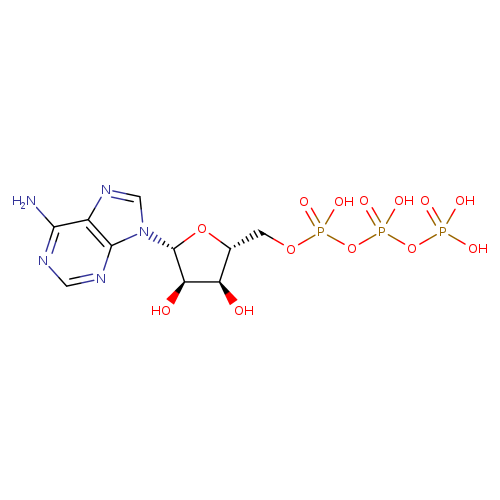
Adenosine triphosphate (C10H16N5O13P3) is an endogenous compound that exists as a solid at room temperature. Adenosine triphosphate belongs to the purine ribonucleotides, a subclass of purine nucleotides within the organic compounds. With an average molecular weight of 507.18 g/mol, Adenosine triphosphate is a heavy molecule. Biologically, it serves as a fundamental metabolite, micronutrient, cofactor (PMC12261052 , PMC6071185 ), and neurotransmitter (PMC4034482 ). Industrially, it is used as a softener and conditioner, and it finds application as a nutraceutical. It is detected in various tissues, including the bladder, kidney, pancreas, platelet, intestine, adipose tissue, myelin, nerve cells, neuron, muscle, skeletal muscle, and fibroblasts. The compound interacts with 42 recorded protein targets, including the ALK tyrosine kinase receptor, Phospholipid-transporting ATPase ABCA1, Acetyl-coenzyme A synthetase, cytoplasmic (ACSS2), and Tyrosine-protein kinase ABL2.
Adenosine triphosphate is released from various sources, including household cleaning and consumer products (such as soap detergents, bleaching agents, and perfumes within detergents and soaps), food processing and cookware (including the preparation of vinegar, wine or sparkling wine, and the processing of meats and fish), tobacco smoke filters, and electrical and electronic equipment (including antennas, amplifiers, electric switches, electric hearing aids, and conductive bodies). Health effects associated with the compound include inflammation (PMC7555848 , PMC7609673 ), necrosis (PMC3004475 ), pain (PMC10556381 ), melanoma (PMC13053802 ), neuropathy (PMC11942409 ), interstitial cystitis (PMC11942409 ), and neuropathic pain (PMC11942409 ). Blood concentrations are decreased in hyperglycemia (PMC9712222 ), Alzheimer's disease (PMC9476395 ), colorectal cancer (PMC9321504 ), stroke (PMC3004475 ), ischemia (PMC3004475 ), amyotrophic lateral sclerosis (PMC10579595 ), multiple sclerosis (PMC9960436 ), and endometriosis (PMC8022091 , PMC13254854 ). In stroke, levels are decreased in the blood, cerebrospinal fluid, urine, and feces (PMC3004475 ). Increased levels are associated with pancreatic cancer (PMC8069343 ). Additionally, it is used as a treatment for drowsiness (PMC12517424 ).
Belongs to the class of organic compounds known as purine ribonucleoside triphosphates. These are purine ribobucleotides with a triphosphate group linked to the ribose moiety.
ATP is able to store and transport chemical energy within cells. ATP also plays an important role in the synthesis of nucleic acids. ATP can be produced by various cellular processes, most typically in mitochondria by oxidative phosphorylation under the catalytic influence of ATP synthase. The total quantity of ATP in the human body is about 0.1 mole. The energy used by human cells requires the hydrolysis of 200 to 300 moles of ATP daily. This means that each ATP molecule is recycled 2000 to 3000 times during a single day. ATP cannot be stored, hence its consumption must closely follow its synthesis.
Oral LD50 in rats is > 2 g/kg.
Cancer is a group of diseases involving abnormal cell growth with the potential to invade or spread to other parts of the body. Possible signs and symptoms include a lump, abnormal bleeding, prolonged cough, unexplained weight loss, and a change in bowel movements. There are over 100 types of cancers affect humans. The risk of developing certain cancers can be reduced by not smoking, maintaining a healthy weight, not drinking too much alcohol, eating plenty of vegetables, fruits and whole grains, vaccination against certain infectious diseases, not eating too much processed and red meat and avoiding too much sunlight exposure. Cancer is often treated with some combination of radiation therapy, surgery, chemotherapy and targeted therapy. The majority of cancers, some 90–95% of cases, are due to genetic mutations from environmental and lifestyle factors. The remaining 5–10% are due to inherited genetics.
Cancer is a group of diseases involving abnormal cell growth with the potential to invade or spread to other parts of the body. Possible signs and symptoms include a lump, abnormal bleeding, prolonged cough, unexplained weight loss, and a change in bowel movements. There are over 100 types of cancers affect humans. The risk of developing certain cancers can be reduced by not smoking, maintaining a healthy weight, not drinking too much alcohol, eating plenty of vegetables, fruits and whole grains, vaccination against certain infectious diseases, not eating too much processed and red meat and avoiding too much sunlight exposure. Cancer is often treated with some combination of radiation therapy, surgery, chemotherapy and targeted therapy. The majority of cancers, some 90–95% of cases, are due to genetic mutations from environmental and lifestyle factors. The remaining 5–10% are due to inherited genetics.
A demyelinating disease that involves damage to the fatty myelin sheaths around the axons of the brain and spinal cord resulting in demyelination and scarring. (DO)
A disorder characterized by a state of generalized weakness with a pronounced inability to summon sufficient energy to accomplish daily activities. (NCI CTCAE)
A glucose metabolism disease characterized by chronic hyperglycaemia with disturbances of carbohydrate, fat and protein metabolism resulting from defects in insulin secretion, insulin action, or both. (DO)
A glucose metabolism disease characterized by chronic hyperglycaemia with disturbances of carbohydrate, fat and protein metabolism resulting from defects in insulin secretion, insulin action, or both. (DO)
A cell type cancer that has material basis in abnormally proliferating cells derives from melanocytes which are found in skin, the bowel and the eye. (DO)
A disorder characterized by the inability of the heart to pump blood at an adequate volume to meet tissue metabolic requirements, or, the ability to do so only at an elevation in the filling pressure. (NCI CTCAE)
A disorder characterized by a decrease or absence of blood supply to an organ or tissue, caused by obstruction (thrombosis or embolism) of an artery. (NCI CTCAE)
A motor neuron disease that is characterized by muscle spasticity, rapidly progressive weakness due to muscle atrophy, difficulty in speaking, swallowing, and breathing. (DO)
A disorder characterized by laboratory test results that indicate an elevation in the concentration of blood sugar. It is usually an indication of diabetes mellitus or glucose intolerance. (NCI CTCAE)
Endometriosis is a condition that affects women in which cells similar to those in the endometrium, the layer of tissue that normally covers the inside of the uterus, grow outside the uterus (mainly in the ovaries and fallopian tubes). The main symptoms are pelvic pain and infertility, although 20-25% of women are asymptomatic. Pain during sexual intercourse is also common. Other symptoms include diarrhea or constipation, chronic fatigue, nausea and vomiting, headaches, low-grade fevers, heavy and/or irregular periods, and hypoglycemia. Endometriosis is a common condition. About 6–10% of women are affected. Endometriosis is most common in those in their thirties and forties; however, it can begin in girls as early as eight years old.
Endometriosis is a condition that affects women in which cells similar to those in the endometrium, the layer of tissue that normally covers the inside of the uterus, grow outside the uterus (mainly in the ovaries and fallopian tubes). The main symptoms are pelvic pain and infertility, although 20-25% of women are asymptomatic. Pain during sexual intercourse is also common. Other symptoms include diarrhea or constipation, chronic fatigue, nausea and vomiting, headaches, low-grade fevers, heavy and/or irregular periods, and hypoglycemia. Endometriosis is a common condition. About 6–10% of women are affected. Endometriosis is most common in those in their thirties and forties; however, it can begin in girls as early as eight years old.
An endogenous depression that is characterized by an all-encompassing low mood accompanied by low self-esteem, and by loss of interest or pleasure in normally enjoyable activities. (DO)
Soil?Soil serves as a critical medium for plant growth and sustains various ecological functions; however, it can become a reservoir for synthetic chemical contamination.
Groundwater?Groundwater serves as a vital resource for drinking water and agricultural irrigation but is increasingly susceptible to contamination from synthetic chemicals.
Stormwater runoff?Stormwater runoff refers to the flow of rainwater or melted snow that does not soak into the ground and instead collects pollutants as it travels over impervious surfaces such as roads and parking lots.
Drinking water?Drinking water can be a medium for synthetic chemical contamination, often originating from various industrial processes and agricultural practices.
Ballast water?Ballast water, taken on by ships to maintain stability and balance, often contains a diverse array of microorganisms, including bacteria, viruses, and plankton.
Bilge water?Bilge water is a byproduct generated from the accumulation of water in the lowest part of a ship's hull, which may include a mixture of seawater, oil, fuel residues, and various contaminants.
Brushes?Brushes used in personal care and cosmetics can be a source of synthetic chemical contamination due to the materials and coatings used in their manufacturing.
Amplifiers?Amplifiers, commonly used in various electronic devices to enhance signal strength, can be a source of synthetic chemical contamination due to the materials and processes involved in their production and disposal.
Antennas?Antennas, commonly used in communication technologies, can be a source of synthetic chemical contamination through the materials and coatings used in their construction.
Conductors Or Conductive Bodies Characterised By The Conductive Materials?Conductors, or conductive bodies, are materials that allow the flow of electrical current, typically made from metals such as copper, aluminum, or silver.
Electric Switches?Electric switches, integral components in numerous devices, can be a source of synthetic chemical contamination due to the materials and manufacturing processes involved in their production.
Electrically Stimulated Smoking Devices?Electrically stimulated smoking devices, commonly known as e-cigarettes or vape pens, utilize electrical components to heat a liquid solution, often containing nicotine, flavorings, and other additives, to produce an aerosol for inhalation.
Electrodes?Electrodes, used in various electrical and electronic applications, can be a source of synthetic chemical contamination due to the materials from which they are constructed and the processes involved in their manufacturing.
Emergency Protective Devices?Emergency protective devices, such as circuit breakers and surge protectors, are essential components in electrical systems designed to prevent damage from overcurrent and surges.
Hybrid Capacitors?Hybrid capacitors are energy storage devices that combine the properties of electrolytic and supercapacitors, utilizing a combination of electrochemical principles to achieve higher energy density and power density.
Line Transmission Systems?Line Transmission Systems, commonly used for the distribution of electrical energy, can be a source of synthetic chemical contamination through the insulation materials and coatings utilized in their construction.
Food Preservation?Food preservation often involves the use of synthetic chemicals, such as preservatives, flavor enhancers, and color additives, to extend shelf life and enhance the sensory qualities of food products.
Preparation Of Vinegar?Vinegar is produced through the fermentation of ethanol by acetic acid bacteria, resulting in a solution that typically contains 4-8% acetic acid.
Preparation Of Wine Or Sparkling Wine?The preparation of wine or sparkling wine involves various stages, including fermentation, aging, and bottling, which can introduce potential sources of synthetic chemical contamination.
Bleaching Agents?Bleaching agents are chemical substances used to whiten or lighten materials, often employed in various cleaning products for their stain removal and disinfecting properties.
Perfumes Within Detergents And Soaps?Perfumes within detergents and soaps are synthetic fragrance compounds added to enhance the sensory experience of cleaning products.
Soap Detergents?Soap detergents are synthetic surfactants designed to enhance the cleaning efficacy of water by reducing surface tension, allowing for better interaction with dirt and grease.
Tobacco Smoke Filters?Tobacco smoke filters are designed to reduce the inhalation of harmful substances in cigarette smoke, including tar and other particulate matter.
Manufacture Of Iron Or Steel?The manufacture of iron or steel involves various processes, including smelting, refining, and alloying, which can result in the release of synthetic chemicals and contaminants.
Manufacture Preparation Of Tobacco Products?The manufacture and preparation of tobacco products involve various processes that can result in the introduction of synthetic chemicals into the environment.
Paper Making Machines?Paper making machines utilize various synthetic chemicals throughout the production process, including additives, coatings, and bleaching agents.
Life Buoys?Life buoys, commonly used in marine environments for safety and rescue operations, can be a source of synthetic chemical contamination due to the materials used in their production.
Nematocides?Nematocides are synthetic chemicals specifically designed to control nematodes, which are microscopic roundworms that can cause significant damage to crops and plants.
Rodenticides(1)?Rodenticides are synthetic chemicals specifically formulated to control rodent populations, serving as a crucial tool in managing pests that can damage crops and spread diseases.
Rodenticides?Rodenticides are chemical substances specifically designed to control rodent populations by causing death through various mechanisms, including anticoagulation or neurotoxicity.
Aftersun Products?Aftersun products are designed to soothe and hydrate the skin after sun exposure, often containing various synthetic chemicals such as emollients, preservatives, and fragrances.
Anti Perspirants Or Body Deoderants?Antiperspirants and body deodorants commonly contain synthetic chemicals such as aluminum compounds, parabens, and synthetic fragrances.
Depilatories?Depilatories are products designed to remove unwanted hair through the application of synthetic chemicals that break down the protein structure of hair, facilitating its removal.
Essential Oils Or Perfumes?Essential oils and perfumes are complex mixtures of volatile compounds derived from natural or synthetic sources, commonly used for their aromatic properties.
Eye Makeup Products?Eye makeup products, including mascaras, eyeliners, and eyeshadows, often contain a variety of synthetic chemicals such as pigments, preservatives, and film-forming agents.
Face Mask Cosmetics?Face mask cosmetics often contain a variety of synthetic chemicals, including preservatives, emulsifiers, and fragrances, which can contribute to chemical contamination.
Lip Care Products?Lip care products, including lipsticks, balms, and glosses, often contain a variety of synthetic chemicals such as parabens, phthalates, and synthetic fragrances.
Lip Makeup Products?Lip makeup products, such as lipsticks, lip glosses, and lip liners, often contain a variety of synthetic chemicals, including pigments, preservatives, and emollients.
Manicure Pedicure?Manicure and pedicure procedures often involve the use of various synthetic chemicals, including solvents, nail polishes, and nail adhesives.
Embroidering And Tufting?Embroidering and tufting processes often involve the use of synthetic chemicals such as dyes, adhesives, and finishing agents.
Footwear?Footwear production often involves the use of various synthetic chemicals, such as adhesives, dyes, and treatments, which can contribute to environmental contamination.
Multicolour Dyeing?Multicolour dyeing involves the application of multiple synthetic dyes to textiles and other materials to achieve vibrant, diverse color patterns.
Ropes?Ropes manufactured from synthetic fibers, such as polypropylene, nylon, and polyester, are widely used in various applications, including marine, construction, and outdoor activities.
Yarns Or Threads?Yarns or threads used in textiles can be a source of synthetic chemical contamination due to the production processes and treatments they undergo.
Fire Fighting Gels?Fire fighting gels are synthetic chemical formulations designed to enhance fire suppression effectiveness by creating a protective barrier against heat and flames.
Airplanes And Helicopters?Airplanes and helicopters are significant sources of synthetic chemical contamination primarily through the use of aviation fuels, lubricants, and de-icing agents.
Unmanned Aerial Vehicles?Unmanned Aerial Vehicles (UAVs), commonly known as drones, utilize various synthetic chemicals in their manufacturing, operation, and maintenance processes.
Nitrogenous Fertilisers?Nitrogenous fertilizers are synthetic chemical compounds primarily used to enhance plant growth by supplying essential nitrogen, a crucial nutrient for photosynthesis and protein synthesis.
Cements?Cements are a composite material primarily used as a binding agent in construction applications, formed by the calcination of limestone and clay minerals at high temperatures.
Clay Wares?Clay wares are ceramic products made from natural clay, often utilized in various construction applications such as tiles, bricks, and sanitary ware.
Nanotechnology?Nanotechnology involves the manipulation of materials at the molecular or atomic level, typically within the range of 1 to 100 nanometers.
Coating Compositions?Coating compositions, which include paints, sealants, and varnishes, are formulated with a variety of synthetic chemicals such as solvents, resins, pigments, and additives.
Sludge Treatment?Sludge treatment involves the processing of waste materials generated from wastewater treatment plants, which often contain a variety of organic and inorganic substances.
Water, Wastewater, & Sewage Treatment?Water, wastewater, and sewage treatment processes are critical for managing and mitigating pollutants in water systems.
George M. Whitesides, Patricia E. Garrett, Merrell G. Siegel, “Method for preparing adenosine triphosphate.” U.S. Patent US4164444, issued April, 1975.
Rutkowski B, Swierczynski J, Slominska E, Szolkiewicz M, Smolenski RT, Marlewski M, Butto B, Rutkowski P: Disturbances of purine nucleotide metabolism in uremia. Semin Nephrol. 2004 Sep;24(5):479-83. [PubMed: 15490415]
Holzer AM, Granstein RD: Role of extracellular adenosine triphosphate in human skin. J Cutan Med Surg. 2004 Mar-Apr;8(2):90-6. Epub 2004 May 3. [PubMed: 15129319]
Myburgh KH: Can any metabolites partially alleviate fatigue manifestations at the cross-bridge? Med Sci Sports Exerc. 2004 Jan;36(1):20-7. [PubMed: 14707763]
Gartland A, Buckley KA, Hipskind RA, Bowler WB, Gallagher JA: P2 receptors in bone--modulation of osteoclast formation and activity via P2X7 activation. Crit Rev Eukaryot Gene Expr. 2003;13(2-4):237-42. [PubMed: 14696970]
Di Virgilio F, Chiozzi P, Ferrari D, Falzoni S, Sanz JM, Morelli A, Torboli M, Bolognesi G, Baricordi OR: Nucleotide receptors: an emerging family of regulatory molecules in blood cells. Blood. 2001 Feb 1;97(3):587-600. [PubMed: 11157473]
Gajewski E, Steckler DK, Goldberg RN: Thermodynamics of the hydrolysis of adenosine 5'-triphosphate to adenosine 5'-diphosphate. J Biol Chem. 1986 Sep 25;261(27):12733-7. [PubMed: 3528161]
Storer AC, Cornish-Bowden A: Concentration of MgATP2- and other ions in solution. Calculation of the true concentrations of species present in mixtures of associating ions. Biochem J. 1976 Oct 1;159(1):1-5. [PubMed: 11772]
Wilson JE, Chin A: Chelation of divalent cations by ATP, studied by titration calorimetry. Anal Biochem. 1991 Feb 15;193(1):16-9. [PubMed: 1645933]
Garfinkel L, Altschuld RA, Garfinkel D: Magnesium in cardiac energy metabolism. J Mol Cell Cardiol. 1986 Oct;18(10):1003-13. [PubMed: 3537318]
Parsons M: Glycosomes: parasites and the divergence of peroxisomal purpose. Mol Microbiol. 2004 Aug;53(3):717-24. [PubMed: 15255886]
Nakayama Y, Kinoshita A, Tomita M: Dynamic simulation of red blood cell metabolism and its application to the analysis of a pathological condition. Theor Biol Med Model. 2005 May 9;2:18. [PubMed: 15882454]
Gottlieb C, Svanborg K, Eneroth P, Bygdeman M: Effect of prostaglandins on human sperm function in vitro and seminal adenosine triphosphate content. Fertil Steril. 1988 Feb;49(2):322-7. [PubMed: 3338588]
Mahmoud AM, Comhaire FH, Vermeulen L, Andreou E: Comparison of the resazurin test, adenosine triphosphate in semen, and various sperm parameters. Hum Reprod. 1994 Sep;9(9):1688-93. [PubMed: 7836519]
Kadmon M, Klunemann C, Bohme M, Ishikawa T, Gorgas K, Otto G, Herfarth C, Keppler D: Inhibition by cyclosporin A of adenosine triphosphate-dependent transport from the hepatocyte into bile. Gastroenterology. 1993 May;104(5):1507-14. [PubMed: 7683296]
Sun Y, MaLossi J, Jacobs SC, Chai TC: Effect of doxazosin on stretch-activated adenosine triphosphate release in bladder urothelial cells from patients with benign prostatic hyperplasia. Urology. 2002 Aug;60(2):351-6. [PubMed: 12137852]
Ryan LM, Rachow JW, McCarty BA, McCarty DJ: Adenosine triphosphate levels in human plasma. J Rheumatol. 1996 Feb;23(2):214-9. [PubMed: 8882021]
Yoshida M, Miyamae K, Iwashita H, Otani M, Inadome A: Management of detrusor dysfunction in the elderly: changes in acetylcholine and adenosine triphosphate release during aging. Urology. 2004 Mar;63(3 Suppl 1):17-23. [PubMed: 15013648]
Bar-Meir M, Elpeleg ON, Saada A: Effect of various agents on adenosine triphosphate synthesis in mitochondrial complex I deficiency. J Pediatr. 2001 Dec;139(6):868-70. [PubMed: 11743516]
Mannucci L, Pastore A, Rizzo C, Piemonte F, Rizzoni G, Emma F: Impaired activity of the gamma-glutamyl cycle in nephropathic cystinosis fibroblasts. Pediatr Res. 2006 Feb;59(2):332-5. [PubMed: 16439602]
Livingston JH, Brown JK, Harkness RA, McCreanor GM: Cerebrospinal fluid nucleotide metabolites following non-convulsive status epilepticus. Dev Med Child Neurol. 1989 Apr;31(2):168-73. [PubMed: 2737369]


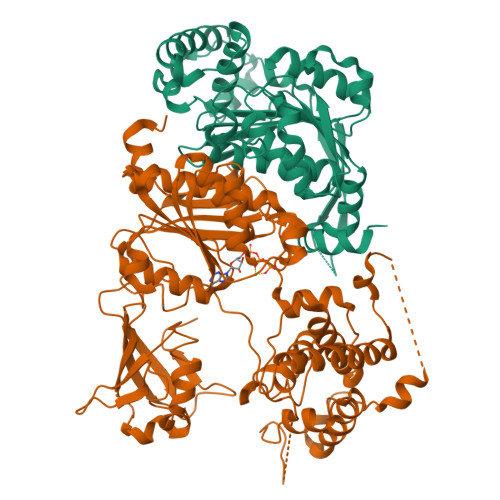

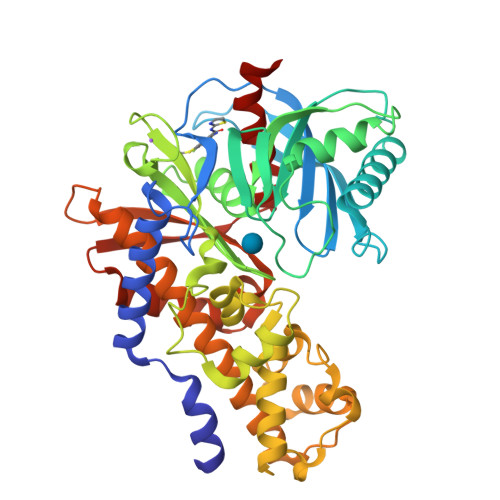


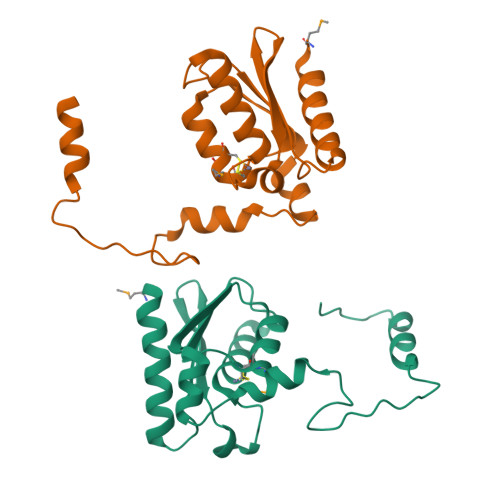


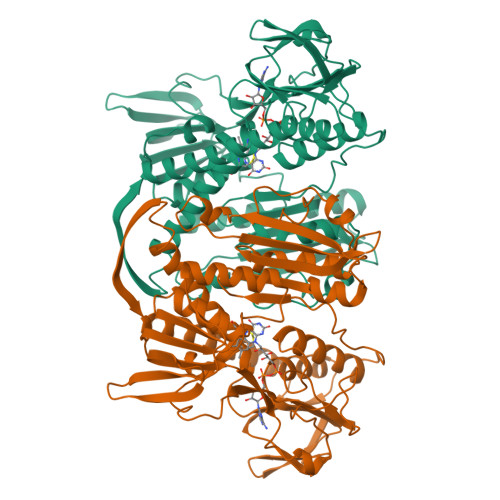
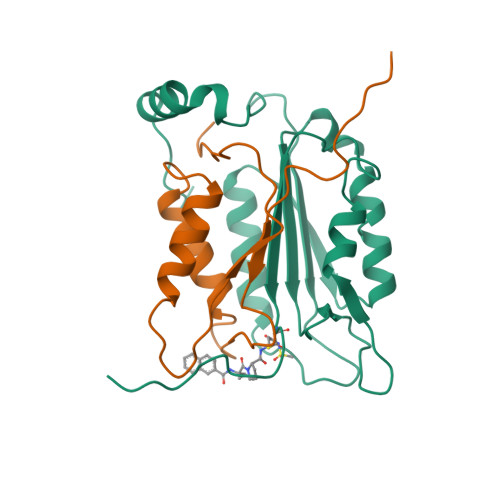


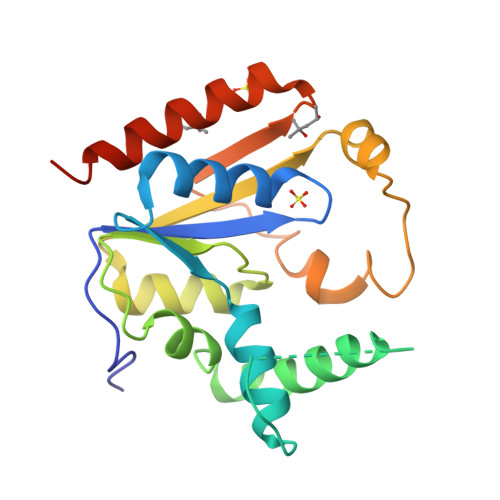
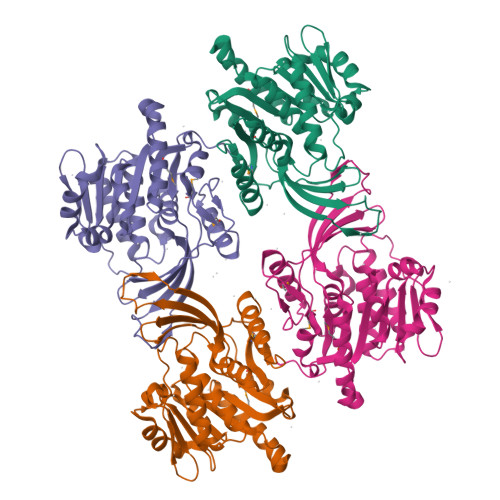
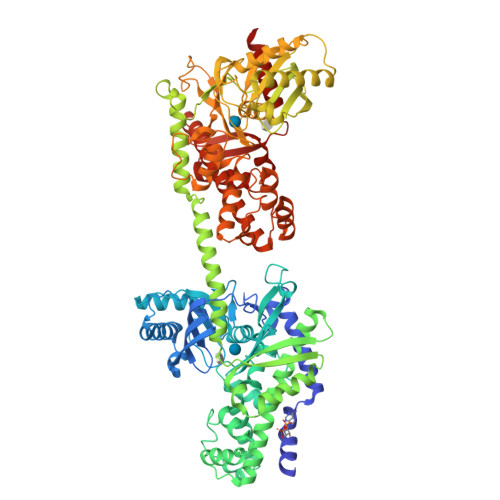
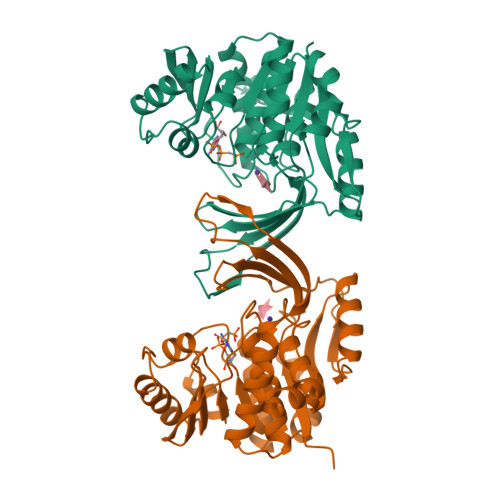



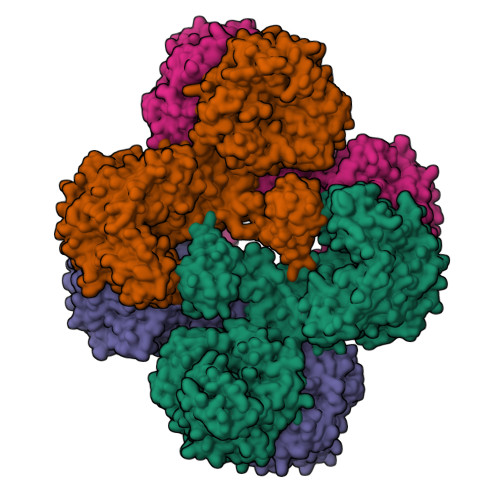
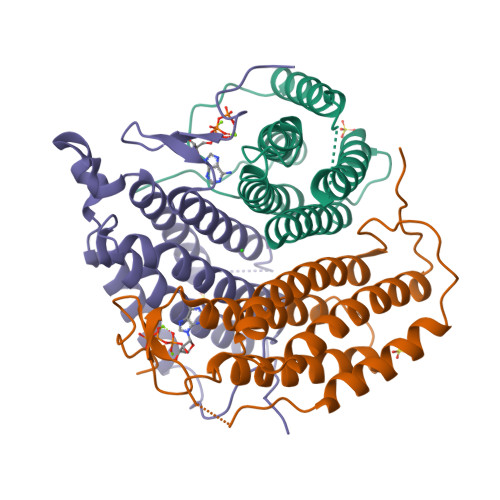


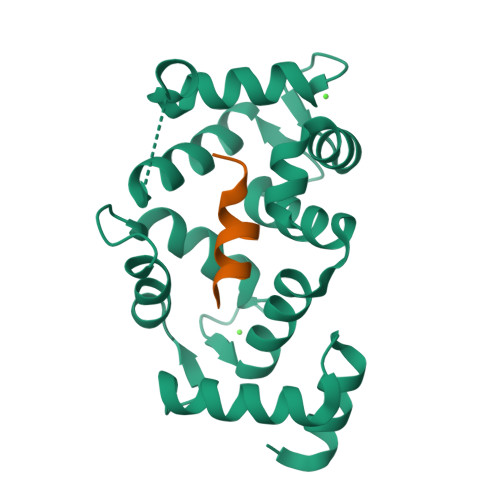

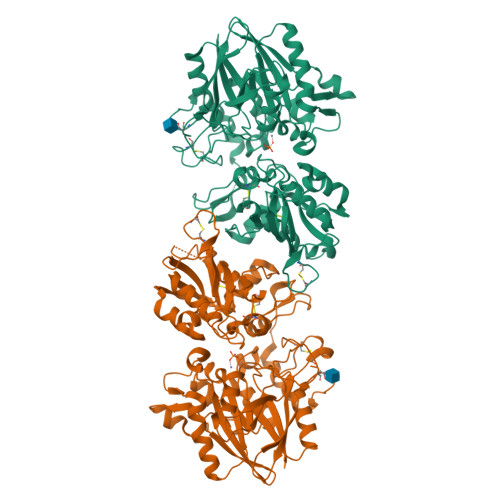


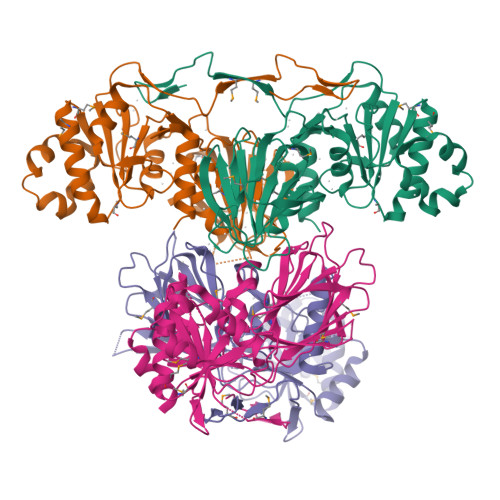


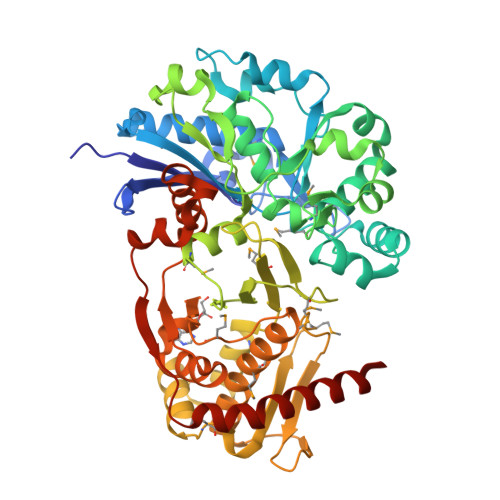
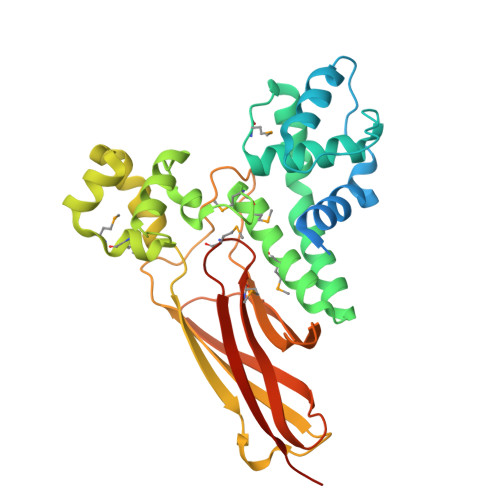


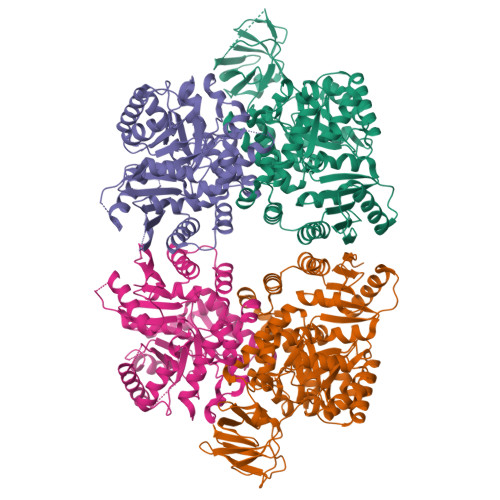
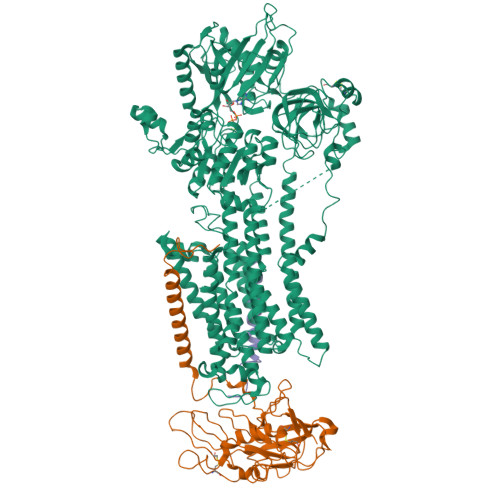


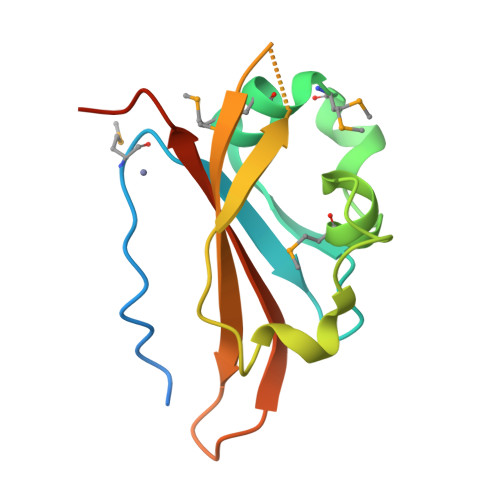

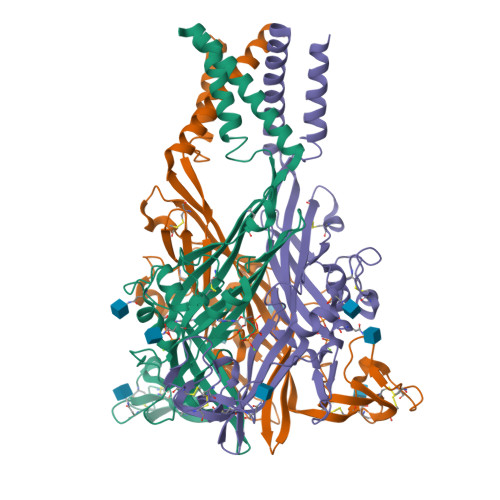
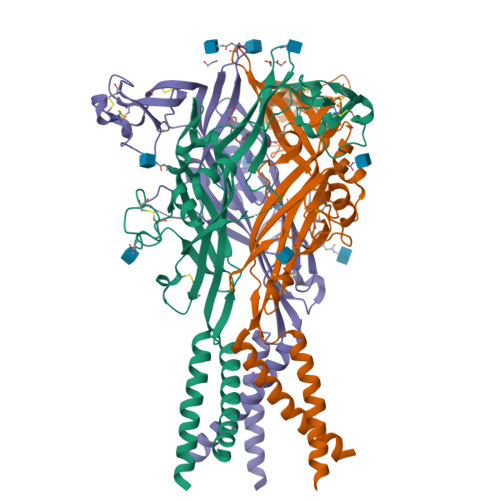


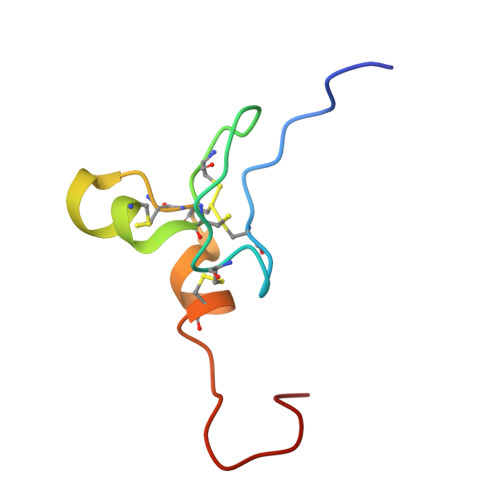

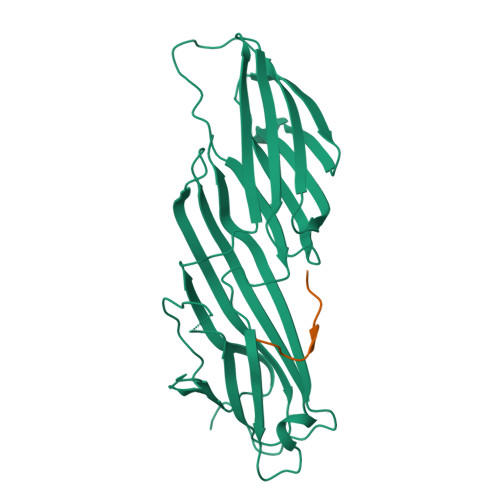

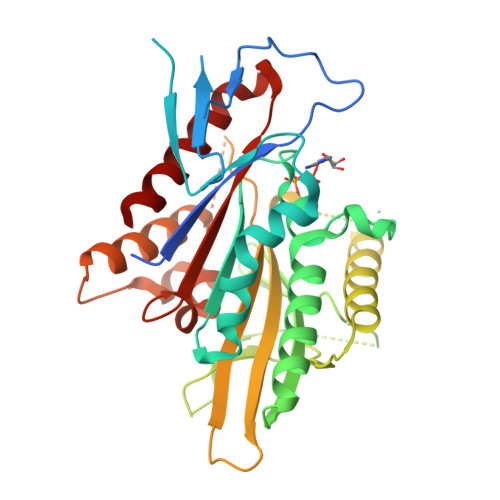
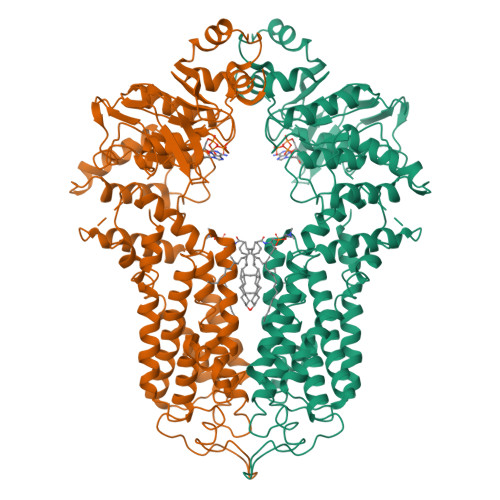
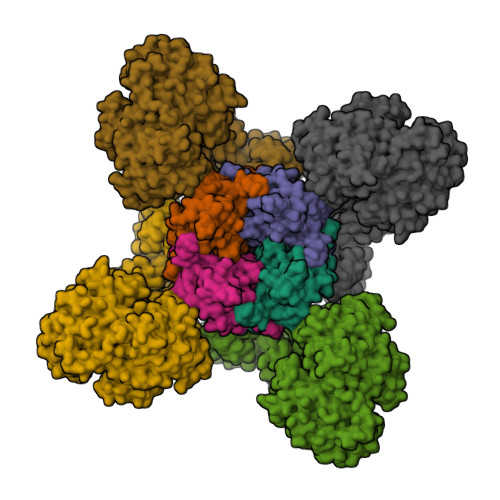
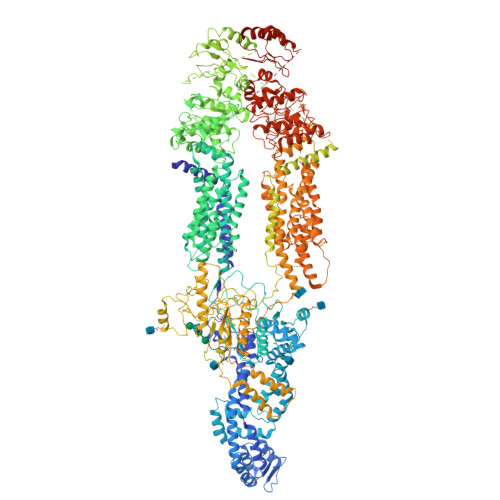
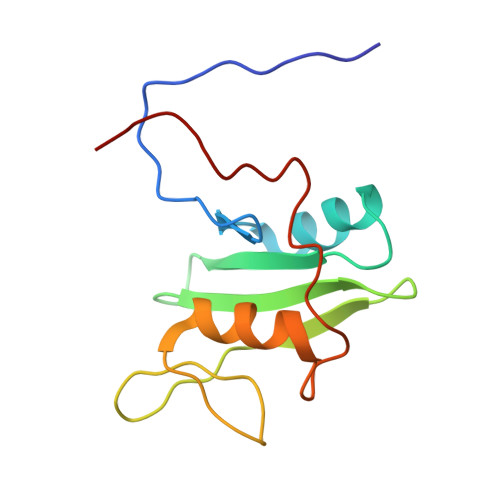

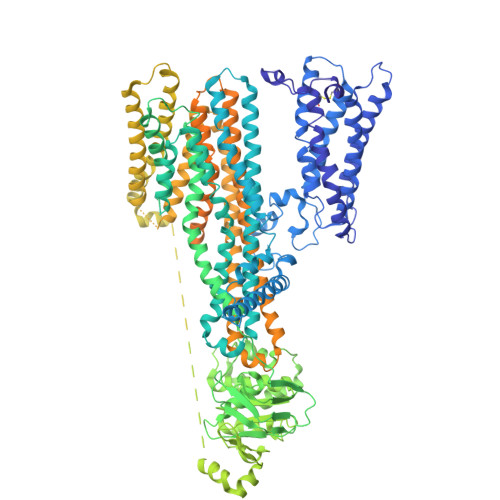


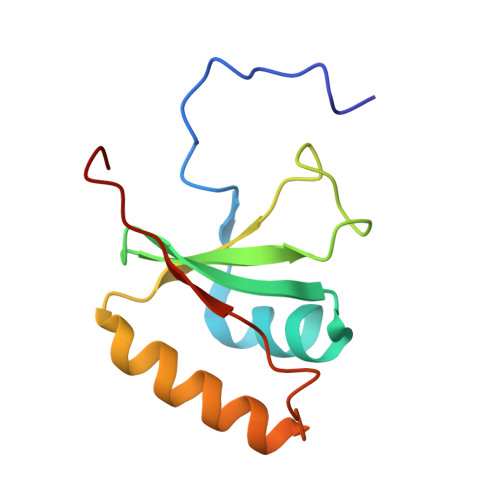



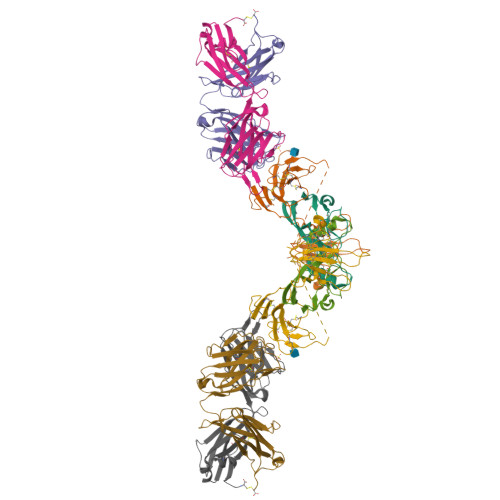
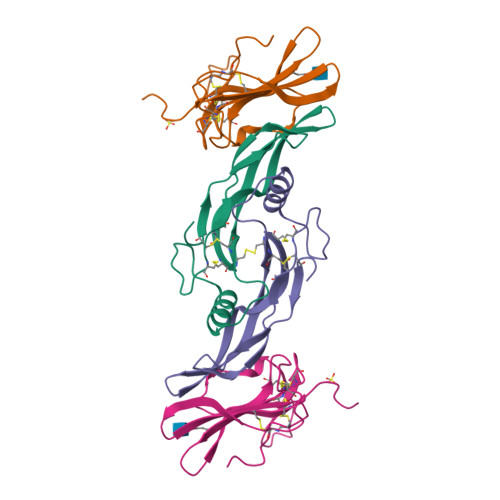

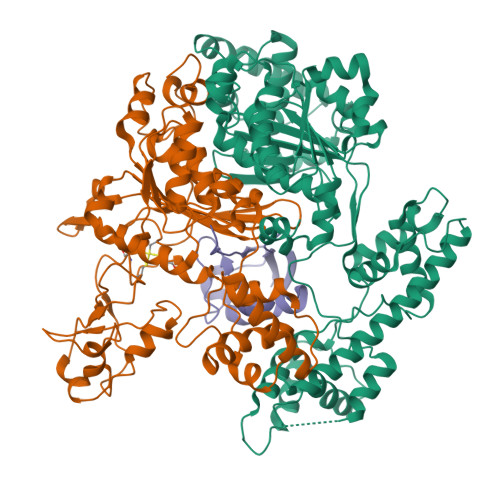
![Asparagine synthetase [glutamine-hydrolyzing] structure](https://cdn.rcsb.org/images/structures/6gq3_assembly-1.jpeg)