Some data may have been extracted from scientific literature using a pipeline that uses large language models (LLMs). Source articles are cited where applicable to help verify the extracted relationships.
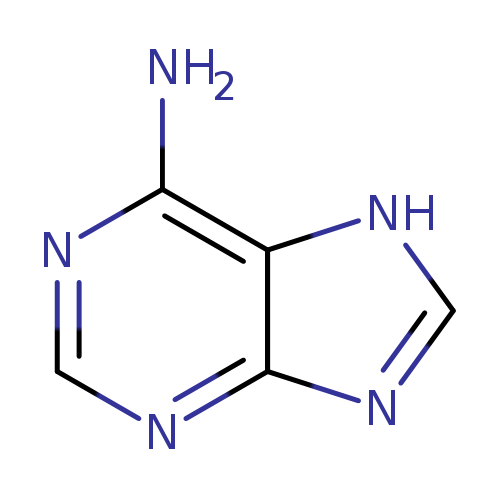
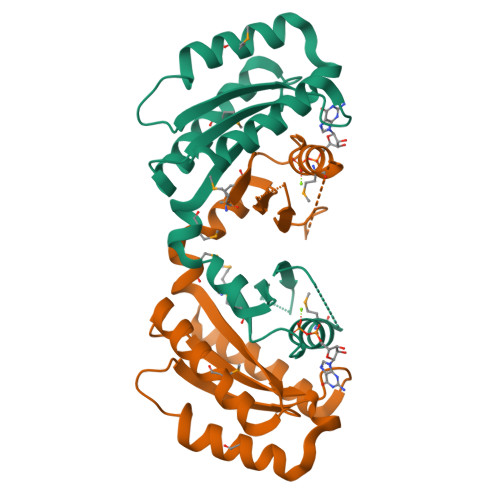
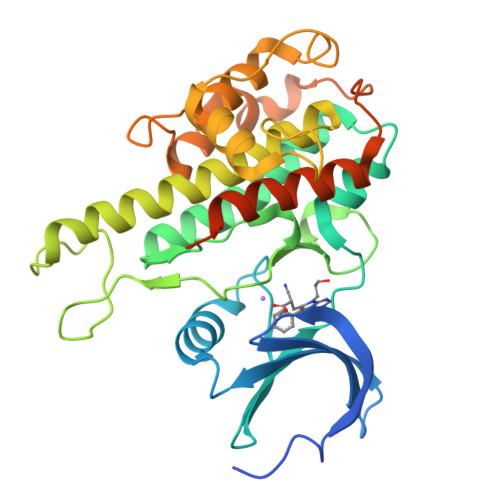
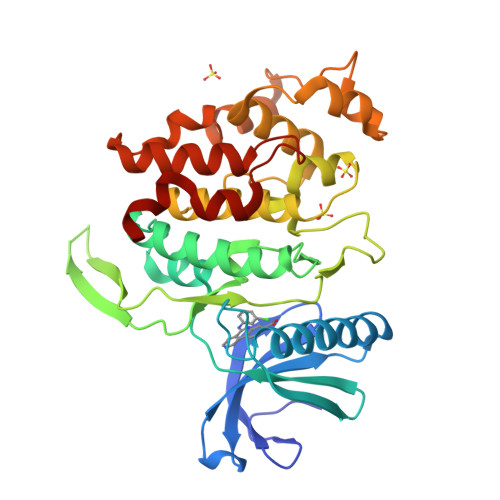
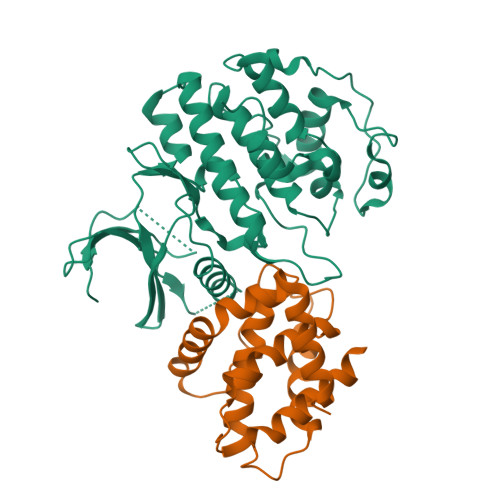
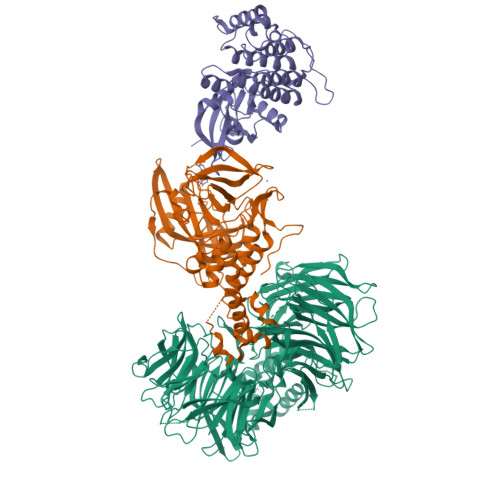
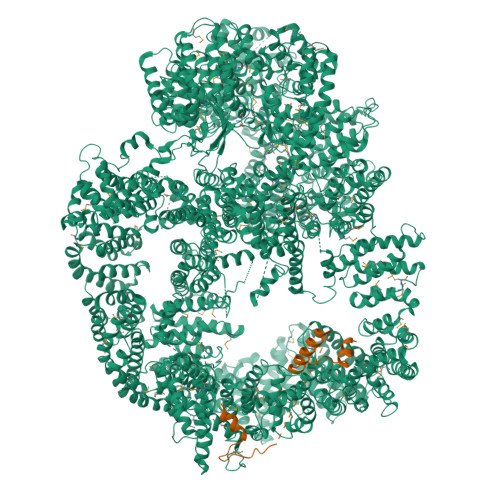
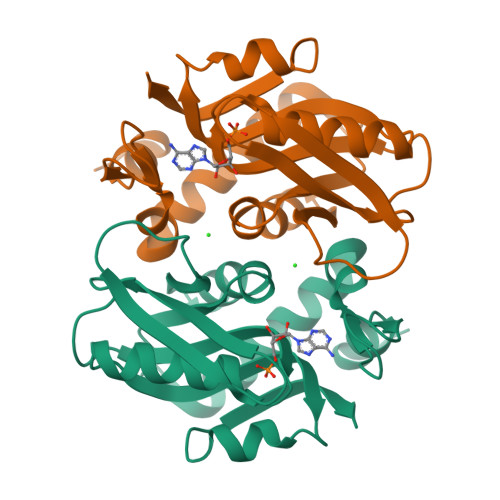
Adenine belongs to the purines and purine derivatives, a subclass of imidazopyrimidines within the organic compounds. It is an endogenous solid with the formula C5H5N5 and an average molecular weight of 135.13 g/mol. Biologically, it serves as a metabolite, a human metabolite, and a ligand (PMC6882738 ). It is detected in the prostate and all other tissues. There are 14 recorded protein targets for adenine, including Acetyl-CoA carboxylase 2 (ACACB), Low molecular weight phosphotyrosine protein phosphatase (ACP1), Adenine phosphoribosyltransferase (APRT), and S-methyl-5'-thioadenosine phosphorylase (MTAP).
Industrially, adenine is used as a softener and conditioner (PMC6882738 ). It has been found in or released from 34 recorded sources across multiple sectors, including drinking water and water supply; air, dust and atmospheric transport (specifically indoor air); textiles, leather and furnishings (such as carpets, rugs, and synthetic textiles); household cleaning and consumer products (including soap detergents, bleaching agents, and perfumes within detergents and soaps); food, food processing and cookware (including food packaging, food preservation, preparation of vinegar, preparation of malt, and fermentation processes for beer); and electrical and electronic equipment (including batteries, capacitors, wires and cables, printed circuit boards, and cell phones). Recorded exposure routes for the compound include touch, oral, and inhalation.
Belongs to the class of organic compounds known as 6-aminopurines. These are purines that carry an amino group at position 6. Purine is a bicyclic aromatic compound made up of a pyrimidine ring fused to an imidazole ring.
Adenine forms adenosine, a nucleoside, when attached to ribose, and deoxyadenosine when attached to deoxyribose, and it forms adenosine triphosphate (ATP), a nucleotide, when three phosphate groups are added to adenosine. Adenosine triphosphate is used in cellular metabolism as one of the basic methods of transferring chemical energy between reactions. In older literature, adenine was sometimes called Vitamin B4Not Available
No indication of carcinogenicity to humans (not listed by IARC).
Minimum Risk Level
Not Available
Symptoms
Not Available
Treatment
Not Available
Health Effects
Health Effect
Relationship
Direction
Description
Reference
hypertension
Associated With?
Not Available
A disorder characterized by a pathological increase in blood pressure; a repeatedly elevation in the blood pressure exceeding 140 over 90 mm Hg. (NCI CTCAE)
Indoor air?Indoor air can be a significant reservoir for synthetic chemical contaminants, which often originate from various sources within enclosed environments.
Drinking water?Drinking water can be a medium for synthetic chemical contamination, often originating from various industrial processes and agricultural practices.
Printed circuit boards?Printed circuit boards (PCBs) are essential components in the manufacturing of electronic devices, serving as the backbone for electrical connections and circuit pathways.
Semiconductors?Semiconductors are materials that possess electrical conductivity between that of conductors and insulators, making them essential for various electronic applications, including transistors, diodes, and integrated circuits.
Lubricants?Lubricants are synthetic or petroleum-derived substances used to reduce friction between surfaces in machinery and equipment, enhancing operational efficiency and longevity.
Food packaging?Food packaging often utilizes synthetic chemicals, such as plastics and coatings, to enhance durability, moisture resistance, and shelf life.
Medical devices?Medical devices often incorporate synthetic chemicals in their manufacturing processes, which can contribute to contamination in healthcare settings.
Carpets and Rugs?Carpets and rugs are commonly manufactured using synthetic fibers such as nylon, polyester, and polypropylene, which can be derived from petrochemical sources.
Synthetic textiles?Synthetic textiles are materials derived from man-made fibers, such as polyester, nylon, and acrylic, which are produced through chemical processes involving petrochemicals.
Cell phones?Cell phones contain a variety of synthetic chemicals and materials, including plastics, metals, and glass, which can contribute to environmental contamination.
Capacitors?Capacitors are electronic components that store and release electrical energy, often using dielectric materials that can include synthetic chemicals.
Amplifiers?Amplifiers, commonly used in various electronic devices to enhance signal strength, can be a source of synthetic chemical contamination due to the materials and processes involved in their production and disposal.
Communication Cables Or Conductors?Communication cables or conductors are essential components in the transmission of data and signals in various applications, including telecommunications and networking.
Conductors Or Conductive Bodies Characterised By The Conductive Materials?Conductors, or conductive bodies, are materials that allow the flow of electrical current, typically made from metals such as copper, aluminum, or silver.
Electrically Stimulated Smoking Devices?Electrically stimulated smoking devices, commonly known as e-cigarettes or vape pens, utilize electrical components to heat a liquid solution, often containing nicotine, flavorings, and other additives, to produce an aerosol for inhalation.
Electrodes?Electrodes, used in various electrical and electronic applications, can be a source of synthetic chemical contamination due to the materials from which they are constructed and the processes involved in their manufacturing.
Hybrid Capacitors?Hybrid capacitors are energy storage devices that combine the properties of electrolytic and supercapacitors, utilizing a combination of electrochemical principles to achieve higher energy density and power density.
Line Transmission Systems?Line Transmission Systems, commonly used for the distribution of electrical energy, can be a source of synthetic chemical contamination through the insulation materials and coatings utilized in their construction.
Television Systems?Television systems can be a source of synthetic chemical contamination due to the various materials and components used in their manufacture and operation.
Food Preservation?Food preservation often involves the use of synthetic chemicals, such as preservatives, flavor enhancers, and color additives, to extend shelf life and enhance the sensory qualities of food products.
Preparation Of Malt?Malt preparation involves the germination and drying of cereal grains, primarily barley, to produce malt for brewing and food products.
Preparation Of Vinegar?Vinegar is produced through the fermentation of ethanol by acetic acid bacteria, resulting in a solution that typically contains 4-8% acetic acid.
Preparation Of Wine Or Sparkling Wine?The preparation of wine or sparkling wine involves various stages, including fermentation, aging, and bottling, which can introduce potential sources of synthetic chemical contamination.
Bleaching Agents?Bleaching agents are chemical substances used to whiten or lighten materials, often employed in various cleaning products for their stain removal and disinfecting properties.
Perfumes Within Detergents And Soaps?Perfumes within detergents and soaps are synthetic fragrance compounds added to enhance the sensory experience of cleaning products.
Soap Detergents?Soap detergents are synthetic surfactants designed to enhance the cleaning efficacy of water by reducing surface tension, allowing for better interaction with dirt and grease.
Tobacco Smoke Filters?Tobacco smoke filters are designed to reduce the inhalation of harmful substances in cigarette smoke, including tar and other particulate matter.
Manufacture Preparation Of Tobacco Products?The manufacture and preparation of tobacco products involve various processes that can result in the introduction of synthetic chemicals into the environment.
Nematocides?Nematocides are synthetic chemicals specifically designed to control nematodes, which are microscopic roundworms that can cause significant damage to crops and plants.
Aftersun Products?Aftersun products are designed to soothe and hydrate the skin after sun exposure, often containing various synthetic chemicals such as emollients, preservatives, and fragrances.
Anti Perspirants Or Body Deoderants?Antiperspirants and body deodorants commonly contain synthetic chemicals such as aluminum compounds, parabens, and synthetic fragrances.
Eye Makeup Products?Eye makeup products, including mascaras, eyeliners, and eyeshadows, often contain a variety of synthetic chemicals such as pigments, preservatives, and film-forming agents.
Lip Makeup Products?Lip makeup products, such as lipsticks, lip glosses, and lip liners, often contain a variety of synthetic chemicals, including pigments, preservatives, and emollients.
Toys?Toys, particularly those made from synthetic materials such as plastics, can be a source of chemical contamination due to the presence of various additives and compounds used in their production.
Footwear?Footwear production often involves the use of various synthetic chemicals, such as adhesives, dyes, and treatments, which can contribute to environmental contamination.
Nitrogenous Fertilisers?Nitrogenous fertilizers are synthetic chemical compounds primarily used to enhance plant growth by supplying essential nitrogen, a crucial nutrient for photosynthesis and protein synthesis.
Glass Coatings?Glass coatings are synthetic chemical formulations applied to glass surfaces to enhance properties such as durability, UV resistance, and aesthetic appeal.
Nanotechnology?Nanotechnology involves the manipulation of materials at the molecular or atomic level, typically within the range of 1 to 100 nanometers.
Mining Or Quarrying?Mining and quarrying operations can lead to synthetic chemical contamination through the release of various pollutants associated with the extraction and processing of minerals.
Embossing Machines?Embossing machines are industrial devices used to create raised patterns or designs on materials, including paper and fiber products.
Sludge Treatment?Sludge treatment involves the processing of waste materials generated from wastewater treatment plants, which often contain a variety of organic and inorganic substances.
Water, Wastewater, & Sewage Treatment?Water, wastewater, and sewage treatment processes are critical for managing and mitigating pollutants in water systems.
Rolfes RJ: Regulation of purine nucleotide biosynthesis: in yeast and beyond. Biochem Soc Trans. 2006 Nov;34(Pt 5):786-90. [PubMed: 17052198]
Simoni RE, Gomes LN, Scalco FB, Oliveira CP, Aquino Neto FR, de Oliveira ML: Uric acid changes in urine and plasma: an effective tool in screening for purine inborn errors of metabolism and other pathological conditions. J Inherit Metab Dis. 2007 Jun;30(3):295-309. Epub 2007 May 19. [PubMed: 17520339]
Sreekumar A, Poisson LM, Rajendiran TM, Khan AP, Cao Q, Yu J, Laxman B, Mehra R, Lonigro RJ, Li Y, Nyati MK, Ahsan A, Kalyana-Sundaram S, Han B, Cao X, Byun J, Omenn GS, Ghosh D, Pennathur S, Alexander DC, Berger A, Shuster JR, Wei JT, Varambally S, Beecher C, Chinnaiyan AM: Metabolomic profiles delineate potential role for sarcosine in prostate cancer progression. Nature. 2009 Feb 12;457(7231):910-4. doi: 10.1038/nature07762. [PubMed: 19212411]
Ohdoi C, Nyhan WL, Kuhara T: Chemical diagnosis of Lesch-Nyhan syndrome using gas chromatography-mass spectrometry detection. J Chromatogr B Analyt Technol Biomed Life Sci. 2003 Jul 15;792(1):123-30. [PubMed: 12829005]
Di Pietro V, Perruzza I, Amorini AM, Balducci A, Ceccarelli L, Lazzarino G, Barsotti P, Giardina B, Tavazzi B: Clinical, biochemical and molecular diagnosis of a compound homozygote for the 254 bp deletion-8 bp insertion of the APRT gene suffering from severe renal failure. Clin Biochem. 2007 Jan;40(1-2):73-80. Epub 2006 Oct 19. [PubMed: 17126311]
Eells JT, Spector R: Purine and pyrimidine base and nucleoside concentrations in human cerebrospinal fluid and plasma. Neurochem Res. 1983 Nov;8(11):1451-7. [PubMed: 6656991]
Moriyama H, Iizuka T, Nagai M, Hoshi K: Adenine, an inhibitor of platelet aggregation, from the leaves of Cassia alata. Biol Pharm Bull. 2003 Sep;26(9):1361-4. [PubMed: 12951489]
Liu Y, Xu G, Xu C, Garcia L, Lin CC, Yeh LT: Ultra sensitive method for the determination of 9-(2-phosphonylmethoxyethyl)adenine in human serum by liquid chromatography-tandem mass spectrometry. J Chromatogr B Analyt Technol Biomed Life Sci. 2004 Apr 25;803(2):293-8. [PubMed: 15063338]
Terry KL, De Vivo I, Titus-Ernstoff L, Shih MC, Cramer DW: Androgen receptor cytosine, adenine, guanine repeats, and haplotypes in relation to ovarian cancer risk. Cancer Res. 2005 Jul 1;65(13):5974-81. [PubMed: 15994977]
Steiner MC, Evans R, Deacon SJ, Singh SJ, Patel P, Fox J, Greenhaff PL, Morgan MD: Adenine nucleotide loss in the skeletal muscles during exercise in chronic obstructive pulmonary disease. Thorax. 2005 Nov;60(11):932-6. Epub 2005 Jul 29. [PubMed: 16055624]
Whitehead JW, Lee GP, Gharagozloo P, Hofer P, Gehrig A, Wintergerst P, Smyth D, McCoull W, Hachicha M, Patel A, Kyle DJ: 8-Substituted analogues of 3-(3-cyclopentyloxy-4-methoxy-benzyl)-8-isopropyl-adenine: highly potent and selective PDE4 inhibitors. J Med Chem. 2005 Feb 24;48(4):1237-43. [PubMed: 15715490]
Reimers HJ, Packham MA, Mustard JF: Labeling of the releasable adenine nucleotides of washed human platelets. Blood. 1977 Jan;49(1):89-99. [PubMed: 401462]
Hartmann S, Okun JG, Schmidt C, Langhans CD, Garbade SF, Burgard P, Haas D, Sass JO, Nyhan WL, Hoffmann GF: Comprehensive detection of disorders of purine and pyrimidine metabolism by HPLC with electrospray ionization tandem mass spectrometry. Clin Chem. 2006 Jun;52(6):1127-37. Epub 2006 Apr 13. [PubMed: 16613999]
Ruiz-Stewart I, Kazerounian S, Pitari GM, Schulz S, Waldman SA: Soluble guanylate cyclase is allosterically inhibited by direct interaction with 2-substituted adenine nucleotides. Eur J Biochem. 2002 Apr;269(8):2186-93. [PubMed: 11985597]