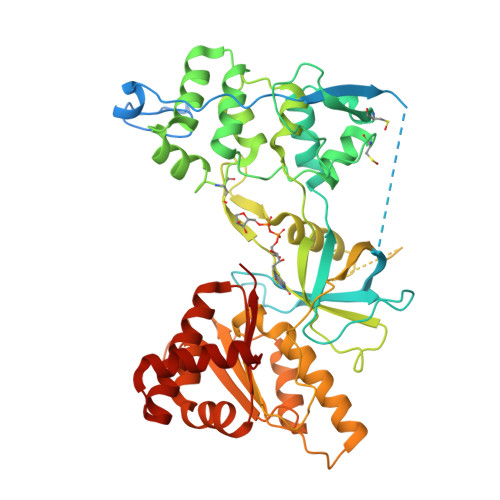
L-Methionine (CED0000596)

Record Information
Version1.0
Creation Date2014-08-29 06:27:43 UTC
Update Date2026-05-14 16:24:10 UTC
SynCED IDCED0000596
Secondary Accession Numbers
  • CHEM003288
  • T3D4328
Identification
Common NameL-Methionine
ClassSmall Molecule
Description
L-Methionine belongs to the amino acids, peptides, and analogues, a subclass of carboxylic acids and derivatives within the organic compounds. It has the chemical formula C5H11NO2S and an average molecular weight of 149.21 g/mol. This endogenous compound is a solid at room temperature. Biologically, it is an amino acid (PMC12541554 ), micronutrient, antioxidant (PMC7583958 , PMC9265340 ), and a metabolite of plants, Escherichia coli, and Saccharomyces cerevisiae. Industrially, it is used as a pharmaceutical, a softener and conditioner, a flavouring and nutrient, and as a nutraceutical application. It also serves as an antidote to paracetamol poisoning. L-Methionine is detected in various tissues, including the liver, kidney, pancreas, spleen, muscle, prostate, and fibroblasts. Its protein targets include Methionine synthase (MTR), Methionine synthase reductase (MTRR), Methionine aminopeptidase 2 (METAP2), and Betaine--homocysteine S-methyltransferase 1 (BHMT), among others. The compound is found in numerous sources, including food processing (such as the preparation of malt, vinegar, wine, and beer), household cleaning products, electronic equipment, and unclassified therapeutic products. Recorded exposure routes include oral, topical, and intravenous administration. Regarding health effects, L-Methionine is a biomarker of traumatic brain injury (PMC10026263 ). It is used as a treatment for cancer (PMC13400281 ) and has therapeutic effects on obesity (PMC12691759 ) and inflammation (PMC12526372 ). However, it is associated with an increase in inflammation and cognitive impairment (PMC12691759 ), while a decrease in blood levels is linked to cognitive impairment (PMC7196897 ).
Contaminant Type
  • Amine
  • Amino Acid, Essential
  • Animal Toxin
  • Dietary Supplement
  • Drug
  • Ether
  • Food Toxin
  • Household Toxin
  • Metabolite
  • Micronutrient
  • Natural Compound
  • Nutraceutical
  • Organic Compound
  • Supplement
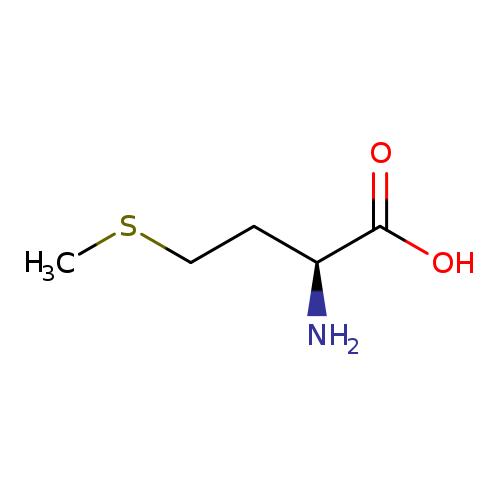
Chemical Structure
Synonyms
ValueSource
(2S)-2-Amino-4-(methylsulfanyl)butanoic acidChEBI
(S)-2-Amino-4-(methylthio)butanoic acidChEBI
(S)-2-Amino-4-(methylthio)butyric acidChEBI
(S)-MethionineChEBI
L-(-)-MethionineChEBI
L-alpha-Amino-gamma-methylmercaptobutyric acidChEBI
L-MethioninChEBI
MChEBI
MetChEBI
METHIONINEChEBI
L-2-Amino-4methylthiobutyric acidKegg
L-Methionine ZKegg
(2S)-2-Amino-4-(methylsulfanyl)butanoateGenerator
(2S)-2-Amino-4-(methylsulphanyl)butanoateGenerator
(2S)-2-Amino-4-(methylsulphanyl)butanoic acidGenerator
(S)-2-Amino-4-(methylthio)butanoateGenerator
(S)-2-Amino-4-(methylthio)butyrateGenerator
L-a-Amino-g-methylmercaptobutyrateGenerator
L-a-Amino-g-methylmercaptobutyric acidGenerator
L-alpha-Amino-gamma-methylmercaptobutyrateGenerator
L-Α-amino-γ-methylmercaptobutyrateGenerator
L-Α-amino-γ-methylmercaptobutyric acidGenerator
L-2-Amino-4methylthiobutyrateGenerator
(L)-MethionineHMDB
(S)-(+)-MethionineHMDB
(S)-2-Amino-4-(methylthio)-butanoateHMDB
(S)-2-Amino-4-(methylthio)-butanoic acidHMDB
2-Amino-4-(methylthio)butyrateHMDB
2-Amino-4-(methylthio)butyric acidHMDB
2-Amino-4-methylthiobutanoateHMDB
2-Amino-4-methylthiobutanoic acidHMDB
a-Amino-g-methylmercaptobutyrateHMDB
a-Amino-g-methylmercaptobutyric acidHMDB
AcimethinHMDB
alpha-Amino-alpha-aminobutyric acidHMDB
alpha-Amino-gamma-methylmercaptobutyrateHMDB
alpha-Amino-gamma-methylmercaptobutyric acidHMDB
CymethionHMDB
g-Methylthio-a-aminobutyrateHMDB
g-Methylthio-a-aminobutyric acidHMDB
gamma-Methylthio-alpha-aminobutyrateHMDB
gamma-Methylthio-alpha-aminobutyric acidHMDB
H-Met-HHMDB
H-Met-OHHMDB
L(-)-Amino-alpha-amino-alpha-aminobutyric acidHMDB
L(-)-Amino-gamma-methylthiobutyric acidHMDB
L-2-Amino-4-(methylthio)butyric acidHMDB
L-2-Amino-4-methylthiobutyric acidHMDB
L-a-Amino-g-methylthiobutyrateHMDB
L-a-Amino-g-methylthiobutyric acidHMDB
L-alpha-Amino-gamma-methylthiobutyrateHMDB
L-alpha-Amino-gamma-methylthiobutyric acidHMDB
L-gamma-Methylthio-alpha-aminobutyric acidHMDB
L-MethioninumHMDB
LiquimethHMDB
MepronHMDB
MethilaninHMDB
MethioninumHMDB
MetioninaHMDB
Neo-methidinHMDB
Poly-L-methionineHMDB
PolymethionineHMDB
S-MethionineHMDB
S-Methyl-L-homocysteineHMDB
Toxin warHMDB
L-Isomer methionineHMDB
Methionine, L-isomerHMDB
PedamethHMDB
Methionine, L isomerHMDB
(3R,3'r,6S)-4,5-DIDEHYDRO-5,6-dihydro-BETA,BETA-carotene-3,3'-diolChEBI
Bo-xanChEBI
e 161bChEBI
XanthophyllChEBI
(3R,3'r,6S)-4,5-DIDEHYDRO-5,6-dihydro-b,b-carotene-3,3'-diolGenerator
(3R,3'r,6S)-4,5-DIDEHYDRO-5,6-dihydro-β,β-carotene-3,3'-diolGenerator
Chemical FormulaC5H11NO2S
Average Molecular Mass149.211 g/mol
Monoisotopic Mass149.051 g/mol
CAS Registry Number63-68-3
IUPAC Name(2S)-2-amino-4-(methylsulfanyl)butanoic acid
Traditional NameL-methionine
SMILESCSCC[C@H](N)C(O)=O
InChI IdentifierInChI=1S/C5H11NO2S/c1-9-3-2-4(6)5(7)8/h4H,2-3,6H2,1H3,(H,7,8)/t4-/m0/s1
InChI KeyFFEARJCKVFRZRR-BYPYZUCNSA-N
Chemical Taxonomy
Description Belongs to the class of organic compounds known as methionine and derivatives. Methionine and derivatives are compounds containing methionine or a derivative thereof resulting from reaction of methionine at the amino group or the carboxy group, or from the replacement of any hydrogen of glycine by a heteroatom.
KingdomOrganic compounds
Super ClassOrganic acids and derivatives
ClassCarboxylic acids and derivatives
Sub ClassAmino acids, peptides, and analogues
Direct ParentMethionine and derivatives
Alternative Parents
Substituents
  • Methionine or derivatives
  • Alpha-amino acid
  • L-alpha-amino acid
  • Thia fatty acid
  • Fatty acid
  • Fatty acyl
  • Amino acid
  • Carboxylic acid
  • Monocarboxylic acid or derivatives
  • Thioether
  • Sulfenyl compound
  • Dialkylthioether
  • Amine
  • Organic oxygen compound
  • Primary amine
  • Organosulfur compound
  • Organooxygen compound
  • Organonitrogen compound
  • Organic nitrogen compound
  • Primary aliphatic amine
  • Carbonyl group
  • Organopnictogen compound
  • Organic oxide
  • Hydrocarbon derivative
  • Aliphatic acyclic compound
Molecular FrameworkAliphatic acyclic compounds
External Descriptors
Biological Properties
StatusDetected and Not Quantified
OriginEndogenous
Cellular Locations
  • Extracellular
  • Membrane
Biofluid LocationsNot Available
Tissue Locations
  • Fibroblasts
  • Kidney
  • Liver
  • Muscle
  • Pancreas
  • Prostate
  • Spleen
Applications
Biological Roles
Chemical RolesNot Available
Organoleptic EffectsNot Available
Physical Properties
StateSolid
AppearanceWhite powder.
Experimental Properties
PropertyValue
Melting Point283 dec°C
Boiling PointNot Available
Solubility5.66E+004 mg/L (at 25°C)
Predicted Properties
PropertyValueSource
Water Solubility23.9 g/LALOGPS
logP-1.8ALOGPS
logP-2.2ChemAxon
logS-0.8ALOGPS
pKa (Strongest Acidic)2.53ChemAxon
pKa (Strongest Basic)9.5ChemAxon
Physiological Charge0ChemAxon
Hydrogen Acceptor Count3ChemAxon
Hydrogen Donor Count2ChemAxon
Polar Surface Area63.32 ŲChemAxon
Rotatable Bond Count4ChemAxon
Refractivity37.59 m³·mol⁻¹ChemAxon
Polarizability15.5 ųChemAxon
Number of Rings0ChemAxon
BioavailabilityYesChemAxon
Rule of FiveYesChemAxon
Ghose FilterNoChemAxon
Veber's RuleNoChemAxon
MDDR-like RuleNoChemAxon
Spectra
Spectra
Spectrum TypeDescriptionSplash KeyDeposition DateView
GC-MSGC-MS Spectrumsplash10-004i-0920000000-945c85aa7c9f5eb2dfbbNot AvailableView Spectrum
GC-MSGC-MS Spectrumsplash10-004i-0910000000-b837ee0f4413856560f1Not AvailableView Spectrum
GC-MSGC-MS Spectrumsplash10-00b9-7910000000-5a1558fbb2f5e86edc9bNot AvailableView Spectrum
GC-MSGC-MS Spectrumsplash10-0udi-1900000000-1a97567ce4f25c4e8263Not AvailableView Spectrum
GC-MSGC-MS Spectrumsplash10-004i-0910000000-1b0477118cb20549bf4dNot AvailableView Spectrum
GC-MSGC-MS Spectrumsplash10-004i-0920000000-8ffae5d87508e0704903Not AvailableView Spectrum
GC-MSGC-MS Spectrumsplash10-004i-0920000000-945c85aa7c9f5eb2dfbbNot AvailableView Spectrum
GC-MSGC-MS Spectrumsplash10-004i-0910000000-b837ee0f4413856560f1Not AvailableView Spectrum
GC-MSGC-MS Spectrumsplash10-01bc-2692000000-c6a4af434abaeea2de87Not AvailableView Spectrum
GC-MSGC-MS Spectrumsplash10-00b9-7910000000-5a1558fbb2f5e86edc9bNot AvailableView Spectrum
GC-MSGC-MS Spectrumsplash10-0udi-1900000000-1a97567ce4f25c4e8263Not AvailableView Spectrum
GC-MSGC-MS Spectrumsplash10-004i-0910000000-1b0477118cb20549bf4dNot AvailableView Spectrum
Predicted GC-MSPredicted GC-MS Spectrumsplash10-0mbd-9200000000-77e5cfb78936ad02d71cNot AvailableView Spectrum
Predicted GC-MSPredicted GC-MS Spectrumsplash10-00di-9510000000-c03dec8575710eed861eNot AvailableView Spectrum
Predicted GC-MSPredicted GC-MS SpectrumNot AvailableNot AvailableView Spectrum
LC-MS/MSLC-MS/MS Spectrumsplash10-0uea-1900000000-b991859b2c5bed6592a8Not AvailableView Spectrum
LC-MS/MSLC-MS/MS Spectrumsplash10-08fr-9000000000-66855ace60e59837f131Not AvailableView Spectrum
LC-MS/MSLC-MS/MS Spectrumsplash10-08fr-9000000000-56a567791c824c6a9da6Not AvailableView Spectrum
LC-MS/MSLC-MS/MS Spectrumsplash10-0fe0-0900000000-d680295f21b2e2b40366Not AvailableView Spectrum
LC-MS/MSLC-MS/MS Spectrumsplash10-0006-9000000000-062d3540db4db22da836Not AvailableView Spectrum
LC-MS/MSLC-MS/MS Spectrumsplash10-00di-0900000000-84467513e2c9ec1a6851Not AvailableView Spectrum
LC-MS/MSLC-MS/MS Spectrumsplash10-001i-0900000000-88dc2bebb198eea550efNot AvailableView Spectrum
LC-MS/MSLC-MS/MS Spectrumsplash10-0udi-0920000000-b444ad79abeb16acde43Not AvailableView Spectrum
LC-MS/MSLC-MS/MS Spectrumsplash10-001i-0900000000-6e24a8df417e5f3db58cNot AvailableView Spectrum
LC-MS/MSLC-MS/MS Spectrumsplash10-00di-0900000000-c60ef880eb9a816a274bNot AvailableView Spectrum
LC-MS/MSLC-MS/MS Spectrumsplash10-000i-0900000000-a7b7d1a3481c0c691a5bNot AvailableView Spectrum
LC-MS/MSLC-MS/MS Spectrumsplash10-0002-0900000000-9156f088f4cc9eafa892Not AvailableView Spectrum
LC-MS/MSLC-MS/MS Spectrumsplash10-0002-9200000000-f78ba2aab8d5a0e0b135Not AvailableView Spectrum
LC-MS/MSLC-MS/MS Spectrumsplash10-0002-9000000000-e7b819fd2d0ac3862860Not AvailableView Spectrum
LC-MS/MSLC-MS/MS Spectrumsplash10-0002-9000000000-b61396e720381bd5ff85Not AvailableView Spectrum
LC-MS/MSLC-MS/MS Spectrumsplash10-0udi-0900000000-c3557cb41fd6fe268819Not AvailableView Spectrum
LC-MS/MSLC-MS/MS Spectrumsplash10-0udi-6900000000-6bf5af2d1c561013948aNot AvailableView Spectrum
LC-MS/MSLC-MS/MS Spectrumsplash10-08fr-9000000000-63c9b1c138f9a27490e5Not AvailableView Spectrum
LC-MS/MSLC-MS/MS Spectrumsplash10-03di-9000000000-e133c47b0efe4992589fNot AvailableView Spectrum
LC-MS/MSLC-MS/MS Spectrumsplash10-03di-9000000000-dee78b4f34f8732fedb0Not AvailableView Spectrum
LC-MS/MSLC-MS/MS Spectrumsplash10-0udi-0900000000-d3f03ff5e8eacc8b6c8eNot AvailableView Spectrum
LC-MS/MSLC-MS/MS Spectrumsplash10-0udi-0900000000-e0dd5ff44b7962f6a2d2Not AvailableView Spectrum
LC-MS/MSLC-MS/MS Spectrumsplash10-0002-0900000000-9156f088f4cc9eafa892Not AvailableView Spectrum
LC-MS/MSLC-MS/MS Spectrumsplash10-0002-9200000000-52fb5d3c4285de9cdafaNot AvailableView Spectrum
LC-MS/MSLC-MS/MS Spectrumsplash10-0002-9000000000-e7b819fd2d0ac3862860Not AvailableView Spectrum
LC-MS/MSLC-MS/MS Spectrumsplash10-0002-9000000000-b61396e720381bd5ff85Not AvailableView Spectrum
LC-MS/MSLC-MS/MS Spectrumsplash10-0udi-0900000000-c3557cb41fd6fe268819Not AvailableView Spectrum
LC-MS/MSLC-MS/MS Spectrumsplash10-0udi-6900000000-6bf5af2d1c561013948aNot AvailableView Spectrum
LC-MS/MSLC-MS/MS Spectrumsplash10-08fr-9000000000-a2fd1b96dfe93d6f32a0Not AvailableView Spectrum
LC-MS/MSLC-MS/MS Spectrumsplash10-03di-9000000000-e133c47b0efe4992589fNot AvailableView Spectrum
LC-MS/MSLC-MS/MS Spectrumsplash10-03di-9000000000-d720c878a420ba3db7c6Not AvailableView Spectrum
LC-MS/MSLC-MS/MS Spectrumsplash10-0006-9000000000-062d3540db4db22da836Not AvailableView Spectrum
LC-MS/MSLC-MS/MS Spectrumsplash10-00di-0900000000-84467513e2c9ec1a6851Not AvailableView Spectrum
LC-MS/MSLC-MS/MS Spectrumsplash10-001i-0900000000-88dc2bebb198eea550efNot AvailableView Spectrum
LC-MS/MSLC-MS/MS Spectrumsplash10-001i-0900000000-6e24a8df417e5f3db58cNot AvailableView Spectrum
LC-MS/MSLC-MS/MS Spectrumsplash10-00di-0900000000-c60ef880eb9a816a274bNot AvailableView Spectrum
LC-MS/MSLC-MS/MS Spectrumsplash10-000i-0900000000-a7b7d1a3481c0c691a5bNot AvailableView Spectrum
LC-MS/MSLC-MS/MS Spectrumsplash10-0udi-0900000000-e0dd5ff44b7962f6a2d2Not AvailableView Spectrum
LC-MS/MSLC-MS/MS Spectrumsplash10-08fr-9000000000-15d18c8b69363f5fd070Not AvailableView Spectrum
LC-MS/MSLC-MS/MS Spectrumsplash10-0002-9000000000-fb25da28b5032f561ea6Not AvailableView Spectrum
LC-MS/MSLC-MS/MS Spectrumsplash10-0002-9200000000-ad92bb4e3c6578eda392Not AvailableView Spectrum
LC-MS/MSLC-MS/MS Spectrumsplash10-0002-9000000000-2ae5a0bc9f2e1e7c9828Not AvailableView Spectrum
LC-MS/MSLC-MS/MS Spectrumsplash10-0002-9000000000-563a042a18e84f309e86Not AvailableView Spectrum
LC-MS/MSLC-MS/MS Spectrumsplash10-0002-9000000000-d364326bb71d068bc82cNot AvailableView Spectrum
LC-MS/MSLC-MS/MS Spectrumsplash10-0002-9000000000-4eb44b60408e346b947fNot AvailableView Spectrum
LC-MS/MSLC-MS/MS Spectrumsplash10-0002-9000000000-b36989fcdfbf002eb473Not AvailableView Spectrum
LC-MS/MSLC-MS/MS Spectrumsplash10-0002-9100000000-38dcbbbdf42e07effb83Not AvailableView Spectrum
LC-MS/MSLC-MS/MS Spectrumsplash10-0udi-0900000000-e48150ef453018fe23b0Not AvailableView Spectrum
LC-MS/MSLC-MS/MS Spectrumsplash10-08fr-9100000000-8544c119032c4a3ab46dNot AvailableView Spectrum
LC-MS/MSLC-MS/MS Spectrumsplash10-0uki-9500000000-55a5f91cd8bce16f2715Not AvailableView Spectrum
LC-MS/MSLC-MS/MS Spectrumsplash10-00di-9000000000-5385033272d228766dd7Not AvailableView Spectrum
LC-MS/MSLC-MS/MS Spectrumsplash10-0bt9-9000000000-958ae737343cb0de73baNot AvailableView Spectrum
LC-MS/MSLC-MS/MS Spectrumsplash10-0udi-2900000000-f574c9ed17d0dd2a8a6dNot AvailableView Spectrum
LC-MS/MSLC-MS/MS Spectrumsplash10-0udi-3900000000-0677fb0d28ac33f6c587Not AvailableView Spectrum
LC-MS/MSLC-MS/MS Spectrumsplash10-0udi-2900000000-b82c6e00f71a71001669Not AvailableView Spectrum
LC-MS/MSLC-MS/MS Spectrumsplash10-08fr-9000000000-dc8c8aa5179009d2fc6eNot AvailableView Spectrum
LC-MS/MSLC-MS/MS Spectrumsplash10-0zfr-9800000000-c3787418da31d8ec1259Not AvailableView Spectrum
LC-MS/MSLC-MS/MS Spectrumsplash10-0bt9-9000000000-959f37244bc9bde8fc15Not AvailableView Spectrum
LC-MS/MSLC-MS/MS Spectrumsplash10-0zfr-7900000000-b085703c8684764361dbNot AvailableView Spectrum
LC-MS/MSLC-MS/MS Spectrumsplash10-03di-9000000000-bc6f780ccb3cdeac2052Not AvailableView Spectrum
LC-MS/MSLC-MS/MS Spectrumsplash10-0zfr-7900000000-86a7a205305a98bdc424Not AvailableView Spectrum
LC-MS/MSLC-MS/MS Spectrumsplash10-08fr-9000000000-14ba0ada17dcfa7f5b23Not AvailableView Spectrum
LC-MS/MSLC-MS/MS Spectrumsplash10-0pb9-9700000000-930874c7e53074e565faNot AvailableView Spectrum
LC-MS/MSLC-MS/MS Spectrumsplash10-08fr-9100000000-a801748918c303acb92aNot AvailableView Spectrum
LC-MS/MSLC-MS/MS Spectrumsplash10-03di-9000000000-22d5b11faed195121ea4Not AvailableView Spectrum
Predicted LC-MS/MSPredicted LC-MS/MS Spectrumsplash10-0udi-2900000000-305916dde72c899993b6Not AvailableView Spectrum
Predicted LC-MS/MSPredicted LC-MS/MS Spectrumsplash10-0udi-9800000000-47e0a34a2ec02bd762bfNot AvailableView Spectrum
Predicted LC-MS/MSPredicted LC-MS/MS Spectrumsplash10-056r-9000000000-17a86e6968af970454b6Not AvailableView Spectrum
Predicted LC-MS/MSPredicted LC-MS/MS Spectrumsplash10-0002-6900000000-7a8229766f10534aa11dNot AvailableView Spectrum
Predicted LC-MS/MSPredicted LC-MS/MS Spectrumsplash10-0002-9300000000-be81aead6b848485e1c6Not AvailableView Spectrum
Predicted LC-MS/MSPredicted LC-MS/MS Spectrumsplash10-0002-9000000000-ab72753c8ec96468079eNot AvailableView Spectrum
Predicted LC-MS/MSPredicted LC-MS/MS Spectrumsplash10-0002-9000000000-e1d92d2a30bee517d754Not AvailableView Spectrum
Predicted LC-MS/MSPredicted LC-MS/MS Spectrumsplash10-0udi-2900000000-75957fc3134584a39e33Not AvailableView Spectrum
Predicted LC-MS/MSPredicted LC-MS/MS Spectrumsplash10-0bt9-9200000000-377c5f55f78b09d8e8b6Not AvailableView Spectrum
Predicted LC-MS/MSPredicted LC-MS/MS Spectrumsplash10-03di-9000000000-8e3ca84633af823bbac5Not AvailableView Spectrum
1D NMR1H NMR Spectrum (1D, D2O, predicted)Not AvailableNot AvailableView Spectrum
1D NMR13C NMR Spectrum (1D, D2O, predicted)Not AvailableNot AvailableView Spectrum
1D NMR13C NMR Spectrum (1D, H2O, experimental)Not AvailableNot AvailableView Spectrum
Toxicity Profile
Toxicity Values
Toxicity ValueOrganismDose DescriptorRoute of ExposurePredicted or ExperimentalToxicity RatingReference
5235.0 Log mg/kg [2900:9300]RatLD50oralpredictedNot AvailableNot Available
Toxicity / Toxin ClassNot Available
Mechanism of ToxicityThe mechanism of the possible anti-hepatotoxic activity of L-methionine is not entirely clear. It is thought that metabolism of high doses of acetaminophen in the liver lead to decreased levels of hepatic glutathione and increased oxidative stress. L-methionine is a precursor to L-cysteine. L-cysteine itself may have antioxidant activity. L-cysteine is also a precursor to the antioxidant glutathione. Antioxidant activity of L-methionine and metabolites of L-methionine appear to account for its possible anti-hepatotoxic activity. Recent research suggests that methionine itself has free-radical scavenging activity by virtue of its sulfur, as well as its chelating ability.
Carcinogenicity (IARC Classification)No indication of carcinogenicity to humans (not listed by IARC).
Minimum Risk LevelNot Available
SymptomsNot Available
TreatmentNot Available
Health Effects
Health EffectRelationshipDirectionDescriptionReference
inflammationHas Therapeutic Effect OnNot AvailableNot AvailablePMC12526372
inflammationAssociated With?increaseNot AvailablePMC12691759
cancerNot AvailableNot AvailableCancer is a group of diseases involving abnormal cell growth with the potential to invade or spread to other parts of the body. Possible signs and symptoms include a lump, abnormal bleeding, prolonged cough, unexplained weight loss, and a change in bowel movements. There are over 100 types of cancers affect humans. The risk of developing certain cancers can be reduced by not smoking, maintaining a healthy weight, not drinking too much alcohol, eating plenty of vegetables, fruits and whole grains, vaccination against certain infectious diseases, not eating too much processed and red meat and avoiding too much sunlight exposure. Cancer is often treated with some combination of radiation therapy, surgery, chemotherapy and targeted therapy. The majority of cancers, some 90–95% of cases, are due to genetic mutations from environmental and lifestyle factors. The remaining 5–10% are due to inherited genetics.PMC13400281
obesityHas Therapeutic Effect OnNot AvailableA disorder characterized by having a high amount of body fat. (NCI CTCAE)PMC12691759
traumatic brain injuryIs Biomarker OfNot AvailableA severe physical injury to the brain usually due to a violent blow or jolt to the head or body.PMC10026263
cognitive impairmentDecreased in Blood IndecreaseNot AvailablePMC7196897
cognitive impairmentAssociated With?increaseNot AvailablePMC12691759
Exposure Sources
Source IDSourceSectorReference
CEDs000010Insecticides?Insecticides are synthetic chemicals designed to control or eliminate insect pests that threaten crops and other agricultural products.Agriculture & land managementPubChem
CEDs000070Stormwater runoff?Stormwater runoff refers to the flow of rainwater or melted snow that does not soak into the ground and instead collects pollutants as it travels over impervious surfaces such as roads and parking lots.Automotive & urban infrastructurePubChem
CEDs000181Ballast water?Ballast water, taken on by ships to maintain stability and balance, often contains a diverse array of microorganisms, including bacteria, viruses, and plankton.Marine, shipping & aquaculturePubChem
CEDs000182Bilge water?Bilge water is a byproduct generated from the accumulation of water in the lowest part of a ship's hull, which may include a mixture of seawater, oil, fuel residues, and various contaminants.Marine, shipping & aquaculturePubChem
CEDs000233Brushes?Brushes used in personal care and cosmetics can be a source of synthetic chemical contamination due to the materials and coatings used in their manufacturing.Personal care & cosmeticsPubChem
CEDs000409Unclassified therapeutic products?Unclassified therapeutic products encompass a range of substances used in medical and veterinary contexts that have not undergone formal classification processes.Healthcare, pharmaceuticals & veterinary productsNot Available
CEDs000504Adjustable Resistors?Adjustable resistors, commonly used in various electronic devices, can contribute to synthetic chemical contamination through the materials and substances used in their manufacturing and disposal.Electrical & Electronic EquipmentPubChem
CEDs000505Amplifiers?Amplifiers, commonly used in various electronic devices to enhance signal strength, can be a source of synthetic chemical contamination due to the materials and processes involved in their production and disposal.Electrical & Electronic EquipmentPubChem
CEDs000506Antennas?Antennas, commonly used in communication technologies, can be a source of synthetic chemical contamination through the materials and coatings used in their construction.Electrical & Electronic EquipmentPubChem
CEDs000510Communication Cables Or Conductors?Communication cables or conductors are essential components in the transmission of data and signals in various applications, including telecommunications and networking.Electrical & Electronic EquipmentPubChem
CEDs000511Conductors Or Conductive Bodies Characterised By The Conductive Materials?Conductors, or conductive bodies, are materials that allow the flow of electrical current, typically made from metals such as copper, aluminum, or silver.Electrical & Electronic EquipmentPubChem
CEDs000516Electric Hearing Aids?Electric hearing aids are small electronic devices designed to amplify sound for individuals with hearing loss.Electrical & Electronic EquipmentPubChem
CEDs000517Electric Switches?Electric switches, integral components in numerous devices, can be a source of synthetic chemical contamination due to the materials and manufacturing processes involved in their production.Electrical & Electronic EquipmentPubChem
CEDs000518Electrically Stimulated Smoking Devices?Electrically stimulated smoking devices, commonly known as e-cigarettes or vape pens, utilize electrical components to heat a liquid solution, often containing nicotine, flavorings, and other additives, to produce an aerosol for inhalation.Electrical & Electronic EquipmentPubChem
CEDs000519Electrodes?Electrodes, used in various electrical and electronic applications, can be a source of synthetic chemical contamination due to the materials from which they are constructed and the processes involved in their manufacturing.Electrical & Electronic EquipmentPubChem
CEDs000520Emergency Protective Devices?Emergency protective devices, such as circuit breakers and surge protectors, are essential components in electrical systems designed to prevent damage from overcurrent and surges.Electrical & Electronic EquipmentPubChem
CEDs000524Hybrid Capacitors?Hybrid capacitors are energy storage devices that combine the properties of electrolytic and supercapacitors, utilizing a combination of electrochemical principles to achieve higher energy density and power density.Electrical & Electronic EquipmentPubChem
CEDs000526Loudspeakers?Loudspeakers, as components in audio systems, can be sources of synthetic chemical contamination primarily due to the materials used in their construction.Electrical & Electronic EquipmentPubChem
CEDs000530Radio Transmission Systems?Radio transmission systems utilize a variety of synthetic chemicals in their manufacturing and maintenance processes.Electrical & Electronic EquipmentPubChem
CEDs000537Television Systems?Television systems can be a source of synthetic chemical contamination due to the various materials and components used in their manufacture and operation.Electrical & Electronic EquipmentPubChem
CEDs000544Fermentation Processes For Beer?Fermentation processes for beer involve the conversion of sugars into alcohol and carbon dioxide by yeast.Food, food processing & cookwarePubChem
CEDs000545Food Preservation?Food preservation often involves the use of synthetic chemicals, such as preservatives, flavor enhancers, and color additives, to extend shelf life and enhance the sensory qualities of food products.Food, food processing & cookwarePubChem
CEDs000547Preparation Of Malt?Malt preparation involves the germination and drying of cereal grains, primarily barley, to produce malt for brewing and food products.Food, food processing & cookwarePubChem
CEDs000548Preparation Of Vinegar?Vinegar is produced through the fermentation of ethanol by acetic acid bacteria, resulting in a solution that typically contains 4-8% acetic acid.Food, food processing & cookwarePubChem
CEDs000549Preparation Of Wine Or Sparkling Wine?The preparation of wine or sparkling wine involves various stages, including fermentation, aging, and bottling, which can introduce potential sources of synthetic chemical contamination.Food, food processing & cookwarePubChem
CEDs000550Preparation Of Wort?The preparation of wort involves the extraction of sugars from malted grains, a crucial step in the brewing process.Food, food processing & cookwarePubChem
CEDs000552Processing Meats?Processing meats can lead to synthetic chemical contamination primarily through the use of additives and preservatives.Food, food processing & cookwarePubChem
CEDs000555Bleaching Agents?Bleaching agents are chemical substances used to whiten or lighten materials, often employed in various cleaning products for their stain removal and disinfecting properties.Household cleaning & consumer productsPubChem
CEDs000556Cigar Cigarettes?Cigar cigarettes are a source of synthetic chemical contamination due to the combustion of various tobacco blends and additives.Household cleaning & consumer productsPubChem
CEDs000559Non Electric Simulated Smoking Devices?Non-electric simulated smoking devices, often designed to mimic the experience of smoking without combustion, can be sources of synthetic chemical contamination due to the materials and chemicals used in their construction and operation.Household cleaning & consumer productsPubChem
CEDs000561Perfumes Within Detergents And Soaps?Perfumes within detergents and soaps are synthetic fragrance compounds added to enhance the sensory experience of cleaning products.Household cleaning & consumer productsPubChem
CEDs000562Pipe Accessories?Pipe accessories, such as fittings, connectors, and seals, are components used in plumbing systems to facilitate the flow of liquids and gases.Household cleaning & consumer productsPubChem
CEDs000563Soap Detergents?Soap detergents are synthetic surfactants designed to enhance the cleaning efficacy of water by reducing surface tension, allowing for better interaction with dirt and grease.Household cleaning & consumer productsPubChem
CEDs000569Tobacco Smoke Filters?Tobacco smoke filters are designed to reduce the inhalation of harmful substances in cigarette smoke, including tar and other particulate matter.Household cleaning & consumer productsPubChem
CEDs000578Making Cigars?The process of making cigars involves several steps, including the cultivation of tobacco, fermentation, and the application of various additives to enhance flavor and preservation.Industrial manufacturing & chemical processingPubChem
CEDs000580Manufacture Preparation Of Tobacco Products?The manufacture and preparation of tobacco products involve various processes that can result in the introduction of synthetic chemicals into the environment.Industrial manufacturing & chemical processingPubChem
CEDs000596Acaricides?Acaricides are synthetic chemicals specifically designed to target and control mite populations that can damage crops and plants.Agriculture & land managementPubChem
CEDs000600Herbicides And Algicides?Herbicides and algicides are synthetic chemicals primarily used to control unwanted plants and algae in various environments.Agriculture & land managementPubChem
CEDs000602Molluscicides?Molluscicides are synthetic chemicals specifically designed to control and eliminate mollusks, such as snails and slugs, which can be detrimental to crops and agricultural productivity.Agriculture & land managementPubChem
CEDs000603Nematocides?Nematocides are synthetic chemicals specifically designed to control nematodes, which are microscopic roundworms that can cause significant damage to crops and plants.Agriculture & land managementPubChem
CEDs000604Pest Attractants?Pest attractants are synthetic chemicals designed to lure specific pests for monitoring or control purposes.Agriculture & land managementPubChem
CEDs000605Pest Repellants?Pest repellents, often formulated from synthetic chemicals, are widely used to protect crops from insect infestations and other pests.Agriculture & land managementPubChem
CEDs000606Plant Growth Regulators?Plant Growth Regulators (PGRs) are synthetic chemicals designed to influence the growth and development of plants.Agriculture & land managementPubChem
CEDs000607Rodenticides(1)?Rodenticides are synthetic chemicals specifically formulated to control rodent populations, serving as a crucial tool in managing pests that can damage crops and spread diseases.Agriculture & land managementPubChem
CEDs000608Rodenticides?Rodenticides are chemical substances specifically designed to control rodent populations by causing death through various mechanisms, including anticoagulation or neurotoxicity.Agriculture & land managementPubChem
CEDs000609Aftershave?Aftershave is a grooming product typically used to soothe and protect the skin following shaving.Personal care & cosmeticsPubChem
CEDs000610Aftersun Products?Aftersun products are designed to soothe and hydrate the skin after sun exposure, often containing various synthetic chemicals such as emollients, preservatives, and fragrances.Personal care & cosmeticsPubChem
CEDs000611Anti Perspirants Or Body Deoderants?Antiperspirants and body deodorants commonly contain synthetic chemicals such as aluminum compounds, parabens, and synthetic fragrances.Personal care & cosmeticsPubChem
CEDs000612Body Washing Or Cleaning Implements?Body washing or cleaning implements, such as synthetic sponges, loofahs, and washcloths, can be sources of synthetic chemical contamination due to the materials used in their production.Personal care & cosmeticsPubChem
CEDs000613Depilatories?Depilatories are products designed to remove unwanted hair through the application of synthetic chemicals that break down the protein structure of hair, facilitating its removal.Personal care & cosmeticsPubChem
CEDs000614Essential Oils Or Perfumes?Essential oils and perfumes are complex mixtures of volatile compounds derived from natural or synthetic sources, commonly used for their aromatic properties.Personal care & cosmeticsPubChem
CEDs000615Eye Makeup Products?Eye makeup products, including mascaras, eyeliners, and eyeshadows, often contain a variety of synthetic chemicals such as pigments, preservatives, and film-forming agents.Personal care & cosmeticsPubChem
CEDs000616Face Mask Cosmetics?Face mask cosmetics often contain a variety of synthetic chemicals, including preservatives, emulsifiers, and fragrances, which can contribute to chemical contamination.Personal care & cosmeticsPubChem
CEDs000617Lip Care Products?Lip care products, including lipsticks, balms, and glosses, often contain a variety of synthetic chemicals such as parabens, phthalates, and synthetic fragrances.Personal care & cosmeticsPubChem
CEDs000618Lip Makeup Products?Lip makeup products, such as lipsticks, lip glosses, and lip liners, often contain a variety of synthetic chemicals, including pigments, preservatives, and emollients.Personal care & cosmeticsPubChem
CEDs000630Toys?Toys, particularly those made from synthetic materials such as plastics, can be a source of chemical contamination due to the presence of various additives and compounds used in their production.Recreation & sports surfacesPubChem
CEDs000632Apparel?Apparel production often involves the use of various synthetic chemicals, including dyes, finishing agents, and preservatives.Textiles, leather & furnishingsPubChem
CEDs000642Footwear?Footwear production often involves the use of various synthetic chemicals, such as adhesives, dyes, and treatments, which can contribute to environmental contamination.Textiles, leather & furnishingsPubChem
CEDs000650Purses Luggage Hand Bags?Purses, luggage, and handbags are often manufactured using synthetic materials such as polyvinyl chloride (PVC), polyurethane, and various types of nylon.Textiles, leather & furnishingsPubChem
CEDs000652Ropes?Ropes manufactured from synthetic fibers, such as polypropylene, nylon, and polyester, are widely used in various applications, including marine, construction, and outdoor activities.Textiles, leather & furnishingsPubChem
CEDs000655Slide Fasteners?Slide fasteners, commonly known as zippers, are mechanical devices used to join two edges of fabric or other materials.Textiles, leather & furnishingsPubChem
CEDs000657Surface Finishing Of Leather?Surface finishing of leather often involves the use of various synthetic chemicals, including dyes, resins, and finishing agents.Textiles, leather & furnishingsPubChem
CEDs000662Yarns Or Threads?Yarns or threads used in textiles can be a source of synthetic chemical contamination due to the production processes and treatments they undergo.Textiles, leather & furnishingsPubChem
CEDs000663Sanitary Equipment?Sanitary equipment, including toilets, sinks, and drainage systems, can serve as conduits for synthetic chemical contamination.Wastewater, sanitation & biosolidsPubChem
CEDs000670Solid Fire Fighting Substances?Solid fire fighting substances, such as certain types of dry chemical powders, are used in fire suppression applications to extinguish flames and prevent fire spread.Fire suppression systems & agentsPubChem
CEDs000671Airplanes And Helicopters?Airplanes and helicopters are significant sources of synthetic chemical contamination primarily through the use of aviation fuels, lubricants, and de-icing agents.Aviation & AerospacePubChem
CEDs000678Nitrogenous Fertilisers?Nitrogenous fertilizers are synthetic chemical compounds primarily used to enhance plant growth by supplying essential nitrogen, a crucial nutrient for photosynthesis and protein synthesis.Agriculture & land managementPubChem
CEDs000679Phosphatic Fertilisers?Phosphatic fertilizers are synthetic chemical products primarily composed of phosphorus, which is essential for plant growth.Agriculture & land managementPubChem
CEDs000684Cements?Cements are a composite material primarily used as a binding agent in construction applications, formed by the calcination of limestone and clay minerals at high temperatures.Building & ConstructionPubChem
CEDs000685Ceramics?Ceramics can be a source of synthetic chemical contamination through various additives and processing agents used in their production.Building & ConstructionPubChem
CEDs000688Glass Coatings?Glass coatings are synthetic chemical formulations applied to glass surfaces to enhance properties such as durability, UV resistance, and aesthetic appeal.Building & ConstructionPubChem
CEDs000689Glass Fibres?Glass fibres are composed of fine strands of glass, commonly utilized for their tensile strength and lightweight properties.Building & ConstructionPubChem
CEDs000692Silica Free Oxide Glass?Silica Free Oxide Glass is a type of glass that is produced using alternative materials to traditional silica-based formulations.Building & ConstructionPubChem
CEDs000696Nanotechnology?Nanotechnology involves the manipulation of materials at the molecular or atomic level, typically within the range of 1 to 100 nanometers.Industrial manufacturing & chemical processingPubChem
CEDs000698Jewellery?Jewellery production often involves the use of various synthetic chemicals during the extraction and processing of metals.Mining & metal processingPubChem
CEDs000699Mining Or Quarrying?Mining and quarrying operations can lead to synthetic chemical contamination through the release of various pollutants associated with the extraction and processing of minerals.Mining & metal processingPubChem
CEDs000727Printing Machines Or Presses?Printing machines or presses commonly utilize synthetic chemicals such as inks, solvents, and cleaning agents.Paper, pulp & fiber productsPubChem
CEDs000735Explosives?Explosives are chemical compounds or mixtures designed to undergo rapid decomposition, releasing energy in the form of gas and heat.Defense & military infrastructurePubChem
CEDs000738Cooling Circuit Water?Cooling circuit water is utilized in various industrial processes to absorb and dissipate heat generated during operations.Industrial manufacturing & chemical processingPubChem
CEDs000739Inks?Inks are complex mixtures composed of pigments or dyes, solvents, resins, and additives used primarily for printing and writing applications.Paper, pulp & fiber productsPubChem
CEDs000740Paper?Paper production involves the processing of wood fibers and the use of various chemicals, which can lead to synthetic chemical contamination.Paper, pulp & fiber productsPubChem
CEDs000741Pigment Pastes?Pigment pastes are concentrated dispersions of pigments used to impart color and properties to materials.Paper, pulp & fiber productsPubChem
CEDs000742Leather Tanning?Leather tanning is a process that transforms raw animal hides into durable leather through the application of various chemicals, including chromium salts, aldehydes, and vegetable tannins.Textiles, leather & furnishingsPubChem
CEDs000743Sludge Treatment?Sludge treatment involves the processing of waste materials generated from wastewater treatment plants, which often contain a variety of organic and inorganic substances.Wastewater, sanitation & biosolidsPubChem
CEDs000744Water, Wastewater, & Sewage Treatment?Water, wastewater, and sewage treatment processes are critical for managing and mitigating pollutants in water systems.Wastewater, sanitation & biosolidsPubChem
Pathways
47 pathwaysPathway Source: PathBank
Targets
StructureProteinUniProt IDOrganismRelationshipDetails
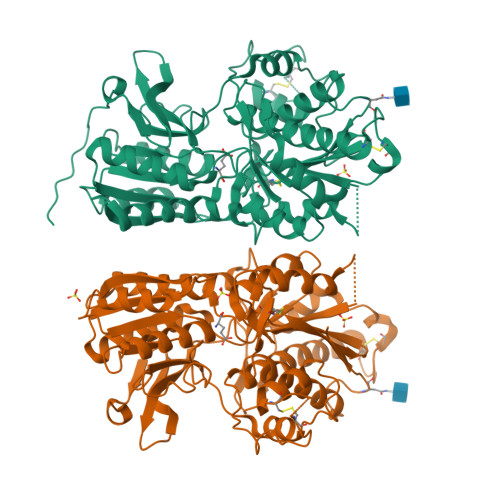
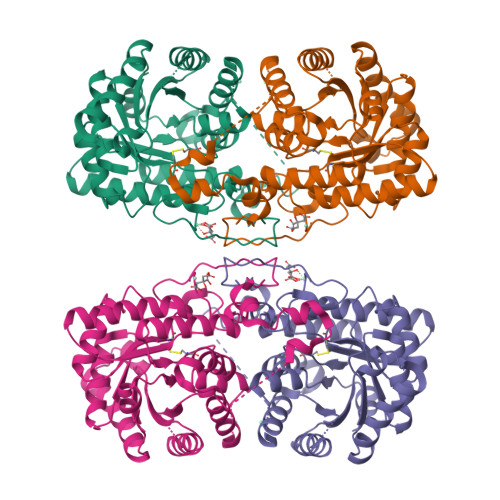
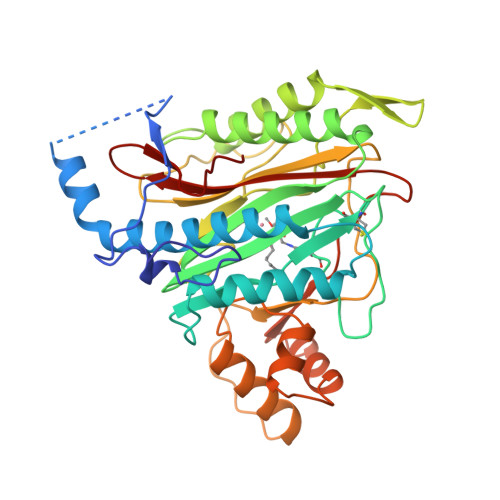
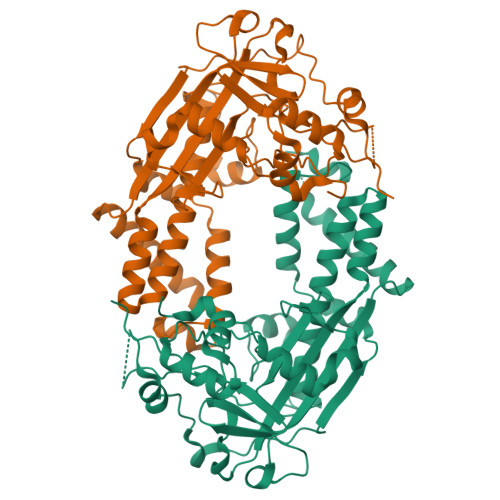
Click to view 3D structureAsc-type amino acid transporter 1P63116RatPredicted (SEA)
Prediction Confidence Score
0.44
Applicability Domain
0.44
Statistical Significance
4.00e-05
Supporting Reference Compounds
2
E-value
0.311397
Click to view 3D structureS-ribosylhomocysteine lyaseP45578Escherichia coli K-12Predicted (SEA)
Prediction Confidence Score
0.432
Applicability Domain
0.432
Statistical Significance
1.00e-05
Supporting Reference Compounds
1
E-value
0.0778492
Click to view 3D structureS-ribosylhomocysteine lyaseQ9Z5X1Vibrio campbelliiPredicted (SEA)
Prediction Confidence Score
0.432
Applicability Domain
0.432
Statistical Significance
1.00e-05
Supporting Reference Compounds
1
E-value
0.0778492
Glutamine synthetase structureClick to view 3D structureGlutamine synthetaseP0A9C5Escherichia coli K-12Predicted (SEA)
Prediction Confidence Score
0.424
Applicability Domain
0.424
Statistical Significance
4.00e-05
Supporting Reference Compounds
1
E-value
0.311397
Click to view 3D structureMetabotropic glutamate receptor 4P31423Rattus norvegicusPredicted (SEA)
Prediction Confidence Score
0.42
Applicability Domain
0.5
Statistical Significance
2.90e-04
Supporting Reference Compounds
38
E-value
2.25763
Click to view 3D structureMetabotropic glutamate receptor 2P31421Rattus norvegicusPredicted (SEA)
Prediction Confidence Score
0.42
Applicability Domain
0.5
Statistical Significance
4.10e-04
Supporting Reference Compounds
53
E-value
3.19182
Arginase structureClick to view 3D structureArginaseQ8I384Plasmodium falciparumPredicted (SEA)
Prediction Confidence Score
0.419
Applicability Domain
0.419
Statistical Significance
6.00e-05
Supporting Reference Compounds
1
E-value
0.467095
Click to view 3D structureMetabotropic glutamate receptor 6O15303HumansPredicted (SEA)
Prediction Confidence Score
0.419
Applicability Domain
0.5
Statistical Significance
1.80e-04
Supporting Reference Compounds
39
E-value
1.40129
S-ribosylhomocysteine lyase structureClick to view 3D structureS-ribosylhomocysteine lyaseO34667Bacillus subtilis (strain 168)Predicted (SEA)
Prediction Confidence Score
0.411
Applicability Domain
0.432
Statistical Significance
1.00e-05
Supporting Reference Compounds
2
E-value
0.0778492
Excitatory amino acid transporter 3 structureClick to view 3D structureExcitatory amino acid transporter 3P43005HumansPredicted (SEA)
Prediction Confidence Score
0.406
Applicability Domain
0.5
Statistical Significance
1.80e-04
Supporting Reference Compounds
13
E-value
1.40129
Click to view 3D structureMetabotropic glutamate receptor 8P70579Rattus norvegicusPredicted (SEA)
Prediction Confidence Score
0.404
Applicability Domain
0.5
Statistical Significance
1.20e-04
Supporting Reference Compounds
28
E-value
0.934191
Metabotropic glutamate receptor 4 structureClick to view 3D structureMetabotropic glutamate receptor 4Q14833HumansPredicted (SEA)
Prediction Confidence Score
0.403
Applicability Domain
0.5
Statistical Significance
8.50e-04
Supporting Reference Compounds
69
E-value
6.61718
Glutamate receptor ionotropic, kainate 1 structureClick to view 3D structureGlutamate receptor ionotropic, kainate 1P39086HumansPredicted (SEA)
Prediction Confidence Score
0.402
Applicability Domain
0.5
Statistical Significance
1.30e-04
Supporting Reference Compounds
31
E-value
1.01204
Glutamate receptor ionotropic, kainate 1 structureClick to view 3D structureGlutamate receptor ionotropic, kainate 1P22756Rattus norvegicusPredicted (SEA)
Prediction Confidence Score
0.401
Applicability Domain
0.5
Statistical Significance
2.10e-04
Supporting Reference Compounds
45
E-value
1.63483
Glutamate receptor ionotropic, kainate 3 structureClick to view 3D structureGlutamate receptor ionotropic, kainate 3P42264Rattus norvegicusPredicted (SEA)
Prediction Confidence Score
0.395
Applicability Domain
0.5
Statistical Significance
2.00e-04
Supporting Reference Compounds
26
E-value
1.55698
Glutamate receptor ionotropic, kainate 2 structureClick to view 3D structureGlutamate receptor ionotropic, kainate 2P42260Rattus norvegicusPredicted (SEA)
Prediction Confidence Score
0.395
Applicability Domain
0.5
Statistical Significance
1.70e-04
Supporting Reference Compounds
18
E-value
1.32344
Arginase-2, mitochondrial structureClick to view 3D structureArginase-2, mitochondrialP78540HumansPredicted (SEA)
Prediction Confidence Score
0.393
Applicability Domain
0.419
Statistical Significance
5.00e-05
Supporting Reference Compounds
7
E-value
0.389246
Click to view 3D structureGlutamate--cysteine ligase catalytic subunitP48506HumansPredicted (SEA)
Prediction Confidence Score
0.389
Applicability Domain
0.389
Statistical Significance
4.00e-05
Supporting Reference Compounds
1
E-value
0.311397
Click to view 3D structureAspartate-semialdehyde dehydrogenaseO25801Helicobacter pylori (strain ATCC 700392 / 26695) (Campylobacterpylori)Predicted (SEA)
Prediction Confidence Score
0.387
Applicability Domain
0.387
Statistical Significance
1.00e-05
Supporting Reference Compounds
1
E-value
0.0778492
Metabotropic glutamate receptor 8 structureClick to view 3D structureMetabotropic glutamate receptor 8O00222HumansPredicted (SEA)
Prediction Confidence Score
0.386
Applicability Domain
0.5
Statistical Significance
2.30e-04
Supporting Reference Compounds
48
E-value
1.79053
Metabotropic glutamate receptor 2 structureClick to view 3D structureMetabotropic glutamate receptor 2Q14416HumansPredicted (SEA)
Prediction Confidence Score
0.379
Applicability Domain
0.5
Statistical Significance
9.80e-04
Supporting Reference Compounds
85
E-value
7.62922
Click to view 3D structureS-methylmethionine--homocysteine S-methyltransferase BHMT2Q9H2M3HumansPredicted (SEA)
Prediction Confidence Score
0.567
Applicability Domain
0.567
Statistical Significance
1.00e-05
Supporting Reference Compounds
1
E-value
0.0778492
Betaine--homocysteine S-methyltransferase 1 structureClick to view 3D structureBetaine--homocysteine S-methyltransferase 1Q93088HumansPredicted (SEA)
Prediction Confidence Score
0.5
Applicability Domain
0.5
Statistical Significance
2.00e-05
Supporting Reference Compounds
1
E-value
0.155698
Click to view 3D structureMetabotropic glutamate receptor 8P47743Mus musculusPredicted (SEA)
Prediction Confidence Score
0.474
Applicability Domain
0.5
Statistical Significance
5.00e-05
Supporting Reference Compounds
2
E-value
0.389246
Click to view 3D structureMetabotropic glutamate receptor 6P35349Rattus norvegicusPredicted (SEA)
Prediction Confidence Score
0.441
Applicability Domain
0.5
Statistical Significance
1.00e-04
Supporting Reference Compounds
24
E-value
0.778492
Betaine--homocysteine S-methyltransferase 1 structureClick to view 3D structureBetaine--homocysteine S-methyltransferase 1Q93088HumansKnownNot Available
Methionine aminopeptidase 2 structureClick to view 3D structureMethionine aminopeptidase 2P50579HumansKnownNot Available
Methionine synthase structureClick to view 3D structureMethionine synthaseQ99707HumansKnownNot Available
Methionine synthase reductase structureClick to view 3D structureMethionine synthase reductaseQ9UBK8HumansKnownNot Available
Click to view 3D structureS-methylmethionine--homocysteine S-methyltransferase BHMT2Q9H2M3HumansKnownNot Available
Concentrations
Not Available
External Links
DrugBank IDDB00134
HMDB IDHMDB0000696
FooDB IDFDB012683
Phenol Explorer IDNot Available
KNApSAcK IDC00001379
BiGG ID33753
BioCyc IDMET
METLIN ID5664
PDB IDNot Available
Wikipedia LinkMethionine
Chemspider ID5907
ChEBI ID16643
PubChem Compound ID6137
Kegg Compound IDC00073
YMDB IDYMDB00318
ECMDB IDECMDB00696
References
Synthesis Reference

Clyde Eugene Stauffer, “Process for producing N-acyl-L-methionine.” U.S. Patent US3963573, issued June, 1950.

MSDSLink
General References
  1. Ball RO, Courtney-Martin G, Pencharz PB: The in vivo sparing of methionine by cysteine in sulfur amino acid requirements in animal models and adult humans. J Nutr. 2006 Jun;136(6 Suppl):1682S-1693S. [PubMed: 16702340]
  2. van de Poll MC, Dejong CH, Soeters PB: Adequate range for sulfur-containing amino acids and biomarkers for their excess: lessons from enteral and parenteral nutrition. J Nutr. 2006 Jun;136(6 Suppl):1694S-1700S. [PubMed: 16702341]
  3. Garlick PJ: Toxicity of methionine in humans. J Nutr. 2006 Jun;136(6 Suppl):1722S-1725S. [PubMed: 16702346]
  4. Sreekumar A, Poisson LM, Rajendiran TM, Khan AP, Cao Q, Yu J, Laxman B, Mehra R, Lonigro RJ, Li Y, Nyati MK, Ahsan A, Kalyana-Sundaram S, Han B, Cao X, Byun J, Omenn GS, Ghosh D, Pennathur S, Alexander DC, Berger A, Shuster JR, Wei JT, Varambally S, Beecher C, Chinnaiyan AM: Metabolomic profiles delineate potential role for sarcosine in prostate cancer progression. Nature. 2009 Feb 12;457(7231):910-4. doi: 10.1038/nature07762. [PubMed: 19212411]
  5. Shoemaker JD, Elliott WH: Automated screening of urine samples for carbohydrates, organic and amino acids after treatment with urease. J Chromatogr. 1991 Jan 2;562(1-2):125-38. [PubMed: 2026685]
  6. Engelborghs S, Marescau B, De Deyn PP: Amino acids and biogenic amines in cerebrospinal fluid of patients with Parkinson's disease. Neurochem Res. 2003 Aug;28(8):1145-50. [PubMed: 12834252]
  7. Cynober LA: Plasma amino acid levels with a note on membrane transport: characteristics, regulation, and metabolic significance. Nutrition. 2002 Sep;18(9):761-6. [PubMed: 12297216]
  8. Kersemans V, Cornelissen B, Kersemans K, Bauwens M, Achten E, Dierckx RA, Mertens J, Slegers G: In vivo characterization of 123/125I-2-iodo-L-phenylalanine in an R1M rhabdomyosarcoma athymic mouse model as a potential tumor tracer for SPECT. J Nucl Med. 2005 Mar;46(3):532-9. [PubMed: 15750170]
  9. Peng CT, Wu KH, Lan SJ, Tsai JJ, Tsai FJ, Tsai CH: Amino acid concentrations in cerebrospinal fluid in children with acute lymphoblastic leukemia undergoing chemotherapy. Eur J Cancer. 2005 May;41(8):1158-63. Epub 2005 Apr 14. [PubMed: 15911239]
  10. Rainesalo S, Keranen T, Palmio J, Peltola J, Oja SS, Saransaari P: Plasma and cerebrospinal fluid amino acids in epileptic patients. Neurochem Res. 2004 Jan;29(1):319-24. [PubMed: 14992292]
  11. Hagenfeldt L, Bjerkenstedt L, Edman G, Sedvall G, Wiesel FA: Amino acids in plasma and CSF and monoamine metabolites in CSF: interrelationship in healthy subjects. J Neurochem. 1984 Mar;42(3):833-7. [PubMed: 6198473]
  12. Alme B, Bremmelgaard A, Sjovall J, Thomassen P: Analysis of metabolic profiles of bile acids in urine using a lipophilic anion exchanger and computerized gas-liquid chromatorgaphy-mass spectrometry. J Lipid Res. 1977 May;18(3):339-62. [PubMed: 864325]
  13. Sardharwalla IB, Fowler B, Robins AJ, Komrower GM: Detection of heterozygotes for homocystinuria. Study of sulphur-containing amino acids in plasma and urine after L-methionine loading. Arch Dis Child. 1974 Jul;49(7):553-9. [PubMed: 4851308]
  14. Alton KB, Hernandez A, Alvarez N, Patrick JE: High-performance liquid chromatographic determination of N-[2(S)-(mercaptomethyl)-3-(2-methylphenyl)-1-oxopropyl]-L-methionine, the active plasma metabolite of a prodrug atriopeptidase inhibitor (SCH 42495), using a thiol selective (Au/Hg) amperometric detector. J Chromatogr. 1992 Sep 2;579(2):307-17. [PubMed: 1429978]
  15. Fischer JL, Lancia JK, Mathur A, Smith ML: Selenium protection from DNA damage involves a Ref1/p53/Brca1 protein complex. Anticancer Res. 2006 Mar-Apr;26(2A):899-904. [PubMed: 16619485]
  16. Ditscheid B, Funfstuck R, Busch M, Schubert R, Gerth J, Jahreis G: Effect of L-methionine supplementation on plasma homocysteine and other free amino acids: a placebo-controlled double-blind cross-over study. Eur J Clin Nutr. 2005 Jun;59(6):768-75. [PubMed: 15870821]
  17. Hesse A, Heimbach D: Causes of phosphate stone formation and the importance of metaphylaxis by urinary acidification: a review. World J Urol. 1999 Oct;17(5):308-15. [PubMed: 10552150]
  18. Harth G, Horwitz MA: Inhibition of Mycobacterium tuberculosis glutamine synthetase as a novel antibiotic strategy against tuberculosis: demonstration of efficacy in vivo. Infect Immun. 2003 Jan;71(1):456-64. [PubMed: 12496196]
  19. Takasu A, Shimosegawa T, Shimosegawa E, Hatazawa J, Kimura K, Fujita M, Koizumi M, Kanno I, Toyota T: 11C-methionine uptake to the pancreas and its secretion: a positron emission tomography study in humans. Pancreas. 1999 May;18(4):392-8. [PubMed: 10231845]