D-Galactose (CED0000838)

Record Information
Version1.0
Creation Date2014-08-29 06:31:09 UTC
Update Date2026-05-14 19:12:16 UTC
SynCED IDCED0000838
Secondary Accession Numbers
  • CHEM003308
  • T3D4348
Identification
Common NameD-Galactose
ClassSmall Molecule
Description
D-Galactose is an endogenous compound with the formula C6H12O6 and an average molecular weight of 180.16 g/mol. It exists as a solid at room temperature. D-Galactose belongs to the carbohydrates and carbohydrate conjugates, a subclass of organooxygen compounds within the organic compounds. The compound is detected in the brain, liver, and prostate tissues. Recorded exposure routes include intravenous and intrauterine administration. In industrial applications, D-Galactose is used as a softener and conditioner. It has been found in or released from 18 recorded sources. These include healthcare, pharmaceuticals and veterinary products, such as ultrasound contrast media and unclassified diagnostic agents. It is also associated with electrical and electronic equipment, specifically antennas, amplifiers and radio transmission systems. Additionally, it is found in household cleaning and consumer products, including tobacco product cases, pipe accessories, other smoking requisites, tobacco product moisture control and non electric simulated smoking devices. Finally, it is recorded in food, food processing and cookware, including the preparation of wine or sparkling wine, the preparation of vinegar, the preparation of malt, molasses and treatment of molasses, and agglomerated sugar products, among three others.
Contaminant Type
  • Animal Toxin
  • Food Toxin
  • Industrial/Workplace Toxin
  • Mammal Toxin
  • Metabolite
  • Natural Compound
  • Organic Compound
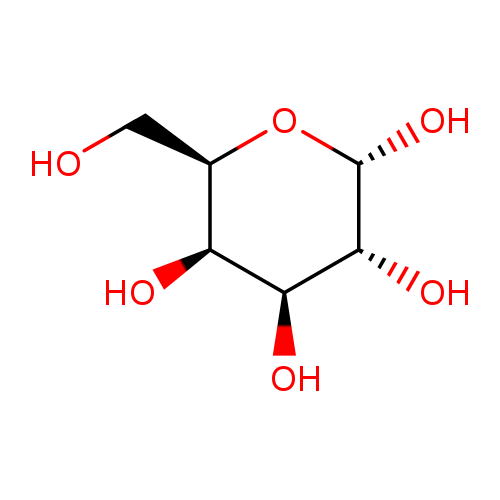
Chemical Structure
Synonyms
ValueSource
ALPHA D-GALACTOSEChEBI
alpha-D-GalChEBI
Gal-alphaChEBI
alpha-D-GalactoseKegg
a D-GALACTOSEGenerator
Α D-galactoseGenerator
a-D-GalGenerator
Α-D-galGenerator
Gal-aGenerator
Gal-αGenerator
a-D-GalactoseGenerator
Α-D-galactoseGenerator
(+)-GalactoseHMDB
5AbpHMDB
8AbpHMDB
alpha-D-GalactopyranoseHMDB
D-(+)-GalactoseHMDB
D-HexoseHMDB
GALHMDB
GalactoseHMDB
Galactose (NF)HMDB
GLAHMDB
GLCHMDB
HexoseHMDB
SHU 508 aMeSH, HMDB
SH-TA-508MeSH, HMDB
SHU 508MeSH, HMDB
LevovistMeSH, HMDB
SHU-508MeSH, HMDB
Chemical FormulaC6H12O6
Average Molecular Mass180.156 g/mol
Monoisotopic Mass180.063 g/mol
CAS Registry Number59-23-4
IUPAC Name(2S,3R,4S,5R,6R)-6-(hydroxymethyl)oxane-2,3,4,5-tetrol
Traditional Namegalactose
SMILESOC[C@H]1O[C@H](O)[C@H](O)[C@@H](O)[C@H]1O
InChI IdentifierInChI=1S/C6H12O6/c7-1-2-3(8)4(9)5(10)6(11)12-2/h2-11H,1H2/t2-,3+,4+,5-,6+/m1/s1
InChI KeyWQZGKKKJIJFFOK-PHYPRBDBSA-N
Chemical Taxonomy
Description Belongs to the class of organic compounds known as hexoses. These are monosaccharides in which the sugar unit is a is a six-carbon containing moeity.
KingdomOrganic compounds
Super ClassOrganic oxygen compounds
ClassOrganooxygen compounds
Sub ClassCarbohydrates and carbohydrate conjugates
Direct ParentHexoses
Alternative Parents
Substituents
  • Hexose monosaccharide
  • Oxane
  • Secondary alcohol
  • Hemiacetal
  • Oxacycle
  • Organoheterocyclic compound
  • Polyol
  • Hydrocarbon derivative
  • Primary alcohol
  • Alcohol
  • Aliphatic heteromonocyclic compound
Molecular FrameworkAliphatic heteromonocyclic compounds
External Descriptors
Biological Properties
StatusDetected and Not Quantified
OriginEndogenous
Cellular Locations
  • Extracellular
  • Lysosome
  • Membrane
Biofluid LocationsNot Available
Tissue Locations
  • Brain
  • Liver
  • Prostate
ApplicationsNot Available
Biological RolesNot Available
Chemical RolesNot Available
Organoleptic EffectsNot Available
Physical Properties
StateSolid
AppearanceWhite powder.
Experimental Properties
PropertyValue
Melting Point170°C
Boiling PointNot Available
Solubility683.0 mg/mL
Predicted Properties
PropertyValueSource
Water Solubility782 g/LALOGPS
logP-2.6ALOGPS
logP-2.9ChemAxon
logS0.64ALOGPS
pKa (Strongest Acidic)11.3ChemAxon
pKa (Strongest Basic)-3ChemAxon
Physiological Charge0ChemAxon
Hydrogen Acceptor Count6ChemAxon
Hydrogen Donor Count5ChemAxon
Polar Surface Area110.38 ŲChemAxon
Rotatable Bond Count1ChemAxon
Refractivity35.92 m³·mol⁻¹ChemAxon
Polarizability16.13 ųChemAxon
Number of Rings1ChemAxon
BioavailabilityYesChemAxon
Rule of FiveYesChemAxon
Ghose FilterNoChemAxon
Veber's RuleNoChemAxon
MDDR-like RuleNoChemAxon
Spectra
Spectra
Spectrum TypeDescriptionSplash KeyDeposition DateView
GC-MSGC-MS Spectrumsplash10-066s-0941000000-8f1b68655e0a5ed179e3Not AvailableView Spectrum
GC-MSGC-MS Spectrumsplash10-0ldj-0941000000-84c771fab416aa0a40d8Not AvailableView Spectrum
GC-MSGC-MS Spectrumsplash10-0ktb-0931000000-6f37a774d1ab64585c8dNot AvailableView Spectrum
GC-MSGC-MS Spectrumsplash10-066s-0931000000-9945093085ef7b0de618Not AvailableView Spectrum
GC-MSGC-MS Spectrumsplash10-0ldj-0931000000-1ed532d5d2897be775dfNot AvailableView Spectrum
GC-MSGC-MS Spectrumsplash10-00di-9731000000-af5bd67ad0bbb2997839Not AvailableView Spectrum
GC-MSGC-MS Spectrumsplash10-00di-9621000000-9dad5bd1760a891ace2aNot AvailableView Spectrum
GC-MSGC-MS Spectrumsplash10-0fr2-0920000000-d0bbaf502997c43971baNot AvailableView Spectrum
GC-MSGC-MS Spectrumsplash10-0fr2-1920000000-f47f0b66263744db15baNot AvailableView Spectrum
GC-MSGC-MS Spectrumsplash10-066s-0941000000-8f1b68655e0a5ed179e3Not AvailableView Spectrum
GC-MSGC-MS Spectrumsplash10-0ldj-0941000000-84c771fab416aa0a40d8Not AvailableView Spectrum
GC-MSGC-MS Spectrumsplash10-0ktb-0931000000-6f37a774d1ab64585c8dNot AvailableView Spectrum
GC-MSGC-MS Spectrumsplash10-066s-0931000000-9945093085ef7b0de618Not AvailableView Spectrum
GC-MSGC-MS Spectrumsplash10-0ldj-0931000000-1ed532d5d2897be775dfNot AvailableView Spectrum
GC-MSGC-MS Spectrumsplash10-00di-9731000000-af5bd67ad0bbb2997839Not AvailableView Spectrum
GC-MSGC-MS Spectrumsplash10-00di-9621000000-9dad5bd1760a891ace2aNot AvailableView Spectrum
GC-MSGC-MS Spectrumsplash10-0fr2-0920000000-d0bbaf502997c43971baNot AvailableView Spectrum
GC-MSGC-MS Spectrumsplash10-0fr2-1920000000-f47f0b66263744db15baNot AvailableView Spectrum
Predicted GC-MSPredicted GC-MS Spectrumsplash10-0np0-9700000000-e8d638dc817e46b97d7bNot AvailableView Spectrum
Predicted GC-MSPredicted GC-MS Spectrumsplash10-004i-6122690000-eaf6f7adf34ccd0c667bNot AvailableView Spectrum
Predicted GC-MSPredicted GC-MS SpectrumNot AvailableNot AvailableView Spectrum
LC-MS/MSLC-MS/MS Spectrumsplash10-0f6t-0900000000-70d3989fddd34b894c77Not AvailableView Spectrum
LC-MS/MSLC-MS/MS Spectrumsplash10-00ri-9700000000-d454170b4e3ed18ed2d9Not AvailableView Spectrum
LC-MS/MSLC-MS/MS Spectrumsplash10-007a-9300000000-81f5f12f84924a34e2c0Not AvailableView Spectrum
LC-MS/MSLC-MS/MS Spectrumsplash10-059i-9100000000-33aacf4c62b17cfa394eNot AvailableView Spectrum
LC-MS/MSLC-MS/MS Spectrumsplash10-0a4i-9000000000-79ea696263aaad168701Not AvailableView Spectrum
LC-MS/MSLC-MS/MS Spectrumsplash10-0a4i-9000000000-480461c1cdd9d138dce2Not AvailableView Spectrum
LC-MS/MSLC-MS/MS Spectrumsplash10-059i-9100000000-33aacf4c62b17cfa394eNot AvailableView Spectrum
LC-MS/MSLC-MS/MS Spectrumsplash10-0a4i-9000000000-79ea696263aaad168701Not AvailableView Spectrum
LC-MS/MSLC-MS/MS Spectrumsplash10-0a4i-9000000000-480461c1cdd9d138dce2Not AvailableView Spectrum
Predicted LC-MS/MSPredicted LC-MS/MS Spectrumsplash10-01q9-0900000000-b0bc47623e7b2ca31c02Not AvailableView Spectrum
Predicted LC-MS/MSPredicted LC-MS/MS Spectrumsplash10-03ea-3900000000-648e1637af29cf2a3518Not AvailableView Spectrum
Predicted LC-MS/MSPredicted LC-MS/MS Spectrumsplash10-0007-9200000000-9e6f46a1cbf52d6e347aNot AvailableView Spectrum
Predicted LC-MS/MSPredicted LC-MS/MS Spectrumsplash10-004i-2900000000-a4ec4f0b1e29e360a952Not AvailableView Spectrum
Predicted LC-MS/MSPredicted LC-MS/MS Spectrumsplash10-01t9-6900000000-7b3ea9c64ecc8d4ac867Not AvailableView Spectrum
Predicted LC-MS/MSPredicted LC-MS/MS Spectrumsplash10-052f-9100000000-ec2bf4918640a0a36398Not AvailableView Spectrum
Predicted LC-MS/MSPredicted LC-MS/MS Spectrumsplash10-004i-2900000000-2448926b508622464fe7Not AvailableView Spectrum
Predicted LC-MS/MSPredicted LC-MS/MS Spectrumsplash10-056r-8900000000-4c073cb93b78120113e6Not AvailableView Spectrum
Predicted LC-MS/MSPredicted LC-MS/MS Spectrumsplash10-0a4l-9000000000-ece70093ab5d3c331ac4Not AvailableView Spectrum
Predicted LC-MS/MSPredicted LC-MS/MS Spectrumsplash10-01qa-0900000000-04ceb34d441ff6a75763Not AvailableView Spectrum
Predicted LC-MS/MSPredicted LC-MS/MS Spectrumsplash10-03dl-9400000000-a8f1ceab155611f949c1Not AvailableView Spectrum
Predicted LC-MS/MSPredicted LC-MS/MS Spectrumsplash10-01ow-9000000000-358f68fc2b7a72c27546Not AvailableView Spectrum
1D NMR13C NMR Spectrum (1D, D2O, predicted)Not AvailableNot AvailableView Spectrum
1D NMR1H NMR Spectrum (1D, D2O, predicted)Not AvailableNot AvailableView Spectrum
1D NMR13C NMR Spectrum (1D, H2O, experimental)Not AvailableNot AvailableView Spectrum
Toxicity Profile
Toxicity Values
Toxicity ValueOrganismDose DescriptorRoute of ExposurePredicted or ExperimentalToxicity RatingReference
6013.0 Log mg/kg [3400:11000]RatLD50oralpredictedNot AvailableNot Available
Toxicity / Toxin ClassNot Available
Mechanism of ToxicityNot Available
Carcinogenicity (IARC Classification)No indication of carcinogenicity to humans (not listed by IARC).
Minimum Risk LevelNot Available
SymptomsNot Available
TreatmentNot Available
Health Effects
Health EffectRelationshipDirectionDescriptionReference
anaphylaxisAssociated With?Not AvailableNot AvailablePMC9700299
alpha-gal syndromeAssociated With?Not AvailableNot AvailablePMC12673296 , PMC9700299
Exposure Sources
Source IDSourceSectorReference
CEDs000010Insecticides?Insecticides are synthetic chemicals designed to control or eliminate insect pests that threaten crops and other agricultural products.Agriculture & land managementPubChem
CEDs000070Stormwater runoff?Stormwater runoff refers to the flow of rainwater or melted snow that does not soak into the ground and instead collects pollutants as it travels over impervious surfaces such as roads and parking lots.Automotive & urban infrastructurePubChem
CEDs000233Brushes?Brushes used in personal care and cosmetics can be a source of synthetic chemical contamination due to the materials and coatings used in their manufacturing.Personal care & cosmeticsPubChem
CEDs000411Unclassified diagnostic agents?Unclassified diagnostic agents encompass a range of synthetic chemicals utilized for various medical and veterinary testing purposes.Healthcare, pharmaceuticals & veterinary productsNot Available
CEDs000420Ultrasound contrast media?Ultrasound contrast media are synthetic chemical agents used to enhance the quality of ultrasound imaging by improving the visualization of blood vessels and tissues.Healthcare, pharmaceuticals & veterinary productsNot Available
CEDs000505Amplifiers?Amplifiers, commonly used in various electronic devices to enhance signal strength, can be a source of synthetic chemical contamination due to the materials and processes involved in their production and disposal.Electrical & Electronic EquipmentPubChem
CEDs000506Antennas?Antennas, commonly used in communication technologies, can be a source of synthetic chemical contamination through the materials and coatings used in their construction.Electrical & Electronic EquipmentPubChem
CEDs000511Conductors Or Conductive Bodies Characterised By The Conductive Materials?Conductors, or conductive bodies, are materials that allow the flow of electrical current, typically made from metals such as copper, aluminum, or silver.Electrical & Electronic EquipmentPubChem
CEDs000518Electrically Stimulated Smoking Devices?Electrically stimulated smoking devices, commonly known as e-cigarettes or vape pens, utilize electrical components to heat a liquid solution, often containing nicotine, flavorings, and other additives, to produce an aerosol for inhalation.Electrical & Electronic EquipmentPubChem
CEDs000519Electrodes?Electrodes, used in various electrical and electronic applications, can be a source of synthetic chemical contamination due to the materials from which they are constructed and the processes involved in their manufacturing.Electrical & Electronic EquipmentPubChem
CEDs000524Hybrid Capacitors?Hybrid capacitors are energy storage devices that combine the properties of electrolytic and supercapacitors, utilizing a combination of electrochemical principles to achieve higher energy density and power density.Electrical & Electronic EquipmentPubChem
CEDs000530Radio Transmission Systems?Radio transmission systems utilize a variety of synthetic chemicals in their manufacturing and maintenance processes.Electrical & Electronic EquipmentPubChem
CEDs000541Agglomerated Sugar Products?Agglomerated sugar products are typically formed by the clustering of sugar particles to enhance solubility and improve handling properties in food applications.Food, food processing & cookwarePubChem
CEDs000544Fermentation Processes For Beer?Fermentation processes for beer involve the conversion of sugars into alcohol and carbon dioxide by yeast.Food, food processing & cookwarePubChem
CEDs000545Food Preservation?Food preservation often involves the use of synthetic chemicals, such as preservatives, flavor enhancers, and color additives, to extend shelf life and enhance the sensory qualities of food products.Food, food processing & cookwarePubChem
CEDs000546Molasses And Treatment Of Molasses?Molasses is a thick, viscous byproduct of sugar production, derived from the extraction of sugar cane or sugar beet juice.Food, food processing & cookwarePubChem
CEDs000547Preparation Of Malt?Malt preparation involves the germination and drying of cereal grains, primarily barley, to produce malt for brewing and food products.Food, food processing & cookwarePubChem
CEDs000548Preparation Of Vinegar?Vinegar is produced through the fermentation of ethanol by acetic acid bacteria, resulting in a solution that typically contains 4-8% acetic acid.Food, food processing & cookwarePubChem
CEDs000549Preparation Of Wine Or Sparkling Wine?The preparation of wine or sparkling wine involves various stages, including fermentation, aging, and bottling, which can introduce potential sources of synthetic chemical contamination.Food, food processing & cookwarePubChem
CEDs000550Preparation Of Wort?The preparation of wort involves the extraction of sugars from malted grains, a crucial step in the brewing process.Food, food processing & cookwarePubChem
CEDs000552Processing Meats?Processing meats can lead to synthetic chemical contamination primarily through the use of additives and preservatives.Food, food processing & cookwarePubChem
CEDs000553Treatment Of Hops?Hops, a key ingredient in brewing and food flavoring, can be a source of synthetic chemical contamination due to various agricultural practices.Food, food processing & cookwarePubChem
CEDs000555Bleaching Agents?Bleaching agents are chemical substances used to whiten or lighten materials, often employed in various cleaning products for their stain removal and disinfecting properties.Household cleaning & consumer productsPubChem
CEDs000556Cigar Cigarettes?Cigar cigarettes are a source of synthetic chemical contamination due to the combustion of various tobacco blends and additives.Household cleaning & consumer productsPubChem
CEDs000559Non Electric Simulated Smoking Devices?Non-electric simulated smoking devices, often designed to mimic the experience of smoking without combustion, can be sources of synthetic chemical contamination due to the materials and chemicals used in their construction and operation.Household cleaning & consumer productsPubChem
CEDs000560Other Smoking Requisites?Other smoking requisites, including items such as lighters, matches, and rolling papers, can introduce synthetic chemical contamination through various components and additives.Household cleaning & consumer productsPubChem
CEDs000561Perfumes Within Detergents And Soaps?Perfumes within detergents and soaps are synthetic fragrance compounds added to enhance the sensory experience of cleaning products.Household cleaning & consumer productsPubChem
CEDs000562Pipe Accessories?Pipe accessories, such as fittings, connectors, and seals, are components used in plumbing systems to facilitate the flow of liquids and gases.Household cleaning & consumer productsPubChem
CEDs000563Soap Detergents?Soap detergents are synthetic surfactants designed to enhance the cleaning efficacy of water by reducing surface tension, allowing for better interaction with dirt and grease.Household cleaning & consumer productsPubChem
CEDs000567Tobacco Product Cases?Tobacco product cases can serve as a source of synthetic chemical contamination due to the presence of various additives and chemicals used in tobacco processing and product manufacturing.Household cleaning & consumer productsPubChem
CEDs000568Tobacco Product Moisture Control?Tobacco product moisture control involves the use of synthetic chemicals to manage the humidity levels in tobacco products, aiming to preserve flavor and extend shelf life.Household cleaning & consumer productsPubChem
CEDs000569Tobacco Smoke Filters?Tobacco smoke filters are designed to reduce the inhalation of harmful substances in cigarette smoke, including tar and other particulate matter.Household cleaning & consumer productsPubChem
CEDs000578Making Cigars?The process of making cigars involves several steps, including the cultivation of tobacco, fermentation, and the application of various additives to enhance flavor and preservation.Industrial manufacturing & chemical processingPubChem
CEDs000579Manufacture Of Iron Or Steel?The manufacture of iron or steel involves various processes, including smelting, refining, and alloying, which can result in the release of synthetic chemicals and contaminants.Industrial manufacturing & chemical processingPubChem
CEDs000580Manufacture Preparation Of Tobacco Products?The manufacture and preparation of tobacco products involve various processes that can result in the introduction of synthetic chemicals into the environment.Industrial manufacturing & chemical processingPubChem
CEDs000581Paper Making Machines?Paper making machines utilize various synthetic chemicals throughout the production process, including additives, coatings, and bleaching agents.Industrial manufacturing & chemical processingPubChem
CEDs000584Buoys?Buoys, often used for navigation and marine monitoring, can be sources of synthetic chemical contamination due to the materials and coatings employed in their construction.Marine, shipping & aquaculturePubChem
CEDs000595Ships?Ships, as vehicles for international trade and transportation, can be significant sources of synthetic chemical contamination in marine environments.Marine, shipping & aquaculturePubChem
CEDs000596Acaricides?Acaricides are synthetic chemicals specifically designed to target and control mite populations that can damage crops and plants.Agriculture & land managementPubChem
CEDs000600Herbicides And Algicides?Herbicides and algicides are synthetic chemicals primarily used to control unwanted plants and algae in various environments.Agriculture & land managementPubChem
CEDs000604Pest Attractants?Pest attractants are synthetic chemicals designed to lure specific pests for monitoring or control purposes.Agriculture & land managementPubChem
CEDs000605Pest Repellants?Pest repellents, often formulated from synthetic chemicals, are widely used to protect crops from insect infestations and other pests.Agriculture & land managementPubChem
CEDs000606Plant Growth Regulators?Plant Growth Regulators (PGRs) are synthetic chemicals designed to influence the growth and development of plants.Agriculture & land managementPubChem
CEDs000609Aftershave?Aftershave is a grooming product typically used to soothe and protect the skin following shaving.Personal care & cosmeticsPubChem
CEDs000610Aftersun Products?Aftersun products are designed to soothe and hydrate the skin after sun exposure, often containing various synthetic chemicals such as emollients, preservatives, and fragrances.Personal care & cosmeticsPubChem
CEDs000611Anti Perspirants Or Body Deoderants?Antiperspirants and body deodorants commonly contain synthetic chemicals such as aluminum compounds, parabens, and synthetic fragrances.Personal care & cosmeticsPubChem
CEDs000612Body Washing Or Cleaning Implements?Body washing or cleaning implements, such as synthetic sponges, loofahs, and washcloths, can be sources of synthetic chemical contamination due to the materials used in their production.Personal care & cosmeticsPubChem
CEDs000613Depilatories?Depilatories are products designed to remove unwanted hair through the application of synthetic chemicals that break down the protein structure of hair, facilitating its removal.Personal care & cosmeticsPubChem
CEDs000614Essential Oils Or Perfumes?Essential oils and perfumes are complex mixtures of volatile compounds derived from natural or synthetic sources, commonly used for their aromatic properties.Personal care & cosmeticsPubChem
CEDs000615Eye Makeup Products?Eye makeup products, including mascaras, eyeliners, and eyeshadows, often contain a variety of synthetic chemicals such as pigments, preservatives, and film-forming agents.Personal care & cosmeticsPubChem
CEDs000616Face Mask Cosmetics?Face mask cosmetics often contain a variety of synthetic chemicals, including preservatives, emulsifiers, and fragrances, which can contribute to chemical contamination.Personal care & cosmeticsPubChem
CEDs000617Lip Care Products?Lip care products, including lipsticks, balms, and glosses, often contain a variety of synthetic chemicals such as parabens, phthalates, and synthetic fragrances.Personal care & cosmeticsPubChem
CEDs000618Lip Makeup Products?Lip makeup products, such as lipsticks, lip glosses, and lip liners, often contain a variety of synthetic chemicals, including pigments, preservatives, and emollients.Personal care & cosmeticsPubChem
CEDs000630Toys?Toys, particularly those made from synthetic materials such as plastics, can be a source of chemical contamination due to the presence of various additives and compounds used in their production.Recreation & sports surfacesPubChem
CEDs000632Apparel?Apparel production often involves the use of various synthetic chemicals, including dyes, finishing agents, and preservatives.Textiles, leather & furnishingsPubChem
CEDs000640Embroidering And Tufting?Embroidering and tufting processes often involve the use of synthetic chemicals such as dyes, adhesives, and finishing agents.Textiles, leather & furnishingsPubChem
CEDs000647Multicolour Dyeing?Multicolour dyeing involves the application of multiple synthetic dyes to textiles and other materials to achieve vibrant, diverse color patterns.Textiles, leather & furnishingsPubChem
CEDs000657Surface Finishing Of Leather?Surface finishing of leather often involves the use of various synthetic chemicals, including dyes, resins, and finishing agents.Textiles, leather & furnishingsPubChem
CEDs000659Transfer Printing?Transfer printing is a process used to apply designs and patterns onto various substrates, commonly utilizing synthetic dyes and inks that can contain hazardous chemicals.Textiles, leather & furnishingsPubChem
CEDs000662Yarns Or Threads?Yarns or threads used in textiles can be a source of synthetic chemical contamination due to the production processes and treatments they undergo.Textiles, leather & furnishingsPubChem
CEDs000664Fire Fighting Gels?Fire fighting gels are synthetic chemical formulations designed to enhance fire suppression effectiveness by creating a protective barrier against heat and flames.Fire suppression systems & agentsPubChem
CEDs000667Gaseous Fire Fighting?Gaseous fire fighting systems utilize synthetic chemicals, such as halocarbons and inert gases, to suppress fires through chemical and physical processes.Fire suppression systems & agentsPubChem
CEDs000668Non-PFAS Fire Fighting Foam?Non-PFAS fire fighting foam refers to fire suppression agents that do not contain per- and polyfluoroalkyl substances (PFAS), which are synthetic chemicals known for their water- and grease-resistant properties.Fire suppression systems & agentsPubChem
CEDs000669PFAS Fire Fighting Foam?PFAS fire fighting foam refers to a class of synthetic foams containing per- and polyfluoroalkyl substances (PFAS), which are designed to suppress flammable liquid fires.Fire suppression systems & agentsPubChem
CEDs000670Solid Fire Fighting Substances?Solid fire fighting substances, such as certain types of dry chemical powders, are used in fire suppression applications to extinguish flames and prevent fire spread.Fire suppression systems & agentsPubChem
CEDs000671Airplanes And Helicopters?Airplanes and helicopters are significant sources of synthetic chemical contamination primarily through the use of aviation fuels, lubricants, and de-icing agents.Aviation & AerospacePubChem
CEDs000678Nitrogenous Fertilisers?Nitrogenous fertilizers are synthetic chemical compounds primarily used to enhance plant growth by supplying essential nitrogen, a crucial nutrient for photosynthesis and protein synthesis.Agriculture & land managementPubChem
CEDs000679Phosphatic Fertilisers?Phosphatic fertilizers are synthetic chemical products primarily composed of phosphorus, which is essential for plant growth.Agriculture & land managementPubChem
CEDs000684Cements?Cements are a composite material primarily used as a binding agent in construction applications, formed by the calcination of limestone and clay minerals at high temperatures.Building & ConstructionPubChem
CEDs000685Ceramics?Ceramics can be a source of synthetic chemical contamination through various additives and processing agents used in their production.Building & ConstructionPubChem
CEDs000686Clay Wares?Clay wares are ceramic products made from natural clay, often utilized in various construction applications such as tiles, bricks, and sanitary ware.Building & ConstructionPubChem
CEDs000688Glass Coatings?Glass coatings are synthetic chemical formulations applied to glass surfaces to enhance properties such as durability, UV resistance, and aesthetic appeal.Building & ConstructionPubChem
CEDs000689Glass Fibres?Glass fibres are composed of fine strands of glass, commonly utilized for their tensile strength and lightweight properties.Building & ConstructionPubChem
CEDs000690Lime?Lime, primarily comprised of calcium oxide (CaO) or calcium hydroxide (Ca(OH)₂), is widely used in various applications, including as a key ingredient in mortars, plasters, and cement.Building & ConstructionPubChem
CEDs000691Non Oxide Glass?Non-oxide glass refers to a category of glasses primarily composed of materials other than silicon dioxide, such as boron oxide or phosphorous oxide.Building & ConstructionPubChem
CEDs000693Silica Glass?Silica glass, primarily composed of silicon dioxide (SiO2), is widely used in various applications, including windows, glass facades, and insulation materials.Building & ConstructionPubChem
CEDs000694Cheese Making?Cheese making involves the fermentation of milk, utilizing bacteria and enzymes to coagulate proteins and develop flavor.Food, food processing & cookwarePubChem
CEDs000696Nanotechnology?Nanotechnology involves the manipulation of materials at the molecular or atomic level, typically within the range of 1 to 100 nanometers.Industrial manufacturing & chemical processingPubChem
CEDs000698Jewellery?Jewellery production often involves the use of various synthetic chemicals during the extraction and processing of metals.Mining & metal processingPubChem
CEDs000703Blackboards?Blackboards, traditionally made from slate or coated wood, can also be produced using synthetic materials that may contain various chemicals.Paper, pulp & fiber productsPubChem
CEDs000711Coloured Pencils?Coloured pencils are commonly used tools for artistic expression and education, composed primarily of a wood casing and a core made from a mixture of pigments, binders, and waxes.Paper, pulp & fiber productsPubChem
CEDs000722Leaf Turners?Leaf turners are mechanical devices used in the processing of plant materials to create pulp for paper and fiber products.Paper, pulp & fiber productsPubChem
CEDs000730Contact Lens Cases?Contact lens cases are small containers designed to store contact lenses in a sterile environment, typically made from various synthetic materials including plastics such as polypropylene or polycarbonate.Healthcare, pharmaceuticals & veterinary productsPubChem
CEDs000734Coating Compositions?Coating compositions, which include paints, sealants, and varnishes, are formulated with a variety of synthetic chemicals such as solvents, resins, pigments, and additives.Building & ConstructionPubChem
CEDs000735Explosives?Explosives are chemical compounds or mixtures designed to undergo rapid decomposition, releasing energy in the form of gas and heat.Defense & military infrastructurePubChem
CEDs000737Chemical Igniters?Chemical igniters are substances or devices designed to initiate combustion in various applications, often found in products like lighters, candles, and certain household cleaning agents.Household itemsPubChem
CEDs000738Cooling Circuit Water?Cooling circuit water is utilized in various industrial processes to absorb and dissipate heat generated during operations.Industrial manufacturing & chemical processingPubChem
CEDs000739Inks?Inks are complex mixtures composed of pigments or dyes, solvents, resins, and additives used primarily for printing and writing applications.Paper, pulp & fiber productsPubChem
CEDs000740Paper?Paper production involves the processing of wood fibers and the use of various chemicals, which can lead to synthetic chemical contamination.Paper, pulp & fiber productsPubChem
CEDs000741Pigment Pastes?Pigment pastes are concentrated dispersions of pigments used to impart color and properties to materials.Paper, pulp & fiber productsPubChem
CEDs000742Leather Tanning?Leather tanning is a process that transforms raw animal hides into durable leather through the application of various chemicals, including chromium salts, aldehydes, and vegetable tannins.Textiles, leather & furnishingsPubChem
CEDs000743Sludge Treatment?Sludge treatment involves the processing of waste materials generated from wastewater treatment plants, which often contain a variety of organic and inorganic substances.Wastewater, sanitation & biosolidsPubChem
CEDs000744Water, Wastewater, & Sewage Treatment?Water, wastewater, and sewage treatment processes are critical for managing and mitigating pollutants in water systems.Wastewater, sanitation & biosolidsPubChem
Pathways
29 pathwaysPathway Source: PathBank
Targets
StructureProteinUniProt IDOrganismRelationshipDetails
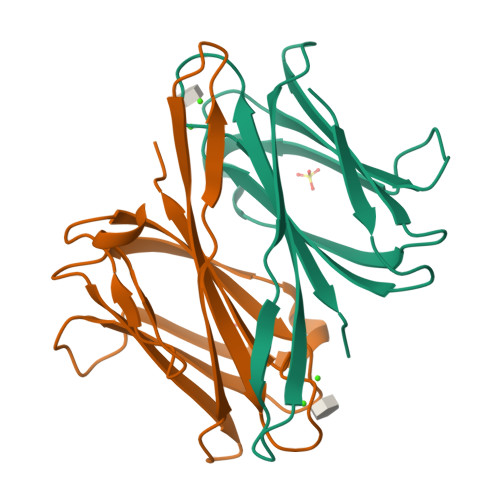
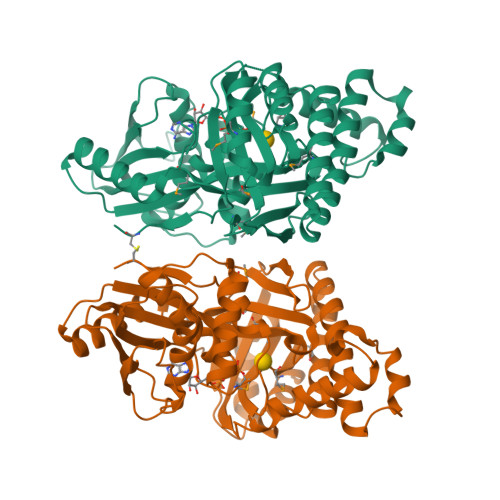
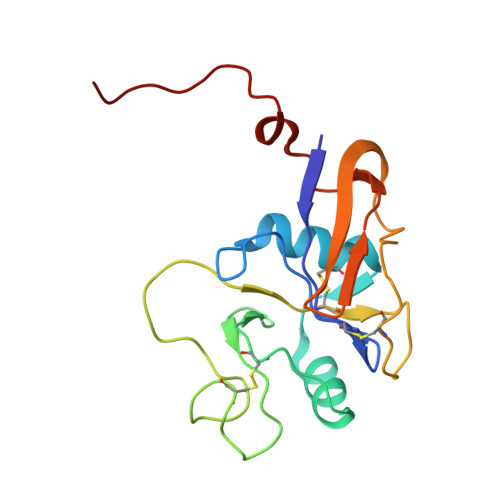
Lectin structureClick to view 3D structureLectinB4EH87Burkholderia cenocepacia (strain ATCC BAA-245 / DSM 16553 / LMG 16656/ NCTC 13227 / J2315 / CF5610) (Burkholderia cepacia (strain J2315))Predicted (SEA)
Prediction Confidence Score
0.61
Applicability Domain
1.0
Statistical Significance
1.00e-05
Supporting Reference Compounds
3
E-value
0.0778492
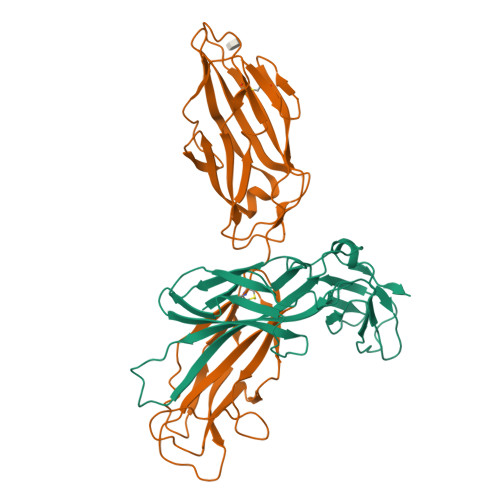
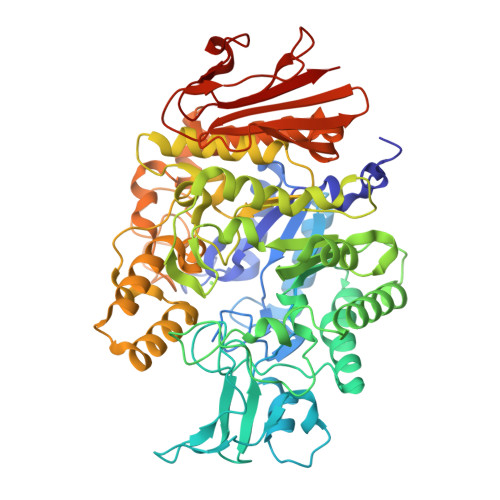
Type 1 fimbrin D-mannose specific adhesin structureClick to view 3D structureType 1 fimbrin D-mannose specific adhesinP08191Escherichia coli K-12Predicted (SEA)
Prediction Confidence Score
0.552
Applicability Domain
1.0
Statistical Significance
1.00e-05
Supporting Reference Compounds
4
E-value
0.0778492
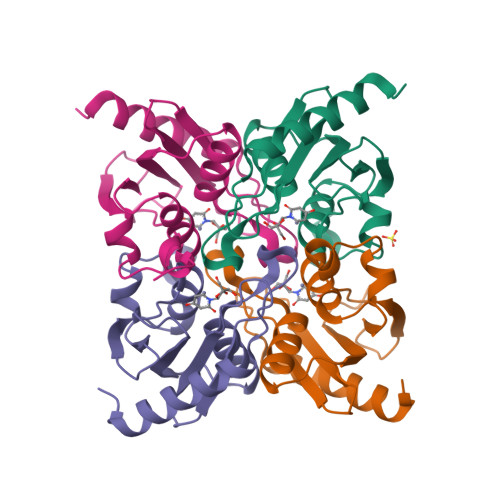
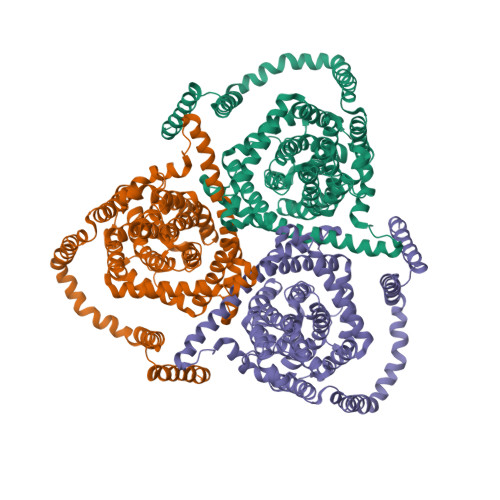
Galactokinase structureClick to view 3D structureGalactokinaseP51570HumansKnownNot Available
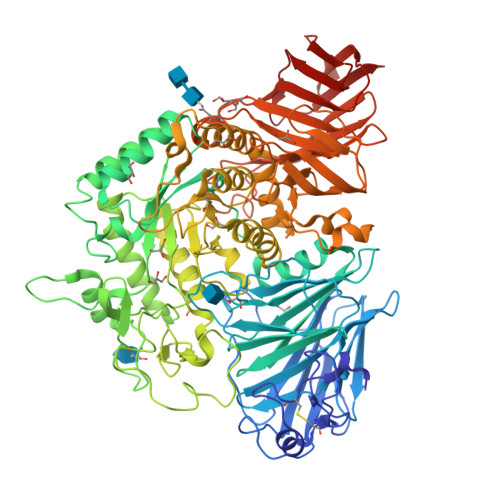
Click to view 3D structureLysosomal alpha-glucosidaseQ6P7A9Rattus norvegicusPredicted (SEA)
Prediction Confidence Score
0.344
Applicability Domain
0.412
Statistical Significance
3.20e-04
Supporting Reference Compounds
21
E-value
2.49118
Click to view 3D structureNeutral alpha-glucosidase CQ8TET4HumansPredicted (SEA)
Prediction Confidence Score
0.333
Applicability Domain
0.333
Statistical Significance
1.20e-04
Supporting Reference Compounds
1
E-value
0.934191
Click to view 3D structureAlpha-galactosidase AD3ZJF9Rattus norvegicusPredicted (SEA)
Prediction Confidence Score
0.333
Applicability Domain
0.333
Statistical Significance
1.20e-04
Supporting Reference Compounds
1
E-value
0.934191
Oligo-1,6-glucosidase IMA1 structureClick to view 3D structureOligo-1,6-glucosidase IMA1P53051Saccharomyces cerevisiae S288cPredicted (SEA)
Prediction Confidence Score
0.333
Applicability Domain
0.333
Statistical Significance
2.40e-04
Supporting Reference Compounds
1
E-value
1.86838
Cytidine deaminase structureClick to view 3D structureCytidine deaminaseP56389Mus musculusPredicted (SEA)
Prediction Confidence Score
0.327
Applicability Domain
0.361
Statistical Significance
5.80e-04
Supporting Reference Compounds
5
E-value
4.51525
Cytidine deaminase structureClick to view 3D structureCytidine deaminaseP32320HumansPredicted (SEA)
Prediction Confidence Score
0.325
Applicability Domain
0.342
Statistical Significance
2.40e-04
Supporting Reference Compounds
4
E-value
1.86838
PA-I galactophilic lectin structureClick to view 3D structurePA-I galactophilic lectinQ05097Pseudomonas aeruginosa (strain ATCC 15692 / PAO1 / 1C / PRS 101 / LMG12228)Predicted (SEA)
Prediction Confidence Score
0.323
Applicability Domain
0.538
Statistical Significance
1.20e-04
Supporting Reference Compounds
4
E-value
0.934191
Maltase-glucoamylase structureClick to view 3D structureMaltase-glucoamylaseO43451HumansPredicted (SEA)
Prediction Confidence Score
0.314
Applicability Domain
0.333
Statistical Significance
4.20e-04
Supporting Reference Compounds
30
E-value
3.26967
CD44 antigen structureClick to view 3D structureCD44 antigenP16070HumansPredicted (SEA)
Prediction Confidence Score
0.306
Applicability Domain
0.306
Statistical Significance
1.80e-04
Supporting Reference Compounds
1
E-value
1.40129
CD44 antigen structureClick to view 3D structureCD44 antigenP15379Mus musculusPredicted (SEA)
Prediction Confidence Score
0.306
Applicability Domain
0.306
Statistical Significance
1.80e-04
Supporting Reference Compounds
1
E-value
1.40129
Solute carrier family 28 member 3 structureClick to view 3D structureSolute carrier family 28 member 3Q9HAS3HumansPredicted (SEA)
Prediction Confidence Score
0.305
Applicability Domain
0.333
Statistical Significance
0.0015
Supporting Reference Compounds
3
E-value
11.7552
Carbonic anhydrase 12 structureClick to view 3D structureCarbonic anhydrase 12O43570HumansPredicted (SEA)
Prediction Confidence Score
0.303
Applicability Domain
0.35
Statistical Significance
0.0291
Supporting Reference Compounds
332
E-value
226.93
Click to view 3D structureSucrase-isomaltase, intestinalP23739Rattus norvegicusPredicted (SEA)
Prediction Confidence Score
0.298
Applicability Domain
0.412
Statistical Significance
5.40e-04
Supporting Reference Compounds
25
E-value
4.20386
Carbonic anhydrase 7 structureClick to view 3D structureCarbonic anhydrase 7P43166HumansPredicted (SEA)
Prediction Confidence Score
0.295
Applicability Domain
0.35
Statistical Significance
0.023
Supporting Reference Compounds
242
E-value
179.209
Carbonic anhydrase 1 structureClick to view 3D structureCarbonic anhydrase 1P00915HumansPredicted (SEA)
Prediction Confidence Score
0.295
Applicability Domain
0.35
Statistical Significance
0.0429
Supporting Reference Compounds
407
E-value
334.207
Adenosine receptor A1 structureClick to view 3D structureAdenosine receptor A1P30542HumansPredicted (SEA)
Prediction Confidence Score
0.293
Applicability Domain
0.317
Statistical Significance
0.0229
Supporting Reference Compounds
302
E-value
178.197
Adenosine deaminase structureClick to view 3D structureAdenosine deaminaseP56658Bos taurusPredicted (SEA)
Prediction Confidence Score
0.292
Applicability Domain
0.31
Statistical Significance
0.0029
Supporting Reference Compounds
17
E-value
22.3427
Adenosine receptor A3 structureClick to view 3D structureAdenosine receptor A3P0DMS8HumansPredicted (SEA)
Prediction Confidence Score
0.292
Applicability Domain
0.311
Statistical Significance
0.0327
Supporting Reference Compounds
391
E-value
254.567
Click to view 3D structureAdenosine receptor A1P25099Rattus norvegicusPredicted (SEA)
Prediction Confidence Score
0.289
Applicability Domain
0.302
Statistical Significance
0.0203
Supporting Reference Compounds
221
E-value
157.956
Click to view 3D structureAdenosine receptor A2aP30543Rattus norvegicusPredicted (SEA)
Prediction Confidence Score
0.286
Applicability Domain
0.302
Statistical Significance
0.0188
Supporting Reference Compounds
174
E-value
146.59
Carbonic anhydrase 9 structureClick to view 3D structureCarbonic anhydrase 9Q16790HumansPredicted (SEA)
Prediction Confidence Score
0.285
Applicability Domain
0.35
Statistical Significance
0.051
Supporting Reference Compounds
372
E-value
397.42
Click to view 3D structureAdenosine receptor A3P28647Rattus norvegicusPredicted (SEA)
Prediction Confidence Score
0.284
Applicability Domain
0.302
Statistical Significance
0.0098
Supporting Reference Compounds
71
E-value
76.4479
Click to view 3D structureAdenosine kinaseA5U4N0Mycobacterium tuberculosis (strain ATCC 25177 / H37Ra)Predicted (SEA)
Prediction Confidence Score
0.283
Applicability Domain
0.283 Low confidence
Statistical Significance
0.0033
Supporting Reference Compounds
1
E-value
25.7681
Concentrations
Not Available
External Links
DrugBank IDNot Available
HMDB IDHMDB0000143
FooDB IDFDB021787
Phenol Explorer IDNot Available
KNApSAcK IDC00001119
BiGG IDNot Available
BioCyc IDALPHA-D-GALACTOSE
METLIN IDNot Available
PDB IDNot Available
Wikipedia LinkGalactose
Chemspider IDNot Available
ChEBI ID28061
PubChem Compound ID439357
Kegg Compound IDC00984
YMDB IDYMDB00072
ECMDB IDECMDB04012
References
Synthesis Reference Avigad, Gad. Synthesis of D-galactose-6-t and D-galactosides-6-t. Carbohydrate Research (1967), 3(4), 430-4.
MSDSNot Available
General References
  1. Lai K, Klapa MI: Alternative pathways of galactose assimilation: could inverse metabolic engineering provide an alternative to galactosemic patients? Metab Eng. 2004 Jul;6(3):239-44. [PubMed: 15256214]
  2. Liu G, Hale GE, Hughes CL: Galactose metabolism and ovarian toxicity. Reprod Toxicol. 2000 Sep-Oct;14(5):377-84. [PubMed: 11020650]
  3. Tyfield L, Reichardt J, Fridovich-Keil J, Croke DT, Elsas LJ 2nd, Strobl W, Kozak L, Coskun T, Novelli G, Okano Y, Zekanowski C, Shin Y, Boleda MD: Classical galactosemia and mutations at the galactose-1-phosphate uridyl transferase (GALT) gene. Hum Mutat. 1999;13(6):417-30. [PubMed: 10408771]
  4. Sreekumar A, Poisson LM, Rajendiran TM, Khan AP, Cao Q, Yu J, Laxman B, Mehra R, Lonigro RJ, Li Y, Nyati MK, Ahsan A, Kalyana-Sundaram S, Han B, Cao X, Byun J, Omenn GS, Ghosh D, Pennathur S, Alexander DC, Berger A, Shuster JR, Wei JT, Varambally S, Beecher C, Chinnaiyan AM: Metabolomic profiles delineate potential role for sarcosine in prostate cancer progression. Nature. 2009 Feb 12;457(7231):910-4. doi: 10.1038/nature07762. [PubMed: 19212411]
  5. Silwood CJ, Lynch E, Claxson AW, Grootveld MC: 1H and (13)C NMR spectroscopic analysis of human saliva. J Dent Res. 2002 Jun;81(6):422-7. [PubMed: 12097436]
  6. Shoemaker JD, Elliott WH: Automated screening of urine samples for carbohydrates, organic and amino acids after treatment with urease. J Chromatogr. 1991 Jan 2;562(1-2):125-38. [PubMed: 2026685]
  7. Rapoport EM, Nekrasov MV, Khaidukov SV, Svirshchevskaya EV, Zhigis LS, Kozlov LV, Batalova TN, Zubov VP, Bovin NV: Cellular localization of the galactose-binding lectin from human serum. Biochemistry (Mosc). 2000 Nov;65(11):1316-20. [PubMed: 11112850]
  8. Xu J, Ma M, Purcell WM: Optimizing the enzymatic determination of galactose in the culture medium of rat liver and HepG2 cell spheroids. Anal Biochem. 2002 Dec 15;311(2):179-81. [PubMed: 12470678]
  9. Seiler CA, Renner EL, Czerniak A, Didonna D, Buchler MW, Reichen J: Early acute cellular rejection: no effect on late hepatic allograft function in man. Transpl Int. 1999;12(3):195-201. [PubMed: 10429957]
  10. Schadewaldt P, Hammen HW, Loganathan K, Bodner-Leidecker A, Wendel U: Analysis of concentration and (13)C enrichment of D-galactose in human plasma. Clin Chem. 2000 May;46(5):612-9. [PubMed: 10794741]
  11. Fenn PT, Ning C, Segal S, Blair IA: Determination of [(13)C]galactose enrichment in human plasma by gas chromatography/positive chemical ionization tandem mass spectrometry. J Mass Spectrom. 2000 Feb;35(2):218-23. [PubMed: 10679984]
  12. van den Nieuwenhof IM, Renardel de Lavalette C, Diaz N, van Die I, van den Berg TK: Differential galactosylation of neuronal and haematopoietic signal regulatory protein-alpha determines its cellular binding-specificity. J Cell Sci. 2001 Apr;114(Pt 7):1321-9. [PubMed: 11256998]
  13. Hernandez DE, Cohen A, Fisher D, Correnti M, Harner R: Antibody levels against galactosyl (alpha1 --> 3) galactose epitopes in cervical mucus from patients with human papillomavirus infection. Gynecol Oncol. 2002 Mar;84(3):374-7. [PubMed: 11855872]
  14. Ono H, Mawatari H, Mizoguchi N, Eguchi T, Sakura N, Hamakawa M: Transient galactosemia detected by neonatal mass screening. Pediatr Int. 1999 Jun;41(3):281-4. [PubMed: 10365579]
  15. Tamamori A, Fujimoto A, Okano Y, Kobayashi K, Saheki T, Tagami Y, Takei H, Shigematsu Y, Hata I, Ozaki H, Tokuhara D, Nishimura Y, Yorifuji T, Igarashi N, Ohura T, Shimizu T, Inui K, Sakai N, Abukawa D, Miyakawa T, Matsumori M, Ban K, Kaneko H, Yamano T: Effects of citrin deficiency in the perinatal period: feasibility of newborn mass screening for citrin deficiency. Pediatr Res. 2004 Oct;56(4):608-14. Epub 2004 Aug 4. [PubMed: 15295082]
  16. Wang ZJ, Berry GT, Dreha SF, Zhao H, Segal S, Zimmerman RA: Proton magnetic resonance spectroscopy of brain metabolites in galactosemia. Ann Neurol. 2001 Aug;50(2):266-9. [PubMed: 11506413]
  17. Niebroj-Dobosz I, Janik P, Jamrozik Z, Kwiecinski H: Immunochemical quantification of glycoconjugates in serum and cerebrospinal fluid of amyotrophic lateral sclerosis patients. Eur J Neurol. 1999 May;6(3):335-40. [PubMed: 10210915]
  18. Schmidt LE, Ott P, Tygstrup N: Galactose elimination capacity as a prognostic marker in patients with severe acetaminophen-induced hepatotoxicity: 10 years' experience. Clin Gastroenterol Hepatol. 2004 May;2(5):418-24. [PubMed: 15118981]
  19. Vironen J, Kellokumpu S, Andersson LC, Kellokumpu I: Comparison of a peanut agglutinin test and an immunochemical faecal occult blood test in detecting colorectal neoplasia in symptomatic patients. Scand J Clin Lab Invest. 2004 Apr;64(2):140-5. [PubMed: 15115252]
  20. Yago H, Kohgo Y, Kato J, Watanabe N, Sakamaki S, Niitsu Y: Detection and quantification of soluble asialoglycoprotein receptor in human serum. Hepatology. 1995 Feb;21(2):383-8. [PubMed: 7843709]
  21. Chen J, Yager C, Reynolds R, Palmieri M, Segal S: Erythrocyte galactose 1-phosphate quantified by isotope-dilution gas chromatography-mass spectrometry. Clin Chem. 2002;48(4):604-12. [PubMed: 11901058]
  22. Mizoguchi N, Ono H, Eguchi T, Sakura N: Galactose metabolites in blood from neonates with and without hypergalactosaemia detected by mass screening. Eur J Pediatr. 2000 Nov;159(11):851-3. [PubMed: 11079200]
  23. Ning C, Segal S: Plasma galactose and galactitol concentration in patients with galactose-1-phosphate uridyltransferase deficiency galactosemia: determination by gas chromatography/mass spectrometry. Metabolism. 2000 Nov;49(11):1460-6. [PubMed: 11092512]
  24. Ning C, Reynolds R, Chen J, Yager C, Berry GT, McNamara PD, Leslie N, Segal S: Galactose metabolism by the mouse with galactose-1-phosphate uridyltransferase deficiency. Pediatr Res. 2000 Aug;48(2):211-7. [PubMed: 10926297]
  25. Cavalli C, Teng C, Battaglia FC, Bevilacqua G: Free sugar and sugar alcohol concentrations in human breast milk. J Pediatr Gastroenterol Nutr. 2006 Feb;42(2):215-21. [PubMed: 16456418]
  26. Shamsuddin AM, Tyner GT, Yang GY: Common expression of the tumor marker D-galactose-beta-[1-->3]-N-acetyl-D-galactosamine by different adenocarcinomas: evidence of field effect phenomenon. Cancer Res. 1995 Jan 1;55(1):149-52. [PubMed: 7805025]
  27. Wan CC, Muldrey JE, Li SC, Li YT: beta-Mannosidase from the mushroom Polyporus sulfureus. J Biol Chem. 1976 Jul 25;251(14):4384-8. [PubMed: 6478]
  28. Redaelli CA, Dufour JF, Wagner M, Schilling M, Husler J, Krahenbuhl L, Buchler MW, Reichen J: Preoperative galactose elimination capacity predicts complications and survival after hepatic resection. Ann Surg. 2002 Jan;235(1):77-85. [PubMed: 11753045]
  29. Rudzeviciene O, Narkeviciute I, Eidukevicius R: Lactose malabsorption in young Lithuanian children with atopic dermatitis. Acta Paediatr. 2004 Apr;93(4):482-6. [PubMed: 15188975]