Protoporphyrin IX (CED0002629)

Record Information
Version1.0
Creation Date2014-08-29 06:51:17 UTC
Update Date2026-08-22 11:27:51 UTC
SynCED IDCED0002629
Secondary Accession Numbers
  • CHEM003400
  • T3D4440
Identification
Common NameProtoporphyrin IX
ClassSmall Molecule
Description
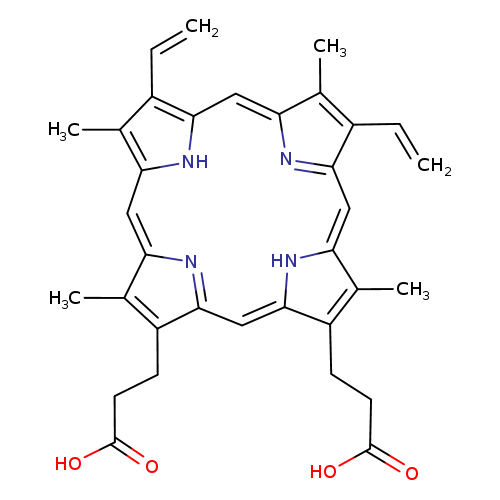
Protoporphyrin IX belongs to the porphyrins, a subclass of tetrapyrroles and derivatives within the organic compounds. With an average molecular weight of 562.66 g/mol, Protoporphyrin IX is a heavy molecule. This endogenous organic compound, with the formula C34H34N4O4, exists as a solid at room temperature. Biologically, it functions as a metabolite and serves as a photosensitizing agent. Within the body, it is detected in various tissues, including the liver, kidney, spleen, bladder, urinary bladder, gastrointestinal tract, intestine, skin, stratum corneum, adrenal medulla, thyroid gland, testes, adipose tissue, erythrocyte, platelet, lymphocyte, T-lymphocyte, and fibroblasts. It acts as an inhibitor of the protein targets Ferritin light chain (FTL) and Hematopoietic prostaglandin D synthase (HPGDS). Protoporphyrin IX is recorded in several environmental and commercial sources. These include electrical and electronic equipment such as antennas, discharge lamps, electric switches, conductive bodies characterized by conductive materials, and auxiliary devices. In building and construction, it is found in tents, canopies, and sunshades, awnings or outside screens. It is also detected in household cleaning and consumer products, specifically tobacco smoke filters, tobacco product cases, and perfumes within detergents and soaps. Additionally, it is associated with food and food processing, including food preservation and the preparation of wine or sparkling wine.
Contaminant Type
  • Animal Toxin
  • Drug
  • Food Toxin
  • Metabolite
  • Natural Compound
  • Organic Compound
Chemical Structure
Synonyms
ValueSource
3,3'-(3,7,12,17-Tetramethyl-8,13-divinyl-21H,23H-porphine-2,18-diyl)-bis-propionic acidChEBI
3,7,12,17-Tetramethyl-8,13-divinylporphyrin-2,18-dipropanoic acidChEBI
H2PpIXChEBI
Kammerer's prophyrinChEBI
OoporphyrinChEBI
Porphyrinogen IXChEBI
3,3'-(3,7,12,17-Tetramethyl-8,13-divinyl-21H,23H-porphine-2,18-diyl)-bis-propionateGenerator
3,7,12,17-Tetramethyl-8,13-divinylporphyrin-2,18-dipropanoateGenerator
3,3'-(3,7,12,17-Tetramethyl-8,13-divinylporphine-2,18-diyl)diHMDB
PpIXHMDB
ProtoporphyrinHMDB
Protoporphyrin-"ix"HMDB
Protoporphyrin-IXHMDB
Chemical FormulaC34H34N4O4
Average Molecular Mass562.658 g/mol
Monoisotopic Mass562.258 g/mol
CAS Registry Number553-12-8
IUPAC Name3-[20-(2-carboxyethyl)-9,14-diethenyl-5,10,15,19-tetramethyl-21,22,23,24-tetraazapentacyclo[16.2.1.1^{3,6}.1^{8,11}.1^{13,16}]tetracosa-1(21),2,4,6,8(23),9,11,13,15,17,19-undecaen-4-yl]propanoic acid
Traditional Name3-[20-(2-carboxyethyl)-9,14-diethenyl-5,10,15,19-tetramethyl-21,22,23,24-tetraazapentacyclo[16.2.1.1^{3,6}.1^{8,11}.1^{13,16}]tetracosa-1(21),2,4,6,8(23),9,11,13,15,17,19-undecaen-4-yl]propanoic acid
SMILESCC1=C(CCC(O)=O)/C2=C/C3=N/C(=C\C4=C(C)C(C=C)=C(N4)/C=C4\N=C(\C=C\1/N\2)C(C=C)=C4C)/C(C)=C3CCC(O)=O
InChI IdentifierInChI=1S/C34H34N4O4/c1-7-21-17(3)25-13-26-19(5)23(9-11-33(39)40)31(37-26)16-32-24(10-12-34(41)42)20(6)28(38-32)15-30-22(8-2)18(4)27(36-30)14-29(21)35-25/h7-8,13-16,35,38H,1-2,9-12H2,3-6H3,(H,39,40)(H,41,42)/b25-13-,26-13-,27-14-,28-15-,29-14-,30-15-,31-16-,32-16-
InChI KeyKSFOVUSSGSKXFI-UJJXFSCMSA-N
Chemical Taxonomy
Description Belongs to the class of organic compounds known as porphyrins. Porphyrins are compounds containing a fundamental skeleton of four pyrrole nuclei united through the alpha-positions by four methine groups to form a macrocyclic structure.
KingdomOrganic compounds
Super ClassOrganoheterocyclic compounds
ClassTetrapyrroles and derivatives
Sub ClassPorphyrins
Direct ParentPorphyrins
Alternative ParentsNot Available
SubstituentsNot Available
Molecular FrameworkNot Available
External DescriptorsNot Available
Biological Properties
StatusDetected and Not Quantified
OriginEndogenous
Cellular Locations
  • Cytoplasm
  • Membrane
  • Mitochondria
Biofluid LocationsNot Available
Tissue Locations
  • Adipose Tissue
  • Adrenal Medulla
  • Bladder
  • Erythrocyte
  • Fibroblasts
  • Gastrointestinal Tract
  • Intestine
  • Kidney
  • Liver
  • Lymphocyte
  • Platelet
  • Skin
  • Spleen
  • Stratum Corneum
  • T-Lymphocyte
  • Testes
  • Thyroid Gland
  • Urinary Bladder
Applications
Biological Roles
Chemical RolesNot Available
Organoleptic Effects
  • meat colour ?
  • reddish pigmentation colour ?
Physical Properties
StateSolid
AppearanceWhite powder.
Experimental Properties
PropertyValue
Melting Point300°C
Boiling PointNot Available
Solubility0.169 mg/mL at 25°C
Predicted Properties
PropertyValueSource
Water Solubility0.022 g/LALOGPS
logP4.4ALOGPS
logP6.78ChemAxon
logS-4.4ALOGPS
pKa (Strongest Acidic)3.68ChemAxon
pKa (Strongest Basic)4.96ChemAxon
Physiological Charge-2ChemAxon
Hydrogen Acceptor Count6ChemAxon
Hydrogen Donor Count4ChemAxon
Polar Surface Area131.96 ŲChemAxon
Rotatable Bond Count8ChemAxon
Refractivity163.81 m³·mol⁻¹ChemAxon
Polarizability66.03 ųChemAxon
Number of Rings5ChemAxon
BioavailabilityNoChemAxon
Rule of FiveNoChemAxon
Ghose FilterNoChemAxon
Veber's RuleNoChemAxon
MDDR-like RuleYesChemAxon
Spectra
Spectra
Spectrum TypeDescriptionSplash KeyDeposition DateView
Predicted GC-MSPredicted GC-MS Spectrumsplash10-0uxu-1000290000-e22236fe3cca8eed1ecfNot AvailableView Spectrum
Predicted GC-MSPredicted GC-MS Spectrumsplash10-00di-6000094000-b9c12952e100c5144cabNot AvailableView Spectrum
Predicted GC-MSPredicted GC-MS SpectrumNot AvailableNot AvailableView Spectrum
Predicted LC-MS/MSPredicted LC-MS/MS Spectrumsplash10-0002-0000090000-5d5be53410134c5719abNot AvailableView Spectrum
Predicted LC-MS/MSPredicted LC-MS/MS Spectrumsplash10-00kb-1000590000-2d4157b9f73534d95a9cNot AvailableView Spectrum
Predicted LC-MS/MSPredicted LC-MS/MS Spectrumsplash10-0a4l-1000910000-07524a9291a1921dfafcNot AvailableView Spectrum
Predicted LC-MS/MSPredicted LC-MS/MS Spectrumsplash10-03di-0000090000-5df26c1cfb9a0b16a91aNot AvailableView Spectrum
Predicted LC-MS/MSPredicted LC-MS/MS Spectrumsplash10-0296-1000190000-2d4bcb49201fc10adc09Not AvailableView Spectrum
Predicted LC-MS/MSPredicted LC-MS/MS Spectrumsplash10-0a4l-9000230000-064fb944a966d08c06bfNot AvailableView Spectrum
Predicted LC-MS/MSPredicted LC-MS/MS Spectrumsplash10-03di-0000090000-87c1740ecd1a28f4a2d9Not AvailableView Spectrum
Predicted LC-MS/MSPredicted LC-MS/MS Spectrumsplash10-03xu-0000590000-99160b987bb7e62ab362Not AvailableView Spectrum
Predicted LC-MS/MSPredicted LC-MS/MS Spectrumsplash10-00di-0000900000-f2d9118441a9c8c47d79Not AvailableView Spectrum
Predicted LC-MS/MSPredicted LC-MS/MS Spectrumsplash10-03dj-0000090000-d428ac6dc2fc4794cc41Not AvailableView Spectrum
Predicted LC-MS/MSPredicted LC-MS/MS Spectrumsplash10-0j4j-0000090000-2b065966ec57bb97d511Not AvailableView Spectrum
Predicted LC-MS/MSPredicted LC-MS/MS Spectrumsplash10-0uk9-1000970000-b435817e4dc349e65ab3Not AvailableView Spectrum
1D NMR13C NMR Spectrum (1D, H2O, predicted)Not AvailableNot AvailableView Spectrum
1D NMR1H NMR Spectrum (1D, H2O, predicted)Not AvailableNot AvailableView Spectrum
Toxicity Profile
Toxicity Values
Toxicity ValueOrganismDose DescriptorRoute of ExposurePredicted or ExperimentalToxicity RatingReference
709.0 Log mg/kg [400:1300]RatLD50oralpredictedNot AvailableNot Available
Toxicity / Toxin ClassNot Available
Mechanism of ToxicityNot Available
Carcinogenicity (IARC Classification)No indication of carcinogenicity to humans (not listed by IARC).
Minimum Risk LevelNot Available
SymptomsNot Available
TreatmentNot Available
Health Effects
Health EffectRelationshipDirectionDescriptionReference
lung cancerNot AvailableNot AvailableA respiratory system cancer that is located in the lung. (DO)PMC12310484
cancerIs Biomarker OfNot AvailableCancer is a group of diseases involving abnormal cell growth with the potential to invade or spread to other parts of the body. Possible signs and symptoms include a lump, abnormal bleeding, prolonged cough, unexplained weight loss, and a change in bowel movements. There are over 100 types of cancers affect humans. The risk of developing certain cancers can be reduced by not smoking, maintaining a healthy weight, not drinking too much alcohol, eating plenty of vegetables, fruits and whole grains, vaccination against certain infectious diseases, not eating too much processed and red meat and avoiding too much sunlight exposure. Cancer is often treated with some combination of radiation therapy, surgery, chemotherapy and targeted therapy. The majority of cancers, some 90–95% of cases, are due to genetic mutations from environmental and lifestyle factors. The remaining 5–10% are due to inherited genetics.PMC12564959
cancerNot AvailableNot AvailableCancer is a group of diseases involving abnormal cell growth with the potential to invade or spread to other parts of the body. Possible signs and symptoms include a lump, abnormal bleeding, prolonged cough, unexplained weight loss, and a change in bowel movements. There are over 100 types of cancers affect humans. The risk of developing certain cancers can be reduced by not smoking, maintaining a healthy weight, not drinking too much alcohol, eating plenty of vegetables, fruits and whole grains, vaccination against certain infectious diseases, not eating too much processed and red meat and avoiding too much sunlight exposure. Cancer is often treated with some combination of radiation therapy, surgery, chemotherapy and targeted therapy. The majority of cancers, some 90–95% of cases, are due to genetic mutations from environmental and lifestyle factors. The remaining 5–10% are due to inherited genetics.PMC10865478
cholestasisAssociated With?Not AvailableImpairment of the bile flow caused by obstruction within the liver, or outside the liver in the bile duct system.PMC13109850
CholangitisAssociated With?decreaseNot AvailablePMC4788452
porphyriaAssociated With?Not AvailableA group of inherited metabolic disorders which involve certain enzymes in the heme bio-synthetic pathway resulting in the overproduction and accumulation of the porphyrins. (DO)PMC6884552
urinary bladder cancerIs Biomarker OfNot AvailableNot AvailablePMC12564959
erythropoietic protoporphyriaAssociated With?Not AvailableNot AvailablePMC8356643
light sensitivityAssociated With?Not AvailableNot AvailablePMC8356643
acute cholangitisAssociated With?increaseNot AvailablePMC4788452
Exposure Sources
Source IDSourceSectorReference
CEDs000010Insecticides?Insecticides are synthetic chemicals designed to control or eliminate insect pests that threaten crops and other agricultural products.Agriculture & land managementPubChem
CEDs000233Brushes?Brushes used in personal care and cosmetics can be a source of synthetic chemical contamination due to the materials and coatings used in their manufacturing.Personal care & cosmeticsPubChem
CEDs000501Sunshades Awnings Or Outside Screens?Sunshades, awnings, and outside screens are often constructed using synthetic materials such as polyvinyl chloride (PVC), polyester, or acrylic fabrics.Building & ConstructionPubChem
CEDs000502Sunshades Awnings Or Outside Screens?Sunshades, awnings, and outside screens are commonly used in construction to enhance energy efficiency and provide shade.Building & ConstructionPubChem
CEDs000503Tents Or Canopies?Tents and canopies used in various applications can be a source of synthetic chemical contamination primarily due to the materials from which they are made.Building & ConstructionPubChem
CEDs000506Antennas?Antennas, commonly used in communication technologies, can be a source of synthetic chemical contamination through the materials and coatings used in their construction.Electrical & Electronic EquipmentPubChem
CEDs000507Auxiliary Devices?Auxiliary devices, such as capacitors, transformers, and circuit breakers, are integral components in various electronic systems.Electrical & Electronic EquipmentPubChem
CEDs000511Conductors Or Conductive Bodies Characterised By The Conductive Materials?Conductors, or conductive bodies, are materials that allow the flow of electrical current, typically made from metals such as copper, aluminum, or silver.Electrical & Electronic EquipmentPubChem
CEDs000514Discharge Lamps?Discharge lamps, including fluorescent and high-intensity discharge (HID) lamps, are commonly used for lighting applications due to their energy efficiency and brightness.Electrical & Electronic EquipmentPubChem
CEDs000517Electric Switches?Electric switches, integral components in numerous devices, can be a source of synthetic chemical contamination due to the materials and manufacturing processes involved in their production.Electrical & Electronic EquipmentPubChem
CEDs000519Electrodes?Electrodes, used in various electrical and electronic applications, can be a source of synthetic chemical contamination due to the materials from which they are constructed and the processes involved in their manufacturing.Electrical & Electronic EquipmentPubChem
CEDs000521Fixed Capacitors And Their Manufacture?Fixed capacitors are passive electronic components used to store and release electrical energy, playing a critical role in various circuits.Electrical & Electronic EquipmentPubChem
CEDs000524Hybrid Capacitors?Hybrid capacitors are energy storage devices that combine the properties of electrolytic and supercapacitors, utilizing a combination of electrochemical principles to achieve higher energy density and power density.Electrical & Electronic EquipmentPubChem
CEDs000526Loudspeakers?Loudspeakers, as components in audio systems, can be sources of synthetic chemical contamination primarily due to the materials used in their construction.Electrical & Electronic EquipmentPubChem
CEDs000530Radio Transmission Systems?Radio transmission systems utilize a variety of synthetic chemicals in their manufacturing and maintenance processes.Electrical & Electronic EquipmentPubChem
CEDs000537Television Systems?Television systems can be a source of synthetic chemical contamination due to the various materials and components used in their manufacture and operation.Electrical & Electronic EquipmentPubChem
CEDs000540X Ray Tubes?X-ray tubes are devices used to produce X-rays for various applications, including medical imaging and industrial inspections.Electrical & Electronic EquipmentPubChem
CEDs000545Food Preservation?Food preservation often involves the use of synthetic chemicals, such as preservatives, flavor enhancers, and color additives, to extend shelf life and enhance the sensory qualities of food products.Food, food processing & cookwarePubChem
CEDs000549Preparation Of Wine Or Sparkling Wine?The preparation of wine or sparkling wine involves various stages, including fermentation, aging, and bottling, which can introduce potential sources of synthetic chemical contamination.Food, food processing & cookwarePubChem
CEDs000561Perfumes Within Detergents And Soaps?Perfumes within detergents and soaps are synthetic fragrance compounds added to enhance the sensory experience of cleaning products.Household cleaning & consumer productsPubChem
CEDs000567Tobacco Product Cases?Tobacco product cases can serve as a source of synthetic chemical contamination due to the presence of various additives and chemicals used in tobacco processing and product manufacturing.Household cleaning & consumer productsPubChem
CEDs000569Tobacco Smoke Filters?Tobacco smoke filters are designed to reduce the inhalation of harmful substances in cigarette smoke, including tar and other particulate matter.Household cleaning & consumer productsPubChem
CEDs000580Manufacture Preparation Of Tobacco Products?The manufacture and preparation of tobacco products involve various processes that can result in the introduction of synthetic chemicals into the environment.Industrial manufacturing & chemical processingPubChem
CEDs000581Paper Making Machines?Paper making machines utilize various synthetic chemicals throughout the production process, including additives, coatings, and bleaching agents.Industrial manufacturing & chemical processingPubChem
CEDs000596Acaricides?Acaricides are synthetic chemicals specifically designed to target and control mite populations that can damage crops and plants.Agriculture & land managementPubChem
CEDs000600Herbicides And Algicides?Herbicides and algicides are synthetic chemicals primarily used to control unwanted plants and algae in various environments.Agriculture & land managementPubChem
CEDs000606Plant Growth Regulators?Plant Growth Regulators (PGRs) are synthetic chemicals designed to influence the growth and development of plants.Agriculture & land managementPubChem
CEDs000610Aftersun Products?Aftersun products are designed to soothe and hydrate the skin after sun exposure, often containing various synthetic chemicals such as emollients, preservatives, and fragrances.Personal care & cosmeticsPubChem
CEDs000613Depilatories?Depilatories are products designed to remove unwanted hair through the application of synthetic chemicals that break down the protein structure of hair, facilitating its removal.Personal care & cosmeticsPubChem
CEDs000614Essential Oils Or Perfumes?Essential oils and perfumes are complex mixtures of volatile compounds derived from natural or synthetic sources, commonly used for their aromatic properties.Personal care & cosmeticsPubChem
CEDs000615Eye Makeup Products?Eye makeup products, including mascaras, eyeliners, and eyeshadows, often contain a variety of synthetic chemicals such as pigments, preservatives, and film-forming agents.Personal care & cosmeticsPubChem
CEDs000617Lip Care Products?Lip care products, including lipsticks, balms, and glosses, often contain a variety of synthetic chemicals such as parabens, phthalates, and synthetic fragrances.Personal care & cosmeticsPubChem
CEDs000618Lip Makeup Products?Lip makeup products, such as lipsticks, lip glosses, and lip liners, often contain a variety of synthetic chemicals, including pigments, preservatives, and emollients.Personal care & cosmeticsPubChem
CEDs000630Toys?Toys, particularly those made from synthetic materials such as plastics, can be a source of chemical contamination due to the presence of various additives and compounds used in their production.Recreation & sports surfacesPubChem
CEDs000632Apparel?Apparel production often involves the use of various synthetic chemicals, including dyes, finishing agents, and preservatives.Textiles, leather & furnishingsPubChem
CEDs000638Decorating Textiles?Decorating textiles often involves the use of synthetic chemicals such as dyes, finishes, and coatings.Textiles, leather & furnishingsPubChem
CEDs000642Footwear?Footwear production often involves the use of various synthetic chemicals, such as adhesives, dyes, and treatments, which can contribute to environmental contamination.Textiles, leather & furnishingsPubChem
CEDs000643Headwear?Headwear made from synthetic materials often incorporates chemicals used in the manufacturing and finishing processes, such as dyes, flame retardants, and water repellents.Textiles, leather & furnishingsPubChem
CEDs000650Purses Luggage Hand Bags?Purses, luggage, and handbags are often manufactured using synthetic materials such as polyvinyl chloride (PVC), polyurethane, and various types of nylon.Textiles, leather & furnishingsPubChem
CEDs000652Ropes?Ropes manufactured from synthetic fibers, such as polypropylene, nylon, and polyester, are widely used in various applications, including marine, construction, and outdoor activities.Textiles, leather & furnishingsPubChem
CEDs000653Sewing?Sewing processes often involve the use of various synthetic chemicals, which can become sources of contamination in the environment.Textiles, leather & furnishingsPubChem
CEDs000658Touch Fasteners?Touch fasteners, commonly known as hook-and-loop fasteners, are composed of synthetic materials such as nylon or polyester.Textiles, leather & furnishingsPubChem
CEDs000678Nitrogenous Fertilisers?Nitrogenous fertilizers are synthetic chemical compounds primarily used to enhance plant growth by supplying essential nitrogen, a crucial nutrient for photosynthesis and protein synthesis.Agriculture & land managementPubChem
CEDs000679Phosphatic Fertilisers?Phosphatic fertilizers are synthetic chemical products primarily composed of phosphorus, which is essential for plant growth.Agriculture & land managementPubChem
CEDs000685Ceramics?Ceramics can be a source of synthetic chemical contamination through various additives and processing agents used in their production.Building & ConstructionPubChem
CEDs000689Glass Fibres?Glass fibres are composed of fine strands of glass, commonly utilized for their tensile strength and lightweight properties.Building & ConstructionPubChem
CEDs000692Silica Free Oxide Glass?Silica Free Oxide Glass is a type of glass that is produced using alternative materials to traditional silica-based formulations.Building & ConstructionPubChem
CEDs000694Cheese Making?Cheese making involves the fermentation of milk, utilizing bacteria and enzymes to coagulate proteins and develop flavor.Food, food processing & cookwarePubChem
CEDs000696Nanotechnology?Nanotechnology involves the manipulation of materials at the molecular or atomic level, typically within the range of 1 to 100 nanometers.Industrial manufacturing & chemical processingPubChem
CEDs000727Printing Machines Or Presses?Printing machines or presses commonly utilize synthetic chemicals such as inks, solvents, and cleaning agents.Paper, pulp & fiber productsPubChem
CEDs000735Explosives?Explosives are chemical compounds or mixtures designed to undergo rapid decomposition, releasing energy in the form of gas and heat.Defense & military infrastructurePubChem
CEDs000739Inks?Inks are complex mixtures composed of pigments or dyes, solvents, resins, and additives used primarily for printing and writing applications.Paper, pulp & fiber productsPubChem
CEDs000740Paper?Paper production involves the processing of wood fibers and the use of various chemicals, which can lead to synthetic chemical contamination.Paper, pulp & fiber productsPubChem
CEDs000743Sludge Treatment?Sludge treatment involves the processing of waste materials generated from wastewater treatment plants, which often contain a variety of organic and inorganic substances.Wastewater, sanitation & biosolidsPubChem
CEDs000744Water, Wastewater, & Sewage Treatment?Water, wastewater, and sewage treatment processes are critical for managing and mitigating pollutants in water systems.Wastewater, sanitation & biosolidsPubChem
CEDs01295Chicken MeatFood, food processing & cookwarePMC6720503
Pathways
11 pathwaysPathway Source: PathBank
Targets
StructureProteinUniProt IDOrganismRelationshipDetails
Catalase structureClick to view 3D structureCatalaseP04040HumansKnownNot Available
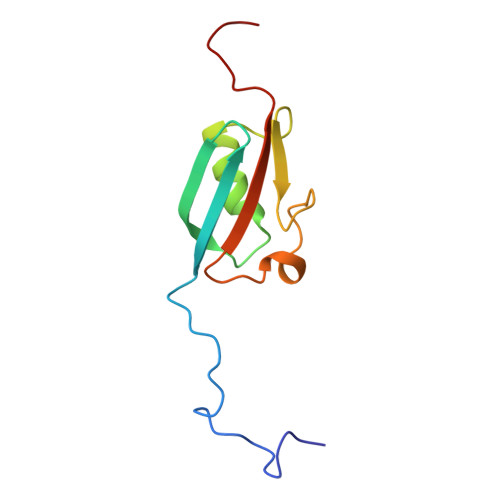
Small ubiquitin-related modifier 1 structureClick to view 3D structureSmall ubiquitin-related modifier 1P63165HumansPredicted (SEA)
Prediction Confidence Score
0.345
Applicability Domain
1.0
Statistical Significance
6.50e-04
Supporting Reference Compounds
95
E-value
5.0602
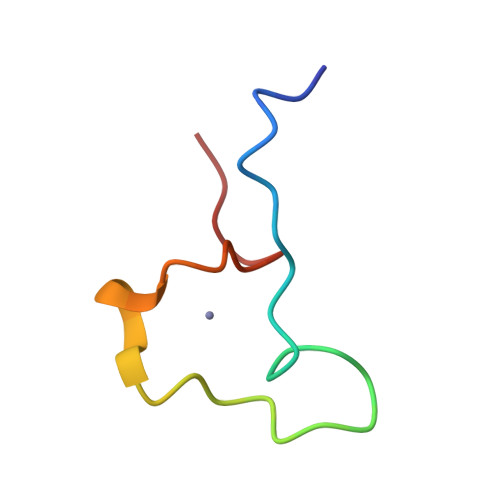
RNA-binding protein pos-1 structureClick to view 3D structureRNA-binding protein pos-1G5EF15Caenorhabditis elegansPredicted (SEA)
Prediction Confidence Score
0.322
Applicability Domain
1.0
Statistical Significance
1.70e-04
Supporting Reference Compounds
52
E-value
1.32344
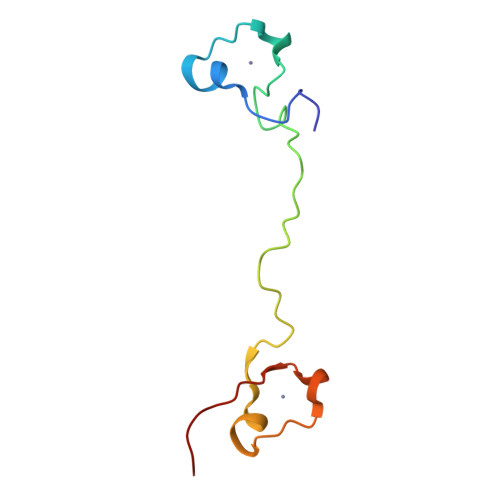
Zinc finger protein mex-5 structureClick to view 3D structureZinc finger protein mex-5Q9XUB2Caenorhabditis elegansPredicted (SEA)
Prediction Confidence Score
0.321
Applicability Domain
1.0
Statistical Significance
6.70e-04
Supporting Reference Compounds
88
E-value
5.2159
Glypican-3 structureClick to view 3D structureGlypican-3P51654HumansPredicted (SEA)
Prediction Confidence Score
0.278
Applicability Domain
0.278 Low confidence
Statistical Significance
0.0083
Supporting Reference Compounds
1
E-value
64.7706
Click to view 3D structureUracil nucleotide/cysteinyl leukotriene receptorQ09QM4Rattus norvegicusPredicted (SEA)
Prediction Confidence Score
0.269
Applicability Domain
0.276 Low confidence
Statistical Significance
8.00e-04
Supporting Reference Compounds
3
E-value
6.22794
Click to view 3D structureUracil nucleotide/cysteinyl leukotriene receptorQ6NS65Mus musculusPredicted (SEA)
Prediction Confidence Score
0.265
Applicability Domain
0.269 Low confidence
Statistical Significance
5.20e-04
Supporting Reference Compounds
2
E-value
4.04816
Fibroblast growth factor receptor 1 structureClick to view 3D structureFibroblast growth factor receptor 1P11362HumansPredicted (SEA)
Prediction Confidence Score
0.249
Applicability Domain
0.276 Low confidence
Statistical Significance
0.3691
Supporting Reference Compounds
1010
E-value
2873.26
Vascular endothelial growth factor receptor 2 structureClick to view 3D structureVascular endothelial growth factor receptor 2P35968HumansPredicted (SEA)
Prediction Confidence Score
0.249
Applicability Domain
0.276 Low confidence
Statistical Significance
0.4501
Supporting Reference Compounds
1660
E-value
3503.92
Platelet-derived growth factor receptor beta structureClick to view 3D structurePlatelet-derived growth factor receptor betaP09619HumansPredicted (SEA)
Prediction Confidence Score
0.236
Applicability Domain
0.276 Low confidence
Statistical Significance
0.3889
Supporting Reference Compounds
597
E-value
3027.71
Aurora kinase A structureClick to view 3D structureAurora kinase AO14965HumansPredicted (SEA)
Prediction Confidence Score
0.225
Applicability Domain
0.276 Low confidence
Statistical Significance
0.6091
Supporting Reference Compounds
996
E-value
4741.56
Receptor-type tyrosine-protein kinase FLT3 structureClick to view 3D structureReceptor-type tyrosine-protein kinase FLT3P36888HumansPredicted (SEA)
Prediction Confidence Score
0.224
Applicability Domain
0.276 Low confidence
Statistical Significance
0.6635
Supporting Reference Compounds
1274
E-value
5165.22
Epidermal growth factor receptor structureClick to view 3D structureEpidermal growth factor receptorP00533HumansPredicted (SEA)
Prediction Confidence Score
0.224
Applicability Domain
0.276 Low confidence
Statistical Significance
0.6865
Supporting Reference Compounds
1301
E-value
5344.43
Aurora kinase B structureClick to view 3D structureAurora kinase BQ96GD4HumansPredicted (SEA)
Prediction Confidence Score
0.222
Applicability Domain
0.276 Low confidence
Statistical Significance
0.6513
Supporting Reference Compounds
1017
E-value
5070.24
Proto-oncogene tyrosine-protein kinase Src structureClick to view 3D structureProto-oncogene tyrosine-protein kinase SrcP12931HumansPredicted (SEA)
Prediction Confidence Score
0.221
Applicability Domain
0.276 Low confidence
Statistical Significance
0.6763
Supporting Reference Compounds
1158
E-value
5265.33
Proto-oncogene tyrosine-protein kinase receptor Ret structureClick to view 3D structureProto-oncogene tyrosine-protein kinase receptor RetP07949HumansPredicted (SEA)
Prediction Confidence Score
0.22
Applicability Domain
0.276 Low confidence
Statistical Significance
0.621
Supporting Reference Compounds
764
E-value
4834.13
Click to view 3D structureMitogen-activated protein kinase kinase kinase kinase 2Q12851HumansPredicted (SEA)
Prediction Confidence Score
0.219
Applicability Domain
0.276 Low confidence
Statistical Significance
0.6058
Supporting Reference Compounds
657
E-value
4716.42
Serine/threonine-protein kinase 3 structureClick to view 3D structureSerine/threonine-protein kinase 3Q13188HumansPredicted (SEA)
Prediction Confidence Score
0.219
Applicability Domain
0.276 Low confidence
Statistical Significance
0.5958
Supporting Reference Compounds
641
E-value
4638.49
Click to view 3D structureReplicative DNA helicaseA0A6L8Q2B7Bacillus anthracisPredicted (SEA)
Prediction Confidence Score
0.217
Applicability Domain
0.217 Low confidence
Statistical Significance
0.0183
Supporting Reference Compounds
1
E-value
142.775
Uracil nucleotide/cysteinyl leukotriene receptor structureClick to view 3D structureUracil nucleotide/cysteinyl leukotriene receptorQ13304HumansPredicted (SEA)
Prediction Confidence Score
0.216
Applicability Domain
0.276 Low confidence
Statistical Significance
0.0116
Supporting Reference Compounds
11
E-value
90.0715
Ribosomal protein S6 kinase alpha-5 structureClick to view 3D structureRibosomal protein S6 kinase alpha-5O75582HumansPredicted (SEA)
Prediction Confidence Score
0.214
Applicability Domain
0.276 Low confidence
Statistical Significance
0.5401
Supporting Reference Compounds
389
E-value
4204.56
Vascular endothelial growth factor receptor 1 structureClick to view 3D structureVascular endothelial growth factor receptor 1P17948HumansPredicted (SEA)
Prediction Confidence Score
0.21
Applicability Domain
0.276 Low confidence
Statistical Significance
0.7095
Supporting Reference Compounds
711
E-value
5523.48
Click to view 3D structureInhibitor of nuclear factor kappa-B kinase subunit epsilonQ14164HumansPredicted (SEA)
Prediction Confidence Score
0.208
Applicability Domain
0.276 Low confidence
Statistical Significance
0.5898
Supporting Reference Compounds
304
E-value
4591.55
Click to view 3D structurePol polyproteinQ72874Human immunodeficiency virus 1Predicted (SEA)
Prediction Confidence Score
0.207
Applicability Domain
0.469
Statistical Significance
0.0841
Supporting Reference Compounds
54
E-value
654.556
Glycogen synthase kinase-3 beta structureClick to view 3D structureGlycogen synthase kinase-3 betaP49841HumansPredicted (SEA)
Prediction Confidence Score
0.205
Applicability Domain
0.276 Low confidence
Statistical Significance
0.8444
Supporting Reference Compounds
1157
E-value
6573.59
Serine/threonine-protein kinase pim-1 structureClick to view 3D structureSerine/threonine-protein kinase pim-1P11309HumansPredicted (SEA)
Prediction Confidence Score
0.205
Applicability Domain
0.276 Low confidence
Statistical Significance
0.8086
Supporting Reference Compounds
967
E-value
6294.89
Click to view 3D structureFerrochelataseQ7KZA3HumansKnownNot Available
Ferritin light chain structureClick to view 3D structureFerritin light chainP02792HumansKnownNot Available
Concentrations
Not Available
External Links
DrugBank IDDB02285
HMDB IDHMDB0000241
FooDB IDFDB004277
Phenol Explorer IDNot Available
KNApSAcK IDC00007370
BiGG IDNot Available
BioCyc IDPROTOPORPHYRIN_IX
METLIN IDNot Available
PDB IDNot Available
Wikipedia LinkProtoporphyrin_IX
Chemspider ID10469486
ChEBI ID15430
PubChem Compound IDNot Available
Kegg Compound IDC02191
YMDB IDYMDB00055
ECMDB IDECMDB00241
References
Synthesis Reference

Elaine A. Best, Charles Lee Hershberger, Christopher Carl Frye, “Methods of reducing the levels of protoporphyrin IX in recombinant hemoglobin preparations.” U.S. Patent US6136565, issued April, 1998.

MSDSLink
General References
  1. Messmann H, Knuchel R, Baumler W, Holstege A, Scholmerich J: Endoscopic fluorescence detection of dysplasia in patients with Barrett's esophagus, ulcerative colitis, or adenomatous polyps after 5-aminolevulinic acid-induced protoporphyrin IX sensitization. Gastrointest Endosc. 1999 Jan;49(1):97-101. [PubMed: 9869731]
  2. Stankiewicz A, Lutz W, Krajewska B, Szulc B: [Plasma indicators of iron metabolism in persons occupationally exposed to organic solvents with normal and increased levels of protoporphyrin IX in erythrocytes]. Pol Tyg Lek. 1986 Jul 7;41(27):851-4. [PubMed: 3763462]
  3. Stankiewicz A: [Erythrocyte protoporphyrin IX in occupational exposure to asbestos]. Med Pr. 1984;35(5):351-4. [PubMed: 6530952]
  4. Sudworth CD, Stringer MR, Cruse-Sawyer JE, Brown SB: Fluorescence microspectroscopy technique for the study of intracellular protoporphyrin IX dynamics. Appl Spectrosc. 2003 Jun;57(6):682-8. [PubMed: 14658702]
  5. Kufner G, Schlegel H, Jager R: A spectrophotometric micromethod for determining erythrocyte protoporphyrin-IX in whole blood or erythrocytes. Clin Chem Lab Med. 2005;43(2):183-91. [PubMed: 15843214]
  6. Stankiewicz A: The concentration of protoporphyrin IX in workers occupationally exposed to lead. Mater Med Pol. 1989 Apr-Jun;21(2):100-2. [PubMed: 2488459]
  7. Krieg RC, Fickweiler S, Wolfbeis OS, Knuechel R: Cell-type specific protoporphyrin IX metabolism in human bladder cancer in vitro. Photochem Photobiol. 2000 Aug;72(2):226-33. [PubMed: 10946577]
  8. Bailey GG, Needham LL: Simultaneous quantification of erythrocyte zinc protoporphyrin and protoporphyrin IX by liquid chromatography. Clin Chem. 1986 Dec;32(12):2137-42. [PubMed: 3779978]
  9. Chisolm J Jr, Brown DH: Micro-scale photofluorometric determination of "free erythrocyte pophyrin" (protoporphyrin IX). Clin Chem. 1975 Oct;21(11):1669-82. [PubMed: 1164799]
  10. Casas A, Batlle AM, Butler AR, Robertson D, Brown EH, MacRobert A, Riley PA: Comparative effect of ALA derivatives on protoporphyrin IX production in human and rat skin organ cultures. Br J Cancer. 1999 Jul;80(10):1525-32. [PubMed: 10408393]
  11. Smits T, Robles CA, van Erp PE, van de Kerkhof PC, Gerritsen MJ: Correlation between macroscopic fluorescence and protoporphyrin IX content in psoriasis and actinic keratosis following application of aminolevulinic acid. J Invest Dermatol. 2005 Oct;125(4):833-9. [PubMed: 16185285]
  12. Bartosova J, Hrkal Z: Accumulation of protoporphyrin-IX (PpIX) in leukemic cell lines following induction by 5-aminolevulinic acid (ALA). Comp Biochem Physiol C Toxicol Pharmacol. 2000 Jul;126(3):245-52. [PubMed: 11048674]
  13. Sakai T, Takeuchi Y, Ikeya Y, Araki T, Ushio K: [Automated HPLC method for determining zinc protoporphyrin IX and protoporphyrin IX in erythrocytes of workers exposed to lead]. Sangyo Igaku. 1988 Nov;30(6):467-74. [PubMed: 3221502]
  14. Stankiewicz A, Lutz W, Szeszko A: [Protoporphyrin IX level in erythrocytes of persons with alcoholic liver cirrhosis]. Pol Tyg Lek. 1985 Jul 15;40(28):787-9. [PubMed: 4059100]
  15. Star WM, Aalders MC, Sac A, Sterenborg HJ: Quantitative model calculation of the time-dependent protoporphyrin IX concentration in normal human epidermis after delivery of ALA by passive topical application or lontophoresis. Photochem Photobiol. 2002 Apr;75(4):424-32. [PubMed: 12003134]
  16. von Beckerath M, Juzenas P, Ma LW, Iani V, Lofgren L, Moan J: The influence of UV exposure on 5-aminolevulinic acid-induced protoporphyrin IX production in skin. Photochem Photobiol. 2001 Dec;74(6):825-8. [PubMed: 11783939]
  17. Gottsch JD, Graham CR Jr, Hairston RJ, Chen CH, Green WR, Stark WJ: Protoporphyrin IX photosensitization of corneal endothelium. Arch Ophthalmol. 1989 Oct;107(10):1497-500. [PubMed: 2803100]
  18. Bissonnette R, Zeng H, McLean DI, Korbelik M, Lui H: Oral aminolevulinic acid induces protoporphyrin IX fluorescence in psoriatic plaques and peripheral blood cells. Photochem Photobiol. 2001 Aug;74(2):339-45. [PubMed: 11547574]
  19. Rick K, Sroka R, Stepp H, Kriegmair M, Huber RM, Jacob K, Baumgartner R: Pharmacokinetics of 5-aminolevulinic acid-induced protoporphyrin IX in skin and blood. J Photochem Photobiol B. 1997 Oct;40(3):313-9. [PubMed: 9372622]
  20. De Rosa FS, Marchetti JM, Thomazini JA, Tedesco AC, Bentley MV: A vehicle for photodynamic therapy of skin cancer: influence of dimethylsulphoxide on 5-aminolevulinic acid in vitro cutaneous permeation and in vivo protoporphyrin IX accumulation determined by confocal microscopy. J Control Release. 2000 Apr 3;65(3):359-66. [PubMed: 10699294]