Some data may have been extracted from scientific literature using a pipeline that uses large language models (LLMs). Source articles are cited where applicable to help verify the extracted relationships.
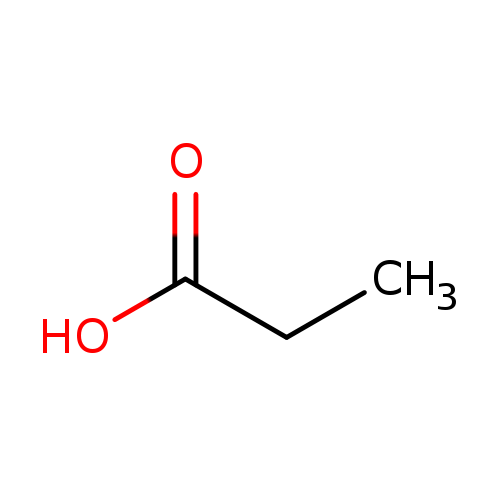
Propionic acid (C3H6O2) is an endogenous liquid with an average molecular weight of 74.08 g/mol. Propionic acid belongs to the carboxylic acids, a subclass of carboxylic acids and derivatives within the organic compounds. In industrial applications, it is utilized as a preservative, biocide, additive, solvent, fragrance, pH regulating agent, and as a flavouring and nutrient (PMC13004434 ). It is used in Low-Density Polyethylene and High-Density Polyethylene, and it is released in Polypropylene, though its use in Poly(methyl methacrylate) and Ethylene-vinyl acetate is inconclusive.
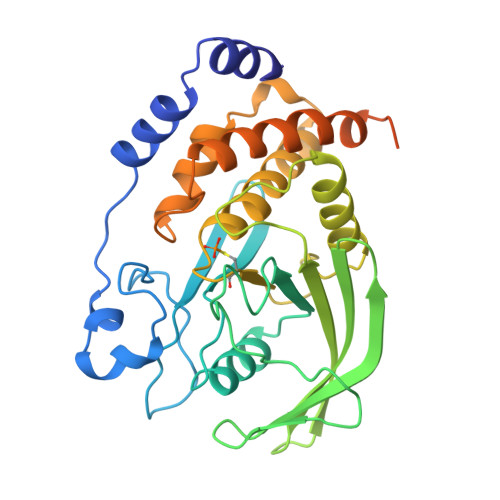
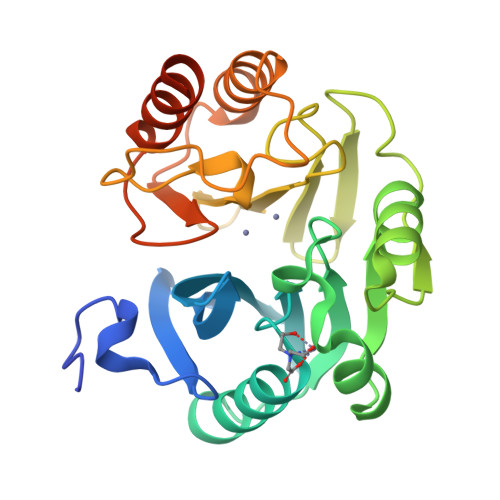
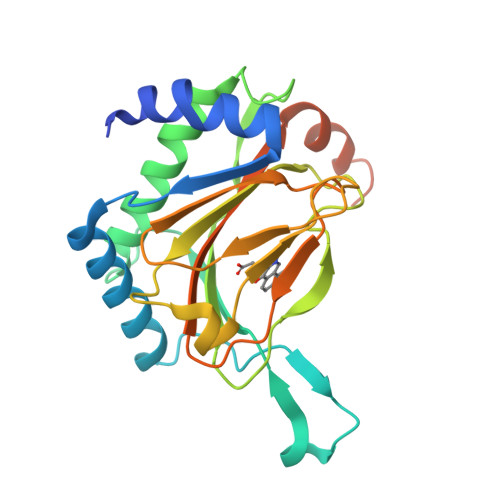
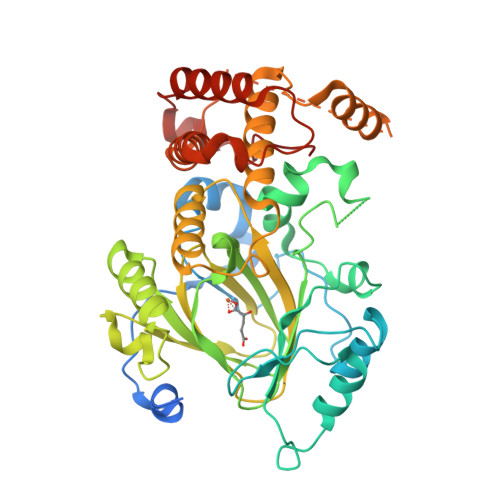
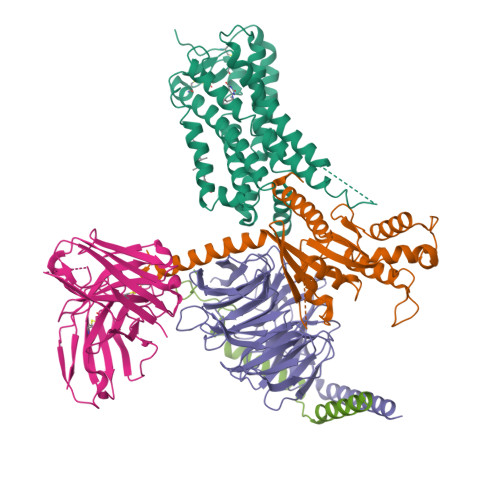
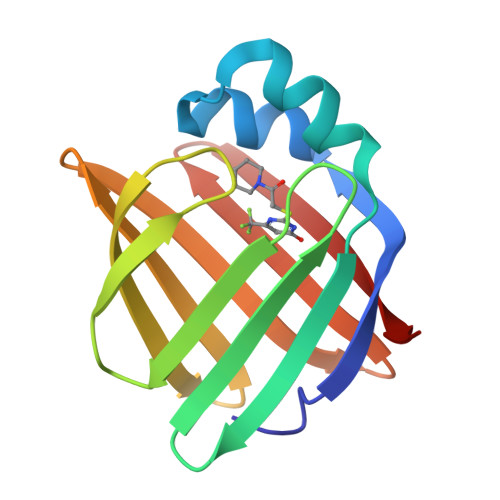
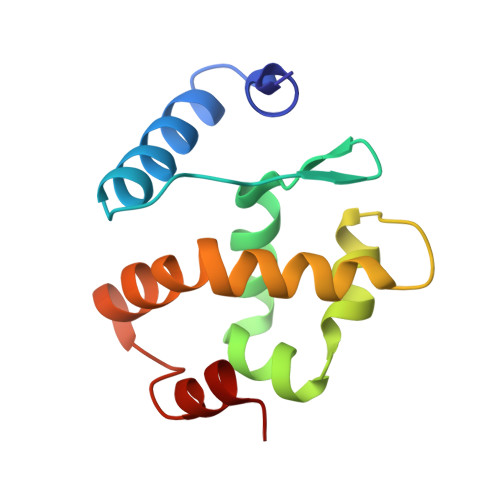
The compound is detected in several tissues, including the brain, intestine, muscle, adipose tissue, epidermis, stratum corneum, fibroblasts, neuron, platelet, and testes. It has three recorded protein targets: 2-hydroxy-6-oxo-7-methylocta-2,4-dienoate hydrolase (cumD), alanine racemase (alr), and gephyrin (GPHN). Propionic acid is found in or released from 54 recorded sources across various sectors, including healthcare, pharmaceuticals & veterinary products (antiinfectives); drinking water & water supply (drinking water); household cleaning & consumer products (perfumes within detergents and soaps, bleaching agents, cigar cigarettes, other smoking requisites, and non electric simulated smoking devices); food, food processing & cookware (food preservation, fermentation processes for beer, food contact materials, preparation of malt, and cellar tools); building & construction (floors, ceilings, fencing, stairs and ramps, and ladders); and electrical & electronic equipment (amplifiers, antennas, auxiliary devices, communication cables or conductors, and coils). Recorded exposure routes include oral, inhalation, touch, and vaginal. Regarding health effects, propionic acid has a therapeutic effect on osteoporosis (PMC13299190 ) and is associated with an increase in obesity (PMC11995813 ).
Belongs to the class of organic compounds known as carboxylic acids. Carboxylic acids are compounds containing a carboxylic acid group with the formula -C(=O)OH.
In healthy individuals, the enzyme propionyl CoA carboxylase converts propionyl CoA to methylmalonyl CoA. This is one step in the process of converting certain amino acids and fats into sugar for energy. Individuals with propionic acidemia cannot perform this conversion because the enzyme propionyl CoA carboxylase is nonfunctional. The essential amino acids; isoleucine, valine, threonine, and methionine and odd-chain fatty acids are simply converted to propionyl CoA, before the process stops, leading to a buildup of propionyl CoA. Instead of being converted to methylmalonyl CoA, propionyl CoA is then converted into propionic acid, which builds up in the bloodstream. Propionyl-CoA, propionic acid, ketones, ammonia, and other toxic compounds accumulate in the blood, causing the signs and symptoms of propionic acidemia. Propionate acts as a metabolic toxin in liver cells by accumulating in mitochondria. Propanoate is metabolized oxidatively by glia, which suggests astrocytic vulnerability in propanoic acidemia when intramitochondrial propionyl-CoA may accumulate. Propanoic acidemia may alter both neuronal and glial gene expression by affecting histone acetylation (22, 23). (Wikipedia)
No indication of carcinogenicity to humans (not listed by IARC).
Minimum Risk Level
Not Available
Symptoms
Propionic acidemia is characterized almost immediately in newborns. Symptoms include poor feeding, vomiting, dehydration, acidosis, low muscle tone (hypotonia), seizures, and lethargy. The effects of propionic acidemia quickly become life-threatening. (Wikipedia)
Treatment
During times of illness the affected person may need to be hospitalized to prevent breakdown of proteins within the body. Each meal presents a challenge to those with propionic acidemia. If not constantly monitored, the effects would be devastating. Dietary needs must be closely managed by a metabolic geneticist or metabolic dietician. Patients with propionic acidemia should be started as early as possible on a low protein diet. In addition to a protein mixture that is devoid of methionine, threonine, valine, and isoleucine, the patient should also receive L-carnitine treatment and should be given antibiotics 10 days per month in order to remove the intestinal propiogenic flora. The patient should have diet protocols prepared for him with a “well day diet” with low protein content, a “half emergency diet” containing half of the protein requirements, and an “emergency diet” with no protein content. These patients are under the risk of severe hyperammonemia during infections that can lead to comatose states. Liver transplant is gaining a role in the management of these patients, with small series showing improved quality of life. (Wikipedia)
A disorder characterized by reduced bone mass, with a decrease in cortical thickness and in the number and size of the trabeculae of cancellous bone (but normal chemical composition), resulting in increased fracture incidence. (NCI CTCAE)
A brain disease that is caused by damage to the motor control centers of the developing brain during pregnancy, during childbirth or after birth, which affects muscle movement and balance. (DO)
Soil?Soil serves as a critical medium for plant growth and sustains various ecological functions; however, it can become a reservoir for synthetic chemical contamination.
Groundwater?Groundwater serves as a vital resource for drinking water and agricultural irrigation but is increasingly susceptible to contamination from synthetic chemicals.
Stormwater runoff?Stormwater runoff refers to the flow of rainwater or melted snow that does not soak into the ground and instead collects pollutants as it travels over impervious surfaces such as roads and parking lots.
Drinking water?Drinking water can be a medium for synthetic chemical contamination, often originating from various industrial processes and agricultural practices.
Ballast water?Ballast water, taken on by ships to maintain stability and balance, often contains a diverse array of microorganisms, including bacteria, viruses, and plankton.
Bilge water?Bilge water is a byproduct generated from the accumulation of water in the lowest part of a ship's hull, which may include a mixture of seawater, oil, fuel residues, and various contaminants.
Brushes?Brushes used in personal care and cosmetics can be a source of synthetic chemical contamination due to the materials and coatings used in their manufacturing.
Food contact materials?Food contact materials refer to substances and products that are intended to come into contact with food during processing, packaging, or preparation.
Ceilings?Ceilings in built environments can be a source of synthetic chemical contamination due to the materials used in their construction and finishes.
Fencing?Fencing materials, particularly those used in construction and landscaping, can be a source of synthetic chemical contamination due to the treatments and coatings applied for durability and weather resistance.
Floors?Floors in built environments can be a significant source of synthetic chemical contamination due to the materials and finishes used in their construction.
Ladders?Ladders, commonly used in various construction and maintenance activities, can become a source of synthetic chemical contamination due to the materials and coatings applied during their manufacture and use.
Stairs And Ramps?Stairs and ramps in construction are often treated with various synthetic chemicals to enhance durability, slip resistance, and weather resistance.
Tents Or Canopies?Tents and canopies used in various applications can be a source of synthetic chemical contamination primarily due to the materials from which they are made.
Amplifiers?Amplifiers, commonly used in various electronic devices to enhance signal strength, can be a source of synthetic chemical contamination due to the materials and processes involved in their production and disposal.
Antennas?Antennas, commonly used in communication technologies, can be a source of synthetic chemical contamination through the materials and coatings used in their construction.
Communication Cables Or Conductors?Communication cables or conductors are essential components in the transmission of data and signals in various applications, including telecommunications and networking.
Conductors Or Conductive Bodies Characterised By The Conductive Materials?Conductors, or conductive bodies, are materials that allow the flow of electrical current, typically made from metals such as copper, aluminum, or silver.
Cores Yokes Or Armatures?Cores, yokes, or armatures are components commonly found in electrical devices, used to facilitate the magnetic and electrical functions within motors, transformers, and generators.
Discharge Lamps?Discharge lamps, including fluorescent and high-intensity discharge (HID) lamps, are commonly used for lighting applications due to their energy efficiency and brightness.
Electric Switches?Electric switches, integral components in numerous devices, can be a source of synthetic chemical contamination due to the materials and manufacturing processes involved in their production.
Electrically Stimulated Smoking Devices?Electrically stimulated smoking devices, commonly known as e-cigarettes or vape pens, utilize electrical components to heat a liquid solution, often containing nicotine, flavorings, and other additives, to produce an aerosol for inhalation.
Electrodes?Electrodes, used in various electrical and electronic applications, can be a source of synthetic chemical contamination due to the materials from which they are constructed and the processes involved in their manufacturing.
Emergency Protective Devices?Emergency protective devices, such as circuit breakers and surge protectors, are essential components in electrical systems designed to prevent damage from overcurrent and surges.
Fixed Capacitors And Their Manufacture?Fixed capacitors are passive electronic components used to store and release electrical energy, playing a critical role in various circuits.
Gas Filled Discharge Tubes With Solid Cathode?Gas Filled Discharge Tubes with Solid Cathodes are electrical components that facilitate the flow of current by ionizing gas within a sealed tube.
Hybrid Capacitors?Hybrid capacitors are energy storage devices that combine the properties of electrolytic and supercapacitors, utilizing a combination of electrochemical principles to achieve higher energy density and power density.
Line Transmission Systems?Line Transmission Systems, commonly used for the distribution of electrical energy, can be a source of synthetic chemical contamination through the insulation materials and coatings utilized in their construction.
Magnets?Magnets, commonly used in various electrical and electronic applications, can be a source of synthetic chemical contamination due to the materials used in their production.
Power Cables?Power cables are used to transmit electrical energy and are typically composed of conductive materials, insulation, and protective coatings.
Superconductive Or Hyperconductive Conductors Cables Or Transmission Lines?Superconductive or hyperconductive conductors, including cables and transmission lines, are materials that exhibit zero electrical resistance under specific conditions, typically at low temperatures.
Television Systems?Television systems can be a source of synthetic chemical contamination due to the various materials and components used in their manufacture and operation.
Cellar Tools?Cellar tools, commonly used in wine production and other fermentation processes, may pose a risk of synthetic chemical contamination if not properly maintained or if manufactured from substandard materials.
Food Preservation?Food preservation often involves the use of synthetic chemicals, such as preservatives, flavor enhancers, and color additives, to extend shelf life and enhance the sensory qualities of food products.
Preparation Of Malt?Malt preparation involves the germination and drying of cereal grains, primarily barley, to produce malt for brewing and food products.
Preparation Of Vinegar?Vinegar is produced through the fermentation of ethanol by acetic acid bacteria, resulting in a solution that typically contains 4-8% acetic acid.
Preparation Of Wine Or Sparkling Wine?The preparation of wine or sparkling wine involves various stages, including fermentation, aging, and bottling, which can introduce potential sources of synthetic chemical contamination.
Treatment Of Hops?Hops, a key ingredient in brewing and food flavoring, can be a source of synthetic chemical contamination due to various agricultural practices.
Bleaching Agents?Bleaching agents are chemical substances used to whiten or lighten materials, often employed in various cleaning products for their stain removal and disinfecting properties.
Non Electric Simulated Smoking Devices?Non-electric simulated smoking devices, often designed to mimic the experience of smoking without combustion, can be sources of synthetic chemical contamination due to the materials and chemicals used in their construction and operation.
Other Smoking Requisites?Other smoking requisites, including items such as lighters, matches, and rolling papers, can introduce synthetic chemical contamination through various components and additives.
Perfumes Within Detergents And Soaps?Perfumes within detergents and soaps are synthetic fragrance compounds added to enhance the sensory experience of cleaning products.
Pipe Accessories?Pipe accessories, such as fittings, connectors, and seals, are components used in plumbing systems to facilitate the flow of liquids and gases.
Soap Detergents?Soap detergents are synthetic surfactants designed to enhance the cleaning efficacy of water by reducing surface tension, allowing for better interaction with dirt and grease.
Tobacco Pipes?Tobacco pipes, often made from materials such as plastic, wood, or metal, can serve as sources of synthetic chemical contamination due to the residues left by tobacco products.
Tobacco Product Cases?Tobacco product cases can serve as a source of synthetic chemical contamination due to the presence of various additives and chemicals used in tobacco processing and product manufacturing.
Tobacco Product Moisture Control?Tobacco product moisture control involves the use of synthetic chemicals to manage the humidity levels in tobacco products, aiming to preserve flavor and extend shelf life.
Tobacco Smoke Filters?Tobacco smoke filters are designed to reduce the inhalation of harmful substances in cigarette smoke, including tar and other particulate matter.
Watch Chains?Watch chains, often made from various metals and synthetic materials, can be a source of chemical contamination due to the presence of coatings, adhesives, and plasticizers used in their manufacturing.
Making Cigars?The process of making cigars involves several steps, including the cultivation of tobacco, fermentation, and the application of various additives to enhance flavor and preservation.
Manufacture Of Iron Or Steel?The manufacture of iron or steel involves various processes, including smelting, refining, and alloying, which can result in the release of synthetic chemicals and contaminants.
Manufacture Preparation Of Tobacco Products?The manufacture and preparation of tobacco products involve various processes that can result in the introduction of synthetic chemicals into the environment.
Paper Making Machines?Paper making machines utilize various synthetic chemicals throughout the production process, including additives, coatings, and bleaching agents.
Anchoring Equipment?Anchoring equipment, commonly used in marine applications, can be a source of synthetic chemical contamination due to the materials and coatings utilized in their manufacturing.
Marine Propulsion Or Steering?Marine propulsion and steering systems often rely on various synthetic chemicals, including lubricants, fuels, and hydraulic fluids.
Chemosterilants?Chemosterilants are synthetic chemicals designed to induce sterility in target pest populations, thereby controlling their reproduction and mitigating damage to crops.
Fertiliser Distributors?Fertiliser distributors play a critical role in the supply of synthetic fertilizers, which are widely used to enhance soil fertility and crop yield.
Nematocides?Nematocides are synthetic chemicals specifically designed to control nematodes, which are microscopic roundworms that can cause significant damage to crops and plants.
Rodenticides(1)?Rodenticides are synthetic chemicals specifically formulated to control rodent populations, serving as a crucial tool in managing pests that can damage crops and spread diseases.
Rodenticides?Rodenticides are chemical substances specifically designed to control rodent populations by causing death through various mechanisms, including anticoagulation or neurotoxicity.
Aftersun Products?Aftersun products are designed to soothe and hydrate the skin after sun exposure, often containing various synthetic chemicals such as emollients, preservatives, and fragrances.
Anti Perspirants Or Body Deoderants?Antiperspirants and body deodorants commonly contain synthetic chemicals such as aluminum compounds, parabens, and synthetic fragrances.
Body Washing Or Cleaning Implements?Body washing or cleaning implements, such as synthetic sponges, loofahs, and washcloths, can be sources of synthetic chemical contamination due to the materials used in their production.
Depilatories?Depilatories are products designed to remove unwanted hair through the application of synthetic chemicals that break down the protein structure of hair, facilitating its removal.
Essential Oils Or Perfumes?Essential oils and perfumes are complex mixtures of volatile compounds derived from natural or synthetic sources, commonly used for their aromatic properties.
Eye Makeup Products?Eye makeup products, including mascaras, eyeliners, and eyeshadows, often contain a variety of synthetic chemicals such as pigments, preservatives, and film-forming agents.
Face Mask Cosmetics?Face mask cosmetics often contain a variety of synthetic chemicals, including preservatives, emulsifiers, and fragrances, which can contribute to chemical contamination.
Lip Care Products?Lip care products, including lipsticks, balms, and glosses, often contain a variety of synthetic chemicals such as parabens, phthalates, and synthetic fragrances.
Lip Makeup Products?Lip makeup products, such as lipsticks, lip glosses, and lip liners, often contain a variety of synthetic chemicals, including pigments, preservatives, and emollients.
Manicure Pedicure?Manicure and pedicure procedures often involve the use of various synthetic chemicals, including solvents, nail polishes, and nail adhesives.
Toys?Toys, particularly those made from synthetic materials such as plastics, can be a source of chemical contamination due to the presence of various additives and compounds used in their production.
Anthraquinone Dyes?Anthraquinone dyes are a class of synthetic organic compounds characterized by their vibrant colors and stability, making them widely used in various applications, particularly in coloring textiles and leather.
Azo Dyes?Azo dyes are synthetic organic compounds characterized by the presence of one or more azo groups (-N=N-), which are widely used for coloring textiles, leather, and furnishings.
Degreasing Leather?Degreasing leather involves the removal of natural fats and oils from animal hides to prepare them for tanning and finishing processes.
Embroidering And Tufting?Embroidering and tufting processes often involve the use of synthetic chemicals such as dyes, adhesives, and finishing agents.
Foam Dyeing?Foam dyeing is a textile dyeing technique that utilizes a foaming agent to create a dye solution in a gaseous form, allowing for the application of dyes onto fabrics.
Footwear?Footwear production often involves the use of various synthetic chemicals, such as adhesives, dyes, and treatments, which can contribute to environmental contamination.
Headwear?Headwear made from synthetic materials often incorporates chemicals used in the manufacturing and finishing processes, such as dyes, flame retardants, and water repellents.
Multicolour Dyeing?Multicolour dyeing involves the application of multiple synthetic dyes to textiles and other materials to achieve vibrant, diverse color patterns.
Purses Luggage Hand Bags?Purses, luggage, and handbags are often manufactured using synthetic materials such as polyvinyl chloride (PVC), polyurethane, and various types of nylon.
Ropes?Ropes manufactured from synthetic fibers, such as polypropylene, nylon, and polyester, are widely used in various applications, including marine, construction, and outdoor activities.
Surface Finishing Of Leather?Surface finishing of leather often involves the use of various synthetic chemicals, including dyes, resins, and finishing agents.
Transfer Printing?Transfer printing is a process used to apply designs and patterns onto various substrates, commonly utilizing synthetic dyes and inks that can contain hazardous chemicals.
Yarns Or Threads?Yarns or threads used in textiles can be a source of synthetic chemical contamination due to the production processes and treatments they undergo.
Fire Fighting Gels?Fire fighting gels are synthetic chemical formulations designed to enhance fire suppression effectiveness by creating a protective barrier against heat and flames.
Non-PFAS Fire Fighting Foam?Non-PFAS fire fighting foam refers to fire suppression agents that do not contain per- and polyfluoroalkyl substances (PFAS), which are synthetic chemicals known for their water- and grease-resistant properties.
PFAS Fire Fighting Foam?PFAS fire fighting foam refers to a class of synthetic foams containing per- and polyfluoroalkyl substances (PFAS), which are designed to suppress flammable liquid fires.
Solid Fire Fighting Substances?Solid fire fighting substances, such as certain types of dry chemical powders, are used in fire suppression applications to extinguish flames and prevent fire spread.
Airplanes And Helicopters?Airplanes and helicopters are significant sources of synthetic chemical contamination primarily through the use of aviation fuels, lubricants, and de-icing agents.
Nitrogenous Fertilisers?Nitrogenous fertilizers are synthetic chemical compounds primarily used to enhance plant growth by supplying essential nitrogen, a crucial nutrient for photosynthesis and protein synthesis.
Cements?Cements are a composite material primarily used as a binding agent in construction applications, formed by the calcination of limestone and clay minerals at high temperatures.
Clay Wares?Clay wares are ceramic products made from natural clay, often utilized in various construction applications such as tiles, bricks, and sanitary ware.
Glass Coatings?Glass coatings are synthetic chemical formulations applied to glass surfaces to enhance properties such as durability, UV resistance, and aesthetic appeal.
Lime?Lime, primarily comprised of calcium oxide (CaO) or calcium hydroxide (Ca(OH)₂), is widely used in various applications, including as a key ingredient in mortars, plasters, and cement.
Non Oxide Glass?Non-oxide glass refers to a category of glasses primarily composed of materials other than silicon dioxide, such as boron oxide or phosphorous oxide.
Silica Free Oxide Glass?Silica Free Oxide Glass is a type of glass that is produced using alternative materials to traditional silica-based formulations.
Silica Glass?Silica glass, primarily composed of silicon dioxide (SiO2), is widely used in various applications, including windows, glass facades, and insulation materials.
Nanotechnology?Nanotechnology involves the manipulation of materials at the molecular or atomic level, typically within the range of 1 to 100 nanometers.
Blackboards?Blackboards, traditionally made from slate or coated wood, can also be produced using synthetic materials that may contain various chemicals.
Bookbinding?Bookbinding involves the use of various synthetic chemicals, including adhesives, inks, and coatings, which can contribute to environmental contamination.
Coloured Pencils?Coloured pencils are commonly used tools for artistic expression and education, composed primarily of a wood casing and a core made from a mixture of pigments, binders, and waxes.
Embossing Machines?Embossing machines are industrial devices used to create raised patterns or designs on materials, including paper and fiber products.
Erasers?Erasers, commonly used in writing and drawing applications, are often made from synthetic rubber or thermoplastic materials, which can contain various additives such as plasticizers, fillers, and colorants.
Fountain Pens?Fountain pens utilize a liquid ink that often contains synthetic chemicals, including dyes, pigments, and solvents, which can contribute to environmental contamination.
Ink Reservoir Pens2?Ink reservoir pens are writing instruments that utilize a reservoir to store ink, which is often composed of synthetic dyes, solvents, and additives.
Pens?Pens, commonly utilized for writing and marking, can be a source of synthetic chemical contamination primarily due to the materials used in their manufacturing.
Coating Compositions?Coating compositions, which include paints, sealants, and varnishes, are formulated with a variety of synthetic chemicals such as solvents, resins, pigments, and additives.
Chemical Igniters?Chemical igniters are substances or devices designed to initiate combustion in various applications, often found in products like lighters, candles, and certain household cleaning agents.
Leather Tanning?Leather tanning is a process that transforms raw animal hides into durable leather through the application of various chemicals, including chromium salts, aldehydes, and vegetable tannins.
Sludge Treatment?Sludge treatment involves the processing of waste materials generated from wastewater treatment plants, which often contain a variety of organic and inorganic substances.
Water, Wastewater, & Sewage Treatment?Water, wastewater, and sewage treatment processes are critical for managing and mitigating pollutants in water systems.
Chandler RJ, Aswani V, Tsai MS, Falk M, Wehrli N, Stabler S, Allen R, Sedensky M, Kazazian HH, Venditti CP: Propionyl-CoA and adenosylcobalamin metabolism in Caenorhabditis elegans: evidence for a role of methylmalonyl-CoA epimerase in intermediary metabolism. Mol Genet Metab. 2006 Sep-Oct;89(1-2):64-73. Epub 2006 Jul 14. [PubMed: 16843692]
Harrison PT: Propionic acid and the phenomenon of rodent forestomach tumorigenesis: a review. Food Chem Toxicol. 1992 Apr;30(4):333-40. [PubMed: 1628870]
de Baulny HO, Benoist JF, Rigal O, Touati G, Rabier D, Saudubray JM: Methylmalonic and propionic acidaemias: management and outcome. J Inherit Metab Dis. 2005;28(3):415-23. [PubMed: 15868474]
Dionisi-Vici C, Deodato F, Roschinger W, Rhead W, Wilcken B: 'Classical' organic acidurias, propionic aciduria, methylmalonic aciduria and isovaleric aciduria: long-term outcome and effects of expanded newborn screening using tandem mass spectrometry. J Inherit Metab Dis. 2006 Apr-Jun;29(2-3):383-9. [PubMed: 16763906]
Silwood CJ, Lynch E, Claxson AW, Grootveld MC: 1H and (13)C NMR spectroscopic analysis of human saliva. J Dent Res. 2002 Jun;81(6):422-7. [PubMed: 12097436]
Somerma S, Lassus A, Salde L: Assessment of atrophy of human skin caused by corticosteroids using chamber occlusion and suction blister techniques. Acta Derm Venereol. 1984;64(1):41-5. [PubMed: 6203280]
Marala RB, Brown JA, Kong JX, Tracey WR, Knight DR, Wester RT, Sun D, Kennedy SP, Hamanaka ES, Ruggeri RB, Hill RJ: Zoniporide: a potent and highly selective inhibitor of human Na(+)/H(+) exchanger-1. Eur J Pharmacol. 2002 Sep 6;451(1):37-41. [PubMed: 12223226]
Lin SC, Bergles DE: Synaptic signaling between neurons and glia. Glia. 2004 Aug 15;47(3):290-8. [PubMed: 15252819]
Alekseev OM, Widgren EE, Richardson RT, O'Rand MG: Association of NASP with HSP90 in mouse spermatogenic cells: stimulation of ATPase activity and transport of linker histones into nuclei. J Biol Chem. 2005 Jan 28;280(4):2904-11. Epub 2004 Nov 8. [PubMed: 15533935]
Robertson MD, Bickerton AS, Dennis AL, Vidal H, Frayn KN: Insulin-sensitizing effects of dietary resistant starch and effects on skeletal muscle and adipose tissue metabolism. Am J Clin Nutr. 2005 Sep;82(3):559-67. [PubMed: 16155268]
Esposito BP, Faljoni-Alario A, de Menezes JF, de Brito HF, Najjar R: A circular dichroism and fluorescence quenching study of the interactions between rhodium(II) complexes and human serum albumin. J Inorg Biochem. 1999 May 30;75(1):55-61. [PubMed: 10402677]
Jeng JH, Chan CP, Ho YS, Lan WH, Hsieh CC, Chang MC: Effects of butyrate and propionate on the adhesion, growth, cell cycle kinetics, and protein synthesis of cultured human gingival fibroblasts. J Periodontol. 1999 Dec;70(12):1435-42. [PubMed: 10632518]
Christensen JK, Varming T, Ahring PK, Jorgensen TD, Nielsen EO: In vitro characterization of 5-carboxyl-2,4-di-benzamidobenzoic acid (NS3763), a noncompetitive antagonist of GLUK5 receptors. J Pharmacol Exp Ther. 2004 Jun;309(3):1003-10. Epub 2004 Feb 25. [PubMed: 14985418]
Bintvihok A, Kositcharoenkul S: Effect of dietary calcium propionate on performance, hepatic enzyme activities and aflatoxin residues in broilers fed a diet containing low levels of aflatoxin B1. Toxicon. 2006 Jan;47(1):41-6. Epub 2005 Nov 18. [PubMed: 16298407]
Mayer B, Schumacher M, Brandstatter H, Wagner FS, Hermetter A: High-throughput fluorescence screening of antioxidative capacity in human serum. Anal Biochem. 2001 Oct 15;297(2):144-53. [PubMed: 11673881]
De Kanter R, De Jager MH, Draaisma AL, Jurva JU, Olinga P, Meijer DK, Groothuis GM: Drug-metabolizing activity of human and rat liver, lung, kidney and intestine slices. Xenobiotica. 2002 May;32(5):349-62. [PubMed: 12065058]
Ridge BD, Batt MD, Palmer HE, Jarrett A: The dansyl chloride technique for stratum corneum renewal as an indicator of changes in epidermal mitotic activity following topical treatment. Br J Dermatol. 1988 Feb;118(2):167-74. [PubMed: 3348963]
Koeppe RA, Frey KA, Snyder SE, Meyer P, Kilbourn MR, Kuhl DE: Kinetic modeling of N-[11C]methylpiperidin-4-yl propionate: alternatives for analysis of an irreversible positron emission tomography trace for measurement of acetylcholinesterase activity in human brain. J Cereb Blood Flow Metab. 1999 Oct;19(10):1150-63. [PubMed: 10532640]
Nguyen TB, Snyder SE, Kilbourn MR: Syntheses of carbon-11 labeled piperidine esters as potential in vivo substrates for acetylcholinesterase. Nucl Med Biol. 1998 Nov;25(8):761-8. [PubMed: 9863564]
Wendel U, Zass R, Leupold D: Contribution of odd-numbered fatty acid oxidation to propionate production in neonates with methylmalonic and propionic acidaemias. Eur J Pediatr. 1993 Dec;152(12):1021-3. [PubMed: 8131803]
Beutler KT, Pankewycz O, Brautigan DL: Equivalent uptake of organic and inorganic zinc by monkey kidney fibroblasts, human intestinal epithelial cells, or perfused mouse intestine. Biol Trace Elem Res. 1998 Jan;61(1):19-31. [PubMed: 9498328]
MacFabe DF, Cain DP, Rodriguez-Capote K, Franklin AE, Hoffman JE, Boon F, Taylor AR, Kavaliers M, Ossenkopp KP: Neurobiological effects of intraventricular propionic acid in rats: possible role of short chain fatty acids on the pathogenesis and characteristics of autism spectrum disorders. Behav Brain Res. 2007 Jan 10;176(1):149-69. Epub 2006 Sep 1. [PubMed: 16950524]
Nguyen NH, Morland C, Gonzalez SV, Rise F, Storm-Mathisen J, Gundersen V, Hassel B: Propionate increases neuronal histone acetylation, but is metabolized oxidatively by glia. Relevance for propionic acidemia. J Neurochem. 2007 May;101(3):806-14. Epub 2007 Feb 5. [PubMed: 17286595]