Clomazone (CED0010924)

Record Information
Version1.0
Creation Date2014-08-29 06:51:40 UTC
Update Date2026-08-18 17:34:22 UTC
SynCED IDCED0010924
Secondary Accession Numbers
  • CHEM003447
  • T3D4487
Identification
Common NameClomazone
ClassSmall Molecule
Description
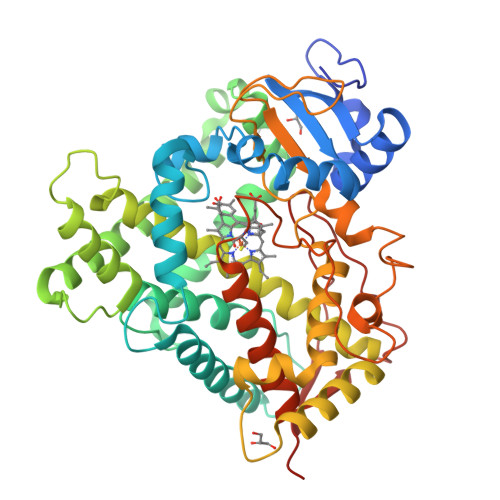
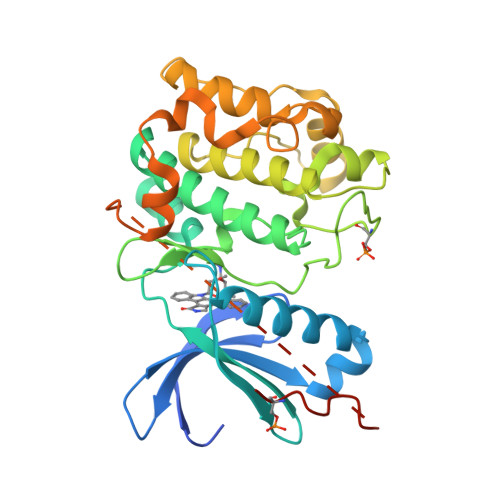
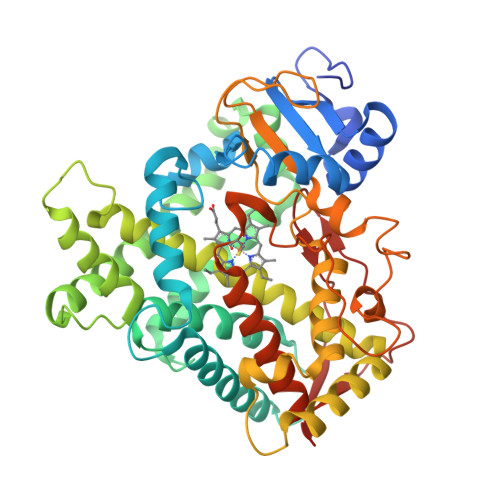
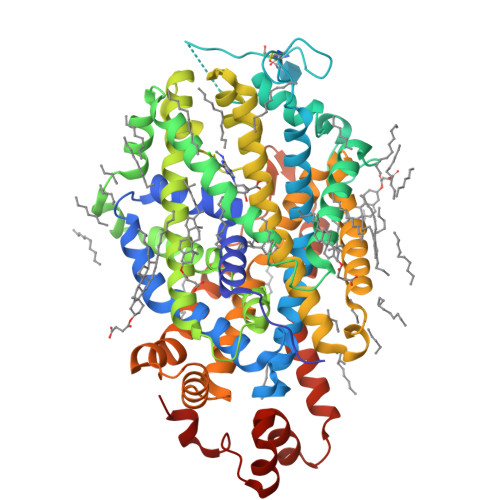
Clomazone is an exogenous solid compound with the formula C12H14ClNO2 and an average molecular weight of 239.70 g/mol. Clomazone belongs to the halobenzenes, a subclass of benzene and substituted derivatives within the organic compounds. Industrially, it is used as a herbicide, though it also acts as an environmental contaminant (PMC10972123 ). The compound has been released from six recorded sources, including drinking water and water supply (drinking water), building and construction (floors), household cleaning and consumer products (cigar cigarettes), and electrical and electronic equipment, specifically video games, electrically stimulated smoking devices, and electric hearing aids. The recorded route of exposure for this compound is oral. Clomazone interacts with seven recorded protein targets, including the androgen receptor (AR) and cytochrome P450 enzymes CYP2B6, CYP2C9, and CYP3A4.
Contaminant Type
  • Amide
  • Amine
  • Herbicide
  • Organic Compound
  • Organochloride
  • Pesticide
  • Synthetic Compound
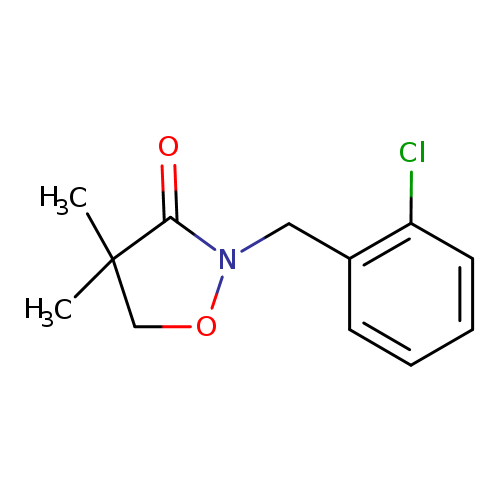
Chemical Structure
Synonyms
ValueSource
DimethazoneChEBI
FMC57020ChEBI
Command herbicideMeSH
2-(2-Chlorophenyl)methyl-4,4-dimethyl-3-isoxazolidinoneMeSH
Chemical FormulaC12H14ClNO2
Average Molecular Mass239.698 g/mol
Monoisotopic Mass239.071 g/mol
CAS Registry Number81777-89-1
IUPAC Name2-[(2-chlorophenyl)methyl]-4,4-dimethyl-1,2-oxazolidin-3-one
Traditional Namegamit
SMILESCC1(C)CON(CC2=C(Cl)C=CC=C2)C1=O
InChI IdentifierInChI=1S/C12H14ClNO2/c1-12(2)8-16-14(11(12)15)7-9-5-3-4-6-10(9)13/h3-6H,7-8H2,1-2H3
InChI KeyKIEDNEWSYUYDSN-UHFFFAOYSA-N
Chemical Taxonomy
Description Belongs to the class of organic compounds known as chlorobenzenes. Chlorobenzenes are compounds containing one or more chlorine atoms attached to a benzene moiety.
KingdomOrganic compounds
Super ClassBenzenoids
ClassBenzene and substituted derivatives
Sub ClassHalobenzenes
Direct ParentChlorobenzenes
Alternative Parents
Substituents
  • Chlorobenzene
  • Aryl chloride
  • Aryl halide
  • Oxazolidinone
  • Isoxazolidine
  • Carboxylic acid derivative
  • Oxacycle
  • Azacycle
  • Organoheterocyclic compound
  • Organic nitrogen compound
  • Organooxygen compound
  • Organonitrogen compound
  • Organochloride
  • Organohalogen compound
  • Hydrocarbon derivative
  • Organic oxide
  • Organopnictogen compound
  • Carbonyl group
  • Organic oxygen compound
  • Aromatic heteromonocyclic compound
Molecular FrameworkAromatic heteromonocyclic compounds
External Descriptors
Biological Properties
StatusDetected and Not Quantified
OriginExogenous
Cellular Locations
  • Membrane
  • Mitochondrion
Biofluid LocationsNot Available
Tissue LocationsNot Available
ApplicationsNot Available
Biological Roles
Chemical RolesNot Available
Organoleptic EffectsNot Available
Physical Properties
StateSolid
AppearanceWhite powder.
Experimental Properties
PropertyValue
Melting PointNot Available
Boiling PointNot Available
SolubilityNot Available
Predicted Properties
PropertyValueSource
Water Solubility1.11 g/LALOGPS
logP2.39ALOGPS
logP2.93ChemAxon
logS-2.3ALOGPS
pKa (Strongest Basic)-4.7ChemAxon
Physiological Charge0ChemAxon
Hydrogen Acceptor Count2ChemAxon
Hydrogen Donor Count0ChemAxon
Polar Surface Area29.54 ŲChemAxon
Rotatable Bond Count2ChemAxon
Refractivity62.24 m³·mol⁻¹ChemAxon
Polarizability23.85 ųChemAxon
Number of Rings2ChemAxon
BioavailabilityYesChemAxon
Rule of FiveYesChemAxon
Ghose FilterYesChemAxon
Veber's RuleYesChemAxon
MDDR-like RuleNoChemAxon
Spectra
Spectra
Spectrum TypeDescriptionSplash KeyDeposition DateView
Predicted GC-MSPredicted GC-MS Spectrumsplash10-004i-2900000000-a1981ba7dec391945784Not AvailableView Spectrum
Predicted GC-MSPredicted GC-MS SpectrumNot AvailableNot AvailableView Spectrum
LC-MS/MSLC-MS/MS Spectrumsplash10-004i-3900000000-350007e30c5112747c7aNot AvailableView Spectrum
LC-MS/MSLC-MS/MS Spectrumsplash10-004i-0900000000-41a47a03c6132fd443c7Not AvailableView Spectrum
LC-MS/MSLC-MS/MS Spectrumsplash10-002f-0890000000-d573cf4758b64fe964f6Not AvailableView Spectrum
LC-MS/MSLC-MS/MS Spectrumsplash10-004i-0900000000-1cc09b9ed52338cfc5f8Not AvailableView Spectrum
LC-MS/MSLC-MS/MS Spectrumsplash10-004i-0920000000-e61184f83d6352dd2c7eNot AvailableView Spectrum
LC-MS/MSLC-MS/MS Spectrumsplash10-004i-0900000000-ba7df231800a054aa38eNot AvailableView Spectrum
LC-MS/MSLC-MS/MS Spectrumsplash10-004i-1900000000-585c7367e6e33133d3ecNot AvailableView Spectrum
LC-MS/MSLC-MS/MS Spectrumsplash10-004i-0900000000-a17cf8e38af803e06264Not AvailableView Spectrum
LC-MS/MSLC-MS/MS Spectrumsplash10-0006-0190000000-314d3bf14723356133ebNot AvailableView Spectrum
LC-MS/MSLC-MS/MS Spectrumsplash10-004i-0900000000-d7e53f3b97e70bcd60c3Not AvailableView Spectrum
LC-MS/MSLC-MS/MS Spectrumsplash10-004l-0970000000-c4052e3aa0f22d66386eNot AvailableView Spectrum
LC-MS/MSLC-MS/MS Spectrumsplash10-0006-0090000000-47e3588762819098f4c1Not AvailableView Spectrum
LC-MS/MSLC-MS/MS Spectrumsplash10-004i-0900000000-82bab655670ea4f2122bNot AvailableView Spectrum
LC-MS/MSLC-MS/MS Spectrumsplash10-004i-0900000000-75eb017cf69dd9d517ffNot AvailableView Spectrum
LC-MS/MSLC-MS/MS Spectrumsplash10-004i-0900000000-ca2bcf23b26f0b440b00Not AvailableView Spectrum
LC-MS/MSLC-MS/MS Spectrumsplash10-004i-0900000000-df75bbea51ca00b7e3baNot AvailableView Spectrum
LC-MS/MSLC-MS/MS Spectrumsplash10-004i-0900000000-8b51e3a663a2ad4b77edNot AvailableView Spectrum
LC-MS/MSLC-MS/MS Spectrumsplash10-004i-0900000000-5a93bb1e98ca1d543da1Not AvailableView Spectrum
LC-MS/MSLC-MS/MS Spectrumsplash10-004i-0900000000-9bcd93bbc090f18baab8Not AvailableView Spectrum
LC-MS/MSLC-MS/MS Spectrumsplash10-004i-0920000000-c7f3f30506daed507478Not AvailableView Spectrum
LC-MS/MSLC-MS/MS Spectrumsplash10-004i-0900000000-2c72c128b33f91154ab7Not AvailableView Spectrum
LC-MS/MSLC-MS/MS Spectrumsplash10-004i-0900000000-aa2cc11d157d446cc84bNot AvailableView Spectrum
LC-MS/MSLC-MS/MS Spectrumsplash10-002f-0690000000-d49706c02475108deca1Not AvailableView Spectrum
LC-MS/MSLC-MS/MS Spectrumsplash10-004i-0900000000-8ebe301912293046c594Not AvailableView Spectrum
LC-MS/MSLC-MS/MS Spectrumsplash10-004i-0900000000-dd7d734785ee7054b4a3Not AvailableView Spectrum
LC-MS/MSLC-MS/MS Spectrumsplash10-004i-0900000000-23db1cfa5cb0aa4ee002Not AvailableView Spectrum
LC-MS/MSLC-MS/MS Spectrumsplash10-004i-1900000000-cc16642c4e7399977b17Not AvailableView Spectrum
LC-MS/MSLC-MS/MS Spectrumsplash10-0006-0090000000-7ef095aa7501a55ee96dNot AvailableView Spectrum
LC-MS/MSLC-MS/MS Spectrumsplash10-004l-0970000000-f57aa36a2bba53694434Not AvailableView Spectrum
LC-MS/MSLC-MS/MS Spectrumsplash10-004i-2900000000-a9f0cbf56c88fe1de4c1Not AvailableView Spectrum
LC-MS/MSLC-MS/MS Spectrumsplash10-004i-0910000000-dffc50eb845f3905e490Not AvailableView Spectrum
LC-MS/MSLC-MS/MS Spectrumsplash10-004i-0900000000-218ace3296066c787b94Not AvailableView Spectrum
LC-MS/MSLC-MS/MS Spectrumsplash10-004i-0900000000-e98a6d3db9646735be5aNot AvailableView Spectrum
LC-MS/MSLC-MS/MS Spectrumsplash10-004i-0900000000-14cc990870fd49dbb8f2Not AvailableView Spectrum
Predicted LC-MS/MSPredicted LC-MS/MS Spectrumsplash10-0006-0090000000-c4eaff49a13d156c87feNot AvailableView Spectrum
Predicted LC-MS/MSPredicted LC-MS/MS Spectrumsplash10-0006-0290000000-2893f8a6e8fa2912acb1Not AvailableView Spectrum
Predicted LC-MS/MSPredicted LC-MS/MS Spectrumsplash10-0006-4910000000-ee2e84dbc1cb0582c260Not AvailableView Spectrum
Predicted LC-MS/MSPredicted LC-MS/MS Spectrumsplash10-000i-0090000000-af3668f39810af36cef5Not AvailableView Spectrum
Predicted LC-MS/MSPredicted LC-MS/MS Spectrumsplash10-000i-3090000000-7f8cef2d439ba54bc30bNot AvailableView Spectrum
Predicted LC-MS/MSPredicted LC-MS/MS Spectrumsplash10-01b9-9700000000-0eb0c8e5280888631366Not AvailableView Spectrum
Predicted LC-MS/MSPredicted LC-MS/MS Spectrumsplash10-002f-0690000000-a46cdf18c2228702c30fNot AvailableView Spectrum
Predicted LC-MS/MSPredicted LC-MS/MS Spectrumsplash10-004i-2900000000-a87e1d9e9265fdee90c9Not AvailableView Spectrum
Predicted LC-MS/MSPredicted LC-MS/MS Spectrumsplash10-004i-7900000000-e354f2ff82243ed0a78eNot AvailableView Spectrum
Predicted LC-MS/MSPredicted LC-MS/MS Spectrumsplash10-000i-0390000000-1bf51d4f9693e388feb8Not AvailableView Spectrum
Predicted LC-MS/MSPredicted LC-MS/MS Spectrumsplash10-0019-4390000000-e5229e753d313aef1dc4Not AvailableView Spectrum
Predicted LC-MS/MSPredicted LC-MS/MS Spectrumsplash10-00lr-9000000000-e8bed2cbee13dfb68884Not AvailableView Spectrum
MSMS Spectrumsplash10-004i-9830000000-9cf3f649b17ccf053ad4Not AvailableView Spectrum
Toxicity Profile
Toxicity Values
Toxicity ValueOrganismDose DescriptorRoute of ExposurePredicted or ExperimentalToxicity RatingReference
1118.0 Log mg/kg [630:2000]RatLD50oralpredictedNot AvailableNot Available
Toxicity / Toxin ClassNot Available
Mechanism of ToxicityClomazone induces oxidative stress and AChE inhibition in human erythrocytes (in vitro), suggesting a role for reactive oxygen species in the toxicity mechanism induced by clomazone in humans. (1)
Carcinogenicity (IARC Classification)No indication of carcinogenicity to humans (not listed by IARC).
Minimum Risk LevelNot Available
SymptomsNot Available
TreatmentNot Available
Health Effects
Health EffectRelationshipDirectionDescriptionReference
Oxidative StressAssociated With?increaseNot AvailablePMC9298819
Exposure Sources
Source IDSourceSectorReference
CEDs000010Insecticides?Insecticides are synthetic chemicals designed to control or eliminate insect pests that threaten crops and other agricultural products.Agriculture & land managementPubChem
CEDs000013Soil?Soil serves as a critical medium for plant growth and sustains various ecological functions; however, it can become a reservoir for synthetic chemical contamination.Agriculture & land managementPMC13053340 , PMC13053340
CEDs000050Groundwater?Groundwater serves as a vital resource for drinking water and agricultural irrigation but is increasingly susceptible to contamination from synthetic chemicals.Aquatic systems & sedimentsPMC10972123
CEDs000051Surface water?Surface water can serve as a significant vector for the introduction of synthetic chemical contaminants into aquatic ecosystems.Aquatic systems & sedimentsPMC7143627
CEDs000115Drinking water?Drinking water can be a medium for synthetic chemical contamination, often originating from various industrial processes and agricultural practices.Drinking water & water supplyNot Available
CEDs000497Floors?Floors in built environments can be a significant source of synthetic chemical contamination due to the materials and finishes used in their construction.Building & ConstructionPubChem
CEDs000516Electric Hearing Aids?Electric hearing aids are small electronic devices designed to amplify sound for individuals with hearing loss.Electrical & Electronic EquipmentPubChem
CEDs000518Electrically Stimulated Smoking Devices?Electrically stimulated smoking devices, commonly known as e-cigarettes or vape pens, utilize electrical components to heat a liquid solution, often containing nicotine, flavorings, and other additives, to produce an aerosol for inhalation.Electrical & Electronic EquipmentPubChem
CEDs000519Electrodes?Electrodes, used in various electrical and electronic applications, can be a source of synthetic chemical contamination due to the materials from which they are constructed and the processes involved in their manufacturing.Electrical & Electronic EquipmentPubChem
CEDs000524Hybrid Capacitors?Hybrid capacitors are energy storage devices that combine the properties of electrolytic and supercapacitors, utilizing a combination of electrochemical principles to achieve higher energy density and power density.Electrical & Electronic EquipmentPubChem
CEDs000539Video Games?Video games, through their production and disposal processes, can be a source of synthetic chemical contamination.Electrical & Electronic EquipmentPubChem
CEDs000545Food Preservation?Food preservation often involves the use of synthetic chemicals, such as preservatives, flavor enhancers, and color additives, to extend shelf life and enhance the sensory qualities of food products.Food, food processing & cookwarePubChem
CEDs000556Cigar Cigarettes?Cigar cigarettes are a source of synthetic chemical contamination due to the combustion of various tobacco blends and additives.Household cleaning & consumer productsPubChem
CEDs000561Perfumes Within Detergents And Soaps?Perfumes within detergents and soaps are synthetic fragrance compounds added to enhance the sensory experience of cleaning products.Household cleaning & consumer productsPubChem
CEDs000563Soap Detergents?Soap detergents are synthetic surfactants designed to enhance the cleaning efficacy of water by reducing surface tension, allowing for better interaction with dirt and grease.Household cleaning & consumer productsPubChem
CEDs000580Manufacture Preparation Of Tobacco Products?The manufacture and preparation of tobacco products involve various processes that can result in the introduction of synthetic chemicals into the environment.Industrial manufacturing & chemical processingPubChem
CEDs000581Paper Making Machines?Paper making machines utilize various synthetic chemicals throughout the production process, including additives, coatings, and bleaching agents.Industrial manufacturing & chemical processingPubChem
CEDs000584Buoys?Buoys, often used for navigation and marine monitoring, can be sources of synthetic chemical contamination due to the materials and coatings employed in their construction.Marine, shipping & aquaculturePubChem
CEDs000596Acaricides?Acaricides are synthetic chemicals specifically designed to target and control mite populations that can damage crops and plants.Agriculture & land managementPubChem
CEDs000597Chemosterilants?Chemosterilants are synthetic chemicals designed to induce sterility in target pest populations, thereby controlling their reproduction and mitigating damage to crops.Agriculture & land managementPubChem
CEDs000598Fertiliser Distributors?Fertiliser distributors play a critical role in the supply of synthetic fertilizers, which are widely used to enhance soil fertility and crop yield.Agriculture & land managementPubChem
CEDs000600Herbicides And Algicides?Herbicides and algicides are synthetic chemicals primarily used to control unwanted plants and algae in various environments.Agriculture & land managementPubChem
CEDs000602Molluscicides?Molluscicides are synthetic chemicals specifically designed to control and eliminate mollusks, such as snails and slugs, which can be detrimental to crops and agricultural productivity.Agriculture & land managementPubChem
CEDs000603Nematocides?Nematocides are synthetic chemicals specifically designed to control nematodes, which are microscopic roundworms that can cause significant damage to crops and plants.Agriculture & land managementPubChem
CEDs000604Pest Attractants?Pest attractants are synthetic chemicals designed to lure specific pests for monitoring or control purposes.Agriculture & land managementPubChem
CEDs000605Pest Repellants?Pest repellents, often formulated from synthetic chemicals, are widely used to protect crops from insect infestations and other pests.Agriculture & land managementPubChem
CEDs000606Plant Growth Regulators?Plant Growth Regulators (PGRs) are synthetic chemicals designed to influence the growth and development of plants.Agriculture & land managementPubChem
CEDs000607Rodenticides(1)?Rodenticides are synthetic chemicals specifically formulated to control rodent populations, serving as a crucial tool in managing pests that can damage crops and spread diseases.Agriculture & land managementPubChem
CEDs000608Rodenticides?Rodenticides are chemical substances specifically designed to control rodent populations by causing death through various mechanisms, including anticoagulation or neurotoxicity.Agriculture & land managementPubChem
CEDs000609Aftershave?Aftershave is a grooming product typically used to soothe and protect the skin following shaving.Personal care & cosmeticsPubChem
CEDs000610Aftersun Products?Aftersun products are designed to soothe and hydrate the skin after sun exposure, often containing various synthetic chemicals such as emollients, preservatives, and fragrances.Personal care & cosmeticsPubChem
CEDs000611Anti Perspirants Or Body Deoderants?Antiperspirants and body deodorants commonly contain synthetic chemicals such as aluminum compounds, parabens, and synthetic fragrances.Personal care & cosmeticsPubChem
CEDs000614Essential Oils Or Perfumes?Essential oils and perfumes are complex mixtures of volatile compounds derived from natural or synthetic sources, commonly used for their aromatic properties.Personal care & cosmeticsPubChem
CEDs000615Eye Makeup Products?Eye makeup products, including mascaras, eyeliners, and eyeshadows, often contain a variety of synthetic chemicals such as pigments, preservatives, and film-forming agents.Personal care & cosmeticsPubChem
CEDs000617Lip Care Products?Lip care products, including lipsticks, balms, and glosses, often contain a variety of synthetic chemicals such as parabens, phthalates, and synthetic fragrances.Personal care & cosmeticsPubChem
CEDs000618Lip Makeup Products?Lip makeup products, such as lipsticks, lip glosses, and lip liners, often contain a variety of synthetic chemicals, including pigments, preservatives, and emollients.Personal care & cosmeticsPubChem
CEDs000630Toys?Toys, particularly those made from synthetic materials such as plastics, can be a source of chemical contamination due to the presence of various additives and compounds used in their production.Recreation & sports surfacesPubChem
CEDs000632Apparel?Apparel production often involves the use of various synthetic chemicals, including dyes, finishing agents, and preservatives.Textiles, leather & furnishingsPubChem
CEDs000653Sewing?Sewing processes often involve the use of various synthetic chemicals, which can become sources of contamination in the environment.Textiles, leather & furnishingsPubChem
CEDs000671Airplanes And Helicopters?Airplanes and helicopters are significant sources of synthetic chemical contamination primarily through the use of aviation fuels, lubricants, and de-icing agents.Aviation & AerospacePubChem
CEDs000673Unmanned Aerial Vehicles?Unmanned Aerial Vehicles (UAVs), commonly known as drones, utilize various synthetic chemicals in their manufacturing, operation, and maintenance processes.Aviation & AerospacePubChem
CEDs000678Nitrogenous Fertilisers?Nitrogenous fertilizers are synthetic chemical compounds primarily used to enhance plant growth by supplying essential nitrogen, a crucial nutrient for photosynthesis and protein synthesis.Agriculture & land managementPubChem
CEDs000679Phosphatic Fertilisers?Phosphatic fertilizers are synthetic chemical products primarily composed of phosphorus, which is essential for plant growth.Agriculture & land managementPubChem
CEDs000685Ceramics?Ceramics can be a source of synthetic chemical contamination through various additives and processing agents used in their production.Building & ConstructionPubChem
CEDs000696Nanotechnology?Nanotechnology involves the manipulation of materials at the molecular or atomic level, typically within the range of 1 to 100 nanometers.Industrial manufacturing & chemical processingPubChem
CEDs000738Cooling Circuit Water?Cooling circuit water is utilized in various industrial processes to absorb and dissipate heat generated during operations.Industrial manufacturing & chemical processingPubChem
CEDs000739Inks?Inks are complex mixtures composed of pigments or dyes, solvents, resins, and additives used primarily for printing and writing applications.Paper, pulp & fiber productsPubChem
CEDs000740Paper?Paper production involves the processing of wood fibers and the use of various chemicals, which can lead to synthetic chemical contamination.Paper, pulp & fiber productsPubChem
CEDs000741Pigment Pastes?Pigment pastes are concentrated dispersions of pigments used to impart color and properties to materials.Paper, pulp & fiber productsPubChem
CEDs000744Water, Wastewater, & Sewage Treatment?Water, wastewater, and sewage treatment processes are critical for managing and mitigating pollutants in water systems.Wastewater, sanitation & biosolidsPubChem
CEDs00753Agricultural SoilAgriculture & land managementPMC13053340
CEDs00891Soil LayerAgriculture & land managementPMC10972123
CEDs00907Cultivated SoilsAgriculture & land managementPMC13053340
CEDs01144FoodFood, food processing & cookwarePMC12473886
CEDs01148MilkFood, food processing & cookwarePMC12115666
CEDs01153Breast MilkFood, food processing & cookwarePMC12115666
CEDs02255WaterAquatic systems & sedimentsPMC13005801 , PMC10972123
CEDs02270RiverAquatic systems & sedimentsPMC7024250
CEDs02286LakeAquatic systems & sedimentsPMC11786762
CEDs02319Lake WaterAquatic systems & sedimentsPMC11786762 , PMC11786762
CEDs02340Water BodyAquatic systems & sedimentsPMC10972123
CEDs02376PondsAquatic systems & sedimentsPMC7143627
CEDs02407Danube RiverAquatic systems & sedimentsPMC7143627
CEDs02591AtmosphereAir, dust & atmospheric transportPMC11927078
CEDs02618Lower StratosphereAir, dust & atmospheric transportPMC8851550
CEDs02646Air MassAir, dust & atmospheric transportPMC6853249 , PMC6853249
Pathways
3 pathwaysPathway Source: PathBank
Targets
StructureProteinUniProt IDOrganismRelationshipDetails
1-deoxy-D-xylulose-5-phosphate synthase, chloroplastic structureClick to view 3D structure1-deoxy-D-xylulose-5-phosphate synthase, chloroplasticQ38854Arabidopsis thalianaPredicted (SEA)
Prediction Confidence Score
0.595
Applicability Domain
0.595
Statistical Significance
1.00e-05
Supporting Reference Compounds
1
E-value
0.0778492
1-deoxy-D-xylulose-5-phosphate synthase structureClick to view 3D structure1-deoxy-D-xylulose-5-phosphate synthaseP77488Escherichia coli (strain K12)Predicted (SEA)
Prediction Confidence Score
0.318
Applicability Domain
0.595
Statistical Significance
1.00e-05
Supporting Reference Compounds
3
E-value
0.0778492
Acetyl-CoA acetyltransferase, cytosolic structureClick to view 3D structureAcetyl-CoA acetyltransferase, cytosolicQ9BWD1HumansPredicted (SEA)
Prediction Confidence Score
0.31
Applicability Domain
0.31
Statistical Significance
3.00e-05
Supporting Reference Compounds
1
E-value
0.233548
Click to view 3D structure1-deoxy-D-xylulose-5-phosphate synthaseQ4QKG6Haemophilus influenzae (strain 86-028NP)Predicted (SEA)
Prediction Confidence Score
0.295
Applicability Domain
0.302
Statistical Significance
2.40e-04
Supporting Reference Compounds
2
E-value
1.86838
Cytochrome P450 1A2 structureClick to view 3D structureCytochrome P450 1A2P05177HumansPredicted (SEA)
Prediction Confidence Score
0.279
Applicability Domain
0.353
Statistical Significance
0.1392
Supporting Reference Compounds
793
E-value
1083.89
Sigma non-opioid intracellular receptor 1 structureClick to view 3D structureSigma non-opioid intracellular receptor 1Q99720HumansPredicted (SEA)
Prediction Confidence Score
0.267
Applicability Domain
0.353
Statistical Significance
0.1332
Supporting Reference Compounds
562
E-value
1037.26
Cytochrome P450 2D6 structureClick to view 3D structureCytochrome P450 2D6P10635HumansPredicted (SEA)
Prediction Confidence Score
0.264
Applicability Domain
0.353
Statistical Significance
0.3151
Supporting Reference Compounds
1130
E-value
2453.26
Alpha-2B adrenergic receptor structureClick to view 3D structureAlpha-2B adrenergic receptorP18089HumansPredicted (SEA)
Prediction Confidence Score
0.261
Applicability Domain
0.353
Statistical Significance
0.0823
Supporting Reference Compounds
340
E-value
640.388
Alpha-2C adrenergic receptor structureClick to view 3D structureAlpha-2C adrenergic receptorP18825HumansPredicted (SEA)
Prediction Confidence Score
0.261
Applicability Domain
0.353
Statistical Significance
0.0869
Supporting Reference Compounds
386
E-value
676.276
Kappa-type opioid receptor structureClick to view 3D structureKappa-type opioid receptorP41145HumansPredicted (SEA)
Prediction Confidence Score
0.259
Applicability Domain
0.322
Statistical Significance
0.1685
Supporting Reference Compounds
532
E-value
1312.07
Prostaglandin G/H synthase 2 structureClick to view 3D structureProstaglandin G/H synthase 2P35354HumansPredicted (SEA)
Prediction Confidence Score
0.256
Applicability Domain
0.275 Low confidence
Statistical Significance
0.069
Supporting Reference Compounds
201
E-value
537.004
Glycogen synthase kinase-3 beta structureClick to view 3D structureGlycogen synthase kinase-3 betaP49841HumansPredicted (SEA)
Prediction Confidence Score
0.255
Applicability Domain
0.265 Low confidence
Statistical Significance
0.3591
Supporting Reference Compounds
1157
E-value
2795.72
Cytochrome P450 2C19 structureClick to view 3D structureCytochrome P450 2C19P33261HumansPredicted (SEA)
Prediction Confidence Score
0.254
Applicability Domain
0.353
Statistical Significance
0.3244
Supporting Reference Compounds
825
E-value
2525.74
Voltage-gated inwardly rectifying potassium channel KCNH2 structureClick to view 3D structureVoltage-gated inwardly rectifying potassium channel KCNH2Q12809HumansPredicted (SEA)
Prediction Confidence Score
0.253
Applicability Domain
0.339
Statistical Significance
0.5084
Supporting Reference Compounds
1498
E-value
3957.54
Protein RecA structureClick to view 3D structureProtein RecAP9WHJ3Mycobacterium tuberculosisPredicted (SEA)
Prediction Confidence Score
0.25
Applicability Domain
0.383
Statistical Significance
0.101
Supporting Reference Compounds
296
E-value
786.277
Prostaglandin G/H synthase 1 structureClick to view 3D structureProstaglandin G/H synthase 1P05979Ovis ariesPredicted (SEA)
Prediction Confidence Score
0.249
Applicability Domain
0.275 Low confidence
Statistical Significance
0.0437
Supporting Reference Compounds
106
E-value
340.279
Aurora kinase B structureClick to view 3D structureAurora kinase BQ96GD4HumansPredicted (SEA)
Prediction Confidence Score
0.249
Applicability Domain
0.262 Low confidence
Statistical Significance
0.3818
Supporting Reference Compounds
1017
E-value
2972.44
Arachidonate 5-lipoxygenase-activating protein structureClick to view 3D structureArachidonate 5-lipoxygenase-activating proteinP20292HumansPredicted (SEA)
Prediction Confidence Score
0.247
Applicability Domain
0.274 Low confidence
Statistical Significance
0.0102
Supporting Reference Compounds
34
E-value
79.7954
G-protein coupled receptor 35 structureClick to view 3D structureG-protein coupled receptor 35Q9HC97HumansPredicted (SEA)
Prediction Confidence Score
0.246
Applicability Domain
0.383
Statistical Significance
0.0371
Supporting Reference Compounds
115
E-value
288.821
Chloride intracellular channel protein 1 structureClick to view 3D structureChloride intracellular channel protein 1O00299HumansPredicted (SEA)
Prediction Confidence Score
0.246
Applicability Domain
0.246 Low confidence
Statistical Significance
0.0029
Supporting Reference Compounds
1
E-value
22.9655
Cytochrome P450 3A4 structureClick to view 3D structureCytochrome P450 3A4P08684HumansPredicted (SEA)
Prediction Confidence Score
0.245
Applicability Domain
0.262 Low confidence
Statistical Significance
0.6105
Supporting Reference Compounds
1538
E-value
4752.93
Protein kinase C theta type structureClick to view 3D structureProtein kinase C theta typeQ04759HumansPredicted (SEA)
Prediction Confidence Score
0.245
Applicability Domain
0.262 Low confidence
Statistical Significance
0.2132
Supporting Reference Compounds
356
E-value
1660.13
Tyrosine-protein kinase JAK2 structureClick to view 3D structureTyrosine-protein kinase JAK2O60674HumansPredicted (SEA)
Prediction Confidence Score
0.245
Applicability Domain
0.262 Low confidence
Statistical Significance
0.4245
Supporting Reference Compounds
1022
E-value
3304.93
Aurora kinase A structureClick to view 3D structureAurora kinase AO14965HumansPredicted (SEA)
Prediction Confidence Score
0.245
Applicability Domain
0.262 Low confidence
Statistical Significance
0.4085
Supporting Reference Compounds
996
E-value
3179.91
Serine/threonine-protein kinase pim-1 structureClick to view 3D structureSerine/threonine-protein kinase pim-1P11309HumansPredicted (SEA)
Prediction Confidence Score
0.245
Applicability Domain
0.262 Low confidence
Statistical Significance
0.4106
Supporting Reference Compounds
967
E-value
3196.57
Acetylcholinesterase structureClick to view 3D structureAcetylcholinesteraseP22303HumansKnownNot Available
Nuclear receptor subfamily 1 group I member 3 structureClick to view 3D structureNuclear receptor subfamily 1 group I member 3Q14994HumansKnownNot Available
Cytochrome P450 2B6 structureClick to view 3D structureCytochrome P450 2B6P20813HumansKnownNot Available
Cytochrome P450 2C9 structureClick to view 3D structureCytochrome P450 2C9P11712HumansKnownNot Available
Androgen receptor structureClick to view 3D structureAndrogen receptorP10275HumansKnownNot Available
Sodium-dependent dopamine transporter structureClick to view 3D structureSodium-dependent dopamine transporterQ01959HumansKnownNot Available
Cytochrome P450 3A4 structureClick to view 3D structureCytochrome P450 3A4P08684HumansKnownNot Available
Concentrations
Not Available
External Links
DrugBank IDNot Available
HMDB IDHMDB0250348
FooDB IDNot Available
Phenol Explorer IDNot Available
KNApSAcK IDNot Available
BiGG IDNot Available
BioCyc IDNot Available
METLIN IDNot Available
PDB IDNot Available
Wikipedia LinkClomazone
Chemspider ID49469
ChEBI ID3751
PubChem Compound IDNot Available
Kegg Compound IDC11095
YMDB IDNot Available
ECMDB IDNot Available
References
Synthesis ReferenceNot Available
MSDSNot Available
General References
  1. Santi A, Menezes C, Duarte MM, Leitemperger J, Lopes T, Loro VL: Oxidative stress biomarkers and acetylcholinesterase activity in human erythrocytes exposed to clomazone (in vitro). Interdiscip Toxicol. 2011 Sep;4(3):149-53. doi: 10.2478/v10102-011-0023-9. [PubMed: 22058656]