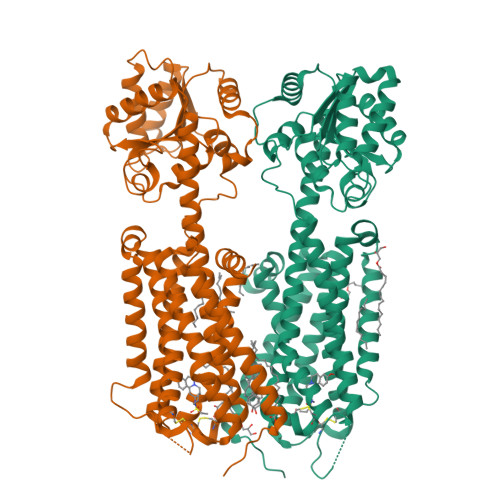
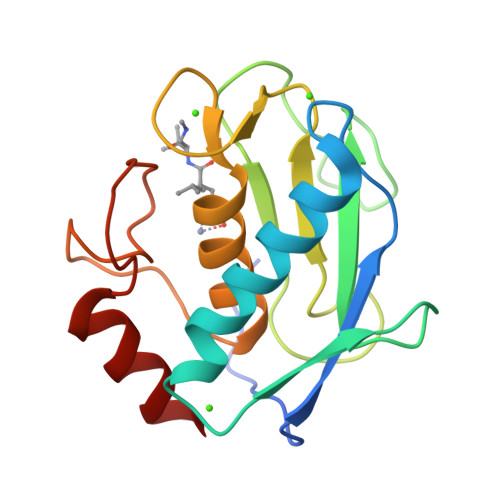
Cyclophosphamide (CED0000767)

Record Information
Version1.0
Creation Date2014-09-11 02:05:01 UTC
Update Date2026-08-23 21:34:58 UTC
SynCED IDCED0000767
Secondary Accession Numbers
  • CHEM003646
  • T3D4688
Identification
Common NameCyclophosphamide
ClassSmall Molecule
Description
Cyclophosphamide belongs to the nitrogen mustard compounds, a subclass of organonitrogen compounds within the organic compounds. This exogenous solid has the formula C7H15Cl2N2O2P and an average molecular weight of 261.09 g/mol. Biologically, it functions as a prodrug (PMC8400975 ), an agonist (PMC8050233 ), and an alkylating agent (PMC10535338 , PMC10542845 ). It acts as an agonist for the Nuclear receptor subfamily 1 group I member 2 (NR1I2) and the Estrogen receptor (ESR1). The compound is used in the treatment of cancer (PMC3480876 , PMC9738169 ), including leukemia (PMC11090488 ), lymphoma (PMC11090488 ), non-Hodgkin lymphoma (PMC7736172 ), breast cancer (PMC10155940 , PMC12208516 ), cervical cancer (PMC7604327 ), ovarian cancer (PMC11090488 ), neuroblastoma (PMC11090488 ), and multiple myeloma (PMC11637717 , PMC12025247 ). Additionally, it is used for renal failure (PMC1492602 ) and pancytopenia (PMC4718299 ), and it has a therapeutic effect on liver cancer (PMC7913291 ). Recorded health associations include inflammation (PMC6115949 ), bleeding (PMC6115949 ), obesity (PMC11767424 ), inflammatory bowel disease (PMC11767424 ), chronic pain (mixed) (PMC10507411 ), and an increase in neutropenia (PMC10542845 , PMC9993956 ). Cyclophosphamide is found in sources such as antineoplastic agents, drinking water, food preservation, perfumes within detergents and soaps, and electrical and electronic equipment including electrodes, antennas, and radio transmission systems. Exposure routes include oral, intravenous, intravascular, parenteral, intramuscular, intrapleural, and intraperitoneal administration.
Contaminant Type
  • Amide
  • Antineoplastic Agent, Alkylating
  • Antirheumatic Agent
  • Drug
  • Ester
  • Immunosuppressive Agent
  • Metabolite
  • Mutagen
  • Myeloablative Agonist
  • Organic Compound
  • Organochloride
  • Synthetic Compound
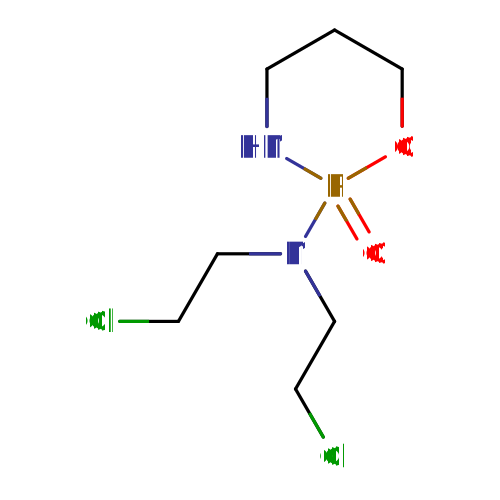
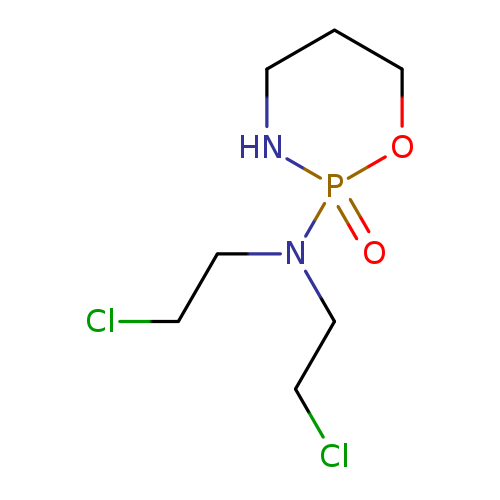
Chemical Structure
Synonyms
ValueSource
(+-)-CyclophosphamideChEBI
(RS)-CyclophosphamideChEBI
2-[Bis(2-chloroethylamino)]-tetrahydro-2H-1,3,2-oxazaphosphorine-2-oxideChEBI
Bis(2-chloroethyl)phosphoramide cyclic propanolamide esterChEBI
Cyclophosphamide anhydrousChEBI
N,N-Bis(2-chloroethyl)tetrahydro-2H-1,3,2-oxazaphosphorin-2-amine 2-oxideChEBI
CytoxanKegg
Cyclophosphamide monohydrateHMDB
CytophosphanHMDB
SendoxanHMDB
Anhydrous, cyclophosphamideHMDB
Cyclophosphamide, (S)-isomerHMDB
CyclophosphaneHMDB
CytophosphaneHMDB
EndoxanHMDB
NeosarHMDB
Cyclophosphamide, (R)-isomerHMDB
Monohydrate, cyclophosphamideHMDB
ProcytoxHMDB
(+,-)-2-(Bis(2-chloroethyl)amino)tetrahydro-2H-1,3,2-oxazaphosphorine 2-oxide monohydrateHMDB
Chemical FormulaC7H15Cl2N2O2P
Average Molecular Mass261.086 g/mol
Monoisotopic Mass260.025 g/mol
CAS Registry Number50-18-0
IUPAC Name2-[bis(2-chloroethyl)amino]-1,3,2lambda5-oxazaphosphinan-2-one
Traditional Name2-[bis(2-chloroethyl)amino]-1,3,2lambda5-oxazaphosphinan-2-one
SMILESClCCN(CCCl)P1(=O)NCCCO1
InChI IdentifierInChI=1S/C7H15Cl2N2O2P/c8-2-5-11(6-3-9)14(12)10-4-1-7-13-14/h1-7H2,(H,10,12)
InChI KeyCMSMOCZEIVJLDB-UHFFFAOYSA-N
Chemical Taxonomy
Description Belongs to the class of organic compounds known as nitrogen mustard compounds. Nitrogen mustard compounds are compounds having two beta-haloalkyl groups bound to a nitrogen atom.
KingdomOrganic compounds
Super ClassOrganic nitrogen compounds
ClassOrganonitrogen compounds
Sub ClassNitrogen mustard compounds
Direct ParentNitrogen mustard compounds
Alternative Parents
Substituents
  • Nitrogen mustard
  • Phosphoric monoester diamide
  • Organic phosphoric acid derivative
  • Oxazaphosphinane
  • Organic phosphoric acid amide
  • Oxacycle
  • Organoheterocyclic compound
  • Azacycle
  • Hydrocarbon derivative
  • Organic oxide
  • Organooxygen compound
  • Organochloride
  • Organopnictogen compound
  • Organohalogen compound
  • Organic oxygen compound
  • Alkyl chloride
  • Alkyl halide
  • Aliphatic heteromonocyclic compound
Molecular FrameworkAliphatic heteromonocyclic compounds
External Descriptors
Biological Properties
StatusDetected and Not Quantified
OriginExogenous
Cellular Locations
  • Cytoplasm
  • Extracellular
  • Membrane
Biofluid LocationsNot Available
Tissue LocationsNot Available
ApplicationsNot Available
Biological Roles
Chemical RolesNot Available
Organoleptic EffectsNot Available
Physical Properties
StateSolid
AppearanceWhite powder.
Experimental Properties
PropertyValue
Melting Point41 - 45°C
Boiling PointNot Available
SolubilitySoluble. 1-5 g/100 mL at 23°C
Predicted Properties
PropertyValueSource
Water Solubility15.1 g/LALOGPS
logP0.76ALOGPS
logP0.097ChemAxon
logS-1.2ALOGPS
pKa (Strongest Acidic)13.43ChemAxon
pKa (Strongest Basic)0.084ChemAxon
Physiological Charge0ChemAxon
Hydrogen Acceptor Count2ChemAxon
Hydrogen Donor Count1ChemAxon
Polar Surface Area41.57 ŲChemAxon
Rotatable Bond Count5ChemAxon
Refractivity58.48 m³·mol⁻¹ChemAxon
Polarizability23.72 ųChemAxon
Number of Rings1ChemAxon
BioavailabilityYesChemAxon
Rule of FiveYesChemAxon
Ghose FilterYesChemAxon
Veber's RuleNoChemAxon
MDDR-like RuleNoChemAxon
Spectra
Spectra
Spectrum TypeDescriptionSplash KeyDeposition DateView
Predicted GC-MSPredicted GC-MS Spectrumsplash10-00dj-2930000000-a5e2529d99bd261703f0Not AvailableView Spectrum
Predicted GC-MSPredicted GC-MS SpectrumNot AvailableNot AvailableView Spectrum
LC-MS/MSLC-MS/MS Spectrumsplash10-0059-1490000000-36d8ebdb421248c38c7bNot AvailableView Spectrum
LC-MS/MSLC-MS/MS Spectrumsplash10-03di-1390000000-b8dc1a824ec33e388213Not AvailableView Spectrum
LC-MS/MSLC-MS/MS Spectrumsplash10-03di-0390000000-66983035d1db7ac36bd6Not AvailableView Spectrum
LC-MS/MSLC-MS/MS Spectrumsplash10-001l-0970000000-939110a705ed71803ab8Not AvailableView Spectrum
LC-MS/MSLC-MS/MS Spectrumsplash10-03di-0090000000-2bdfe4296c2bdf8d4a99Not AvailableView Spectrum
LC-MS/MSLC-MS/MS Spectrumsplash10-03di-0190000000-1e8e017f8e39fa5d73cfNot AvailableView Spectrum
LC-MS/MSLC-MS/MS Spectrumsplash10-0006-0930000000-d7459c8d20a8fc59f6f0Not AvailableView Spectrum
LC-MS/MSLC-MS/MS Spectrumsplash10-0006-0900000000-33cb20e845200f9d2618Not AvailableView Spectrum
LC-MS/MSLC-MS/MS Spectrumsplash10-0006-2900000000-09d33a8387b9d152f24aNot AvailableView Spectrum
LC-MS/MSLC-MS/MS Spectrumsplash10-01ox-6900000000-cdebe09ff6df7c25b477Not AvailableView Spectrum
LC-MS/MSLC-MS/MS Spectrumsplash10-03di-0090000000-d749f27c3144da2c431cNot AvailableView Spectrum
LC-MS/MSLC-MS/MS Spectrumsplash10-03di-0190000000-a6fa921df18384671a7cNot AvailableView Spectrum
LC-MS/MSLC-MS/MS Spectrumsplash10-0006-0930000000-abdb40162fc8a44200f7Not AvailableView Spectrum
LC-MS/MSLC-MS/MS Spectrumsplash10-0006-0900000000-8c0705ee62a5f9c7d44eNot AvailableView Spectrum
LC-MS/MSLC-MS/MS Spectrumsplash10-0006-2900000000-a299026342c77e92c48cNot AvailableView Spectrum
LC-MS/MSLC-MS/MS Spectrumsplash10-01ox-6900000000-fc2845c75bbccc83ad99Not AvailableView Spectrum
LC-MS/MSLC-MS/MS Spectrumsplash10-001l-0970000000-83e0f5b88b6fbe0a1ea7Not AvailableView Spectrum
LC-MS/MSLC-MS/MS Spectrumsplash10-0006-0900000000-5490a2b493bfde967fa3Not AvailableView Spectrum
LC-MS/MSLC-MS/MS Spectrumsplash10-0006-0900000000-456626f46e480e0ac670Not AvailableView Spectrum
LC-MS/MSLC-MS/MS Spectrumsplash10-0006-0900000000-e3ecee739b09050e915aNot AvailableView Spectrum
LC-MS/MSLC-MS/MS Spectrumsplash10-0006-0900000000-4cb33bb833e6cab9a106Not AvailableView Spectrum
LC-MS/MSLC-MS/MS Spectrumsplash10-03di-0390000000-66983035d1db7ac36bd6Not AvailableView Spectrum
LC-MS/MSLC-MS/MS Spectrumsplash10-0059-1490000000-36d8ebdb421248c38c7bNot AvailableView Spectrum
LC-MS/MSLC-MS/MS Spectrumsplash10-03di-1390000000-b8dc1a824ec33e388213Not AvailableView Spectrum
LC-MS/MSLC-MS/MS Spectrumsplash10-0006-0930000000-2387e6b523ab1a7d2bd5Not AvailableView Spectrum
LC-MS/MSLC-MS/MS Spectrumsplash10-0006-0900000000-35189ee9cf5cb1536842Not AvailableView Spectrum
LC-MS/MSLC-MS/MS Spectrumsplash10-0006-0900000000-e65bccd6c743a4954b34Not AvailableView Spectrum
LC-MS/MSLC-MS/MS Spectrumsplash10-03di-0190000000-3e9aaa60da1f6b5bcfe1Not AvailableView Spectrum
LC-MS/MSLC-MS/MS Spectrumsplash10-0006-0900000000-d5abef1e08d94a173294Not AvailableView Spectrum
LC-MS/MSLC-MS/MS Spectrumsplash10-001l-0970000000-747dd8c6add3e0170caaNot AvailableView Spectrum
LC-MS/MSLC-MS/MS Spectrumsplash10-03di-0190000000-086a240427445b889ccbNot AvailableView Spectrum
LC-MS/MSLC-MS/MS Spectrumsplash10-0006-0930000000-57cd2277a678110ab879Not AvailableView Spectrum
LC-MS/MSLC-MS/MS Spectrumsplash10-03di-0090000000-d8f78966a4d19f5ea12eNot AvailableView Spectrum
LC-MS/MSLC-MS/MS Spectrumsplash10-0006-0900000000-456626f46e480e0ac670Not AvailableView Spectrum
LC-MS/MSLC-MS/MS Spectrumsplash10-0006-2900000000-910beca0de8db235539cNot AvailableView Spectrum
LC-MS/MSLC-MS/MS Spectrumsplash10-0006-2900000000-ab2c87fbcf723051ac14Not AvailableView Spectrum
LC-MS/MSLC-MS/MS Spectrumsplash10-0006-0900000000-0155352ef3f4b03a2ebaNot AvailableView Spectrum
LC-MS/MSLC-MS/MS Spectrumsplash10-0006-0900000000-adb551bd6e5e1431a3b5Not AvailableView Spectrum
LC-MS/MSLC-MS/MS Spectrumsplash10-01ox-6900000000-77145a7aec81febda4d7Not AvailableView Spectrum
LC-MS/MSLC-MS/MS Spectrumsplash10-01ox-6900000000-ce4ec79876750e0753b5Not AvailableView Spectrum
LC-MS/MSLC-MS/MS Spectrumsplash10-001l-0970000000-ccb46e3c70458ab10c92Not AvailableView Spectrum
LC-MS/MSLC-MS/MS Spectrumsplash10-03di-0090000000-b3ba38523f00357de016Not AvailableView Spectrum
LC-MS/MSLC-MS/MS Spectrumsplash10-0006-0900000000-63bc96fc4ce08dceb39fNot AvailableView Spectrum
LC-MS/MSLC-MS/MS Spectrumsplash10-03di-0390000000-b1c04c4d58f105145760Not AvailableView Spectrum
LC-MS/MSLC-MS/MS Spectrumsplash10-03di-0090000000-a1417240e8c122a89738Not AvailableView Spectrum
LC-MS/MSLC-MS/MS Spectrumsplash10-0006-0910000000-0d6e4fd40f31daf7835bNot AvailableView Spectrum
LC-MS/MSLC-MS/MS Spectrumsplash10-0006-0900000000-433ff67d594c80cb97ffNot AvailableView Spectrum
Predicted LC-MS/MSPredicted LC-MS/MS Spectrumsplash10-0006-9150000000-28408c9f0486cc7568f2Not AvailableView Spectrum
Predicted LC-MS/MSPredicted LC-MS/MS Spectrumsplash10-052f-9600000000-fd85ba5646421fb4dd68Not AvailableView Spectrum
Predicted LC-MS/MSPredicted LC-MS/MS Spectrumsplash10-0006-9100000000-dc67f093f2419f82cb18Not AvailableView Spectrum
Predicted LC-MS/MSPredicted LC-MS/MS Spectrumsplash10-0002-1920000000-ef90686fe8c9da71ccd6Not AvailableView Spectrum
Predicted LC-MS/MSPredicted LC-MS/MS Spectrumsplash10-0a4i-9000000000-c974342f3a086d037df6Not AvailableView Spectrum
Predicted LC-MS/MSPredicted LC-MS/MS Spectrumsplash10-002u-9600000000-142aeef910da3ef2f6b3Not AvailableView Spectrum
Predicted LC-MS/MSPredicted LC-MS/MS Spectrumsplash10-03di-1490000000-e13bcc205a49621f2b81Not AvailableView Spectrum
Predicted LC-MS/MSPredicted LC-MS/MS Spectrumsplash10-0bt9-0940000000-dc348adcadfbda8dece8Not AvailableView Spectrum
Predicted LC-MS/MSPredicted LC-MS/MS Spectrumsplash10-08fu-9100000000-87e75b8cd4b4b3f58ddcNot AvailableView Spectrum
Predicted LC-MS/MSPredicted LC-MS/MS Spectrumsplash10-0a4i-0090000000-b7d983ef2a5edfbb73bcNot AvailableView Spectrum
Predicted LC-MS/MSPredicted LC-MS/MS Spectrumsplash10-0a4i-1290000000-65211b5a610a7cc0d1d2Not AvailableView Spectrum
Predicted LC-MS/MSPredicted LC-MS/MS Spectrumsplash10-0829-8920000000-bac625fe7ab49f2be71dNot AvailableView Spectrum
MSMS Spectrumsplash10-08fr-9470000000-53f4a8ff83c415492e03Not AvailableView Spectrum
1D NMR1H NMR Spectrum (1D, D2O, predicted)Not AvailableNot AvailableView Spectrum
1D NMR13C NMR Spectrum (1D, D2O, predicted)Not AvailableNot AvailableView Spectrum
Toxicity Profile
Toxicity Values
Toxicity ValueOrganismDose DescriptorRoute of ExposurePredicted or ExperimentalToxicity RatingReference
109.0 Log mg/kg [60:190]RatLD50oralpredictedNot AvailableNot Available
120.0 mg/kg-day MouseLOELoralexperimentalNot AvailableECOTOX - EPA ORD
200.0 mg/kg-day MouseNOELinjectionexperimentalNot AvailableECOTOX - EPA ORD
25.0 mg/kg-day MouseLOELinjectionexperimentalNot AvailableECOTOX - EPA ORD
20.0 mg/kg-day RatLOELoralexperimentalNot AvailableECOTOX - EPA ORD
200.0 mg/kg-day MouseLOELinjectionexperimentalNot AvailableECOTOX - EPA ORD
20.0 mg/kg-day MouseLOELinjectionexperimentalNot AvailableECOTOX - EPA ORD
200.0 mg/kg-day MouseNOELinjectionexperimentalNot AvailableECOTOX - EPA ORD
5.0 mg/kg-day MouseLOELinjectionexperimentalNot AvailableECOTOX - EPA ORD
40.0 mg/L MouseNOELoralexperimentalNot AvailableECOTOX - EPA ORD
50.0 mg/kg-day MouseLOELinjectionexperimentalNot AvailableECOTOX - EPA ORD
40.0 mg/kg-day MouseNOELinjectionexperimentalNot AvailableECOTOX - EPA ORD
50.0 mg/kg-day MouseNOELoralexperimentalNot AvailableECOTOX - EPA ORD
10000.0 mg/kg-day RatLOELoralexperimentalNot AvailableECOTOX - EPA ORD
30.0 mg/L RatNOELenvironmentalexperimentalNot AvailableECOTOX - EPA ORD
120.0 mg/kg-day MouseLOELoralexperimentalNot AvailableECOTOX - EPA ORD
50.0 mg/kg-day MouseLOELoralexperimentalNot AvailableECOTOX - EPA ORD
30.0 mg/L RatLOELenvironmentalexperimentalNot AvailableECOTOX - EPA ORD
20.0 mg/kg-day MouseLOELinjectionexperimentalNot AvailableECOTOX - EPA ORD
30.0 mg/L RatLOELenvironmentalexperimentalNot AvailableECOTOX - EPA ORD
40.0 mg/L MouseLOELoralexperimentalNot AvailableECOTOX - EPA ORD
50.0 mg/kg-day RatLOELinjectionexperimentalNot AvailableECOTOX - EPA ORD
200.0 mg/kg-day MouseLOELinjectionexperimentalNot AvailableECOTOX - EPA ORD
10000.0 mg/kg-day RatLOELoralexperimentalNot AvailableECOTOX - EPA ORD
200.0 mg/kg-day MouseLOELinjectionexperimentalNot AvailableECOTOX - EPA ORD
40.0 mg/kg-day MouseLOELinjectionexperimentalNot AvailableECOTOX - EPA ORD
20.0 mg/kg-day MouseLOELinjectionexperimentalNot AvailableECOTOX - EPA ORD
50.0 mg/kg-day MouseLOELoralexperimentalNot AvailableECOTOX - EPA ORD
50.0 mg/kg-day MouseNOELoralexperimentalNot AvailableECOTOX - EPA ORD
200.0 mg/kg-day MouseLOELinjectionexperimentalNot AvailableECOTOX - EPA ORD
150.0 mg/kg-day MouseLOELinjectionexperimentalNot AvailableECOTOX - EPA ORD
Toxicity / Toxin ClassNot Available
Mechanism of ToxicityAlkylating agents work by three different mechanisms: 1) attachment of alkyl groups to DNA bases, resulting in the DNA being fragmented by repair enzymes in their attempts to replace the alkylated bases, preventing DNA synthesis and RNA transcription from the affected DNA, 2) DNA damage via the formation of cross-links (bonds between atoms in the DNA) which prevents DNA from being separated for synthesis or transcription, and 3) the induction of mispairing of the nucleotides leading to mutations.
Carcinogenicity (IARC Classification)1, carcinogenic to humans. (3)
Minimum Risk LevelNot Available
SymptomsAdverse reactions reported most often include neutropenia, febrile neutropenia, fever, alopecia, nausea, vomiting, and diarrhea.
TreatmentNot Available
Health Effects
Health EffectRelationshipDirectionDescriptionReference
inflammationAssociated With?Not AvailableNot AvailablePMC6115949 , PMC10622388
cancerNot AvailableNot AvailableCancer is a group of diseases involving abnormal cell growth with the potential to invade or spread to other parts of the body. Possible signs and symptoms include a lump, abnormal bleeding, prolonged cough, unexplained weight loss, and a change in bowel movements. There are over 100 types of cancers affect humans. The risk of developing certain cancers can be reduced by not smoking, maintaining a healthy weight, not drinking too much alcohol, eating plenty of vegetables, fruits and whole grains, vaccination against certain infectious diseases, not eating too much processed and red meat and avoiding too much sunlight exposure. Cancer is often treated with some combination of radiation therapy, surgery, chemotherapy and targeted therapy. The majority of cancers, some 90–95% of cases, are due to genetic mutations from environmental and lifestyle factors. The remaining 5–10% are due to inherited genetics.PMC3480876 , PMC9738169
cancerAssociated With?Not AvailableCancer is a group of diseases involving abnormal cell growth with the potential to invade or spread to other parts of the body. Possible signs and symptoms include a lump, abnormal bleeding, prolonged cough, unexplained weight loss, and a change in bowel movements. There are over 100 types of cancers affect humans. The risk of developing certain cancers can be reduced by not smoking, maintaining a healthy weight, not drinking too much alcohol, eating plenty of vegetables, fruits and whole grains, vaccination against certain infectious diseases, not eating too much processed and red meat and avoiding too much sunlight exposure. Cancer is often treated with some combination of radiation therapy, surgery, chemotherapy and targeted therapy. The majority of cancers, some 90–95% of cases, are due to genetic mutations from environmental and lifestyle factors. The remaining 5–10% are due to inherited genetics.PMC7252251
kidney diseaseAssociated With?increaseA urinary system disease that is located in the kidney. (DO)PMC11853432
breast cancerNot AvailableNot AvailableA breast cancer that has material basis in abnormally proliferating cells derives from epithelial cells. (DO)PMC10155940 , PMC12208516
breast cancerHas Therapeutic Effect OnNot AvailableA breast cancer that has material basis in abnormally proliferating cells derives from epithelial cells. (DO)PMC7456198 , PMC7407889
renal failureNot AvailableNot AvailableA disorder characterized by the loss of kidney function.PMC1492602
colorectal cancerHas Therapeutic Effect OnNot AvailableA large intestine cancer that is located in the colon and/or located in the rectum. (DO)PMC11351301
infertilityAssociated With?Not AvailableA disorder characterized by the inability to reproduce by natural means.PMC11374658
multiple myelomaNot AvailableNot AvailableA myeloid neoplasm that is located in the plasma cells in bone marrow. (DO)PMC11637717 , PMC12025247
diabetes mellitusAssociated With?Not AvailableA glucose metabolism disease characterized by chronic hyperglycaemia with disturbances of carbohydrate, fat and protein metabolism resulting from defects in insulin secretion, insulin action, or both. (DO)PMC11767424
cervical cancerNot AvailableNot AvailableA female reproductive organ cancer that is located in the cervix. (DO)PMC7604327
cervical cancerAssociated With?Not AvailableA female reproductive organ cancer that is located in the cervix. (DO)PMC9866503
rheumatoid arthritisNot AvailableNot AvailableAn arthritis that is an autoimmune disease which attacks healthy cells and tissue located in joint. (DO)PMC8397461 , PMC8348050
neutropeniaAssociated With?increaseA disorder characterized by an abnormally low level of neutrophils.PMC10542845 , PMC9993956
neutropeniaAssociated With?Not AvailableA disorder characterized by an abnormally low level of neutrophils.PMC3654121
thrombocytopeniaAssociated With?Not AvailableNot AvailablePMC13480351
bleedingAssociated With?Not AvailableA losing of blood as a result of injury oir illness.PMC6115949 , PMC11916625
congestive heart failureAssociated With?Not AvailableA heart disease that is characterized by any structural or functional cardiac disorder that impairs the ability of the heart to fill with or pump a sufficient amount of blood throughout the body. (DO)PMC6126670
melanomaNot AvailableNot AvailableA cell type cancer that has material basis in abnormally proliferating cells derives from melanocytes which are found in skin, the bowel and the eye. (DO)PMC9657890
liver cancerHas Therapeutic Effect OnNot AvailableLiver cancer, also known as hepatic cancer and primary hepatic cancer, is cancer that starts in the liver. Cancer which has spread from elsewhere to the liver, known as liver metastasis, is more common than that which starts in the liver. Symptoms of liver cancer may include a lump or pain in the right side below the rib cage, swelling of the abdomen, yellowish skin, easy bruising, weight loss and weakness.("Adult Primary Liver Cancer Treatment (PDQ®)–Patient Version". NCI. 6 July 2016. Archived from the original on 2 October 2016. Retrieved 29 September 2016) The leading cause of liver cancer is cirrhosis due to hepatitis B, hepatitis C or alcohol.(PMID: 25530442) The most common types of liver cancer are hepatocellular carcinoma (HCC), which makes up 80% of cases, and cholangiocarcinoma.(World Cancer Report 2014. World Health Organization. 2014. pp. Chapter 5.6. ISBN 978-9283204299) Globally, as of 2010, liver cancer resulted in 754,000 deaths, up from 460,000 in 1990, making it the third leading cause of cancer death after lung and stomach.(PMID: 23245604) In 2012, it represented 7% of cancer diagnoses in men, the 5th most diagnosed cancer that year.(World Cancer Report 2014. International Agency for Research on Cancer, World Health Organization. 2014. ISBN 978-92-832-0432-9)PMC7913291
chronic painAssociated With?mixedA state in which pain lasts for several weeks or months and may increase in severity.PMC10507411
necrosisAssociated With?Not AvailableA disorder characterized as a form of cell injury which results in the premature death of cells in living tissue by autolysis.PMC12703411
leukemiaNot AvailableNot AvailableA cancer that affects the blood or bone marrow characterized by an abnormal proliferation of blood cells. (DO)PMC11090488 , PMC5422107
obesityAssociated With?Not AvailableA disorder characterized by having a high amount of body fat. (NCI CTCAE)PMC11767424
angiosarcomaAssociated With?Not AvailableNot AvailablePMC11852400
lymphomaNot AvailableNot AvailableA hematologic cancer that affects lymphocytes that reside in the lymphatic system and in blood-forming organs. (DO)PMC11090488 , PMC5422107
nauseaAssociated With?Not AvailableA disorder characterized by a queasy sensation and/or the urge to vomit. (NCI CTCAE)PMC9866503 , PMC7123643
vomitingAssociated With?Not AvailableA disorder characterized by the reflexive act of ejecting the contents of the stomach through the mouth. (NCI CTCAE)PMC9866503 , PMC7123643
edemaAssociated With?Not AvailableA disorder characterized by swelling due to an excessive accumulation of fluid (NCI CTCAE)PMC10611603 , PMC11916625
male infertilityAssociated With?increaseNot AvailablePMC12944685
male infertilityAssociated With?Not AvailableNot AvailablePMC12944685
chronic myeloid leukemiaNot AvailableNot AvailableChronic myelogenous leukemia (CML), also known as chronic myeloid leukemia, is a cancer of the white blood cells. It is a form of leukemia characterized by the increased and unregulated growth of myeloid cells in the bone marrow and the accumulation of these cells in the blood. CML is a clonal bone marrow stem cell disorder in which a proliferation of mature granulocytes (neutrophils, eosinophils and basophils) and their precursors is found. It is a type of myeloproliferative neoplasm associated with a characteristic chromosomal translocation called the Philadelphia chromosome. CML accounts for 15–25% of all adult leukemias and 14% of leukemias overall (including the pediatric population, where CML is less common). CML is more common in males than in females (male to female ratio of 1.4:1) and appears more commonly in the elderly with a median age at diagnosis of 65 years.PMC7123643 , PMC7123643
acute lymphoblastic leukemiaNot AvailableNot AvailableAn acute lymphocytic leukemia characterized by a clonal expansion of immature lymphocytes in the bone marrow, lymph nodes, thymus , or spleen. Can be detected by numerous chromsome aberrations, such as the philadelphia chromsome or translocation of the band 11q23/MLL, and by fusion proteins such as BCR-ABL1 or MLL-AFF1 . (NCBI)PMC12884572
liver diseaseAssociated With?Not AvailableA disorder characterized by any variety of factors leading to damage to the liver.PMC12403781
neuropathyAssociated With?Not AvailableA nervous system disease that is located in nerves or nerve cells. (do).PMC9096165 , PMC9096165
thrombosisAssociated With?Not AvailableA formation of a blood clot inside a blood vessel, obstructing the flow of blood through the circulatory system.PMC13480351
ovarian cancerNot AvailableNot AvailableA female reproductive organ cancer that is located in the ovary. (DO)PMC11090488 , PMC10669316
neuroblastomaNot AvailableNot AvailableAn autonomic nervous system neoplasm that derives from immature nerve cells. (DO)PMC11090488 , PMC9657890
chronic inflammationAssociated With?Not AvailableChronic inflammation is a slow, long-term inflammation lasting for prolonged periods of several months to years. Chronic inflammation can damage healthy cells, tissues, and organs. The main causes of the chronic inflammation includes the untreated causes of acute inflammation, such as an infection or injury, an autoimmune disorder and a long-term exposure to irritants, such as industrial chemicals or polluted air.PMC10058956
hyperglycemiaAssociated With?Not AvailableA disorder characterized by laboratory test results that indicate an elevation in the concentration of blood sugar. It is usually an indication of diabetes mellitus or glucose intolerance. (NCI CTCAE)PMC4975627
pulmonary fibrosisAssociated With?Not AvailableNot AvailablePMC7152448
acute myeloid leukemiaAssociated With?increaseAcute myeloid leukemia (AML) is a cancer of the myeloid line of blood cells, characterized by the rapid growth of abnormal cells that build up in the bone marrow and blood and interfere with normal blood cell production. Symptoms may include feeling tired, shortness of breath, easy bruising and bleeding, and increased risk of infection. Occasionally, spread may occur to the brain, skin, or gums. As an acute leukemia, AML progresses rapidly and is typically fatal within weeks or months if left untreated. Risk factors include smoking, previous chemotherapy or radiation therapy, myelodysplastic syndrome, and exposure to the chemical benzene. AML affected about one million people and resulted in 147,000 deaths globally. It most commonly occurs in older adults. Males are affected more often than females.PMC7463238
acute myeloid leukemiaAssociated With?Not AvailableAcute myeloid leukemia (AML) is a cancer of the myeloid line of blood cells, characterized by the rapid growth of abnormal cells that build up in the bone marrow and blood and interfere with normal blood cell production. Symptoms may include feeling tired, shortness of breath, easy bruising and bleeding, and increased risk of infection. Occasionally, spread may occur to the brain, skin, or gums. As an acute leukemia, AML progresses rapidly and is typically fatal within weeks or months if left untreated. Risk factors include smoking, previous chemotherapy or radiation therapy, myelodysplastic syndrome, and exposure to the chemical benzene. AML affected about one million people and resulted in 147,000 deaths globally. It most commonly occurs in older adults. Males are affected more often than females.PMC9653521
ovarian dysfunctionAssociated With?Not AvailableNot AvailablePMC3197911 , PMC9866503
non-Hodgkin lymphomaNot AvailableNot AvailableNot AvailablePMC7736172
inflammatory bowel diseaseAssociated With?Not AvailableAn intestinal disease characterized by inflammation located in all parts of digestive tract. (DO)PMC11767424
dyspneaNot AvailableNot AvailableNot AvailablePMC10831387
kidney failureNot AvailableNot AvailableNot AvailablePMC1492602
azoospermiaAssociated With?Not AvailableA disorder characterized by laboratory test results that indicate complete absence of spermatozoa in the semen. (NCI CTCAE)PMC9866503
alopeciaAssociated With?Not AvailableA disorder characterized by the partial or complete lack of hair growth.PMC7123643 , PMC10724599
pancytopeniaNot AvailableNot AvailableNot AvailablePMC4718299
bronchopulmonary dysplasiaNot AvailableNot AvailableNot AvailablePMC12352919
allergic diseaseAssociated With?Not AvailableAllergic diseases, also known as allergies, are a number of conditions caused by hypersensitivity of the immune system to typically harmless substances in the environment. These diseases include hay fever, food allergies, atopic dermatitis, allergic asthma, and anaphylaxis. Symptoms may include red eyes, an itchy rash, sneezing, a runny nose, shortness of breath, or swelling. Common allergens include pollen and certain foods. Metals and other substances may also cause allergies. Food, insect stings, and medications are common causes of severe allergic reactions. Allergies can be due to both genetic and environmental factors. The underlying mechanism involves immunoglobulin E antibodies (IgE) binding to an allergen and then to a receptor on mast cells or basophils where it triggers the release of inflammatory chemicals such as histamine. Allergies are among the most common conditions in the world. In the developed world, about 20% of people are affected by allergic rhinitis, about 6% of people have at least one food allergy, and about 20% have atopic dermatitis at some point in time.PMC10507411
Toxic encephalopathyAssociated With?Not AvailableNot AvailablePMC11090488
leukopeniaAssociated With?Not AvailableNot AvailablePMC6222609
hepatic necrosisAssociated With?Not AvailableA disorder characterized by a necrotic process occurring in the hepatic parenchyma. (NCI CTCAE)PMC10622388
Burkitt lymphomaNot AvailableNot AvailableBurkitt lymphoma is a form of non-Hodgkin's lymphoma in which cancer starts in immune cells called B-cells. Recognized as a fast growing human tumor, Burkitt lymphoma is associated with impaired immunity and is rapidly fatal if left untreated. Burkitt lymphoma can be divided into three main clinical variants: the endemic, the sporadic, and the immunodeficiency-associated variants. Epstein–Barr virus (EBV) infection is found in nearly all patients with the endemic variety. Immunodeficiency-associated Burkitt lymphoma is usually associated with HIV infection. All types of Burkitt lymphoma are characterized by dysregulation of the c-myc gene by one of three chromosomal translocations. This gene is found at 8q24.PMC7123643
autoimmune diseaseNot AvailableNot AvailableAn autoimmune disease is a condition arising from an abnormal immune response to a functioning body part. There are at least 80 types of autoimmune diseases. Nearly any body part can be involved. Common symptoms include low grade fever and feeling tired. Some autoimmune diseases such as lupus run in families, and certain cases may be triggered by infections or other environmental factors. Some common diseases that are generally considered autoimmune include celiac disease, diabetes mellitus type 1, Graves' disease, inflammatory bowel disease, multiple sclerosis, psoriasis, rheumatoid arthritis, and systemic lupus erythematosus. About 24 million (7%) people in the United States are affected by an autoimmune disease. Women are more commonly affected than men.PMC10535338 , PMC13402955
soft tissue sarcomaNot AvailableNot AvailableNot AvailablePMC9657890 , PMC9657890
osteonecrosisAssociated With?Not AvailableA disorder characterized by necrotic changes in the bone tissue due to interruption of blood supply. Most often affecting the epiphysis of the long bones, the necrotic changes result in the collapse and the destruction of the bone structure. (NCI CTCAE)PMC4015053
osteosarcomaNot AvailableNot AvailableNot AvailablePMC9657890
rhabdomyosarcomaNot AvailableNot AvailableNot AvailablePMC9221162 , PMC9657890
chronic lymphocytic leukemiaNot AvailableNot AvailableChronic lymphocytic leukemia (CLL) is a type of cancer in which the bone marrow makes too many lymphocytes (a type of white blood cell). Early on there are typically no symptoms. Later non-painful lymph node swelling, feeling tired, fever, night sweats, or weight loss for no clear reason may occur. Enlargement of the spleen and low red blood cells (anemia) may also occur. Risk factors include having a family history of the disease. Exposure to Agent Orange and certain insecticides might also be a risk. CLL is divided into two main types: those with a mutated IGHV gene and those without. CLL affected about 904,000 people globally in 2015 and resulted in 60,700 deaths. The disease most commonly occurs in people over the age of 50. Males are affected more often than females.PMC13414883 , PMC7123643
plasma cell leukemiaNot AvailableNot AvailableNot AvailablePMC6223128 , PMC9387011
ovarian carcinomaNot AvailableNot AvailableNot AvailablePMC5422107
cystitisAssociated With?Not AvailableNot AvailablePMC10611603 , PMC4070875
cystitisAssociated With?increaseNot AvailablePMC11062479 , PMC9072830
cystitisNot AvailableNot AvailableNot AvailablePMC13150661 , PMC10493645
cystitisAssociated With?decreaseNot AvailablePMC8604640 , PMC10493645
vasculitisNot AvailableNot AvailableNot AvailablePMC1492602
mantle cell lymphomaNot AvailableNot AvailableMantle cell lymphoma is a B-cell non-Hodgkin lymphoma (NHL). Lymphoma is a cancer of the lymphatic system, which is part of the body's germ-fighting network. The lymphatic system includes the lymph nodes (lymph glands), spleen, thymus gland, stomach and bone marrow. Mantle cell lymphoma typically develops in the outer edge of a lymph node called the mantle zone. Mantle cell lymphoma occurs more often in men than in women. It is usually diagnosed in people in their early 60s.PMC4439262 , PMC3004744
follicular lymphomaNot AvailableNot AvailableA blood cancer characterized as a lymphoma of follicle center B-cells, which has at least a partially follicle pattern.PMC6594227 , PMC6594227
myelodysplastic syndromeAssociated With?increaseA bone marrow cancer characterized as the failure of bone marrow to make enough healthy blood cells and thus there are blast cells in the blood and/or bone marrow.PMC7463238
breast carcinomaNot AvailableNot AvailableNot AvailablePMC6279318
oligospermiaAssociated With?Not AvailableA disorder characterized by a decrease in the number of spermatozoa in the semen. (NCI CTCAE)PMC11374658
amenorrheaAssociated With?Not AvailableNot AvailablePMC6791466
amenorrheaAssociated With?decreaseNot AvailablePMC7123643
POEMS syndromeNot AvailableNot AvailableNot AvailablePMC6067145
head and neck squamous cell carcinomaNot AvailableNot AvailableNot AvailablePMC10724599
diffuse large B-cell lymphomaNot AvailableNot AvailableNot AvailablePMC12816056 , PMC7581128
angioimmunoblastic T-cell lymphomaNot AvailableNot AvailableNot AvailablePMC7581128
multicentric Castleman diseaseNot AvailableNot AvailableNot AvailablePMC7816226
sarcomaNot AvailableNot AvailableA cell type cancer that has material basis in abnormally proliferating cells derives from embryonic mesoderm. (DO)PMC11090488
plasmablastic lymphomaNot AvailableNot AvailableNot AvailablePMC9323819
lymphoplasmacytic lymphomaNot AvailableNot AvailableNot AvailablePMC7310052
hemorrhagic cystitisAssociated With?Not AvailableNot AvailablePMC6367514 , PMC6367514
retinoblastomaHas Therapeutic Effect OnNot AvailableRetinoblastoma (Rb) is a rare form of cancer that rapidly develops from the immature cells of a retina, the light-detecting tissue of the eye. It is the most common primary malignant intraocular cancer in children, and it is almost exclusively found in young children. The most common and obvious sign of retinoblastoma is an abnormal appearance of the retina as viewed through the pupil, the medical term for which is leukocoria, also known as amaurotic cat's eye reflex. Retinoblastoma is caused by mutations in the RB1 gene which encodes retinoblastoma protein. Most mutations in the RB1 gene prevent it from making any functional protein, so cells are unable to regulate cell division effectively. As a result, certain cells in the retina can divide uncontrollably to form a cancerous tumor. Retinoblastoma is diagnosed in 250 to 350 children per year in the United States. It accounts for about 4 percent of all cancers in children younger than 15 years. (https://ghr.nlm.nih.gov/condition/retinoblastoma) (Wikipedia)PMC12564206
lupus nephritisNot AvailableNot AvailableNot AvailablePMC1492602 , PMC8397461
urinary bladder cancerAssociated With?Not AvailableNot AvailablePMC12249926 , PMC3206217
Cell DeathAssociated With?Not AvailableNot AvailablePMC4467447
Abnormality of mitochondrial metabolismAssociated With?Not AvailableNot AvailablePMC13480351
Oxidative StressAssociated With?Not AvailableNot AvailablePMC6222609 , PMC10622388
Oxidative StressAssociated With?increaseNot AvailablePMC9864069 , PMC10724599
MortalityAssociated With?Not AvailableNot AvailablePMC11916625
DNA DamageAssociated With?Not AvailableNot AvailablePMC10622388 , PMC9864069
FibrosisAssociated With?Not AvailableNot AvailablePMC6544636 , PMC13302970
bacterial infectious diseaseAssociated With?Not AvailableNot AvailablePMC9993956
high grade gliomaNot AvailableNot AvailableNot AvailablePMC9657890
Chromosome AberrationsAssociated With?increaseNot AvailablePMC12732419
hyperplasiaAssociated With?Not AvailableNot AvailablePMC11245554
VasodilationAssociated With?Not AvailableNot AvailablePMC8229483
hyperemiaAssociated With?Not AvailableNot AvailablePMC8229483
MorbidityAssociated With?increaseNot AvailablePMC6740327 , PMC3837683
infectious diseaseAssociated With?Not AvailableNot AvailablePMC10542845 , PMC5269709
infectious diseaseAssociated With?increaseNot AvailablePMC6740327
bone fractureNot AvailableNot AvailableNot AvailablePMC9703606
immune system disorderAssociated With?Not AvailableNot AvailablePMC11767424
immune system disorderNot AvailableNot AvailableNot AvailablePMC5422107
Rheumatic FeverNot AvailableNot AvailableNot AvailablePMC7587910
disease of cellular proliferationNot AvailableNot AvailableNot AvailablePMC9096165
CardiotoxicityAssociated With?Not AvailableNot AvailablePMC6412790 , PMC6126670
Neoplasm MetastasisNot AvailableNot AvailableNot AvailablePMC9657890 , PMC12452751
ulcer diseaseAssociated With?Not AvailableNot AvailablePMC11916625
Hematologic NeoplasmsNot AvailableNot AvailableNot AvailablePMC3703447
rectum cancerNot AvailableNot AvailableNot AvailablePMC6279318
hematopoietic system diseaseNot AvailableNot AvailableNot AvailablePMC4128326
hemorrhageAssociated With?Not AvailableNot AvailablePMC9736130 , PMC10058956
DehydrationAssociated With?increaseNot AvailablePMC9866503
neoplasmNot AvailableNot AvailableNot AvailablePMC4382282
Febrile NeutropeniaAssociated With?increaseNot AvailablePMC6740327
primary ovarian insufficiencyAssociated With?Not AvailableNot AvailablePMC12639781 , PMC12639781
primary ovarian insufficiencyAssociated With?increaseNot AvailablePMC12639781 , PMC12639781
urinary frequencyAssociated With?Not AvailableNot AvailablePMC6800057
urinary frequencyAssociated With?increaseNot AvailablePMC8774507
Unusual cystitisAssociated With?Not AvailableNot AvailablePMC6329030 , PMC7052822
Bladder painAssociated With?Not AvailableNot AvailablePMC10507411 , PMC5696510
cardiac rhythm diseaseAssociated With?Not AvailableNot AvailablePMC6126670
Hepatocellular necrosisAssociated With?Not AvailableNot AvailablePMC10622388
congestionAssociated With?Not AvailableNot AvailablePMC13302970
Immunosuppression TherapyAssociated With?Not AvailableNot AvailablePMC6222609 , PMC9205468
breast neoplasmNot AvailableNot AvailableNot AvailablePMC2880288
overactive bladder syndromeAssociated With?Not AvailableNot AvailablePMC8604640
spleen angiosarcomaNot AvailableNot AvailableNot AvailablePMC5102718
cytopeniaAssociated With?Not AvailableNot AvailablePMC11637717
dry eye syndromeAssociated With?Not AvailableNot AvailablePMC7123643
Hypergonadotropic hypogonadismAssociated With?Not AvailableNot AvailablePMC7538298
Hodgkin's lymphomaNot AvailableNot AvailableNot AvailablePMC7123643 , PMC8880407
DysesthesiaAssociated With?Not AvailableNot AvailablePMC11634801 , PMC8604640
MenopauseAssociated With?decreaseNot AvailablePMC6791466
immunoglobulin light chain amyloidosisNot AvailableNot AvailableNot AvailablePMC11985371
stomach carcinomaNot AvailableNot AvailableNot AvailablePMC6279318
NociceptionAssociated With?Not AvailableNot AvailablePMC5696510
visceral painAssociated With?Not AvailableNot AvailablePMC11634801
urothelial carcinomaAssociated With?Not AvailableNot AvailablePMC12249926
Ewing sarcomaNot AvailableNot AvailableNot AvailablePMC9657890
HospitalizationAssociated With?increaseNot AvailablePMC3837683
Disease remissionNot AvailableNot AvailableNot AvailablePMC5572123
spinal muscular atrophy, type IIElevated in Blood InNot AvailableNot AvailablePMC6886381
chronic cystitisAssociated With?Not AvailableNot AvailablePMC11634801 , PMC8915701
chronic cystitisAssociated With?decreaseNot AvailablePMC10058956
chronic cystitisAssociated With?increaseNot AvailablePMC10237166
Organ TransplantationNot AvailableNot AvailableNot AvailablePMC8400975
granulomatosis with polyangiitisNot AvailableNot AvailableNot AvailablePMC1492602 , PMC1492602
medulloblastomaNot AvailableNot AvailableNot AvailablePMC7317774
Tumor BurdenNot AvailableNot AvailableNot AvailablePMC9329020
bladder carcinomaAssociated With?increaseNot AvailablePMC9866503
myxofibrosarcomaNot AvailableNot AvailableNot AvailablePMC6053863
extranodal marginal zone lymphoma of mucosa-associated lymphoid tissueNot AvailableNot AvailableNot AvailablePMC8896437 , PMC6392797
urothelial hyperplasiaAssociated With?Not AvailableNot AvailablePMC10494527
Giant CellsAssociated With?increaseNot AvailablePMC11815629
Interstitial pneumonitisAssociated With?Not AvailableNot AvailablePMC7123643
hypersensitivity vasculitisNot AvailableNot AvailableNot AvailablePMC5916712
refractory malignant neoplasmNot AvailableNot AvailableNot AvailablePMC9657890 , PMC9657890
alveolar rhabdomyosarcomaNot AvailableNot AvailableNot AvailablePMC9657890
ependymomaNot AvailableNot AvailableNot AvailablePMC9657890
bone sarcomaNot AvailableNot AvailableNot AvailablePMC9657890
rapidly progressive glomerulonephritisNot AvailableNot AvailableNot AvailablePMC9866503
Gastrointestinal dysmotilityAssociated With?Not AvailableNot AvailablePMC9866503
acute cystitisAssociated With?Not AvailableNot AvailablePMC10058956
reticulosarcomaNot AvailableNot AvailableNot AvailablePMC7123643
Transitional cell carcinoma of the bladderAssociated With?Not AvailableNot AvailablePMC7123643
inappropriate ADH syndromeAssociated With?Not AvailableNot AvailablePMC7123643
adult T-cell leukemia/lymphomaNot AvailableNot AvailableNot AvailablePMC8380118
Exposure Sources
Source IDSourceSectorReference
CEDs000010Insecticides?Insecticides are synthetic chemicals designed to control or eliminate insect pests that threaten crops and other agricultural products.Agriculture & land managementPubChem
CEDs000013Soil?Soil serves as a critical medium for plant growth and sustains various ecological functions; however, it can become a reservoir for synthetic chemical contamination.Agriculture & land managementPMC11612141 , PMC11612141
CEDs000051Surface water?Surface water can serve as a significant vector for the introduction of synthetic chemical contaminants into aquatic ecosystems.Aquatic systems & sedimentsPMC8229483 , PMC6324466
CEDs000070Stormwater runoff?Stormwater runoff refers to the flow of rainwater or melted snow that does not soak into the ground and instead collects pollutants as it travels over impervious surfaces such as roads and parking lots.Automotive & urban infrastructurePubChem
CEDs000115Drinking water?Drinking water can be a medium for synthetic chemical contamination, often originating from various industrial processes and agricultural practices.Drinking water & water supplyPMC9657890
CEDs000181Ballast water?Ballast water, taken on by ships to maintain stability and balance, often contains a diverse array of microorganisms, including bacteria, viruses, and plankton.Marine, shipping & aquaculturePubChem
CEDs000182Bilge water?Bilge water is a byproduct generated from the accumulation of water in the lowest part of a ship's hull, which may include a mixture of seawater, oil, fuel residues, and various contaminants.Marine, shipping & aquaculturePubChem
CEDs000358Antineoplastic agents?Antineoplastic agents are a class of synthetic chemicals used primarily in the treatment of cancer.Healthcare, pharmaceuticals & veterinary productsNot Available
CEDs000506Antennas?Antennas, commonly used in communication technologies, can be a source of synthetic chemical contamination through the materials and coatings used in their construction.Electrical & Electronic EquipmentPubChem
CEDs000519Electrodes?Electrodes, used in various electrical and electronic applications, can be a source of synthetic chemical contamination due to the materials from which they are constructed and the processes involved in their manufacturing.Electrical & Electronic EquipmentPubChem
CEDs000530Radio Transmission Systems?Radio transmission systems utilize a variety of synthetic chemicals in their manufacturing and maintenance processes.Electrical & Electronic EquipmentPubChem
CEDs000545Food Preservation?Food preservation often involves the use of synthetic chemicals, such as preservatives, flavor enhancers, and color additives, to extend shelf life and enhance the sensory qualities of food products.Food, food processing & cookwarePubChem
CEDs000561Perfumes Within Detergents And Soaps?Perfumes within detergents and soaps are synthetic fragrance compounds added to enhance the sensory experience of cleaning products.Household cleaning & consumer productsPubChem
CEDs000596Acaricides?Acaricides are synthetic chemicals specifically designed to target and control mite populations that can damage crops and plants.Agriculture & land managementPubChem
CEDs000602Molluscicides?Molluscicides are synthetic chemicals specifically designed to control and eliminate mollusks, such as snails and slugs, which can be detrimental to crops and agricultural productivity.Agriculture & land managementPubChem
CEDs000603Nematocides?Nematocides are synthetic chemicals specifically designed to control nematodes, which are microscopic roundworms that can cause significant damage to crops and plants.Agriculture & land managementPubChem
CEDs000606Plant Growth Regulators?Plant Growth Regulators (PGRs) are synthetic chemicals designed to influence the growth and development of plants.Agriculture & land managementPubChem
CEDs000611Anti Perspirants Or Body Deoderants?Antiperspirants and body deodorants commonly contain synthetic chemicals such as aluminum compounds, parabens, and synthetic fragrances.Personal care & cosmeticsPubChem
CEDs000613Depilatories?Depilatories are products designed to remove unwanted hair through the application of synthetic chemicals that break down the protein structure of hair, facilitating its removal.Personal care & cosmeticsPubChem
CEDs000614Essential Oils Or Perfumes?Essential oils and perfumes are complex mixtures of volatile compounds derived from natural or synthetic sources, commonly used for their aromatic properties.Personal care & cosmeticsPubChem
CEDs000615Eye Makeup Products?Eye makeup products, including mascaras, eyeliners, and eyeshadows, often contain a variety of synthetic chemicals such as pigments, preservatives, and film-forming agents.Personal care & cosmeticsPubChem
CEDs000618Lip Makeup Products?Lip makeup products, such as lipsticks, lip glosses, and lip liners, often contain a variety of synthetic chemicals, including pigments, preservatives, and emollients.Personal care & cosmeticsPubChem
CEDs000630Toys?Toys, particularly those made from synthetic materials such as plastics, can be a source of chemical contamination due to the presence of various additives and compounds used in their production.Recreation & sports surfacesPubChem
CEDs000632Apparel?Apparel production often involves the use of various synthetic chemicals, including dyes, finishing agents, and preservatives.Textiles, leather & furnishingsPubChem
CEDs000667Gaseous Fire Fighting?Gaseous fire fighting systems utilize synthetic chemicals, such as halocarbons and inert gases, to suppress fires through chemical and physical processes.Fire suppression systems & agentsPubChem
CEDs000678Nitrogenous Fertilisers?Nitrogenous fertilizers are synthetic chemical compounds primarily used to enhance plant growth by supplying essential nitrogen, a crucial nutrient for photosynthesis and protein synthesis.Agriculture & land managementPubChem
CEDs000679Phosphatic Fertilisers?Phosphatic fertilizers are synthetic chemical products primarily composed of phosphorus, which is essential for plant growth.Agriculture & land managementPubChem
CEDs000685Ceramics?Ceramics can be a source of synthetic chemical contamination through various additives and processing agents used in their production.Building & ConstructionPubChem
CEDs000692Silica Free Oxide Glass?Silica Free Oxide Glass is a type of glass that is produced using alternative materials to traditional silica-based formulations.Building & ConstructionPubChem
CEDs000696Nanotechnology?Nanotechnology involves the manipulation of materials at the molecular or atomic level, typically within the range of 1 to 100 nanometers.Industrial manufacturing & chemical processingPubChem
CEDs000698Jewellery?Jewellery production often involves the use of various synthetic chemicals during the extraction and processing of metals.Mining & metal processingPubChem
CEDs000740Paper?Paper production involves the processing of wood fibers and the use of various chemicals, which can lead to synthetic chemical contamination.Paper, pulp & fiber productsPubChem
CEDs000743Sludge Treatment?Sludge treatment involves the processing of waste materials generated from wastewater treatment plants, which often contain a variety of organic and inorganic substances.Wastewater, sanitation & biosolidsPubChem
CEDs000744Water, Wastewater, & Sewage Treatment?Water, wastewater, and sewage treatment processes are critical for managing and mitigating pollutants in water systems.Wastewater, sanitation & biosolidsPubChem
CEDs00753Agricultural SoilAgriculture & land managementPMC11612141
CEDs00760Contaminated SoilAgriculture & land managementPMC11612141
CEDs02255WaterAquatic systems & sedimentsPMC8229483 , PMC8229483
CEDs02264SedimentAquatic systems & sedimentsPMC10114668
CEDs02268Water SamplesAquatic systems & sedimentsPMC6111305
CEDs02298Aquatic EcosystemAquatic systems & sedimentsPMC5886542
CEDs03009Waste WaterWastewater, sanitation & biosolidsPMC10579118 , PMC12626235
CEDs03023Effluent SamplesWastewater, sanitation & biosolidsPMC12626235
CEDs03059Pharmaceutical WastewaterWastewater, sanitation & biosolidsPMC11052325
CEDs03079Secondary EffluentWastewater, sanitation & biosolidsPMC9412706
CEDs03094Sewage SamplesWastewater, sanitation & biosolidsPMC11052325
Pathways
4 pathwaysPathway Source: PathBank
Targets
StructureProteinUniProt IDOrganismRelationshipDetails
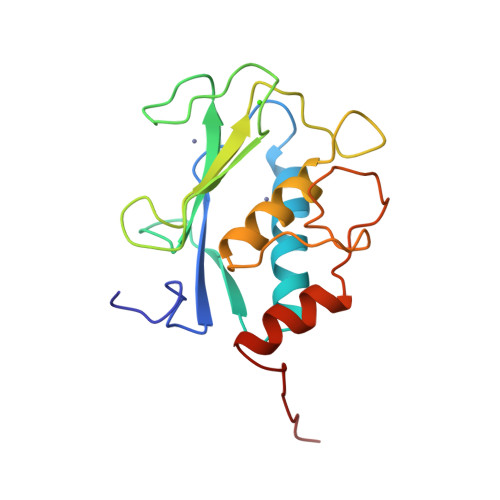
Catalase structureClick to view 3D structureCatalaseP04040HumansKnownNot Available
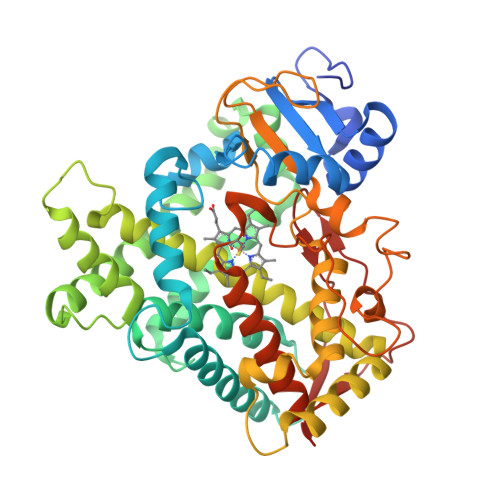
Cytochrome P450 3A4 structureClick to view 3D structureCytochrome P450 3A4P08684HumansKnownNot Available
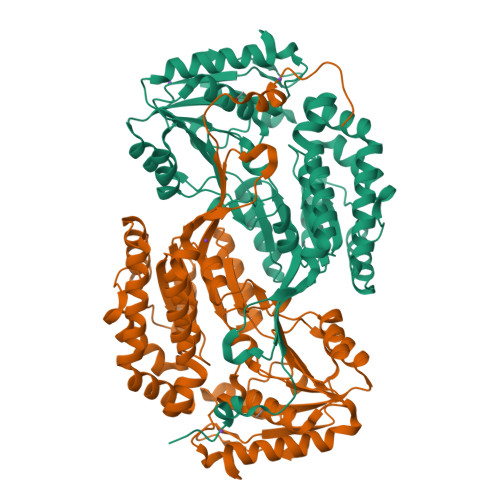
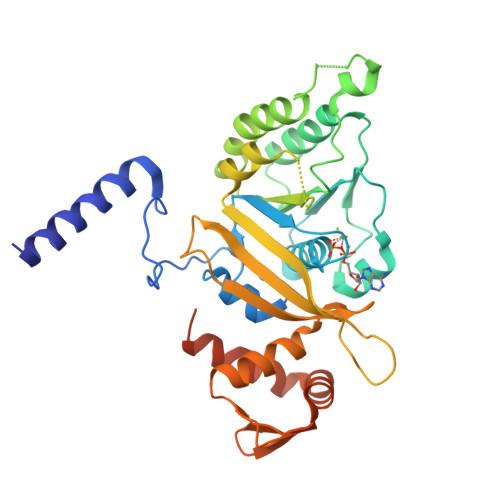
Aldehyde dehydrogenase, dimeric NADP-preferring structureClick to view 3D structureAldehyde dehydrogenase, dimeric NADP-preferringP30838HumansKnownNot Available
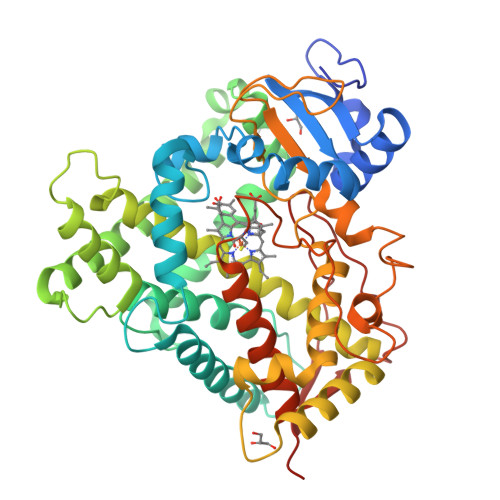
Cytochrome P450 2D6 structureClick to view 3D structureCytochrome P450 2D6P10635HumansKnownNot Available
Cytochrome P450 2C9 structureClick to view 3D structureCytochrome P450 2C9P11712HumansKnownNot Available
Cytochrome P450 2C19 structureClick to view 3D structureCytochrome P450 2C19P33261HumansKnownNot Available
Cytochrome P450 3A5 structureClick to view 3D structureCytochrome P450 3A5P20815HumansKnownNot Available
Click to view 3D structureCytochrome P450 2J2P51589HumansKnownNot Available
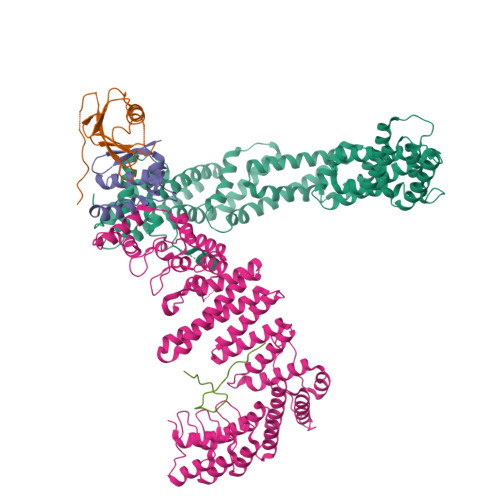
Folliculin-interacting protein 1 structureClick to view 3D structureFolliculin-interacting protein 1Q8TF40HumansPredicted (SEA)
Prediction Confidence Score
0.155
Applicability Domain
0.155 Low confidence
Statistical Significance
0.0245
Supporting Reference Compounds
1
E-value
190.964
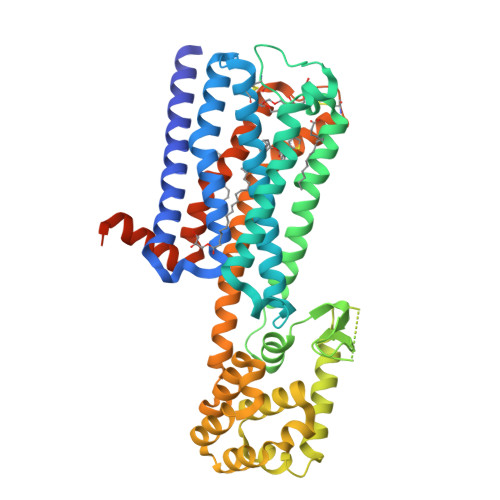
Click to view 3D structureLarge neutral amino acids transporter small subunit 1Q63016Rattus norvegicusPredicted (SEA)
Prediction Confidence Score
0.155
Applicability Domain
0.155 Low confidence
Statistical Significance
0.0531
Supporting Reference Compounds
1
E-value
413.379
Muscarinic acetylcholine receptor M1 structureClick to view 3D structureMuscarinic acetylcholine receptor M1P11229HumansPredicted (SEA)
Prediction Confidence Score
0.12
Applicability Domain
0.133 Low confidence
Statistical Significance
0.999
Supporting Reference Compounds
385
E-value
7777.29
Interstitial collagenase structureClick to view 3D structureInterstitial collagenaseP03956HumansPredicted (SEA)
Prediction Confidence Score
0.12
Applicability Domain
0.141 Low confidence
Statistical Significance
0.9967
Supporting Reference Compounds
258
E-value
7759.31
Protein RecA structureClick to view 3D structureProtein RecAP9WHJ3Mycobacterium tuberculosisPredicted (SEA)
Prediction Confidence Score
0.119
Applicability Domain
0.13 Low confidence
Statistical Significance
0.9952
Supporting Reference Compounds
296
E-value
7747.48
Cytochrome P450 1B1 structureClick to view 3D structureCytochrome P450 1B1Q16678HumansKnownNot Available
Click to view 3D structure3-ketoacyl-CoA synthase 20Q9FG87Arabidopsis thalianaPredicted (SEA)
Prediction Confidence Score
0.119
Applicability Domain
0.119 Low confidence
Statistical Significance
0.0051
Supporting Reference Compounds
1
E-value
39.4696
Muscarinic acetylcholine receptor M5 structureClick to view 3D structureMuscarinic acetylcholine receptor M5P08912HumansPredicted (SEA)
Prediction Confidence Score
0.119
Applicability Domain
0.133 Low confidence
Statistical Significance
0.9985
Supporting Reference Compounds
266
E-value
7773.4
Muscarinic acetylcholine receptor M4 structureClick to view 3D structureMuscarinic acetylcholine receptor M4P08173HumansPredicted (SEA)
Prediction Confidence Score
0.119
Applicability Domain
0.133 Low confidence
Statistical Significance
0.9988
Supporting Reference Compounds
297
E-value
7775.97
5-hydroxytryptamine receptor 2A structureClick to view 3D structure5-hydroxytryptamine receptor 2AP28223HumansPredicted (SEA)
Prediction Confidence Score
0.118
Applicability Domain
0.136 Low confidence
Statistical Significance
0.9996
Supporting Reference Compounds
955
E-value
7781.57
5-hydroxytryptamine receptor 2C structureClick to view 3D structure5-hydroxytryptamine receptor 2CP28335HumansPredicted (SEA)
Prediction Confidence Score
0.118
Applicability Domain
0.136 Low confidence
Statistical Significance
0.9995
Supporting Reference Compounds
823
E-value
7781.42
5-hydroxytryptamine receptor 1D structureClick to view 3D structure5-hydroxytryptamine receptor 1DP28221HumansPredicted (SEA)
Prediction Confidence Score
0.118
Applicability Domain
0.136 Low confidence
Statistical Significance
0.9979
Supporting Reference Compounds
365
E-value
7768.57
Click to view 3D structure5-hydroxytryptamine receptor 1AP19327Rattus norvegicusPredicted (SEA)
Prediction Confidence Score
0.118
Applicability Domain
0.136 Low confidence
Statistical Significance
0.9987
Supporting Reference Compounds
541
E-value
7775.19
Sodium-dependent noradrenaline transporter structureClick to view 3D structureSodium-dependent noradrenaline transporterP23975HumansPredicted (SEA)
Prediction Confidence Score
0.117
Applicability Domain
0.133 Low confidence
Statistical Significance
0.9994
Supporting Reference Compounds
451
E-value
7780.41
Muscarinic acetylcholine receptor M3 structureClick to view 3D structureMuscarinic acetylcholine receptor M3P20309HumansPredicted (SEA)
Prediction Confidence Score
0.117
Applicability Domain
0.133 Low confidence
Statistical Significance
0.999
Supporting Reference Compounds
310
E-value
7777.22
Sigma non-opioid intracellular receptor 1 structureClick to view 3D structureSigma non-opioid intracellular receptor 1Q99720HumansPredicted (SEA)
Prediction Confidence Score
0.117
Applicability Domain
0.133 Low confidence
Statistical Significance
0.9995
Supporting Reference Compounds
562
E-value
7780.72
Cytochrome P450 2B6 structureClick to view 3D structureCytochrome P450 2B6P20813HumansKnownNot Available
Sodium-dependent dopamine transporter structureClick to view 3D structureSodium-dependent dopamine transporterQ01959HumansPredicted (SEA)
Prediction Confidence Score
0.116
Applicability Domain
0.128 Low confidence
Statistical Significance
0.9996
Supporting Reference Compounds
506
E-value
7781.65
Cytochrome P450 2D6 structureClick to view 3D structureCytochrome P450 2D6P10635HumansPredicted (SEA)
Prediction Confidence Score
0.116
Applicability Domain
0.133 Low confidence
Statistical Significance
0.9996
Supporting Reference Compounds
1130
E-value
7781.81
Bile salt-activated lipase structureClick to view 3D structureBile salt-activated lipaseP19835HumansPredicted (SEA)
Prediction Confidence Score
0.115
Applicability Domain
0.115 Low confidence
Statistical Significance
0.2371
Supporting Reference Compounds
1
E-value
1845.73
Voltage-gated inwardly rectifying potassium channel KCNH2 structureClick to view 3D structureVoltage-gated inwardly rectifying potassium channel KCNH2Q12809HumansPredicted (SEA)
Prediction Confidence Score
0.115
Applicability Domain
0.133 Low confidence
Statistical Significance
0.9997
Supporting Reference Compounds
1498
E-value
7782.35
Click to view 3D structureG-protein coupled receptor family C group 6 member AQ8K4Z6Mus musculusPredicted (SEA)
Prediction Confidence Score
0.115
Applicability Domain
0.119 Low confidence
Statistical Significance
0.6544
Supporting Reference Compounds
2
E-value
5094.45
Muscarinic acetylcholine receptor M2 structureClick to view 3D structureMuscarinic acetylcholine receptor M2P08172HumansPredicted (SEA)
Prediction Confidence Score
0.115
Applicability Domain
0.128 Low confidence
Statistical Significance
0.9995
Supporting Reference Compounds
373
E-value
7780.87
5-hydroxytryptamine receptor 1A structureClick to view 3D structure5-hydroxytryptamine receptor 1AP08908HumansPredicted (SEA)
Prediction Confidence Score
0.115
Applicability Domain
0.136 Low confidence
Statistical Significance
0.9994
Supporting Reference Compounds
953
E-value
7780.56
Alpha-2C adrenergic receptor structureClick to view 3D structureAlpha-2C adrenergic receptorP18825HumansPredicted (SEA)
Prediction Confidence Score
0.115
Applicability Domain
0.128 Low confidence
Statistical Significance
0.9993
Supporting Reference Compounds
386
E-value
7779.71
Matrix metalloproteinase-9 structureClick to view 3D structureMatrix metalloproteinase-9P14780HumansPredicted (SEA)
Prediction Confidence Score
0.114
Applicability Domain
0.141 Low confidence
Statistical Significance
0.9985
Supporting Reference Compounds
292
E-value
7773.4
Disintegrin and metalloproteinase domain-containing protein 17 structureClick to view 3D structureDisintegrin and metalloproteinase domain-containing protein 17P78536HumansPredicted (SEA)
Prediction Confidence Score
0.114
Applicability Domain
0.141 Low confidence
Statistical Significance
0.9971
Supporting Reference Compounds
166
E-value
7762.11
Alkaline phosphatase structureClick to view 3D structureAlkaline phosphataseP00634Escherichia coli (strain K12)KnownNot Available
Estrogen receptor structureClick to view 3D structureEstrogen receptorP03372HumansKnownNot Available
Concentrations
StatusValueUnitSample LocationReference
Not Detected
External Links
DrugBank IDDB00531
HMDB IDHMDB0014672
FooDB IDNot Available
Phenol Explorer IDNot Available
KNApSAcK IDNot Available
BiGG IDNot Available
BioCyc IDNot Available
METLIN IDNot Available
PDB IDNot Available
Wikipedia LinkCyclophosphamide
Chemspider ID2804
ChEBI ID4027
PubChem Compound ID2907
Kegg Compound IDC07888
YMDB IDNot Available
ECMDB IDNot Available
References
Synthesis Reference

Riccardo Dalla-Favera, Alessandro Massimo Gianni, “Retroviral vector capable of transducing the aldehyde dehydrogenase-1 gene and making cells resistant to the chemotherapeutic agent cyclophosphamide and its derivatives and analogs.” U.S. Patent US6268138, issued March, 1999.

MSDSLink
General References
  1. Brock N: The history of the oxazaphosphorine cytostatics. Cancer. 1996 Aug 1;78(3):542-7. [PubMed: 8697402]
  2. Brock N: Oxazaphosphorine cytostatics: past-present-future. Seventh Cain Memorial Award lecture. Cancer Res. 1989 Jan 1;49(1):1-7. [PubMed: 2491747]
  3. International Agency for Research on Cancer (2014). IARC Monographs on the Evaluation of Carcinogenic Risks to Humans. - http://monographs.iarc.fr/index.php
  4. FDA label