Some data may have been extracted from scientific literature using a pipeline that uses large language models (LLMs). Source articles are cited where applicable to help verify the extracted relationships.
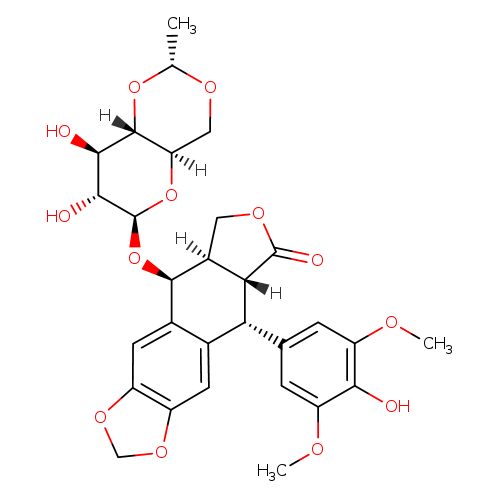
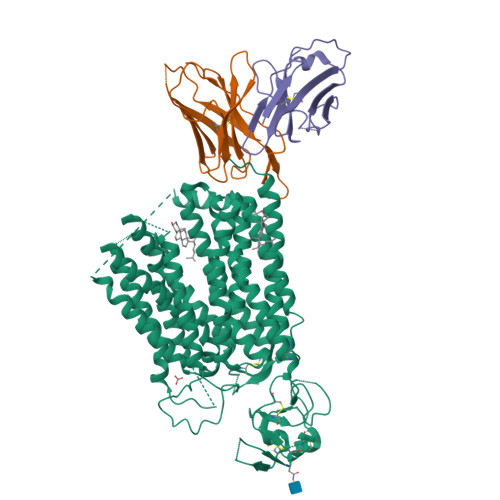
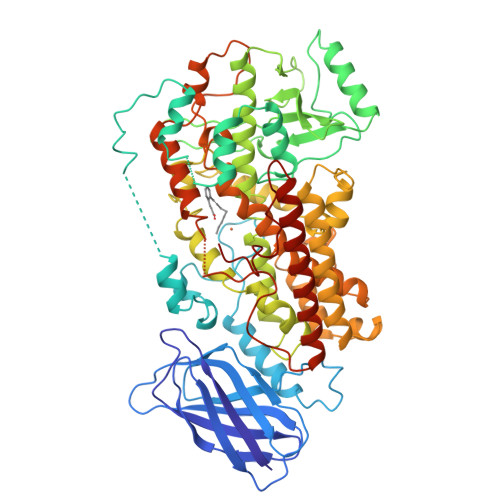
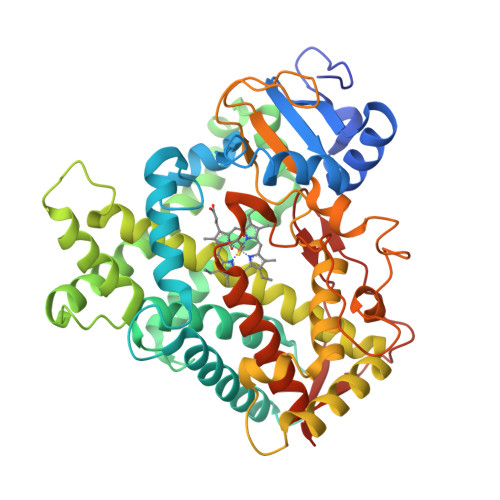
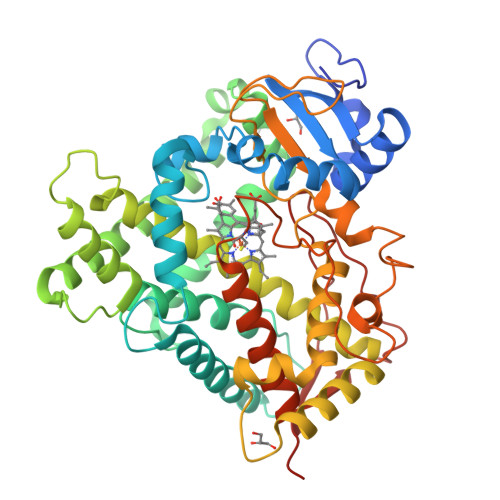
Etoposide belongs to the podophyllotoxins, a subclass of lignan lactones within the organic compounds. With an average molecular weight of 588.56 g/mol, Etoposide is a heavy molecule. This exogenous solid has the chemical formula C29H32O13. It is used as a treatment for cancer (PMC12993860 , PMC5564849 ), leukemia (PMC4558124 ), breast cancer (PMC11084730 ), prostate cancer (PMC13031462 ), pain (PMC4718299 ), and fever (PMC4718299 ). Its recorded protein targets include DNA topoisomerase 2-alpha (TOP2A) and DNA topoisomerase 2-beta (TOP2B).
Etoposide is found in or released from eight recorded sources, including healthcare, pharmaceuticals & veterinary products (antineoplastic agents), food, food processing & cookware (processing meats), household cleaning & consumer products (soap dispensers), and electrical & electronic equipment (antennas, electric switches, emergency protective devices, radio transmission systems, relays). Recorded exposure routes for the compound are oral and intravenous.
EC 5.99.1.3 [DNA topoisomerase (ATP-hydrolysing)] inhibitor (PMC2679389 , PMC12181488 )?A topoisomerase inhibitor that inhibits DNA topoisomerase (ATP-hydrolysing), EC 5.99.1.3 (topoisomerase II), which catalyses ATP-dependent breakage of both strands of DNA, passage of the unbroken strands through the breaks, and rejoining of the broken strands.
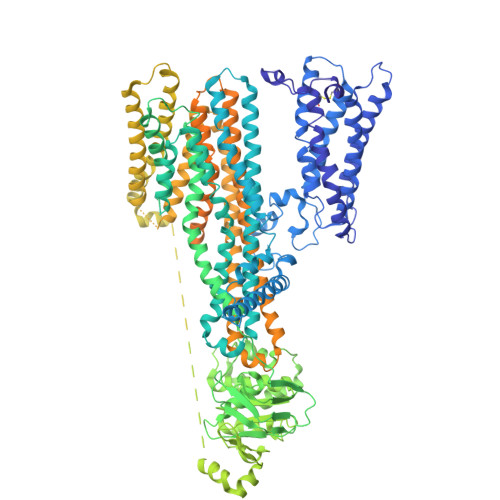
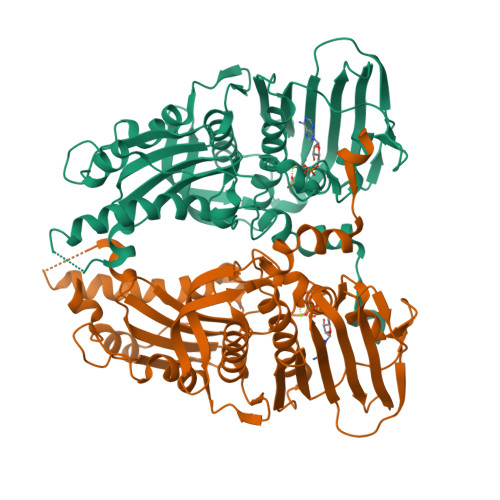
Etoposide inhibits DNA topoisomerase II, thereby inhibiting DNA re-ligation. This causes critical errors in DNA synthesis at the premitotic stage of cell division and can lead to apoptosis of the cancer cell. Etoposide is cell cycle dependent and phase specific, affecting mainly the S and G2 phases of cell division. Inhibition of the topoisomerase II alpha isoform results in the anti-tumour activity of etoposide. The drug is also capable of inhibiting the beta isoform but inhibition of this target is not associated with the anti-tumour activity. It is instead associated with the carcinogenic effect.
Cancer is a group of diseases involving abnormal cell growth with the potential to invade or spread to other parts of the body. Possible signs and symptoms include a lump, abnormal bleeding, prolonged cough, unexplained weight loss, and a change in bowel movements. There are over 100 types of cancers affect humans. The risk of developing certain cancers can be reduced by not smoking, maintaining a healthy weight, not drinking too much alcohol, eating plenty of vegetables, fruits and whole grains, vaccination against certain infectious diseases, not eating too much processed and red meat and avoiding too much sunlight exposure. Cancer is often treated with some combination of radiation therapy, surgery, chemotherapy and targeted therapy. The majority of cancers, some 90–95% of cases, are due to genetic mutations from environmental and lifestyle factors. The remaining 5–10% are due to inherited genetics.
A bronchial disease that is characterized by chronic inflammation and narrowing of the airways, which is caused by a combination of environmental and genetic factors. The disease has symptom recurring periods of wheezing (a whistling sound while breathing), has symptom chest tightness, has symptom shortness of breath, has symptom mucus production and has symptom coughing. The symptoms appear due to a variety of triggers such as allergens, irritants, respiratory infections, weather changes, exercise, stress, reflux disease, medications, foods and emotional anxiety. (DO)
A congestive heart failure characterized by a sudden stop in effective blood circulation due to the failure of the heart to contract effectively or at all.
Mantle cell lymphoma is a B-cell non-Hodgkin lymphoma (NHL). Lymphoma is a cancer of the lymphatic system, which is part of the body's germ-fighting network. The lymphatic system includes the lymph nodes (lymph glands), spleen, thymus gland, stomach and bone marrow. Mantle cell lymphoma typically develops in the outer edge of a lymph node called the mantle zone. Mantle cell lymphoma occurs more often in men than in women. It is usually diagnosed in people in their early 60s.
A bone marrow cancer characterized as the failure of bone marrow to make enough healthy blood cells and thus there are blast cells in the blood and/or bone marrow.
Lotions?Lotions are emulsified formulations primarily composed of water, oils, and various active ingredients designed for skin hydration and protection.
Antennas?Antennas, commonly used in communication technologies, can be a source of synthetic chemical contamination through the materials and coatings used in their construction.
Electric Switches?Electric switches, integral components in numerous devices, can be a source of synthetic chemical contamination due to the materials and manufacturing processes involved in their production.
Electrodes?Electrodes, used in various electrical and electronic applications, can be a source of synthetic chemical contamination due to the materials from which they are constructed and the processes involved in their manufacturing.
Emergency Protective Devices?Emergency protective devices, such as circuit breakers and surge protectors, are essential components in electrical systems designed to prevent damage from overcurrent and surges.
Food Preservation?Food preservation often involves the use of synthetic chemicals, such as preservatives, flavor enhancers, and color additives, to extend shelf life and enhance the sensory qualities of food products.
Soap Dispensers?Soap dispensers, commonly used for dispensing liquid soaps and sanitizers, can become a source of synthetic chemical contamination due to the materials used in their construction and the products they dispense.
Manufacture Of Iron Or Steel?The manufacture of iron or steel involves various processes, including smelting, refining, and alloying, which can result in the release of synthetic chemicals and contaminants.
Depilatories?Depilatories are products designed to remove unwanted hair through the application of synthetic chemicals that break down the protein structure of hair, facilitating its removal.
Eye Makeup Products?Eye makeup products, including mascaras, eyeliners, and eyeshadows, often contain a variety of synthetic chemicals such as pigments, preservatives, and film-forming agents.
Footwear?Footwear production often involves the use of various synthetic chemicals, such as adhesives, dyes, and treatments, which can contribute to environmental contamination.
Gaseous Fire Fighting?Gaseous fire fighting systems utilize synthetic chemicals, such as halocarbons and inert gases, to suppress fires through chemical and physical processes.
Airplanes And Helicopters?Airplanes and helicopters are significant sources of synthetic chemical contamination primarily through the use of aviation fuels, lubricants, and de-icing agents.
Silica Free Oxide Glass?Silica Free Oxide Glass is a type of glass that is produced using alternative materials to traditional silica-based formulations.
Nanotechnology?Nanotechnology involves the manipulation of materials at the molecular or atomic level, typically within the range of 1 to 100 nanometers.
Sludge Treatment?Sludge treatment involves the processing of waste materials generated from wastewater treatment plants, which often contain a variety of organic and inorganic substances.
Water, Wastewater, & Sewage Treatment?Water, wastewater, and sewage treatment processes are critical for managing and mitigating pollutants in water systems.
Azarova AM, Lyu YL, Lin CP, Tsai YC, Lau JY, Wang JC, Liu LF: Roles of DNA topoisomerase II isozymes in chemotherapy and secondary malignancies. Proc Natl Acad Sci U S A. 2007 Jun 26;104(26):11014-9. Epub 2007 Jun 19. [PubMed: 17578914]
Zhou Z, Zwelling LA, Ganapathi R, Kleinerman ES: Enhanced etoposide sensitivity following adenovirus-mediated human topoisomerase IIalpha gene transfer is independent of topoisomerase IIbeta. Br J Cancer. 2001 Sep 1;85(5):747-51. [PubMed: 11531262]
International Agency for Research on Cancer (2014). IARC Monographs on the Evaluation of Carcinogenic Risks to Humans. - http://monographs.iarc.fr/index.php