Some data may have been extracted from scientific literature using a pipeline that uses large language models (LLMs). Source articles are cited where applicable to help verify the extracted relationships.
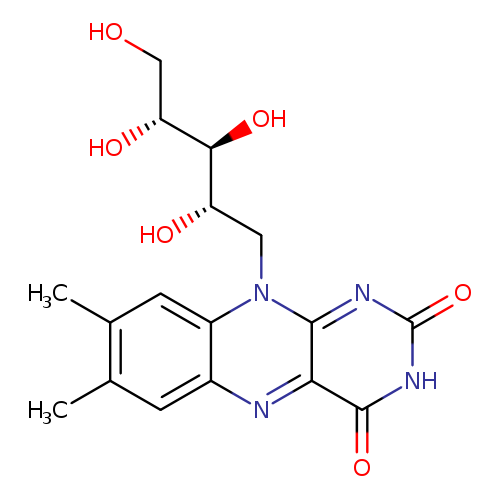
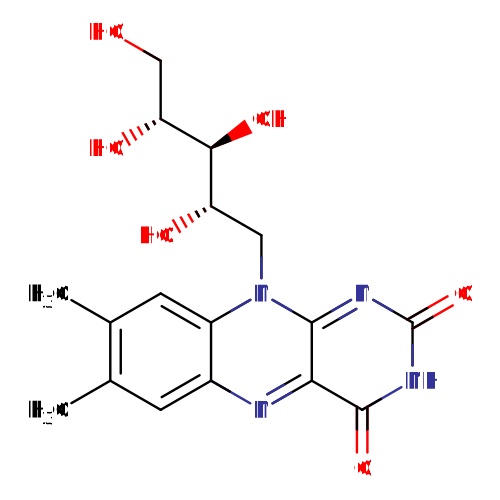
Riboflavin belongs to the alloxazines and isoalloxazines, a subclass of pteridines and derivatives within the organic compounds. It has the chemical formula $\text{C}_{17}\text{H}_{20}\text{N}_4\text{O}_6$ and an average molecular weight of 376.36 g/mol. At room temperature, this endogenous compound exists as a solid. In biological systems, it functions as a micronutrient (PMC7693651 ), metabolite (PMC11395577 ), electron donor (PMC7693651 ), and cofactor (PMC12071764 , PMC6594077 ). It is detected in the heart, liver, kidney, prostate, and erythrocyte. Among its protein targets are the androgen receptor (AR), retinoic acid receptor alpha (RARA), riboflavin kinase (RFK), and flavin reductase (NADPH) (BLVRB).
Industrially, riboflavin is utilized as a dye, additive (PMC6302729 ), softener, conditioner, and as a nutrient and flavouring. It is also considered an environmental nutrient (PMC6302729 ). Recorded sources include vitamins, ophthalmologicals, and various food processing activities such as the preparation of vinegar, wort, malt, and wine or sparkling wine, as well as the treatment of molasses. It is also found in television systems, video games, pipe accessories, tobacco product cases, non-electric simulated smoking devices, other smoking requisites, and tents or canopies. Exposure routes include intravenous, intramuscular, oral, and cutaneous.
Regarding health effects, riboflavin is used as a treatment for headache (PMC4919986 ) and has a therapeutic effect on cataract (PMC8839250 ). It is associated with an increase in Fetal Alcohol Syndrome (PMC10573427 ).
Belongs to the class of organic compounds known as flavins. Flavins are compounds containing a flavin (7,8-dimethyl-benzo[g]pteridine-2,4-dione) moiety, with a structure characterized by an isoalloaxzine tricyclic ring.
carcinogenic agent (PMC3847710 )?A role played by a chemical compound which is known to induce a process of carcinogenesis by corrupting normal cellular pathways, leading to the acquistion of tumoral capabilities.
nutrient (PMC12815788 )?A chemical in food, further ingested and utilized by an organism for its well-being, growth and reproduction.
toxin (PMC12327114 )?A chemical substance naturally produced by an organism and poisonous to other organisms
micronutrient (PMC7693651 , PMC10668813 )?A chemical consumed at low amounts via food and is essential for many physiological and biochemical processes.
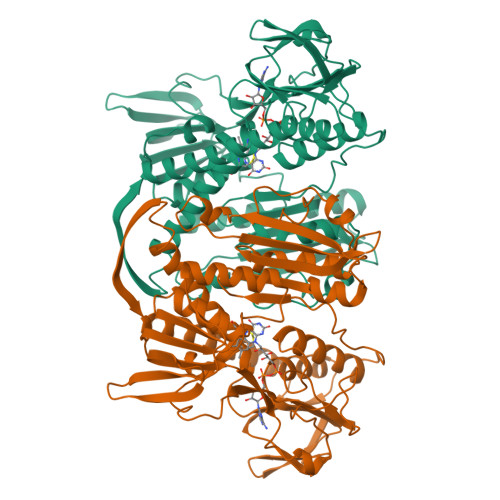
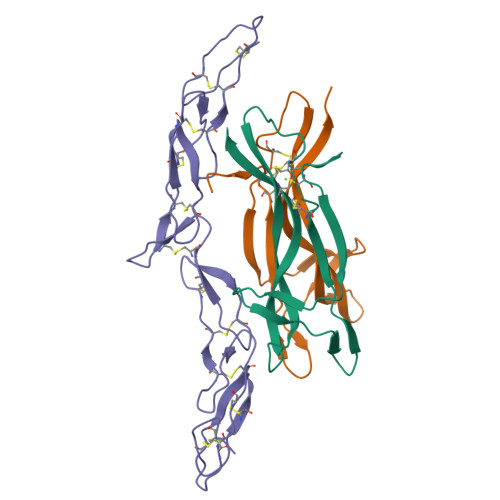
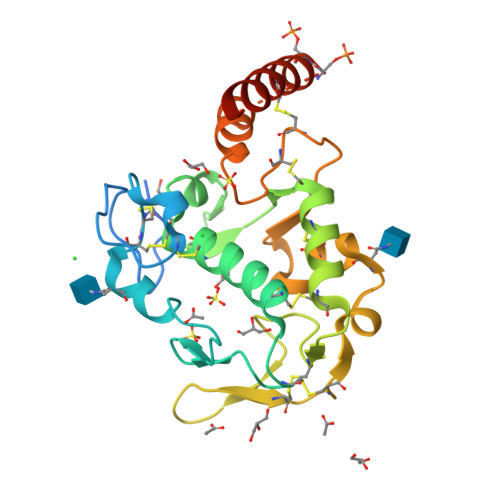
Binds to riboflavin hydrogenase, riboflavin kinase, and riboflavin synthase. Riboflavin is the precursor of flavin mononucleotide (FMN, riboflavin monophosphate) and flavin adenine dinucleotide (FAD). The antioxidant activity of riboflavin is principally derived from its role as a precursor of FAD and the role of this cofactor in the production of the antioxidant reduced glutathione. Reduced glutathione is the cofactor of the selenium-containing glutathione peroxidases among other things. The glutathione peroxidases are major antioxidant enzymes. Reduced glutathione is generated by the FAD-containing enzyme glutathione reductase.
No indication of carcinogenicity to humans (not listed by IARC).
Minimum Risk Level
Not Available
Symptoms
Not Available
Treatment
Not Available
Health Effects
Health Effect
Relationship
Direction
Description
Reference
hypertension
Has Therapeutic Effect On
Not Available
A disorder characterized by a pathological increase in blood pressure; a repeatedly elevation in the blood pressure exceeding 140 over 90 mm Hg. (NCI CTCAE)
Cancer is a group of diseases involving abnormal cell growth with the potential to invade or spread to other parts of the body. Possible signs and symptoms include a lump, abnormal bleeding, prolonged cough, unexplained weight loss, and a change in bowel movements. There are over 100 types of cancers affect humans. The risk of developing certain cancers can be reduced by not smoking, maintaining a healthy weight, not drinking too much alcohol, eating plenty of vegetables, fruits and whole grains, vaccination against certain infectious diseases, not eating too much processed and red meat and avoiding too much sunlight exposure. Cancer is often treated with some combination of radiation therapy, surgery, chemotherapy and targeted therapy. The majority of cancers, some 90–95% of cases, are due to genetic mutations from environmental and lifestyle factors. The remaining 5–10% are due to inherited genetics.
A disorder characterized by a reduction in the amount of hemoglobin in 100 ml of blood. Signs and symptoms of anemia may include pallor of the skin and mucous membranes, shortness of breath, palpitations of the heart, soft systolic murmurs, lethargy, and fatigability. (NCI CTCAE)
A disorder characterized by a reduction in the amount of hemoglobin in 100 ml of blood. Signs and symptoms of anemia may include pallor of the skin and mucous membranes, shortness of breath, palpitations of the heart, soft systolic murmurs, lethargy, and fatigability. (NCI CTCAE)
A disorder characterized by a sensation of marked discomfort in various parts of the head, not confined to the area of distribution of any nerve. (NCI CTCAE)
An acquired metabolic disease that has material basis in low pH in body tissues and blood accompanied by the buildup of lactate especially D-lactate. (DO)
A disorder characterized by partial or complete opacity of the crystalline lens of one or both eyes. This results in a decrease in visual acuity and eventual blindness if untreated. (NCI CTCAE)
A brain disease that is characterized by moderate to severe headaches, nausea, extreme sensitivity to light and sound and intense unilaterial throbbing or pulsing. (DO)
A brain disease that is characterized by moderate to severe headaches, nausea, extreme sensitivity to light and sound and intense unilaterial throbbing or pulsing. (DO)
Soil?Soil serves as a critical medium for plant growth and sustains various ecological functions; however, it can become a reservoir for synthetic chemical contamination.
Brushes?Brushes used in personal care and cosmetics can be a source of synthetic chemical contamination due to the materials and coatings used in their manufacturing.
Vitamins?Vitamins, essential organic compounds required for various biological functions, can be synthesized chemically for use in dietary supplements and pharmaceuticals.
Ophthalmologicals?Ophthalmologicals are a category of synthetic chemicals used primarily for the treatment of eye disorders, including medications such as anti-inflammatories, antibiotics, and lubricants.
Tents Or Canopies?Tents and canopies used in various applications can be a source of synthetic chemical contamination primarily due to the materials from which they are made.
Conductors Or Conductive Bodies Characterised By The Conductive Materials?Conductors, or conductive bodies, are materials that allow the flow of electrical current, typically made from metals such as copper, aluminum, or silver.
Discharge Lamps?Discharge lamps, including fluorescent and high-intensity discharge (HID) lamps, are commonly used for lighting applications due to their energy efficiency and brightness.
Electrically Stimulated Smoking Devices?Electrically stimulated smoking devices, commonly known as e-cigarettes or vape pens, utilize electrical components to heat a liquid solution, often containing nicotine, flavorings, and other additives, to produce an aerosol for inhalation.
Electrodes?Electrodes, used in various electrical and electronic applications, can be a source of synthetic chemical contamination due to the materials from which they are constructed and the processes involved in their manufacturing.
Hybrid Capacitors?Hybrid capacitors are energy storage devices that combine the properties of electrolytic and supercapacitors, utilizing a combination of electrochemical principles to achieve higher energy density and power density.
Television Systems?Television systems can be a source of synthetic chemical contamination due to the various materials and components used in their manufacture and operation.
Food Preservation?Food preservation often involves the use of synthetic chemicals, such as preservatives, flavor enhancers, and color additives, to extend shelf life and enhance the sensory qualities of food products.
Molasses And Treatment Of Molasses?Molasses is a thick, viscous byproduct of sugar production, derived from the extraction of sugar cane or sugar beet juice.
Preparation Of Malt?Malt preparation involves the germination and drying of cereal grains, primarily barley, to produce malt for brewing and food products.
Preparation Of Vinegar?Vinegar is produced through the fermentation of ethanol by acetic acid bacteria, resulting in a solution that typically contains 4-8% acetic acid.
Preparation Of Wine Or Sparkling Wine?The preparation of wine or sparkling wine involves various stages, including fermentation, aging, and bottling, which can introduce potential sources of synthetic chemical contamination.
Treatment Of Hops?Hops, a key ingredient in brewing and food flavoring, can be a source of synthetic chemical contamination due to various agricultural practices.
Bleaching Agents?Bleaching agents are chemical substances used to whiten or lighten materials, often employed in various cleaning products for their stain removal and disinfecting properties.
Non Electric Simulated Smoking Devices?Non-electric simulated smoking devices, often designed to mimic the experience of smoking without combustion, can be sources of synthetic chemical contamination due to the materials and chemicals used in their construction and operation.
Other Smoking Requisites?Other smoking requisites, including items such as lighters, matches, and rolling papers, can introduce synthetic chemical contamination through various components and additives.
Perfumes Within Detergents And Soaps?Perfumes within detergents and soaps are synthetic fragrance compounds added to enhance the sensory experience of cleaning products.
Pipe Accessories?Pipe accessories, such as fittings, connectors, and seals, are components used in plumbing systems to facilitate the flow of liquids and gases.
Soap Detergents?Soap detergents are synthetic surfactants designed to enhance the cleaning efficacy of water by reducing surface tension, allowing for better interaction with dirt and grease.
Tobacco Product Cases?Tobacco product cases can serve as a source of synthetic chemical contamination due to the presence of various additives and chemicals used in tobacco processing and product manufacturing.
Tobacco Smoke Filters?Tobacco smoke filters are designed to reduce the inhalation of harmful substances in cigarette smoke, including tar and other particulate matter.
Manufacture Preparation Of Tobacco Products?The manufacture and preparation of tobacco products involve various processes that can result in the introduction of synthetic chemicals into the environment.
Marine Propulsion Or Steering?Marine propulsion and steering systems often rely on various synthetic chemicals, including lubricants, fuels, and hydraulic fluids.
Aftersun Products?Aftersun products are designed to soothe and hydrate the skin after sun exposure, often containing various synthetic chemicals such as emollients, preservatives, and fragrances.
Anti Perspirants Or Body Deoderants?Antiperspirants and body deodorants commonly contain synthetic chemicals such as aluminum compounds, parabens, and synthetic fragrances.
Body Washing Or Cleaning Implements?Body washing or cleaning implements, such as synthetic sponges, loofahs, and washcloths, can be sources of synthetic chemical contamination due to the materials used in their production.
Depilatories?Depilatories are products designed to remove unwanted hair through the application of synthetic chemicals that break down the protein structure of hair, facilitating its removal.
Essential Oils Or Perfumes?Essential oils and perfumes are complex mixtures of volatile compounds derived from natural or synthetic sources, commonly used for their aromatic properties.
Eye Makeup Products?Eye makeup products, including mascaras, eyeliners, and eyeshadows, often contain a variety of synthetic chemicals such as pigments, preservatives, and film-forming agents.
Face Mask Cosmetics?Face mask cosmetics often contain a variety of synthetic chemicals, including preservatives, emulsifiers, and fragrances, which can contribute to chemical contamination.
Lip Care Products?Lip care products, including lipsticks, balms, and glosses, often contain a variety of synthetic chemicals such as parabens, phthalates, and synthetic fragrances.
Lip Makeup Products?Lip makeup products, such as lipsticks, lip glosses, and lip liners, often contain a variety of synthetic chemicals, including pigments, preservatives, and emollients.
Manicure Pedicure?Manicure and pedicure procedures often involve the use of various synthetic chemicals, including solvents, nail polishes, and nail adhesives.
Footwear?Footwear production often involves the use of various synthetic chemicals, such as adhesives, dyes, and treatments, which can contribute to environmental contamination.
Headwear?Headwear made from synthetic materials often incorporates chemicals used in the manufacturing and finishing processes, such as dyes, flame retardants, and water repellents.
Purses Luggage Hand Bags?Purses, luggage, and handbags are often manufactured using synthetic materials such as polyvinyl chloride (PVC), polyurethane, and various types of nylon.
Ropes?Ropes manufactured from synthetic fibers, such as polypropylene, nylon, and polyester, are widely used in various applications, including marine, construction, and outdoor activities.
Yarns Or Threads?Yarns or threads used in textiles can be a source of synthetic chemical contamination due to the production processes and treatments they undergo.
Nitrogenous Fertilisers?Nitrogenous fertilizers are synthetic chemical compounds primarily used to enhance plant growth by supplying essential nitrogen, a crucial nutrient for photosynthesis and protein synthesis.
Treatment Of Milk Or Cream?The treatment of milk or cream involves various processes such as pasteurization, homogenization, and the addition of preservatives to enhance shelf life and safety.
Nanotechnology?Nanotechnology involves the manipulation of materials at the molecular or atomic level, typically within the range of 1 to 100 nanometers.
Contact Lens Cases?Contact lens cases are small containers designed to store contact lenses in a sterile environment, typically made from various synthetic materials including plastics such as polypropylene or polycarbonate.
Sludge Treatment?Sludge treatment involves the processing of waste materials generated from wastewater treatment plants, which often contain a variety of organic and inorganic substances.
Water, Wastewater, & Sewage Treatment?Water, wastewater, and sewage treatment processes are critical for managing and mitigating pollutants in water systems.
Zempleni J, Galloway JR, McCormick DB: Pharmacokinetics of orally and intravenously administered riboflavin in healthy humans. Am J Clin Nutr. 1996 Jan;63(1):54-66. [PubMed: 8604671]
Sreekumar A, Poisson LM, Rajendiran TM, Khan AP, Cao Q, Yu J, Laxman B, Mehra R, Lonigro RJ, Li Y, Nyati MK, Ahsan A, Kalyana-Sundaram S, Han B, Cao X, Byun J, Omenn GS, Ghosh D, Pennathur S, Alexander DC, Berger A, Shuster JR, Wei JT, Varambally S, Beecher C, Chinnaiyan AM: Metabolomic profiles delineate potential role for sarcosine in prostate cancer progression. Nature. 2009 Feb 12;457(7231):910-4. doi: 10.1038/nature07762. [PubMed: 19212411]
Mathew JL, Kabi BC, Rath B: Anti-oxidant vitamins and steroid responsive nephrotic syndrome in Indian children. J Paediatr Child Health. 2002 Oct;38(5):450-37. [PubMed: 12354259]
Booth CK, Clark T, Fenn A: Folic acid, riboflavin, thiamine, and vitamin B-6 status of a group of first-time blood donors. Am J Clin Nutr. 1998 Nov;68(5):1075-80. [PubMed: 9808225]
Boisvert WA, Mendoza I, Castaneda C, De Portocarrero L, Solomons NW, Gershoff SN, Russell RM: Riboflavin requirement of healthy elderly humans and its relationship to macronutrient composition of the diet. J Nutr. 1993 May;123(5):915-25. [PubMed: 8487103]
Mikalunas V, Fitzgerald K, Rubin H, McCarthy R, Craig RM: Abnormal vitamin levels in patients receiving home total parenteral nutrition. J Clin Gastroenterol. 2001 Nov-Dec;33(5):393-6. [PubMed: 11606856]
Belko AZ, Obarzanek E, Roach R, Rotter M, Urban G, Weinberg S, Roe DA: Effects of aerobic exercise and weight loss on riboflavin requirements of moderately obese, marginally deficient young women. Am J Clin Nutr. 1984 Sep;40(3):553-61. [PubMed: 6475825]
Alexander M, Emanuel G, Golin T, Pinto JT, Rivlin RS: Relation of riboflavin nutriture in healthy elderly to intake of calcium and vitamin supplements: evidence against riboflavin supplementation. Am J Clin Nutr. 1984 Apr;39(4):540-6. [PubMed: 6546833]
Baeckert PA, Greene HL, Fritz I, Oelberg DG, Adcock EW: Vitamin concentrations in very low birth weight infants given vitamins intravenously in a lipid emulsion: measurement of vitamins A, D, and E and riboflavin. J Pediatr. 1988 Dec;113(6):1057-65. [PubMed: 3142982]
Maiani G, Mobarhan S, Nicastro A, Virgili F, Scaccini C, Ferro-Luzzi A: [Determination of glutathione reductase activity in erythrocytes and whole blood as an indicator of riboflavin nutrition]. Acta Vitaminol Enzymol. 1983;5(3):171-8. [PubMed: 6650303]
Bamji MS, Bhaskaram P, Jacob CM: Urinary riboflavin excretion and erythrocyte glutathione reductase activity in preschool children suffering from upper respiratory infections and measles. Ann Nutr Metab. 1987;31(3):191-6. [PubMed: 3592624]
Ajayi OA: Bioavailability of riboflavin from fortified palm juice. Plant Foods Hum Nutr. 1989 Dec;39(4):375-80. [PubMed: 2631092]
Kodentsova VM, Vrzhesinskaya OA, Spirichev VB: Fluorometric riboflavin titration in plasma by riboflavin-binding apoprotein as a method for vitamin B2 status assessment. Ann Nutr Metab. 1995;39(6):355-60. [PubMed: 8678471]
Bates CJ, Powers HJ: A simple fluorimetric assay for pyridoxamine phosphate oxidase in erythrocyte haemolysates: effects of riboflavin supplementation and of glucose 6-phosphate dehydrogenase deficiency. Hum Nutr Clin Nutr. 1985 Mar;39(2):107-15. [PubMed: 4019261]
Brun TA, Chen J, Campbell TC, Boreham J, Feng Z, Parpia B, Shen TF, Li M: Urinary riboflavin excretion after a load test in rural China as a measure of possible riboflavin deficiency. Eur J Clin Nutr. 1990 Mar;44(3):195-206. [PubMed: 2369885]
Mulherin DM, Thurnham DI, Situnayake RD: Glutathione reductase activity, riboflavin status, and disease activity in rheumatoid arthritis. Ann Rheum Dis. 1996 Nov;55(11):837-40. [PubMed: 8976642]
Rao PN, Levine E, Myers MO, Prakash V, Watson J, Stolier A, Kopicko JJ, Kissinger P, Raj SG, Raj MH: Elevation of serum riboflavin carrier protein in breast cancer. Cancer Epidemiol Biomarkers Prev. 1999 Nov;8(11):985-90. [PubMed: 10566553]
Zhou X, Huang C, Hong J, Yao S: [Nested case-control study on riboflavin levels in blood and urine and the risk of lung cancer]. Wei Sheng Yan Jiu. 2003 Nov;32(6):597-8, 601. [PubMed: 14963913]
Thurnham DI, Zheng SF, Munoz N, Crespi M, Grassi A, Hambidge KM, Chai TF: Comparison of riboflavin, vitamin A, and zinc status of Chinese populations at high and low risk for esophageal cancer. Nutr Cancer. 1985;7(3):131-43. [PubMed: 3878498]
Bates CJ, Prentice AM, Paul AA, Prentice A, Sutcliffe BA, Whitehead RG: Riboflavin status in infants born in rural Gambia, and the effect of a weaning food supplement. Trans R Soc Trop Med Hyg. 1982;76(2):253-8. [PubMed: 7101408]
Dror Y, Stern F, Komarnitsky M: Optimal and stable conditions for the determination of erythrocyte glutathione reductase activation coefficient to evaluate riboflavin status. Int J Vitam Nutr Res. 1994;64(4):257-62. [PubMed: 7883462]
Switzer BR, Stark AH, Atwood JR, Ritenbaugh C, Travis RG, Wu HM: Development of a urinary riboflavin adherence marker for a wheat bran fiber community intervention trial. Cancer Epidemiol Biomarkers Prev. 1997 Jun;6(6):439-42. [PubMed: 9184778]


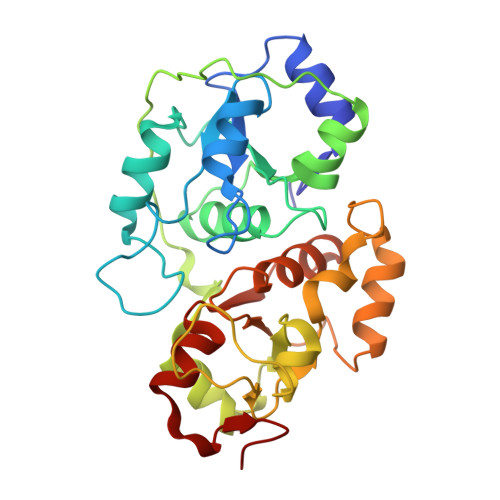
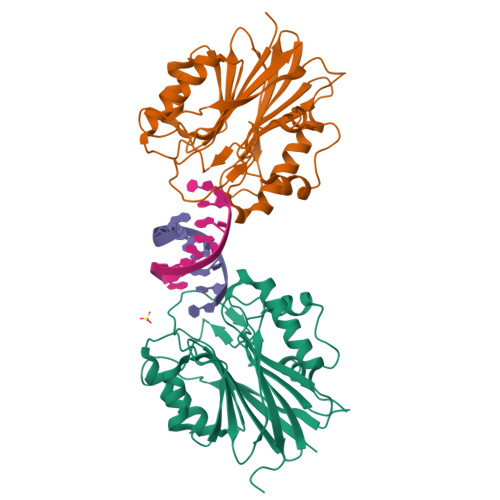

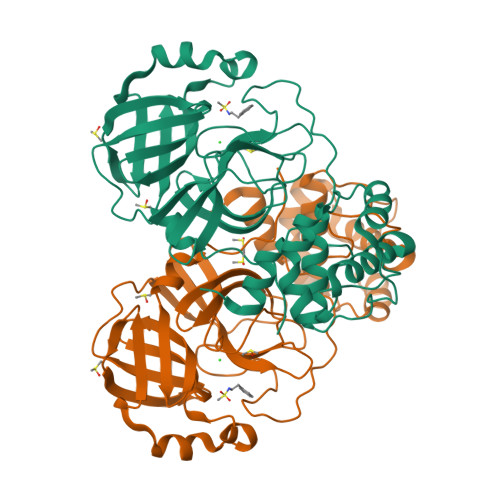

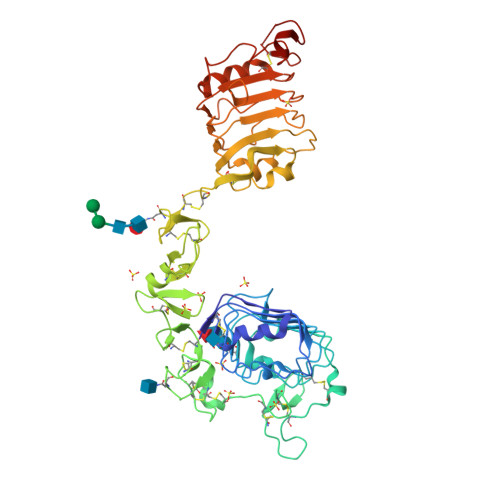
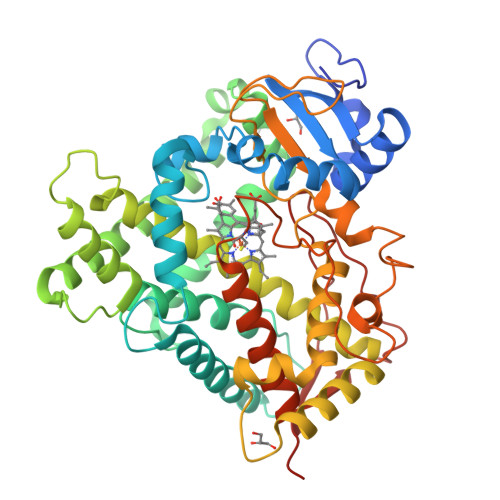
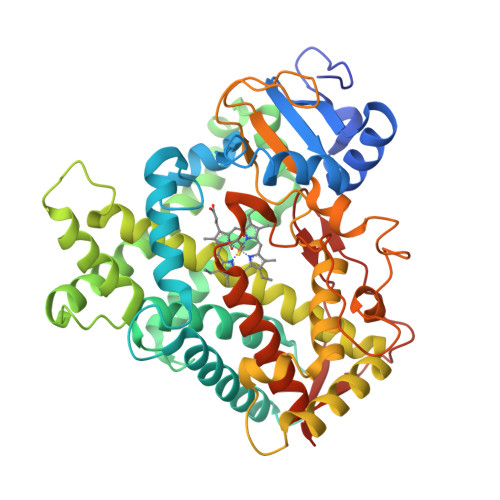

![Poly [ADP-ribose] polymerase 1 structure](https://cdn.rcsb.org/images/structures/1uk0_assembly-1.jpeg)

![Poly [ADP-ribose] polymerase 2 structure](https://cdn.rcsb.org/images/structures/3kcz_assembly-1.jpeg)