Linoleic acid (CED0001071)

Record Information
Version1.0
Creation Date2014-09-11 05:22:52 UTC
Update Date2026-05-14 19:40:44 UTC
SynCED IDCED0001071
Secondary Accession Numbers
  • CHEM003884
  • T3D4928
Identification
Common NameLinoleic acid
ClassSmall Molecule
Description
Linoleic acid belongs to the lineolic acids and derivatives, a subclass of fatty acyls within the organic compounds. This endogenous liquid has the formula C18H32O2 and an average molecular weight of 280.45 g/mol. Biologically, it functions as a fatty acid (PMC12858508 ), a polyunsaturated fatty acid (PMC11832627 ), an agonist (PMC5796020 ), and an antioxidant (PMC12192122 , PMC12447544 ). Industrially, it is utilized as an unsaturated fatty acid (PMC3876569 ), a surfactant, a flavouring and nutrient, a fragrance, and a reducing agent (PMC9879203 ). The compound is detected in various tissues, including the skin, muscle, kidney, intestine, placenta, spleen, prostate, platelet, erythrocyte, adipose tissue, fibroblasts, myelin, and stratum corneum. It interacts with several protein targets, including the inhibitor of Translocator protein (TSPO), Peroxisome proliferator-activated receptor gamma (PPARG), Nuclear receptor subfamily 1 group I member 2 (NR1I2), and Peroxisome proliferator-activated receptor alpha (PPARA). Linoleic acid is released from plastics such as polyamide, polystyrene, and polypropylene, while results are inconclusive for high-density polyethylene. It is found in indoor air, soap dispensers, other smoking requisites, and various food processing and cookware materials, including food contact materials and the preparation of vinegar, wine, sparkling wine, malt, and wort. It is also present in electrical and electronic equipment, such as communication cables, antennas, line transmission systems, auxiliary devices, and colour television systems. Exposure routes include oral, inhalation, and touch. Regarding health effects, linoleic acid is associated with an increase in atherosclerosis (PMC11546306 ) and is linked to cancer (PMC10804595 ). However, it is associated with a decrease in inflammation (PMC10804595 , PMC4558433 ) and arteriosclerosis (PMC12447544 ). It has demonstrated therapeutic effects on inflammation (PMC12873061 ), colorectal cancer (PMC8347246 ), and cervical cancer (PMC11434949 ).
Contaminant Type
  • Food Toxin
  • Household Toxin
  • Metabolite
  • Natural Compound
  • Organic Compound
  • Plant Toxin
Chemical Structure
Synonyms
ValueSource
(9Z,12Z)-Octadecadienoic acidChEBI
(Z,Z)-9,12-Octadecadienoic acidChEBI
9-cis,12-cis-Octadecadienoic acidChEBI
9Z,12Z-Octadecadienoic acidChEBI
Acide cis-linoleiqueChEBI
Acide linoleiqueChEBI
Acido linoleicoChEBI
all-cis-9,12-Octadecadienoic acidChEBI
C18:2 9C, 12C Omega6 todos cis-9,12-octadienoicoChEBI
C18:2, N-6,9 all-cisChEBI
cis,cis-9,12-Octadecadienoic acidChEBI
cis,cis-Linoleic acidChEBI
cis-Delta(9,12)-Octadecadienoic acidChEBI
LAChEBI
Linolic acidChEBI
9-cis,12-cis-OctadecadienoateKegg
(9Z,12Z)-OctadecadienoateGenerator
(Z,Z)-9,12-OctadecadienoateGenerator
9Z,12Z-OctadecadienoateGenerator
all-cis-9,12-OctadecadienoateGenerator
cis,cis-9,12-OctadecadienoateGenerator
cis,cis-LinoleateGenerator
cis-delta(9,12)-OctadecadienoateGenerator
cis-Δ(9,12)-octadecadienoateGenerator
cis-Δ(9,12)-octadecadienoic acidGenerator
LinolateGenerator
LinoleateGenerator
(9Z,12Z)-9,12-OctadecadienoateHMDB
(9Z,12Z)-9,12-Octadecadienoic acidHMDB
9-cis,12-cis-LinoleateHMDB
9-cis,12-cis-Linoleic acidHMDB
9Z,12Z-LinoleateHMDB
9Z,12Z-Linoleic acidHMDB
cis-9,cis-12-OctadecadienoateHMDB
cis-9,cis-12-Octadecadienoic acidHMDB
cis-D9,12-OctadecadienoateHMDB
cis-D9,12-Octadecadienoic acidHMDB
Emersol 315HMDB
Extra linoleic 90HMDB
Polylin 515HMDB
Unifac 6550HMDB
Acid, 9,12-octadecadienoicHMDB
Linoelaidic acidHMDB
Linoleic acid, (e,e)-isomerHMDB
Linoleic acid, (Z,Z)-isomerHMDB
Linoleic acid, (Z,Z)-isomer, 14C-labeledHMDB
Linoleic acid, ammonium salt, (Z,Z)-isomerHMDB
Linoleic acid, potassium salt, (Z,Z)-isomerHMDB
9 trans,12 trans Octadecadienoic acidHMDB
9-trans,12-trans-Octadecadienoic acidHMDB
Linoleic acid, sodium salt, (e,e)-isomerHMDB
Linoleic acid, sodium salt, (Z,Z)-isomerHMDB
trans,trans-9,12-Octadecadienoic acidHMDB
9,12-Octadecadienoic acidHMDB
Linoelaidic acid, (e,Z)-isomerHMDB
Linoleic acid, calcium salt, (Z,Z)-isomerHMDB
Linolelaidic acidHMDB
9,12 Octadecadienoic acidHMDB
Linoleic acid, (Z,e)-isomerHMDB
FA(18:2(9Z,12Z))HMDB
Chemical FormulaC18H32O2
Average Molecular Mass280.446 g/mol
Monoisotopic Mass280.240 g/mol
CAS Registry Number60-33-3
IUPAC Name(9Z,12Z)-octadeca-9,12-dienoic acid
Traditional Namelinoleic
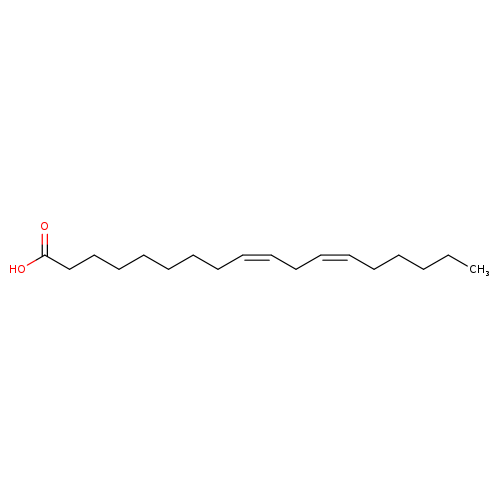
SMILESCCCCC\C=C/C\C=C/CCCCCCCC(O)=O
InChI IdentifierInChI=1S/C18H32O2/c1-2-3-4-5-6-7-8-9-10-11-12-13-14-15-16-17-18(19)20/h6-7,9-10H,2-5,8,11-17H2,1H3,(H,19,20)/b7-6-,10-9-
InChI KeyOYHQOLUKZRVURQ-HZJYTTRNSA-N
Chemical Taxonomy
Description Belongs to the class of organic compounds known as lineolic acids and derivatives. These are derivatives of lineolic acid. Lineolic acid is a polyunsaturated omega-6 18 carbon long fatty acid, with two CC double bonds at the 9- and 12-positions.
KingdomOrganic compounds
Super ClassLipids and lipid-like molecules
ClassFatty Acyls
Sub ClassLineolic acids and derivatives
Direct ParentLineolic acids and derivatives
Alternative Parents
Substituents
  • Octadecanoid
  • Long-chain fatty acid
  • Fatty acid
  • Unsaturated fatty acid
  • Straight chain fatty acid
  • Monocarboxylic acid or derivatives
  • Carboxylic acid
  • Carboxylic acid derivative
  • Organic oxygen compound
  • Organic oxide
  • Hydrocarbon derivative
  • Organooxygen compound
  • Carbonyl group
  • Aliphatic acyclic compound
Molecular FrameworkAliphatic acyclic compounds
External Descriptors
Biological Properties
StatusDetected and Not Quantified
OriginEndogenous
Cellular Locations
  • Cytoplasm
  • Extracellular
  • Membrane
Biofluid LocationsNot Available
Tissue Locations
  • Adipose Tissue
  • Erythrocyte
  • Fibroblasts
  • Intestine
  • Kidney
  • Muscle
  • Myelin
  • Placenta
  • Platelet
  • Prostate
  • Skin
  • Spleen
  • Stratum Corneum
ApplicationsNot Available
Biological Roles
Chemical RolesNot Available
Organoleptic Effects
  • colorless colour ?
  • bitter taste ?
  • rancid odour ?
Physical Properties
StateLiquid
AppearanceNot Available
Experimental Properties
PropertyValue
Melting Point-8.5 °C
Boiling Point230°C
SolubilityNot Available
Predicted Properties
PropertyValueSource
Water Solubility0.00015 g/LALOGPS
logP7.06ALOGPS
logP6.42ChemAxon
logS-6.3ALOGPS
pKa (Strongest Acidic)4.99ChemAxon
Physiological Charge-1ChemAxon
Hydrogen Acceptor Count2ChemAxon
Hydrogen Donor Count1ChemAxon
Polar Surface Area37.3 ŲChemAxon
Rotatable Bond Count14ChemAxon
Refractivity88.52 m³·mol⁻¹ChemAxon
Polarizability35.86 ųChemAxon
Number of Rings0ChemAxon
BioavailabilityNoChemAxon
Rule of FiveNoChemAxon
Ghose FilterNoChemAxon
Veber's RuleNoChemAxon
MDDR-like RuleNoChemAxon
Spectra
Spectra
Spectrum TypeDescriptionSplash KeyDeposition DateView
GC-MSGC-MS Spectrumsplash10-000t-7900000000-b6ee03c4800464c37471Not AvailableView Spectrum
GC-MSGC-MS Spectrumsplash10-00vi-9300000000-c92dac639ced59eb5dbeNot AvailableView Spectrum
GC-MSGC-MS Spectrumsplash10-003s-9700000000-77e67d7b1a161e6ecfa6Not AvailableView Spectrum
GC-MSGC-MS Spectrumsplash10-000t-7900000000-b6ee03c4800464c37471Not AvailableView Spectrum
GC-MSGC-MS Spectrumsplash10-00vi-9300000000-c92dac639ced59eb5dbeNot AvailableView Spectrum
GC-MSGC-MS Spectrumsplash10-003s-9700000000-77e67d7b1a161e6ecfa6Not AvailableView Spectrum
Predicted GC-MSPredicted GC-MS Spectrumsplash10-0007-9750000000-50d69948d56dd2ba6e42Not AvailableView Spectrum
Predicted GC-MSPredicted GC-MS Spectrumsplash10-0079-9631000000-cc93c24bbf14d81ae9b6Not AvailableView Spectrum
Predicted GC-MSPredicted GC-MS SpectrumNot AvailableNot AvailableView Spectrum
LC-MS/MSLC-MS/MS Spectrumsplash10-0f89-0190000000-2be9501b1d4a9fcbd1c0Not AvailableView Spectrum
LC-MS/MSLC-MS/MS Spectrumsplash10-0uk9-0790000000-7f6e35a591f977bc488eNot AvailableView Spectrum
LC-MS/MSLC-MS/MS Spectrumsplash10-0udi-0090000000-c56edc2bbf9d6752aec5Not AvailableView Spectrum
LC-MS/MSLC-MS/MS Spectrumsplash10-004i-0090000000-baf4579e26c6b393d391Not AvailableView Spectrum
LC-MS/MSLC-MS/MS Spectrumsplash10-004i-0090000000-815c1682b2c59ba96f10Not AvailableView Spectrum
LC-MS/MSLC-MS/MS Spectrumsplash10-004i-0090000000-3406b2b2d5756807e1cdNot AvailableView Spectrum
LC-MS/MSLC-MS/MS Spectrumsplash10-004i-0090000000-2fb4975278fa4d118f43Not AvailableView Spectrum
LC-MS/MSLC-MS/MS Spectrumsplash10-0a6r-9380000000-37f833673c248405c8efNot AvailableView Spectrum
LC-MS/MSLC-MS/MS Spectrumsplash10-0a4i-9200000000-7d34ed5900a17ffe3f9bNot AvailableView Spectrum
LC-MS/MSLC-MS/MS Spectrumsplash10-004i-0090010000-f8df6099e003402f2566Not AvailableView Spectrum
LC-MS/MSLC-MS/MS Spectrumsplash10-004i-0091021000-0e44779958d5744d873bNot AvailableView Spectrum
LC-MS/MSLC-MS/MS Spectrumsplash10-004i-0090010000-f8df6099e003402f2566Not AvailableView Spectrum
LC-MS/MSLC-MS/MS Spectrumsplash10-004i-0091021000-0e44779958d5744d873bNot AvailableView Spectrum
LC-MS/MSLC-MS/MS Spectrumsplash10-004i-0090000000-adbf36f0a17c33ac33f8Not AvailableView Spectrum
LC-MS/MSLC-MS/MS Spectrumsplash10-004i-0090000000-2747c83af78732eb6e16Not AvailableView Spectrum
LC-MS/MSLC-MS/MS Spectrumsplash10-004i-0090000000-a0415b1cb63b4562b40eNot AvailableView Spectrum
LC-MS/MSLC-MS/MS Spectrumsplash10-004i-0090000000-761ea81b8bab078f93e1Not AvailableView Spectrum
LC-MS/MSLC-MS/MS Spectrumsplash10-004i-0090000000-3cc0508fd4dfd47921e5Not AvailableView Spectrum
LC-MS/MSLC-MS/MS Spectrumsplash10-004i-0090000000-48fd5edde8cf27cedd72Not AvailableView Spectrum
LC-MS/MSLC-MS/MS Spectrumsplash10-004i-2090000000-16b3fa5138f83873bd6fNot AvailableView Spectrum
LC-MS/MSLC-MS/MS Spectrumsplash10-00di-9000000000-46fdee94b5a787f1b81fNot AvailableView Spectrum
LC-MS/MSLC-MS/MS Spectrumsplash10-004i-0090000000-815c1682b2c59ba96f10Not AvailableView Spectrum
LC-MS/MSLC-MS/MS Spectrumsplash10-004i-0090000000-3406b2b2d5756807e1cdNot AvailableView Spectrum
LC-MS/MSLC-MS/MS Spectrumsplash10-004i-0090000000-2fb4975278fa4d118f43Not AvailableView Spectrum
LC-MS/MSLC-MS/MS Spectrumsplash10-0a6r-9390000000-37f833673c248405c8efNot AvailableView Spectrum
LC-MS/MSLC-MS/MS Spectrumsplash10-0a4i-9200000000-7d34ed5900a17ffe3f9bNot AvailableView Spectrum
LC-MS/MSLC-MS/MS Spectrumsplash10-03di-0090000000-82b408190d4a59b1e1cbNot AvailableView Spectrum
LC-MS/MSLC-MS/MS Spectrumsplash10-004i-0090000000-adbf36f0a17c33ac33f8Not AvailableView Spectrum
LC-MS/MSLC-MS/MS Spectrumsplash10-004i-0090000000-2747c83af78732eb6e16Not AvailableView Spectrum
LC-MS/MSLC-MS/MS Spectrumsplash10-004i-0090000000-a0415b1cb63b4562b40eNot AvailableView Spectrum
LC-MS/MSLC-MS/MS Spectrumsplash10-03dj-3960000000-2340777df62fe1184a7aNot AvailableView Spectrum
LC-MS/MSLC-MS/MS Spectrumsplash10-000t-6910000000-b12a8635b08a2205a4baNot AvailableView Spectrum
LC-MS/MSLC-MS/MS Spectrumsplash10-015a-9600000000-770f56ddeb6a5596548fNot AvailableView Spectrum
LC-MS/MSLC-MS/MS Spectrumsplash10-0159-9400000000-8e7d06bf03376e9d8239Not AvailableView Spectrum
LC-MS/MSLC-MS/MS Spectrumsplash10-0159-9200000000-d23bb8f6f68d036e6746Not AvailableView Spectrum
LC-MS/MSLC-MS/MS Spectrumsplash10-014l-9100000000-91836022b4397ea67489Not AvailableView Spectrum
LC-MS/MSLC-MS/MS Spectrumsplash10-004i-0090000000-3834ba779dc4f0997eb3Not AvailableView Spectrum
LC-MS/MSLC-MS/MS Spectrumsplash10-001i-9000000000-a89b2c526062f9136c98Not AvailableView Spectrum
LC-MS/MSLC-MS/MS Spectrumsplash10-03e9-1290000000-19aadcf57d222c0c5168Not AvailableView Spectrum
LC-MS/MSLC-MS/MS Spectrumsplash10-000t-9740000000-f92d07d5376b98e74a51Not AvailableView Spectrum
LC-MS/MSLC-MS/MS Spectrumsplash10-004i-0090000000-f28ec706a8ab9d7c9190Not AvailableView Spectrum
LC-MS/MSLC-MS/MS Spectrumsplash10-004i-0090000000-059bbe1472261950bc90Not AvailableView Spectrum
LC-MS/MSLC-MS/MS Spectrumsplash10-004i-0090000000-2261610edc55b97d8a72Not AvailableView Spectrum
LC-MS/MSLC-MS/MS Spectrumsplash10-004i-0090000000-5ffb73563c8cff6abaacNot AvailableView Spectrum
LC-MS/MSLC-MS/MS Spectrumsplash10-004i-0090000000-a0415b1cb63b4562b40eNot AvailableView Spectrum
LC-MS/MSLC-MS/MS Spectrumsplash10-004i-0090000000-ba4d78c9cb2a91428521Not AvailableView Spectrum
LC-MS/MSLC-MS/MS Spectrumsplash10-03dj-3960000000-6ceceb374fdf11717e22Not AvailableView Spectrum
LC-MS/MSLC-MS/MS Spectrumsplash10-000t-6910000000-ecf6d003a080305833b1Not AvailableView Spectrum
LC-MS/MSLC-MS/MS Spectrumsplash10-0159-9200000000-e39ffb16b34fdbecebd9Not AvailableView Spectrum
LC-MS/MSLC-MS/MS Spectrumsplash10-00di-9000000000-46fdee94b5a787f1b81fNot AvailableView Spectrum
LC-MS/MSLC-MS/MS Spectrumsplash10-014l-9100000000-8d6ae3f8a72899300a40Not AvailableView Spectrum
LC-MS/MSLC-MS/MS Spectrumsplash10-004i-0090000000-cbba4d80dcf42d628f9bNot AvailableView Spectrum
LC-MS/MSLC-MS/MS Spectrumsplash10-004i-2090000000-16b3fa5138f83873bd6fNot AvailableView Spectrum
LC-MS/MSLC-MS/MS Spectrumsplash10-0159-9400000000-5631de66ff4058237227Not AvailableView Spectrum
LC-MS/MSLC-MS/MS Spectrumsplash10-015a-9600000000-b382f823ec60f7a765e8Not AvailableView Spectrum
LC-MS/MSLC-MS/MS Spectrumsplash10-004i-0090000000-f27e357b00a0709bc44aNot AvailableView Spectrum
LC-MS/MSLC-MS/MS Spectrumsplash10-004i-0090000000-761ea81b8bab078f93e1Not AvailableView Spectrum
LC-MS/MSLC-MS/MS Spectrumsplash10-03e9-1290000000-c52caf95b186068833a4Not AvailableView Spectrum
LC-MS/MSLC-MS/MS Spectrumsplash10-0002-9000000000-fcd26a40d536d988b13aNot AvailableView Spectrum
LC-MS/MSLC-MS/MS Spectrumsplash10-004i-0090000000-54e6a03a5baade813058Not AvailableView Spectrum
LC-MS/MSLC-MS/MS Spectrumsplash10-05fu-9000000000-261703d939cb2b4c7534Not AvailableView Spectrum
LC-MS/MSLC-MS/MS Spectrumsplash10-004i-0090000000-93c2a43358b7bbcbee70Not AvailableView Spectrum
LC-MS/MSLC-MS/MS Spectrumsplash10-004i-2090000000-4510b011813d8a28b933Not AvailableView Spectrum
LC-MS/MSLC-MS/MS Spectrumsplash10-004i-0090000000-945534022f9d0bb30fc4Not AvailableView Spectrum
Predicted LC-MS/MSPredicted LC-MS/MS Spectrumsplash10-03di-0090000000-8bdf8d54a29f73494242Not AvailableView Spectrum
Predicted LC-MS/MSPredicted LC-MS/MS Spectrumsplash10-0239-4590000000-e5ee57553b064eae2efeNot AvailableView Spectrum
Predicted LC-MS/MSPredicted LC-MS/MS Spectrumsplash10-00rf-9830000000-b26ba057a2b4d135b478Not AvailableView Spectrum
Predicted LC-MS/MSPredicted LC-MS/MS Spectrumsplash10-004i-0090000000-f1e9e4b543f7d4f48bf8Not AvailableView Spectrum
Predicted LC-MS/MSPredicted LC-MS/MS Spectrumsplash10-01ti-0090000000-665523c6142ff4e39c96Not AvailableView Spectrum
Predicted LC-MS/MSPredicted LC-MS/MS Spectrumsplash10-0a4l-9240000000-dca36a25ad7519d500c3Not AvailableView Spectrum
Predicted LC-MS/MSPredicted LC-MS/MS Spectrumsplash10-01q9-4490000000-34d022e92adb12233277Not AvailableView Spectrum
Predicted LC-MS/MSPredicted LC-MS/MS Spectrumsplash10-05nb-9510000000-9da883ee93b3b636335aNot AvailableView Spectrum
Predicted LC-MS/MSPredicted LC-MS/MS Spectrumsplash10-067l-9000000000-098cc0b065f491e644b1Not AvailableView Spectrum
Predicted LC-MS/MSPredicted LC-MS/MS Spectrumsplash10-004i-0090000000-03fd7d53d39127d02766Not AvailableView Spectrum
Predicted LC-MS/MSPredicted LC-MS/MS Spectrumsplash10-01t9-1090000000-e5b6404e73269d5a2528Not AvailableView Spectrum
Predicted LC-MS/MSPredicted LC-MS/MS Spectrumsplash10-0006-9210000000-da81d6d1d7b1e626e905Not AvailableView Spectrum
MSMS Spectrumsplash10-015a-9200000000-a193c27810bedf93c498Not AvailableView Spectrum
Toxicity Profile
Toxicity Values
Toxicity ValueOrganismDose DescriptorRoute of ExposurePredicted or ExperimentalToxicity RatingReference
6852.0 Log mg/kg [3900:12000]RatLD50oralpredictedNot AvailableNot Available
0.9 mM European RabbitNOELenvironmentalexperimentalNot AvailableECOTOX - EPA ORD
0.09 mM European RabbitNOELenvironmentalexperimentalNot AvailableECOTOX - EPA ORD
Toxicity / Toxin ClassNot Available
Mechanism of ToxicityNot Available
Carcinogenicity (IARC Classification)No indication of carcinogenicity to humans (not listed by IARC).
Minimum Risk LevelNot Available
SymptomsNot Available
TreatmentNot Available
Health Effects
Health EffectRelationshipDirectionDescriptionReference
inflammationAssociated With?decreaseNot AvailablePMC10804595 , PMC4558433
inflammationHas Therapeutic Effect OnNot AvailableNot AvailablePMC12873061
inflammationAssociated With?Not AvailableNot AvailablePMC4558433 , PMC12598498
inflammationAssociated With?increaseNot AvailablePMC8001919 , PMC6213852
cancerAssociated With?Not AvailableCancer is a group of diseases involving abnormal cell growth with the potential to invade or spread to other parts of the body. Possible signs and symptoms include a lump, abnormal bleeding, prolonged cough, unexplained weight loss, and a change in bowel movements. There are over 100 types of cancers affect humans. The risk of developing certain cancers can be reduced by not smoking, maintaining a healthy weight, not drinking too much alcohol, eating plenty of vegetables, fruits and whole grains, vaccination against certain infectious diseases, not eating too much processed and red meat and avoiding too much sunlight exposure. Cancer is often treated with some combination of radiation therapy, surgery, chemotherapy and targeted therapy. The majority of cancers, some 90–95% of cases, are due to genetic mutations from environmental and lifestyle factors. The remaining 5–10% are due to inherited genetics.PMC10804595 , PMC4631807
dementiaHas Therapeutic Effect OnNot AvailableA cognitive disorder resulting from a loss of brain function affecting memory, thinking, language, judgement and behavior. (DO)PMC3291812
breast cancerAssociated With?Not AvailableA breast cancer that has material basis in abnormally proliferating cells derives from epithelial cells. (DO)PMC4509565
type 2 diabetes mellitusAssociated With?decreaseNot AvailablePMC8781370 , PMC12733572
colorectal cancerHas Therapeutic Effect OnNot AvailableA large intestine cancer that is located in the colon and/or located in the rectum. (DO)PMC8347246
infertilityHas Therapeutic Effect OnNot AvailableA disorder characterized by the inability to reproduce by natural means.PMC10261808
cervical cancerHas Therapeutic Effect OnNot AvailableA female reproductive organ cancer that is located in the cervix. (DO)PMC11434949
liver cancerNot AvailableNot AvailableLiver cancer, also known as hepatic cancer and primary hepatic cancer, is cancer that starts in the liver. Cancer which has spread from elsewhere to the liver, known as liver metastasis, is more common than that which starts in the liver. Symptoms of liver cancer may include a lump or pain in the right side below the rib cage, swelling of the abdomen, yellowish skin, easy bruising, weight loss and weakness.("Adult Primary Liver Cancer Treatment (PDQ®)–Patient Version". NCI. 6 July 2016. Archived from the original on 2 October 2016. Retrieved 29 September 2016) The leading cause of liver cancer is cirrhosis due to hepatitis B, hepatitis C or alcohol.(PMID: 25530442) The most common types of liver cancer are hepatocellular carcinoma (HCC), which makes up 80% of cases, and cholangiocarcinoma.(World Cancer Report 2014. World Health Organization. 2014. pp. Chapter 5.6. ISBN 978-9283204299) Globally, as of 2010, liver cancer resulted in 754,000 deaths, up from 460,000 in 1990, making it the third leading cause of cancer death after lung and stomach.(PMID: 23245604) In 2012, it represented 7% of cancer diagnoses in men, the 5th most diagnosed cancer that year.(World Cancer Report 2014. International Agency for Research on Cancer, World Health Organization. 2014. ISBN 978-92-832-0432-9)PMC6332070
colon cancerHas Therapeutic Effect OnNot AvailableNot AvailablePMC2528242
obesityAssociated With?Not AvailableA disorder characterized by having a high amount of body fat. (NCI CTCAE)PMC3609096 , PMC6536831
obesityAssociated With?increaseA disorder characterized by having a high amount of body fat. (NCI CTCAE)PMC12860999
atherosclerosisAssociated With?increaseA disorder involving build-up of fatty material and calcium deposition in the arterial wall. It results in partial or complete occlusion of the arterial lumen.PMC11546306 , PMC11279679
atherosclerosisHas Therapeutic Effect OnNot AvailableA disorder involving build-up of fatty material and calcium deposition in the arterial wall. It results in partial or complete occlusion of the arterial lumen.PMC2952079
atherosclerosisAssociated With?Not AvailableA disorder involving build-up of fatty material and calcium deposition in the arterial wall. It results in partial or complete occlusion of the arterial lumen.PMC6984740
atherosclerosisAssociated With?decreaseA disorder involving build-up of fatty material and calcium deposition in the arterial wall. It results in partial or complete occlusion of the arterial lumen.PMC6230391
myocardial infarctionAssociated With?increaseA disorder characterized by gross necrosis of the myocardium; this is due to an interruption of blood supply to the area. (NCI CTCAE)PMC8421571
arteriosclerosisAssociated With?decreaseAn artery disease that is characterized by a thickening and hardening of arterial walls in the arteries. (DO)PMC12447544
coronary artery diseaseAssociated With?decreaseAn artery disease that is characterized by plaque building up along the inner walls of the arteries of the heart resulting in a narrowing of the arteries and a reduced blood supply to the cardiac muscles. (DO)PMC8781370
coronary artery diseaseIs Biomarker OfNot AvailableAn artery disease that is characterized by plaque building up along the inner walls of the arteries of the heart resulting in a narrowing of the arteries and a reduced blood supply to the cardiac muscles. (DO)PMC12948907
atopic dermatitisHas Therapeutic Effect OnNot AvailableNot AvailablePMC11487415
alopeciaAssociated With?Not AvailableA disorder characterized by the partial or complete lack of hair growth.PMC10541307
Toxic encephalopathyAssociated With?Not AvailableNot AvailablePMC5735491
Toxic encephalopathyHas Therapeutic Effect OnNot AvailableNot AvailablePMC3068843
autoimmune diseaseAssociated With?Not AvailableAn autoimmune disease is a condition arising from an abnormal immune response to a functioning body part. There are at least 80 types of autoimmune diseases. Nearly any body part can be involved. Common symptoms include low grade fever and feeling tired. Some autoimmune diseases such as lupus run in families, and certain cases may be triggered by infections or other environmental factors. Some common diseases that are generally considered autoimmune include celiac disease, diabetes mellitus type 1, Graves' disease, inflammatory bowel disease, multiple sclerosis, psoriasis, rheumatoid arthritis, and systemic lupus erythematosus. About 24 million (7%) people in the United States are affected by an autoimmune disease. Women are more commonly affected than men.PMC4631807
ovarian carcinomaHas Therapeutic Effect OnNot AvailableNot AvailablePMC8347246
prostate carcinomaAssociated With?Not AvailableNot AvailablePMC4509565
retinoblastomaAssociated With?Not AvailableRetinoblastoma (Rb) is a rare form of cancer that rapidly develops from the immature cells of a retina, the light-detecting tissue of the eye. It is the most common primary malignant intraocular cancer in children, and it is almost exclusively found in young children. The most common and obvious sign of retinoblastoma is an abnormal appearance of the retina as viewed through the pupil, the medical term for which is leukocoria, also known as amaurotic cat's eye reflex. Retinoblastoma is caused by mutations in the RB1 gene which encodes retinoblastoma protein. Most mutations in the RB1 gene prevent it from making any functional protein, so cells are unable to regulate cell division effectively. As a result, certain cells in the retina can divide uncontrollably to form a cancerous tumor. Retinoblastoma is diagnosed in 250 to 350 children per year in the United States. It accounts for about 4 percent of all cancers in children younger than 15 years. (https://ghr.nlm.nih.gov/condition/retinoblastoma) (Wikipedia)PMC10842486
abdominal obesity-metabolic syndromeAssociated With?decreaseNot AvailablePMC8781370
abdominal obesity-metabolic syndromeHas Therapeutic Effect OnNot AvailableNot AvailablePMC11574950
Oxidative StressHas Therapeutic Effect OnNot AvailableNot AvailablePMC5746416 , PMC12577300
cardiovascular disorderAssociated With?increaseNot AvailablePMC11546306 , PMC5503778
cardiovascular disorderHas Therapeutic Effect OnNot AvailableNot AvailablePMC12192122
cardiovascular disorderAssociated With?decreaseNot AvailablePMC12447544 , PMC7794924
Chronic DiseaseAssociated With?Not AvailableNot AvailablePMC8534758
disease of metabolismAssociated With?Not AvailableNot AvailablePMC6984740
metabolic diseaseHas Therapeutic Effect OnNot AvailableNot AvailablePMC12192122
metabolic diseaseAssociated With?Not AvailableNot AvailablePMC8534758
infectious diseaseHas Therapeutic Effect OnNot AvailableNot AvailablePMC10261808
HypoxiaAssociated With?increaseNot AvailablePMC13418359
NeuroprotectionHas Therapeutic Effect OnNot AvailableNot AvailablePMC3068843 , PMC3068843
colon adenocarcinomaAssociated With?Not AvailableNot AvailablePMC9916361
Skin PigmentationAssociated With?increaseNot AvailablePMC3834387
Exposure Sources
Source IDSourceSectorReference
CEDs000010Insecticides?Insecticides are synthetic chemicals designed to control or eliminate insect pests that threaten crops and other agricultural products.Agriculture & land managementPubChem
CEDs000012Fertilizer?Fertilizers, which are often synthesized from chemical compounds such as ammonia, nitrates, and phosphates, are widely used to enhance soil fertility and promote plant growth.Agriculture & land managementPMC10020260
CEDs000013Soil?Soil serves as a critical medium for plant growth and sustains various ecological functions; however, it can become a reservoir for synthetic chemical contamination.Agriculture & land managementPMC7390820 , PMC7390820
CEDs000019Indoor air?Indoor air can be a significant reservoir for synthetic chemical contaminants, which often originate from various sources within enclosed environments.Air, dust & atmospheric transportPMC8744937
CEDs000048Marine sediment?Marine sediment can serve as a significant reservoir for synthetic chemical contaminants, which may originate from various anthropogenic activities.Aquatic systems & sedimentsPMC11782340 , PMC11782340
CEDs000233Brushes?Brushes used in personal care and cosmetics can be a source of synthetic chemical contamination due to the materials and coatings used in their manufacturing.Personal care & cosmeticsPubChem
CEDs000464Leachate?Leachate is a liquid that forms when water percolates through waste material, dissolving soluble compounds and carrying various contaminants.Waste management, landfill & incinerationPMC11206383
CEDs000469Sewage sludge?Sewage sludge is a byproduct generated during the treatment of wastewater in municipal and industrial processes.Wastewater, sanitation & biosolidsPMC7390820
CEDs000490Personal care & cosmeticsNot Available
CEDs000494Food contact materials?Food contact materials refer to substances and products that are intended to come into contact with food during processing, packaging, or preparation.Food, food processing & cookwareNot Available
CEDs000506Antennas?Antennas, commonly used in communication technologies, can be a source of synthetic chemical contamination through the materials and coatings used in their construction.Electrical & Electronic EquipmentPubChem
CEDs000507Auxiliary Devices?Auxiliary devices, such as capacitors, transformers, and circuit breakers, are integral components in various electronic systems.Electrical & Electronic EquipmentPubChem
CEDs000509Colour Television Systems?Colour television systems contain various synthetic chemicals that can lead to environmental contamination.Electrical & Electronic EquipmentPubChem
CEDs000510Communication Cables Or Conductors?Communication cables or conductors are essential components in the transmission of data and signals in various applications, including telecommunications and networking.Electrical & Electronic EquipmentPubChem
CEDs000511Conductors Or Conductive Bodies Characterised By The Conductive Materials?Conductors, or conductive bodies, are materials that allow the flow of electrical current, typically made from metals such as copper, aluminum, or silver.Electrical & Electronic EquipmentPubChem
CEDs000514Discharge Lamps?Discharge lamps, including fluorescent and high-intensity discharge (HID) lamps, are commonly used for lighting applications due to their energy efficiency and brightness.Electrical & Electronic EquipmentPubChem
CEDs000517Electric Switches?Electric switches, integral components in numerous devices, can be a source of synthetic chemical contamination due to the materials and manufacturing processes involved in their production.Electrical & Electronic EquipmentPubChem
CEDs000518Electrically Stimulated Smoking Devices?Electrically stimulated smoking devices, commonly known as e-cigarettes or vape pens, utilize electrical components to heat a liquid solution, often containing nicotine, flavorings, and other additives, to produce an aerosol for inhalation.Electrical & Electronic EquipmentPubChem
CEDs000519Electrodes?Electrodes, used in various electrical and electronic applications, can be a source of synthetic chemical contamination due to the materials from which they are constructed and the processes involved in their manufacturing.Electrical & Electronic EquipmentPubChem
CEDs000521Fixed Capacitors And Their Manufacture?Fixed capacitors are passive electronic components used to store and release electrical energy, playing a critical role in various circuits.Electrical & Electronic EquipmentPubChem
CEDs000524Hybrid Capacitors?Hybrid capacitors are energy storage devices that combine the properties of electrolytic and supercapacitors, utilizing a combination of electrochemical principles to achieve higher energy density and power density.Electrical & Electronic EquipmentPubChem
CEDs000525Line Transmission Systems?Line Transmission Systems, commonly used for the distribution of electrical energy, can be a source of synthetic chemical contamination through the insulation materials and coatings utilized in their construction.Electrical & Electronic EquipmentPubChem
CEDs000527Magnets?Magnets, commonly used in various electrical and electronic applications, can be a source of synthetic chemical contamination due to the materials used in their production.Electrical & Electronic EquipmentPubChem
CEDs000529Power Cables?Power cables are used to transmit electrical energy and are typically composed of conductive materials, insulation, and protective coatings.Electrical & Electronic EquipmentPubChem
CEDs000535Superconducting Magnets And Superconducting Coils?Superconducting magnets and coils are utilized in various applications that require strong magnetic fields, such as magnetic resonance imaging (MRI) and particle accelerators.Electrical & Electronic EquipmentPubChem
CEDs000538Thin Magnetic Films?Thin magnetic films are layers of magnetic material ranging from a few nanometers to several micrometers in thickness, commonly used in applications such as magnetic sensors, data storage devices, and electronic components.Electrical & Electronic EquipmentPubChem
CEDs000539Video Games?Video games, through their production and disposal processes, can be a source of synthetic chemical contamination.Electrical & Electronic EquipmentPubChem
CEDs000544Fermentation Processes For Beer?Fermentation processes for beer involve the conversion of sugars into alcohol and carbon dioxide by yeast.Food, food processing & cookwarePubChem
CEDs000545Food Preservation?Food preservation often involves the use of synthetic chemicals, such as preservatives, flavor enhancers, and color additives, to extend shelf life and enhance the sensory qualities of food products.Food, food processing & cookwarePubChem
CEDs000547Preparation Of Malt?Malt preparation involves the germination and drying of cereal grains, primarily barley, to produce malt for brewing and food products.Food, food processing & cookwarePubChem
CEDs000548Preparation Of Vinegar?Vinegar is produced through the fermentation of ethanol by acetic acid bacteria, resulting in a solution that typically contains 4-8% acetic acid.Food, food processing & cookwarePubChem
CEDs000549Preparation Of Wine Or Sparkling Wine?The preparation of wine or sparkling wine involves various stages, including fermentation, aging, and bottling, which can introduce potential sources of synthetic chemical contamination.Food, food processing & cookwarePubChem
CEDs000550Preparation Of Wort?The preparation of wort involves the extraction of sugars from malted grains, a crucial step in the brewing process.Food, food processing & cookwarePubChem
CEDs000552Processing Meats?Processing meats can lead to synthetic chemical contamination primarily through the use of additives and preservatives.Food, food processing & cookwarePubChem
CEDs000553Treatment Of Hops?Hops, a key ingredient in brewing and food flavoring, can be a source of synthetic chemical contamination due to various agricultural practices.Food, food processing & cookwarePubChem
CEDs000555Bleaching Agents?Bleaching agents are chemical substances used to whiten or lighten materials, often employed in various cleaning products for their stain removal and disinfecting properties.Household cleaning & consumer productsPubChem
CEDs000556Cigar Cigarettes?Cigar cigarettes are a source of synthetic chemical contamination due to the combustion of various tobacco blends and additives.Household cleaning & consumer productsPubChem
CEDs000560Other Smoking Requisites?Other smoking requisites, including items such as lighters, matches, and rolling papers, can introduce synthetic chemical contamination through various components and additives.Household cleaning & consumer productsPubChem
CEDs000561Perfumes Within Detergents And Soaps?Perfumes within detergents and soaps are synthetic fragrance compounds added to enhance the sensory experience of cleaning products.Household cleaning & consumer productsPubChem
CEDs000563Soap Detergents?Soap detergents are synthetic surfactants designed to enhance the cleaning efficacy of water by reducing surface tension, allowing for better interaction with dirt and grease.Household cleaning & consumer productsPubChem
CEDs000564Soap Dispensers?Soap dispensers, commonly used for dispensing liquid soaps and sanitizers, can become a source of synthetic chemical contamination due to the materials used in their construction and the products they dispense.Household cleaning & consumer productsPubChem
CEDs000569Tobacco Smoke Filters?Tobacco smoke filters are designed to reduce the inhalation of harmful substances in cigarette smoke, including tar and other particulate matter.Household cleaning & consumer productsPubChem
CEDs000577Watch Chains?Watch chains, often made from various metals and synthetic materials, can be a source of chemical contamination due to the presence of coatings, adhesives, and plasticizers used in their manufacturing.Household itemsPubChem
CEDs000579Manufacture Of Iron Or Steel?The manufacture of iron or steel involves various processes, including smelting, refining, and alloying, which can result in the release of synthetic chemicals and contaminants.Industrial manufacturing & chemical processingPubChem
CEDs000580Manufacture Preparation Of Tobacco Products?The manufacture and preparation of tobacco products involve various processes that can result in the introduction of synthetic chemicals into the environment.Industrial manufacturing & chemical processingPubChem
CEDs000581Paper Making Machines?Paper making machines utilize various synthetic chemicals throughout the production process, including additives, coatings, and bleaching agents.Industrial manufacturing & chemical processingPubChem
CEDs000596Acaricides?Acaricides are synthetic chemicals specifically designed to target and control mite populations that can damage crops and plants.Agriculture & land managementPubChem
CEDs000597Chemosterilants?Chemosterilants are synthetic chemicals designed to induce sterility in target pest populations, thereby controlling their reproduction and mitigating damage to crops.Agriculture & land managementPubChem
CEDs000600Herbicides And Algicides?Herbicides and algicides are synthetic chemicals primarily used to control unwanted plants and algae in various environments.Agriculture & land managementPubChem
CEDs000603Nematocides?Nematocides are synthetic chemicals specifically designed to control nematodes, which are microscopic roundworms that can cause significant damage to crops and plants.Agriculture & land managementPubChem
CEDs000604Pest Attractants?Pest attractants are synthetic chemicals designed to lure specific pests for monitoring or control purposes.Agriculture & land managementPubChem
CEDs000605Pest Repellants?Pest repellents, often formulated from synthetic chemicals, are widely used to protect crops from insect infestations and other pests.Agriculture & land managementPubChem
CEDs000606Plant Growth Regulators?Plant Growth Regulators (PGRs) are synthetic chemicals designed to influence the growth and development of plants.Agriculture & land managementPubChem
CEDs000607Rodenticides(1)?Rodenticides are synthetic chemicals specifically formulated to control rodent populations, serving as a crucial tool in managing pests that can damage crops and spread diseases.Agriculture & land managementPubChem
CEDs000608Rodenticides?Rodenticides are chemical substances specifically designed to control rodent populations by causing death through various mechanisms, including anticoagulation or neurotoxicity.Agriculture & land managementPubChem
CEDs000609Aftershave?Aftershave is a grooming product typically used to soothe and protect the skin following shaving.Personal care & cosmeticsPubChem
CEDs000610Aftersun Products?Aftersun products are designed to soothe and hydrate the skin after sun exposure, often containing various synthetic chemicals such as emollients, preservatives, and fragrances.Personal care & cosmeticsPubChem
CEDs000611Anti Perspirants Or Body Deoderants?Antiperspirants and body deodorants commonly contain synthetic chemicals such as aluminum compounds, parabens, and synthetic fragrances.Personal care & cosmeticsPubChem
CEDs000612Body Washing Or Cleaning Implements?Body washing or cleaning implements, such as synthetic sponges, loofahs, and washcloths, can be sources of synthetic chemical contamination due to the materials used in their production.Personal care & cosmeticsPubChem
CEDs000613Depilatories?Depilatories are products designed to remove unwanted hair through the application of synthetic chemicals that break down the protein structure of hair, facilitating its removal.Personal care & cosmeticsPubChem
CEDs000614Essential Oils Or Perfumes?Essential oils and perfumes are complex mixtures of volatile compounds derived from natural or synthetic sources, commonly used for their aromatic properties.Personal care & cosmeticsPubChem
CEDs000615Eye Makeup Products?Eye makeup products, including mascaras, eyeliners, and eyeshadows, often contain a variety of synthetic chemicals such as pigments, preservatives, and film-forming agents.Personal care & cosmeticsPubChem
CEDs000616Face Mask Cosmetics?Face mask cosmetics often contain a variety of synthetic chemicals, including preservatives, emulsifiers, and fragrances, which can contribute to chemical contamination.Personal care & cosmeticsPubChem
CEDs000617Lip Care Products?Lip care products, including lipsticks, balms, and glosses, often contain a variety of synthetic chemicals such as parabens, phthalates, and synthetic fragrances.Personal care & cosmeticsPubChem
CEDs000618Lip Makeup Products?Lip makeup products, such as lipsticks, lip glosses, and lip liners, often contain a variety of synthetic chemicals, including pigments, preservatives, and emollients.Personal care & cosmeticsPubChem
CEDs000619Manicure Pedicure?Manicure and pedicure procedures often involve the use of various synthetic chemicals, including solvents, nail polishes, and nail adhesives.Personal care & cosmeticsPubChem
CEDs000630Toys?Toys, particularly those made from synthetic materials such as plastics, can be a source of chemical contamination due to the presence of various additives and compounds used in their production.Recreation & sports surfacesPubChem
CEDs000632Apparel?Apparel production often involves the use of various synthetic chemicals, including dyes, finishing agents, and preservatives.Textiles, leather & furnishingsPubChem
CEDs000639Degreasing Leather?Degreasing leather involves the removal of natural fats and oils from animal hides to prepare them for tanning and finishing processes.Textiles, leather & furnishingsPubChem
CEDs000641Foam Dyeing?Foam dyeing is a textile dyeing technique that utilizes a foaming agent to create a dye solution in a gaseous form, allowing for the application of dyes onto fabrics.Textiles, leather & furnishingsPubChem
CEDs000642Footwear?Footwear production often involves the use of various synthetic chemicals, such as adhesives, dyes, and treatments, which can contribute to environmental contamination.Textiles, leather & furnishingsPubChem
CEDs000643Headwear?Headwear made from synthetic materials often incorporates chemicals used in the manufacturing and finishing processes, such as dyes, flame retardants, and water repellents.Textiles, leather & furnishingsPubChem
CEDs000650Purses Luggage Hand Bags?Purses, luggage, and handbags are often manufactured using synthetic materials such as polyvinyl chloride (PVC), polyurethane, and various types of nylon.Textiles, leather & furnishingsPubChem
CEDs000652Ropes?Ropes manufactured from synthetic fibers, such as polypropylene, nylon, and polyester, are widely used in various applications, including marine, construction, and outdoor activities.Textiles, leather & furnishingsPubChem
CEDs000657Surface Finishing Of Leather?Surface finishing of leather often involves the use of various synthetic chemicals, including dyes, resins, and finishing agents.Textiles, leather & furnishingsPubChem
CEDs000659Transfer Printing?Transfer printing is a process used to apply designs and patterns onto various substrates, commonly utilizing synthetic dyes and inks that can contain hazardous chemicals.Textiles, leather & furnishingsPubChem
CEDs000662Yarns Or Threads?Yarns or threads used in textiles can be a source of synthetic chemical contamination due to the production processes and treatments they undergo.Textiles, leather & furnishingsPubChem
CEDs000670Solid Fire Fighting Substances?Solid fire fighting substances, such as certain types of dry chemical powders, are used in fire suppression applications to extinguish flames and prevent fire spread.Fire suppression systems & agentsPubChem
CEDs000678Nitrogenous Fertilisers?Nitrogenous fertilizers are synthetic chemical compounds primarily used to enhance plant growth by supplying essential nitrogen, a crucial nutrient for photosynthesis and protein synthesis.Agriculture & land managementPubChem
CEDs000679Phosphatic Fertilisers?Phosphatic fertilizers are synthetic chemical products primarily composed of phosphorus, which is essential for plant growth.Agriculture & land managementPubChem
CEDs000684Cements?Cements are a composite material primarily used as a binding agent in construction applications, formed by the calcination of limestone and clay minerals at high temperatures.Building & ConstructionPubChem
CEDs000685Ceramics?Ceramics can be a source of synthetic chemical contamination through various additives and processing agents used in their production.Building & ConstructionPubChem
CEDs000686Clay Wares?Clay wares are ceramic products made from natural clay, often utilized in various construction applications such as tiles, bricks, and sanitary ware.Building & ConstructionPubChem
CEDs000688Glass Coatings?Glass coatings are synthetic chemical formulations applied to glass surfaces to enhance properties such as durability, UV resistance, and aesthetic appeal.Building & ConstructionPubChem
CEDs000690Lime?Lime, primarily comprised of calcium oxide (CaO) or calcium hydroxide (Ca(OH)₂), is widely used in various applications, including as a key ingredient in mortars, plasters, and cement.Building & ConstructionPubChem
CEDs000692Silica Free Oxide Glass?Silica Free Oxide Glass is a type of glass that is produced using alternative materials to traditional silica-based formulations.Building & ConstructionPubChem
CEDs000693Silica Glass?Silica glass, primarily composed of silicon dioxide (SiO2), is widely used in various applications, including windows, glass facades, and insulation materials.Building & ConstructionPubChem
CEDs000696Nanotechnology?Nanotechnology involves the manipulation of materials at the molecular or atomic level, typically within the range of 1 to 100 nanometers.Industrial manufacturing & chemical processingPubChem
CEDs000698Jewellery?Jewellery production often involves the use of various synthetic chemicals during the extraction and processing of metals.Mining & metal processingPubChem
CEDs000699Mining Or Quarrying?Mining and quarrying operations can lead to synthetic chemical contamination through the release of various pollutants associated with the extraction and processing of minerals.Mining & metal processingPubChem
CEDs000710Chalks?Chalks, primarily composed of calcium carbonate, are commonly used in various industrial applications, including as fillers and coatings in the production of paper and related products.Paper, pulp & fiber productsPubChem
CEDs000711Coloured Pencils?Coloured pencils are commonly used tools for artistic expression and education, composed primarily of a wood casing and a core made from a mixture of pigments, binders, and waxes.Paper, pulp & fiber productsPubChem
CEDs000716Erasers?Erasers, commonly used in writing and drawing applications, are often made from synthetic rubber or thermoplastic materials, which can contain various additives such as plasticizers, fillers, and colorants.Paper, pulp & fiber productsPubChem
CEDs000717Fountain Pens?Fountain pens utilize a liquid ink that often contains synthetic chemicals, including dyes, pigments, and solvents, which can contribute to environmental contamination.Paper, pulp & fiber productsPubChem
CEDs000718Ink Receptacles?Ink receptacles, commonly utilized in printing processes, can be a source of synthetic chemical contamination due to the solvents, pigments, and additives contained within the inks.Paper, pulp & fiber productsPubChem
CEDs000720Ink Reservoir Pens2?Ink reservoir pens are writing instruments that utilize a reservoir to store ink, which is often composed of synthetic dyes, solvents, and additives.Paper, pulp & fiber productsPubChem
CEDs000727Printing Machines Or Presses?Printing machines or presses commonly utilize synthetic chemicals such as inks, solvents, and cleaning agents.Paper, pulp & fiber productsPubChem
CEDs000730Contact Lens Cases?Contact lens cases are small containers designed to store contact lenses in a sterile environment, typically made from various synthetic materials including plastics such as polypropylene or polycarbonate.Healthcare, pharmaceuticals & veterinary productsPubChem
CEDs000734Coating Compositions?Coating compositions, which include paints, sealants, and varnishes, are formulated with a variety of synthetic chemicals such as solvents, resins, pigments, and additives.Building & ConstructionPubChem
CEDs000735Explosives?Explosives are chemical compounds or mixtures designed to undergo rapid decomposition, releasing energy in the form of gas and heat.Defense & military infrastructurePubChem
CEDs000738Cooling Circuit Water?Cooling circuit water is utilized in various industrial processes to absorb and dissipate heat generated during operations.Industrial manufacturing & chemical processingPubChem
CEDs000739Inks?Inks are complex mixtures composed of pigments or dyes, solvents, resins, and additives used primarily for printing and writing applications.Paper, pulp & fiber productsPubChem
CEDs000740Paper?Paper production involves the processing of wood fibers and the use of various chemicals, which can lead to synthetic chemical contamination.Paper, pulp & fiber productsPubChem
CEDs000741Pigment Pastes?Pigment pastes are concentrated dispersions of pigments used to impart color and properties to materials.Paper, pulp & fiber productsPubChem
CEDs000742Leather Tanning?Leather tanning is a process that transforms raw animal hides into durable leather through the application of various chemicals, including chromium salts, aldehydes, and vegetable tannins.Textiles, leather & furnishingsPubChem
CEDs000743Sludge Treatment?Sludge treatment involves the processing of waste materials generated from wastewater treatment plants, which often contain a variety of organic and inorganic substances.Wastewater, sanitation & biosolidsPubChem
CEDs000744Water, Wastewater, & Sewage Treatment?Water, wastewater, and sewage treatment processes are critical for managing and mitigating pollutants in water systems.Wastewater, sanitation & biosolidsPubChem
CEDs00745Corn OilAgriculture & land managementPMC8683440 , PMC12879603
CEDs00749CornAgriculture & land managementPMC9925894 , PMC9925894
CEDs00753Agricultural SoilAgriculture & land managementPMC11173707
CEDs00764Surface SoilAgriculture & land managementPMC13408990
CEDs00769SilageAgriculture & land managementPMC7888497 , PMC7888497
CEDs00786Corn StoverAgriculture & land managementPMC8466333
CEDs00800Soybean OilAgriculture & land managementPMC11941901 , PMC11941901
CEDs00866SoybeanAgriculture & land managementPMC10535745 , PMC8389833
CEDs01082PharmaceuticalsHealthcare, pharmaceuticals & veterinary productsPMC11060974
CEDs01117Pharmaceutical SamplesHealthcare, pharmaceuticals & veterinary productsPMC11393805
CEDs01143DietFood, food processing & cookwarePMC13299887 , PMC7913489
CEDs01144FoodFood, food processing & cookwarePMC10059961 , PMC8291128
CEDs01148MilkFood, food processing & cookwarePMC3856139 , PMC7662581
CEDs01151FruitsFood, food processing & cookwarePMC3559264 , PMC6230391
CEDs01153Breast MilkFood, food processing & cookwarePMC10918524 , PMC10918524
CEDs01154Human MilkFood, food processing & cookwarePMC6198081
CEDs01157FoodsFood, food processing & cookwarePMC11060974
CEDs01160CerealsFood, food processing & cookwarePMC9961118
CEDs01170EggsFood, food processing & cookwarePMC9027279
CEDs01175CheesesFood, food processing & cookwarePMC12248438
CEDs01184Vegetable OilFood, food processing & cookwarePMC10804595 , PMC6918274
CEDs01194CheeseFood, food processing & cookwarePMC8587312 , PMC12248438
CEDs01195YogurtFood, food processing & cookwarePMC8587312 , PMC11060974
CEDs01197Vegetable OilsFood, food processing & cookwarePMC3443100 , PMC13257085
CEDs01201DietsFood, food processing & cookwarePMC5301292
CEDs01202Olive OilFood, food processing & cookwarePMC5724514 , PMC11941901
CEDs01238Functional FoodsFood, food processing & cookwarePMC7407589
CEDs01251Pork FatFood, food processing & cookwarePMC6213744
CEDs01254Sugar CaneFood, food processing & cookwarePMC9925894
CEDs01257Western dietFood, food processing & cookwarePMC7913489
CEDs01267Egg YolkFood, food processing & cookwarePMC9866831 , PMC8784318
CEDs01276Food SamplesFood, food processing & cookwarePMC11393805
CEDs01292Rice Bran OilFood, food processing & cookwarePMC13257085 , PMC12071984
CEDs01303Rice BranFood, food processing & cookwarePMC11225707 , PMC12071984
CEDs01325Shea butterFood, food processing & cookwarePMC5796020
CEDs01328Tea LeavesFood, food processing & cookwarePMC8587312
CEDs01373Goat MilkFood, food processing & cookwarePMC11643662
CEDs01383Black RiceFood, food processing & cookwarePMC13304588
CEDs01402Cheese WheyFood, food processing & cookwarePMC11060974
CEDs01410SugarcaneFood, food processing & cookwarePMC9598241
CEDs01438Wheat GermFood, food processing & cookwarePMC8389833
CEDs01468Sugar BeetFood, food processing & cookwarePMC6781352
CEDs01536Edible OilFood, food processing & cookwarePMC3933240
CEDs01548Frying OilFood, food processing & cookwarePMC10376153
CEDs01555Whole FruitsFood, food processing & cookwarePMC6230391
CEDs01590Frying OilsFood, food processing & cookwarePMC10376153
CEDs01650Whole FruitFood, food processing & cookwarePMC12338782
CEDs01702Breast MeatFood, food processing & cookwarePMC9189287
CEDs01738Traditional FoodsFood, food processing & cookwarePMC10314206
CEDs01785Mature MilkFood, food processing & cookwarePMC12526477
CEDs01816Canned Fish ProductsPackagingPMC10970143
CEDs01879ResinIndustrial manufacturing & chemical processingPMC12062437
CEDs01886PlasticIndustrial manufacturing & chemical processingPMC12863676
CEDs01894Plastic MaterialsIndustrial manufacturing & chemical processingPMC8338950
CEDs01944Biodegradable PlasticsIndustrial manufacturing & chemical processingPMC8338950
CEDs02021OleoresinsIndustrial manufacturing & chemical processingPMC3933240 , PMC3933240
CEDs02081Waste StreamWaste management, landfill & incinerationPMC11060974
CEDs02109MSWWaste management, landfill & incinerationPMC11639324 , PMC11639324
CEDs02255WaterAquatic systems & sedimentsPMC11801611 , PMC8950512
CEDs02264SedimentAquatic systems & sedimentsPMC8704462 , PMC10658256
CEDs02278Sediment SurfaceAquatic systems & sedimentsPMC9627553
CEDs02291Sediment SamplesAquatic systems & sedimentsPMC7794470 , PMC10658256
CEDs02347Sediment LayersAquatic systems & sedimentsPMC10658256
CEDs02387Sediment CoresAquatic systems & sedimentsPMC8704462
CEDs02425Sediment LayerAquatic systems & sedimentsPMC11782340
CEDs02450Sediment CoreAquatic systems & sedimentsPMC11782340 , PMC11782340
CEDs02590DustAir, dust & atmospheric transportPMC9627553 , PMC9627553
CEDs02591AtmosphereAir, dust & atmospheric transportPMC12969938
CEDs02592PM2.5Air, dust & atmospheric transportPMC10022636 , PMC10069281
CEDs02625Dust SamplesAir, dust & atmospheric transportPMC9627553
CEDs02629PM10Air, dust & atmospheric transportPMC10022636
CEDs02728Atmospheric DustAir, dust & atmospheric transportPMC6388195 , PMC6388195
CEDs02766Bone CementBuilding & ConstructionPMC12257568 , PMC11344196
CEDs02845CosmeticsPersonal care & cosmeticsPMC11060974
CEDs02925Indoor EnvironmentsHousehold itemsPMC12944955
CEDs02970ShaleEnergy, oil & gasPMC10954923
CEDs02972Oil RefineryEnergy, oil & gasPMC9627553
CEDs02977BiodieselEnergy, oil & gasPMC5809961
CEDs03009Waste WaterWastewater, sanitation & biosolidsPMC7390820 , PMC7390820
CEDs03017SludgeWastewater, sanitation & biosolidsPMC7390820 , PMC7390820
CEDs03050Sludge SamplesWastewater, sanitation & biosolidsPMC12444985
CEDs03080Industrial SludgeWastewater, sanitation & biosolidsPMC7390820
CEDs03203TextileTextiles, leather & furnishingsPMC10059961
CEDs03274Roadside SoilAutomotive & urban infrastructurePMC11393805
CEDs03295Street DustAutomotive & urban infrastructurePMC11393805
Pathways
3 pathwaysPathway Source: PathBank
Targets
StructureProteinUniProt IDOrganismRelationshipDetails
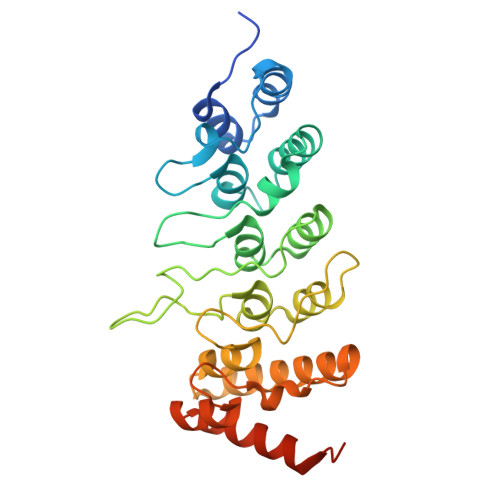
Calmodulin structureClick to view 3D structureCalmodulinP62157Bos taurusKnownNot Available
Cytochrome P450 2B6 structureClick to view 3D structureCytochrome P450 2B6P20813HumansKnownNot Available
Cytochrome P450 3A4 structureClick to view 3D structureCytochrome P450 3A4P08684HumansKnownNot Available
Albumin structureClick to view 3D structureAlbuminP02768HumansKnownNot Available
Cytochrome P450 2E1 structureClick to view 3D structureCytochrome P450 2E1P05181HumansKnownNot Available
Cytochrome P450 1B1 structureClick to view 3D structureCytochrome P450 1B1Q16678HumansKnownNot Available
Click to view 3D structureCytochrome P450 1A1P00185RatKnownNot Available
Cytochrome P450 2C8 structureClick to view 3D structureCytochrome P450 2C8P10632HumansKnownNot Available
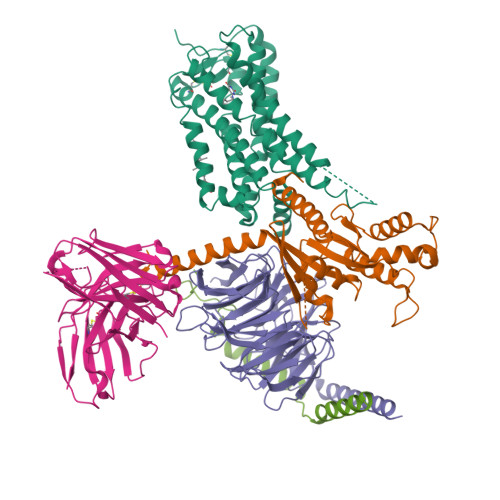
Peroxisome proliferator-activated receptor gamma structureClick to view 3D structurePeroxisome proliferator-activated receptor gammaP37231HumansPredicted (SEA)
Prediction Confidence Score
0.932
Applicability Domain
1.0
Statistical Significance
1.00e-05
Supporting Reference Compounds
192
E-value
0.0778492
Peroxisome proliferator-activated receptor alpha structureClick to view 3D structurePeroxisome proliferator-activated receptor alphaQ07869HumansPredicted (SEA)
Prediction Confidence Score
0.932
Applicability Domain
1.0
Statistical Significance
1.00e-05
Supporting Reference Compounds
127
E-value
0.0778492
Peroxisome proliferator-activated receptor delta structureClick to view 3D structurePeroxisome proliferator-activated receptor deltaQ03181HumansPredicted (SEA)
Prediction Confidence Score
0.932
Applicability Domain
1.0
Statistical Significance
1.00e-05
Supporting Reference Compounds
89
E-value
0.0778492
Tyrosine-protein phosphatase non-receptor type 1 structureClick to view 3D structureTyrosine-protein phosphatase non-receptor type 1P18031HumansPredicted (SEA)
Prediction Confidence Score
0.746
Applicability Domain
0.885
Statistical Significance
4.00e-05
Supporting Reference Compounds
197
E-value
0.311397
Transient receptor potential cation channel subfamily V member 2 structureClick to view 3D structureTransient receptor potential cation channel subfamily V member 2Q9WUD2Rattus norvegicusPredicted (SEA)
Prediction Confidence Score
0.743
Applicability Domain
0.889
Statistical Significance
5.00e-05
Supporting Reference Compounds
21
E-value
0.389246
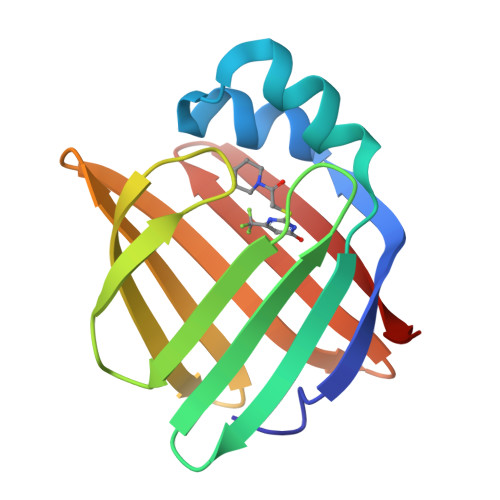
Fatty acid-binding protein, adipocyte structureClick to view 3D structureFatty acid-binding protein, adipocyteP15090HumansPredicted (SEA)
Prediction Confidence Score
0.717
Applicability Domain
1.0
Statistical Significance
1.00e-05
Supporting Reference Compounds
19
E-value
0.0778492
Free fatty acid receptor 4 structureClick to view 3D structureFree fatty acid receptor 4Q5NUL3HumansPredicted (SEA)
Prediction Confidence Score
0.636
Applicability Domain
1.0
Statistical Significance
1.00e-05
Supporting Reference Compounds
63
E-value
0.0778492
Click to view 3D structureFatty-acid amide hydrolase 1O00519HumansPredicted (SEA)
Prediction Confidence Score
0.634
Applicability Domain
0.885
Statistical Significance
1.80e-04
Supporting Reference Compounds
106
E-value
1.40129
Free fatty acid receptor 1 structureClick to view 3D structureFree fatty acid receptor 1O14842HumansPredicted (SEA)
Prediction Confidence Score
0.621
Applicability Domain
1.0
Statistical Significance
1.00e-05
Supporting Reference Compounds
56
E-value
0.0778492
Click to view 3D structureOxoeicosanoid receptor 1Q8TDS5HumansPredicted (SEA)
Prediction Confidence Score
0.611
Applicability Domain
1.0
Statistical Significance
1.00e-05
Supporting Reference Compounds
4
E-value
0.0778492
Click to view 3D structureCannabinoid receptor 1P20272Rattus norvegicusPredicted (SEA)
Prediction Confidence Score
0.608
Applicability Domain
0.633
Statistical Significance
2.90e-04
Supporting Reference Compounds
83
E-value
2.25763
Cannabinoid receptor 1 structureClick to view 3D structureCannabinoid receptor 1P21554HumansPredicted (SEA)
Prediction Confidence Score
0.565
Applicability Domain
0.629
Statistical Significance
5.30e-04
Supporting Reference Compounds
200
E-value
4.12601
Cannabinoid receptor 2 structureClick to view 3D structureCannabinoid receptor 2P34972HumansPredicted (SEA)
Prediction Confidence Score
0.548
Applicability Domain
0.629
Statistical Significance
5.30e-04
Supporting Reference Compounds
175
E-value
4.12601
Fatty-acid amide hydrolase 1 structureClick to view 3D structureFatty-acid amide hydrolase 1P97612Rattus norvegicusPredicted (SEA)
Prediction Confidence Score
0.527
Applicability Domain
0.595
Statistical Significance
5.60e-04
Supporting Reference Compounds
102
E-value
4.35956
Click to view 3D structureCannabinoid receptor 2P47936Mus musculusPredicted (SEA)
Prediction Confidence Score
0.521
Applicability Domain
0.553
Statistical Significance
3.40e-04
Supporting Reference Compounds
39
E-value
2.64687
Transient receptor potential cation channel subfamily V member 1 structureClick to view 3D structureTransient receptor potential cation channel subfamily V member 1Q8NER1HumansPredicted (SEA)
Prediction Confidence Score
0.52
Applicability Domain
0.595
Statistical Significance
3.20e-04
Supporting Reference Compounds
104
E-value
2.49118
Click to view 3D structureCannabinoid receptor 2Q9QZN9Rattus norvegicusPredicted (SEA)
Prediction Confidence Score
0.503
Applicability Domain
0.553
Statistical Significance
1.30e-04
Supporting Reference Compounds
20
E-value
1.01204
Click to view 3D structurePolyunsaturated fatty acid lipoxygenase ALOX15P16050HumansKnownNot Available
G-protein coupled receptor 84 structureClick to view 3D structureG-protein coupled receptor 84Q9NQS5HumansPredicted (SEA)
Prediction Confidence Score
0.492
Applicability Domain
0.654
Statistical Significance
1.00e-04
Supporting Reference Compounds
15
E-value
0.778492
Click to view 3D structureCannabinoid receptor 1P47746Mus musculusPredicted (SEA)
Prediction Confidence Score
0.49
Applicability Domain
0.526
Statistical Significance
1.30e-04
Supporting Reference Compounds
42
E-value
1.01204
Click to view 3D structureHistone deacetylase 11Q96DB2HumansPredicted (SEA)
Prediction Confidence Score
0.485
Applicability Domain
0.654
Statistical Significance
5.00e-04
Supporting Reference Compounds
149
E-value
3.89246
Fatty acid-binding protein, heart structureClick to view 3D structureFatty acid-binding protein, heartP05413HumansPredicted (SEA)
Prediction Confidence Score
0.456
Applicability Domain
1.0
Statistical Significance
4.00e-05
Supporting Reference Compounds
13
E-value
0.311397
Transient receptor potential cation channel subfamily V member 1 structureClick to view 3D structureTransient receptor potential cation channel subfamily V member 1O35433Rattus norvegicusPredicted (SEA)
Prediction Confidence Score
0.449
Applicability Domain
0.526
Statistical Significance
2.30e-04
Supporting Reference Compounds
21
E-value
1.79053
Click to view 3D structureEsteraseA3QR02Chilo suppressalisPredicted (SEA)
Prediction Confidence Score
0.432
Applicability Domain
0.432
Statistical Significance
7.00e-05
Supporting Reference Compounds
1
E-value
0.544945
Click to view 3D structureFatty-acid amide hydrolase 1O08914Mus musculusPredicted (SEA)
Prediction Confidence Score
0.422
Applicability Domain
0.486
Statistical Significance
0.001
Supporting Reference Compounds
46
E-value
8.17417
1-phosphatidylinositol 4,5-bisphosphate phosphodiesterase gamma-1 structureClick to view 3D structure1-phosphatidylinositol 4,5-bisphosphate phosphodiesterase gamma-1P08487Bos taurusPredicted (SEA)
Prediction Confidence Score
0.415
Applicability Domain
0.432
Statistical Significance
6.00e-05
Supporting Reference Compounds
3
E-value
0.467095
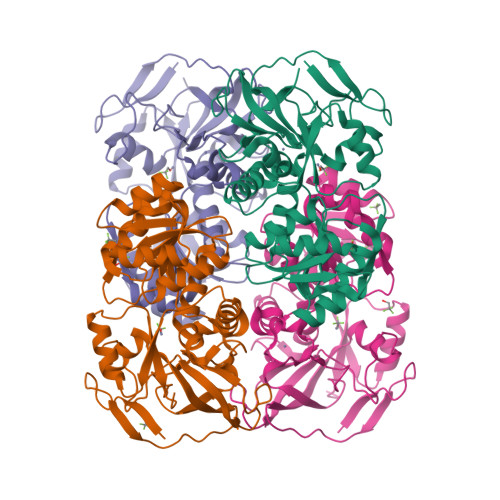
Alcohol dehydrogenase structureClick to view 3D structureAlcohol dehydrogenaseP42328Geobacillus stearothermophilusKnownNot Available
Click to view 3D structureAcyl-CoA 6-desaturaseO95864HumansKnownNot Available
Cytochrome P450 1A2 structureClick to view 3D structureCytochrome P450 1A2P05177HumansKnownNot Available
Cytochrome c structureClick to view 3D structureCytochrome cP99999HumansKnownNot Available
Acetylcholinesterase structureClick to view 3D structureAcetylcholinesteraseP22303HumansKnownNot Available
Peroxisome proliferator-activated receptor gamma structureClick to view 3D structurePeroxisome proliferator-activated receptor gammaP37231HumansKnownNot Available
Peroxisome proliferator-activated receptor alpha structureClick to view 3D structurePeroxisome proliferator-activated receptor alphaQ07869HumansKnownNot Available
Peroxisome proliferator-activated receptor delta structureClick to view 3D structurePeroxisome proliferator-activated receptor deltaQ03181HumansKnownNot Available
Nuclear receptor subfamily 1 group I member 2 structureClick to view 3D structureNuclear receptor subfamily 1 group I member 2O75469HumansKnownNot Available
Click to view 3D structureTranslocator proteinP30536HumansKnownNot Available
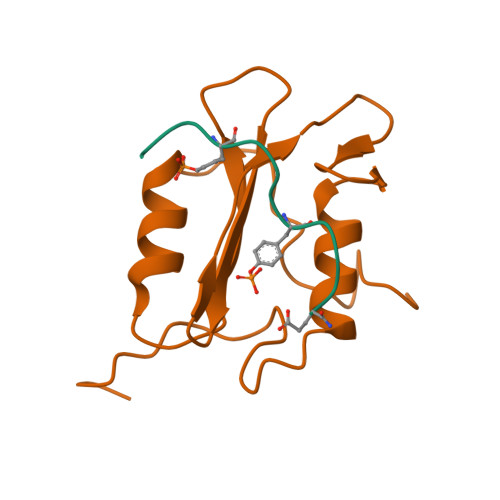
Retinoic acid receptor RXR-alpha structureClick to view 3D structureRetinoic acid receptor RXR-alphaP19793HumansKnownNot Available
Concentrations
Not Available
External Links
DrugBank IDNot Available
HMDB IDHMDB0000673
FooDB IDFDB006287
Phenol Explorer IDNot Available
KNApSAcK IDC00001224
BiGG ID37956
BioCyc IDLINOLEIC_ACID
METLIN ID191
PDB IDNot Available
Wikipedia LinkLinoleic_acid
Chemspider ID4444105
ChEBI ID17351
PubChem Compound ID5280450
Kegg Compound IDC01595
YMDB IDNot Available
ECMDB IDM2MDB004733
References
Synthesis ReferenceWalborsky, Harry M.; Davis, Robert H.; Howton, David R. A total synthesis of linoleic acid. Journal of the American Chemical Society (1951), 73 2590-4.
MSDSLink
General References
  1. Sreekumar A, Poisson LM, Rajendiran TM, Khan AP, Cao Q, Yu J, Laxman B, Mehra R, Lonigro RJ, Li Y, Nyati MK, Ahsan A, Kalyana-Sundaram S, Han B, Cao X, Byun J, Omenn GS, Ghosh D, Pennathur S, Alexander DC, Berger A, Shuster JR, Wei JT, Varambally S, Beecher C, Chinnaiyan AM: Metabolomic profiles delineate potential role for sarcosine in prostate cancer progression. Nature. 2009 Feb 12;457(7231):910-4. doi: 10.1038/nature07762. [PubMed: 19212411]
  2. Hoffmann GF, Meier-Augenstein W, Stockler S, Surtees R, Rating D, Nyhan WL: Physiology and pathophysiology of organic acids in cerebrospinal fluid. J Inherit Metab Dis. 1993;16(4):648-69. [PubMed: 8412012]
  3. Schurer NY, Stremmel W, Grundmann JU, Schliep V, Kleinert H, Bass NM, Williams ML: Evidence for a novel keratinocyte fatty acid uptake mechanism with preference for linoleic acid: comparison of oleic and linoleic acid uptake by cultured human keratinocytes, fibroblasts and a human hepatoma cell line. Biochim Biophys Acta. 1994 Feb 10;1211(1):51-60. [PubMed: 8123682]
  4. Valianpour F, Wanders RJ, Overmars H, Vaz FM, Barth PG, van Gennip AH: Linoleic acid supplementation of Barth syndrome fibroblasts restores cardiolipin levels: implications for treatment. J Lipid Res. 2003 Mar;44(3):560-6. Epub 2002 Dec 16. [PubMed: 12562862]
  5. Horrobin DF: Essential fatty acid metabolism and its modification in atopic eczema. Am J Clin Nutr. 2000 Jan;71(1 Suppl):367S-72S. [PubMed: 10617999]
  6. Imokawa G, Yada Y, Higuchi K, Okuda M, Ohashi Y, Kawamata A: Pseudo-acylceramide with linoleic acid produces selective recovery of diminished cutaneous barrier function in essential fatty acid-deficient rats and has an inhibitory effect on epidermal hyperplasia. J Clin Invest. 1994 Jul;94(1):89-96. [PubMed: 8040295]
  7. Kawajiri H, Hsi LC, Kamitani H, Ikawa H, Geller M, Ward T, Eling TE, Glasgow WC: Arachidonic and linoleic acid metabolism in mouse intestinal tissue: evidence for novel lipoxygenase activity. Arch Biochem Biophys. 2002 Feb 1;398(1):51-60. [PubMed: 11811948]
  8. Iso H, Sato S, Umemura U, Kudo M, Koike K, Kitamura A, Imano H, Okamura T, Naito Y, Shimamoto T: Linoleic acid, other fatty acids, and the risk of stroke. Stroke. 2002 Aug;33(8):2086-93. [PubMed: 12154268]
  9. Seidel D, Heipertz R, Weisner B: Cerebrospinal fluid lipids in demyelinating disease. II. Linoleic acid as an index of impaired blood-CSF barrier. J Neurol. 1980 Jan;222(3):177-82. [PubMed: 6153705]
  10. Salo P, Seppanen-Laakso T, Laakso I, Seppanen R, Niinikoski H, Viikari J, Simell O: Low-saturated fat, low-cholesterol diet in 3-year-old children: effect on intake and composition of trans fatty acids and other fatty acids in serum phospholipid fraction-The STRIP study. Special Turku coronary Risk factor Intervention Project for children. J Pediatr. 2000 Jan;136(1):46-52. [PubMed: 10636973]
  11. Grimsgaard S, Bonaa KH, Jacobsen BK, Bjerve KS: Plasma saturated and linoleic fatty acids are independently associated with blood pressure. Hypertension. 1999 Sep;34(3):478-83. [PubMed: 10489397]