1,2,3-Trichloropropane (CED0012935)

Record Information
Version1.0
Creation Date2014-09-17 20:01:53 UTC
Update Date2026-08-22 12:59:07 UTC
SynCED IDCED0012935
Secondary Accession Numbers
  • CHEM003901
  • T3D4945
Identification
Common Name1,2,3-Trichloropropane
ClassSmall Molecule
Description
1,2,3-Trichloropropane (C3H5Cl3) is an exogenous organic compound with an average molecular weight of 147.43 g/mol. It exists as a solid at room temperature. 1,2,3-Trichloropropane belongs to the organochlorides, a class of organohalogen compounds within the organic compounds. The compound is utilized as an industrial solvent (PMC6696075 ). It has been identified in 28 recorded sources, including aquatic systems and sediments such as groundwater, surface water, freshwater, and seawater. It is found in drinking water and water supply sources, including tap, bottled, and desalinated water. Additionally, it is present in wastewater, sanitation and biosolids, including industrial wastewater, mine wastewater, and wastewater treatment effluent. Other sources include food, food processing and cookware—specifically food preservation, processing meats, fermentation processes for beer, and food contact materials—as well as appliances, HVAC and refrigerants like water heaters and water coolers. It is also associated with electrical and electronic equipment, including electrodes, fixed capacitors and their manufacture, hybrid capacitors, and conductors or conductive bodies characterized by the conductive materials. Exposure to 1,2,3-Trichloropropane occurs through inhalation, oral, and touch routes. In terms of health effects, the compound is associated with an increase in cancer (PMC7610456 ). Regarding its presence in plastics, results are inconclusive in superabsorbent polymer.
Contaminant Type
  • Industrial/Workplace Toxin
  • Organic Compound
  • Organochloride
  • PMT
  • Solvent
  • Synthetic Compound
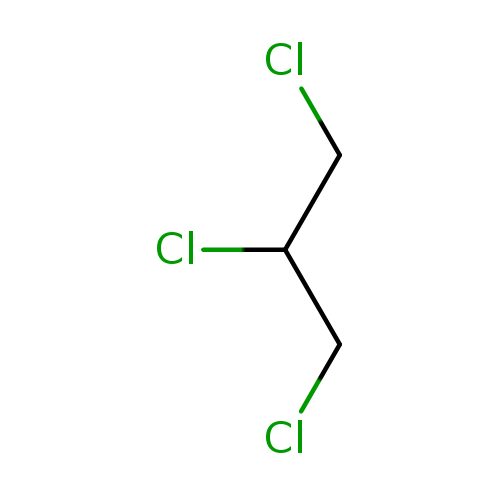
Chemical Structure
Synonyms
ValueSource
123-TrichloropropaneChEMBL
123-trichloro-PropaneChEMBL
TrichlorohydrinMeSH
Chemical FormulaC3H5Cl3
Average Molecular Mass147.431 g/mol
Monoisotopic Mass145.946 g/mol
CAS Registry Number96-18-4
IUPAC Name1,2,3-trichloropropane
Traditional Name1,2,3-trichloropropane
SMILESClCC(Cl)CCl
InChI IdentifierInChI=1S/C3H5Cl3/c4-1-3(6)2-5/h3H,1-2H2
InChI KeyCFXQEHVMCRXUSD-UHFFFAOYSA-N
Chemical Taxonomy
Description Belongs to the class of organic compounds known as organochlorides. Organochlorides are compounds containing a chemical bond between a carbon atom and a chlorine atom.
KingdomOrganic compounds
Super ClassOrganohalogen compounds
ClassOrganochlorides
Sub ClassNot Available
Direct ParentOrganochlorides
Alternative Parents
Substituents
  • Hydrocarbon derivative
  • Organochloride
  • Alkyl halide
  • Alkyl chloride
  • Aliphatic acyclic compound
Molecular FrameworkAliphatic acyclic compounds
External Descriptors
Biological Properties
StatusDetected and Not Quantified
OriginExogenous
Cellular Locations
  • Membrane
Biofluid LocationsNot Available
Tissue LocationsNot Available
ApplicationsNot Available
Biological Roles
  • mutagen (PMC4040276 )?A chemical substance that alters the genetic material of an organism, and increases the frequency of mutations above the naturally-occuring rate
  • carcinogenic agent (PMC3080955 , PMC4040276 )?A role played by a chemical compound which is known to induce a process of carcinogenesis by corrupting normal cellular pathways, leading to the acquistion of tumoral capabilities.
Chemical RolesNot Available
Organoleptic EffectsNot Available
Physical Properties
StateSolid
AppearanceWhite powder.
Experimental Properties
PropertyValue
Melting PointNot Available
Boiling PointNot Available
SolubilityNot Available
Predicted Properties
PropertyValueSource
Water Solubility1.03 g/LALOGPS
logP2.29ALOGPS
logP2.22ChemAxon
logS-2.2ALOGPS
Physiological Charge0ChemAxon
Hydrogen Acceptor Count0ChemAxon
Hydrogen Donor Count0ChemAxon
Polar Surface Area0 ŲChemAxon
Rotatable Bond Count2ChemAxon
Refractivity29.67 m³·mol⁻¹ChemAxon
Polarizability12.37 ųChemAxon
Number of Rings0ChemAxon
BioavailabilityYesChemAxon
Rule of FiveYesChemAxon
Ghose FilterNoChemAxon
Veber's RuleYesChemAxon
MDDR-like RuleNoChemAxon
Spectra
Spectra
Spectrum TypeDescriptionSplash KeyDeposition DateView
Predicted GC-MSPredicted GC-MS Spectrumsplash10-03di-9700000000-b77c5037f9f7f4804953Not AvailableView Spectrum
Predicted GC-MSPredicted GC-MS SpectrumNot AvailableNot AvailableView Spectrum
Predicted LC-MS/MSPredicted LC-MS/MS Spectrumsplash10-0002-0900000000-b0a05fe5017c63fce00dNot AvailableView Spectrum
Predicted LC-MS/MSPredicted LC-MS/MS Spectrumsplash10-0002-0900000000-e3c9115e5eb4ae7b117dNot AvailableView Spectrum
Predicted LC-MS/MSPredicted LC-MS/MS Spectrumsplash10-03fr-9300000000-4d81c3fdf74bf43c5f30Not AvailableView Spectrum
Predicted LC-MS/MSPredicted LC-MS/MS Spectrumsplash10-0006-0900000000-7b7c8ddae728e726e5feNot AvailableView Spectrum
Predicted LC-MS/MSPredicted LC-MS/MS Spectrumsplash10-0a4i-1900000000-c81b91fcfcb784701fb9Not AvailableView Spectrum
Predicted LC-MS/MSPredicted LC-MS/MS Spectrumsplash10-0a4i-2900000000-99a215a4e6690a81a8b8Not AvailableView Spectrum
Predicted LC-MS/MSPredicted LC-MS/MS Spectrumsplash10-0002-0900000000-b23e1bdd4be1bcae3dc7Not AvailableView Spectrum
Predicted LC-MS/MSPredicted LC-MS/MS Spectrumsplash10-03di-9300000000-391eb08e52d4c27ad22bNot AvailableView Spectrum
Predicted LC-MS/MSPredicted LC-MS/MS Spectrumsplash10-0006-0900000000-c01b7e25e8f61c2f6f9eNot AvailableView Spectrum
Predicted LC-MS/MSPredicted LC-MS/MS Spectrumsplash10-001i-9000000000-c2fa753da65a4bac80a1Not AvailableView Spectrum
MSMS Spectrumsplash10-01t9-9100000000-9908277a24991227f38eNot AvailableView Spectrum
Toxicity Profile
Toxicity Values
Toxicity ValueOrganismDose DescriptorRoute of ExposurePredicted or ExperimentalToxicity RatingReference
258.0 Log mg/kg [140:460]RatLD50oralpredictedNot AvailableNot Available
200.0 mg/kg-day MouseNOELinjectionexperimentalNot AvailableECOTOX - EPA ORD
37.0 mg/kg-day RatLOELinjectionexperimentalNot AvailableECOTOX - EPA ORD
200.0 mg/kg-day MouseNOELinjectionexperimentalNot AvailableECOTOX - EPA ORD
37.0 mg/kg-day RatNOELinjectionexperimentalNot AvailableECOTOX - EPA ORD
60.0 mg/kg-day RatLOELoralexperimentalNot AvailableECOTOX - EPA ORD
Toxicity / Toxin ClassNot Available
Mechanism of ToxicityNot Available
Carcinogenicity (IARC Classification)2A, probably carcinogenic to humans. (1)
Minimum Risk LevelNot Available
SymptomsNot Available
TreatmentNot Available
Health Effects
Health EffectRelationshipDirectionDescriptionReference
cancerAssociated With?increaseCancer is a group of diseases involving abnormal cell growth with the potential to invade or spread to other parts of the body. Possible signs and symptoms include a lump, abnormal bleeding, prolonged cough, unexplained weight loss, and a change in bowel movements. There are over 100 types of cancers affect humans. The risk of developing certain cancers can be reduced by not smoking, maintaining a healthy weight, not drinking too much alcohol, eating plenty of vegetables, fruits and whole grains, vaccination against certain infectious diseases, not eating too much processed and red meat and avoiding too much sunlight exposure. Cancer is often treated with some combination of radiation therapy, surgery, chemotherapy and targeted therapy. The majority of cancers, some 90–95% of cases, are due to genetic mutations from environmental and lifestyle factors. The remaining 5–10% are due to inherited genetics.PMC7610456
Exposure Sources
Source IDSourceSectorReference
CEDs000003Irrigation water?Irrigation water can serve as a vector for synthetic chemical contamination due to its potential exposure to agricultural inputs such as fertilizers, pesticides, and herbicides.Agriculture & land managementNot Available
CEDs000010Insecticides?Insecticides are synthetic chemicals designed to control or eliminate insect pests that threaten crops and other agricultural products.Agriculture & land managementPubChem
CEDs000013Soil?Soil serves as a critical medium for plant growth and sustains various ecological functions; however, it can become a reservoir for synthetic chemical contamination.Agriculture & land managementPMC3414701
CEDs000027Water Coolers?Water coolers can be a source of synthetic chemical contamination due to various materials used in their construction and operation.Appliances, HVAC & refrigerantsNot Available
CEDs000043Water heaters?Water heaters can be a source of synthetic chemical contamination primarily through the materials and coatings used in their construction.Appliances, HVAC & refrigerantsNot Available
CEDs000050Groundwater?Groundwater serves as a vital resource for drinking water and agricultural irrigation but is increasingly susceptible to contamination from synthetic chemicals.Aquatic systems & sedimentsPMC10316377 , PMC3414701
CEDs000051Surface water?Surface water can serve as a significant vector for the introduction of synthetic chemical contaminants into aquatic ecosystems.Aquatic systems & sedimentsNot Available
CEDs000052Seawater?Seawater can serve as a significant reservoir for synthetic chemical contamination due to various industrial activities, including shipping, oil drilling, and coastal manufacturing.Aquatic systems & sedimentsNot Available
CEDs000053Freshwater?Freshwater bodies, including rivers, lakes, and reservoirs, can serve as significant sources of synthetic chemical contamination due to various anthropogenic activities.Aquatic systems & sedimentsNot Available
CEDs000070Stormwater runoff?Stormwater runoff refers to the flow of rainwater or melted snow that does not soak into the ground and instead collects pollutants as it travels over impervious surfaces such as roads and parking lots.Automotive & urban infrastructureNot Available
CEDs000088Waterproofing sprays?Waterproofing sprays are synthetic chemical formulations designed to create a protective barrier against moisture on various surfaces, including fabrics, wood, and masonry.Building & ConstructionNot Available
CEDs000115Drinking water?Drinking water can be a medium for synthetic chemical contamination, often originating from various industrial processes and agricultural practices.Drinking water & water supplyPMC7610456 , PMC3080955
CEDs000116Tap water?Tap water can be a potential source of synthetic chemical contamination due to various industrial processes and agricultural runoff.Drinking water & water supplyNot Available
CEDs000117Bottled water?Bottled water, while perceived as a safe and convenient alternative to tap water, can be a source of synthetic chemical contamination.Drinking water & water supplyNot Available
CEDs000118Desalinated water?Desalinated water, produced through processes such as reverse osmosis or distillation, is increasingly utilized to meet freshwater demands in various regions.Drinking water & water supplyNot Available
CEDs000181Ballast water?Ballast water, taken on by ships to maintain stability and balance, often contains a diverse array of microorganisms, including bacteria, viruses, and plankton.Marine, shipping & aquacultureNot Available
CEDs000182Bilge water?Bilge water is a byproduct generated from the accumulation of water in the lowest part of a ship's hull, which may include a mixture of seawater, oil, fuel residues, and various contaminants.Marine, shipping & aquacultureNot Available
CEDs000468Industrial wastewater?Industrial wastewater is a byproduct generated during various manufacturing and processing activities, which often contains a complex mixture of organic and inorganic synthetic chemicals.Wastewater, sanitation & biosolidsNot Available
CEDs000470Wastewater treatment effluent?Wastewater treatment effluent is the liquid byproduct discharged from the treatment processes designed to remove contaminants from wastewater.Wastewater, sanitation & biosolidsNot Available
CEDs000475Mine wastewater?Mine wastewater refers to the liquid waste generated during the extraction and processing of minerals.Wastewater, sanitation & biosolidsNot Available
CEDs000477Wastewater, unspecified?Wastewater refers to water that has been adversely affected in quality by anthropogenic influence, typically through domestic, industrial, or agricultural activities.Wastewater, sanitation & biosolidsNot Available
CEDs000494Food contact materials?Food contact materials refer to substances and products that are intended to come into contact with food during processing, packaging, or preparation.Food, food processing & cookwareNot Available
CEDs000511Conductors Or Conductive Bodies Characterised By The Conductive Materials?Conductors, or conductive bodies, are materials that allow the flow of electrical current, typically made from metals such as copper, aluminum, or silver.Electrical & Electronic EquipmentPubChem
CEDs000519Electrodes?Electrodes, used in various electrical and electronic applications, can be a source of synthetic chemical contamination due to the materials from which they are constructed and the processes involved in their manufacturing.Electrical & Electronic EquipmentPubChem
CEDs000521Fixed Capacitors And Their Manufacture?Fixed capacitors are passive electronic components used to store and release electrical energy, playing a critical role in various circuits.Electrical & Electronic EquipmentPubChem
CEDs000524Hybrid Capacitors?Hybrid capacitors are energy storage devices that combine the properties of electrolytic and supercapacitors, utilizing a combination of electrochemical principles to achieve higher energy density and power density.Electrical & Electronic EquipmentPubChem
CEDs000544Fermentation Processes For Beer?Fermentation processes for beer involve the conversion of sugars into alcohol and carbon dioxide by yeast.Food, food processing & cookwarePubChem
CEDs000545Food Preservation?Food preservation often involves the use of synthetic chemicals, such as preservatives, flavor enhancers, and color additives, to extend shelf life and enhance the sensory qualities of food products.Food, food processing & cookwarePubChem
CEDs000552Processing Meats?Processing meats can lead to synthetic chemical contamination primarily through the use of additives and preservatives.Food, food processing & cookwarePubChem
CEDs000561Perfumes Within Detergents And Soaps?Perfumes within detergents and soaps are synthetic fragrance compounds added to enhance the sensory experience of cleaning products.Household cleaning & consumer productsPubChem
CEDs000596Acaricides?Acaricides are synthetic chemicals specifically designed to target and control mite populations that can damage crops and plants.Agriculture & land managementPubChem
CEDs000600Herbicides And Algicides?Herbicides and algicides are synthetic chemicals primarily used to control unwanted plants and algae in various environments.Agriculture & land managementPubChem
CEDs000603Nematocides?Nematocides are synthetic chemicals specifically designed to control nematodes, which are microscopic roundworms that can cause significant damage to crops and plants.Agriculture & land managementPubChem
CEDs000606Plant Growth Regulators?Plant Growth Regulators (PGRs) are synthetic chemicals designed to influence the growth and development of plants.Agriculture & land managementPubChem
CEDs000611Anti Perspirants Or Body Deoderants?Antiperspirants and body deodorants commonly contain synthetic chemicals such as aluminum compounds, parabens, and synthetic fragrances.Personal care & cosmeticsPubChem
CEDs000614Essential Oils Or Perfumes?Essential oils and perfumes are complex mixtures of volatile compounds derived from natural or synthetic sources, commonly used for their aromatic properties.Personal care & cosmeticsPubChem
CEDs000618Lip Makeup Products?Lip makeup products, such as lipsticks, lip glosses, and lip liners, often contain a variety of synthetic chemicals, including pigments, preservatives, and emollients.Personal care & cosmeticsPubChem
CEDs000630Toys?Toys, particularly those made from synthetic materials such as plastics, can be a source of chemical contamination due to the presence of various additives and compounds used in their production.Recreation & sports surfacesPubChem
CEDs000632Apparel?Apparel production often involves the use of various synthetic chemicals, including dyes, finishing agents, and preservatives.Textiles, leather & furnishingsPubChem
CEDs000642Footwear?Footwear production often involves the use of various synthetic chemicals, such as adhesives, dyes, and treatments, which can contribute to environmental contamination.Textiles, leather & furnishingsPubChem
CEDs000652Ropes?Ropes manufactured from synthetic fibers, such as polypropylene, nylon, and polyester, are widely used in various applications, including marine, construction, and outdoor activities.Textiles, leather & furnishingsPubChem
CEDs000657Surface Finishing Of Leather?Surface finishing of leather often involves the use of various synthetic chemicals, including dyes, resins, and finishing agents.Textiles, leather & furnishingsPubChem
CEDs000659Transfer Printing?Transfer printing is a process used to apply designs and patterns onto various substrates, commonly utilizing synthetic dyes and inks that can contain hazardous chemicals.Textiles, leather & furnishingsPubChem
CEDs000662Yarns Or Threads?Yarns or threads used in textiles can be a source of synthetic chemical contamination due to the production processes and treatments they undergo.Textiles, leather & furnishingsPubChem
CEDs000696Nanotechnology?Nanotechnology involves the manipulation of materials at the molecular or atomic level, typically within the range of 1 to 100 nanometers.Industrial manufacturing & chemical processingPubChem
CEDs000734Coating Compositions?Coating compositions, which include paints, sealants, and varnishes, are formulated with a variety of synthetic chemicals such as solvents, resins, pigments, and additives.Building & ConstructionPubChem
CEDs000735Explosives?Explosives are chemical compounds or mixtures designed to undergo rapid decomposition, releasing energy in the form of gas and heat.Defense & military infrastructurePubChem
CEDs000739Inks?Inks are complex mixtures composed of pigments or dyes, solvents, resins, and additives used primarily for printing and writing applications.Paper, pulp & fiber productsPubChem
CEDs000740Paper?Paper production involves the processing of wood fibers and the use of various chemicals, which can lead to synthetic chemical contamination.Paper, pulp & fiber productsPubChem
CEDs000741Pigment Pastes?Pigment pastes are concentrated dispersions of pigments used to impart color and properties to materials.Paper, pulp & fiber productsPubChem
CEDs000743Sludge Treatment?Sludge treatment involves the processing of waste materials generated from wastewater treatment plants, which often contain a variety of organic and inorganic substances.Wastewater, sanitation & biosolidsPubChem
CEDs000744Water, Wastewater, & Sewage Treatment?Water, wastewater, and sewage treatment processes are critical for managing and mitigating pollutants in water systems.Wastewater, sanitation & biosolidsPubChem
CEDs02268Water SamplesAquatic systems & sedimentsPMC5750672
Pathways
1 pathwayPathway Source: PathBank
Targets
StructureProteinUniProt IDOrganismRelationshipDetails
Click to view 3D structureRetinal dehydrogenase 2O93344Gallus gallusPredicted (SEA)
Prediction Confidence Score
0.124
Applicability Domain
0.167 Low confidence
Statistical Significance
0.0097
Supporting Reference Compounds
2
E-value
75.5916
Click to view 3D structure3-ketoacyl-CoA synthase 20Q9FG87Arabidopsis thalianaPredicted (SEA)
Prediction Confidence Score
0.115
Applicability Domain
0.115 Low confidence
Statistical Significance
0.0064
Supporting Reference Compounds
1
E-value
49.7457
Putative agmatine deiminase structureClick to view 3D structurePutative agmatine deiminaseQ8DW17Streptococcus mutans serotype c (strain ATCC 700610 / UA159)Predicted (SEA)
Prediction Confidence Score
0.111
Applicability Domain
0.111 Low confidence
Statistical Significance
0.0224
Supporting Reference Compounds
1
E-value
174.771
Click to view 3D structurePhospholipase BQ9P8P2Cryptococcus neoformansPredicted (SEA)
Prediction Confidence Score
0.095
Applicability Domain
0.095 Low confidence
Statistical Significance
0.0218
Supporting Reference Compounds
1
E-value
169.867
Protein RecA structureClick to view 3D structureProtein RecAP9WHJ3Mycobacterium tuberculosisPredicted (SEA)
Prediction Confidence Score
0.095
Applicability Domain
0.118 Low confidence
Statistical Significance
0.9996
Supporting Reference Compounds
296
E-value
7781.73
Sodium-dependent dopamine transporter structureClick to view 3D structureSodium-dependent dopamine transporterQ01959HumansPredicted (SEA)
Prediction Confidence Score
0.094
Applicability Domain
0.111 Low confidence
Statistical Significance
0.9999
Supporting Reference Compounds
506
E-value
7784.22
Click to view 3D structureAsc-type amino acid transporter 1P63116RatPredicted (SEA)
Prediction Confidence Score
0.091
Applicability Domain
0.091 Low confidence
Statistical Significance
0.1092
Supporting Reference Compounds
2
E-value
849.88
Sodium-dependent noradrenaline transporter structureClick to view 3D structureSodium-dependent noradrenaline transporterP23975HumansPredicted (SEA)
Prediction Confidence Score
0.088
Applicability Domain
0.111 Low confidence
Statistical Significance
0.9999
Supporting Reference Compounds
451
E-value
7784.22
Proto-oncogene tyrosine-protein kinase Src structureClick to view 3D structureProto-oncogene tyrosine-protein kinase SrcP12931HumansPredicted (SEA)
Prediction Confidence Score
0.088
Applicability Domain
0.104 Low confidence
Statistical Significance
0.9999
Supporting Reference Compounds
1158
E-value
7784.14
Tyrosine-protein kinase ABL1 structureClick to view 3D structureTyrosine-protein kinase ABL1P00519HumansPredicted (SEA)
Prediction Confidence Score
0.087
Applicability Domain
0.104 Low confidence
Statistical Significance
0.9999
Supporting Reference Compounds
927
E-value
7783.99
Click to view 3D structureLeucine aminopeptidaseQ29571Sus scrofaPredicted (SEA)
Prediction Confidence Score
0.087
Applicability Domain
0.087 Low confidence
Statistical Significance
0.0248
Supporting Reference Compounds
1
E-value
193.222
Sodium-dependent serotonin transporter structureClick to view 3D structureSodium-dependent serotonin transporterP31645HumansPredicted (SEA)
Prediction Confidence Score
0.087
Applicability Domain
0.1 Low confidence
Statistical Significance
0.9999
Supporting Reference Compounds
593
E-value
7784.22
Click to view 3D structureSodium-dependent serotonin transporterP31652Rattus norvegicusPredicted (SEA)
Prediction Confidence Score
0.086
Applicability Domain
0.111 Low confidence
Statistical Significance
0.9998
Supporting Reference Compounds
297
E-value
7783.37
Aminopeptidase N structureClick to view 3D structureAminopeptidase NP15145Sus scrofaPredicted (SEA)
Prediction Confidence Score
0.083
Applicability Domain
0.087 Low confidence
Statistical Significance
0.994
Supporting Reference Compounds
40
E-value
7738.06
Replicase polyprotein 1ab structureClick to view 3D structureReplicase polyprotein 1abP0DTD1SARS-CoV-2Predicted (SEA)
Prediction Confidence Score
0.082
Applicability Domain
0.12 Low confidence
Statistical Significance
0.9999
Supporting Reference Compounds
215
E-value
7784.38
Click to view 3D structureAldehyde dehydrogenase 1A1P27463Gallus gallusPredicted (SEA)
Prediction Confidence Score
0.082
Applicability Domain
0.082 Low confidence
Statistical Significance
0.2813
Supporting Reference Compounds
1
E-value
2189.67
Click to view 3D structureSodium-dependent dopamine transporterP23977Rattus norvegicusPredicted (SEA)
Prediction Confidence Score
0.081
Applicability Domain
0.1 Low confidence
Statistical Significance
0.9999
Supporting Reference Compounds
203
E-value
7783.83
Click to view 3D structureTransporterQ63380Rattus norvegicusPredicted (SEA)
Prediction Confidence Score
0.081
Applicability Domain
0.1 Low confidence
Statistical Significance
0.9994
Supporting Reference Compounds
54
E-value
7780.48
5-hydroxytryptamine receptor 2B structureClick to view 3D structure5-hydroxytryptamine receptor 2BP41595HumansPredicted (SEA)
Prediction Confidence Score
0.08
Applicability Domain
0.097 Low confidence
Statistical Significance
0.9999
Supporting Reference Compounds
686
E-value
7784.38
Adenosine receptor A1 structureClick to view 3D structureAdenosine receptor A1P30542HumansPredicted (SEA)
Prediction Confidence Score
0.08
Applicability Domain
0.094 Low confidence
Statistical Significance
0.9999
Supporting Reference Compounds
302
E-value
7784.38
Click to view 3D structureMitogen-activated protein kinase HOG1P32485Saccharomyces cerevisiae (strain ATCC 204508 / S288c) (Baker's yeast)Predicted (SEA)
Prediction Confidence Score
0.08
Applicability Domain
0.08 Low confidence
Statistical Significance
0.934
Supporting Reference Compounds
1
E-value
7270.81
Alpha-2A adrenergic receptor structureClick to view 3D structureAlpha-2A adrenergic receptorP08913HumansPredicted (SEA)
Prediction Confidence Score
0.08
Applicability Domain
0.097 Low confidence
Statistical Significance
0.9999
Supporting Reference Compounds
487
E-value
7784.46
Tyrosine-protein kinase Fyn structureClick to view 3D structureTyrosine-protein kinase FynP06241HumansPredicted (SEA)
Prediction Confidence Score
0.079
Applicability Domain
0.104 Low confidence
Statistical Significance
0.9999
Supporting Reference Compounds
707
E-value
7784.22
5-hydroxytryptamine receptor 2A structureClick to view 3D structure5-hydroxytryptamine receptor 2AP14842Rattus norvegicusPredicted (SEA)
Prediction Confidence Score
0.079
Applicability Domain
0.087 Low confidence
Statistical Significance
0.9999
Supporting Reference Compounds
380
E-value
7784.14
5-hydroxytryptamine receptor 2A structureClick to view 3D structure5-hydroxytryptamine receptor 2AP28223HumansPredicted (SEA)
Prediction Confidence Score
0.078
Applicability Domain
0.087 Low confidence
Statistical Significance
1.0
Supporting Reference Compounds
955
E-value
7784.61
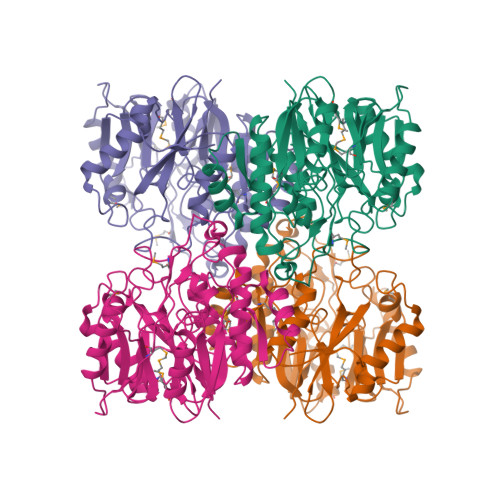
Haloalkane dehalogenase structureClick to view 3D structureHaloalkane dehalogenaseD4Z2G1Sphingobium indicum (strain DSM 16413 / CCM 7287 / MTCC 6362 / UT26 / NBRC 101211 / UT26S)KnownNot Available
Concentrations
Not Available
External Links
DrugBank IDNot Available
HMDB IDNot Available
FooDB IDNot Available
Phenol Explorer IDNot Available
KNApSAcK IDNot Available
BiGG IDNot Available
BioCyc IDNot Available
METLIN IDNot Available
PDB IDNot Available
Wikipedia LinkNot Available
Chemspider ID7013
ChEBI IDNot Available
PubChem Compound IDNot Available
Kegg Compound IDC14400
YMDB IDNot Available
ECMDB IDNot Available
References
Synthesis ReferenceNot Available
MSDSNot Available
General References
  1. International Agency for Research on Cancer (2014). IARC Monographs on the Evaluation of Carcinogenic Risks to Humans. http://monographs.iarc.fr/index.php