Deoxycholic acid (CED0002064)

Record Information
Version1.0
Creation Date2014-10-02 18:57:11 UTC
Update Date2026-05-14 17:50:56 UTC
SynCED IDCED0002064
Secondary Accession Numbers
  • CHEM003917
  • T3D4961
Identification
Common NameDeoxycholic acid
ClassSmall Molecule
Description
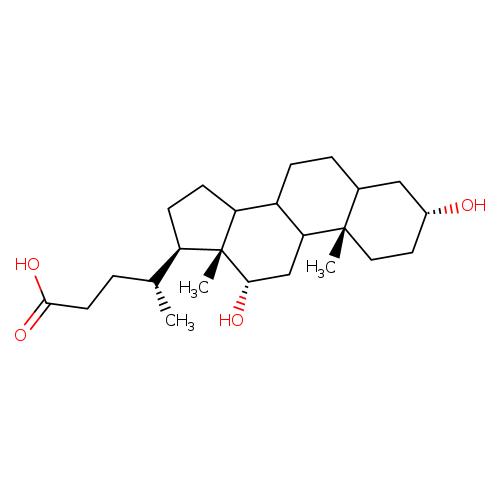
Deoxycholic acid (C24H40O4) is a solid organic compound with an average molecular weight of 392.57 g/mol. Deoxycholic acid belongs to the bile acids, alcohols and derivatives, a subclass of steroids and steroid derivatives within the organic compounds. It is a bile acid formed by bacterial action from cholate and is usually conjugated with glycine or taurine. As a physiological detergent, it solubilizes fats for intestinal absorption and is used as a choleretic and detergent. In industrial applications, it serves as a humectant, emulsifier, and softener and conditioner. This compound is detected in the intestine, fibroblasts, and erythrocytes. It interacts with 23 recorded protein targets, acting as an inhibitor or other unknown modulator of the G-protein coupled bile acid receptor 1 (GPBAR1), the bile acid receptor (NR1H4), Glutathione S-transferase P (GSTP1), and Steroid Delta-isomerase (ksi), among 19 other proteins. Deoxycholic acid is found in 12 recorded sources, including dermatological preparations, food contact materials, the processing of meats, the preparation of vinegar, and household cleaning and consumer products such as tobacco product cases, other smoking requisites, and non-electric simulated smoking devices. It is also associated with electrical and electronic equipment, including X-ray tubes, television systems, line transmission systems, antennas, and cores yokes or armatures. Recorded exposure routes include touch, oral, subcutaneous, and inhalation.
Contaminant Type
  • Animal Toxin
  • Metabolite
  • Natural Compound
Chemical Structure
Synonyms
ValueSource
DeoxycholateGenerator
Chemical FormulaC24H40O4
Average Molecular Mass392.572 g/mol
Monoisotopic Mass392.293 g/mol
CAS Registry Number83-44-3
IUPAC Name(4R)-4-[(2S,5R,14R,15R,16S)-5,16-dihydroxy-2,15-dimethyltetracyclo[8.7.0.0²,⁷.0¹¹,¹⁵]heptadecan-14-yl]pentanoic acid
Traditional Name(4R)-4-[(2S,5R,14R,15R,16S)-5,16-dihydroxy-2,15-dimethyltetracyclo[8.7.0.0²,⁷.0¹¹,¹⁵]heptadecan-14-yl]pentanoic acid
SMILESC[C@H](CCC(O)=O)[C@H]1CCC2C3CCC4C[C@H](O)CC[C@]4(C)C3C[C@H](O)[C@]12C
InChI IdentifierInChI=1S/C24H40O4/c1-14(4-9-22(27)28)18-7-8-19-17-6-5-15-12-16(25)10-11-23(15,2)20(17)13-21(26)24(18,19)3/h14-21,25-26H,4-13H2,1-3H3,(H,27,28)/t14-,15?,16-,17?,18-,19?,20?,21+,23+,24-/m1/s1
InChI KeyKXGVEGMKQFWNSR-TXNNXGFQSA-N
Chemical Taxonomy
Description Belongs to the class of organic compounds known as dihydroxy bile acids, alcohols and derivatives. Dihydroxy bile acids, alcohols and derivatives are compounds containing or derived from a bile acid or alcohol, and which bears exactly two carboxylic acid groups.
KingdomOrganic compounds
Super ClassLipids and lipid-like molecules
ClassSteroids and steroid derivatives
Sub ClassBile acids, alcohols and derivatives
Direct ParentDihydroxy bile acids, alcohols and derivatives
Alternative Parents
Substituents
  • Dihydroxy bile acid, alcohol, or derivatives
  • 3-alpha-hydroxysteroid
  • Hydroxysteroid
  • 12-hydroxysteroid
  • 3-hydroxysteroid
  • Cyclic alcohol
  • Secondary alcohol
  • Monocarboxylic acid or derivatives
  • Carboxylic acid
  • Carboxylic acid derivative
  • Organic oxygen compound
  • Organic oxide
  • Hydrocarbon derivative
  • Organooxygen compound
  • Carbonyl group
  • Alcohol
  • Aliphatic homopolycyclic compound
Molecular FrameworkAliphatic homopolycyclic compounds
External DescriptorsNot Available
Biological Properties
StatusDetected and Not Quantified
OriginNot Available
Cellular Locations
  • Extracellular
Biofluid LocationsNot Available
Tissue Locations
  • Erythrocyte
  • Fibroblasts
  • Intestine
ApplicationsNot Available
Biological Roles
Chemical RolesNot Available
Organoleptic EffectsNot Available
Physical Properties
StateSolid
AppearanceWhite powder.
Experimental Properties
PropertyValue
Melting Point171 - 174 °C
Boiling PointNot Available
Solubility0.0436 mg/mL
Predicted Properties
PropertyValueSource
Water Solubility0.017 g/LALOGPS
logP3.3ALOGPS
logP3.79ChemAxon
logS-4.4ALOGPS
pKa (Strongest Acidic)4.65ChemAxon
pKa (Strongest Basic)-0.35ChemAxon
Physiological Charge-1ChemAxon
Hydrogen Acceptor Count4ChemAxon
Hydrogen Donor Count3ChemAxon
Polar Surface Area77.76 ŲChemAxon
Rotatable Bond Count4ChemAxon
Refractivity109.2 m³·mol⁻¹ChemAxon
Polarizability46.62 ųChemAxon
Number of Rings4ChemAxon
BioavailabilityYesChemAxon
Rule of FiveYesChemAxon
Ghose FilterYesChemAxon
Veber's RuleNoChemAxon
MDDR-like RuleNoChemAxon
Spectra
Spectra
Spectrum TypeDescriptionSplash KeyDeposition DateView
Predicted LC-MS/MSPredicted LC-MS/MS Spectrumsplash10-056r-0009000000-db8bf3905980e8620f12Not AvailableView Spectrum
Predicted LC-MS/MSPredicted LC-MS/MS Spectrumsplash10-056r-0009000000-6a632f1c8fbb19a314cbNot AvailableView Spectrum
Predicted LC-MS/MSPredicted LC-MS/MS Spectrumsplash10-014i-4219000000-29a9a2c5d3d148fca202Not AvailableView Spectrum
Predicted LC-MS/MSPredicted LC-MS/MS Spectrumsplash10-0006-0009000000-ab9ac299290313e78fe4Not AvailableView Spectrum
Predicted LC-MS/MSPredicted LC-MS/MS Spectrumsplash10-006x-1009000000-6444232cac6b7a24dd96Not AvailableView Spectrum
Predicted LC-MS/MSPredicted LC-MS/MS Spectrumsplash10-0a4l-9006000000-b2f4c82d34550211259cNot AvailableView Spectrum
Toxicity Profile
Toxicity Values
Toxicity ValueOrganismDose DescriptorRoute of ExposurePredicted or ExperimentalToxicity RatingReference
2460.0 Log mg/kg [1400:4400]RatLD50oralpredictedNot AvailableNot Available
Toxicity / Toxin ClassNot Available
Mechanism of ToxicityNot Available
Carcinogenicity (IARC Classification)Not listed by IARC.
Minimum Risk LevelNot Available
SymptomsNot Available
TreatmentNot Available
Health Effects
Health EffectRelationshipDirectionDescriptionReference
cancerAssociated With?Not AvailableCancer is a group of diseases involving abnormal cell growth with the potential to invade or spread to other parts of the body. Possible signs and symptoms include a lump, abnormal bleeding, prolonged cough, unexplained weight loss, and a change in bowel movements. There are over 100 types of cancers affect humans. The risk of developing certain cancers can be reduced by not smoking, maintaining a healthy weight, not drinking too much alcohol, eating plenty of vegetables, fruits and whole grains, vaccination against certain infectious diseases, not eating too much processed and red meat and avoiding too much sunlight exposure. Cancer is often treated with some combination of radiation therapy, surgery, chemotherapy and targeted therapy. The majority of cancers, some 90–95% of cases, are due to genetic mutations from environmental and lifestyle factors. The remaining 5–10% are due to inherited genetics.PMC9994512
Alzheimer's diseaseElevated in Blood InincreaseA neurodegenerative disease which causes neural atrophy, leading to dementia and memory loss.PMC7331640
breast cancerAssociated With?Not AvailableA breast cancer that has material basis in abnormally proliferating cells derives from epithelial cells. (DO)PMC6121494
type 2 diabetes mellitusAssociated With?Not AvailableNot AvailablePMC13148421
colorectal cancerAssociated With?Not AvailableA large intestine cancer that is located in the colon and/or located in the rectum. (DO)PMC12072030 , PMC12072030
liver cirrhosisAssociated With?Not AvailableNot AvailablePMC8108011
liver cancerAssociated With?increaseLiver cancer, also known as hepatic cancer and primary hepatic cancer, is cancer that starts in the liver. Cancer which has spread from elsewhere to the liver, known as liver metastasis, is more common than that which starts in the liver. Symptoms of liver cancer may include a lump or pain in the right side below the rib cage, swelling of the abdomen, yellowish skin, easy bruising, weight loss and weakness.("Adult Primary Liver Cancer Treatment (PDQ®)–Patient Version". NCI. 6 July 2016. Archived from the original on 2 October 2016. Retrieved 29 September 2016) The leading cause of liver cancer is cirrhosis due to hepatitis B, hepatitis C or alcohol.(PMID: 25530442) The most common types of liver cancer are hepatocellular carcinoma (HCC), which makes up 80% of cases, and cholangiocarcinoma.(World Cancer Report 2014. World Health Organization. 2014. pp. Chapter 5.6. ISBN 978-9283204299) Globally, as of 2010, liver cancer resulted in 754,000 deaths, up from 460,000 in 1990, making it the third leading cause of cancer death after lung and stomach.(PMID: 23245604) In 2012, it represented 7% of cancer diagnoses in men, the 5th most diagnosed cancer that year.(World Cancer Report 2014. International Agency for Research on Cancer, World Health Organization. 2014. ISBN 978-92-832-0432-9)PMC12649897
liver cancerAssociated With?Not AvailableLiver cancer, also known as hepatic cancer and primary hepatic cancer, is cancer that starts in the liver. Cancer which has spread from elsewhere to the liver, known as liver metastasis, is more common than that which starts in the liver. Symptoms of liver cancer may include a lump or pain in the right side below the rib cage, swelling of the abdomen, yellowish skin, easy bruising, weight loss and weakness.("Adult Primary Liver Cancer Treatment (PDQ®)–Patient Version". NCI. 6 July 2016. Archived from the original on 2 October 2016. Retrieved 29 September 2016) The leading cause of liver cancer is cirrhosis due to hepatitis B, hepatitis C or alcohol.(PMID: 25530442) The most common types of liver cancer are hepatocellular carcinoma (HCC), which makes up 80% of cases, and cholangiocarcinoma.(World Cancer Report 2014. World Health Organization. 2014. pp. Chapter 5.6. ISBN 978-9283204299) Globally, as of 2010, liver cancer resulted in 754,000 deaths, up from 460,000 in 1990, making it the third leading cause of cancer death after lung and stomach.(PMID: 23245604) In 2012, it represented 7% of cancer diagnoses in men, the 5th most diagnosed cancer that year.(World Cancer Report 2014. International Agency for Research on Cancer, World Health Organization. 2014. ISBN 978-92-832-0432-9)PMC4492271
colon cancerAssociated With?Not AvailableNot AvailablePMC3676171 , PMC8897037
colon cancerAssociated With?increaseNot AvailablePMC12649897
lactic acidosisNot AvailableNot AvailableAn acquired metabolic disease that has material basis in low pH in body tissues and blood accompanied by the buildup of lactate especially D-lactate. (DO)PMC1533324
Crohn's diseaseIs Biomarker OfNot AvailableA gastrointestinal disorder characterized by chronic inflammation involving all layers of the intestinal wall, noncaseating granulomas affecting the intestinal wall and regional lymph nodes, and transmural fibrosis. Crohn disease most commonly involves the terminal ileum; the colon is the second most common site of involvement.PMC10026263
mastitisHas Therapeutic Effect OnNot AvailableNot AvailablePMC13417066
Cell DeathHas Therapeutic Effect OnNot AvailableNot AvailablePMC5015067
Oxidative StressAssociated With?Not AvailableNot AvailablePMC12072030 , PMC9158380
MortalityAssociated With?Not AvailableNot AvailablePMC5473567
DNA DamageAssociated With?Not AvailableNot AvailablePMC12072030
DNA DamageAssociated With?increaseNot AvailablePMC6178879
FibrosisAssociated With?Not AvailableNot AvailablePMC12979112
hyperplasiaAssociated With?Not AvailableNot AvailablePMC5234420
lung non-small cell carcinomaElevated in Blood InincreaseNot AvailablePMC11197282
Mental deteriorationAssociated With?increaseNot AvailablePMC7331640
MutationAssociated With?Not AvailableNot AvailablePMC12072030
biliary obstructionAssociated With?Not AvailableNot AvailablePMC8108011
inborn disorder of bile acid synthesisNot AvailableNot AvailableNot AvailablePMC12903069
Exposure Sources
Source IDSourceSectorReference
CEDs000010Insecticides?Insecticides are synthetic chemicals designed to control or eliminate insect pests that threaten crops and other agricultural products.Agriculture & land managementPubChem
CEDs000013Soil?Soil serves as a critical medium for plant growth and sustains various ecological functions; however, it can become a reservoir for synthetic chemical contamination.Agriculture & land managementPMC12969938
CEDs000233Brushes?Brushes used in personal care and cosmetics can be a source of synthetic chemical contamination due to the materials and coatings used in their manufacturing.Personal care & cosmeticsPubChem
CEDs000315Dermatological preparations?Dermatological preparations encompass a wide range of topical products, including creams, ointments, gels, and lotions, designed for the treatment of skin conditions.Healthcare, pharmaceuticals & veterinary productsNot Available
CEDs000494Food contact materials?Food contact materials refer to substances and products that are intended to come into contact with food during processing, packaging, or preparation.Food, food processing & cookwareNot Available
CEDs000506Antennas?Antennas, commonly used in communication technologies, can be a source of synthetic chemical contamination through the materials and coatings used in their construction.Electrical & Electronic EquipmentPubChem
CEDs000511Conductors Or Conductive Bodies Characterised By The Conductive Materials?Conductors, or conductive bodies, are materials that allow the flow of electrical current, typically made from metals such as copper, aluminum, or silver.Electrical & Electronic EquipmentPubChem
CEDs000513Cores Yokes Or Armatures?Cores, yokes, or armatures are components commonly found in electrical devices, used to facilitate the magnetic and electrical functions within motors, transformers, and generators.Electrical & Electronic EquipmentPubChem
CEDs000518Electrically Stimulated Smoking Devices?Electrically stimulated smoking devices, commonly known as e-cigarettes or vape pens, utilize electrical components to heat a liquid solution, often containing nicotine, flavorings, and other additives, to produce an aerosol for inhalation.Electrical & Electronic EquipmentPubChem
CEDs000519Electrodes?Electrodes, used in various electrical and electronic applications, can be a source of synthetic chemical contamination due to the materials from which they are constructed and the processes involved in their manufacturing.Electrical & Electronic EquipmentPubChem
CEDs000521Fixed Capacitors And Their Manufacture?Fixed capacitors are passive electronic components used to store and release electrical energy, playing a critical role in various circuits.Electrical & Electronic EquipmentPubChem
CEDs000524Hybrid Capacitors?Hybrid capacitors are energy storage devices that combine the properties of electrolytic and supercapacitors, utilizing a combination of electrochemical principles to achieve higher energy density and power density.Electrical & Electronic EquipmentPubChem
CEDs000525Line Transmission Systems?Line Transmission Systems, commonly used for the distribution of electrical energy, can be a source of synthetic chemical contamination through the insulation materials and coatings utilized in their construction.Electrical & Electronic EquipmentPubChem
CEDs000537Television Systems?Television systems can be a source of synthetic chemical contamination due to the various materials and components used in their manufacture and operation.Electrical & Electronic EquipmentPubChem
CEDs000540X Ray Tubes?X-ray tubes are devices used to produce X-rays for various applications, including medical imaging and industrial inspections.Electrical & Electronic EquipmentPubChem
CEDs000544Fermentation Processes For Beer?Fermentation processes for beer involve the conversion of sugars into alcohol and carbon dioxide by yeast.Food, food processing & cookwarePubChem
CEDs000545Food Preservation?Food preservation often involves the use of synthetic chemicals, such as preservatives, flavor enhancers, and color additives, to extend shelf life and enhance the sensory qualities of food products.Food, food processing & cookwarePubChem
CEDs000548Preparation Of Vinegar?Vinegar is produced through the fermentation of ethanol by acetic acid bacteria, resulting in a solution that typically contains 4-8% acetic acid.Food, food processing & cookwarePubChem
CEDs000552Processing Meats?Processing meats can lead to synthetic chemical contamination primarily through the use of additives and preservatives.Food, food processing & cookwarePubChem
CEDs000555Bleaching Agents?Bleaching agents are chemical substances used to whiten or lighten materials, often employed in various cleaning products for their stain removal and disinfecting properties.Household cleaning & consumer productsPubChem
CEDs000556Cigar Cigarettes?Cigar cigarettes are a source of synthetic chemical contamination due to the combustion of various tobacco blends and additives.Household cleaning & consumer productsPubChem
CEDs000559Non Electric Simulated Smoking Devices?Non-electric simulated smoking devices, often designed to mimic the experience of smoking without combustion, can be sources of synthetic chemical contamination due to the materials and chemicals used in their construction and operation.Household cleaning & consumer productsPubChem
CEDs000560Other Smoking Requisites?Other smoking requisites, including items such as lighters, matches, and rolling papers, can introduce synthetic chemical contamination through various components and additives.Household cleaning & consumer productsPubChem
CEDs000561Perfumes Within Detergents And Soaps?Perfumes within detergents and soaps are synthetic fragrance compounds added to enhance the sensory experience of cleaning products.Household cleaning & consumer productsPubChem
CEDs000563Soap Detergents?Soap detergents are synthetic surfactants designed to enhance the cleaning efficacy of water by reducing surface tension, allowing for better interaction with dirt and grease.Household cleaning & consumer productsPubChem
CEDs000567Tobacco Product Cases?Tobacco product cases can serve as a source of synthetic chemical contamination due to the presence of various additives and chemicals used in tobacco processing and product manufacturing.Household cleaning & consumer productsPubChem
CEDs000569Tobacco Smoke Filters?Tobacco smoke filters are designed to reduce the inhalation of harmful substances in cigarette smoke, including tar and other particulate matter.Household cleaning & consumer productsPubChem
CEDs000580Manufacture Preparation Of Tobacco Products?The manufacture and preparation of tobacco products involve various processes that can result in the introduction of synthetic chemicals into the environment.Industrial manufacturing & chemical processingPubChem
CEDs000584Buoys?Buoys, often used for navigation and marine monitoring, can be sources of synthetic chemical contamination due to the materials and coatings employed in their construction.Marine, shipping & aquaculturePubChem
CEDs000596Acaricides?Acaricides are synthetic chemicals specifically designed to target and control mite populations that can damage crops and plants.Agriculture & land managementPubChem
CEDs000605Pest Repellants?Pest repellents, often formulated from synthetic chemicals, are widely used to protect crops from insect infestations and other pests.Agriculture & land managementPubChem
CEDs000606Plant Growth Regulators?Plant Growth Regulators (PGRs) are synthetic chemicals designed to influence the growth and development of plants.Agriculture & land managementPubChem
CEDs000609Aftershave?Aftershave is a grooming product typically used to soothe and protect the skin following shaving.Personal care & cosmeticsPubChem
CEDs000610Aftersun Products?Aftersun products are designed to soothe and hydrate the skin after sun exposure, often containing various synthetic chemicals such as emollients, preservatives, and fragrances.Personal care & cosmeticsPubChem
CEDs000611Anti Perspirants Or Body Deoderants?Antiperspirants and body deodorants commonly contain synthetic chemicals such as aluminum compounds, parabens, and synthetic fragrances.Personal care & cosmeticsPubChem
CEDs000612Body Washing Or Cleaning Implements?Body washing or cleaning implements, such as synthetic sponges, loofahs, and washcloths, can be sources of synthetic chemical contamination due to the materials used in their production.Personal care & cosmeticsPubChem
CEDs000613Depilatories?Depilatories are products designed to remove unwanted hair through the application of synthetic chemicals that break down the protein structure of hair, facilitating its removal.Personal care & cosmeticsPubChem
CEDs000614Essential Oils Or Perfumes?Essential oils and perfumes are complex mixtures of volatile compounds derived from natural or synthetic sources, commonly used for their aromatic properties.Personal care & cosmeticsPubChem
CEDs000615Eye Makeup Products?Eye makeup products, including mascaras, eyeliners, and eyeshadows, often contain a variety of synthetic chemicals such as pigments, preservatives, and film-forming agents.Personal care & cosmeticsPubChem
CEDs000616Face Mask Cosmetics?Face mask cosmetics often contain a variety of synthetic chemicals, including preservatives, emulsifiers, and fragrances, which can contribute to chemical contamination.Personal care & cosmeticsPubChem
CEDs000617Lip Care Products?Lip care products, including lipsticks, balms, and glosses, often contain a variety of synthetic chemicals such as parabens, phthalates, and synthetic fragrances.Personal care & cosmeticsPubChem
CEDs000618Lip Makeup Products?Lip makeup products, such as lipsticks, lip glosses, and lip liners, often contain a variety of synthetic chemicals, including pigments, preservatives, and emollients.Personal care & cosmeticsPubChem
CEDs000630Toys?Toys, particularly those made from synthetic materials such as plastics, can be a source of chemical contamination due to the presence of various additives and compounds used in their production.Recreation & sports surfacesPubChem
CEDs000632Apparel?Apparel production often involves the use of various synthetic chemicals, including dyes, finishing agents, and preservatives.Textiles, leather & furnishingsPubChem
CEDs000634Buckles?Buckles, commonly used as fasteners in clothing, accessories, and furniture, can be a source of synthetic chemical contamination due to the materials and coatings employed in their production.Textiles, leather & furnishingsPubChem
CEDs000642Footwear?Footwear production often involves the use of various synthetic chemicals, such as adhesives, dyes, and treatments, which can contribute to environmental contamination.Textiles, leather & furnishingsPubChem
CEDs000650Purses Luggage Hand Bags?Purses, luggage, and handbags are often manufactured using synthetic materials such as polyvinyl chloride (PVC), polyurethane, and various types of nylon.Textiles, leather & furnishingsPubChem
CEDs000652Ropes?Ropes manufactured from synthetic fibers, such as polypropylene, nylon, and polyester, are widely used in various applications, including marine, construction, and outdoor activities.Textiles, leather & furnishingsPubChem
CEDs000662Yarns Or Threads?Yarns or threads used in textiles can be a source of synthetic chemical contamination due to the production processes and treatments they undergo.Textiles, leather & furnishingsPubChem
CEDs000664Fire Fighting Gels?Fire fighting gels are synthetic chemical formulations designed to enhance fire suppression effectiveness by creating a protective barrier against heat and flames.Fire suppression systems & agentsPubChem
CEDs000684Cements?Cements are a composite material primarily used as a binding agent in construction applications, formed by the calcination of limestone and clay minerals at high temperatures.Building & ConstructionPubChem
CEDs000685Ceramics?Ceramics can be a source of synthetic chemical contamination through various additives and processing agents used in their production.Building & ConstructionPubChem
CEDs000688Glass Coatings?Glass coatings are synthetic chemical formulations applied to glass surfaces to enhance properties such as durability, UV resistance, and aesthetic appeal.Building & ConstructionPubChem
CEDs000691Non Oxide Glass?Non-oxide glass refers to a category of glasses primarily composed of materials other than silicon dioxide, such as boron oxide or phosphorous oxide.Building & ConstructionPubChem
CEDs000696Nanotechnology?Nanotechnology involves the manipulation of materials at the molecular or atomic level, typically within the range of 1 to 100 nanometers.Industrial manufacturing & chemical processingPubChem
CEDs000730Contact Lens Cases?Contact lens cases are small containers designed to store contact lenses in a sterile environment, typically made from various synthetic materials including plastics such as polypropylene or polycarbonate.Healthcare, pharmaceuticals & veterinary productsPubChem
CEDs000734Coating Compositions?Coating compositions, which include paints, sealants, and varnishes, are formulated with a variety of synthetic chemicals such as solvents, resins, pigments, and additives.Building & ConstructionPubChem
CEDs000735Explosives?Explosives are chemical compounds or mixtures designed to undergo rapid decomposition, releasing energy in the form of gas and heat.Defense & military infrastructurePubChem
CEDs000739Inks?Inks are complex mixtures composed of pigments or dyes, solvents, resins, and additives used primarily for printing and writing applications.Paper, pulp & fiber productsPubChem
CEDs000740Paper?Paper production involves the processing of wood fibers and the use of various chemicals, which can lead to synthetic chemical contamination.Paper, pulp & fiber productsPubChem
CEDs000741Pigment Pastes?Pigment pastes are concentrated dispersions of pigments used to impart color and properties to materials.Paper, pulp & fiber productsPubChem
CEDs000743Sludge Treatment?Sludge treatment involves the processing of waste materials generated from wastewater treatment plants, which often contain a variety of organic and inorganic substances.Wastewater, sanitation & biosolidsPubChem
CEDs000744Water, Wastewater, & Sewage Treatment?Water, wastewater, and sewage treatment processes are critical for managing and mitigating pollutants in water systems.Wastewater, sanitation & biosolidsPubChem
CEDs01144FoodFood, food processing & cookwarePMC12903069
CEDs02255WaterAquatic systems & sedimentsPMC5901201
CEDs02591AtmosphereAir, dust & atmospheric transportPMC12969938
CEDs02599AerosolAir, dust & atmospheric transportPMC12969938 , PMC12969938
CEDs02663Radioimmunoprecipitation Assay BufferAir, dust & atmospheric transportPMC11061732
CEDs03169Consumer ProductsHousehold cleaning & consumer productsPMC12903069
Pathways
12 pathwaysPathway Source: PathBank
Targets
StructureProteinUniProt IDOrganismRelationshipDetails
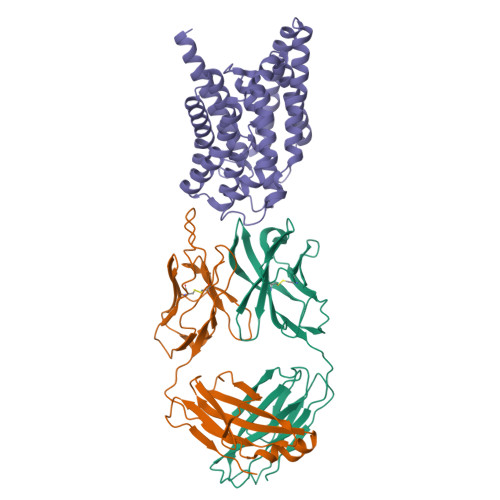
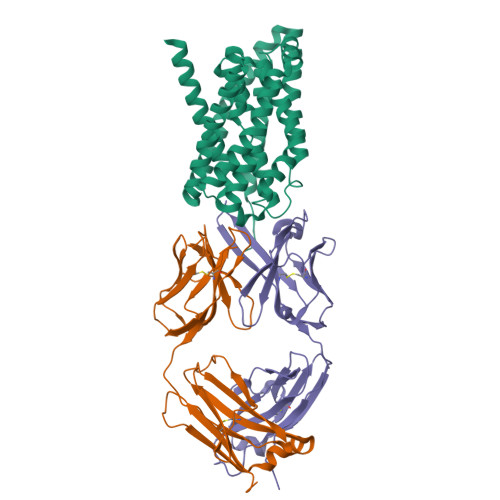
G-protein coupled bile acid receptor 1 structureClick to view 3D structureG-protein coupled bile acid receptor 1Q8TDU6HumansKnownNot Available
G-protein coupled bile acid receptor 1 structureClick to view 3D structureG-protein coupled bile acid receptor 1Q8TDU6HumansPredicted (SEA)
Prediction Confidence Score
0.684
Applicability Domain
1.0
Statistical Significance
3.00e-05
Supporting Reference Compounds
54
E-value
0.233548
Bile acid receptor structureClick to view 3D structureBile acid receptorQ96RI1HumansPredicted (SEA)
Prediction Confidence Score
0.527
Applicability Domain
0.774
Statistical Significance
6.90e-04
Supporting Reference Compounds
94
E-value
5.3716
Click to view 3D structureCMP-N-acetylneuraminate-beta-galactosamide-alpha-2,3-sialyltransferase 2Q11205Rattus norvegicusPredicted (SEA)
Prediction Confidence Score
0.52
Applicability Domain
0.52
Statistical Significance
1.00e-05
Supporting Reference Compounds
1
E-value
0.0778492
Hepatic sodium/bile acid cotransporter structureClick to view 3D structureHepatic sodium/bile acid cotransporterP26435Rattus norvegicusPredicted (SEA)
Prediction Confidence Score
0.434
Applicability Domain
0.528
Statistical Significance
1.40e-04
Supporting Reference Compounds
2
E-value
1.08989
Vitamin D3 receptor structureClick to view 3D structureVitamin D3 receptorP11473HumansPredicted (SEA)
Prediction Confidence Score
0.424
Applicability Domain
0.774
Statistical Significance
7.80e-04
Supporting Reference Compounds
41
E-value
6.07224
Click to view 3D structureIleal sodium/bile acid cotransporterQ12908HumansPredicted (SEA)
Prediction Confidence Score
0.389
Applicability Domain
1.0
Statistical Significance
2.00e-05
Supporting Reference Compounds
7
E-value
0.155698
Sex hormone-binding globulin structureClick to view 3D structureSex hormone-binding globulinP04278HumansPredicted (SEA)
Prediction Confidence Score
0.375
Applicability Domain
0.481
Statistical Significance
0.0013
Supporting Reference Compounds
33
E-value
10.2761
Ephrin type-A receptor 2 structureClick to view 3D structureEphrin type-A receptor 2Q03145Mus musculusPredicted (SEA)
Prediction Confidence Score
0.364
Applicability Domain
0.464
Statistical Significance
2.00e-04
Supporting Reference Compounds
7
E-value
1.55698
Ephrin type-A receptor 2 structureClick to view 3D structureEphrin type-A receptor 2P29317HumansPredicted (SEA)
Prediction Confidence Score
0.353
Applicability Domain
0.464
Statistical Significance
0.0273
Supporting Reference Compounds
611
E-value
212.528
Click to view 3D structureCycloartenol-C-24-methyltransferaseQ9LM02Arabidopsis thalianaPredicted (SEA)
Prediction Confidence Score
0.352
Applicability Domain
0.352
Statistical Significance
6.00e-05
Supporting Reference Compounds
1
E-value
0.467095
Click to view 3D structureCMP-N-acetylneuraminate-beta-galactosamide-alpha-2,3-sialyltransferase 1Q11201HumansPredicted (SEA)
Prediction Confidence Score
0.351
Applicability Domain
0.513
Statistical Significance
3.00e-05
Supporting Reference Compounds
3
E-value
0.233548
Tyrosine-protein phosphatase non-receptor type 1 structureClick to view 3D structureTyrosine-protein phosphatase non-receptor type 1P18031HumansPredicted (SEA)
Prediction Confidence Score
0.346
Applicability Domain
0.774
Statistical Significance
0.0037
Supporting Reference Compounds
197
E-value
28.8821
NPC1-like intracellular cholesterol transporter 1 structureClick to view 3D structureNPC1-like intracellular cholesterol transporter 1Q9UHC9HumansPredicted (SEA)
Prediction Confidence Score
0.339
Applicability Domain
0.373
Statistical Significance
8.30e-04
Supporting Reference Compounds
13
E-value
6.46149
Bile salt export pump structureClick to view 3D structureBile salt export pumpO95342HumansPredicted (SEA)
Prediction Confidence Score
0.335
Applicability Domain
0.61
Statistical Significance
0.0016
Supporting Reference Compounds
104
E-value
12.4559
Corticosteroid-binding globulin structureClick to view 3D structureCorticosteroid-binding globulinP08185HumansPredicted (SEA)
Prediction Confidence Score
0.328
Applicability Domain
0.41
Statistical Significance
0.0018
Supporting Reference Compounds
21
E-value
14.2464
Click to view 3D structurePotassium-transporting ATPase alpha chain 2P54707HumansPredicted (SEA)
Prediction Confidence Score
0.325
Applicability Domain
0.333
Statistical Significance
6.00e-05
Supporting Reference Compounds
2
E-value
0.467095
Aldo-keto reductase family 1 member B10 structureClick to view 3D structureAldo-keto reductase family 1 member B10O60218HumansPredicted (SEA)
Prediction Confidence Score
0.323
Applicability Domain
0.466
Statistical Significance
0.0029
Supporting Reference Compounds
49
E-value
22.8877
Hepatic sodium/bile acid cotransporter structureClick to view 3D structureHepatic sodium/bile acid cotransporterQ14973HumansPredicted (SEA)
Prediction Confidence Score
0.321
Applicability Domain
0.61
Statistical Significance
3.10e-04
Supporting Reference Compounds
17
E-value
2.41333
Oxysterols receptor LXR-alpha structureClick to view 3D structureOxysterols receptor LXR-alphaQ13133HumansPredicted (SEA)
Prediction Confidence Score
0.32
Applicability Domain
0.373
Statistical Significance
0.0049
Supporting Reference Compounds
76
E-value
37.9904
Ephrin type-A receptor 8 structureClick to view 3D structureEphrin type-A receptor 8O09127Mus musculusPredicted (SEA)
Prediction Confidence Score
0.316
Applicability Domain
0.351
Statistical Significance
3.40e-04
Supporting Reference Compounds
3
E-value
2.64687
Oxysterol-binding protein 1 structureClick to view 3D structureOxysterol-binding protein 1P22059HumansPredicted (SEA)
Prediction Confidence Score
0.316
Applicability Domain
0.324
Statistical Significance
9.10e-04
Supporting Reference Compounds
9
E-value
7.08428
3-hydroxy-3-methylglutaryl-coenzyme A reductase structureClick to view 3D structure3-hydroxy-3-methylglutaryl-coenzyme A reductaseP00347Cricetulus griseusPredicted (SEA)
Prediction Confidence Score
0.316
Applicability Domain
0.358
Statistical Significance
2.30e-04
Supporting Reference Compounds
2
E-value
1.79053
Glucocorticoid receptor structureClick to view 3D structureGlucocorticoid receptorP04150HumansPredicted (SEA)
Prediction Confidence Score
0.314
Applicability Domain
0.339
Statistical Significance
0.0053
Supporting Reference Compounds
154
E-value
41.6493
Nuclear receptor ROR-gamma structureClick to view 3D structureNuclear receptor ROR-gammaP51449HumansPredicted (SEA)
Prediction Confidence Score
0.314
Applicability Domain
0.324
Statistical Significance
0.0069
Supporting Reference Compounds
102
E-value
53.9495
Click to view 3D structureEphrin type-A receptor 7Q61772Mus musculusPredicted (SEA)
Prediction Confidence Score
0.309
Applicability Domain
0.309
Statistical Significance
7.40e-04
Supporting Reference Compounds
1
E-value
5.76084
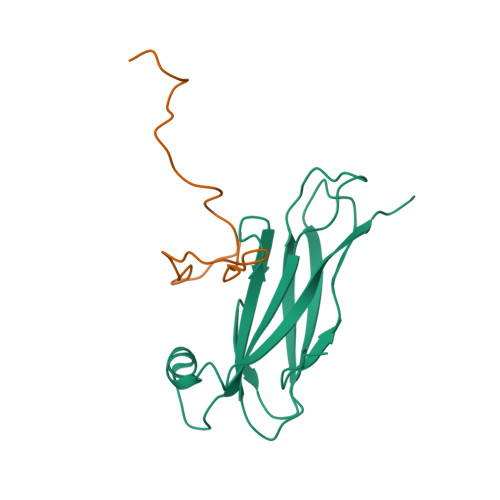
Click to view 3D structureIleal sodium/bile acid cotransporterQ12908HumansKnownNot Available
G-protein coupled bile acid receptor 1 structureClick to view 3D structureG-protein coupled bile acid receptor 1Q8TDU6HumansKnownNot Available
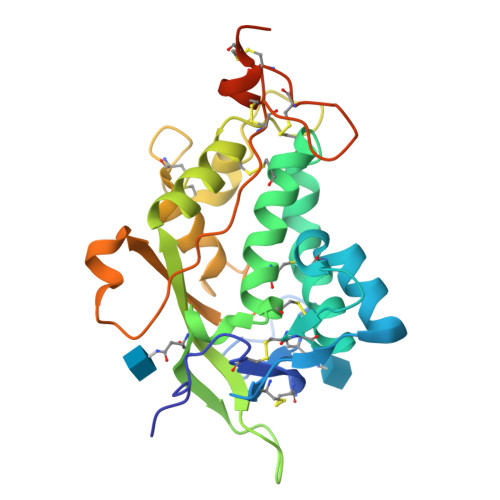
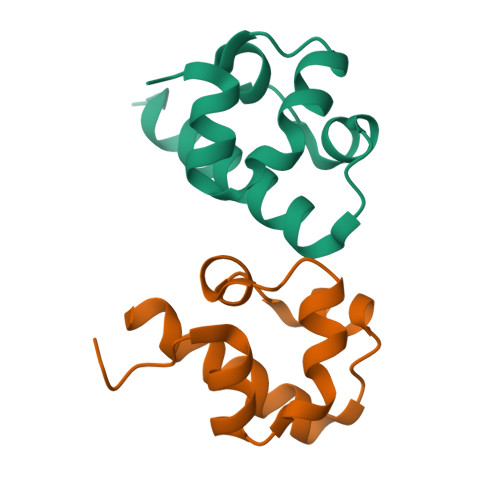
Glutathione S-transferase P structureClick to view 3D structureGlutathione S-transferase PP09211HumansKnownNot Available
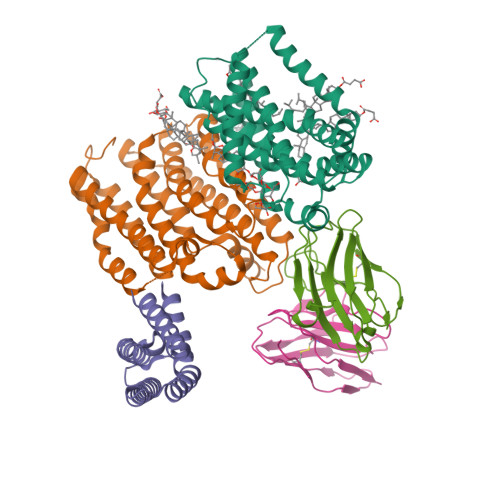
Bile acid receptor structureClick to view 3D structureBile acid receptorQ96RI1HumansKnownNot Available
Concentrations
Not Available
External Links
DrugBank IDNot Available
HMDB IDNot Available
FooDB IDNot Available
Phenol Explorer IDNot Available
KNApSAcK IDNot Available
BiGG IDNot Available
BioCyc IDNot Available
METLIN IDNot Available
PDB IDNot Available
Wikipedia LinkDeoxycholic acid
Chemspider IDNot Available
ChEBI IDNot Available
PubChem Compound ID130219689
Kegg Compound IDNot Available
YMDB IDNot Available
ECMDB IDNot Available
References
Synthesis ReferenceNot Available
MSDSNot Available
General References
  1. St-Pierre MV, Kullak-Ublick GA, Hagenbuch B, Meier PJ: Transport of bile acids in hepatic and non-hepatic tissues. J Exp Biol. 2001 May;204(Pt 10):1673-86. [PubMed: 11316487]
  2. Claudel T, Staels B, Kuipers F: The Farnesoid X receptor: a molecular link between bile acid and lipid and glucose metabolism. Arterioscler Thromb Vasc Biol. 2005 Oct;25(10):2020-30. Epub 2005 Jul 21. [PubMed: 16037564]
  3. Chiang JY: Bile acid regulation of hepatic physiology: III. Bile acids and nuclear receptors. Am J Physiol Gastrointest Liver Physiol. 2003 Mar;284(3):G349-56. [PubMed: 12576301]
  4. Davis RA, Miyake JH, Hui TY, Spann NJ: Regulation of cholesterol-7alpha-hydroxylase: BAREly missing a SHP. J Lipid Res. 2002 Apr;43(4):533-43. [PubMed: 11907135]
  5. Tadano T, Kanoh M, Matsumoto M, Sakamoto K, Kamano T: Studies of serum and feces bile acids determination by gas chromatography-mass spectrometry. Rinsho Byori. 2006 Feb;54(2):103-10. [PubMed: 16548228]
  6. Berr F, Stellaard F, Pratschke E, Paumgartner G: Effects of cholecystectomy on the kinetics of primary and secondary bile acids. J Clin Invest. 1989 May;83(5):1541-50. [PubMed: 2708522]
  7. Yamaga N, Adachi K, Shimizu K, Miyake S, Sumi F, Miyagawa I, Goto H: Bile acids of patients with renal failure receiving chronic hemodialysis. Steroids. 1986 Nov-Dec;48(5-6):427-38. [PubMed: 3445292]
  8. Stellaard F, Paumgartner G, van Berge Henegouwen GP, van der Werf SD: Determination of deoxycholic acid pool size and input rate using [24-13C]deoxycholic acid and serum sampling. J Lipid Res. 1986 Nov;27(11):1222-5. [PubMed: 3559388]
  9. Andersen RB, Bruusgaard A: Effect of the common bile acids on the fibrin/fibrinogen fragments in rheumatoid synovial fluid. A possible clue to the ameliorating effect of jaundice in rheumatoid arthritis. Scand J Rheumatol. 1975;4(3):158-64. [PubMed: 52191]
  10. Deleze G, Paumgartner G, Karlaganis G, Giger W, Reinhard M, Sidiropoulos D: Bile acid pattern in human amniotic fluid. Eur J Clin Invest. 1978 Feb;8(1):41-5. [PubMed: 417931]
  11. Beher WT, Gabbard A, Norum RA, Stradnieks S: Effect of blood high density lipoprotein cholesterol concentration on fecal steroid excretion in humans. Life Sci. 1983 Jun 27;32(26):2933-7. [PubMed: 6865641]
  12. Nobuoka A, Takayama T, Miyanishi K, Sato T, Takanashi K, Hayashi T, Kukitsu T, Sato Y, Takahashi M, Okamoto T, Matsunaga T, Kato J, Oda M, Azuma T, Niitsu Y: Glutathione-S-transferase P1-1 protects aberrant crypt foci from apoptosis induced by deoxycholic acid. Gastroenterology. 2004 Aug;127(2):428-43. [PubMed: 15300575]
  13. Rudi J, Schonig T, Stremmel W: -Therapy with ursodeoxycholic acid in primary biliary cirrhosis in pregnancy-. Z Gastroenterol. 1996 Mar;34(3):188-91. [PubMed: 8650973]
  14. Heikkinen J, Maentausta O, Tuimala R, Ylostalo P, Janne O: Amniotic fluid bile acids in normal and pathologic pregnancy. Obstet Gynecol. 1980 Jul;56(1):60-4. [PubMed: 7383489]
  15. Duret G, Delcour AH: Deoxycholic acid blocks vibrio cholerae OmpT but not OmpU porin. J Biol Chem. 2006 Jul 21;281(29):19899-905. Epub 2006 May 2. [PubMed: 16670088]
  16. Costarelli V, Sanders TA: Plasma deoxycholic acid concentration is elevated in postmenopausal women with newly diagnosed breast cancer. Eur J Clin Nutr. 2002 Sep;56(9):925-7. [PubMed: 12209383]
  17. Stadler J, Yeung KS, Furrer R, Marcon N, Himal HS, Bruce WR: Proliferative activity of rectal mucosa and soluble fecal bile acids in patients with normal colons and in patients with colonic polyps or cancer. Cancer Lett. 1988 Jan;38(3):315-20. [PubMed: 3349450]
  18. Salen G, Tint GS, Eliav B, Deering N, Mosbach EH: Increased formation of ursodeoxycholic acid in patients treated with chenodeoxycholic acid. J Clin Invest. 1974 Feb;53(2):612-21. [PubMed: 11344576]