Chloroacetic acid (CED0004441)

Record Information
Version1.0
Creation Date2016-05-19 01:33:26 UTC
Update Date2026-08-22 09:35:49 UTC
SynCED IDCED0004441
Secondary Accession Numbers
  • CHEM004051
Identification
Common NameChloroacetic acid
ClassSmall Molecule
Description
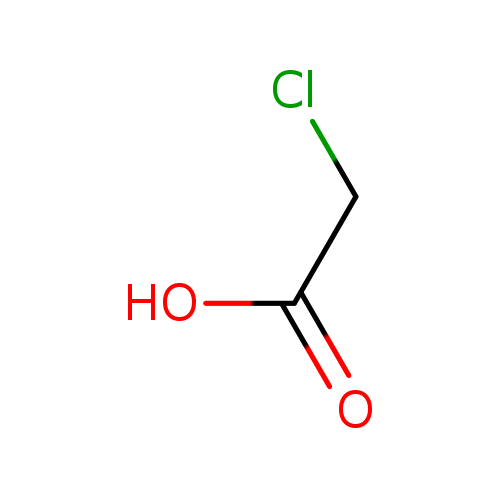
Chloroacetic acid is an organic compound with the chemical formula C2H3ClO2 and an average molecular weight of 94.50 g/mol. Chloroacetic acid belongs to the alpha-halocarboxylic acids and derivatives, a subclass of carboxylic acids and derivatives within the organic compounds. Industrial applications for the compound include its use as a biocide and as a pharmaceutical. It is associated with 33 recorded sources. Within the category of electrical and electronic equipment, it is found in antennas, amplifiers, contacts, electric switches, and conductors or conductive bodies characterised by the conductive materials. In the context of food, cookware, and food processing, it is linked to the processing of meats, food preservation, the preparation of malt, the preparation of wine or sparkling wine, and fermentation processes for beer. Further sources include building and construction materials such as floors, ceilings, fencing, and tents or canopies. Additionally, it is found in household cleaning and consumer products, specifically within soap detergents, bleaching agents, pipe accessories, cigar cigarettes, and perfumes within detergents and soaps.
Contaminant Type
  • Human Neurotoxin
Chemical Structure
Synonyms
ValueSource
2-Chloro-acetic acidChEBI
2-Chloro-ethanoic acidChEBI
2-Chloroacetic acidChEBI
Acide chloracetiqueChEBI
Acide chloroacetiqueChEBI
Acide monochloracetiqueChEBI
alpha-Chloro-acetic acidChEBI
CAAChEBI
Chloracetic acidChEBI
Chloroethanoic acidChEBI
MonochloressigsaeureChEBI
Monochloroacetic acidChEBI
Monochloroethanoic acidChEBI
AcetocaustinKegg
2-Chloro-acetateGenerator
2-Chloro-ethanoateGenerator
2-ChloroacetateGenerator
a-Chloro-acetateGenerator
a-Chloro-acetic acidGenerator
alpha-Chloro-acetateGenerator
Α-chloro-acetateGenerator
Α-chloro-acetic acidGenerator
ChloracetateGenerator
ChloroethanoateGenerator
MonochloroacetateGenerator
MonochloroethanoateGenerator
ChloroacetateGenerator
AcidomonocloroaceticoHMDB
alpha-Chloroacetic acidHMDB
CH2ClCOOHHMDB
Chloro-acetic acidHMDB
ChloroaceticHMDB
Chloroacetic acid (80% or less)HMDB
Chloroacetic acid crystallineHMDB
Chloroacetic acid, acsHMDB
Chloroacetic acid, liquidHMDB
Chloroacetic acid, moltenHMDB
Chloroacetic acid, solidHMDB
Chloroacetic acid, solid (dot)HMDB
Chloroacetic-acidHMDB
MCAHMDB
MonochloorazijnzuurHMDB
Monochloracetic acidHMDB
Monochloracetic acidacide monochloracetiqueHMDB
Sjphlqdiktp@HMDB
Chloroacetic acid, calcium saltHMDB
Chloroacetic acid, sodium (2:1) saltHMDB
Chloroacetic acid, sodium (5:2) saltHMDB
Chloroacetic acid, ammonium (2:1) saltHMDB
Chloroacetic acid, aluminum saltHMDB
Chloroacetic acid, ammonium saltHMDB
Chloroacetic acid, potassium (2:1) saltHMDB
Chloroacetic acid, silver saltHMDB
Chloroacetic acid, sodium saltHMDB
SODIUM chloroacetATEHMDB
Chloroacetic acid, calcium (3:1) saltHMDB
Chloroacetic acid, potassium saltHMDB
Chloroacetic acidMeSH
Chemical FormulaC2H3ClO2
Average Molecular Mass94.497 g/mol
Monoisotopic Mass93.982 g/mol
CAS Registry Number79-11-8
IUPAC Name2-chloroacetic acid
Traditional Namechloroacetic acid
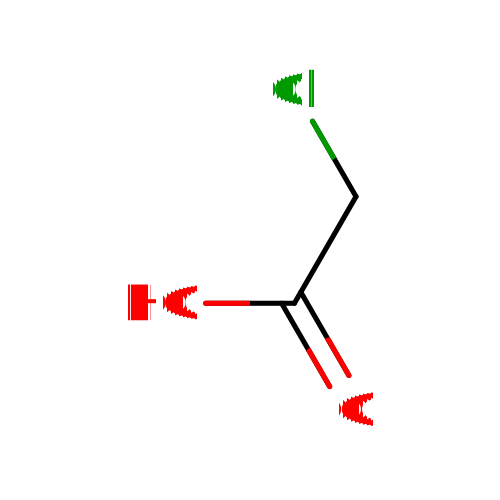
SMILESOC(=O)CCl
InChI IdentifierInChI=1S/C2H3ClO2/c3-1-2(4)5/h1H2,(H,4,5)
InChI KeyFOCAUTSVDIKZOP-UHFFFAOYSA-N
Chemical Taxonomy
Description Belongs to the class of organic compounds known as alpha-halocarboxylic acids. These are carboxylic acids containing a halogen atom bonded to the alpha carbon atom.
KingdomOrganic compounds
Super ClassOrganic acids and derivatives
ClassCarboxylic acids and derivatives
Sub ClassAlpha-halocarboxylic acids and derivatives
Direct ParentAlpha-halocarboxylic acids
Alternative Parents
Substituents
  • Alpha-halocarboxylic acid
  • Monocarboxylic acid or derivatives
  • Carboxylic acid
  • Organic oxygen compound
  • Organic oxide
  • Hydrocarbon derivative
  • Organooxygen compound
  • Organochloride
  • Organohalogen compound
  • Carbonyl group
  • Alkyl halide
  • Alkyl chloride
  • Aliphatic acyclic compound
Molecular FrameworkAliphatic acyclic compounds
External Descriptors
Biological Properties
StatusDetected and Not Quantified
OriginNot Available
Cellular LocationsNot Available
Biofluid LocationsNot Available
Tissue LocationsNot Available
ApplicationsNot Available
Biological Roles
Chemical RolesNot Available
Organoleptic EffectsNot Available
Physical Properties
StateNot Available
AppearanceNot Available
Experimental Properties
PropertyValue
Melting PointNot Available
Boiling PointNot Available
SolubilityNot Available
Predicted Properties
PropertyValueSource
Water Solubility280 g/LALOGPS
logP0.18ALOGPS
logP0.31ChemAxon
logS0.47ALOGPS
pKa (Strongest Acidic)3.06ChemAxon
Physiological Charge-1ChemAxon
Hydrogen Acceptor Count2ChemAxon
Hydrogen Donor Count1ChemAxon
Polar Surface Area37.3 ŲChemAxon
Rotatable Bond Count1ChemAxon
Refractivity17.4 m³·mol⁻¹ChemAxon
Polarizability7.33 ųChemAxon
Number of Rings0ChemAxon
BioavailabilityYesChemAxon
Rule of FiveYesChemAxon
Ghose FilterNoChemAxon
Veber's RuleYesChemAxon
MDDR-like RuleNoChemAxon
Spectra
Spectra
Spectrum TypeDescriptionSplash KeyDeposition DateView
Predicted GC-MSPredicted GC-MS Spectrumsplash10-052f-9000000000-d7ad64391c96deb3de35Not AvailableView Spectrum
Predicted GC-MSPredicted GC-MS Spectrumsplash10-00du-9200000000-940fedbd6b6f8c55c5a4Not AvailableView Spectrum
Predicted GC-MSPredicted GC-MS SpectrumNot AvailableNot AvailableView Spectrum
Predicted LC-MS/MSPredicted LC-MS/MS Spectrumsplash10-0006-9000000000-aaf6edb2b5574f74bdcbNot AvailableView Spectrum
Predicted LC-MS/MSPredicted LC-MS/MS Spectrumsplash10-0006-9000000000-38b0717f7c29f1ea92eaNot AvailableView Spectrum
Predicted LC-MS/MSPredicted LC-MS/MS Spectrumsplash10-004i-9000000000-938f17816bbc5dcba3e4Not AvailableView Spectrum
Predicted LC-MS/MSPredicted LC-MS/MS Spectrumsplash10-0006-9000000000-326c23d93ef6d226df1cNot AvailableView Spectrum
Predicted LC-MS/MSPredicted LC-MS/MS Spectrumsplash10-0006-9000000000-fcac67e5e20790848ebdNot AvailableView Spectrum
Predicted LC-MS/MSPredicted LC-MS/MS Spectrumsplash10-0006-9000000000-27e8aa335107dedd6cd7Not AvailableView Spectrum
Predicted LC-MS/MSPredicted LC-MS/MS Spectrumsplash10-002f-9000000000-56d70984d9778e4a12ffNot AvailableView Spectrum
Predicted LC-MS/MSPredicted LC-MS/MS Spectrumsplash10-002f-9000000000-b4c9c6e7cb283abccc40Not AvailableView Spectrum
Predicted LC-MS/MSPredicted LC-MS/MS Spectrumsplash10-004j-9000000000-0c24059efae248d3d651Not AvailableView Spectrum
Predicted LC-MS/MSPredicted LC-MS/MS Spectrumsplash10-0006-9000000000-0825da4d9cf2fe857454Not AvailableView Spectrum
Predicted LC-MS/MSPredicted LC-MS/MS Spectrumsplash10-0006-9000000000-791aee9016391d12018fNot AvailableView Spectrum
Predicted LC-MS/MSPredicted LC-MS/MS Spectrumsplash10-0006-9000000000-bc1d1ccda2784c87ec57Not AvailableView Spectrum
Toxicity Profile
Toxicity Values
Toxicity ValueOrganismDose DescriptorRoute of ExposurePredicted or ExperimentalToxicity RatingReference
150.0 Log mg/kg [80:270]RatLD50oralpredictedNot AvailableNot Available
Toxicity / Toxin ClassNot Available
Mechanism of ToxicityNot Available
Carcinogenicity (IARC Classification)Not Available
Minimum Risk LevelNot Available
SymptomsNot Available
TreatmentNot Available
Health Effects
Health EffectRelationshipDirectionDescriptionReference
Exposure Sources
Source IDSourceSectorReference
CEDs000010Insecticides?Insecticides are synthetic chemicals designed to control or eliminate insect pests that threaten crops and other agricultural products.Agriculture & land managementPubChem
CEDs000115Drinking water?Drinking water can be a medium for synthetic chemical contamination, often originating from various industrial processes and agricultural practices.Drinking water & water supplyPMC10864661 , PMC1533450
CEDs000233Brushes?Brushes used in personal care and cosmetics can be a source of synthetic chemical contamination due to the materials and coatings used in their manufacturing.Personal care & cosmeticsPubChem
CEDs000495Ceilings?Ceilings in built environments can be a source of synthetic chemical contamination due to the materials used in their construction and finishes.Building & ConstructionPubChem
CEDs000496Fencing?Fencing materials, particularly those used in construction and landscaping, can be a source of synthetic chemical contamination due to the treatments and coatings applied for durability and weather resistance.Building & ConstructionPubChem
CEDs000497Floors?Floors in built environments can be a significant source of synthetic chemical contamination due to the materials and finishes used in their construction.Building & ConstructionPubChem
CEDs000503Tents Or Canopies?Tents and canopies used in various applications can be a source of synthetic chemical contamination primarily due to the materials from which they are made.Building & ConstructionPubChem
CEDs000505Amplifiers?Amplifiers, commonly used in various electronic devices to enhance signal strength, can be a source of synthetic chemical contamination due to the materials and processes involved in their production and disposal.Electrical & Electronic EquipmentPubChem
CEDs000506Antennas?Antennas, commonly used in communication technologies, can be a source of synthetic chemical contamination through the materials and coatings used in their construction.Electrical & Electronic EquipmentPubChem
CEDs000511Conductors Or Conductive Bodies Characterised By The Conductive Materials?Conductors, or conductive bodies, are materials that allow the flow of electrical current, typically made from metals such as copper, aluminum, or silver.Electrical & Electronic EquipmentPubChem
CEDs000512Contacts?Contacts in electrical and electronic equipment are components that facilitate the flow of electricity between circuits.Electrical & Electronic EquipmentPubChem
CEDs000517Electric Switches?Electric switches, integral components in numerous devices, can be a source of synthetic chemical contamination due to the materials and manufacturing processes involved in their production.Electrical & Electronic EquipmentPubChem
CEDs000518Electrically Stimulated Smoking Devices?Electrically stimulated smoking devices, commonly known as e-cigarettes or vape pens, utilize electrical components to heat a liquid solution, often containing nicotine, flavorings, and other additives, to produce an aerosol for inhalation.Electrical & Electronic EquipmentPubChem
CEDs000519Electrodes?Electrodes, used in various electrical and electronic applications, can be a source of synthetic chemical contamination due to the materials from which they are constructed and the processes involved in their manufacturing.Electrical & Electronic EquipmentPubChem
CEDs000520Emergency Protective Devices?Emergency protective devices, such as circuit breakers and surge protectors, are essential components in electrical systems designed to prevent damage from overcurrent and surges.Electrical & Electronic EquipmentPubChem
CEDs000521Fixed Capacitors And Their Manufacture?Fixed capacitors are passive electronic components used to store and release electrical energy, playing a critical role in various circuits.Electrical & Electronic EquipmentPubChem
CEDs000524Hybrid Capacitors?Hybrid capacitors are energy storage devices that combine the properties of electrolytic and supercapacitors, utilizing a combination of electrochemical principles to achieve higher energy density and power density.Electrical & Electronic EquipmentPubChem
CEDs000527Magnets?Magnets, commonly used in various electrical and electronic applications, can be a source of synthetic chemical contamination due to the materials used in their production.Electrical & Electronic EquipmentPubChem
CEDs000529Power Cables?Power cables are used to transmit electrical energy and are typically composed of conductive materials, insulation, and protective coatings.Electrical & Electronic EquipmentPubChem
CEDs000530Radio Transmission Systems?Radio transmission systems utilize a variety of synthetic chemicals in their manufacturing and maintenance processes.Electrical & Electronic EquipmentPubChem
CEDs000531Relays?Relays are electromechanical switches used to control circuits and manage electrical loads.Electrical & Electronic EquipmentPubChem
CEDs000536Superconductive Or Hyperconductive Conductors Cables Or Transmission Lines?Superconductive or hyperconductive conductors, including cables and transmission lines, are materials that exhibit zero electrical resistance under specific conditions, typically at low temperatures.Electrical & Electronic EquipmentPubChem
CEDs000538Thin Magnetic Films?Thin magnetic films are layers of magnetic material ranging from a few nanometers to several micrometers in thickness, commonly used in applications such as magnetic sensors, data storage devices, and electronic components.Electrical & Electronic EquipmentPubChem
CEDs000539Video Games?Video games, through their production and disposal processes, can be a source of synthetic chemical contamination.Electrical & Electronic EquipmentPubChem
CEDs000544Fermentation Processes For Beer?Fermentation processes for beer involve the conversion of sugars into alcohol and carbon dioxide by yeast.Food, food processing & cookwarePubChem
CEDs000545Food Preservation?Food preservation often involves the use of synthetic chemicals, such as preservatives, flavor enhancers, and color additives, to extend shelf life and enhance the sensory qualities of food products.Food, food processing & cookwarePubChem
CEDs000547Preparation Of Malt?Malt preparation involves the germination and drying of cereal grains, primarily barley, to produce malt for brewing and food products.Food, food processing & cookwarePubChem
CEDs000549Preparation Of Wine Or Sparkling Wine?The preparation of wine or sparkling wine involves various stages, including fermentation, aging, and bottling, which can introduce potential sources of synthetic chemical contamination.Food, food processing & cookwarePubChem
CEDs000552Processing Meats?Processing meats can lead to synthetic chemical contamination primarily through the use of additives and preservatives.Food, food processing & cookwarePubChem
CEDs000555Bleaching Agents?Bleaching agents are chemical substances used to whiten or lighten materials, often employed in various cleaning products for their stain removal and disinfecting properties.Household cleaning & consumer productsPubChem
CEDs000556Cigar Cigarettes?Cigar cigarettes are a source of synthetic chemical contamination due to the combustion of various tobacco blends and additives.Household cleaning & consumer productsPubChem
CEDs000561Perfumes Within Detergents And Soaps?Perfumes within detergents and soaps are synthetic fragrance compounds added to enhance the sensory experience of cleaning products.Household cleaning & consumer productsPubChem
CEDs000562Pipe Accessories?Pipe accessories, such as fittings, connectors, and seals, are components used in plumbing systems to facilitate the flow of liquids and gases.Household cleaning & consumer productsPubChem
CEDs000563Soap Detergents?Soap detergents are synthetic surfactants designed to enhance the cleaning efficacy of water by reducing surface tension, allowing for better interaction with dirt and grease.Household cleaning & consumer productsPubChem
CEDs000564Soap Dispensers?Soap dispensers, commonly used for dispensing liquid soaps and sanitizers, can become a source of synthetic chemical contamination due to the materials used in their construction and the products they dispense.Household cleaning & consumer productsPubChem
CEDs000569Tobacco Smoke Filters?Tobacco smoke filters are designed to reduce the inhalation of harmful substances in cigarette smoke, including tar and other particulate matter.Household cleaning & consumer productsPubChem
CEDs000578Making Cigars?The process of making cigars involves several steps, including the cultivation of tobacco, fermentation, and the application of various additives to enhance flavor and preservation.Industrial manufacturing & chemical processingPubChem
CEDs000579Manufacture Of Iron Or Steel?The manufacture of iron or steel involves various processes, including smelting, refining, and alloying, which can result in the release of synthetic chemicals and contaminants.Industrial manufacturing & chemical processingPubChem
CEDs000580Manufacture Preparation Of Tobacco Products?The manufacture and preparation of tobacco products involve various processes that can result in the introduction of synthetic chemicals into the environment.Industrial manufacturing & chemical processingPubChem
CEDs000581Paper Making Machines?Paper making machines utilize various synthetic chemicals throughout the production process, including additives, coatings, and bleaching agents.Industrial manufacturing & chemical processingPubChem
CEDs000583Anchoring Equipment?Anchoring equipment, commonly used in marine applications, can be a source of synthetic chemical contamination due to the materials and coatings utilized in their manufacturing.Marine, shipping & aquaculturePubChem
CEDs000584Buoys?Buoys, often used for navigation and marine monitoring, can be sources of synthetic chemical contamination due to the materials and coatings employed in their construction.Marine, shipping & aquaculturePubChem
CEDs000592Marine Propulsion Or Steering?Marine propulsion and steering systems often rely on various synthetic chemicals, including lubricants, fuels, and hydraulic fluids.Marine, shipping & aquaculturePubChem
CEDs000596Acaricides?Acaricides are synthetic chemicals specifically designed to target and control mite populations that can damage crops and plants.Agriculture & land managementPubChem
CEDs000597Chemosterilants?Chemosterilants are synthetic chemicals designed to induce sterility in target pest populations, thereby controlling their reproduction and mitigating damage to crops.Agriculture & land managementPubChem
CEDs000598Fertiliser Distributors?Fertiliser distributors play a critical role in the supply of synthetic fertilizers, which are widely used to enhance soil fertility and crop yield.Agriculture & land managementPubChem
CEDs000600Herbicides And Algicides?Herbicides and algicides are synthetic chemicals primarily used to control unwanted plants and algae in various environments.Agriculture & land managementPubChem
CEDs000602Molluscicides?Molluscicides are synthetic chemicals specifically designed to control and eliminate mollusks, such as snails and slugs, which can be detrimental to crops and agricultural productivity.Agriculture & land managementPubChem
CEDs000603Nematocides?Nematocides are synthetic chemicals specifically designed to control nematodes, which are microscopic roundworms that can cause significant damage to crops and plants.Agriculture & land managementPubChem
CEDs000604Pest Attractants?Pest attractants are synthetic chemicals designed to lure specific pests for monitoring or control purposes.Agriculture & land managementPubChem
CEDs000605Pest Repellants?Pest repellents, often formulated from synthetic chemicals, are widely used to protect crops from insect infestations and other pests.Agriculture & land managementPubChem
CEDs000606Plant Growth Regulators?Plant Growth Regulators (PGRs) are synthetic chemicals designed to influence the growth and development of plants.Agriculture & land managementPubChem
CEDs000609Aftershave?Aftershave is a grooming product typically used to soothe and protect the skin following shaving.Personal care & cosmeticsPubChem
CEDs000610Aftersun Products?Aftersun products are designed to soothe and hydrate the skin after sun exposure, often containing various synthetic chemicals such as emollients, preservatives, and fragrances.Personal care & cosmeticsPubChem
CEDs000611Anti Perspirants Or Body Deoderants?Antiperspirants and body deodorants commonly contain synthetic chemicals such as aluminum compounds, parabens, and synthetic fragrances.Personal care & cosmeticsPubChem
CEDs000613Depilatories?Depilatories are products designed to remove unwanted hair through the application of synthetic chemicals that break down the protein structure of hair, facilitating its removal.Personal care & cosmeticsPubChem
CEDs000614Essential Oils Or Perfumes?Essential oils and perfumes are complex mixtures of volatile compounds derived from natural or synthetic sources, commonly used for their aromatic properties.Personal care & cosmeticsPubChem
CEDs000615Eye Makeup Products?Eye makeup products, including mascaras, eyeliners, and eyeshadows, often contain a variety of synthetic chemicals such as pigments, preservatives, and film-forming agents.Personal care & cosmeticsPubChem
CEDs000616Face Mask Cosmetics?Face mask cosmetics often contain a variety of synthetic chemicals, including preservatives, emulsifiers, and fragrances, which can contribute to chemical contamination.Personal care & cosmeticsPubChem
CEDs000617Lip Care Products?Lip care products, including lipsticks, balms, and glosses, often contain a variety of synthetic chemicals such as parabens, phthalates, and synthetic fragrances.Personal care & cosmeticsPubChem
CEDs000618Lip Makeup Products?Lip makeup products, such as lipsticks, lip glosses, and lip liners, often contain a variety of synthetic chemicals, including pigments, preservatives, and emollients.Personal care & cosmeticsPubChem
CEDs000630Toys?Toys, particularly those made from synthetic materials such as plastics, can be a source of chemical contamination due to the presence of various additives and compounds used in their production.Recreation & sports surfacesPubChem
CEDs000631Anthraquinone Dyes?Anthraquinone dyes are a class of synthetic organic compounds characterized by their vibrant colors and stability, making them widely used in various applications, particularly in coloring textiles and leather.Textiles, leather & furnishingsPubChem
CEDs000632Apparel?Apparel production often involves the use of various synthetic chemicals, including dyes, finishing agents, and preservatives.Textiles, leather & furnishingsPubChem
CEDs000633Azo Dyes?Azo dyes are synthetic organic compounds characterized by the presence of one or more azo groups (-N=N-), which are widely used for coloring textiles, leather, and furnishings.Textiles, leather & furnishingsPubChem
CEDs000635Buttons?Buttons, often made from synthetic materials such as polyester, nylon, or polycarbonate, can be a source of synthetic chemical contamination during their production, use, and disposal.Textiles, leather & furnishingsPubChem
CEDs000638Decorating Textiles?Decorating textiles often involves the use of synthetic chemicals such as dyes, finishes, and coatings.Textiles, leather & furnishingsPubChem
CEDs000639Degreasing Leather?Degreasing leather involves the removal of natural fats and oils from animal hides to prepare them for tanning and finishing processes.Textiles, leather & furnishingsPubChem
CEDs000642Footwear?Footwear production often involves the use of various synthetic chemicals, such as adhesives, dyes, and treatments, which can contribute to environmental contamination.Textiles, leather & furnishingsPubChem
CEDs000643Headwear?Headwear made from synthetic materials often incorporates chemicals used in the manufacturing and finishing processes, such as dyes, flame retardants, and water repellents.Textiles, leather & furnishingsPubChem
CEDs000648Nitro Dyes?Nitro dyes are synthetic colorants that contain nitro groups (-NO2) in their chemical structure.Textiles, leather & furnishingsPubChem
CEDs000650Purses Luggage Hand Bags?Purses, luggage, and handbags are often manufactured using synthetic materials such as polyvinyl chloride (PVC), polyurethane, and various types of nylon.Textiles, leather & furnishingsPubChem
CEDs000652Ropes?Ropes manufactured from synthetic fibers, such as polypropylene, nylon, and polyester, are widely used in various applications, including marine, construction, and outdoor activities.Textiles, leather & furnishingsPubChem
CEDs000653Sewing?Sewing processes often involve the use of various synthetic chemicals, which can become sources of contamination in the environment.Textiles, leather & furnishingsPubChem
CEDs000655Slide Fasteners?Slide fasteners, commonly known as zippers, are mechanical devices used to join two edges of fabric or other materials.Textiles, leather & furnishingsPubChem
CEDs000657Surface Finishing Of Leather?Surface finishing of leather often involves the use of various synthetic chemicals, including dyes, resins, and finishing agents.Textiles, leather & furnishingsPubChem
CEDs000659Transfer Printing?Transfer printing is a process used to apply designs and patterns onto various substrates, commonly utilizing synthetic dyes and inks that can contain hazardous chemicals.Textiles, leather & furnishingsPubChem
CEDs000661Umbrellas?Umbrellas are commonly manufactured using synthetic materials such as polyester, nylon, and polyvinyl chloride (PVC), which can contribute to synthetic chemical contamination.Textiles, leather & furnishingsPubChem
CEDs000662Yarns Or Threads?Yarns or threads used in textiles can be a source of synthetic chemical contamination due to the production processes and treatments they undergo.Textiles, leather & furnishingsPubChem
CEDs000664Fire Fighting Gels?Fire fighting gels are synthetic chemical formulations designed to enhance fire suppression effectiveness by creating a protective barrier against heat and flames.Fire suppression systems & agentsPubChem
CEDs000667Gaseous Fire Fighting?Gaseous fire fighting systems utilize synthetic chemicals, such as halocarbons and inert gases, to suppress fires through chemical and physical processes.Fire suppression systems & agentsPubChem
CEDs000668Non-PFAS Fire Fighting Foam?Non-PFAS fire fighting foam refers to fire suppression agents that do not contain per- and polyfluoroalkyl substances (PFAS), which are synthetic chemicals known for their water- and grease-resistant properties.Fire suppression systems & agentsPubChem
CEDs000669PFAS Fire Fighting Foam?PFAS fire fighting foam refers to a class of synthetic foams containing per- and polyfluoroalkyl substances (PFAS), which are designed to suppress flammable liquid fires.Fire suppression systems & agentsPubChem
CEDs000670Solid Fire Fighting Substances?Solid fire fighting substances, such as certain types of dry chemical powders, are used in fire suppression applications to extinguish flames and prevent fire spread.Fire suppression systems & agentsPubChem
CEDs000671Airplanes And Helicopters?Airplanes and helicopters are significant sources of synthetic chemical contamination primarily through the use of aviation fuels, lubricants, and de-icing agents.Aviation & AerospacePubChem
CEDs000678Nitrogenous Fertilisers?Nitrogenous fertilizers are synthetic chemical compounds primarily used to enhance plant growth by supplying essential nitrogen, a crucial nutrient for photosynthesis and protein synthesis.Agriculture & land managementPubChem
CEDs000679Phosphatic Fertilisers?Phosphatic fertilizers are synthetic chemical products primarily composed of phosphorus, which is essential for plant growth.Agriculture & land managementPubChem
CEDs000684Cements?Cements are a composite material primarily used as a binding agent in construction applications, formed by the calcination of limestone and clay minerals at high temperatures.Building & ConstructionPubChem
CEDs000685Ceramics?Ceramics can be a source of synthetic chemical contamination through various additives and processing agents used in their production.Building & ConstructionPubChem
CEDs000686Clay Wares?Clay wares are ceramic products made from natural clay, often utilized in various construction applications such as tiles, bricks, and sanitary ware.Building & ConstructionPubChem
CEDs000688Glass Coatings?Glass coatings are synthetic chemical formulations applied to glass surfaces to enhance properties such as durability, UV resistance, and aesthetic appeal.Building & ConstructionPubChem
CEDs000689Glass Fibres?Glass fibres are composed of fine strands of glass, commonly utilized for their tensile strength and lightweight properties.Building & ConstructionPubChem
CEDs000690Lime?Lime, primarily comprised of calcium oxide (CaO) or calcium hydroxide (Ca(OH)₂), is widely used in various applications, including as a key ingredient in mortars, plasters, and cement.Building & ConstructionPubChem
CEDs000691Non Oxide Glass?Non-oxide glass refers to a category of glasses primarily composed of materials other than silicon dioxide, such as boron oxide or phosphorous oxide.Building & ConstructionPubChem
CEDs000692Silica Free Oxide Glass?Silica Free Oxide Glass is a type of glass that is produced using alternative materials to traditional silica-based formulations.Building & ConstructionPubChem
CEDs000693Silica Glass?Silica glass, primarily composed of silicon dioxide (SiO2), is widely used in various applications, including windows, glass facades, and insulation materials.Building & ConstructionPubChem
CEDs000696Nanotechnology?Nanotechnology involves the manipulation of materials at the molecular or atomic level, typically within the range of 1 to 100 nanometers.Industrial manufacturing & chemical processingPubChem
CEDs000699Mining Or Quarrying?Mining and quarrying operations can lead to synthetic chemical contamination through the release of various pollutants associated with the extraction and processing of minerals.Mining & metal processingPubChem
CEDs000711Coloured Pencils?Coloured pencils are commonly used tools for artistic expression and education, composed primarily of a wood casing and a core made from a mixture of pigments, binders, and waxes.Paper, pulp & fiber productsPubChem
CEDs000727Printing Machines Or Presses?Printing machines or presses commonly utilize synthetic chemicals such as inks, solvents, and cleaning agents.Paper, pulp & fiber productsPubChem
CEDs000734Coating Compositions?Coating compositions, which include paints, sealants, and varnishes, are formulated with a variety of synthetic chemicals such as solvents, resins, pigments, and additives.Building & ConstructionPubChem
CEDs000735Explosives?Explosives are chemical compounds or mixtures designed to undergo rapid decomposition, releasing energy in the form of gas and heat.Defense & military infrastructurePubChem
CEDs000736Fuses?Fuses are safety devices designed to protect electrical circuits by breaking the circuit when excessive current flows through.Electrical & Electronic EquipmentPubChem
CEDs000737Chemical Igniters?Chemical igniters are substances or devices designed to initiate combustion in various applications, often found in products like lighters, candles, and certain household cleaning agents.Household itemsPubChem
CEDs000738Cooling Circuit Water?Cooling circuit water is utilized in various industrial processes to absorb and dissipate heat generated during operations.Industrial manufacturing & chemical processingPubChem
CEDs000739Inks?Inks are complex mixtures composed of pigments or dyes, solvents, resins, and additives used primarily for printing and writing applications.Paper, pulp & fiber productsPubChem
CEDs000740Paper?Paper production involves the processing of wood fibers and the use of various chemicals, which can lead to synthetic chemical contamination.Paper, pulp & fiber productsPubChem
CEDs000741Pigment Pastes?Pigment pastes are concentrated dispersions of pigments used to impart color and properties to materials.Paper, pulp & fiber productsPubChem
CEDs000742Leather Tanning?Leather tanning is a process that transforms raw animal hides into durable leather through the application of various chemicals, including chromium salts, aldehydes, and vegetable tannins.Textiles, leather & furnishingsPubChem
CEDs000743Sludge Treatment?Sludge treatment involves the processing of waste materials generated from wastewater treatment plants, which often contain a variety of organic and inorganic substances.Wastewater, sanitation & biosolidsPubChem
CEDs000744Water, Wastewater, & Sewage Treatment?Water, wastewater, and sewage treatment processes are critical for managing and mitigating pollutants in water systems.Wastewater, sanitation & biosolidsPubChem
CEDs02230Chlorinated WaterDrinking water & water supplyPMC13005801
CEDs02255WaterAquatic systems & sedimentsPMC4932545 , PMC3889157
Pathways
0 pathwaysPathway Source: PathBank

No pathways found

No metabolic pathways have been associated with this synthetic chemical

Targets
StructureProteinUniProt IDOrganismRelationshipDetails
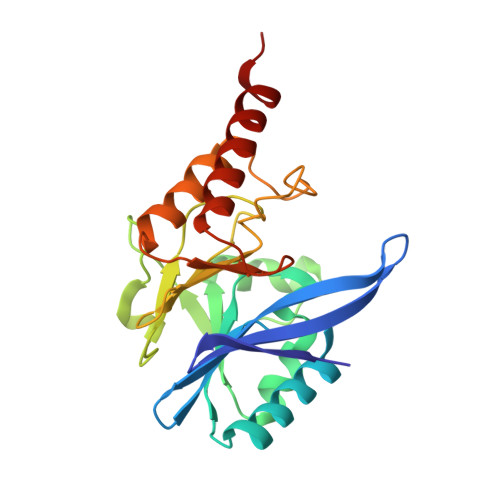
Glutathione S-transferase structureClick to view 3D structureGlutathione S-transferaseQ59721Burkholderia xenovorans (strain LB400)KnownNot Available
Beta-lactamase VIM-1 structureClick to view 3D structureBeta-lactamase VIM-1Q9XAY4Pseudomonas aeruginosaPredicted (SEA)
Prediction Confidence Score
0.333
Applicability Domain
0.333
Statistical Significance
7.00e-05
Supporting Reference Compounds
1
E-value
0.544945
Click to view 3D structureSodium- and chloride-dependent GABA transporter 2P31646Rattus norvegicusPredicted (SEA)
Prediction Confidence Score
0.316
Applicability Domain
0.316
Statistical Significance
1.60e-04
Supporting Reference Compounds
1
E-value
1.24559
Egl nine homolog 1 structureClick to view 3D structureEgl nine homolog 1Q9GZT9HumansPredicted (SEA)
Prediction Confidence Score
0.307
Applicability Domain
0.462
Statistical Significance
0.0013
Supporting Reference Compounds
41
E-value
10.4318
Click to view 3D structure3-ketoacyl-CoA synthase 20Q9FG87Arabidopsis thalianaPredicted (SEA)
Prediction Confidence Score
0.304
Applicability Domain
0.304
Statistical Significance
1.00e-05
Supporting Reference Compounds
1
E-value
0.0778492
Click to view 3D structureSuccinate receptor 1Q99MT6Mus musculusPredicted (SEA)
Prediction Confidence Score
0.288
Applicability Domain
0.462
Statistical Significance
6.00e-05
Supporting Reference Compounds
2
E-value
0.467095
Olfactory receptor 51E2 structureClick to view 3D structureOlfactory receptor 51E2Q9H255HumansPredicted (SEA)
Prediction Confidence Score
0.284
Applicability Domain
0.429
Statistical Significance
8.00e-05
Supporting Reference Compounds
9
E-value
0.622794
Lysine-specific demethylase 2A structureClick to view 3D structureLysine-specific demethylase 2AQ9Y2K7HumansPredicted (SEA)
Prediction Confidence Score
0.267
Applicability Domain
0.3
Statistical Significance
0.0033
Supporting Reference Compounds
35
E-value
25.8459
Histone lysine demethylase PHF8 structureClick to view 3D structureHistone lysine demethylase PHF8Q9UPP1HumansPredicted (SEA)
Prediction Confidence Score
0.267
Applicability Domain
0.3
Statistical Significance
3.90e-04
Supporting Reference Compounds
14
E-value
3.03612
Tyrosine-protein phosphatase non-receptor type 1 structureClick to view 3D structureTyrosine-protein phosphatase non-receptor type 1P18031HumansPredicted (SEA)
Prediction Confidence Score
0.26
Applicability Domain
0.286 Low confidence
Statistical Significance
0.0387
Supporting Reference Compounds
197
E-value
301.588
Peroxisome proliferator-activated receptor alpha structureClick to view 3D structurePeroxisome proliferator-activated receptor alphaQ07869HumansPredicted (SEA)
Prediction Confidence Score
0.26
Applicability Domain
0.286 Low confidence
Statistical Significance
0.0516
Supporting Reference Compounds
127
E-value
402.091
Lysine-specific demethylase 5C structureClick to view 3D structureLysine-specific demethylase 5CP41229HumansPredicted (SEA)
Prediction Confidence Score
0.255
Applicability Domain
0.3
Statistical Significance
0.0073
Supporting Reference Compounds
45
E-value
56.5964
Click to view 3D structureSodium- and chloride-dependent betaine transporterP48065HumansPredicted (SEA)
Prediction Confidence Score
0.253
Applicability Domain
0.316
Statistical Significance
8.00e-05
Supporting Reference Compounds
8
E-value
0.622794
Glutamate transporter homolog structureClick to view 3D structureGlutamate transporter homologO59010Pyrococcus horikoshii (strain ATCC 700860 / DSM 12428 / JCM 9974 /NBRC 100139 / OT-3)Predicted (SEA)
Prediction Confidence Score
0.251
Applicability Domain
0.3
Statistical Significance
7.90e-04
Supporting Reference Compounds
3
E-value
6.15009
Click to view 3D structureAsc-type amino acid transporter 1P63116RatPredicted (SEA)
Prediction Confidence Score
0.25
Applicability Domain
0.25 Low confidence
Statistical Significance
8.10e-04
Supporting Reference Compounds
2
E-value
6.30579
Click to view 3D structureSodium- and chloride-dependent creatine transporter 1P48029HumansPredicted (SEA)
Prediction Confidence Score
0.25
Applicability Domain
0.25 Low confidence
Statistical Significance
1.10e-04
Supporting Reference Compounds
1
E-value
0.856341
4-aminobutyrate aminotransferase, mitochondrial structureClick to view 3D structure4-aminobutyrate aminotransferase, mitochondrialP80147Sus scrofaPredicted (SEA)
Prediction Confidence Score
0.247
Applicability Domain
0.368
Statistical Significance
4.00e-05
Supporting Reference Compounds
2
E-value
0.311397
Peroxisome proliferator-activated receptor delta structureClick to view 3D structurePeroxisome proliferator-activated receptor deltaQ03181HumansPredicted (SEA)
Prediction Confidence Score
0.246
Applicability Domain
0.286 Low confidence
Statistical Significance
0.0571
Supporting Reference Compounds
89
E-value
444.519
Click to view 3D structureN-acetylaspartylglutamate synthase AQ8IXN7HumansPredicted (SEA)
Prediction Confidence Score
0.24
Applicability Domain
0.24 Low confidence
Statistical Significance
0.0021
Supporting Reference Compounds
1
E-value
16.6597
Gamma-aminobutyric acid receptor subunit rho-1 structureClick to view 3D structureGamma-aminobutyric acid receptor subunit rho-1P24046HumansPredicted (SEA)
Prediction Confidence Score
0.24
Applicability Domain
0.316
Statistical Significance
6.00e-05
Supporting Reference Compounds
9
E-value
0.467095
Protein RecA structureClick to view 3D structureProtein RecAP9WHJ3Mycobacterium tuberculosisPredicted (SEA)
Prediction Confidence Score
0.235
Applicability Domain
0.286 Low confidence
Statistical Significance
0.1791
Supporting Reference Compounds
296
E-value
1394.44
Transient receptor potential cation channel subfamily V member 2 structureClick to view 3D structureTransient receptor potential cation channel subfamily V member 2Q9WUD2Rattus norvegicusPredicted (SEA)
Prediction Confidence Score
0.235
Applicability Domain
0.286 Low confidence
Statistical Significance
0.007
Supporting Reference Compounds
21
E-value
54.2609
Click to view 3D structureMetabotropic glutamate receptor 8P47743Mus musculusPredicted (SEA)
Prediction Confidence Score
0.233
Applicability Domain
0.273 Low confidence
Statistical Significance
0.0012
Supporting Reference Compounds
2
E-value
9.18621
Free fatty acid receptor 1 structureClick to view 3D structureFree fatty acid receptor 1O14842HumansPredicted (SEA)
Prediction Confidence Score
0.232
Applicability Domain
0.286 Low confidence
Statistical Significance
0.0594
Supporting Reference Compounds
56
E-value
462.736
Peroxisome proliferator-activated receptor gamma structureClick to view 3D structurePeroxisome proliferator-activated receptor gammaP37231HumansPredicted (SEA)
Prediction Confidence Score
0.23
Applicability Domain
0.286 Low confidence
Statistical Significance
0.2028
Supporting Reference Compounds
192
E-value
1579.17
Metallo-beta-lactamase type 2 structureClick to view 3D structureMetallo-beta-lactamase type 2C7C422Klebsiella pneumoniaePredicted (SEA)
Prediction Confidence Score
0.23
Applicability Domain
0.333
Statistical Significance
0.0054
Supporting Reference Compounds
26
E-value
42.1943
Concentrations
Not Available
External Links
DrugBank IDNot Available
HMDB IDHMDB0031331
FooDB IDFDB003394
Phenol Explorer IDNot Available
KNApSAcK IDNot Available
BiGG IDNot Available
BioCyc IDCHLOROACETIC-ACID
METLIN IDNot Available
PDB IDNot Available
Wikipedia LinkChloroacetic acid
Chemspider ID10772140
ChEBI ID27869
PubChem Compound ID300
Kegg Compound IDC06755
YMDB IDNot Available
ECMDB IDM2MDB004363
References
Synthesis ReferenceNot Available
MSDSNot Available
General ReferencesNot Available