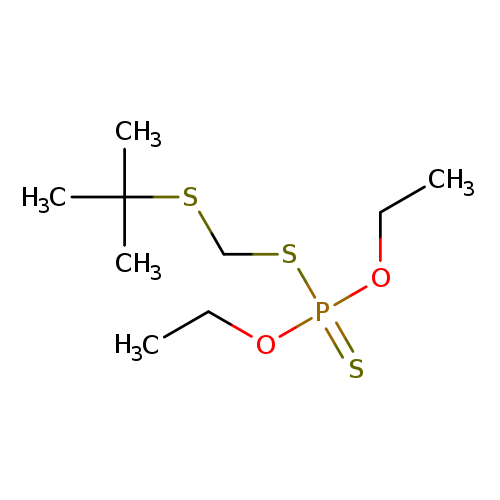
| CEDs000007 | Pesticides?Pesticides are synthetic chemicals designed to prevent, destroy, or control pests that threaten crops and agricultural productivity. | Agriculture & land management | Not Available |
| CEDs000010 | Insecticides?Insecticides are synthetic chemicals designed to control or eliminate insect pests that threaten crops and other agricultural products. | Agriculture & land management | Not Available |
| CEDs000181 | Ballast water?Ballast water, taken on by ships to maintain stability and balance, often contains a diverse array of microorganisms, including bacteria, viruses, and plankton. | Marine, shipping & aquaculture | Not Available |
| CEDs000182 | Bilge water?Bilge water is a byproduct generated from the accumulation of water in the lowest part of a ship's hull, which may include a mixture of seawater, oil, fuel residues, and various contaminants. | Marine, shipping & aquaculture | Not Available |
| CEDs000233 | Brushes?Brushes used in personal care and cosmetics can be a source of synthetic chemical contamination due to the materials and coatings used in their manufacturing. | Personal care & cosmetics | Not Available |
| CEDs000495 | Ceilings?Ceilings in built environments can be a source of synthetic chemical contamination due to the materials used in their construction and finishes. | Building & Construction | Not Available |
| CEDs000497 | Floors?Floors in built environments can be a significant source of synthetic chemical contamination due to the materials and finishes used in their construction. | Building & Construction | Not Available |
| CEDs000500 | Stairs And Ramps?Stairs and ramps in construction are often treated with various synthetic chemicals to enhance durability, slip resistance, and weather resistance. | Building & Construction | Not Available |
| CEDs000501 | Sunshades Awnings Or Outside Screens?Sunshades, awnings, and outside screens are often constructed using synthetic materials such as polyvinyl chloride (PVC), polyester, or acrylic fabrics. | Building & Construction | Not Available |
| CEDs000502 | Sunshades Awnings Or Outside Screens?Sunshades, awnings, and outside screens are commonly used in construction to enhance energy efficiency and provide shade. | Building & Construction | Not Available |
| CEDs000505 | Amplifiers?Amplifiers, commonly used in various electronic devices to enhance signal strength, can be a source of synthetic chemical contamination due to the materials and processes involved in their production and disposal. | Electrical & Electronic Equipment | Not Available |
| CEDs000506 | Antennas?Antennas, commonly used in communication technologies, can be a source of synthetic chemical contamination through the materials and coatings used in their construction. | Electrical & Electronic Equipment | Not Available |
| CEDs000516 | Electric Hearing Aids?Electric hearing aids are small electronic devices designed to amplify sound for individuals with hearing loss. | Electrical & Electronic Equipment | Not Available |
| CEDs000517 | Electric Switches?Electric switches, integral components in numerous devices, can be a source of synthetic chemical contamination due to the materials and manufacturing processes involved in their production. | Electrical & Electronic Equipment | Not Available |
| CEDs000518 | Electrically Stimulated Smoking Devices?Electrically stimulated smoking devices, commonly known as e-cigarettes or vape pens, utilize electrical components to heat a liquid solution, often containing nicotine, flavorings, and other additives, to produce an aerosol for inhalation. | Electrical & Electronic Equipment | Not Available |
| CEDs000519 | Electrodes?Electrodes, used in various electrical and electronic applications, can be a source of synthetic chemical contamination due to the materials from which they are constructed and the processes involved in their manufacturing. | Electrical & Electronic Equipment | Not Available |
| CEDs000521 | Fixed Capacitors And Their Manufacture?Fixed capacitors are passive electronic components used to store and release electrical energy, playing a critical role in various circuits. | Electrical & Electronic Equipment | Not Available |
| CEDs000524 | Hybrid Capacitors?Hybrid capacitors are energy storage devices that combine the properties of electrolytic and supercapacitors, utilizing a combination of electrochemical principles to achieve higher energy density and power density. | Electrical & Electronic Equipment | Not Available |
| CEDs000525 | Line Transmission Systems?Line Transmission Systems, commonly used for the distribution of electrical energy, can be a source of synthetic chemical contamination through the insulation materials and coatings utilized in their construction. | Electrical & Electronic Equipment | Not Available |
| CEDs000530 | Radio Transmission Systems?Radio transmission systems utilize a variety of synthetic chemicals in their manufacturing and maintenance processes. | Electrical & Electronic Equipment | Not Available |
| CEDs000532 | Selectors?Selectors are components used in various electronic devices to control the flow of electrical signals. | Electrical & Electronic Equipment | Not Available |
| CEDs000533 | Sparking Plugs?Spark plugs are critical components in internal combustion engines, facilitating the ignition of fuel-air mixtures by generating a spark. | Electrical & Electronic Equipment | Not Available |
| CEDs000537 | Television Systems?Television systems can be a source of synthetic chemical contamination due to the various materials and components used in their manufacture and operation. | Electrical & Electronic Equipment | Not Available |
| CEDs000539 | Video Games?Video games, through their production and disposal processes, can be a source of synthetic chemical contamination. | Electrical & Electronic Equipment | Not Available |
| CEDs000545 | Food Preservation?Food preservation often involves the use of synthetic chemicals, such as preservatives, flavor enhancers, and color additives, to extend shelf life and enhance the sensory qualities of food products. | Food, food processing & cookware | Not Available |
| CEDs000546 | Molasses And Treatment Of Molasses?Molasses is a thick, viscous byproduct of sugar production, derived from the extraction of sugar cane or sugar beet juice. | Food, food processing & cookware | Not Available |
| CEDs000549 | Preparation Of Wine Or Sparkling Wine?The preparation of wine or sparkling wine involves various stages, including fermentation, aging, and bottling, which can introduce potential sources of synthetic chemical contamination. | Food, food processing & cookware | Not Available |
| CEDs000551 | Processing Fish?Processing fish can lead to synthetic chemical contamination through various stages of production and preservation. | Food, food processing & cookware | Not Available |
| CEDs000555 | Bleaching Agents?Bleaching agents are chemical substances used to whiten or lighten materials, often employed in various cleaning products for their stain removal and disinfecting properties. | Household cleaning & consumer products | Not Available |
| CEDs000556 | Cigar Cigarettes?Cigar cigarettes are a source of synthetic chemical contamination due to the combustion of various tobacco blends and additives. | Household cleaning & consumer products | Not Available |
| CEDs000561 | Perfumes Within Detergents And Soaps?Perfumes within detergents and soaps are synthetic fragrance compounds added to enhance the sensory experience of cleaning products. | Household cleaning & consumer products | Not Available |
| CEDs000564 | Soap Dispensers?Soap dispensers, commonly used for dispensing liquid soaps and sanitizers, can become a source of synthetic chemical contamination due to the materials used in their construction and the products they dispense. | Household cleaning & consumer products | Not Available |
| CEDs000575 | Rosaries?Rosaries, often made from various synthetic materials such as plastics, resins, or coatings, can pose a source of chemical contamination due to the release of additives or degradation products over time. | Household items | Not Available |
| CEDs000577 | Watch Chains?Watch chains, often made from various metals and synthetic materials, can be a source of chemical contamination due to the presence of coatings, adhesives, and plasticizers used in their manufacturing. | Household items | Not Available |
| CEDs000578 | Making Cigars?The process of making cigars involves several steps, including the cultivation of tobacco, fermentation, and the application of various additives to enhance flavor and preservation. | Industrial manufacturing & chemical processing | Not Available |
| CEDs000580 | Manufacture Preparation Of Tobacco Products?The manufacture and preparation of tobacco products involve various processes that can result in the introduction of synthetic chemicals into the environment. | Industrial manufacturing & chemical processing | Not Available |
| CEDs000581 | Paper Making Machines?Paper making machines utilize various synthetic chemicals throughout the production process, including additives, coatings, and bleaching agents. | Industrial manufacturing & chemical processing | Not Available |
| CEDs000583 | Anchoring Equipment?Anchoring equipment, commonly used in marine applications, can be a source of synthetic chemical contamination due to the materials and coatings utilized in their manufacturing. | Marine, shipping & aquaculture | Not Available |
| CEDs000592 | Marine Propulsion Or Steering?Marine propulsion and steering systems often rely on various synthetic chemicals, including lubricants, fuels, and hydraulic fluids. | Marine, shipping & aquaculture | Not Available |
| CEDs000596 | Acaricides?Acaricides are synthetic chemicals specifically designed to target and control mite populations that can damage crops and plants. | Agriculture & land management | Not Available |
| CEDs000597 | Chemosterilants?Chemosterilants are synthetic chemicals designed to induce sterility in target pest populations, thereby controlling their reproduction and mitigating damage to crops. | Agriculture & land management | Not Available |
| CEDs000598 | Fertiliser Distributors?Fertiliser distributors play a critical role in the supply of synthetic fertilizers, which are widely used to enhance soil fertility and crop yield. | Agriculture & land management | Not Available |
| CEDs000600 | Herbicides And Algicides?Herbicides and algicides are synthetic chemicals primarily used to control unwanted plants and algae in various environments. | Agriculture & land management | Not Available |
| CEDs000602 | Molluscicides?Molluscicides are synthetic chemicals specifically designed to control and eliminate mollusks, such as snails and slugs, which can be detrimental to crops and agricultural productivity. | Agriculture & land management | Not Available |
| CEDs000603 | Nematocides?Nematocides are synthetic chemicals specifically designed to control nematodes, which are microscopic roundworms that can cause significant damage to crops and plants. | Agriculture & land management | Not Available |
| CEDs000604 | Pest Attractants?Pest attractants are synthetic chemicals designed to lure specific pests for monitoring or control purposes. | Agriculture & land management | Not Available |
| CEDs000605 | Pest Repellants?Pest repellents, often formulated from synthetic chemicals, are widely used to protect crops from insect infestations and other pests. | Agriculture & land management | Not Available |
| CEDs000606 | Plant Growth Regulators?Plant Growth Regulators (PGRs) are synthetic chemicals designed to influence the growth and development of plants. | Agriculture & land management | Not Available |
| CEDs000607 | Rodenticides(1)?Rodenticides are synthetic chemicals specifically formulated to control rodent populations, serving as a crucial tool in managing pests that can damage crops and spread diseases. | Agriculture & land management | Not Available |
| CEDs000608 | Rodenticides?Rodenticides are chemical substances specifically designed to control rodent populations by causing death through various mechanisms, including anticoagulation or neurotoxicity. | Agriculture & land management | Not Available |
| CEDs000611 | Anti Perspirants Or Body Deoderants?Antiperspirants and body deodorants commonly contain synthetic chemicals such as aluminum compounds, parabens, and synthetic fragrances. | Personal care & cosmetics | Not Available |
| CEDs000622 | Game Accessories?Game accessories, such as synthetic turf, athletic shoes, and other sports-related equipment, often incorporate various synthetic chemicals in their production. | Recreation & sports surfaces | Not Available |
| CEDs000627 | Roulette Games?Roulette games, often played on synthetic surfaces like those found in recreational facilities, can be associated with various synthetic chemical contaminants. | Recreation & sports surfaces | Not Available |
| CEDs000630 | Toys?Toys, particularly those made from synthetic materials such as plastics, can be a source of chemical contamination due to the presence of various additives and compounds used in their production. | Recreation & sports surfaces | Not Available |
| CEDs000632 | Apparel?Apparel production often involves the use of various synthetic chemicals, including dyes, finishing agents, and preservatives. | Textiles, leather & furnishings | Not Available |
| CEDs000634 | Buckles?Buckles, commonly used as fasteners in clothing, accessories, and furniture, can be a source of synthetic chemical contamination due to the materials and coatings employed in their production. | Textiles, leather & furnishings | Not Available |
| CEDs000640 | Embroidering And Tufting?Embroidering and tufting processes often involve the use of synthetic chemicals such as dyes, adhesives, and finishing agents. | Textiles, leather & furnishings | Not Available |
| CEDs000642 | Footwear?Footwear production often involves the use of various synthetic chemicals, such as adhesives, dyes, and treatments, which can contribute to environmental contamination. | Textiles, leather & furnishings | Not Available |
| CEDs000643 | Headwear?Headwear made from synthetic materials often incorporates chemicals used in the manufacturing and finishing processes, such as dyes, flame retardants, and water repellents. | Textiles, leather & furnishings | Not Available |
| CEDs000647 | Multicolour Dyeing?Multicolour dyeing involves the application of multiple synthetic dyes to textiles and other materials to achieve vibrant, diverse color patterns. | Textiles, leather & furnishings | Not Available |
| CEDs000650 | Purses Luggage Hand Bags?Purses, luggage, and handbags are often manufactured using synthetic materials such as polyvinyl chloride (PVC), polyurethane, and various types of nylon. | Textiles, leather & furnishings | Not Available |
| CEDs000651 | Purses Money Bags Wallets?Purses, money bags, and wallets are often manufactured using synthetic materials, including plastics, polyurethanes, and various treated fabrics. | Textiles, leather & furnishings | Not Available |
| CEDs000653 | Sewing?Sewing processes often involve the use of various synthetic chemicals, which can become sources of contamination in the environment. | Textiles, leather & furnishings | Not Available |
| CEDs000656 | Snap Fasteners?Snap fasteners, commonly used in clothing and upholstery, can be made from various synthetic materials, including plastics and metal alloys. | Textiles, leather & furnishings | Not Available |
| CEDs000662 | Yarns Or Threads?Yarns or threads used in textiles can be a source of synthetic chemical contamination due to the production processes and treatments they undergo. | Textiles, leather & furnishings | Not Available |
| CEDs000663 | Sanitary Equipment?Sanitary equipment, including toilets, sinks, and drainage systems, can serve as conduits for synthetic chemical contamination. | Wastewater, sanitation & biosolids | Not Available |
| CEDs000671 | Airplanes And Helicopters?Airplanes and helicopters are significant sources of synthetic chemical contamination primarily through the use of aviation fuels, lubricants, and de-icing agents. | Aviation & Aerospace | Not Available |
| CEDs000672 | Light Than Air Aircraft?Light than air aircraft, such as dirigibles and airships, utilize lifting gases like helium or hydrogen for buoyancy. | Aviation & Aerospace | Not Available |
| CEDs000673 | Unmanned Aerial Vehicles?Unmanned Aerial Vehicles (UAVs), commonly known as drones, utilize various synthetic chemicals in their manufacturing, operation, and maintenance processes. | Aviation & Aerospace | Not Available |
| CEDs000678 | Nitrogenous Fertilisers?Nitrogenous fertilizers are synthetic chemical compounds primarily used to enhance plant growth by supplying essential nitrogen, a crucial nutrient for photosynthesis and protein synthesis. | Agriculture & land management | Not Available |
| CEDs000679 | Phosphatic Fertilisers?Phosphatic fertilizers are synthetic chemical products primarily composed of phosphorus, which is essential for plant growth. | Agriculture & land management | Not Available |
| CEDs000685 | Ceramics?Ceramics can be a source of synthetic chemical contamination through various additives and processing agents used in their production. | Building & Construction | Not Available |
| CEDs000696 | Nanotechnology?Nanotechnology involves the manipulation of materials at the molecular or atomic level, typically within the range of 1 to 100 nanometers. | Industrial manufacturing & chemical processing | Not Available |
| CEDs000698 | Jewellery?Jewellery production often involves the use of various synthetic chemicals during the extraction and processing of metals. | Mining & metal processing | Not Available |
| CEDs000699 | Mining Or Quarrying?Mining and quarrying operations can lead to synthetic chemical contamination through the release of various pollutants associated with the extraction and processing of minerals. | Mining & metal processing | Not Available |
| CEDs000705 | Bookbinding?Bookbinding involves the use of various synthetic chemicals, including adhesives, inks, and coatings, which can contribute to environmental contamination. | Paper, pulp & fiber products | Not Available |
| CEDs000714 | Embossing Machines?Embossing machines are industrial devices used to create raised patterns or designs on materials, including paper and fiber products. | Paper, pulp & fiber products | Not Available |
| CEDs000717 | Fountain Pens?Fountain pens utilize a liquid ink that often contains synthetic chemicals, including dyes, pigments, and solvents, which can contribute to environmental contamination. | Paper, pulp & fiber products | Not Available |
| CEDs000720 | Ink Reservoir Pens2?Ink reservoir pens are writing instruments that utilize a reservoir to store ink, which is often composed of synthetic dyes, solvents, and additives. | Paper, pulp & fiber products | Not Available |
| CEDs000727 | Printing Machines Or Presses?Printing machines or presses commonly utilize synthetic chemicals such as inks, solvents, and cleaning agents. | Paper, pulp & fiber products | Not Available |
| CEDs000729 | Stamps?Stamps, particularly those produced using synthetic inks and adhesives, can contribute to chemical contamination when disposed of improperly. | Paper, pulp & fiber products | Not Available |
| CEDs000733 | Walking Sticks?Walking sticks, while primarily designed for mobility assistance, can be sources of synthetic chemical contamination if not properly manufactured or maintained. | Healthcare, pharmaceuticals & veterinary products | Not Available |
| CEDs000735 | Explosives?Explosives are chemical compounds or mixtures designed to undergo rapid decomposition, releasing energy in the form of gas and heat. | Defense & military infrastructure | Not Available |
| CEDs000738 | Cooling Circuit Water?Cooling circuit water is utilized in various industrial processes to absorb and dissipate heat generated during operations. | Industrial manufacturing & chemical processing | Not Available |
| CEDs000739 | Inks?Inks are complex mixtures composed of pigments or dyes, solvents, resins, and additives used primarily for printing and writing applications. | Paper, pulp & fiber products | Not Available |
| CEDs000740 | Paper?Paper production involves the processing of wood fibers and the use of various chemicals, which can lead to synthetic chemical contamination. | Paper, pulp & fiber products | Not Available |
| CEDs000741 | Pigment Pastes?Pigment pastes are concentrated dispersions of pigments used to impart color and properties to materials. | Paper, pulp & fiber products | Not Available |
| CEDs000743 | Sludge Treatment?Sludge treatment involves the processing of waste materials generated from wastewater treatment plants, which often contain a variety of organic and inorganic substances. | Wastewater, sanitation & biosolids | Not Available |
| CEDs000744 | Water, Wastewater, & Sewage Treatment?Water, wastewater, and sewage treatment processes are critical for managing and mitigating pollutants in water systems. | Wastewater, sanitation & biosolids | Not Available |