BENZALDEHYDE (CED0001788)

Record Information
Version1.0
Creation Date2016-05-19 01:55:08 UTC
Update Date2026-04-16 20:45:34 UTC
SynCED IDCED0001788
Secondary Accession Numbers
  • CHEM004813
Identification
Common NameBENZALDEHYDE
ClassSmall Molecule
Description
BENZALDEHYDE (C7H6O) is an organic compound with an average molecular weight of 106.12 g/mol. BENZALDEHYDE belongs to the benzoyl derivatives, a subclass of benzene and substituted derivatives within the organic compounds. Industrially, it is utilized as a fragrance, deodorizer, solvent, and as a flavouring and nutrient. The compound is found in or released from 38 recorded sources. These include building and construction materials such as fencing and ceilings; drinking water and water supply; and indoor air. It is associated with food, food processing and cookware, specifically in food preservation, food contact materials, the preparation of vinegar, fermentation processes for beer, and the preparation of wine or sparkling wine. It is also present in household cleaning and consumer products, including bleaching agents, perfumes within detergents and soaps, cigar cigarettes, non electric simulated smoking devices, and other smoking requisites. Additionally, it is found in electrical and electronic equipment, including amplifiers, antennas, coils, communication cables or conductors, and conductors or conductive bodies characterised by the conductive materials. Recorded exposure routes include touch, oral, and inhalation. Regarding plastics, BENZALDEHYDE is used in polyvinyl chloride and not detected in polycarbonate. It is released in polystyrene, polypropylene, ethylene-vinyl acetate, poly(methyl methacrylate), and polyethylene terephthalate, while results remain inconclusive for polyurethane, acrylonitrile butadiene styrene, high impact polystyrene, and high-density polyethylene. In terms of health effects, it is detected in blood in lung cancer (PMC12228674 ) and serves as a biomarker of cancer (PMC13407726 ).
Contaminant TypeNot Available
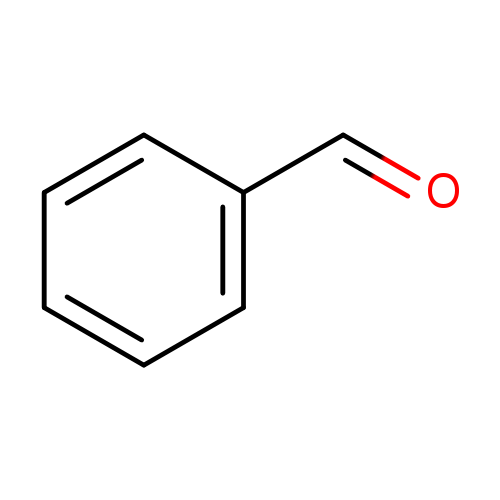
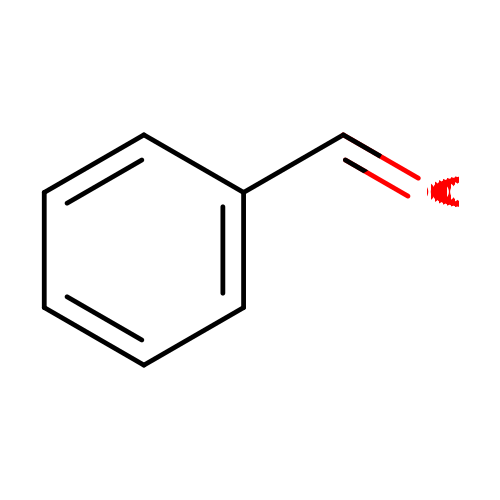
Chemical Structure
Synonyms
ValueSource
Artificial almond oilChEBI
BenzanoaldehydeChEBI
Benzene carbaldehydeChEBI
Benzene carboxaldehydeChEBI
BenzenecarbonalChEBI
BenzenecarboxaldehydeChEBI
BenzenemethylalChEBI
Benzoic acid aldehydeChEBI
Benzoic aldehydeChEBI
BenzylaldehydeChEBI
Ethereal oil OF bitter almondsChEBI
PhenylformaldehydeChEBI
PhenylmethanalChEBI
Synthetic oil OF bitter almondChEBI
Benzoate aldehydeGenerator
Almond artificial essential oilHMDB
Artificial bitter almond oilHMDB
Artificial essential oil OF almondHMDB
BenzadehydeHMDB
Benzaldehyde FFCHMDB
Benzene methylalHMDB
BenzoateHMDB
Benzoic acidHMDB
Benzoyl hydrideHMDB
BenzyaldehydeHMDB
BEZHMDB
Caswell no. 076HMDB
FEMA no. 2127HMDB
Oil OF bitter almondHMDB
Phenylmethanal benzenecarboxaldehydeHMDB
Benzaldehyde, formyl-(14)C-labeledMeSH, HMDB
Chemical FormulaC7H6O
Average Molecular Mass106.122 g/mol
Monoisotopic Mass106.042 g/mol
CAS Registry Number100-52-7
IUPAC Namebenzaldehyde
Traditional Namebenzaldehyde
SMILESO=CC1=CC=CC=C1
InChI IdentifierInChI=1S/C7H6O/c8-6-7-4-2-1-3-5-7/h1-6H
InChI KeyHUMNYLRZRPPJDN-UHFFFAOYSA-N
Chemical Taxonomy
Description Belongs to the class of organic compounds known as benzoyl derivatives. These are organic compounds containing an acyl moiety of benzoic acid with the formula (C6H5CO-).
KingdomOrganic compounds
Super ClassBenzenoids
ClassBenzene and substituted derivatives
Sub ClassBenzoyl derivatives
Direct ParentBenzoyl derivatives
Alternative Parents
Substituents
  • Benzoyl
  • Benzaldehyde
  • Aryl-aldehyde
  • Organic oxygen compound
  • Organic oxide
  • Hydrocarbon derivative
  • Organooxygen compound
  • Aldehyde
  • Aromatic homomonocyclic compound
Molecular FrameworkAromatic homomonocyclic compounds
External Descriptors
Biological Properties
StatusDetected and Not Quantified
OriginNot Available
Cellular LocationsNot Available
Biofluid LocationsNot Available
Tissue LocationsNot Available
ApplicationsNot Available
Biological Roles
Chemical RolesNot Available
Organoleptic Effects
  • off-flavor taste ?
  • malt odour ?
  • unpleasant odor odour ?
  • sweet taste ?
  • fruity odour ?
  • sweet odour ?
  • bitter almond taste ?
  • nutty odour ?
  • roasted odour ?
  • floral odour ?
  • almond odour ?
  • fruity taste ?
  • off-odor odour ?
  • pleasant flavor taste ?
  • off-flavor odour ?
Physical Properties
StateNot Available
AppearanceNot Available
Experimental Properties
PropertyValue
Melting PointNot Available
Boiling PointNot Available
SolubilityNot Available
Predicted Properties
PropertyValueSource
Water Solubility5.44 g/LALOGPS
logP1.6ALOGPS
logP1.69ChemAxon
logS-1.3ALOGPS
pKa (Strongest Basic)-7.1ChemAxon
Physiological Charge0ChemAxon
Hydrogen Acceptor Count1ChemAxon
Hydrogen Donor Count0ChemAxon
Polar Surface Area17.07 ŲChemAxon
Rotatable Bond Count1ChemAxon
Refractivity32.64 m³·mol⁻¹ChemAxon
Polarizability11.02 ųChemAxon
Number of Rings1ChemAxon
BioavailabilityYesChemAxon
Rule of FiveYesChemAxon
Ghose FilterNoChemAxon
Veber's RuleYesChemAxon
MDDR-like RuleNoChemAxon
Spectra
Spectra
Spectrum TypeDescriptionSplash KeyDeposition DateView
GC-MSGC-MS Spectrumsplash10-0a6r-9600000000-731755b6449c9d44f340Not AvailableView Spectrum
GC-MSGC-MS Spectrumsplash10-0a6r-7900000000-7d98ce9e964eb9bae123Not AvailableView Spectrum
GC-MSGC-MS Spectrumsplash10-0a6r-9700000000-af6ef18ad5441da71000Not AvailableView Spectrum
GC-MSGC-MS Spectrumsplash10-0pdi-9500000000-eee2fac3cee7076204caNot AvailableView Spectrum
Predicted GC-MSPredicted GC-MS Spectrumsplash10-0a4i-9800000000-930ad158d75deff2317aNot AvailableView Spectrum
Predicted GC-MSPredicted GC-MS SpectrumNot AvailableNot AvailableView Spectrum
LC-MS/MSLC-MS/MS Spectrumsplash10-056r-9400000000-d5e049f5a5c77b8864cbNot AvailableView Spectrum
LC-MS/MSLC-MS/MS Spectrumsplash10-004i-9100000000-dca76d402f152bd3f562Not AvailableView Spectrum
LC-MS/MSLC-MS/MS Spectrumsplash10-004i-9100000000-ce8274b57c274e79f894Not AvailableView Spectrum
LC-MS/MSLC-MS/MS Spectrumsplash10-0a6r-9600000000-731755b6449c9d44f340Not AvailableView Spectrum
LC-MS/MSLC-MS/MS Spectrumsplash10-0a6r-7900000000-7d98ce9e964eb9bae123Not AvailableView Spectrum
LC-MS/MSLC-MS/MS Spectrumsplash10-0a6r-9700000000-e4f830b1b36028903665Not AvailableView Spectrum
LC-MS/MSLC-MS/MS Spectrumsplash10-0pdi-9500000000-eee2fac3cee7076204caNot AvailableView Spectrum
LC-MS/MSLC-MS/MS Spectrumsplash10-0a4i-2900000000-effe07b6b286033801edNot AvailableView Spectrum
Predicted LC-MS/MSPredicted LC-MS/MS Spectrumsplash10-0a4i-0900000000-6345a1cf40f283a793a2Not AvailableView Spectrum
Predicted LC-MS/MSPredicted LC-MS/MS Spectrumsplash10-0a4i-0900000000-296abcf15a77a1f53d6aNot AvailableView Spectrum
Predicted LC-MS/MSPredicted LC-MS/MS Spectrumsplash10-1000-9200000000-086efee77b92115c17caNot AvailableView Spectrum
Predicted LC-MS/MSPredicted LC-MS/MS Spectrumsplash10-0a4i-0900000000-266f38215789f236324eNot AvailableView Spectrum
Predicted LC-MS/MSPredicted LC-MS/MS Spectrumsplash10-0a4i-7900000000-828e61a7919a0eb81940Not AvailableView Spectrum
Predicted LC-MS/MSPredicted LC-MS/MS Spectrumsplash10-0a4i-2900000000-18b3fa1f2954aac5b323Not AvailableView Spectrum
Predicted LC-MS/MSPredicted LC-MS/MS Spectrumsplash10-056r-9500000000-66c17c5a52895b2cc4d3Not AvailableView Spectrum
Predicted LC-MS/MSPredicted LC-MS/MS Spectrumsplash10-004i-9000000000-fc58e0949de9ca4842ffNot AvailableView Spectrum
Predicted LC-MS/MSPredicted LC-MS/MS Spectrumsplash10-0a6r-8900000000-aae71de8ab13b4993f86Not AvailableView Spectrum
Predicted LC-MS/MSPredicted LC-MS/MS Spectrumsplash10-004i-9200000000-84ecaabc5b5d7c2807f5Not AvailableView Spectrum
Predicted LC-MS/MSPredicted LC-MS/MS Spectrumsplash10-004i-9000000000-99509376f83dc0a53432Not AvailableView Spectrum
MSMS Spectrumsplash10-0pdi-9600000000-2c76a7cdbd4023dd3effNot AvailableView Spectrum
1D NMR13C NMR Spectrum (1D, D2O, predicted)Not AvailableNot AvailableView Spectrum
1D NMR1H NMR Spectrum (1D, D2O, predicted)Not AvailableNot AvailableView Spectrum
1D NMR1H NMR Spectrum (1D, H2O, experimental)Not AvailableNot AvailableView Spectrum
Toxicity Profile
Toxicity Values
Toxicity ValueOrganismDose DescriptorRoute of ExposurePredicted or ExperimentalToxicity RatingReference
1068.0 Log mg/kg [600:1900]RatLD50oralpredictedNot AvailableNot Available
Toxicity / Toxin ClassNot Available
Mechanism of ToxicityNot Available
Carcinogenicity (IARC Classification)Not Available
Minimum Risk LevelNot Available
SymptomsNot Available
TreatmentNot Available
Health Effects
Health EffectRelationshipDirectionDescriptionReference
lung cancerDetected in Blood InNot AvailableA respiratory system cancer that is located in the lung. (DO)PMC12228674
inflammationAssociated With?Not AvailableNot AvailablePMC12390471
cancerIs Biomarker OfNot AvailableCancer is a group of diseases involving abnormal cell growth with the potential to invade or spread to other parts of the body. Possible signs and symptoms include a lump, abnormal bleeding, prolonged cough, unexplained weight loss, and a change in bowel movements. There are over 100 types of cancers affect humans. The risk of developing certain cancers can be reduced by not smoking, maintaining a healthy weight, not drinking too much alcohol, eating plenty of vegetables, fruits and whole grains, vaccination against certain infectious diseases, not eating too much processed and red meat and avoiding too much sunlight exposure. Cancer is often treated with some combination of radiation therapy, surgery, chemotherapy and targeted therapy. The majority of cancers, some 90–95% of cases, are due to genetic mutations from environmental and lifestyle factors. The remaining 5–10% are due to inherited genetics.PMC13407726
cancerAssociated With?Not AvailableCancer is a group of diseases involving abnormal cell growth with the potential to invade or spread to other parts of the body. Possible signs and symptoms include a lump, abnormal bleeding, prolonged cough, unexplained weight loss, and a change in bowel movements. There are over 100 types of cancers affect humans. The risk of developing certain cancers can be reduced by not smoking, maintaining a healthy weight, not drinking too much alcohol, eating plenty of vegetables, fruits and whole grains, vaccination against certain infectious diseases, not eating too much processed and red meat and avoiding too much sunlight exposure. Cancer is often treated with some combination of radiation therapy, surgery, chemotherapy and targeted therapy. The majority of cancers, some 90–95% of cases, are due to genetic mutations from environmental and lifestyle factors. The remaining 5–10% are due to inherited genetics.PMC13407726
renal fibrosisElevated in Blood InincreaseNot AvailablePMC12163407
Striae distensaeHas Therapeutic Effect OnNot AvailableNot AvailablePMC5796020
Exposure Sources
Source IDSourceSectorReference
CEDs000010Insecticides?Insecticides are synthetic chemicals designed to control or eliminate insect pests that threaten crops and other agricultural products.Agriculture & land managementPubChem
CEDs000013Soil?Soil serves as a critical medium for plant growth and sustains various ecological functions; however, it can become a reservoir for synthetic chemical contamination.Agriculture & land managementPMC11469922
CEDs000019Indoor air?Indoor air can be a significant reservoir for synthetic chemical contaminants, which often originate from various sources within enclosed environments.Air, dust & atmospheric transportNot Available
CEDs000115Drinking water?Drinking water can be a medium for synthetic chemical contamination, often originating from various industrial processes and agricultural practices.Drinking water & water supplyPMC9086338
CEDs000233Brushes?Brushes used in personal care and cosmetics can be a source of synthetic chemical contamination due to the materials and coatings used in their manufacturing.Personal care & cosmeticsPubChem
CEDs000490Personal care & cosmeticsNot Available
CEDs000494Food contact materials?Food contact materials refer to substances and products that are intended to come into contact with food during processing, packaging, or preparation.Food, food processing & cookwareNot Available
CEDs000495Ceilings?Ceilings in built environments can be a source of synthetic chemical contamination due to the materials used in their construction and finishes.Building & ConstructionPubChem
CEDs000496Fencing?Fencing materials, particularly those used in construction and landscaping, can be a source of synthetic chemical contamination due to the treatments and coatings applied for durability and weather resistance.Building & ConstructionPubChem
CEDs000505Amplifiers?Amplifiers, commonly used in various electronic devices to enhance signal strength, can be a source of synthetic chemical contamination due to the materials and processes involved in their production and disposal.Electrical & Electronic EquipmentPubChem
CEDs000506Antennas?Antennas, commonly used in communication technologies, can be a source of synthetic chemical contamination through the materials and coatings used in their construction.Electrical & Electronic EquipmentPubChem
CEDs000508Coils?Coils are components used in various electrical and electronic applications, such as transformers, inductors, and motors.Electrical & Electronic EquipmentPubChem
CEDs000510Communication Cables Or Conductors?Communication cables or conductors are essential components in the transmission of data and signals in various applications, including telecommunications and networking.Electrical & Electronic EquipmentPubChem
CEDs000511Conductors Or Conductive Bodies Characterised By The Conductive Materials?Conductors, or conductive bodies, are materials that allow the flow of electrical current, typically made from metals such as copper, aluminum, or silver.Electrical & Electronic EquipmentPubChem
CEDs000514Discharge Lamps?Discharge lamps, including fluorescent and high-intensity discharge (HID) lamps, are commonly used for lighting applications due to their energy efficiency and brightness.Electrical & Electronic EquipmentPubChem
CEDs000516Electric Hearing Aids?Electric hearing aids are small electronic devices designed to amplify sound for individuals with hearing loss.Electrical & Electronic EquipmentPubChem
CEDs000517Electric Switches?Electric switches, integral components in numerous devices, can be a source of synthetic chemical contamination due to the materials and manufacturing processes involved in their production.Electrical & Electronic EquipmentPubChem
CEDs000518Electrically Stimulated Smoking Devices?Electrically stimulated smoking devices, commonly known as e-cigarettes or vape pens, utilize electrical components to heat a liquid solution, often containing nicotine, flavorings, and other additives, to produce an aerosol for inhalation.Electrical & Electronic EquipmentPubChem
CEDs000519Electrodes?Electrodes, used in various electrical and electronic applications, can be a source of synthetic chemical contamination due to the materials from which they are constructed and the processes involved in their manufacturing.Electrical & Electronic EquipmentPubChem
CEDs000521Fixed Capacitors And Their Manufacture?Fixed capacitors are passive electronic components used to store and release electrical energy, playing a critical role in various circuits.Electrical & Electronic EquipmentPubChem
CEDs000523Gas Filled Discharge Tubes With Solid Cathode?Gas Filled Discharge Tubes with Solid Cathodes are electrical components that facilitate the flow of current by ionizing gas within a sealed tube.Electrical & Electronic EquipmentPubChem
CEDs000524Hybrid Capacitors?Hybrid capacitors are energy storage devices that combine the properties of electrolytic and supercapacitors, utilizing a combination of electrochemical principles to achieve higher energy density and power density.Electrical & Electronic EquipmentPubChem
CEDs000525Line Transmission Systems?Line Transmission Systems, commonly used for the distribution of electrical energy, can be a source of synthetic chemical contamination through the insulation materials and coatings utilized in their construction.Electrical & Electronic EquipmentPubChem
CEDs000529Power Cables?Power cables are used to transmit electrical energy and are typically composed of conductive materials, insulation, and protective coatings.Electrical & Electronic EquipmentPubChem
CEDs000530Radio Transmission Systems?Radio transmission systems utilize a variety of synthetic chemicals in their manufacturing and maintenance processes.Electrical & Electronic EquipmentPubChem
CEDs000531Relays?Relays are electromechanical switches used to control circuits and manage electrical loads.Electrical & Electronic EquipmentPubChem
CEDs000537Television Systems?Television systems can be a source of synthetic chemical contamination due to the various materials and components used in their manufacture and operation.Electrical & Electronic EquipmentPubChem
CEDs000539Video Games?Video games, through their production and disposal processes, can be a source of synthetic chemical contamination.Electrical & Electronic EquipmentPubChem
CEDs000544Fermentation Processes For Beer?Fermentation processes for beer involve the conversion of sugars into alcohol and carbon dioxide by yeast.Food, food processing & cookwarePubChem
CEDs000545Food Preservation?Food preservation often involves the use of synthetic chemicals, such as preservatives, flavor enhancers, and color additives, to extend shelf life and enhance the sensory qualities of food products.Food, food processing & cookwarePubChem
CEDs000548Preparation Of Vinegar?Vinegar is produced through the fermentation of ethanol by acetic acid bacteria, resulting in a solution that typically contains 4-8% acetic acid.Food, food processing & cookwarePubChem
CEDs000549Preparation Of Wine Or Sparkling Wine?The preparation of wine or sparkling wine involves various stages, including fermentation, aging, and bottling, which can introduce potential sources of synthetic chemical contamination.Food, food processing & cookwarePubChem
CEDs000551Processing Fish?Processing fish can lead to synthetic chemical contamination through various stages of production and preservation.Food, food processing & cookwarePubChem
CEDs000552Processing Meats?Processing meats can lead to synthetic chemical contamination primarily through the use of additives and preservatives.Food, food processing & cookwarePubChem
CEDs000555Bleaching Agents?Bleaching agents are chemical substances used to whiten or lighten materials, often employed in various cleaning products for their stain removal and disinfecting properties.Household cleaning & consumer productsPubChem
CEDs000556Cigar Cigarettes?Cigar cigarettes are a source of synthetic chemical contamination due to the combustion of various tobacco blends and additives.Household cleaning & consumer productsPubChem
CEDs000559Non Electric Simulated Smoking Devices?Non-electric simulated smoking devices, often designed to mimic the experience of smoking without combustion, can be sources of synthetic chemical contamination due to the materials and chemicals used in their construction and operation.Household cleaning & consumer productsPubChem
CEDs000560Other Smoking Requisites?Other smoking requisites, including items such as lighters, matches, and rolling papers, can introduce synthetic chemical contamination through various components and additives.Household cleaning & consumer productsPubChem
CEDs000561Perfumes Within Detergents And Soaps?Perfumes within detergents and soaps are synthetic fragrance compounds added to enhance the sensory experience of cleaning products.Household cleaning & consumer productsPubChem
CEDs000563Soap Detergents?Soap detergents are synthetic surfactants designed to enhance the cleaning efficacy of water by reducing surface tension, allowing for better interaction with dirt and grease.Household cleaning & consumer productsPubChem
CEDs000566Tobacco Pipes?Tobacco pipes, often made from materials such as plastic, wood, or metal, can serve as sources of synthetic chemical contamination due to the residues left by tobacco products.Household cleaning & consumer productsPubChem
CEDs000569Tobacco Smoke Filters?Tobacco smoke filters are designed to reduce the inhalation of harmful substances in cigarette smoke, including tar and other particulate matter.Household cleaning & consumer productsPubChem
CEDs000578Making Cigars?The process of making cigars involves several steps, including the cultivation of tobacco, fermentation, and the application of various additives to enhance flavor and preservation.Industrial manufacturing & chemical processingPubChem
CEDs000579Manufacture Of Iron Or Steel?The manufacture of iron or steel involves various processes, including smelting, refining, and alloying, which can result in the release of synthetic chemicals and contaminants.Industrial manufacturing & chemical processingPubChem
CEDs000580Manufacture Preparation Of Tobacco Products?The manufacture and preparation of tobacco products involve various processes that can result in the introduction of synthetic chemicals into the environment.Industrial manufacturing & chemical processingPubChem
CEDs000581Paper Making Machines?Paper making machines utilize various synthetic chemicals throughout the production process, including additives, coatings, and bleaching agents.Industrial manufacturing & chemical processingPubChem
CEDs000583Anchoring Equipment?Anchoring equipment, commonly used in marine applications, can be a source of synthetic chemical contamination due to the materials and coatings utilized in their manufacturing.Marine, shipping & aquaculturePubChem
CEDs000592Marine Propulsion Or Steering?Marine propulsion and steering systems often rely on various synthetic chemicals, including lubricants, fuels, and hydraulic fluids.Marine, shipping & aquaculturePubChem
CEDs000594Ship Hulls?Ship hulls are often treated with various synthetic chemicals to enhance durability, prevent corrosion, and inhibit the growth of marine organisms.Marine, shipping & aquaculturePubChem
CEDs000596Acaricides?Acaricides are synthetic chemicals specifically designed to target and control mite populations that can damage crops and plants.Agriculture & land managementPubChem
CEDs000597Chemosterilants?Chemosterilants are synthetic chemicals designed to induce sterility in target pest populations, thereby controlling their reproduction and mitigating damage to crops.Agriculture & land managementPubChem
CEDs000600Herbicides And Algicides?Herbicides and algicides are synthetic chemicals primarily used to control unwanted plants and algae in various environments.Agriculture & land managementPubChem
CEDs000602Molluscicides?Molluscicides are synthetic chemicals specifically designed to control and eliminate mollusks, such as snails and slugs, which can be detrimental to crops and agricultural productivity.Agriculture & land managementPubChem
CEDs000603Nematocides?Nematocides are synthetic chemicals specifically designed to control nematodes, which are microscopic roundworms that can cause significant damage to crops and plants.Agriculture & land managementPubChem
CEDs000604Pest Attractants?Pest attractants are synthetic chemicals designed to lure specific pests for monitoring or control purposes.Agriculture & land managementPubChem
CEDs000605Pest Repellants?Pest repellents, often formulated from synthetic chemicals, are widely used to protect crops from insect infestations and other pests.Agriculture & land managementPubChem
CEDs000606Plant Growth Regulators?Plant Growth Regulators (PGRs) are synthetic chemicals designed to influence the growth and development of plants.Agriculture & land managementPubChem
CEDs000607Rodenticides(1)?Rodenticides are synthetic chemicals specifically formulated to control rodent populations, serving as a crucial tool in managing pests that can damage crops and spread diseases.Agriculture & land managementPubChem
CEDs000608Rodenticides?Rodenticides are chemical substances specifically designed to control rodent populations by causing death through various mechanisms, including anticoagulation or neurotoxicity.Agriculture & land managementPubChem
CEDs000609Aftershave?Aftershave is a grooming product typically used to soothe and protect the skin following shaving.Personal care & cosmeticsPubChem
CEDs000610Aftersun Products?Aftersun products are designed to soothe and hydrate the skin after sun exposure, often containing various synthetic chemicals such as emollients, preservatives, and fragrances.Personal care & cosmeticsPubChem
CEDs000611Anti Perspirants Or Body Deoderants?Antiperspirants and body deodorants commonly contain synthetic chemicals such as aluminum compounds, parabens, and synthetic fragrances.Personal care & cosmeticsPubChem
CEDs000613Depilatories?Depilatories are products designed to remove unwanted hair through the application of synthetic chemicals that break down the protein structure of hair, facilitating its removal.Personal care & cosmeticsPubChem
CEDs000614Essential Oils Or Perfumes?Essential oils and perfumes are complex mixtures of volatile compounds derived from natural or synthetic sources, commonly used for their aromatic properties.Personal care & cosmeticsPubChem
CEDs000615Eye Makeup Products?Eye makeup products, including mascaras, eyeliners, and eyeshadows, often contain a variety of synthetic chemicals such as pigments, preservatives, and film-forming agents.Personal care & cosmeticsPubChem
CEDs000616Face Mask Cosmetics?Face mask cosmetics often contain a variety of synthetic chemicals, including preservatives, emulsifiers, and fragrances, which can contribute to chemical contamination.Personal care & cosmeticsPubChem
CEDs000617Lip Care Products?Lip care products, including lipsticks, balms, and glosses, often contain a variety of synthetic chemicals such as parabens, phthalates, and synthetic fragrances.Personal care & cosmeticsPubChem
CEDs000618Lip Makeup Products?Lip makeup products, such as lipsticks, lip glosses, and lip liners, often contain a variety of synthetic chemicals, including pigments, preservatives, and emollients.Personal care & cosmeticsPubChem
CEDs000619Manicure Pedicure?Manicure and pedicure procedures often involve the use of various synthetic chemicals, including solvents, nail polishes, and nail adhesives.Personal care & cosmeticsPubChem
CEDs000630Toys?Toys, particularly those made from synthetic materials such as plastics, can be a source of chemical contamination due to the presence of various additives and compounds used in their production.Recreation & sports surfacesPubChem
CEDs000631Anthraquinone Dyes?Anthraquinone dyes are a class of synthetic organic compounds characterized by their vibrant colors and stability, making them widely used in various applications, particularly in coloring textiles and leather.Textiles, leather & furnishingsPubChem
CEDs000632Apparel?Apparel production often involves the use of various synthetic chemicals, including dyes, finishing agents, and preservatives.Textiles, leather & furnishingsPubChem
CEDs000633Azo Dyes?Azo dyes are synthetic organic compounds characterized by the presence of one or more azo groups (-N=N-), which are widely used for coloring textiles, leather, and furnishings.Textiles, leather & furnishingsPubChem
CEDs000638Decorating Textiles?Decorating textiles often involves the use of synthetic chemicals such as dyes, finishes, and coatings.Textiles, leather & furnishingsPubChem
CEDs000642Footwear?Footwear production often involves the use of various synthetic chemicals, such as adhesives, dyes, and treatments, which can contribute to environmental contamination.Textiles, leather & furnishingsPubChem
CEDs000643Headwear?Headwear made from synthetic materials often incorporates chemicals used in the manufacturing and finishing processes, such as dyes, flame retardants, and water repellents.Textiles, leather & furnishingsPubChem
CEDs000644Hook Or Eye Fasteners?Hook or eye fasteners are commonly used in various applications, including clothing and upholstery, to secure fabric and enhance functionality.Textiles, leather & furnishingsPubChem
CEDs000648Nitro Dyes?Nitro dyes are synthetic colorants that contain nitro groups (-NO2) in their chemical structure.Textiles, leather & furnishingsPubChem
CEDs000650Purses Luggage Hand Bags?Purses, luggage, and handbags are often manufactured using synthetic materials such as polyvinyl chloride (PVC), polyurethane, and various types of nylon.Textiles, leather & furnishingsPubChem
CEDs000652Ropes?Ropes manufactured from synthetic fibers, such as polypropylene, nylon, and polyester, are widely used in various applications, including marine, construction, and outdoor activities.Textiles, leather & furnishingsPubChem
CEDs000655Slide Fasteners?Slide fasteners, commonly known as zippers, are mechanical devices used to join two edges of fabric or other materials.Textiles, leather & furnishingsPubChem
CEDs000657Surface Finishing Of Leather?Surface finishing of leather often involves the use of various synthetic chemicals, including dyes, resins, and finishing agents.Textiles, leather & furnishingsPubChem
CEDs000659Transfer Printing?Transfer printing is a process used to apply designs and patterns onto various substrates, commonly utilizing synthetic dyes and inks that can contain hazardous chemicals.Textiles, leather & furnishingsPubChem
CEDs000662Yarns Or Threads?Yarns or threads used in textiles can be a source of synthetic chemical contamination due to the production processes and treatments they undergo.Textiles, leather & furnishingsPubChem
CEDs000664Fire Fighting Gels?Fire fighting gels are synthetic chemical formulations designed to enhance fire suppression effectiveness by creating a protective barrier against heat and flames.Fire suppression systems & agentsPubChem
CEDs000665Fire Extinguishers?Fire extinguishers contain various synthetic chemicals designed to suppress flames and prevent the spread of fire.Fire suppression systems & agentsPubChem
CEDs000669PFAS Fire Fighting Foam?PFAS fire fighting foam refers to a class of synthetic foams containing per- and polyfluoroalkyl substances (PFAS), which are designed to suppress flammable liquid fires.Fire suppression systems & agentsPubChem
CEDs000670Solid Fire Fighting Substances?Solid fire fighting substances, such as certain types of dry chemical powders, are used in fire suppression applications to extinguish flames and prevent fire spread.Fire suppression systems & agentsPubChem
CEDs000671Airplanes And Helicopters?Airplanes and helicopters are significant sources of synthetic chemical contamination primarily through the use of aviation fuels, lubricants, and de-icing agents.Aviation & AerospacePubChem
CEDs000678Nitrogenous Fertilisers?Nitrogenous fertilizers are synthetic chemical compounds primarily used to enhance plant growth by supplying essential nitrogen, a crucial nutrient for photosynthesis and protein synthesis.Agriculture & land managementPubChem
CEDs000679Phosphatic Fertilisers?Phosphatic fertilizers are synthetic chemical products primarily composed of phosphorus, which is essential for plant growth.Agriculture & land managementPubChem
CEDs000684Cements?Cements are a composite material primarily used as a binding agent in construction applications, formed by the calcination of limestone and clay minerals at high temperatures.Building & ConstructionPubChem
CEDs000685Ceramics?Ceramics can be a source of synthetic chemical contamination through various additives and processing agents used in their production.Building & ConstructionPubChem
CEDs000686Clay Wares?Clay wares are ceramic products made from natural clay, often utilized in various construction applications such as tiles, bricks, and sanitary ware.Building & ConstructionPubChem
CEDs000688Glass Coatings?Glass coatings are synthetic chemical formulations applied to glass surfaces to enhance properties such as durability, UV resistance, and aesthetic appeal.Building & ConstructionPubChem
CEDs000693Silica Glass?Silica glass, primarily composed of silicon dioxide (SiO2), is widely used in various applications, including windows, glass facades, and insulation materials.Building & ConstructionPubChem
CEDs000696Nanotechnology?Nanotechnology involves the manipulation of materials at the molecular or atomic level, typically within the range of 1 to 100 nanometers.Industrial manufacturing & chemical processingPubChem
CEDs000698Jewellery?Jewellery production often involves the use of various synthetic chemicals during the extraction and processing of metals.Mining & metal processingPubChem
CEDs000705Bookbinding?Bookbinding involves the use of various synthetic chemicals, including adhesives, inks, and coatings, which can contribute to environmental contamination.Paper, pulp & fiber productsPubChem
CEDs000707Books?Books can be a source of synthetic chemical contamination due to the use of various chemicals in their production and preservation processes.Paper, pulp & fiber productsPubChem
CEDs000714Embossing Machines?Embossing machines are industrial devices used to create raised patterns or designs on materials, including paper and fiber products.Paper, pulp & fiber productsPubChem
CEDs000726Pens?Pens, commonly utilized for writing and marking, can be a source of synthetic chemical contamination primarily due to the materials used in their manufacturing.Paper, pulp & fiber productsPubChem
CEDs000727Printing Machines Or Presses?Printing machines or presses commonly utilize synthetic chemicals such as inks, solvents, and cleaning agents.Paper, pulp & fiber productsPubChem
CEDs000729Stamps?Stamps, particularly those produced using synthetic inks and adhesives, can contribute to chemical contamination when disposed of improperly.Paper, pulp & fiber productsPubChem
CEDs000734Coating Compositions?Coating compositions, which include paints, sealants, and varnishes, are formulated with a variety of synthetic chemicals such as solvents, resins, pigments, and additives.Building & ConstructionPubChem
CEDs000735Explosives?Explosives are chemical compounds or mixtures designed to undergo rapid decomposition, releasing energy in the form of gas and heat.Defense & military infrastructurePubChem
CEDs000737Chemical Igniters?Chemical igniters are substances or devices designed to initiate combustion in various applications, often found in products like lighters, candles, and certain household cleaning agents.Household itemsPubChem
CEDs000739Inks?Inks are complex mixtures composed of pigments or dyes, solvents, resins, and additives used primarily for printing and writing applications.Paper, pulp & fiber productsPubChem
CEDs000740Paper?Paper production involves the processing of wood fibers and the use of various chemicals, which can lead to synthetic chemical contamination.Paper, pulp & fiber productsPubChem
CEDs000741Pigment Pastes?Pigment pastes are concentrated dispersions of pigments used to impart color and properties to materials.Paper, pulp & fiber productsPubChem
CEDs000742Leather Tanning?Leather tanning is a process that transforms raw animal hides into durable leather through the application of various chemicals, including chromium salts, aldehydes, and vegetable tannins.Textiles, leather & furnishingsPubChem
CEDs000743Sludge Treatment?Sludge treatment involves the processing of waste materials generated from wastewater treatment plants, which often contain a variety of organic and inorganic substances.Wastewater, sanitation & biosolidsPubChem
CEDs000744Water, Wastewater, & Sewage Treatment?Water, wastewater, and sewage treatment processes are critical for managing and mitigating pollutants in water systems.Wastewater, sanitation & biosolidsPubChem
CEDs01147BeerFood, food processing & cookwarePMC11547884
CEDs01151FruitsFood, food processing & cookwarePMC13415461
CEDs01177BreadFood, food processing & cookwarePMC7828551
CEDs01184Vegetable OilFood, food processing & cookwarePMC9839728
CEDs01190Green Coffee BeansFood, food processing & cookwarePMC11312409
CEDs01191CoffeeFood, food processing & cookwarePMC11312409
CEDs01198HoneyFood, food processing & cookwarePMC11469922
CEDs01264VinegarFood, food processing & cookwarePMC8369067
CEDs01302WineFood, food processing & cookwarePMC7712467
CEDs01429Soy SauceFood, food processing & cookwarePMC10534219
CEDs01807PET bottlesPackagingPMC8588110
CEDs01886PlasticIndustrial manufacturing & chemical processingPMC7521044
CEDs02255WaterAquatic systems & sedimentsPMC12138807 , PMC5891620
CEDs02589AirAir, dust & atmospheric transportPMC6271168 , PMC8989644
Pathways
0 pathwaysPathway Source: PathBank

No pathways found

No metabolic pathways have been associated with this synthetic chemical

Targets
StructureProteinUniProt IDOrganismRelationshipDetails
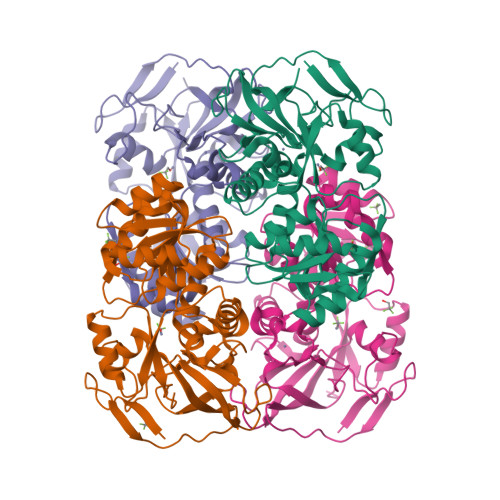
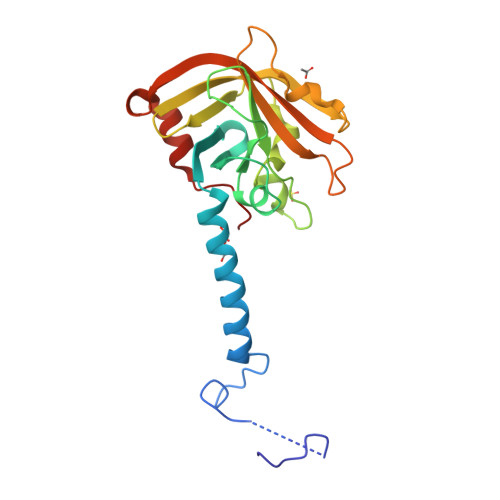
Alcohol dehydrogenase structureClick to view 3D structureAlcohol dehydrogenaseP42328Geobacillus stearothermophilusKnownNot Available
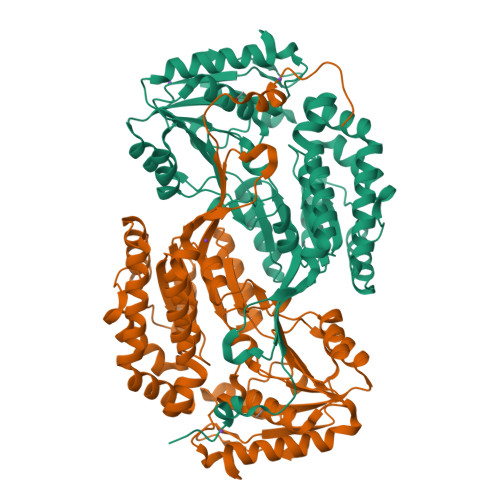
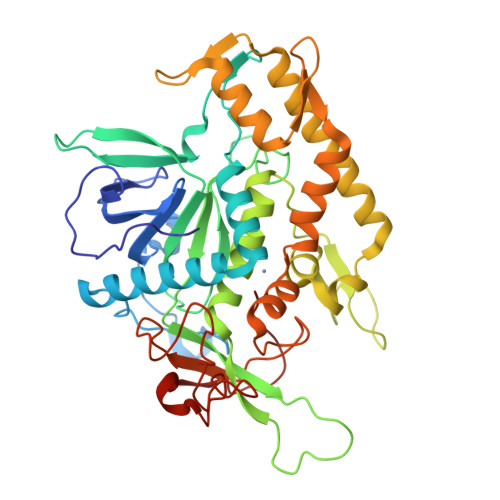
Aldehyde dehydrogenase, dimeric NADP-preferring structureClick to view 3D structureAldehyde dehydrogenase, dimeric NADP-preferringP30838HumansKnownNot Available
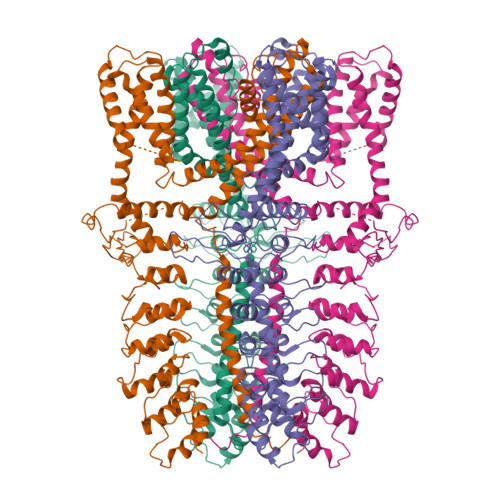
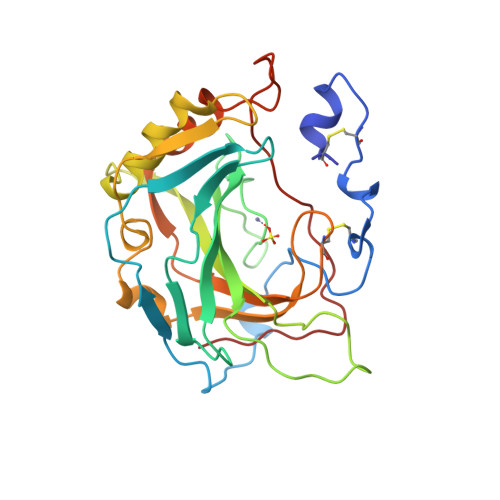
Aldehyde dehydrogenase family 3 member A2 structureClick to view 3D structureAldehyde dehydrogenase family 3 member A2P51648HumansKnownNot Available
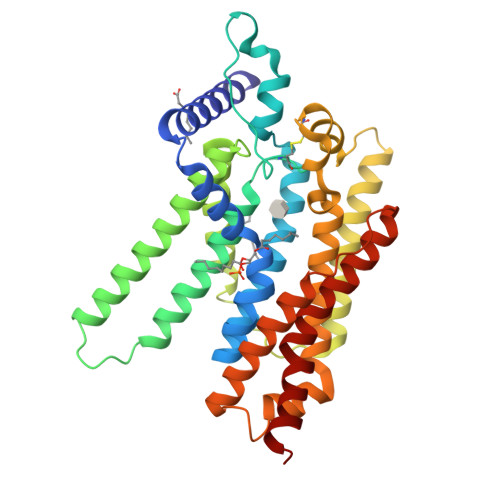
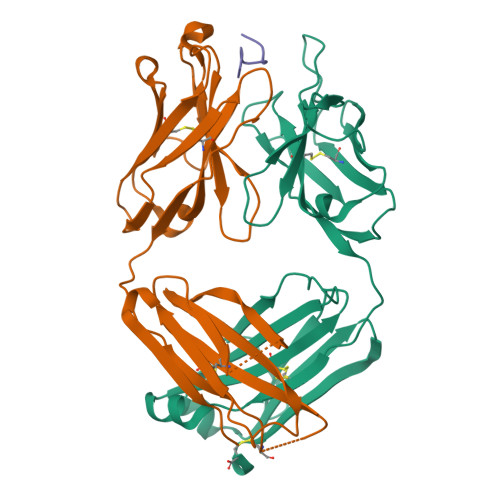
Cytochrome P450 2A6 structureClick to view 3D structureCytochrome P450 2A6P11509HumansPredicted (SEA)
Prediction Confidence Score
0.431
Applicability Domain
1.0
Statistical Significance
7.00e-05
Supporting Reference Compounds
68
E-value
0.544945
Sortase A structureClick to view 3D structureSortase AQ8CM62Streptococcus mutansPredicted (SEA)
Prediction Confidence Score
0.385
Applicability Domain
0.385
Statistical Significance
5.00e-04
Supporting Reference Compounds
1
E-value
3.89246
Click to view 3D structureCytochrome P450 2A5P20852Mus musculusPredicted (SEA)
Prediction Confidence Score
0.376
Applicability Domain
1.0
Statistical Significance
2.00e-05
Supporting Reference Compounds
11
E-value
0.155698
Botulinum neurotoxin type A structureClick to view 3D structureBotulinum neurotoxin type AP0DPI0Clostridium botulinumPredicted (SEA)
Prediction Confidence Score
0.345
Applicability Domain
1.0
Statistical Significance
2.10e-04
Supporting Reference Compounds
17
E-value
1.63483
Amine oxidase [flavin-containing] B structureClick to view 3D structureAmine oxidase [flavin-containing] BP27338HumansPredicted (SEA)
Prediction Confidence Score
0.342
Applicability Domain
0.385
Statistical Significance
0.0152
Supporting Reference Compounds
315
E-value
118.409
Click to view 3D structureProline racemaseQ9L4Q3Clostridium sticklandiiPredicted (SEA)
Prediction Confidence Score
0.333
Applicability Domain
0.333
Statistical Significance
2.00e-05
Supporting Reference Compounds
1
E-value
0.155698
Click to view 3D structureAldehyde dehydrogenase 1A1P51647Rattus norvegicusPredicted (SEA)
Prediction Confidence Score
0.333
Applicability Domain
0.333
Statistical Significance
3.00e-05
Supporting Reference Compounds
1
E-value
0.233548
Click to view 3D structureTransient receptor potential cation channel subfamily A member 1Q6RI86Rattus norvegicusPredicted (SEA)
Prediction Confidence Score
0.331
Applicability Domain
0.524
Statistical Significance
0.0011
Supporting Reference Compounds
56
E-value
8.87481
Cytochrome P450 1B1 structureClick to view 3D structureCytochrome P450 1B1Q16678HumansPredicted (SEA)
Prediction Confidence Score
0.32
Applicability Domain
0.385
Statistical Significance
0.0056
Supporting Reference Compounds
88
E-value
43.6734
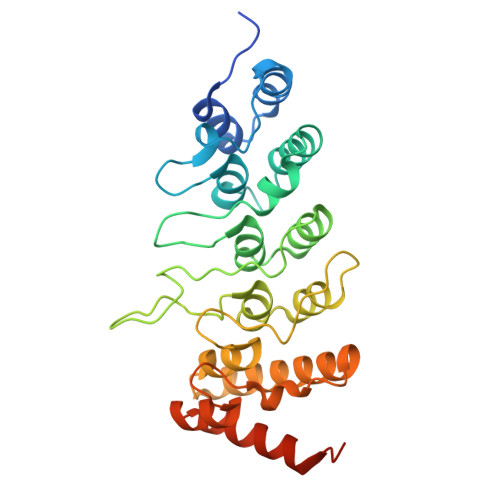
Transient receptor potential cation channel subfamily A member 1 structureClick to view 3D structureTransient receptor potential cation channel subfamily A member 1O75762HumansPredicted (SEA)
Prediction Confidence Score
0.312
Applicability Domain
0.524
Statistical Significance
9.50e-04
Supporting Reference Compounds
70
E-value
7.39568
Glucose-6-phosphatase catalytic subunit 1 structureClick to view 3D structureGlucose-6-phosphatase catalytic subunit 1P35575HumansPredicted (SEA)
Prediction Confidence Score
0.31
Applicability Domain
0.31
Statistical Significance
5.00e-05
Supporting Reference Compounds
1
E-value
0.389246
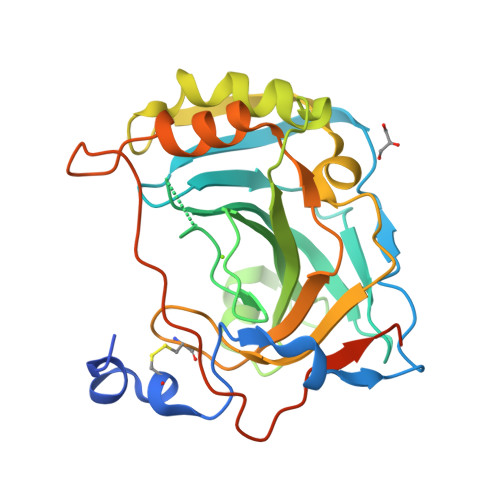
Carbonic anhydrase 2 structureClick to view 3D structureCarbonic anhydrase 2P00918HumansPredicted (SEA)
Prediction Confidence Score
0.307
Applicability Domain
0.316
Statistical Significance
0.0398
Supporting Reference Compounds
472
E-value
309.684
Cytochrome P450 1A2 structureClick to view 3D structureCytochrome P450 1A2P05177HumansPredicted (SEA)
Prediction Confidence Score
0.305
Applicability Domain
0.435
Statistical Significance
0.0634
Supporting Reference Compounds
793
E-value
493.253
Amine oxidase [flavin-containing] A structureClick to view 3D structureAmine oxidase [flavin-containing] AP21397HumansPredicted (SEA)
Prediction Confidence Score
0.303
Applicability Domain
0.346
Statistical Significance
0.0194
Supporting Reference Compounds
241
E-value
150.95
Carbonic anhydrase 1 structureClick to view 3D structureCarbonic anhydrase 1P00915HumansPredicted (SEA)
Prediction Confidence Score
0.299
Applicability Domain
0.313
Statistical Significance
0.0387
Supporting Reference Compounds
407
E-value
301.354
Carbonic anhydrase 12 structureClick to view 3D structureCarbonic anhydrase 12O43570HumansPredicted (SEA)
Prediction Confidence Score
0.297
Applicability Domain
0.316
Statistical Significance
0.0336
Supporting Reference Compounds
332
E-value
261.729
Cytochrome P450 3A4 structureClick to view 3D structureCytochrome P450 3A4P08684HumansPredicted (SEA)
Prediction Confidence Score
0.296
Applicability Domain
0.385
Statistical Significance
0.1874
Supporting Reference Compounds
1538
E-value
1459.28
Carbonic anhydrase 4 structureClick to view 3D structureCarbonic anhydrase 4P22748HumansPredicted (SEA)
Prediction Confidence Score
0.289
Applicability Domain
0.316
Statistical Significance
0.0177
Supporting Reference Compounds
193
E-value
137.637
Carbonic anhydrase 9 structureClick to view 3D structureCarbonic anhydrase 9Q16790HumansPredicted (SEA)
Prediction Confidence Score
0.285
Applicability Domain
0.316
Statistical Significance
0.051
Supporting Reference Compounds
372
E-value
397.109
Protein deacetylase HDAC6 structureClick to view 3D structureProtein deacetylase HDAC6Q9UBN7HumansPredicted (SEA)
Prediction Confidence Score
0.282
Applicability Domain
0.3
Statistical Significance
0.114
Supporting Reference Compounds
553
E-value
887.637
Click to view 3D structureCocaine esteraseO00748HumansPredicted (SEA)
Prediction Confidence Score
0.279
Applicability Domain
0.333
Statistical Significance
0.0015
Supporting Reference Compounds
40
E-value
11.9109
Liver carboxylesterase 1 structureClick to view 3D structureLiver carboxylesterase 1P23141HumansPredicted (SEA)
Prediction Confidence Score
0.279
Applicability Domain
0.333
Statistical Significance
0.0048
Supporting Reference Compounds
55
E-value
37.0562
Carbonic anhydrase 6 structureClick to view 3D structureCarbonic anhydrase 6P23280HumansPredicted (SEA)
Prediction Confidence Score
0.276
Applicability Domain
0.304
Statistical Significance
0.0205
Supporting Reference Compounds
151
E-value
159.28
Indoleamine 2,3-dioxygenase 1 structureClick to view 3D structureIndoleamine 2,3-dioxygenase 1P14902HumansPredicted (SEA)
Prediction Confidence Score
0.273
Applicability Domain
0.333
Statistical Significance
0.008
Supporting Reference Compounds
108
E-value
62.4351
Transient receptor potential cation channel subfamily V member 1 structureClick to view 3D structureTransient receptor potential cation channel subfamily V member 1Q8NER1HumansPredicted (SEA)
Prediction Confidence Score
0.273
Applicability Domain
0.321
Statistical Significance
0.021
Supporting Reference Compounds
104
E-value
163.483
Concentrations
Not Available
External Links
DrugBank IDNot Available
HMDB IDHMDB0006115
FooDB IDFDB014661
Phenol Explorer IDNot Available
KNApSAcK IDC00034452
BiGG IDNot Available
BioCyc IDBENZALDEHYDE
METLIN IDNot Available
PDB IDNot Available
Wikipedia LinkBenzaldehyde
Chemspider ID235
ChEBI ID17169
PubChem Compound ID240
Kegg Compound IDC00261
YMDB IDYMDB01326
ECMDB IDNot Available
References
Synthesis ReferenceNot Available
MSDSNot Available
General ReferencesNot Available