DIPOTASSIUM PHOSPHATE (CED0001062)

Record Information
Version1.0
Creation Date2016-05-19 02:02:39 UTC
Update Date2026-05-14 19:05:56 UTC
SynCED IDCED0001062
Secondary Accession Numbers
  • CHEM005474
Identification
Common NameDIPOTASSIUM PHOSPHATE
ClassSmall Molecule
Description
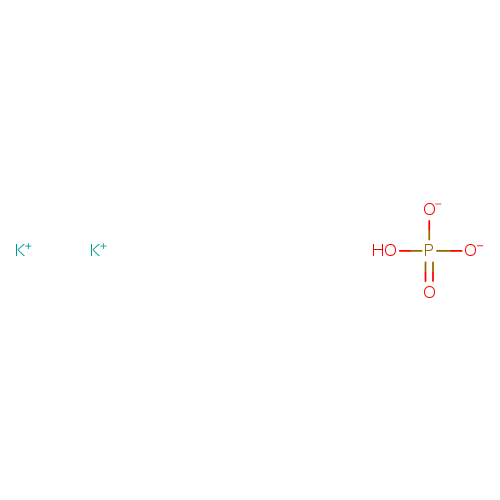
DIPOTASSIUM PHOSPHATE belongs to the alkali metal phosphates, a subclass of alkali metal oxoanionic compounds within the inorganic compounds. This compound has the formula HK2O4P and an average molecular weight of 174.18 g/mol. Industrial roles and uses for this substance include its application as a buffer (PMC10217186 ), pH regulating agent (PMC10217186 ), corrosion inhibitor (PMC10217186 ), chelating agent (PMC10217186 ), emulsifier (PMC10217186 ), and thickening agent (PMC10217186 ). Additionally, it is utilized as a pharmaceutical (PMC10217186 ), an additive (PMC7435674 ), for soil amendments (PMC10217186 ), and as a flavouring and nutrient (PMC10217186 ). The compound is found in or released from 15 recorded sources. Within the category of food, food processing, and cookware, it is associated with the processing of fish, the preparation of wort, vinegar, wine or sparkling wine, and fermentation processes for beer. In household cleaning and consumer products, it is found in tobacco pipes, cigar cigarettes, tobacco smoke filters, and bleaching agents. It is also present in building and construction materials such as tents or canopies, as well as in electrical and electronic equipment, including fixed capacitors and their manufacture, discharge lamps, and electrically stimulated smoking devices.
Contaminant TypeNot Available
Chemical Structure
Synonyms
ValueSource
Dibasic potassium phosphateChEBI
Dipotassium hydrogenorthophosphateChEBI
Dipotassium hydrogenphosphateChEBI
Dipotassium monohydrogen phosphateChEBI
Dipotassium monophosphateChEBI
Dipotassium orthophosphateChEBI
Hydrogen dipotassium phosphateChEBI
K2hPO4ChEBI
Phosphoric acid, dipotassium saltChEBI
Potassium dibasic phosphateChEBI
Potassium dibasic phosphate trihydrateChEBI
Potassium monohydrogen phosphateChEBI
Potassium monophosphateChEBI
Potassium phosphate (dibasic)ChEBI
Potassium phosphate, dibasicChEBI
Mediject pKegg
Dibasic potassium phosphoric acidGenerator
Dipotassium hydrogenorthophosphoric acidGenerator
Dipotassium hydrogenphosphoric acidGenerator
Dipotassium monohydrogen phosphoric acidGenerator
Dipotassium monophosphoric acidGenerator
Dipotassium orthophosphoric acidGenerator
Hydrogen dipotassium phosphoric acidGenerator
Phosphate, dipotassium saltGenerator
Potassium dibasic phosphoric acidGenerator
Potassium dibasic phosphoric acid trihydric acidGenerator
Potassium monohydrogen phosphoric acidGenerator
Potassium monophosphoric acidGenerator
Potassium phosphoric acid (dibasic)Generator
Potassium phosphoric acid, dibasicGenerator
Dipotassium phosphoric acidGenerator
Dipotassium hydrogen phosphateMeSH
Potassium phosphate, monobasicMeSH
Potassium dideuterium phosphateMeSH
Potassium dihydrogen phosphateMeSH
Potassium phosphate, unspecified formMeSH
Potassium acid phosphateMeSH
Potassium phosphate (K3-PO4)MeSH
Potassium phosphate (K-H3PO4(1:2))MeSH
Potassium phosphate (K-H2PO4)MeSH
Potassium phosphate (K2-HPO4)MeSH
KD2PO4MeSH
Potassium phosphateMeSH
Chemical FormulaHK2O4P
Average Molecular Mass174.176 g/mol
Monoisotopic Mass173.889 g/mol
CAS Registry Number7758-11-4
IUPAC Namedipotassium hydrogen phosphate
Traditional Namedipotassium hydrogen phosphate
SMILES[K+].[K+].OP([O-])([O-])=O
InChI IdentifierInChI=1S/2K.H3O4P/c;;1-5(2,3)4/h;;(H3,1,2,3,4)/q2*+1;/p-2
InChI KeyZPWVASYFFYYZEW-UHFFFAOYSA-L
Chemical Taxonomy
Description Belongs to the class of inorganic compounds known as alkali metal phosphates. These are inorganic compounds in which the largest oxoanion is phosphate, and in which the heaviest atom not in an oxoanion is an alkali metal.
KingdomInorganic compounds
Super ClassMixed metal/non-metal compounds
ClassAlkali metal oxoanionic compounds
Sub ClassAlkali metal phosphates
Direct ParentAlkali metal phosphates
Alternative Parents
Substituents
  • Alkali metal phosphate
  • Inorganic oxide
  • Inorganic salt
Molecular FrameworkNot Available
External Descriptors
Biological Properties
StatusDetected and Not Quantified
OriginNot Available
Cellular LocationsNot Available
Biofluid LocationsNot Available
Tissue LocationsNot Available
ApplicationsNot Available
Biological RolesNot Available
Chemical RolesNot Available
Organoleptic EffectsNot Available
Physical Properties
StateNot Available
AppearanceNot Available
Experimental Properties
PropertyValue
Melting PointNot Available
Boiling PointNot Available
SolubilityNot Available
Predicted Properties
PropertyValueSource
logP-1ChemAxon
pKa (Strongest Acidic)1.8ChemAxon
Physiological Charge-2ChemAxon
Hydrogen Acceptor Count4ChemAxon
Hydrogen Donor Count1ChemAxon
Polar Surface Area83.42 ŲChemAxon
Rotatable Bond Count0ChemAxon
Refractivity12.41 m³·mol⁻¹ChemAxon
Polarizability5.23 ųChemAxon
Number of Rings0ChemAxon
BioavailabilityYesChemAxon
Rule of FiveYesChemAxon
Ghose FilterNoChemAxon
Veber's RuleNoChemAxon
MDDR-like RuleNoChemAxon
Spectra
Spectra
Spectrum TypeDescriptionSplash KeyDeposition DateView
Predicted GC-MSPredicted GC-MS Spectrumsplash10-00di-0900000000-c5611637681caf053d69Not AvailableView Spectrum
Predicted LC-MS/MSPredicted LC-MS/MS Spectrumsplash10-00di-2900000000-ec48391d627151605b98Not AvailableView Spectrum
Predicted LC-MS/MSPredicted LC-MS/MS Spectrumsplash10-01b9-0900000000-15698f99f1da8832e05bNot AvailableView Spectrum
Predicted LC-MS/MSPredicted LC-MS/MS Spectrumsplash10-05n0-9400000000-db3ccb39e515f72f0b3dNot AvailableView Spectrum
Predicted LC-MS/MSPredicted LC-MS/MS Spectrumsplash10-00di-0900000000-f598fda37d426bfad3b6Not AvailableView Spectrum
Toxicity Profile
Toxicity ValuesNot Available
Toxicity / Toxin ClassNot Available
Mechanism of ToxicityNot Available
Carcinogenicity (IARC Classification)Not Available
Minimum Risk LevelNot Available
SymptomsNot Available
TreatmentNot Available
Health Effects
Health EffectRelationshipDirectionDescriptionReference
Exposure Sources
Source IDSourceSectorReference
CEDs000010Insecticides?Insecticides are synthetic chemicals designed to control or eliminate insect pests that threaten crops and other agricultural products.Agriculture & land managementPubChem
CEDs000013Soil?Soil serves as a critical medium for plant growth and sustains various ecological functions; however, it can become a reservoir for synthetic chemical contamination.Agriculture & land managementPMC4817206 , PMC5357327
CEDs000050Groundwater?Groundwater serves as a vital resource for drinking water and agricultural irrigation but is increasingly susceptible to contamination from synthetic chemicals.Aquatic systems & sedimentsPMC8137839 , PMC6379275
CEDs000070Stormwater runoff?Stormwater runoff refers to the flow of rainwater or melted snow that does not soak into the ground and instead collects pollutants as it travels over impervious surfaces such as roads and parking lots.Automotive & urban infrastructurePubChem
CEDs000181Ballast water?Ballast water, taken on by ships to maintain stability and balance, often contains a diverse array of microorganisms, including bacteria, viruses, and plankton.Marine, shipping & aquaculturePubChem
CEDs000182Bilge water?Bilge water is a byproduct generated from the accumulation of water in the lowest part of a ship's hull, which may include a mixture of seawater, oil, fuel residues, and various contaminants.Marine, shipping & aquaculturePubChem
CEDs000233Brushes?Brushes used in personal care and cosmetics can be a source of synthetic chemical contamination due to the materials and coatings used in their manufacturing.Personal care & cosmeticsPubChem
CEDs000462Landfill leachate?Landfill leachate is a liquid that forms when rainwater or moisture percolates through waste materials in a landfill, dissolving various soluble substances and contaminants.Waste management, landfill & incinerationPMC4713456
CEDs000503Tents Or Canopies?Tents and canopies used in various applications can be a source of synthetic chemical contamination primarily due to the materials from which they are made.Building & ConstructionPubChem
CEDs000511Conductors Or Conductive Bodies Characterised By The Conductive Materials?Conductors, or conductive bodies, are materials that allow the flow of electrical current, typically made from metals such as copper, aluminum, or silver.Electrical & Electronic EquipmentPubChem
CEDs000514Discharge Lamps?Discharge lamps, including fluorescent and high-intensity discharge (HID) lamps, are commonly used for lighting applications due to their energy efficiency and brightness.Electrical & Electronic EquipmentPubChem
CEDs000518Electrically Stimulated Smoking Devices?Electrically stimulated smoking devices, commonly known as e-cigarettes or vape pens, utilize electrical components to heat a liquid solution, often containing nicotine, flavorings, and other additives, to produce an aerosol for inhalation.Electrical & Electronic EquipmentPubChem
CEDs000519Electrodes?Electrodes, used in various electrical and electronic applications, can be a source of synthetic chemical contamination due to the materials from which they are constructed and the processes involved in their manufacturing.Electrical & Electronic EquipmentPubChem
CEDs000521Fixed Capacitors And Their Manufacture?Fixed capacitors are passive electronic components used to store and release electrical energy, playing a critical role in various circuits.Electrical & Electronic EquipmentPubChem
CEDs000524Hybrid Capacitors?Hybrid capacitors are energy storage devices that combine the properties of electrolytic and supercapacitors, utilizing a combination of electrochemical principles to achieve higher energy density and power density.Electrical & Electronic EquipmentPubChem
CEDs000544Fermentation Processes For Beer?Fermentation processes for beer involve the conversion of sugars into alcohol and carbon dioxide by yeast.Food, food processing & cookwarePubChem
CEDs000545Food Preservation?Food preservation often involves the use of synthetic chemicals, such as preservatives, flavor enhancers, and color additives, to extend shelf life and enhance the sensory qualities of food products.Food, food processing & cookwarePubChem
CEDs000548Preparation Of Vinegar?Vinegar is produced through the fermentation of ethanol by acetic acid bacteria, resulting in a solution that typically contains 4-8% acetic acid.Food, food processing & cookwarePubChem
CEDs000549Preparation Of Wine Or Sparkling Wine?The preparation of wine or sparkling wine involves various stages, including fermentation, aging, and bottling, which can introduce potential sources of synthetic chemical contamination.Food, food processing & cookwarePubChem
CEDs000550Preparation Of Wort?The preparation of wort involves the extraction of sugars from malted grains, a crucial step in the brewing process.Food, food processing & cookwarePubChem
CEDs000551Processing Fish?Processing fish can lead to synthetic chemical contamination through various stages of production and preservation.Food, food processing & cookwarePubChem
CEDs000552Processing Meats?Processing meats can lead to synthetic chemical contamination primarily through the use of additives and preservatives.Food, food processing & cookwarePubChem
CEDs000553Treatment Of Hops?Hops, a key ingredient in brewing and food flavoring, can be a source of synthetic chemical contamination due to various agricultural practices.Food, food processing & cookwarePubChem
CEDs000555Bleaching Agents?Bleaching agents are chemical substances used to whiten or lighten materials, often employed in various cleaning products for their stain removal and disinfecting properties.Household cleaning & consumer productsPubChem
CEDs000556Cigar Cigarettes?Cigar cigarettes are a source of synthetic chemical contamination due to the combustion of various tobacco blends and additives.Household cleaning & consumer productsPubChem
CEDs000559Non Electric Simulated Smoking Devices?Non-electric simulated smoking devices, often designed to mimic the experience of smoking without combustion, can be sources of synthetic chemical contamination due to the materials and chemicals used in their construction and operation.Household cleaning & consumer productsPubChem
CEDs000561Perfumes Within Detergents And Soaps?Perfumes within detergents and soaps are synthetic fragrance compounds added to enhance the sensory experience of cleaning products.Household cleaning & consumer productsPubChem
CEDs000563Soap Detergents?Soap detergents are synthetic surfactants designed to enhance the cleaning efficacy of water by reducing surface tension, allowing for better interaction with dirt and grease.Household cleaning & consumer productsPubChem
CEDs000566Tobacco Pipes?Tobacco pipes, often made from materials such as plastic, wood, or metal, can serve as sources of synthetic chemical contamination due to the residues left by tobacco products.Household cleaning & consumer productsPubChem
CEDs000569Tobacco Smoke Filters?Tobacco smoke filters are designed to reduce the inhalation of harmful substances in cigarette smoke, including tar and other particulate matter.Household cleaning & consumer productsPubChem
CEDs000578Making Cigars?The process of making cigars involves several steps, including the cultivation of tobacco, fermentation, and the application of various additives to enhance flavor and preservation.Industrial manufacturing & chemical processingPubChem
CEDs000579Manufacture Of Iron Or Steel?The manufacture of iron or steel involves various processes, including smelting, refining, and alloying, which can result in the release of synthetic chemicals and contaminants.Industrial manufacturing & chemical processingPubChem
CEDs000580Manufacture Preparation Of Tobacco Products?The manufacture and preparation of tobacco products involve various processes that can result in the introduction of synthetic chemicals into the environment.Industrial manufacturing & chemical processingPubChem
CEDs000581Paper Making Machines?Paper making machines utilize various synthetic chemicals throughout the production process, including additives, coatings, and bleaching agents.Industrial manufacturing & chemical processingPubChem
CEDs000596Acaricides?Acaricides are synthetic chemicals specifically designed to target and control mite populations that can damage crops and plants.Agriculture & land managementPubChem
CEDs000600Herbicides And Algicides?Herbicides and algicides are synthetic chemicals primarily used to control unwanted plants and algae in various environments.Agriculture & land managementPubChem
CEDs000603Nematocides?Nematocides are synthetic chemicals specifically designed to control nematodes, which are microscopic roundworms that can cause significant damage to crops and plants.Agriculture & land managementPubChem
CEDs000604Pest Attractants?Pest attractants are synthetic chemicals designed to lure specific pests for monitoring or control purposes.Agriculture & land managementPubChem
CEDs000605Pest Repellants?Pest repellents, often formulated from synthetic chemicals, are widely used to protect crops from insect infestations and other pests.Agriculture & land managementPubChem
CEDs000606Plant Growth Regulators?Plant Growth Regulators (PGRs) are synthetic chemicals designed to influence the growth and development of plants.Agriculture & land managementPubChem
CEDs000610Aftersun Products?Aftersun products are designed to soothe and hydrate the skin after sun exposure, often containing various synthetic chemicals such as emollients, preservatives, and fragrances.Personal care & cosmeticsPubChem
CEDs000611Anti Perspirants Or Body Deoderants?Antiperspirants and body deodorants commonly contain synthetic chemicals such as aluminum compounds, parabens, and synthetic fragrances.Personal care & cosmeticsPubChem
CEDs000614Essential Oils Or Perfumes?Essential oils and perfumes are complex mixtures of volatile compounds derived from natural or synthetic sources, commonly used for their aromatic properties.Personal care & cosmeticsPubChem
CEDs000615Eye Makeup Products?Eye makeup products, including mascaras, eyeliners, and eyeshadows, often contain a variety of synthetic chemicals such as pigments, preservatives, and film-forming agents.Personal care & cosmeticsPubChem
CEDs000617Lip Care Products?Lip care products, including lipsticks, balms, and glosses, often contain a variety of synthetic chemicals such as parabens, phthalates, and synthetic fragrances.Personal care & cosmeticsPubChem
CEDs000618Lip Makeup Products?Lip makeup products, such as lipsticks, lip glosses, and lip liners, often contain a variety of synthetic chemicals, including pigments, preservatives, and emollients.Personal care & cosmeticsPubChem
CEDs000619Manicure Pedicure?Manicure and pedicure procedures often involve the use of various synthetic chemicals, including solvents, nail polishes, and nail adhesives.Personal care & cosmeticsPubChem
CEDs000630Toys?Toys, particularly those made from synthetic materials such as plastics, can be a source of chemical contamination due to the presence of various additives and compounds used in their production.Recreation & sports surfacesPubChem
CEDs000631Anthraquinone Dyes?Anthraquinone dyes are a class of synthetic organic compounds characterized by their vibrant colors and stability, making them widely used in various applications, particularly in coloring textiles and leather.Textiles, leather & furnishingsPubChem
CEDs000632Apparel?Apparel production often involves the use of various synthetic chemicals, including dyes, finishing agents, and preservatives.Textiles, leather & furnishingsPubChem
CEDs000633Azo Dyes?Azo dyes are synthetic organic compounds characterized by the presence of one or more azo groups (-N=N-), which are widely used for coloring textiles, leather, and furnishings.Textiles, leather & furnishingsPubChem
CEDs000638Decorating Textiles?Decorating textiles often involves the use of synthetic chemicals such as dyes, finishes, and coatings.Textiles, leather & furnishingsPubChem
CEDs000640Embroidering And Tufting?Embroidering and tufting processes often involve the use of synthetic chemicals such as dyes, adhesives, and finishing agents.Textiles, leather & furnishingsPubChem
CEDs000647Multicolour Dyeing?Multicolour dyeing involves the application of multiple synthetic dyes to textiles and other materials to achieve vibrant, diverse color patterns.Textiles, leather & furnishingsPubChem
CEDs000648Nitro Dyes?Nitro dyes are synthetic colorants that contain nitro groups (-NO2) in their chemical structure.Textiles, leather & furnishingsPubChem
CEDs000650Purses Luggage Hand Bags?Purses, luggage, and handbags are often manufactured using synthetic materials such as polyvinyl chloride (PVC), polyurethane, and various types of nylon.Textiles, leather & furnishingsPubChem
CEDs000652Ropes?Ropes manufactured from synthetic fibers, such as polypropylene, nylon, and polyester, are widely used in various applications, including marine, construction, and outdoor activities.Textiles, leather & furnishingsPubChem
CEDs000657Surface Finishing Of Leather?Surface finishing of leather often involves the use of various synthetic chemicals, including dyes, resins, and finishing agents.Textiles, leather & furnishingsPubChem
CEDs000662Yarns Or Threads?Yarns or threads used in textiles can be a source of synthetic chemical contamination due to the production processes and treatments they undergo.Textiles, leather & furnishingsPubChem
CEDs000664Fire Fighting Gels?Fire fighting gels are synthetic chemical formulations designed to enhance fire suppression effectiveness by creating a protective barrier against heat and flames.Fire suppression systems & agentsPubChem
CEDs000665Fire Extinguishers?Fire extinguishers contain various synthetic chemicals designed to suppress flames and prevent the spread of fire.Fire suppression systems & agentsPubChem
CEDs000667Gaseous Fire Fighting?Gaseous fire fighting systems utilize synthetic chemicals, such as halocarbons and inert gases, to suppress fires through chemical and physical processes.Fire suppression systems & agentsPubChem
CEDs000668Non-PFAS Fire Fighting Foam?Non-PFAS fire fighting foam refers to fire suppression agents that do not contain per- and polyfluoroalkyl substances (PFAS), which are synthetic chemicals known for their water- and grease-resistant properties.Fire suppression systems & agentsPubChem
CEDs000669PFAS Fire Fighting Foam?PFAS fire fighting foam refers to a class of synthetic foams containing per- and polyfluoroalkyl substances (PFAS), which are designed to suppress flammable liquid fires.Fire suppression systems & agentsPubChem
CEDs000670Solid Fire Fighting Substances?Solid fire fighting substances, such as certain types of dry chemical powders, are used in fire suppression applications to extinguish flames and prevent fire spread.Fire suppression systems & agentsPubChem
CEDs000671Airplanes And Helicopters?Airplanes and helicopters are significant sources of synthetic chemical contamination primarily through the use of aviation fuels, lubricants, and de-icing agents.Aviation & AerospacePubChem
CEDs000678Nitrogenous Fertilisers?Nitrogenous fertilizers are synthetic chemical compounds primarily used to enhance plant growth by supplying essential nitrogen, a crucial nutrient for photosynthesis and protein synthesis.Agriculture & land managementPubChem
CEDs000679Phosphatic Fertilisers?Phosphatic fertilizers are synthetic chemical products primarily composed of phosphorus, which is essential for plant growth.Agriculture & land managementPubChem
CEDs000684Cements?Cements are a composite material primarily used as a binding agent in construction applications, formed by the calcination of limestone and clay minerals at high temperatures.Building & ConstructionPubChem
CEDs000685Ceramics?Ceramics can be a source of synthetic chemical contamination through various additives and processing agents used in their production.Building & ConstructionPubChem
CEDs000686Clay Wares?Clay wares are ceramic products made from natural clay, often utilized in various construction applications such as tiles, bricks, and sanitary ware.Building & ConstructionPubChem
CEDs000688Glass Coatings?Glass coatings are synthetic chemical formulations applied to glass surfaces to enhance properties such as durability, UV resistance, and aesthetic appeal.Building & ConstructionPubChem
CEDs000689Glass Fibres?Glass fibres are composed of fine strands of glass, commonly utilized for their tensile strength and lightweight properties.Building & ConstructionPubChem
CEDs000690Lime?Lime, primarily comprised of calcium oxide (CaO) or calcium hydroxide (Ca(OH)₂), is widely used in various applications, including as a key ingredient in mortars, plasters, and cement.Building & ConstructionPubChem
CEDs000692Silica Free Oxide Glass?Silica Free Oxide Glass is a type of glass that is produced using alternative materials to traditional silica-based formulations.Building & ConstructionPubChem
CEDs000693Silica Glass?Silica glass, primarily composed of silicon dioxide (SiO2), is widely used in various applications, including windows, glass facades, and insulation materials.Building & ConstructionPubChem
CEDs000696Nanotechnology?Nanotechnology involves the manipulation of materials at the molecular or atomic level, typically within the range of 1 to 100 nanometers.Industrial manufacturing & chemical processingPubChem
CEDs000698Jewellery?Jewellery production often involves the use of various synthetic chemicals during the extraction and processing of metals.Mining & metal processingPubChem
CEDs000699Mining Or Quarrying?Mining and quarrying operations can lead to synthetic chemical contamination through the release of various pollutants associated with the extraction and processing of minerals.Mining & metal processingPubChem
CEDs000701Ventilation Of Mines Or Tunnels?Ventilation in mines or tunnels is essential for maintaining air quality and ensuring the safety of workers.Mining & metal processingPubChem
CEDs000726Pens?Pens, commonly utilized for writing and marking, can be a source of synthetic chemical contamination primarily due to the materials used in their manufacturing.Paper, pulp & fiber productsPubChem
CEDs000727Printing Machines Or Presses?Printing machines or presses commonly utilize synthetic chemicals such as inks, solvents, and cleaning agents.Paper, pulp & fiber productsPubChem
CEDs000730Contact Lens Cases?Contact lens cases are small containers designed to store contact lenses in a sterile environment, typically made from various synthetic materials including plastics such as polypropylene or polycarbonate.Healthcare, pharmaceuticals & veterinary productsPubChem
CEDs000734Coating Compositions?Coating compositions, which include paints, sealants, and varnishes, are formulated with a variety of synthetic chemicals such as solvents, resins, pigments, and additives.Building & ConstructionPubChem
CEDs000735Explosives?Explosives are chemical compounds or mixtures designed to undergo rapid decomposition, releasing energy in the form of gas and heat.Defense & military infrastructurePubChem
CEDs000738Cooling Circuit Water?Cooling circuit water is utilized in various industrial processes to absorb and dissipate heat generated during operations.Industrial manufacturing & chemical processingPubChem
CEDs000739Inks?Inks are complex mixtures composed of pigments or dyes, solvents, resins, and additives used primarily for printing and writing applications.Paper, pulp & fiber productsPubChem
CEDs000740Paper?Paper production involves the processing of wood fibers and the use of various chemicals, which can lead to synthetic chemical contamination.Paper, pulp & fiber productsPubChem
CEDs000741Pigment Pastes?Pigment pastes are concentrated dispersions of pigments used to impart color and properties to materials.Paper, pulp & fiber productsPubChem
CEDs000742Leather Tanning?Leather tanning is a process that transforms raw animal hides into durable leather through the application of various chemicals, including chromium salts, aldehydes, and vegetable tannins.Textiles, leather & furnishingsPubChem
CEDs000743Sludge Treatment?Sludge treatment involves the processing of waste materials generated from wastewater treatment plants, which often contain a variety of organic and inorganic substances.Wastewater, sanitation & biosolidsPubChem
CEDs000744Water, Wastewater, & Sewage Treatment?Water, wastewater, and sewage treatment processes are critical for managing and mitigating pollutants in water systems.Wastewater, sanitation & biosolidsPubChem
CEDs00777Feed SolutionAgriculture & land managementPMC6393993
CEDs00785Soybean HullsAgriculture & land managementPMC10890580
CEDs00835Corn CobAgriculture & land managementPMC10992953
CEDs00888Corn Steep LiquorAgriculture & land managementPMC4232651
CEDs01512Pancreatic JuiceFood, food processing & cookwarePMC9240801
CEDs02255WaterAquatic systems & sedimentsPMC6068887 , PMC10993889
CEDs02261Sea WaterAquatic systems & sedimentsPMC8252766 , PMC8252766
CEDs02293Fresh WaterAquatic systems & sedimentsPMC6167122
CEDs02489Reservoir SolutionAquatic systems & sedimentsPMC12247023
CEDs02589AirAir, dust & atmospheric transportPMC8955485
CEDs03009Waste WaterWastewater, sanitation & biosolidsPMC6717656 , PMC10048942
CEDs03024Synthetic WastewaterWastewater, sanitation & biosolidsPMC5583185 , PMC10989296
Pathways
1 pathwayPathway Source: PathBank
Targets
StructureProteinUniProt IDOrganismRelationshipDetails
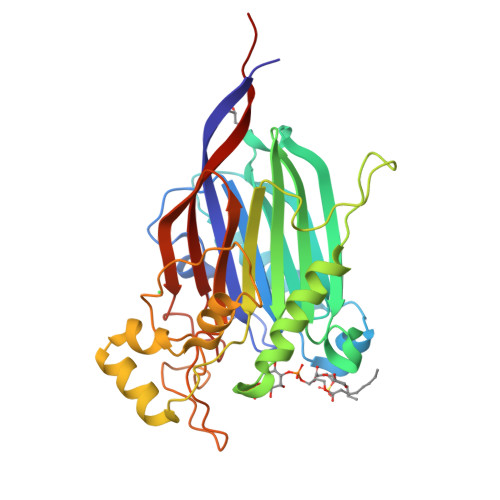
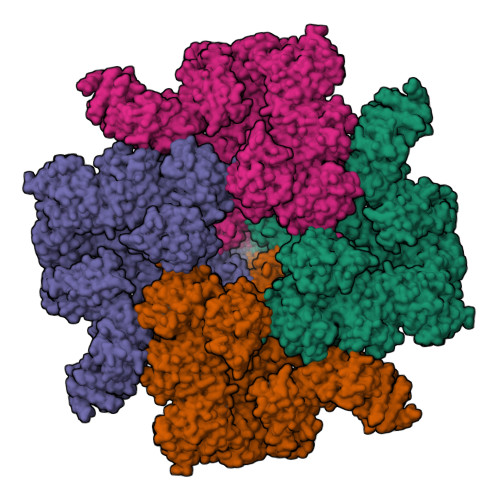
Click to view 3D structureType IV secretion-like conjugative transfer relaxase protein TraIB1LRJ1Escherichia coli (strain SMS-3-5 / SECEC)Predicted (SEA)
Prediction Confidence Score
0.313
Applicability Domain
0.313
Statistical Significance
1.00e-05
Supporting Reference Compounds
1
E-value
0.0778492
Click to view 3D structureIsopentenyl-diphosphate Delta-isomerase 1O35760Rattus norvegicusPredicted (SEA)
Prediction Confidence Score
0.259
Applicability Domain
0.259 Low confidence
Statistical Significance
1.20e-04
Supporting Reference Compounds
1
E-value
0.934191
Click to view 3D structureFarnesyl pyrophosphate synthaseP05369Rattus norvegicusPredicted (SEA)
Prediction Confidence Score
0.259
Applicability Domain
0.259 Low confidence
Statistical Significance
1.20e-04
Supporting Reference Compounds
1
E-value
0.934191
Click to view 3D structureInositol 1,4,5-trisphosphate-gated calcium channel ITPR3Q8WN95Bos taurusPredicted (SEA)
Prediction Confidence Score
0.25
Applicability Domain
0.25 Low confidence
Statistical Significance
1.30e-04
Supporting Reference Compounds
1
E-value
1.01204
Phosphatidylinositol 3,4,5-trisphosphate 5-phosphatase 2 structureClick to view 3D structurePhosphatidylinositol 3,4,5-trisphosphate 5-phosphatase 2Q6P549Mus musculusPredicted (SEA)
Prediction Confidence Score
0.25
Applicability Domain
0.25 Low confidence
Statistical Significance
9.00e-05
Supporting Reference Compounds
1
E-value
0.700643
Type II inositol 1,4,5-trisphosphate 5-phosphatase structureClick to view 3D structureType II inositol 1,4,5-trisphosphate 5-phosphataseP32019HumansPredicted (SEA)
Prediction Confidence Score
0.25
Applicability Domain
0.25 Low confidence
Statistical Significance
9.00e-05
Supporting Reference Compounds
1
E-value
0.700643
Carbonic anhydrase 1 structureClick to view 3D structureCarbonic anhydrase 1P00915HumansPredicted (SEA)
Prediction Confidence Score
0.231
Applicability Domain
0.316
Statistical Significance
0.236
Supporting Reference Compounds
407
E-value
1837.01
Inositol-trisphosphate 3-kinase A structureClick to view 3D structureInositol-trisphosphate 3-kinase AP17105Rattus norvegicusPredicted (SEA)
Prediction Confidence Score
0.227
Applicability Domain
0.227 Low confidence
Statistical Significance
1.40e-04
Supporting Reference Compounds
1
E-value
1.08989
Click to view 3D structureInositol polyphosphate-5-phosphatase AQ14642HumansPredicted (SEA)
Prediction Confidence Score
0.218
Applicability Domain
0.25 Low confidence
Statistical Significance
1.10e-04
Supporting Reference Compounds
2
E-value
0.856341
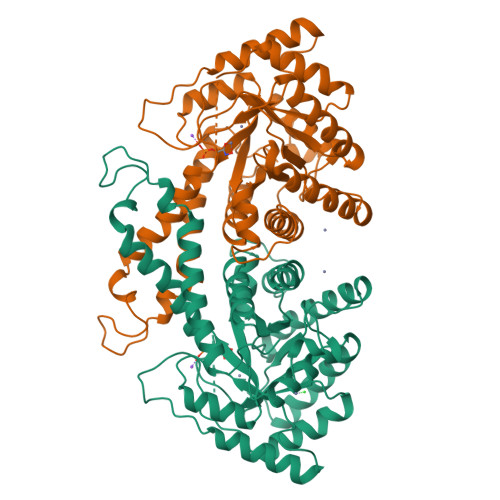
Fructose-bisphosphate aldolase class 2 structureClick to view 3D structureFructose-bisphosphate aldolase class 2P0AB71Escherichia coli (strain K12)Predicted (SEA)
Prediction Confidence Score
0.208
Applicability Domain
0.208 Low confidence
Statistical Significance
6.00e-04
Supporting Reference Compounds
1
E-value
4.67095
Mandelate racemase structureClick to view 3D structureMandelate racemaseP11444Pseudomonas putidaPredicted (SEA)
Prediction Confidence Score
0.208
Applicability Domain
0.208 Low confidence
Statistical Significance
0.0062
Supporting Reference Compounds
1
E-value
48.1108
Inositol 1,4,5-trisphosphate-gated calcium channel ITPR3 structureClick to view 3D structureInositol 1,4,5-trisphosphate-gated calcium channel ITPR3Q14573HumansPredicted (SEA)
Prediction Confidence Score
0.208
Applicability Domain
0.238 Low confidence
Statistical Significance
1.70e-04
Supporting Reference Compounds
4
E-value
1.32344
72 kDa type IV collagenase structureClick to view 3D structure72 kDa type IV collagenaseP08253HumansPredicted (SEA)
Prediction Confidence Score
0.207
Applicability Domain
0.227 Low confidence
Statistical Significance
0.5164
Supporting Reference Compounds
400
E-value
4020.52
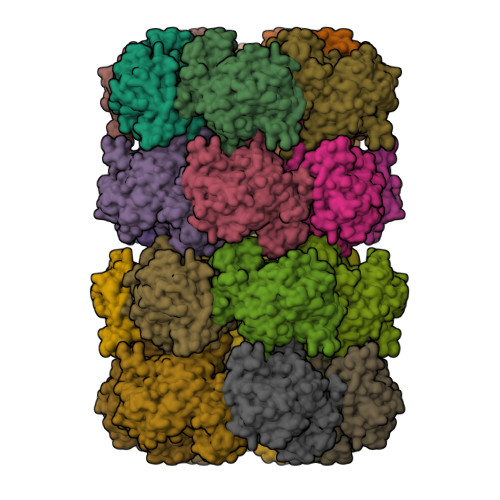
Glutamine synthetase structureClick to view 3D structureGlutamine synthetaseP0A9C5Escherichia coli K-12Predicted (SEA)
Prediction Confidence Score
0.207
Applicability Domain
0.207 Low confidence
Statistical Significance
0.0015
Supporting Reference Compounds
1
E-value
11.9888
Click to view 3D structureType 1 InsP3 receptor isoform S2P79248Sus scrofaPredicted (SEA)
Prediction Confidence Score
0.206
Applicability Domain
0.227 Low confidence
Statistical Significance
1.60e-04
Supporting Reference Compounds
2
E-value
1.24559
Farnesyl pyrophosphate synthase structureClick to view 3D structureFarnesyl pyrophosphate synthaseP14324HumansPredicted (SEA)
Prediction Confidence Score
0.206
Applicability Domain
0.259 Low confidence
Statistical Significance
0.0192
Supporting Reference Compounds
22
E-value
149.86
1-deoxy-D-xylulose 5-phosphate reductoisomerase structureClick to view 3D structure1-deoxy-D-xylulose 5-phosphate reductoisomeraseP45568Escherichia coli (strain K12)Predicted (SEA)
Prediction Confidence Score
0.204
Applicability Domain
0.259 Low confidence
Statistical Significance
0.0016
Supporting Reference Compounds
11
E-value
12.6116
Triosephosphate isomerase structureClick to view 3D structureTriosephosphate isomeraseP00939Oryctolagus cuniculusPredicted (SEA)
Prediction Confidence Score
0.204
Applicability Domain
0.208 Low confidence
Statistical Significance
1.70e-04
Supporting Reference Compounds
2
E-value
1.32344
Carbonic anhydrase 9 structureClick to view 3D structureCarbonic anhydrase 9Q16790HumansPredicted (SEA)
Prediction Confidence Score
0.203
Applicability Domain
0.227 Low confidence
Statistical Significance
0.4886
Supporting Reference Compounds
372
E-value
3803.56
Carbonic anhydrase 12 structureClick to view 3D structureCarbonic anhydrase 12O43570HumansPredicted (SEA)
Prediction Confidence Score
0.203
Applicability Domain
0.227 Low confidence
Statistical Significance
0.4613
Supporting Reference Compounds
332
E-value
3591.11
Click to view 3D structure1-deoxy-D-xylulose-5-phosphate synthaseB7UJP3Escherichia coli O127:H6 (strain E2348/69 / EPEC)Predicted (SEA)
Prediction Confidence Score
0.201
Applicability Domain
0.217 Low confidence
Statistical Significance
0.001
Supporting Reference Compounds
2
E-value
7.94062
Phosphoheptose isomerase structureClick to view 3D structurePhosphoheptose isomeraseQ93UJ2Burkholderia pseudomallei (strain K96243)Predicted (SEA)
Prediction Confidence Score
0.2
Applicability Domain
0.2 Low confidence
Statistical Significance
3.60e-04
Supporting Reference Compounds
1
E-value
2.80257
Click to view 3D structureInositol 1,4,5-trisphosphate binding proteinQ62688Rattus norvegicusPredicted (SEA)
Prediction Confidence Score
0.2
Applicability Domain
0.227 Low confidence
Statistical Significance
1.90e-04
Supporting Reference Compounds
2
E-value
1.47914
1-deoxy-D-xylulose 5-phosphate reductoisomerase structureClick to view 3D structure1-deoxy-D-xylulose 5-phosphate reductoisomeraseP9WNS1Mycobacterium tuberculosisPredicted (SEA)
Prediction Confidence Score
0.199
Applicability Domain
0.259 Low confidence
Statistical Significance
0.0017
Supporting Reference Compounds
10
E-value
13.3122
Carbonic anhydrase 2 structureClick to view 3D structureCarbonic anhydrase 2P00918HumansPredicted (SEA)
Prediction Confidence Score
0.198
Applicability Domain
0.214 Low confidence
Statistical Significance
0.6067
Supporting Reference Compounds
472
E-value
4723.27
Concentrations
Not Available
External Links
DrugBank IDDB09414
HMDB IDHMDB0303424
FooDB IDFDB013358
Phenol Explorer IDNot Available
KNApSAcK IDNot Available
BiGG IDNot Available
BioCyc IDCPD0-2433
METLIN IDNot Available
PDB IDNot Available
Wikipedia LinkDipotassium_phosphate
Chemspider ID22858
ChEBI ID131527
PubChem Compound ID24450
Kegg Compound IDC13197
YMDB IDNot Available
ECMDB IDNot Available
References
Synthesis ReferenceNot Available
MSDSNot Available
General ReferencesNot Available