4-ETHYLGUAIACOL (CED0009788)

Record Information
Version1.0
Creation Date2016-05-19 02:04:21 UTC
Update Date2026-03-31 21:56:08 UTC
SynCED IDCED0009788
Secondary Accession Numbers
  • CHEM005606
Identification
Common Name4-ETHYLGUAIACOL
ClassSmall Molecule
Description
4-ETHYLGUAIACOL belongs to the methoxyphenols, a subclass of phenols within the organic compounds. It is a benzenoid with the chemical formula C9H12O2 and an average molecular weight of 152.19 g/mol. In industrial applications, the compound is utilized as a fragrance, as well as a flavouring and nutrient. The compound is associated with 13 recorded sources. Within the category of food, food processing, and cookware, it is found in food contact materials, cellar tools, the preparation of vinegar, the preparation of wine or sparkling wine, fermentation processes for beer, and two additional sources. It is also present in household cleaning and consumer products, specifically in cigar cigarettes, non-electric simulated smoking devices, tobacco product cases, pipe accessories, and other smoking requisites. Furthermore, it is found in electrical and electronic equipment, specifically in electric switches. Recorded exposure routes for 4-ETHYLGUAIACOL include inhalation, oral exposure, and touch.
Contaminant TypeNot Available
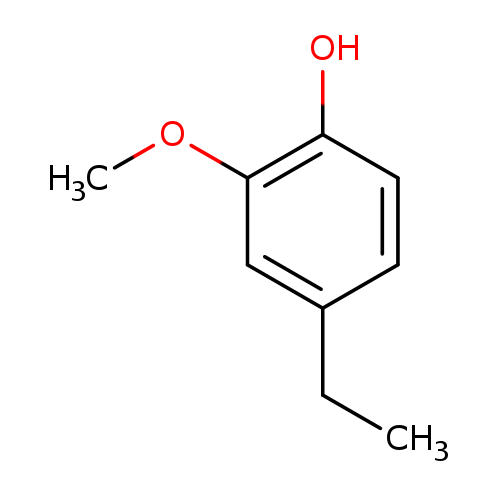
Chemical Structure
Synonyms
ValueSource
P-EthylguaiacolMetaCyc, HMDB
1-Hydroxy-2-methoxy-4-ethylbenzeneHMDB
2-Methoxy-4-ethylphenolHMDB, MeSH
4-Ethyl guiacolHMDB
4-Ethyl-2-methoxy-phenolHMDB
4-Ethyl-2-methoxyphenol (4-ethylguaiacol)HMDB
4-Ethyl-2-metoxy phenolHMDB
4-Ethyl-guaiacolHMDB
4-EthylguaiacolHMDB, MeSH
4-Hydroxy-3-methoxy ethylbenzeneHMDB
4-Hydroxy-3-methoxyethylbenzeneHMDB
4-Hydroxy-3-methoxyphenylethaneHMDB
Ethylguiacol (4-ethyl-2-methoxyphenol)HMDB
FEMA 2436HMDB
Guaiacol, 4-ethylHMDB
Guaiacyl ethaneHMDB
HomocresolHMDB
P-Ethyl-2-methoxyphenolHMDB
Phenol, 2-methoxy-4-ethylHMDB
Chemical FormulaC9H12O2
Average Molecular Mass152.190 g/mol
Monoisotopic Mass152.084 g/mol
CAS Registry Number2785-89-9
IUPAC Name4-ethyl-2-methoxyphenol
Traditional Name4-ethylguaiacol
SMILESCCC1=CC(OC)=C(O)C=C1
InChI IdentifierInChI=1S/C9H12O2/c1-3-7-4-5-8(10)9(6-7)11-2/h4-6,10H,3H2,1-2H3
InChI KeyCHWNEIVBYREQRF-UHFFFAOYSA-N
Chemical Taxonomy
Description Belongs to the class of organic compounds known as methoxyphenols. Methoxyphenols are compounds containing a methoxy group attached to the benzene ring of a phenol moiety.
KingdomOrganic compounds
Super ClassBenzenoids
ClassPhenols
Sub ClassMethoxyphenols
Direct ParentMethoxyphenols
Alternative Parents
Substituents
  • Methoxyphenol
  • Phenoxy compound
  • Methoxybenzene
  • Phenol ether
  • Anisole
  • 1-hydroxy-2-unsubstituted benzenoid
  • Alkyl aryl ether
  • Monocyclic benzene moiety
  • Ether
  • Organic oxygen compound
  • Hydrocarbon derivative
  • Organooxygen compound
  • Aromatic homomonocyclic compound
Molecular FrameworkAromatic homomonocyclic compounds
External Descriptors
Biological Properties
StatusDetected and Not Quantified
OriginNot Available
Cellular LocationsNot Available
Biofluid LocationsNot Available
Tissue LocationsNot Available
ApplicationsNot Available
Biological Roles
Chemical RolesNot Available
Organoleptic Effects
  • woody odour ?
  • slightly sweet odour ?
  • spicy odour ?
  • smoky odour ?
  • medicinal odour ?
  • sweaty odour ?
Physical Properties
StateNot Available
AppearanceNot Available
Experimental Properties
PropertyValue
Melting PointNot Available
Boiling PointNot Available
SolubilityNot Available
Predicted Properties
PropertyValueSource
Water Solubility2.41 g/LALOGPS
logP2.36ALOGPS
logP2.47ChemAxon
logS-1.8ALOGPS
pKa (Strongest Acidic)10.3ChemAxon
pKa (Strongest Basic)-4.9ChemAxon
Physiological Charge0ChemAxon
Hydrogen Acceptor Count2ChemAxon
Hydrogen Donor Count1ChemAxon
Polar Surface Area29.46 ŲChemAxon
Rotatable Bond Count2ChemAxon
Refractivity44.14 m³·mol⁻¹ChemAxon
Polarizability16.75 ųChemAxon
Number of Rings1ChemAxon
BioavailabilityYesChemAxon
Rule of FiveYesChemAxon
Ghose FilterNoChemAxon
Veber's RuleYesChemAxon
MDDR-like RuleNoChemAxon
Spectra
Spectra
Spectrum TypeDescriptionSplash KeyDeposition DateView
Predicted GC-MSPredicted GC-MS Spectrumsplash10-0fe0-1900000000-309cbcd4c3b5c618be96Not AvailableView Spectrum
Predicted GC-MSPredicted GC-MS Spectrumsplash10-05fr-7970000000-0c5781b2a64e9da81fc1Not AvailableView Spectrum
Predicted GC-MSPredicted GC-MS SpectrumNot AvailableNot AvailableView Spectrum
Predicted LC-MS/MSPredicted LC-MS/MS Spectrumsplash10-0udi-0900000000-2a9371bb243c77e192e6Not AvailableView Spectrum
Predicted LC-MS/MSPredicted LC-MS/MS Spectrumsplash10-0udi-1900000000-85d8006a41fe7e064e95Not AvailableView Spectrum
Predicted LC-MS/MSPredicted LC-MS/MS Spectrumsplash10-0ufr-9200000000-22e200002e86f96c1187Not AvailableView Spectrum
Predicted LC-MS/MSPredicted LC-MS/MS Spectrumsplash10-0udi-0900000000-0f4955d3a66c1c69cc27Not AvailableView Spectrum
Predicted LC-MS/MSPredicted LC-MS/MS Spectrumsplash10-0udi-0900000000-acb830966ea966b2ef30Not AvailableView Spectrum
Predicted LC-MS/MSPredicted LC-MS/MS Spectrumsplash10-0553-7900000000-03acff5e7f7c4a1400a3Not AvailableView Spectrum
Predicted LC-MS/MSPredicted LC-MS/MS Spectrumsplash10-0uk9-0900000000-5da9cfbe875826c8990fNot AvailableView Spectrum
Predicted LC-MS/MSPredicted LC-MS/MS Spectrumsplash10-0ufr-4900000000-a3c7ad0be273d13bb026Not AvailableView Spectrum
Predicted LC-MS/MSPredicted LC-MS/MS Spectrumsplash10-0fvr-9000000000-81e6db59083c8f5d738fNot AvailableView Spectrum
Predicted LC-MS/MSPredicted LC-MS/MS Spectrumsplash10-0udi-0900000000-3cd265ceef2fb5f5db20Not AvailableView Spectrum
Predicted LC-MS/MSPredicted LC-MS/MS Spectrumsplash10-0udr-0900000000-037544de7548b6280b04Not AvailableView Spectrum
Predicted LC-MS/MSPredicted LC-MS/MS Spectrumsplash10-054o-9300000000-ef78296cecf47c0a1643Not AvailableView Spectrum
MSMS Spectrumsplash10-000i-9700000000-746fbad678716b9e066eNot AvailableView Spectrum
1D NMR1H NMR Spectrum (1D, D2O, predicted)Not AvailableNot AvailableView Spectrum
1D NMR13C NMR Spectrum (1D, D2O, predicted)Not AvailableNot AvailableView Spectrum
Toxicity Profile
Toxicity Values
Toxicity ValueOrganismDose DescriptorRoute of ExposurePredicted or ExperimentalToxicity RatingReference
2450.0 Log mg/kg [1400:4400]RatLD50oralpredictedNot AvailableNot Available
Toxicity / Toxin ClassNot Available
Mechanism of ToxicityNot Available
Carcinogenicity (IARC Classification)Not Available
Minimum Risk LevelNot Available
SymptomsNot Available
TreatmentNot Available
Health Effects
Health EffectRelationshipDirectionDescriptionReference
Exposure Sources
Source IDSourceSectorReference
CEDs000010Insecticides?Insecticides are synthetic chemicals designed to control or eliminate insect pests that threaten crops and other agricultural products.Agriculture & land managementPubChem
CEDs000490Personal care & cosmeticsNot Available
CEDs000494Food contact materials?Food contact materials refer to substances and products that are intended to come into contact with food during processing, packaging, or preparation.Food, food processing & cookwareNot Available
CEDs000511Conductors Or Conductive Bodies Characterised By The Conductive Materials?Conductors, or conductive bodies, are materials that allow the flow of electrical current, typically made from metals such as copper, aluminum, or silver.Electrical & Electronic EquipmentPubChem
CEDs000517Electric Switches?Electric switches, integral components in numerous devices, can be a source of synthetic chemical contamination due to the materials and manufacturing processes involved in their production.Electrical & Electronic EquipmentPubChem
CEDs000518Electrically Stimulated Smoking Devices?Electrically stimulated smoking devices, commonly known as e-cigarettes or vape pens, utilize electrical components to heat a liquid solution, often containing nicotine, flavorings, and other additives, to produce an aerosol for inhalation.Electrical & Electronic EquipmentPubChem
CEDs000519Electrodes?Electrodes, used in various electrical and electronic applications, can be a source of synthetic chemical contamination due to the materials from which they are constructed and the processes involved in their manufacturing.Electrical & Electronic EquipmentPubChem
CEDs000524Hybrid Capacitors?Hybrid capacitors are energy storage devices that combine the properties of electrolytic and supercapacitors, utilizing a combination of electrochemical principles to achieve higher energy density and power density.Electrical & Electronic EquipmentPubChem
CEDs000543Cellar Tools?Cellar tools, commonly used in wine production and other fermentation processes, may pose a risk of synthetic chemical contamination if not properly maintained or if manufactured from substandard materials.Food, food processing & cookwarePubChem
CEDs000544Fermentation Processes For Beer?Fermentation processes for beer involve the conversion of sugars into alcohol and carbon dioxide by yeast.Food, food processing & cookwarePubChem
CEDs000545Food Preservation?Food preservation often involves the use of synthetic chemicals, such as preservatives, flavor enhancers, and color additives, to extend shelf life and enhance the sensory qualities of food products.Food, food processing & cookwarePubChem
CEDs000548Preparation Of Vinegar?Vinegar is produced through the fermentation of ethanol by acetic acid bacteria, resulting in a solution that typically contains 4-8% acetic acid.Food, food processing & cookwarePubChem
CEDs000549Preparation Of Wine Or Sparkling Wine?The preparation of wine or sparkling wine involves various stages, including fermentation, aging, and bottling, which can introduce potential sources of synthetic chemical contamination.Food, food processing & cookwarePubChem
CEDs000550Preparation Of Wort?The preparation of wort involves the extraction of sugars from malted grains, a crucial step in the brewing process.Food, food processing & cookwarePubChem
CEDs000553Treatment Of Hops?Hops, a key ingredient in brewing and food flavoring, can be a source of synthetic chemical contamination due to various agricultural practices.Food, food processing & cookwarePubChem
CEDs000556Cigar Cigarettes?Cigar cigarettes are a source of synthetic chemical contamination due to the combustion of various tobacco blends and additives.Household cleaning & consumer productsPubChem
CEDs000559Non Electric Simulated Smoking Devices?Non-electric simulated smoking devices, often designed to mimic the experience of smoking without combustion, can be sources of synthetic chemical contamination due to the materials and chemicals used in their construction and operation.Household cleaning & consumer productsPubChem
CEDs000560Other Smoking Requisites?Other smoking requisites, including items such as lighters, matches, and rolling papers, can introduce synthetic chemical contamination through various components and additives.Household cleaning & consumer productsPubChem
CEDs000561Perfumes Within Detergents And Soaps?Perfumes within detergents and soaps are synthetic fragrance compounds added to enhance the sensory experience of cleaning products.Household cleaning & consumer productsPubChem
CEDs000562Pipe Accessories?Pipe accessories, such as fittings, connectors, and seals, are components used in plumbing systems to facilitate the flow of liquids and gases.Household cleaning & consumer productsPubChem
CEDs000563Soap Detergents?Soap detergents are synthetic surfactants designed to enhance the cleaning efficacy of water by reducing surface tension, allowing for better interaction with dirt and grease.Household cleaning & consumer productsPubChem
CEDs000567Tobacco Product Cases?Tobacco product cases can serve as a source of synthetic chemical contamination due to the presence of various additives and chemicals used in tobacco processing and product manufacturing.Household cleaning & consumer productsPubChem
CEDs000569Tobacco Smoke Filters?Tobacco smoke filters are designed to reduce the inhalation of harmful substances in cigarette smoke, including tar and other particulate matter.Household cleaning & consumer productsPubChem
CEDs000578Making Cigars?The process of making cigars involves several steps, including the cultivation of tobacco, fermentation, and the application of various additives to enhance flavor and preservation.Industrial manufacturing & chemical processingPubChem
CEDs000580Manufacture Preparation Of Tobacco Products?The manufacture and preparation of tobacco products involve various processes that can result in the introduction of synthetic chemicals into the environment.Industrial manufacturing & chemical processingPubChem
CEDs000581Paper Making Machines?Paper making machines utilize various synthetic chemicals throughout the production process, including additives, coatings, and bleaching agents.Industrial manufacturing & chemical processingPubChem
CEDs000596Acaricides?Acaricides are synthetic chemicals specifically designed to target and control mite populations that can damage crops and plants.Agriculture & land managementPubChem
CEDs000605Pest Repellants?Pest repellents, often formulated from synthetic chemicals, are widely used to protect crops from insect infestations and other pests.Agriculture & land managementPubChem
CEDs000611Anti Perspirants Or Body Deoderants?Antiperspirants and body deodorants commonly contain synthetic chemicals such as aluminum compounds, parabens, and synthetic fragrances.Personal care & cosmeticsPubChem
CEDs000614Essential Oils Or Perfumes?Essential oils and perfumes are complex mixtures of volatile compounds derived from natural or synthetic sources, commonly used for their aromatic properties.Personal care & cosmeticsPubChem
CEDs000632Apparel?Apparel production often involves the use of various synthetic chemicals, including dyes, finishing agents, and preservatives.Textiles, leather & furnishingsPubChem
CEDs000696Nanotechnology?Nanotechnology involves the manipulation of materials at the molecular or atomic level, typically within the range of 1 to 100 nanometers.Industrial manufacturing & chemical processingPubChem
CEDs000735Explosives?Explosives are chemical compounds or mixtures designed to undergo rapid decomposition, releasing energy in the form of gas and heat.Defense & military infrastructurePubChem
CEDs000738Cooling Circuit Water?Cooling circuit water is utilized in various industrial processes to absorb and dissipate heat generated during operations.Industrial manufacturing & chemical processingPubChem
CEDs000739Inks?Inks are complex mixtures composed of pigments or dyes, solvents, resins, and additives used primarily for printing and writing applications.Paper, pulp & fiber productsPubChem
CEDs000740Paper?Paper production involves the processing of wood fibers and the use of various chemicals, which can lead to synthetic chemical contamination.Paper, pulp & fiber productsPubChem
CEDs000743Sludge Treatment?Sludge treatment involves the processing of waste materials generated from wastewater treatment plants, which often contain a variety of organic and inorganic substances.Wastewater, sanitation & biosolidsPubChem
CEDs000744Water, Wastewater, & Sewage Treatment?Water, wastewater, and sewage treatment processes are critical for managing and mitigating pollutants in water systems.Wastewater, sanitation & biosolidsPubChem
CEDs01145BeveragesFood, food processing & cookwarePMC13304128
CEDs01191CoffeeFood, food processing & cookwarePMC13045016
CEDs01231WinesFood, food processing & cookwarePMC8084593
CEDs01243Alcoholic BeveragesFood, food processing & cookwarePMC13304128
CEDs01269Fermented FoodsFood, food processing & cookwarePMC13304128
CEDs01302WineFood, food processing & cookwarePMC11988442 , PMC7070489
CEDs01367Red WinesFood, food processing & cookwarePMC8705515
CEDs01429Soy SauceFood, food processing & cookwarePMC13304128
CEDs01600White WinesFood, food processing & cookwarePMC8705515
CEDs01610Model WineFood, food processing & cookwarePMC7070489 , PMC7070489
Pathways
0 pathwaysPathway Source: PathBank

No pathways found

No metabolic pathways have been associated with this synthetic chemical

Targets
StructureProteinUniProt IDOrganismRelationshipDetails
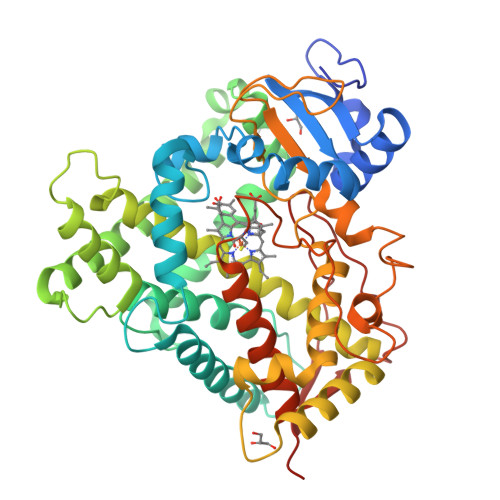
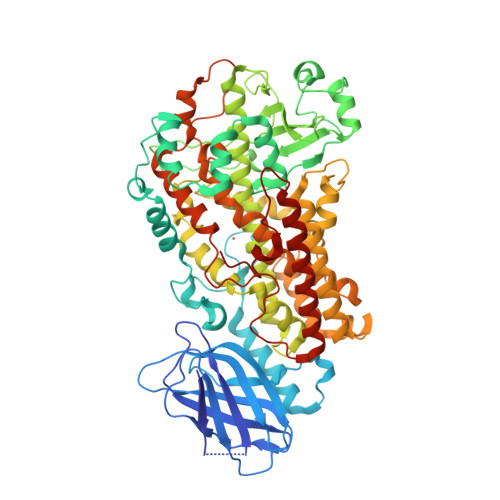
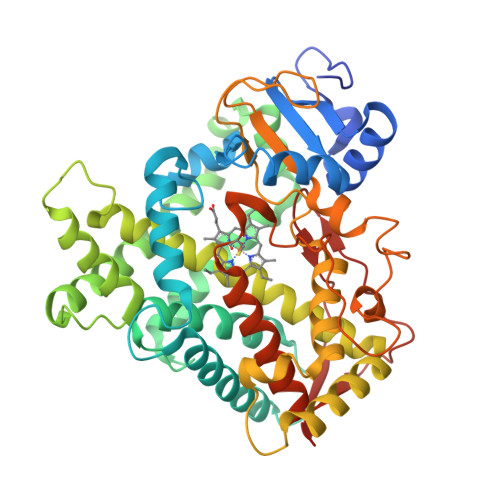
Cytochrome P450 2B6 structureClick to view 3D structureCytochrome P450 2B6P20813HumansPredicted (SEA)
Prediction Confidence Score
0.425
Applicability Domain
0.525
Statistical Significance
5.00e-04
Supporting Reference Compounds
150
E-value
3.89246
Cytochrome P450 2C8 structureClick to view 3D structureCytochrome P450 2C8P10632HumansPredicted (SEA)
Prediction Confidence Score
0.425
Applicability Domain
0.525
Statistical Significance
0.0025
Supporting Reference Compounds
305
E-value
19.5402
Cytochrome P450 1A2 structureClick to view 3D structureCytochrome P450 1A2P05177HumansPredicted (SEA)
Prediction Confidence Score
0.417
Applicability Domain
0.525
Statistical Significance
0.0072
Supporting Reference Compounds
793
E-value
55.8179
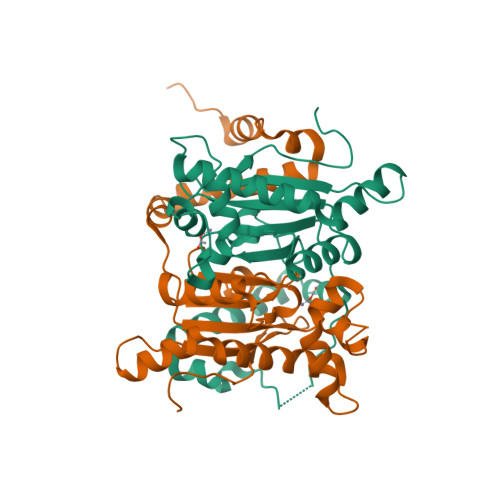
Click to view 3D structurePolyunsaturated fatty acid lipoxygenase ALOX15P16050HumansPredicted (SEA)
Prediction Confidence Score
0.402
Applicability Domain
0.588
Statistical Significance
1.10e-04
Supporting Reference Compounds
46
E-value
0.856341
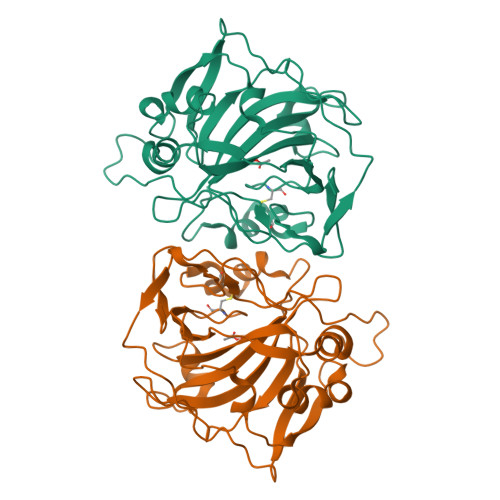
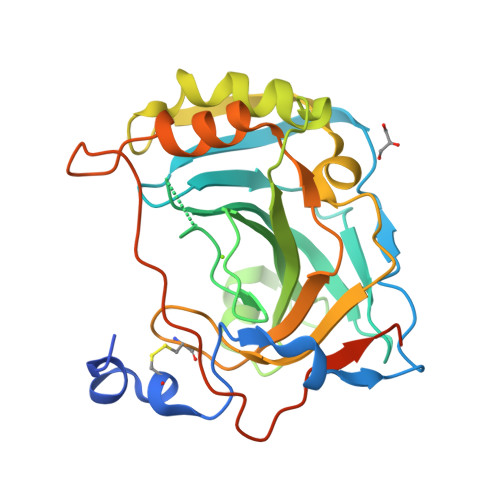
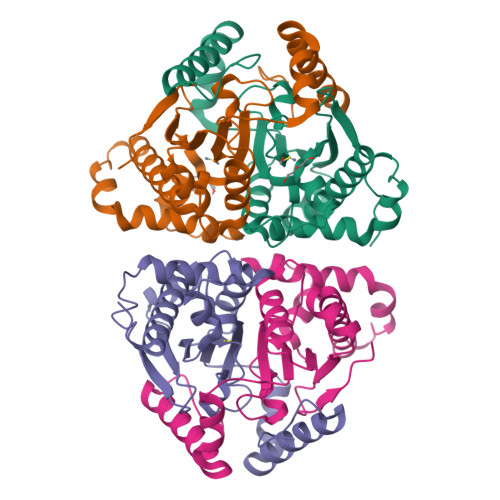
Beta-carbonic anhydrase 1 structureClick to view 3D structureBeta-carbonic anhydrase 1P9WPJ7Mycobacterium tuberculosisPredicted (SEA)
Prediction Confidence Score
0.399
Applicability Domain
0.645
Statistical Significance
0.0013
Supporting Reference Compounds
55
E-value
10.1982
Cytochrome P450 2C19 structureClick to view 3D structureCytochrome P450 2C19P33261HumansPredicted (SEA)
Prediction Confidence Score
0.398
Applicability Domain
0.525
Statistical Significance
0.0085
Supporting Reference Compounds
825
E-value
66.3275
Carbonic anhydrase 9 structureClick to view 3D structureCarbonic anhydrase 9Q16790HumansPredicted (SEA)
Prediction Confidence Score
0.398
Applicability Domain
0.447
Statistical Significance
0.006
Supporting Reference Compounds
372
E-value
46.7095
Carbonic anhydrase 12 structureClick to view 3D structureCarbonic anhydrase 12O43570HumansPredicted (SEA)
Prediction Confidence Score
0.396
Applicability Domain
0.447
Statistical Significance
0.006
Supporting Reference Compounds
332
E-value
46.7095
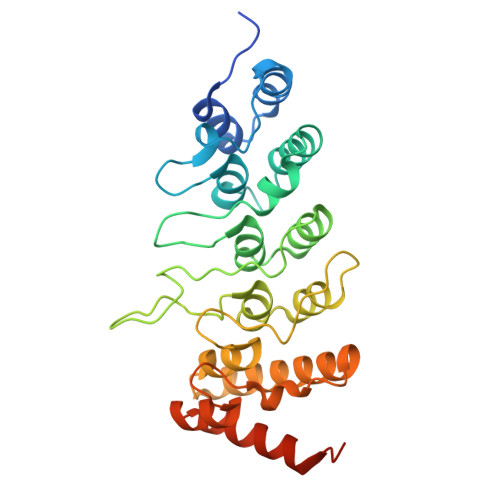
Amyloid-beta precursor protein structureClick to view 3D structureAmyloid-beta precursor proteinP05067HumansPredicted (SEA)
Prediction Confidence Score
0.396
Applicability Domain
0.447
Statistical Significance
0.0032
Supporting Reference Compounds
109
E-value
25.0674
Carbonic anhydrase 7 structureClick to view 3D structureCarbonic anhydrase 7P43166HumansPredicted (SEA)
Prediction Confidence Score
0.394
Applicability Domain
0.447
Statistical Significance
0.0038
Supporting Reference Compounds
242
E-value
29.972
Carbonic anhydrase 6 structureClick to view 3D structureCarbonic anhydrase 6P23280HumansPredicted (SEA)
Prediction Confidence Score
0.388
Applicability Domain
0.447
Statistical Significance
0.0021
Supporting Reference Compounds
151
E-value
16.1148
Click to view 3D structure17-beta-hydroxysteroid dehydrogenase type 2P37059HumansPredicted (SEA)
Prediction Confidence Score
0.384
Applicability Domain
0.645
Statistical Significance
8.40e-04
Supporting Reference Compounds
44
E-value
6.53933
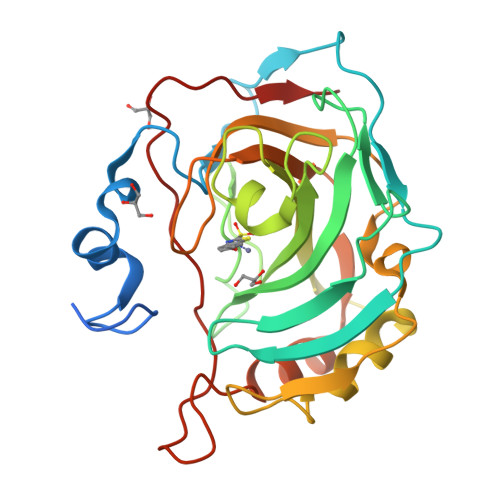
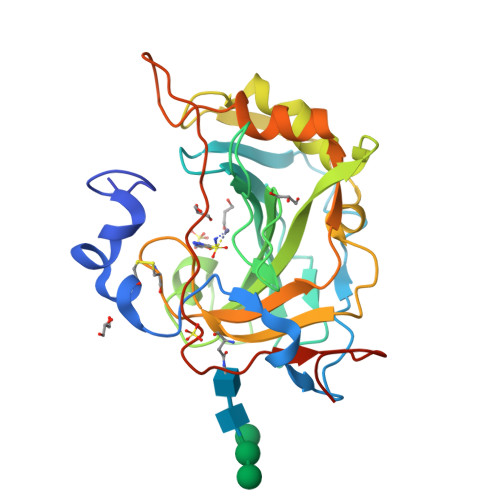
Carbonic anhydrase 2 structureClick to view 3D structureCarbonic anhydrase 2P00918HumansPredicted (SEA)
Prediction Confidence Score
0.384
Applicability Domain
0.447
Statistical Significance
0.0097
Supporting Reference Compounds
472
E-value
75.5916
Carbonic anhydrase 1 structureClick to view 3D structureCarbonic anhydrase 1P00915HumansPredicted (SEA)
Prediction Confidence Score
0.382
Applicability Domain
0.447
Statistical Significance
0.0088
Supporting Reference Compounds
407
E-value
68.4295
Cytochrome P450 3A4 structureClick to view 3D structureCytochrome P450 3A4P08684HumansPredicted (SEA)
Prediction Confidence Score
0.38
Applicability Domain
0.477
Statistical Significance
0.0302
Supporting Reference Compounds
1538
E-value
235.494
Carbonic anhydrase 14 structureClick to view 3D structureCarbonic anhydrase 14Q9ULX7HumansPredicted (SEA)
Prediction Confidence Score
0.377
Applicability Domain
0.421
Statistical Significance
0.0037
Supporting Reference Compounds
172
E-value
28.4928
Epidermal growth factor receptor structureClick to view 3D structureEpidermal growth factor receptorP00533HumansPredicted (SEA)
Prediction Confidence Score
0.375
Applicability Domain
0.447
Statistical Significance
0.0406
Supporting Reference Compounds
1301
E-value
315.834
Click to view 3D structureCarbonic anhydrase 5A, mitochondrialP35218HumansPredicted (SEA)
Prediction Confidence Score
0.372
Applicability Domain
0.421
Statistical Significance
0.0038
Supporting Reference Compounds
165
E-value
29.972
Tissue factor structureClick to view 3D structureTissue factorP13726HumansPredicted (SEA)
Prediction Confidence Score
0.371
Applicability Domain
0.447
Statistical Significance
0.0015
Supporting Reference Compounds
29
E-value
11.4438
Transient receptor potential cation channel subfamily V member 1 structureClick to view 3D structureTransient receptor potential cation channel subfamily V member 1Q8NER1HumansPredicted (SEA)
Prediction Confidence Score
0.37
Applicability Domain
0.477
Statistical Significance
0.0023
Supporting Reference Compounds
104
E-value
17.8275
Polyunsaturated fatty acid 5-lipoxygenase structureClick to view 3D structurePolyunsaturated fatty acid 5-lipoxygenaseP09917HumansPredicted (SEA)
Prediction Confidence Score
0.471
Applicability Domain
0.571
Statistical Significance
8.80e-04
Supporting Reference Compounds
182
E-value
6.85073
Cytochrome P450 2C9 structureClick to view 3D structureCytochrome P450 2C9P11712HumansPredicted (SEA)
Prediction Confidence Score
0.469
Applicability Domain
0.525
Statistical Significance
0.0064
Supporting Reference Compounds
1245
E-value
50.1349
Carbonic anhydrase 2 structureClick to view 3D structureCarbonic anhydrase 2Q3I4V7Cryptococcus neoformansPredicted (SEA)
Prediction Confidence Score
0.427
Applicability Domain
0.645
Statistical Significance
4.10e-04
Supporting Reference Compounds
60
E-value
3.19182
Carbonic anhydrase structureClick to view 3D structureCarbonic anhydraseQ5AJ71Candida albicans (strain SC5314 / ATCC MYA-2876) (Yeast)Predicted (SEA)
Prediction Confidence Score
0.427
Applicability Domain
0.645
Statistical Significance
5.70e-04
Supporting Reference Compounds
68
E-value
4.43741
Click to view 3D structurePROBABLE TRANSMEMBRANE CARBONIC ANHYDRASE (CARBONATE DEHYDRATASE) (CARBONIC DEHYDRATASE)P96878Mycobacterium tuberculosisPredicted (SEA)
Prediction Confidence Score
0.427
Applicability Domain
0.645
Statistical Significance
7.20e-04
Supporting Reference Compounds
38
E-value
5.60514
Concentrations
Not Available
External Links
DrugBank IDNot Available
HMDB IDHMDB0040175
FooDB IDFDB019887
Phenol Explorer ID633
KNApSAcK IDNot Available
BiGG IDNot Available
BioCyc IDCPD-10601
METLIN IDNot Available
PDB IDNot Available
Wikipedia LinkNot Available
Chemspider ID56245
ChEBI IDNot Available
PubChem Compound ID62465
Kegg Compound IDNot Available
YMDB IDYMDB01615
ECMDB IDNot Available
References
Synthesis ReferenceNot Available
MSDSNot Available
General ReferencesNot Available