JASMONE, CIS- (CED0008989)

Record Information
Version1.0
Creation Date2016-05-19 02:11:36 UTC
Update Date2026-03-31 22:28:54 UTC
SynCED IDCED0008989
Secondary Accession Numbers
  • CHEM006244
Identification
Common NameJASMONE, CIS-
ClassSmall Molecule
Description
JASMONE, CIS- is an organic oxygen compound with the formula C11H16O and an average molecular weight of 164.24 g/mol. JASMONE, CIS- belongs to the carbonyl compounds, a subclass of organooxygen compounds within the organic compounds. Industrially, this compound is utilized as a fragrance as well as a flavouring and nutrient. It has been identified in eight recorded sources across various categories. Within household items, it is found in badges. In the sector of food, food processing, and cookware, it is associated with food contact materials and the preparation of vinegar, wine, or sparkling wine. Additionally, it is present in household cleaning and consumer products, including other smoking requisites, pipe accessories, tobacco product cases, and non-electric simulated smoking devices. Recorded routes of exposure for this substance include inhalation, oral ingestion, and touch.
Contaminant TypeNot Available
Chemical Structure
Synonyms
ValueSource
cis-JasmoneKegg
(Z)-JasmoneHMDB, MeSH
2-Cyclopenten-1-one, 3-methyl-2-(2-pentenyl)-, (Z)- (8ci)HMDB
2-Cyclopenten-1-one, 3-methyl-2-(2Z)-2-pentenyl- (9ci)HMDB
3-Methyl-2-[(2Z)-2-pentenyl]-2-cyclopenten-1-oneHMDB
cis-3-Methyl-2-(2-pentenyl)-2-cyclopenten-1-oneHMDB
JasmoneMeSH, HMDB
(Z)-3-Methyl-2-(2-pentenyl)-2-cyclopenten-1-oneMeSH
Chemical FormulaC11H16O
Average Molecular Mass164.244 g/mol
Monoisotopic Mass164.120 g/mol
CAS Registry Number488-10-8
IUPAC Name3-methyl-2-[(2Z)-pent-2-en-1-yl]cyclopent-2-en-1-one
Traditional Namejasmone
SMILESCC\C=C/CC1=C(C)CCC1=O
InChI IdentifierInChI=1S/C11H16O/c1-3-4-5-6-10-9(2)7-8-11(10)12/h4-5H,3,6-8H2,1-2H3/b5-4-
InChI KeyXMLSXPIVAXONDL-PLNGDYQASA-N
Chemical Taxonomy
Description Belongs to the class of organic compounds known as cyclic ketones. These are organic compounds containing a ketone that is conjugated to a cyclic moiety.
KingdomOrganic compounds
Super ClassOrganic oxygen compounds
ClassOrganooxygen compounds
Sub ClassCarbonyl compounds
Direct ParentCyclic ketones
Alternative Parents
Substituents
  • Cyclic ketone
  • Organic oxide
  • Hydrocarbon derivative
  • Aliphatic homomonocyclic compound
Molecular FrameworkAliphatic homomonocyclic compounds
External Descriptors
Biological Properties
StatusDetected and Not Quantified
OriginNot Available
Cellular LocationsNot Available
Biofluid LocationsNot Available
Tissue LocationsNot Available
ApplicationsNot Available
Biological Roles
Chemical RolesNot Available
Organoleptic EffectsNot Available
Physical Properties
StateNot Available
AppearanceNot Available
Experimental Properties
PropertyValue
Melting PointNot Available
Boiling PointNot Available
SolubilityNot Available
Predicted Properties
PropertyValueSource
Water Solubility0.7 g/LALOGPS
logP3.32ALOGPS
logP3.1ChemAxon
logS-2.4ALOGPS
pKa (Strongest Basic)-4.8ChemAxon
Physiological Charge0ChemAxon
Hydrogen Acceptor Count1ChemAxon
Hydrogen Donor Count0ChemAxon
Polar Surface Area17.07 ŲChemAxon
Rotatable Bond Count3ChemAxon
Refractivity52.9 m³·mol⁻¹ChemAxon
Polarizability19.79 ųChemAxon
Number of Rings1ChemAxon
BioavailabilityYesChemAxon
Rule of FiveYesChemAxon
Ghose FilterYesChemAxon
Veber's RuleYesChemAxon
MDDR-like RuleNoChemAxon
Spectra
Spectra
Spectrum TypeDescriptionSplash KeyDeposition DateView
GC-MSGC-MS Spectrumsplash10-03dl-9700000000-626f6beb94dae241c8a7Not AvailableView Spectrum
GC-MSGC-MS Spectrumsplash10-01r6-9600000000-b7842817d55e1ef34cd5Not AvailableView Spectrum
GC-MSGC-MS Spectrumsplash10-03dl-9700000000-626f6beb94dae241c8a7Not AvailableView Spectrum
GC-MSGC-MS Spectrumsplash10-01r6-9600000000-b7842817d55e1ef34cd5Not AvailableView Spectrum
Predicted GC-MSPredicted GC-MS Spectrumsplash10-0a4u-6900000000-4ec9a03205a62c5db571Not AvailableView Spectrum
Predicted GC-MSPredicted GC-MS SpectrumNot AvailableNot AvailableView Spectrum
Predicted LC-MS/MSPredicted LC-MS/MS Spectrumsplash10-014i-1900000000-b3455ba1815cd60172a3Not AvailableView Spectrum
Predicted LC-MS/MSPredicted LC-MS/MS Spectrumsplash10-066r-7900000000-df4da4ed2a4217531361Not AvailableView Spectrum
Predicted LC-MS/MSPredicted LC-MS/MS Spectrumsplash10-0uxu-9100000000-1ad974119b61c19d8fcbNot AvailableView Spectrum
Predicted LC-MS/MSPredicted LC-MS/MS Spectrumsplash10-03di-0900000000-54214296816474e67819Not AvailableView Spectrum
Predicted LC-MS/MSPredicted LC-MS/MS Spectrumsplash10-03di-0900000000-9e2bcdc11fb8c55163abNot AvailableView Spectrum
Predicted LC-MS/MSPredicted LC-MS/MS Spectrumsplash10-0006-9800000000-3aa25aca2cc0986b4e11Not AvailableView Spectrum
Predicted LC-MS/MSPredicted LC-MS/MS Spectrumsplash10-0900-5900000000-150eb84c8131eaddd806Not AvailableView Spectrum
Predicted LC-MS/MSPredicted LC-MS/MS Spectrumsplash10-052f-9300000000-4c74719ab790c3d97cb7Not AvailableView Spectrum
Predicted LC-MS/MSPredicted LC-MS/MS Spectrumsplash10-0536-9000000000-eac87e59851b2c86a210Not AvailableView Spectrum
Predicted LC-MS/MSPredicted LC-MS/MS Spectrumsplash10-03di-0900000000-defd12a7f890bc945918Not AvailableView Spectrum
Predicted LC-MS/MSPredicted LC-MS/MS Spectrumsplash10-03di-0900000000-7005ce6951d5a76167cdNot AvailableView Spectrum
Predicted LC-MS/MSPredicted LC-MS/MS Spectrumsplash10-066r-4900000000-524d8ff912c0d662ad37Not AvailableView Spectrum
Toxicity Profile
Toxicity Values
Toxicity ValueOrganismDose DescriptorRoute of ExposurePredicted or ExperimentalToxicity RatingReference
5217.0 Log mg/kg [2900:9300]RatLD50oralpredictedNot AvailableNot Available
Toxicity / Toxin ClassNot Available
Mechanism of ToxicityNot Available
Carcinogenicity (IARC Classification)Not Available
Minimum Risk LevelNot Available
SymptomsNot Available
TreatmentNot Available
Health Effects
Health EffectRelationshipDirectionDescriptionReference
Exposure Sources
Source IDSourceSectorReference
CEDs000010Insecticides?Insecticides are synthetic chemicals designed to control or eliminate insect pests that threaten crops and other agricultural products.Agriculture & land managementPubChem
CEDs000233Brushes?Brushes used in personal care and cosmetics can be a source of synthetic chemical contamination due to the materials and coatings used in their manufacturing.Personal care & cosmeticsPubChem
CEDs000490Personal care & cosmeticsNot Available
CEDs000494Food contact materials?Food contact materials refer to substances and products that are intended to come into contact with food during processing, packaging, or preparation.Food, food processing & cookwareNot Available
CEDs000518Electrically Stimulated Smoking Devices?Electrically stimulated smoking devices, commonly known as e-cigarettes or vape pens, utilize electrical components to heat a liquid solution, often containing nicotine, flavorings, and other additives, to produce an aerosol for inhalation.Electrical & Electronic EquipmentPubChem
CEDs000544Fermentation Processes For Beer?Fermentation processes for beer involve the conversion of sugars into alcohol and carbon dioxide by yeast.Food, food processing & cookwarePubChem
CEDs000545Food Preservation?Food preservation often involves the use of synthetic chemicals, such as preservatives, flavor enhancers, and color additives, to extend shelf life and enhance the sensory qualities of food products.Food, food processing & cookwarePubChem
CEDs000548Preparation Of Vinegar?Vinegar is produced through the fermentation of ethanol by acetic acid bacteria, resulting in a solution that typically contains 4-8% acetic acid.Food, food processing & cookwarePubChem
CEDs000549Preparation Of Wine Or Sparkling Wine?The preparation of wine or sparkling wine involves various stages, including fermentation, aging, and bottling, which can introduce potential sources of synthetic chemical contamination.Food, food processing & cookwarePubChem
CEDs000555Bleaching Agents?Bleaching agents are chemical substances used to whiten or lighten materials, often employed in various cleaning products for their stain removal and disinfecting properties.Household cleaning & consumer productsPubChem
CEDs000556Cigar Cigarettes?Cigar cigarettes are a source of synthetic chemical contamination due to the combustion of various tobacco blends and additives.Household cleaning & consumer productsPubChem
CEDs000559Non Electric Simulated Smoking Devices?Non-electric simulated smoking devices, often designed to mimic the experience of smoking without combustion, can be sources of synthetic chemical contamination due to the materials and chemicals used in their construction and operation.Household cleaning & consumer productsPubChem
CEDs000560Other Smoking Requisites?Other smoking requisites, including items such as lighters, matches, and rolling papers, can introduce synthetic chemical contamination through various components and additives.Household cleaning & consumer productsPubChem
CEDs000561Perfumes Within Detergents And Soaps?Perfumes within detergents and soaps are synthetic fragrance compounds added to enhance the sensory experience of cleaning products.Household cleaning & consumer productsPubChem
CEDs000562Pipe Accessories?Pipe accessories, such as fittings, connectors, and seals, are components used in plumbing systems to facilitate the flow of liquids and gases.Household cleaning & consumer productsPubChem
CEDs000563Soap Detergents?Soap detergents are synthetic surfactants designed to enhance the cleaning efficacy of water by reducing surface tension, allowing for better interaction with dirt and grease.Household cleaning & consumer productsPubChem
CEDs000567Tobacco Product Cases?Tobacco product cases can serve as a source of synthetic chemical contamination due to the presence of various additives and chemicals used in tobacco processing and product manufacturing.Household cleaning & consumer productsPubChem
CEDs000569Tobacco Smoke Filters?Tobacco smoke filters are designed to reduce the inhalation of harmful substances in cigarette smoke, including tar and other particulate matter.Household cleaning & consumer productsPubChem
CEDs000570Badges?Badges, often used for identification or decorative purposes, can be made from various synthetic materials including plastics, metals, and coatings.Household itemsPubChem
CEDs000580Manufacture Preparation Of Tobacco Products?The manufacture and preparation of tobacco products involve various processes that can result in the introduction of synthetic chemicals into the environment.Industrial manufacturing & chemical processingPubChem
CEDs000596Acaricides?Acaricides are synthetic chemicals specifically designed to target and control mite populations that can damage crops and plants.Agriculture & land managementPubChem
CEDs000600Herbicides And Algicides?Herbicides and algicides are synthetic chemicals primarily used to control unwanted plants and algae in various environments.Agriculture & land managementPubChem
CEDs000602Molluscicides?Molluscicides are synthetic chemicals specifically designed to control and eliminate mollusks, such as snails and slugs, which can be detrimental to crops and agricultural productivity.Agriculture & land managementPubChem
CEDs000603Nematocides?Nematocides are synthetic chemicals specifically designed to control nematodes, which are microscopic roundworms that can cause significant damage to crops and plants.Agriculture & land managementPubChem
CEDs000604Pest Attractants?Pest attractants are synthetic chemicals designed to lure specific pests for monitoring or control purposes.Agriculture & land managementPubChem
CEDs000605Pest Repellants?Pest repellents, often formulated from synthetic chemicals, are widely used to protect crops from insect infestations and other pests.Agriculture & land managementPubChem
CEDs000606Plant Growth Regulators?Plant Growth Regulators (PGRs) are synthetic chemicals designed to influence the growth and development of plants.Agriculture & land managementPubChem
CEDs000609Aftershave?Aftershave is a grooming product typically used to soothe and protect the skin following shaving.Personal care & cosmeticsPubChem
CEDs000610Aftersun Products?Aftersun products are designed to soothe and hydrate the skin after sun exposure, often containing various synthetic chemicals such as emollients, preservatives, and fragrances.Personal care & cosmeticsPubChem
CEDs000611Anti Perspirants Or Body Deoderants?Antiperspirants and body deodorants commonly contain synthetic chemicals such as aluminum compounds, parabens, and synthetic fragrances.Personal care & cosmeticsPubChem
CEDs000612Body Washing Or Cleaning Implements?Body washing or cleaning implements, such as synthetic sponges, loofahs, and washcloths, can be sources of synthetic chemical contamination due to the materials used in their production.Personal care & cosmeticsPubChem
CEDs000613Depilatories?Depilatories are products designed to remove unwanted hair through the application of synthetic chemicals that break down the protein structure of hair, facilitating its removal.Personal care & cosmeticsPubChem
CEDs000614Essential Oils Or Perfumes?Essential oils and perfumes are complex mixtures of volatile compounds derived from natural or synthetic sources, commonly used for their aromatic properties.Personal care & cosmeticsPubChem
CEDs000615Eye Makeup Products?Eye makeup products, including mascaras, eyeliners, and eyeshadows, often contain a variety of synthetic chemicals such as pigments, preservatives, and film-forming agents.Personal care & cosmeticsPubChem
CEDs000616Face Mask Cosmetics?Face mask cosmetics often contain a variety of synthetic chemicals, including preservatives, emulsifiers, and fragrances, which can contribute to chemical contamination.Personal care & cosmeticsPubChem
CEDs000617Lip Care Products?Lip care products, including lipsticks, balms, and glosses, often contain a variety of synthetic chemicals such as parabens, phthalates, and synthetic fragrances.Personal care & cosmeticsPubChem
CEDs000618Lip Makeup Products?Lip makeup products, such as lipsticks, lip glosses, and lip liners, often contain a variety of synthetic chemicals, including pigments, preservatives, and emollients.Personal care & cosmeticsPubChem
CEDs000619Manicure Pedicure?Manicure and pedicure procedures often involve the use of various synthetic chemicals, including solvents, nail polishes, and nail adhesives.Personal care & cosmeticsPubChem
CEDs000632Apparel?Apparel production often involves the use of various synthetic chemicals, including dyes, finishing agents, and preservatives.Textiles, leather & furnishingsPubChem
CEDs000642Footwear?Footwear production often involves the use of various synthetic chemicals, such as adhesives, dyes, and treatments, which can contribute to environmental contamination.Textiles, leather & furnishingsPubChem
CEDs000643Headwear?Headwear made from synthetic materials often incorporates chemicals used in the manufacturing and finishing processes, such as dyes, flame retardants, and water repellents.Textiles, leather & furnishingsPubChem
CEDs000662Yarns Or Threads?Yarns or threads used in textiles can be a source of synthetic chemical contamination due to the production processes and treatments they undergo.Textiles, leather & furnishingsPubChem
CEDs000663Sanitary Equipment?Sanitary equipment, including toilets, sinks, and drainage systems, can serve as conduits for synthetic chemical contamination.Wastewater, sanitation & biosolidsPubChem
CEDs000665Fire Extinguishers?Fire extinguishers contain various synthetic chemicals designed to suppress flames and prevent the spread of fire.Fire suppression systems & agentsPubChem
CEDs000667Gaseous Fire Fighting?Gaseous fire fighting systems utilize synthetic chemicals, such as halocarbons and inert gases, to suppress fires through chemical and physical processes.Fire suppression systems & agentsPubChem
CEDs000673Unmanned Aerial Vehicles?Unmanned Aerial Vehicles (UAVs), commonly known as drones, utilize various synthetic chemicals in their manufacturing, operation, and maintenance processes.Aviation & AerospacePubChem
CEDs000678Nitrogenous Fertilisers?Nitrogenous fertilizers are synthetic chemical compounds primarily used to enhance plant growth by supplying essential nitrogen, a crucial nutrient for photosynthesis and protein synthesis.Agriculture & land managementPubChem
CEDs000679Phosphatic Fertilisers?Phosphatic fertilizers are synthetic chemical products primarily composed of phosphorus, which is essential for plant growth.Agriculture & land managementPubChem
CEDs000685Ceramics?Ceramics can be a source of synthetic chemical contamination through various additives and processing agents used in their production.Building & ConstructionPubChem
CEDs000696Nanotechnology?Nanotechnology involves the manipulation of materials at the molecular or atomic level, typically within the range of 1 to 100 nanometers.Industrial manufacturing & chemical processingPubChem
CEDs000698Jewellery?Jewellery production often involves the use of various synthetic chemicals during the extraction and processing of metals.Mining & metal processingPubChem
CEDs000739Inks?Inks are complex mixtures composed of pigments or dyes, solvents, resins, and additives used primarily for printing and writing applications.Paper, pulp & fiber productsPubChem
CEDs000740Paper?Paper production involves the processing of wood fibers and the use of various chemicals, which can lead to synthetic chemical contamination.Paper, pulp & fiber productsPubChem
CEDs000741Pigment Pastes?Pigment pastes are concentrated dispersions of pigments used to impart color and properties to materials.Paper, pulp & fiber productsPubChem
CEDs000743Sludge Treatment?Sludge treatment involves the processing of waste materials generated from wastewater treatment plants, which often contain a variety of organic and inorganic substances.Wastewater, sanitation & biosolidsPubChem
CEDs000744Water, Wastewater, & Sewage Treatment?Water, wastewater, and sewage treatment processes are critical for managing and mitigating pollutants in water systems.Wastewater, sanitation & biosolidsPubChem
Pathways
0 pathwaysPathway Source: PathBank

No pathways found

No metabolic pathways have been associated with this synthetic chemical

Targets
StructureProteinUniProt IDOrganismRelationshipDetails
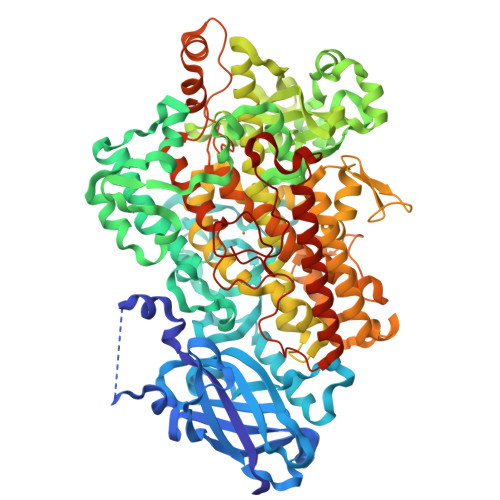
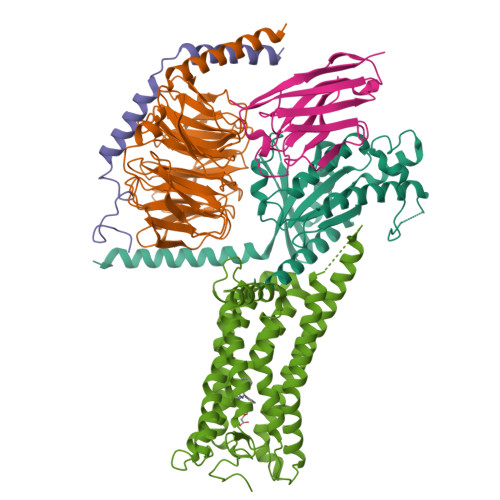
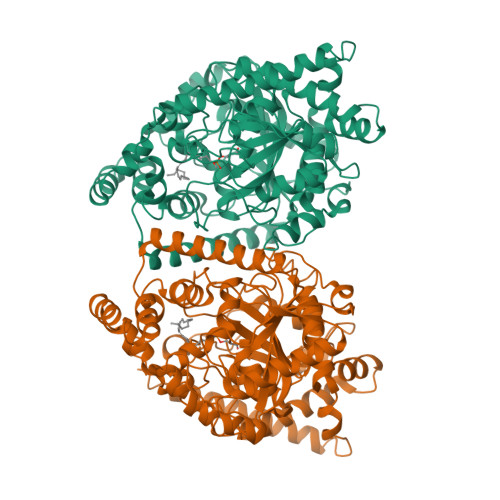
Seed linoleate 9S-lipoxygenase structureClick to view 3D structureSeed linoleate 9S-lipoxygenaseP24095Glycine maxPredicted (SEA)
Prediction Confidence Score
0.211
Applicability Domain
0.211 Low confidence
Statistical Significance
4.40e-04
Supporting Reference Compounds
1
E-value
3.42537
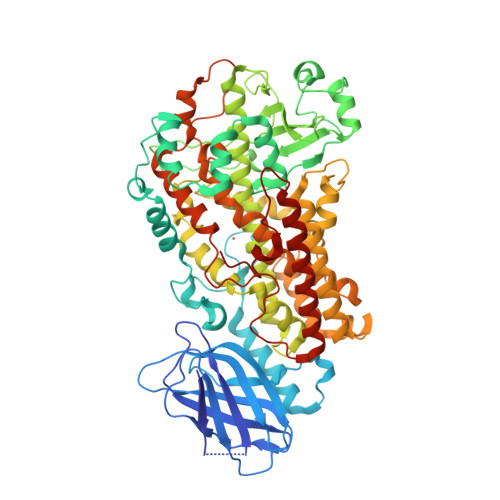
Click to view 3D structureEsteraseA3QR02Chilo suppressalisPredicted (SEA)
Prediction Confidence Score
0.209
Applicability Domain
0.209 Low confidence
Statistical Significance
0.0014
Supporting Reference Compounds
1
E-value
11.0546
Retinoic acid receptor RXR-alpha structureClick to view 3D structureRetinoic acid receptor RXR-alphaP19793HumansPredicted (SEA)
Prediction Confidence Score
0.178
Applicability Domain
0.237 Low confidence
Statistical Significance
0.4224
Supporting Reference Compounds
82
E-value
3288.43
Peroxisome proliferator-activated receptor gamma structureClick to view 3D structurePeroxisome proliferator-activated receptor gammaP37231HumansPredicted (SEA)
Prediction Confidence Score
0.176
Applicability Domain
0.225 Low confidence
Statistical Significance
0.7781
Supporting Reference Compounds
192
E-value
6057.29
Peroxisome proliferator-activated receptor alpha structureClick to view 3D structurePeroxisome proliferator-activated receptor alphaQ07869HumansPredicted (SEA)
Prediction Confidence Score
0.172
Applicability Domain
0.225 Low confidence
Statistical Significance
0.7191
Supporting Reference Compounds
127
E-value
5598.53
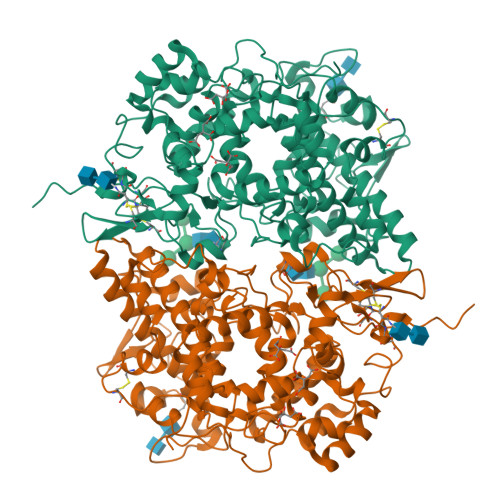
Click to view 3D structureOxoeicosanoid receptor 1Q8TDS5HumansPredicted (SEA)
Prediction Confidence Score
0.167
Applicability Domain
0.237 Low confidence
Statistical Significance
0.0101
Supporting Reference Compounds
4
E-value
78.7056
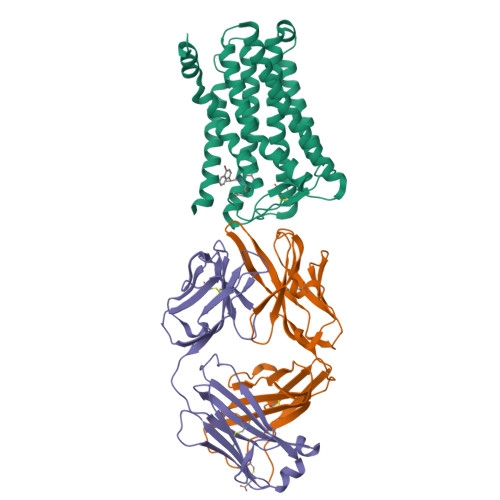
Click to view 3D structureSynaptic vesicle glycoprotein 2AQ02563Rattus norvegicusPredicted (SEA)
Prediction Confidence Score
0.167
Applicability Domain
0.167 Low confidence
Statistical Significance
0.0122
Supporting Reference Compounds
1
E-value
95.2874
Click to view 3D structureProstaglandin G/H synthase 2P79208Ovis ariesPredicted (SEA)
Prediction Confidence Score
0.161
Applicability Domain
0.237 Low confidence
Statistical Significance
0.5002
Supporting Reference Compounds
50
E-value
3894.33
Click to view 3D structureAcetyl-CoA carboxylaseQ3V4E6Zea maysPredicted (SEA)
Prediction Confidence Score
0.16
Applicability Domain
0.16 Low confidence
Statistical Significance
0.0509
Supporting Reference Compounds
1
E-value
396.019
Nuclear receptor subfamily 1 group I member 2 structureClick to view 3D structureNuclear receptor subfamily 1 group I member 2O75469HumansPredicted (SEA)
Prediction Confidence Score
0.159
Applicability Domain
0.214 Low confidence
Statistical Significance
0.9247
Supporting Reference Compounds
146
E-value
7198.64
Click to view 3D structureProstaglandin reductase 1P97584Rattus norvegicusPredicted (SEA)
Prediction Confidence Score
0.157
Applicability Domain
0.157 Low confidence
Statistical Significance
0.0031
Supporting Reference Compounds
1
E-value
24.0554
Peroxisome proliferator-activated receptor delta structureClick to view 3D structurePeroxisome proliferator-activated receptor deltaQ03181HumansPredicted (SEA)
Prediction Confidence Score
0.156
Applicability Domain
0.225 Low confidence
Statistical Significance
0.8382
Supporting Reference Compounds
89
E-value
6525.09
Neutrophil elastase structureClick to view 3D structureNeutrophil elastaseP08246HumansPredicted (SEA)
Prediction Confidence Score
0.152
Applicability Domain
0.188 Low confidence
Statistical Significance
0.8256
Supporting Reference Compounds
81
E-value
6427.15
Polyunsaturated fatty acid 5-lipoxygenase structureClick to view 3D structurePolyunsaturated fatty acid 5-lipoxygenaseP09917HumansPredicted (SEA)
Prediction Confidence Score
0.152
Applicability Domain
0.161 Low confidence
Statistical Significance
0.9361
Supporting Reference Compounds
182
E-value
7287.39
Vascular endothelial growth factor receptor 2 structureClick to view 3D structureVascular endothelial growth factor receptor 2P35968HumansPredicted (SEA)
Prediction Confidence Score
0.151
Applicability Domain
0.167 Low confidence
Statistical Significance
0.9918
Supporting Reference Compounds
1660
E-value
7720.85
Prostaglandin G/H synthase 1 structureClick to view 3D structureProstaglandin G/H synthase 1P23219HumansPredicted (SEA)
Prediction Confidence Score
0.15
Applicability Domain
0.214 Low confidence
Statistical Significance
0.9168
Supporting Reference Compounds
136
E-value
7137.45
Prostaglandin E2 receptor EP2 subtype structureClick to view 3D structureProstaglandin E2 receptor EP2 subtypeP43116HumansPredicted (SEA)
Prediction Confidence Score
0.15
Applicability Domain
0.156 Low confidence
Statistical Significance
0.8798
Supporting Reference Compounds
95
E-value
6849.17
Prostaglandin E2 receptor EP4 subtype structureClick to view 3D structureProstaglandin E2 receptor EP4 subtypeP35408HumansPredicted (SEA)
Prediction Confidence Score
0.15
Applicability Domain
0.156 Low confidence
Statistical Significance
0.8855
Supporting Reference Compounds
92
E-value
6893.86
RAC-alpha serine/threonine-protein kinase structureClick to view 3D structureRAC-alpha serine/threonine-protein kinaseP31749HumansPredicted (SEA)
Prediction Confidence Score
0.15
Applicability Domain
0.167 Low confidence
Statistical Significance
0.9909
Supporting Reference Compounds
797
E-value
7714.47
RAC-beta serine/threonine-protein kinase structureClick to view 3D structureRAC-beta serine/threonine-protein kinaseP31751HumansPredicted (SEA)
Prediction Confidence Score
0.15
Applicability Domain
0.167 Low confidence
Statistical Significance
0.9838
Supporting Reference Compounds
631
E-value
7658.88
Prothrombin structureClick to view 3D structureProthrombinP00734HumansPredicted (SEA)
Prediction Confidence Score
0.15
Applicability Domain
0.188 Low confidence
Statistical Significance
0.9707
Supporting Reference Compounds
331
E-value
7556.75
Prostacyclin receptor structureClick to view 3D structureProstacyclin receptorP43119HumansPredicted (SEA)
Prediction Confidence Score
0.149
Applicability Domain
0.156 Low confidence
Statistical Significance
0.8374
Supporting Reference Compounds
63
E-value
6519.33
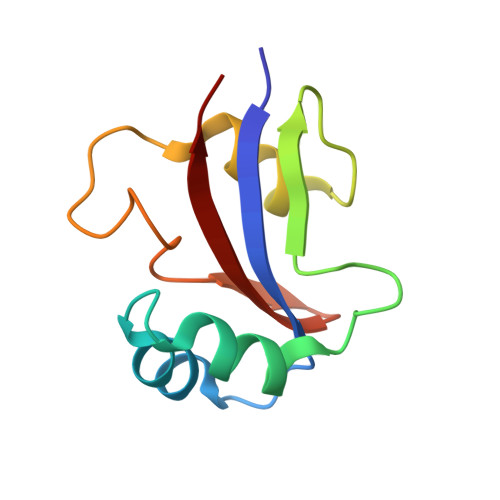
Peptidyl-prolyl cis-trans isomerase NIMA-interacting 4 structureClick to view 3D structurePeptidyl-prolyl cis-trans isomerase NIMA-interacting 4Q9Y237HumansPredicted (SEA)
Prediction Confidence Score
0.149
Applicability Domain
0.149 Low confidence
Statistical Significance
0.1311
Supporting Reference Compounds
1
E-value
1020.84
Fatty-acid amide hydrolase 1 structureClick to view 3D structureFatty-acid amide hydrolase 1P97612Rattus norvegicusPredicted (SEA)
Prediction Confidence Score
0.149
Applicability Domain
0.189 Low confidence
Statistical Significance
0.8764
Supporting Reference Compounds
102
E-value
6822.55
Click to view 3D structureDNA damage-inducible transcript 3 proteinP35639Mus musculusPredicted (SEA)
Prediction Confidence Score
0.148
Applicability Domain
0.157 Low confidence
Statistical Significance
0.9518
Supporting Reference Compounds
226
E-value
7409.53
Concentrations
Not Available
External Links
DrugBank IDNot Available
HMDB IDHMDB0035601
FooDB IDFDB014294
Phenol Explorer IDNot Available
KNApSAcK IDC00001313
BiGG IDNot Available
BioCyc IDNot Available
METLIN IDNot Available
PDB IDNot Available
Wikipedia LinkNot Available
Chemspider ID1266012
ChEBI IDNot Available
PubChem Compound ID1549018
Kegg Compound IDC08490
YMDB IDNot Available
ECMDB IDNot Available
References
Synthesis ReferenceNot Available
MSDSNot Available
General ReferencesNot Available