MUSK, KETONE (CED0016607)

Record Information
Version1.0
Creation Date2016-05-19 02:18:18 UTC
Update Date2026-08-19 06:28:26 UTC
SynCED IDCED0016607
Secondary Accession Numbers
  • CHEM006841
Identification
Common NameMUSK, KETONE
ClassSmall Molecule
Description
MUSK, KETONE is an organic compound with the chemical formula $\text{C}_{14}\text{H}_{18}\text{N}_2\text{O}_5$ and an average molecular weight of 294.30 g/mol. MUSK, KETONE belongs to the carbonyl compounds, a subclass of organooxygen compounds within the organic compounds. In industrial applications, this compound is utilized as a fragrance, a deodorizer, and as a nutrient and flavouring agent. It has been identified in eight recorded sources, including food preservation within the food, food processing and cookware category, and drinking water and water supply. It is also found in electrical and electronic equipment, specifically in video games and discharge lamps. Furthermore, it is present in household cleaning and consumer products, such as soap detergents, perfumes within detergents and soaps, bleaching agents, and other smoking requisites. The recorded route of exposure for this compound is oral.
Contaminant TypeNot Available
Chemical Structure
Synonyms
ValueSource
1-(4-Tert-butyl-2,6-dimethyl-3,5-dinitrophenyl)ethanoneHMDB
1-Acetyl-4-tert-butyl-2,6-dimethyl-3,5-dinitrobenzeneHMDB
1-[4-(1,1-Dimethylethyl)-2,6-dimethyl-3,5-dinitrophenyl]ethanone, 9ciHMDB
2,6-Dimethyl-3,5-dinitro-4-t-butylacetophenoneHMDB, MeSH
2,6-Dimethyl-3,5-dinitro-4-tert-butylacetophenoneHMDB
2,6-dinitro-3,5-DIMETHYL-4-acetyl-tert-butylbenzeneHMDB
2,6-dinitro-3,5-Dimethyl-4-acetyl-tertbutylbenzeneHMDB
2-Acetyl-5-tert-butyl-4,6-dinitroxyleneHMDB, MeSH
3,5-dinitro-2,6-Dimethyl-4-tert-butyl acetophenoneHMDB
3,5-dinitro-2,6-Dimethyl-4-tert-butylacetophenoneHMDB
4'-Tert-butyl-2', 6'-dimethyl-3',5'-dinitroacetophenoneHMDB
4'-Tert-butyl-2',6'-dimethyl-3',5'-dinitro-acetophenoneHMDB
4-t-Butyl-2,6-dimethyl-3,5-dinitroacetophenoneHMDB
4-Tert-butyl-2,6-dimethyl-3,5-dinitroacetophenoneHMDB
4-Tert-butyl-2,6-dimethyl-3,5-dinitroactophenoneHMDB
4-Tert-butyl-3,5-dinitro-2,6-dimethylacetophenoneHMDB
Acetyl-dinitro-butyl-xyleneHMDB
dinitro-Tert-butylxylyl methyl ketoneHMDB
Ketone moschusHMDB
Ketone muskHMDB
Musk ketoneHMDB
1-(4-(1,1-Dimethylethyl)-2,6-dimethyl-3,5-dinitrophenyl)ethanoneMeSH, HMDB
Chemical FormulaC14H18N2O5
Average Molecular Mass294.303 g/mol
Monoisotopic Mass294.122 g/mol
CAS Registry Number81-14-1
IUPAC Name1-(4-tert-butyl-2,6-dimethyl-3,5-dinitrophenyl)ethan-1-one
Traditional Namemusk ketone
SMILESCC(=O)C1=C(C)C(=C(C(=C1C)N(=O)=O)C(C)(C)C)N(=O)=O
InChI IdentifierInChI=1S/C14H18N2O5/c1-7-10(9(3)17)8(2)13(16(20)21)11(14(4,5)6)12(7)15(18)19/h1-6H3
InChI KeyWXCMHFPAUCOJIG-UHFFFAOYSA-N
Chemical Taxonomy
Description Belongs to the class of organic compounds known as alkyl-phenylketones. These are aromatic compounds containing a ketone substituted by one alkyl group, and a phenyl group.
KingdomOrganic compounds
Super ClassOrganic oxygen compounds
ClassOrganooxygen compounds
Sub ClassCarbonyl compounds
Direct ParentAlkyl-phenylketones
Alternative Parents
Substituents
  • Alkyl-phenylketone
  • Acetophenone
  • Nitrotoluene
  • Nitrobenzene
  • Phenylpropane
  • Nitroaromatic compound
  • Benzoyl
  • M-xylene
  • Xylene
  • Aryl alkyl ketone
  • Monocyclic benzene moiety
  • Benzenoid
  • C-nitro compound
  • Organic nitro compound
  • Organic 1,3-dipolar compound
  • Organic oxoazanium
  • Propargyl-type 1,3-dipolar organic compound
  • Allyl-type 1,3-dipolar organic compound
  • Organic nitrogen compound
  • Hydrocarbon derivative
  • Organonitrogen compound
  • Organopnictogen compound
  • Organic oxide
  • Aromatic homomonocyclic compound
Molecular FrameworkAromatic homomonocyclic compounds
External DescriptorsNot Available
Biological Properties
StatusDetected and Not Quantified
OriginNot Available
Cellular LocationsNot Available
Biofluid LocationsNot Available
Tissue LocationsNot Available
ApplicationsNot Available
Biological RolesNot Available
Chemical RolesNot Available
Organoleptic EffectsNot Available
Physical Properties
StateNot Available
AppearanceNot Available
Experimental Properties
PropertyValue
Melting PointNot Available
Boiling PointNot Available
SolubilityNot Available
Predicted Properties
PropertyValueSource
Water Solubility0.0046 g/LALOGPS
logP3.28ALOGPS
logP3.98ChemAxon
logS-4.8ALOGPS
pKa (Strongest Acidic)15.83ChemAxon
pKa (Strongest Basic)-7.4ChemAxon
Physiological Charge0ChemAxon
Hydrogen Acceptor Count5ChemAxon
Hydrogen Donor Count0ChemAxon
Polar Surface Area108.71 ŲChemAxon
Rotatable Bond Count4ChemAxon
Refractivity79.86 m³·mol⁻¹ChemAxon
Polarizability28.99 ųChemAxon
Number of Rings1ChemAxon
BioavailabilityYesChemAxon
Rule of FiveYesChemAxon
Ghose FilterYesChemAxon
Veber's RuleNoChemAxon
MDDR-like RuleNoChemAxon
Spectra
Spectra
Spectrum TypeDescriptionSplash KeyDeposition DateView
GC-MSGC-MS Spectrumsplash10-004i-1390000000-d4f2203212989523e372Not AvailableView Spectrum
Predicted GC-MSPredicted GC-MS Spectrumsplash10-055f-9760000000-65f9a673b6096b2ce8aaNot AvailableView Spectrum
Predicted GC-MSPredicted GC-MS SpectrumNot AvailableNot AvailableView Spectrum
LC-MS/MSLC-MS/MS Spectrumsplash10-03di-0900000000-b3f8528783ed61b3801dNot AvailableView Spectrum
LC-MS/MSLC-MS/MS Spectrumsplash10-0fl0-0390000000-21b8ddc73f221dcb78a8Not AvailableView Spectrum
LC-MS/MSLC-MS/MS Spectrumsplash10-03di-0900000000-79dceec85846e2212ad3Not AvailableView Spectrum
Predicted LC-MS/MSPredicted LC-MS/MS Spectrumsplash10-0002-0090000000-8d8a5fc4cde1322ecfa8Not AvailableView Spectrum
Predicted LC-MS/MSPredicted LC-MS/MS Spectrumsplash10-007a-0090000000-c490e29807813b8df33fNot AvailableView Spectrum
Predicted LC-MS/MSPredicted LC-MS/MS Spectrumsplash10-00dr-1090000000-f9ec8f13c60f4e39a3dbNot AvailableView Spectrum
Predicted LC-MS/MSPredicted LC-MS/MS Spectrumsplash10-0006-0090000000-12160537c076be60653dNot AvailableView Spectrum
Predicted LC-MS/MSPredicted LC-MS/MS Spectrumsplash10-0006-0090000000-dff17135298f99f3e6b5Not AvailableView Spectrum
Predicted LC-MS/MSPredicted LC-MS/MS Spectrumsplash10-000m-1090000000-8ad04d35f883d043a24fNot AvailableView Spectrum
Predicted LC-MS/MSPredicted LC-MS/MS Spectrumsplash10-0002-0090000000-7ca3d7ee8df5360f09c0Not AvailableView Spectrum
Predicted LC-MS/MSPredicted LC-MS/MS Spectrumsplash10-0006-0090000000-196a15ef703933e5f1cfNot AvailableView Spectrum
Toxicity Profile
Toxicity Values
Toxicity ValueOrganismDose DescriptorRoute of ExposurePredicted or ExperimentalToxicity RatingReference
622.0 Log mg/kg [350:1100]RatLD50oralpredictedNot AvailableNot Available
Toxicity / Toxin ClassNot Available
Mechanism of ToxicityNot Available
Carcinogenicity (IARC Classification)Not Available
Minimum Risk LevelNot Available
SymptomsNot Available
TreatmentNot Available
Health Effects
Health EffectRelationshipDirectionDescriptionReference
Exposure Sources
Source IDSourceSectorReference
CEDs000010Insecticides?Insecticides are synthetic chemicals designed to control or eliminate insect pests that threaten crops and other agricultural products.Agriculture & land managementPubChem
CEDs000115Drinking water?Drinking water can be a medium for synthetic chemical contamination, often originating from various industrial processes and agricultural practices.Drinking water & water supplyNot Available
CEDs000233Brushes?Brushes used in personal care and cosmetics can be a source of synthetic chemical contamination due to the materials and coatings used in their manufacturing.Personal care & cosmeticsPubChem
CEDs000490Personal care & cosmeticsNot Available
CEDs000514Discharge Lamps?Discharge lamps, including fluorescent and high-intensity discharge (HID) lamps, are commonly used for lighting applications due to their energy efficiency and brightness.Electrical & Electronic EquipmentPubChem
CEDs000539Video Games?Video games, through their production and disposal processes, can be a source of synthetic chemical contamination.Electrical & Electronic EquipmentPubChem
CEDs000545Food Preservation?Food preservation often involves the use of synthetic chemicals, such as preservatives, flavor enhancers, and color additives, to extend shelf life and enhance the sensory qualities of food products.Food, food processing & cookwarePubChem
CEDs000555Bleaching Agents?Bleaching agents are chemical substances used to whiten or lighten materials, often employed in various cleaning products for their stain removal and disinfecting properties.Household cleaning & consumer productsPubChem
CEDs000560Other Smoking Requisites?Other smoking requisites, including items such as lighters, matches, and rolling papers, can introduce synthetic chemical contamination through various components and additives.Household cleaning & consumer productsPubChem
CEDs000561Perfumes Within Detergents And Soaps?Perfumes within detergents and soaps are synthetic fragrance compounds added to enhance the sensory experience of cleaning products.Household cleaning & consumer productsPubChem
CEDs000563Soap Detergents?Soap detergents are synthetic surfactants designed to enhance the cleaning efficacy of water by reducing surface tension, allowing for better interaction with dirt and grease.Household cleaning & consumer productsPubChem
CEDs000580Manufacture Preparation Of Tobacco Products?The manufacture and preparation of tobacco products involve various processes that can result in the introduction of synthetic chemicals into the environment.Industrial manufacturing & chemical processingPubChem
CEDs000590Lifeboat Equipment?Lifeboat equipment typically includes various synthetic materials used in the construction of life rafts, flotation devices, and safety gear.Marine, shipping & aquaculturePubChem
CEDs000596Acaricides?Acaricides are synthetic chemicals specifically designed to target and control mite populations that can damage crops and plants.Agriculture & land managementPubChem
CEDs000600Herbicides And Algicides?Herbicides and algicides are synthetic chemicals primarily used to control unwanted plants and algae in various environments.Agriculture & land managementPubChem
CEDs000603Nematocides?Nematocides are synthetic chemicals specifically designed to control nematodes, which are microscopic roundworms that can cause significant damage to crops and plants.Agriculture & land managementPubChem
CEDs000604Pest Attractants?Pest attractants are synthetic chemicals designed to lure specific pests for monitoring or control purposes.Agriculture & land managementPubChem
CEDs000605Pest Repellants?Pest repellents, often formulated from synthetic chemicals, are widely used to protect crops from insect infestations and other pests.Agriculture & land managementPubChem
CEDs000606Plant Growth Regulators?Plant Growth Regulators (PGRs) are synthetic chemicals designed to influence the growth and development of plants.Agriculture & land managementPubChem
CEDs000609Aftershave?Aftershave is a grooming product typically used to soothe and protect the skin following shaving.Personal care & cosmeticsPubChem
CEDs000611Anti Perspirants Or Body Deoderants?Antiperspirants and body deodorants commonly contain synthetic chemicals such as aluminum compounds, parabens, and synthetic fragrances.Personal care & cosmeticsPubChem
CEDs000613Depilatories?Depilatories are products designed to remove unwanted hair through the application of synthetic chemicals that break down the protein structure of hair, facilitating its removal.Personal care & cosmeticsPubChem
CEDs000614Essential Oils Or Perfumes?Essential oils and perfumes are complex mixtures of volatile compounds derived from natural or synthetic sources, commonly used for their aromatic properties.Personal care & cosmeticsPubChem
CEDs000615Eye Makeup Products?Eye makeup products, including mascaras, eyeliners, and eyeshadows, often contain a variety of synthetic chemicals such as pigments, preservatives, and film-forming agents.Personal care & cosmeticsPubChem
CEDs000617Lip Care Products?Lip care products, including lipsticks, balms, and glosses, often contain a variety of synthetic chemicals such as parabens, phthalates, and synthetic fragrances.Personal care & cosmeticsPubChem
CEDs000618Lip Makeup Products?Lip makeup products, such as lipsticks, lip glosses, and lip liners, often contain a variety of synthetic chemicals, including pigments, preservatives, and emollients.Personal care & cosmeticsPubChem
CEDs000619Manicure Pedicure?Manicure and pedicure procedures often involve the use of various synthetic chemicals, including solvents, nail polishes, and nail adhesives.Personal care & cosmeticsPubChem
CEDs000632Apparel?Apparel production often involves the use of various synthetic chemicals, including dyes, finishing agents, and preservatives.Textiles, leather & furnishingsPubChem
CEDs000642Footwear?Footwear production often involves the use of various synthetic chemicals, such as adhesives, dyes, and treatments, which can contribute to environmental contamination.Textiles, leather & furnishingsPubChem
CEDs000643Headwear?Headwear made from synthetic materials often incorporates chemicals used in the manufacturing and finishing processes, such as dyes, flame retardants, and water repellents.Textiles, leather & furnishingsPubChem
CEDs000657Surface Finishing Of Leather?Surface finishing of leather often involves the use of various synthetic chemicals, including dyes, resins, and finishing agents.Textiles, leather & furnishingsPubChem
CEDs000662Yarns Or Threads?Yarns or threads used in textiles can be a source of synthetic chemical contamination due to the production processes and treatments they undergo.Textiles, leather & furnishingsPubChem
CEDs000671Airplanes And Helicopters?Airplanes and helicopters are significant sources of synthetic chemical contamination primarily through the use of aviation fuels, lubricants, and de-icing agents.Aviation & AerospacePubChem
CEDs000673Unmanned Aerial Vehicles?Unmanned Aerial Vehicles (UAVs), commonly known as drones, utilize various synthetic chemicals in their manufacturing, operation, and maintenance processes.Aviation & AerospacePubChem
CEDs000693Silica Glass?Silica glass, primarily composed of silicon dioxide (SiO2), is widely used in various applications, including windows, glass facades, and insulation materials.Building & ConstructionPubChem
CEDs000696Nanotechnology?Nanotechnology involves the manipulation of materials at the molecular or atomic level, typically within the range of 1 to 100 nanometers.Industrial manufacturing & chemical processingPubChem
CEDs000735Explosives?Explosives are chemical compounds or mixtures designed to undergo rapid decomposition, releasing energy in the form of gas and heat.Defense & military infrastructurePubChem
CEDs000739Inks?Inks are complex mixtures composed of pigments or dyes, solvents, resins, and additives used primarily for printing and writing applications.Paper, pulp & fiber productsPubChem
CEDs000740Paper?Paper production involves the processing of wood fibers and the use of various chemicals, which can lead to synthetic chemical contamination.Paper, pulp & fiber productsPubChem
CEDs000744Water, Wastewater, & Sewage Treatment?Water, wastewater, and sewage treatment processes are critical for managing and mitigating pollutants in water systems.Wastewater, sanitation & biosolidsPubChem
CEDs02276Aquatic EnvironmentAquatic systems & sedimentsPMC10976898
CEDs02860PerfumesPersonal care & cosmeticsPMC7825391
Pathways
0 pathwaysPathway Source: PathBank

No pathways found

No metabolic pathways have been associated with this synthetic chemical

Targets
StructureProteinUniProt IDOrganismRelationshipDetails
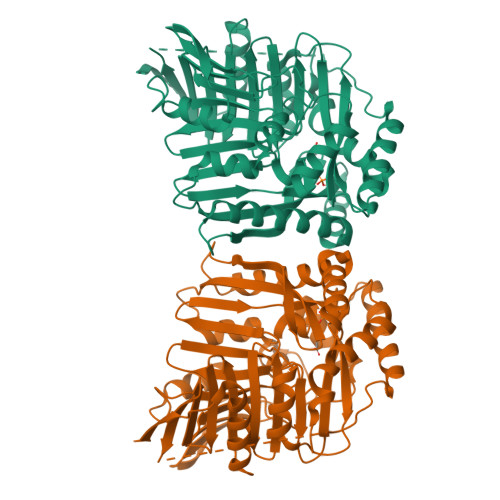
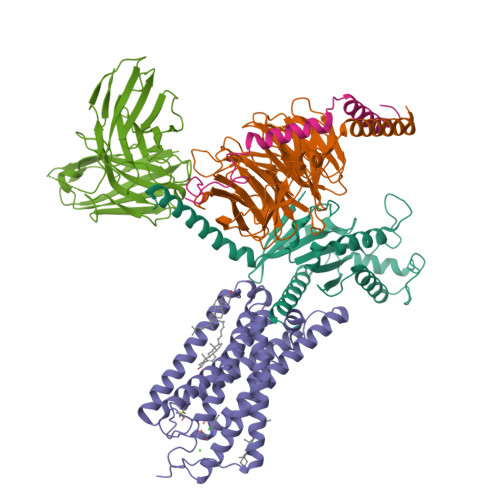
Endolysin structureClick to view 3D structureEndolysinP00720Enterobacteria phage T4Predicted (SEA)
Prediction Confidence Score
0.216
Applicability Domain
0.216 Low confidence
Statistical Significance
0.0067
Supporting Reference Compounds
1
E-value
52.159
Salicylate synthetase, Irp9 structureClick to view 3D structureSalicylate synthetase, Irp9Q9X9I8Yersinia enterocoliticaPredicted (SEA)
Prediction Confidence Score
0.214
Applicability Domain
0.214 Low confidence
Statistical Significance
0.0017
Supporting Reference Compounds
1
E-value
13.2344
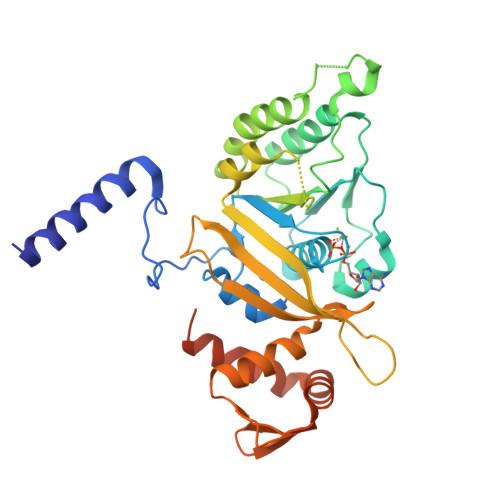
Click to view 3D structureCatechol O-methyltransferaseQ99028Sus scrofaPredicted (SEA)
Prediction Confidence Score
0.205
Applicability Domain
0.233 Low confidence
Statistical Significance
0.0019
Supporting Reference Compounds
2
E-value
14.5578
Click to view 3D structureDNA damage-inducible transcript 3 proteinP35639Mus musculusPredicted (SEA)
Prediction Confidence Score
0.205
Applicability Domain
0.235 Low confidence
Statistical Significance
0.417
Supporting Reference Compounds
226
E-value
3246.7
X-box-binding protein 1 structureClick to view 3D structureX-box-binding protein 1P17861HumansPredicted (SEA)
Prediction Confidence Score
0.205
Applicability Domain
0.235 Low confidence
Statistical Significance
0.4178
Supporting Reference Compounds
227
E-value
3252.38
Click to view 3D structureATP-dependent molecular chaperone HSP82C4YTQ8Candida albicans (strain WO-1) (Yeast)Predicted (SEA)
Prediction Confidence Score
0.201
Applicability Domain
0.235 Low confidence
Statistical Significance
0.408
Supporting Reference Compounds
205
E-value
3176.33
HTH-type transcriptional regulator ExsA structureClick to view 3D structureHTH-type transcriptional regulator ExsAP26993Pseudomonas aeruginosa (strain ATCC 15692 / PAO1 / 1C / PRS 101 / LMG12228)Predicted (SEA)
Prediction Confidence Score
0.2
Applicability Domain
0.2 Low confidence
Statistical Significance
0.0148
Supporting Reference Compounds
1
E-value
114.905
Catechol O-methyltransferase structureClick to view 3D structureCatechol O-methyltransferaseP22734Rattus norvegicusPredicted (SEA)
Prediction Confidence Score
0.198
Applicability Domain
0.229 Low confidence
Statistical Significance
0.0127
Supporting Reference Compounds
15
E-value
98.9464
Fatty acid synthase structureClick to view 3D structureFatty acid synthaseP49327HumansPredicted (SEA)
Prediction Confidence Score
0.194
Applicability Domain
0.231 Low confidence
Statistical Significance
0.4276
Supporting Reference Compounds
117
E-value
3329.14
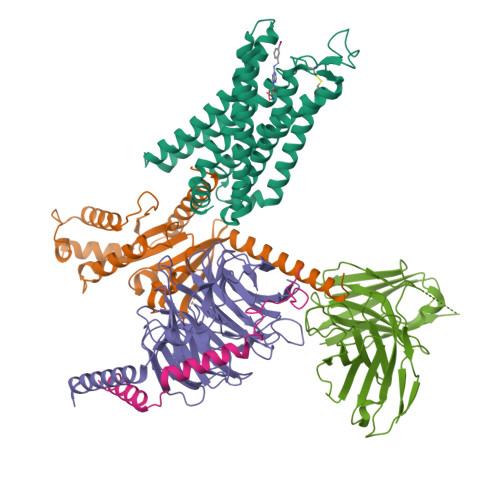
Type-1 angiotensin II receptor structureClick to view 3D structureType-1 angiotensin II receptorP30556HumansPredicted (SEA)
Prediction Confidence Score
0.194
Applicability Domain
0.206 Low confidence
Statistical Significance
0.4946
Supporting Reference Compounds
141
E-value
3850.58
Toll-like receptor 9 structureClick to view 3D structureToll-like receptor 9Q9NR96HumansPredicted (SEA)
Prediction Confidence Score
0.194
Applicability Domain
0.204 Low confidence
Statistical Significance
0.3589
Supporting Reference Compounds
111
E-value
2794.09
Click to view 3D structureTransient receptor potential cation channel subfamily A member 1Q8BLA8Mus musculusPredicted (SEA)
Prediction Confidence Score
0.193
Applicability Domain
0.211 Low confidence
Statistical Significance
0.0195
Supporting Reference Compounds
18
E-value
152.117
Voltage-dependent L-type calcium channel subunit alpha-1C structureClick to view 3D structureVoltage-dependent L-type calcium channel subunit alpha-1CQ13936HumansPredicted (SEA)
Prediction Confidence Score
0.19
Applicability Domain
0.208 Low confidence
Statistical Significance
0.3794
Supporting Reference Compounds
71
E-value
2953.99
G-protein coupled receptor 35 structureClick to view 3D structureG-protein coupled receptor 35Q9HC97HumansPredicted (SEA)
Prediction Confidence Score
0.189
Applicability Domain
0.229 Low confidence
Statistical Significance
0.5138
Supporting Reference Compounds
115
E-value
4000.2
Click to view 3D structureHeat shock factor protein 1P38532Mus musculusPredicted (SEA)
Prediction Confidence Score
0.188
Applicability Domain
0.204 Low confidence
Statistical Significance
0.5752
Supporting Reference Compounds
166
E-value
4477.58
Click to view 3D structureHistidine biosynthesis bifunctional protein HisBP06987Escherichia coli O26:H11 str. CFSAN001629Predicted (SEA)
Prediction Confidence Score
0.188
Applicability Domain
0.188 Low confidence
Statistical Significance
0.0039
Supporting Reference Compounds
1
E-value
30.7504
G-protein coupled receptor 55 structureClick to view 3D structureG-protein coupled receptor 55Q9Y2T6HumansPredicted (SEA)
Prediction Confidence Score
0.187
Applicability Domain
0.231 Low confidence
Statistical Significance
0.5454
Supporting Reference Compounds
125
E-value
4246.21
Krueppel-like factor 10 structureClick to view 3D structureKrueppel-like factor 10Q13118HumansPredicted (SEA)
Prediction Confidence Score
0.186
Applicability Domain
0.186 Low confidence
Statistical Significance
0.0438
Supporting Reference Compounds
1
E-value
341.213
Adenosine receptor A3 structureClick to view 3D structureAdenosine receptor A3P0DMS8HumansPredicted (SEA)
Prediction Confidence Score
0.186
Applicability Domain
0.208 Low confidence
Statistical Significance
0.7693
Supporting Reference Compounds
391
E-value
5988.78
Protein RecA structureClick to view 3D structureProtein RecAP9WHJ3Mycobacterium tuberculosisPredicted (SEA)
Prediction Confidence Score
0.186
Applicability Domain
0.204 Low confidence
Statistical Significance
0.6882
Supporting Reference Compounds
296
E-value
5357.27
Androgen receptor structureClick to view 3D structureAndrogen receptorP15207Rattus norvegicusPredicted (SEA)
Prediction Confidence Score
0.185
Applicability Domain
0.231 Low confidence
Statistical Significance
0.1255
Supporting Reference Compounds
73
E-value
977.319
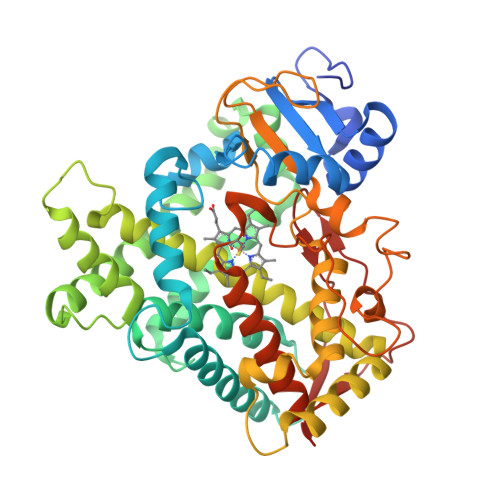
Cytochrome P450 2C9 structureClick to view 3D structureCytochrome P450 2C9P11712HumansPredicted (SEA)
Prediction Confidence Score
0.185
Applicability Domain
0.208 Low confidence
Statistical Significance
0.9727
Supporting Reference Compounds
1245
E-value
7572.32
Sphingosine 1-phosphate receptor 4 structureClick to view 3D structureSphingosine 1-phosphate receptor 4O95977HumansPredicted (SEA)
Prediction Confidence Score
0.182
Applicability Domain
0.197 Low confidence
Statistical Significance
0.5689
Supporting Reference Compounds
117
E-value
4428.53
Transthyretin structureClick to view 3D structureTransthyretinP02766HumansPredicted (SEA)
Prediction Confidence Score
0.182
Applicability Domain
0.224 Low confidence
Statistical Significance
0.2234
Supporting Reference Compounds
55
E-value
1739.23
Click to view 3D structureSentrin-specific protease 6Q9GZR1HumansPredicted (SEA)
Prediction Confidence Score
0.182
Applicability Domain
0.228 Low confidence
Statistical Significance
0.4352
Supporting Reference Compounds
93
E-value
3388.23
Concentrations
Not Available
External Links
DrugBank IDNot Available
HMDB IDHMDB0031865
FooDB IDFDB008549
Phenol Explorer IDNot Available
KNApSAcK IDNot Available
BiGG IDNot Available
BioCyc IDNot Available
METLIN IDNot Available
PDB IDNot Available
Wikipedia LinkNot Available
Chemspider ID6417
ChEBI IDNot Available
PubChem Compound ID6669
Kegg Compound IDNot Available
YMDB IDNot Available
ECMDB IDNot Available
References
Synthesis ReferenceNot Available
MSDSNot Available
General ReferencesNot Available